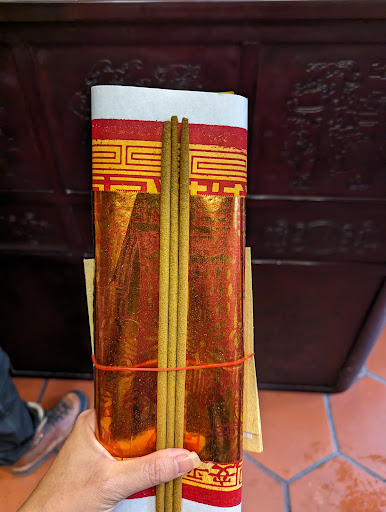
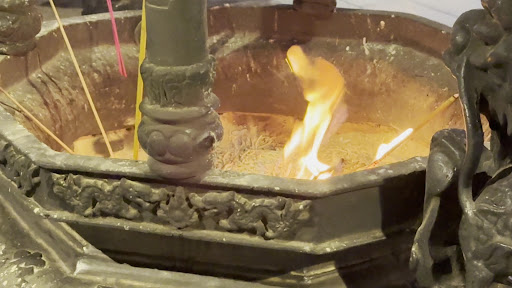
Taipei Xia Hai City God Temple things to do, attractions, restaurants, events info and trip planning
Basic Info
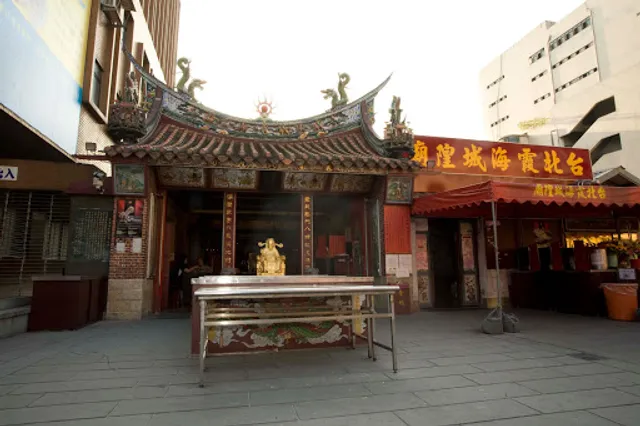
Taipei Xia Hai City God Temple
No. 61號, Section 1, Dihua St, Datong District, Taipei City, Taiwan 103
4.6(3K)
Closed
Save
spot
spot
Ratings & Description
Info
The Taipei Xia-Hai City God Temple is a temple dedicated to the City God or Cheng Huang Ye in Taipei, Taiwan.
Cultural
Accessibility
attractions: Dihua Street, Dadaocheng Wharf Container Market, Yanping Riverside Park, Sin Hong Choon, Dihua Old Street, Dadaocheng Park, Taiyuan Asian Puppet Theatre Museum, Chen Tian-lai Residence, Chaoyang Tea Park, FaChuKung Temple, restaurants: 貍小籠點心專門店 LI XIAO LONG, 蔡記迪化街古早味蚵嗲, Wanlong Raw Fish Shop, 福來許珈琲館 Fleisch Café, Lin He Fa Oily Rice Shop, South Street Delight Tea House, Du Hsiao Yueh Dan Zai Noodles, Ginspiration, 江牛樓, 永昌傳統豆花店, local businesses: Kuo's Astral Bookshop, Ningxia Night Market, Huang Yu Sheng, Taipei Bike Works | 維修/保養專門店/單車租借, World Gym Taipei Ningxia Express, Tian Long Sauna Health Plaza, Huating Stay, 裏 Ura.219, 妳可以很美nails studio|美甲工作室|預約制|appointment-based, 小石子商行 (會員制/無門檻/不用預約/可參觀)
 Learn more insights from Wanderboat AI.
Phone
+886 2 2558 0346
Website
tpecitygod.org
Open hoursSee all hours
Fri7 AM - 7 PMClosed
Plan your stay

Pet-friendly Hotels in Taipei
Find a cozy hotel nearby and make it a full experience.

Affordable Hotels in Taipei
Find a cozy hotel nearby and make it a full experience.

The Coolest Hotels You Haven't Heard Of (Yet)
Find a cozy hotel nearby and make it a full experience.

Trending Stays Worth the Hype in Taipei
Find a cozy hotel nearby and make it a full experience.
Reviews
Live events

hololive STAGE World Tour 25 -Synchronize!- @ Taipei 後夜祭 After Party
Fri, Feb 27 • 1:30 PM
Da’an District, Taipei City
View details
DMS投資概念-初階研討會
Sat, Feb 28 • 1:33 AM
106, Taiwan, Taipei City, Da’an District, 和平東路三段63號6 樓 之 6
View details

HYROX 應援 Iron Scholar 集氣派對 – Push Your Limits!
Sat, Feb 28 • 11:00 AM
Taipei Nangang Exhibition Center Hall 1, No. 1, Jingmao 2nd Rd, Nangang District, Taipei City, Taiwan 115
View details
Nearby attractions of Taipei Xia Hai City God Temple
Dihua Street
Dadaocheng Wharf Container Market
Yanping Riverside Park
Sin Hong Choon
Dihua Old Street
Dadaocheng Park
Taiyuan Asian Puppet Theatre Museum
Chen Tian-lai Residence
Chaoyang Tea Park
FaChuKung Temple
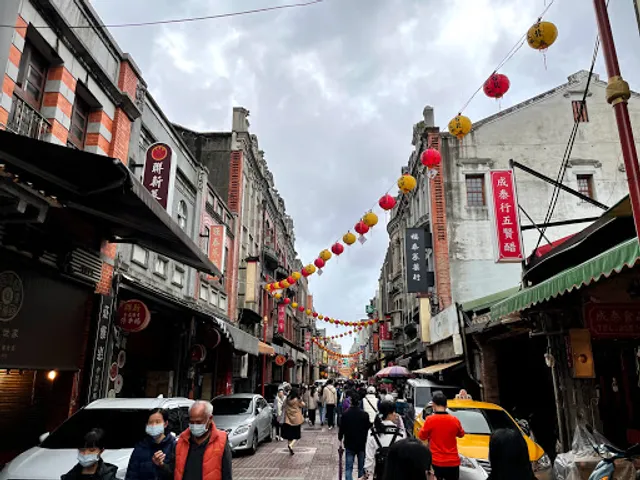
Dihua Street
4.3
(7.1K)
Open 24 hours
Click for details
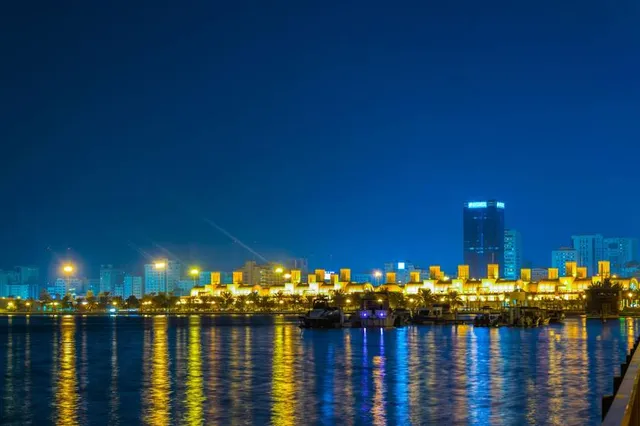
Dadaocheng Wharf Container Market
4.5
(2.4K)
Closed
Click for details
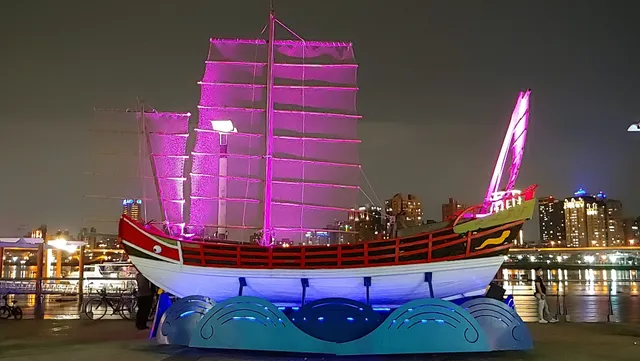
Yanping Riverside Park
4.3
(5.4K)
Open until 12:00 AM
Click for details
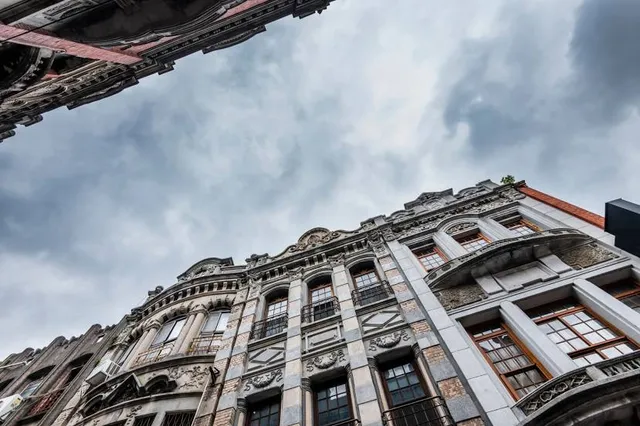
Sin Hong Choon
4.5
(1.1K)
Closed
Click for details
Nearby restaurants of Taipei Xia Hai City God Temple
貍小籠點心專門店 LI XIAO LONG
蔡記迪化街古早味蚵嗲
Wanlong Raw Fish Shop
福來許珈琲館 Fleisch Café
Lin He Fa Oily Rice Shop
South Street Delight Tea House
Du Hsiao Yueh Dan Zai Noodles
Ginspiration
江牛樓
永昌傳統豆花店
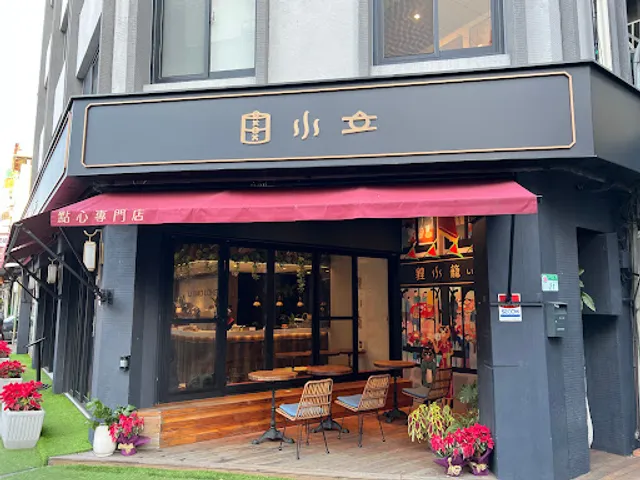
貍小籠點心專門店 LI XIAO LONG
4.8
(1.4K)
Closed
Click for details
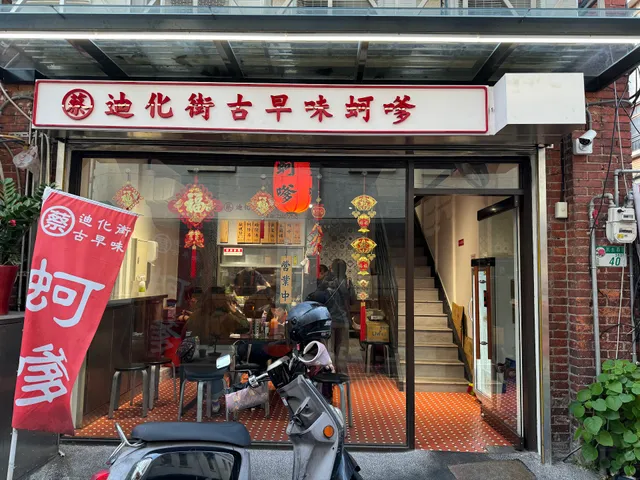
蔡記迪化街古早味蚵嗲
4.2
(777)
Closed
Click for details
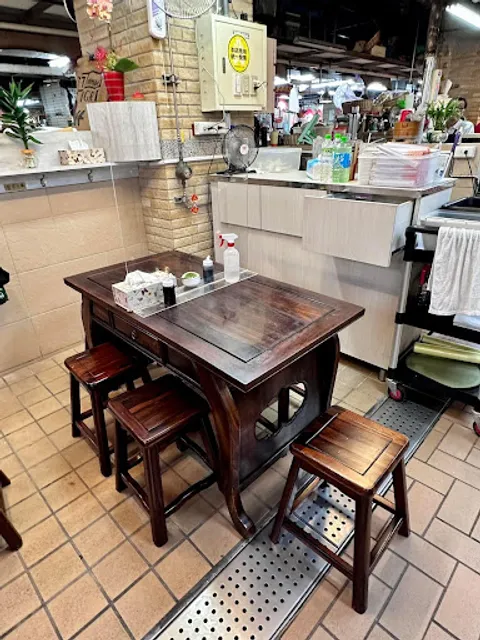
Wanlong Raw Fish Shop
4.3
(1.6K)
Closed
Click for details
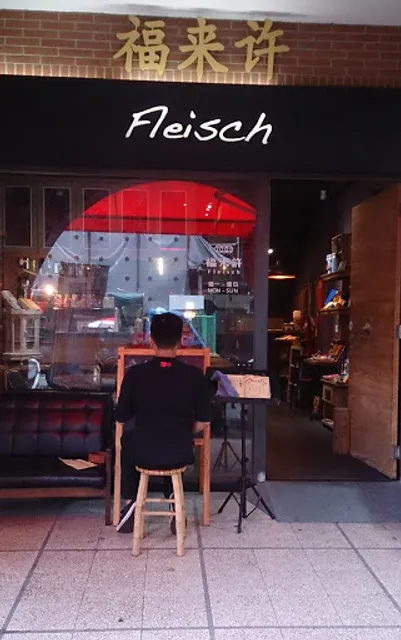
福來許珈琲館 Fleisch Café
4.1
(643)
Closed
Click for details
Nearby local services of Taipei Xia Hai City God Temple
Kuo's Astral Bookshop
Ningxia Night Market
Huang Yu Sheng
Taipei Bike Works | 維修/保養專門店/單車租借
World Gym Taipei Ningxia Express
Tian Long Sauna Health Plaza
Huating Stay
裏 Ura.219
妳可以很美nails studio|美甲工作室|預約制|appointment-based
小石子商行 (會員制/無門檻/不用預約/可參觀)
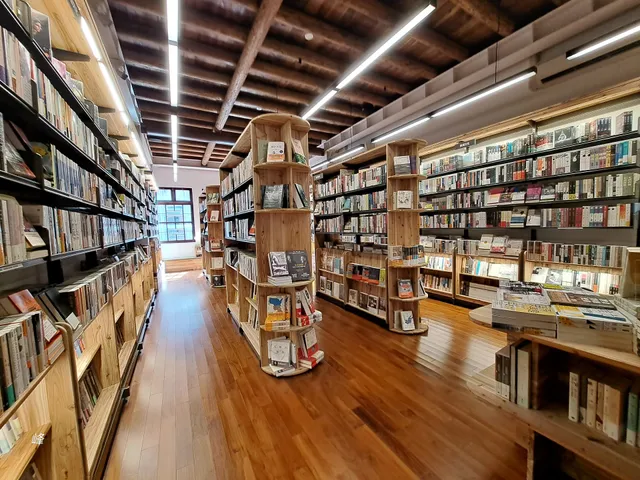
Kuo's Astral Bookshop
4.8
(586)
Click for details
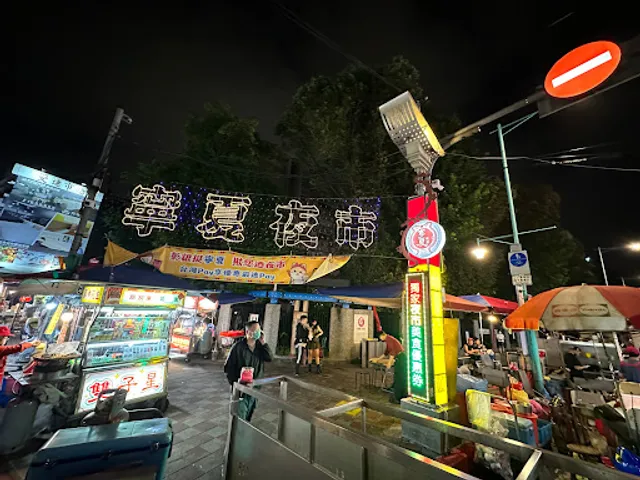
Ningxia Night Market
4.2
(20.1K)
Click for details
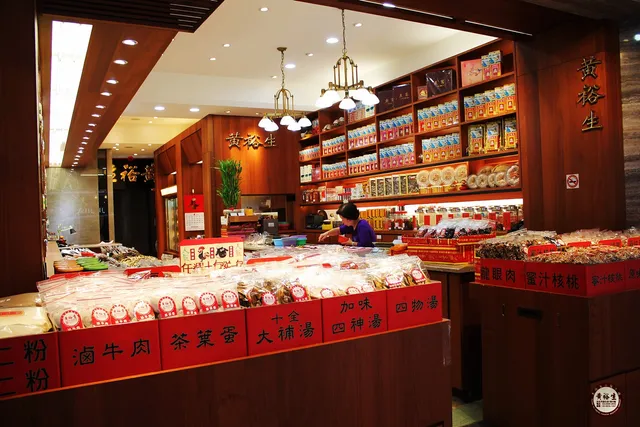
Huang Yu Sheng
4.0
(36)
Click for details

Taipei Bike Works | 維修/保養專門店/單車租借
4.9
(182)
Click for details