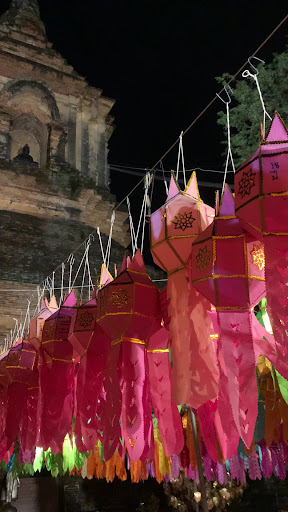
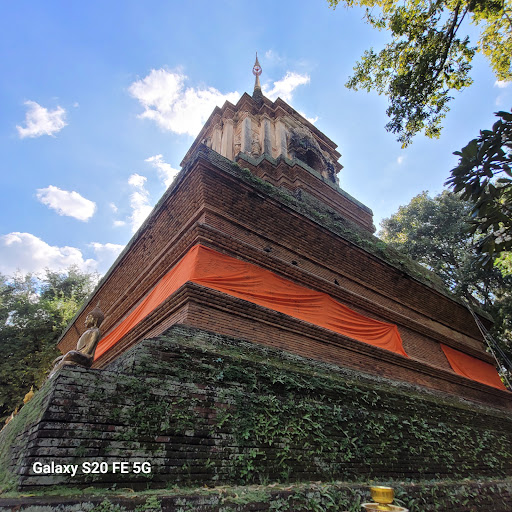
Wat Lok Moli things to do, attractions, restaurants, events info and trip planning

Basic Info
Wat Lok Moli
298/1 Manee Nopparat Rd, ตำบล ศรีภูมิ อำเภอ เมืองเชียงใหม่ Chiang Mai 50200, Thailand
4.7(3.4K)
Open 24 hours
Save
spot
spot
Ratings & Description
Info
Cultural
Scenic
attractions: Wat Rajamontean, Wat Khuan Khama, Wat Dab Pai, Jaeng Hua Lin, Wat Saen Mueang Ma Luang (Wat Hua Khuang), Sak Yant Chiang Mai | Real Bamboo Tattoo, Wat Chiang Man, Chang Phueak Gate, Kaew Gallery, Three Kings Monument, restaurants: Khao Soi Khun Yai, Moo Ood BBQ, S&P Chang Phueak, Ksushi CNX, Matsu Japanese Restaurant, Reform Kafé - Vegan Garden Restaurant, Huan Kung Kum, 58 singharat, Fern Forest Cafe, PerSimmon Café, local businesses: Wat Lok Moli, A Chef's Tour Chiang Mai Food Tours, Wat Rajamontean, Monique Q Care Hair Salo, Lanna Oriental Massage, Calm Massage and Spa ( Fern Forest branch ), Chang Phuak Market, Guarantee Haircut-Hair salon&Barber, Bronco Kids Sport Club, Risa Thai Massage
 Learn more insights from Wanderboat AI.
Website
facebook.com
Plan your stay

Pet-friendly Hotels in Chiang Mai Province
Find a cozy hotel nearby and make it a full experience.

Affordable Hotels in Chiang Mai Province
Find a cozy hotel nearby and make it a full experience.

The Coolest Hotels You Haven't Heard Of (Yet)
Find a cozy hotel nearby and make it a full experience.

Trending Stays Worth the Hype in Chiang Mai Province
Find a cozy hotel nearby and make it a full experience.
Reviews
Live events

Aromdii Thai cooking
Mon, Feb 23 • 9:00 AM
Haiya Sub-district, Chiang Mai, 50100, Thailand
View details

Take care of elephants and sticky waterfalls
Wed, Feb 25 • 8:30 AM
Si Phum, Chiang Mai, 50200, Thailand
View details
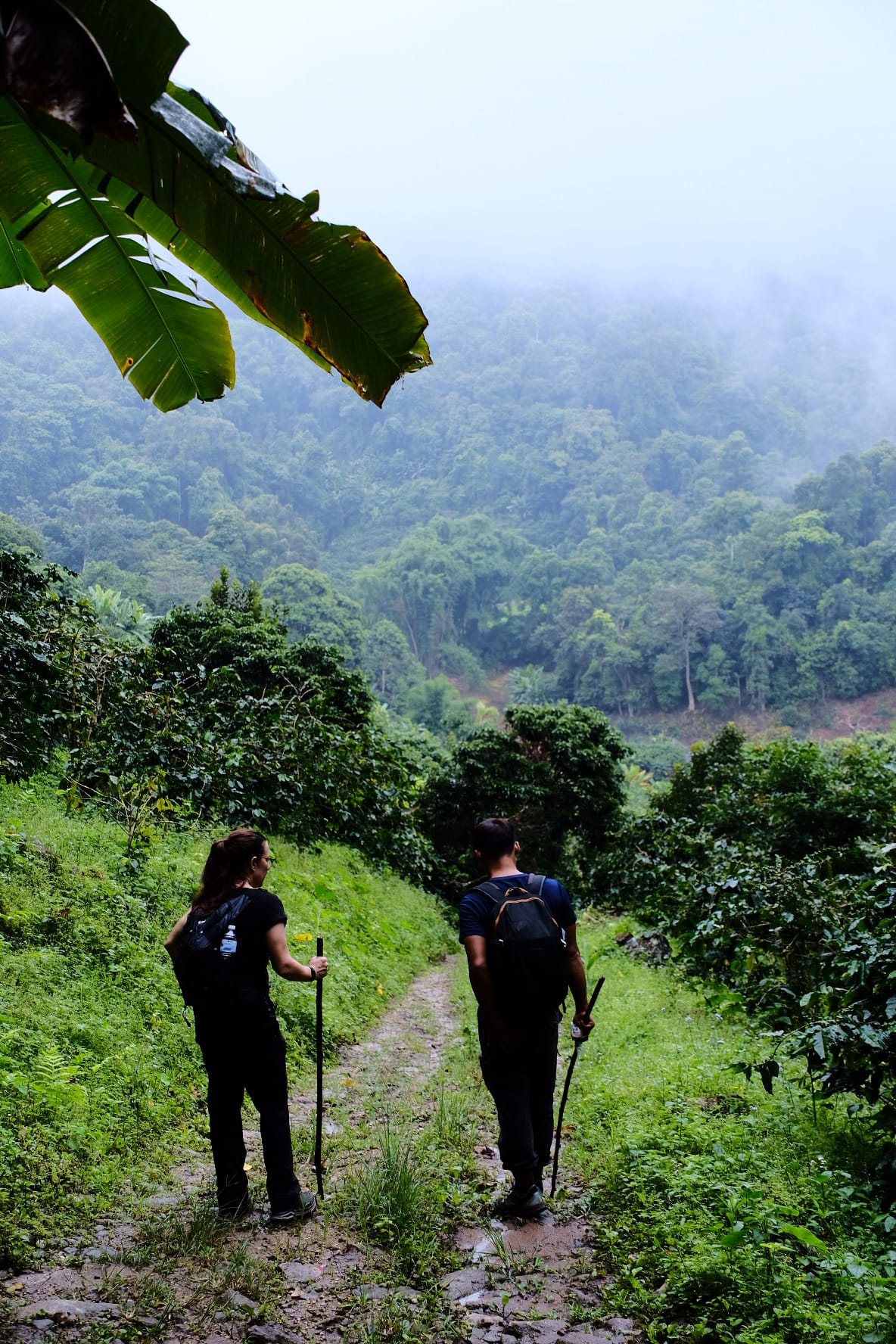
Chiangmai : Doi Pui Summit Hiking Experience
Mon, Feb 23 • 8:00 AM
Si Phum, Chiang Mai, 50100, Thailand
View details
Nearby attractions of Wat Lok Moli
Wat Rajamontean
Wat Khuan Khama
Wat Dab Pai
Jaeng Hua Lin
Wat Saen Mueang Ma Luang (Wat Hua Khuang)
Sak Yant Chiang Mai | Real Bamboo Tattoo
Wat Chiang Man
Chang Phueak Gate
Kaew Gallery
Three Kings Monument

Wat Rajamontean
4.7
(216)
Open 24 hours
Click for details
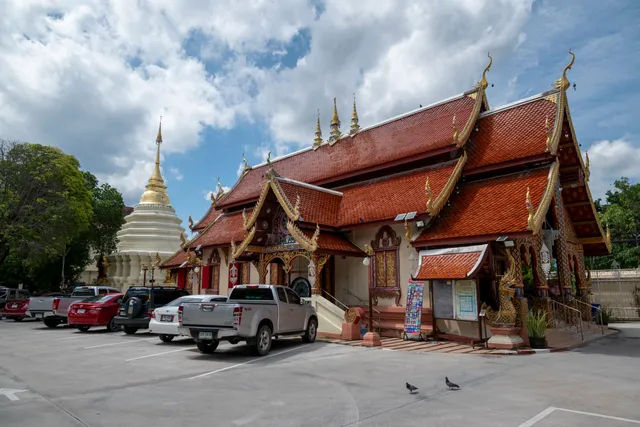
Wat Khuan Khama
4.2
(91)
Open 24 hours
Click for details
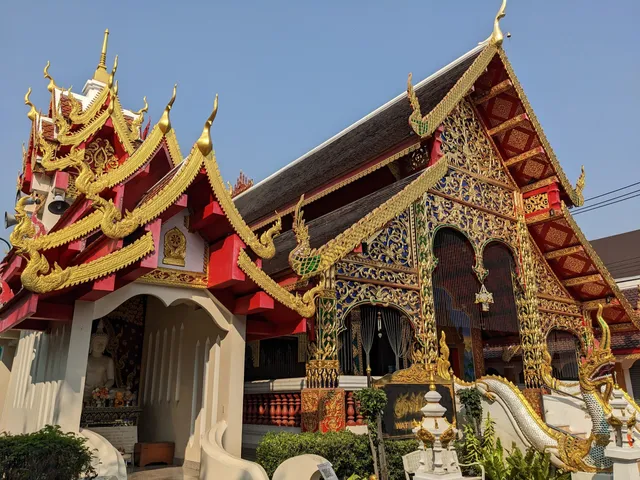
Wat Dab Pai
4.6
(384)
Open until 7:00 PM
Click for details
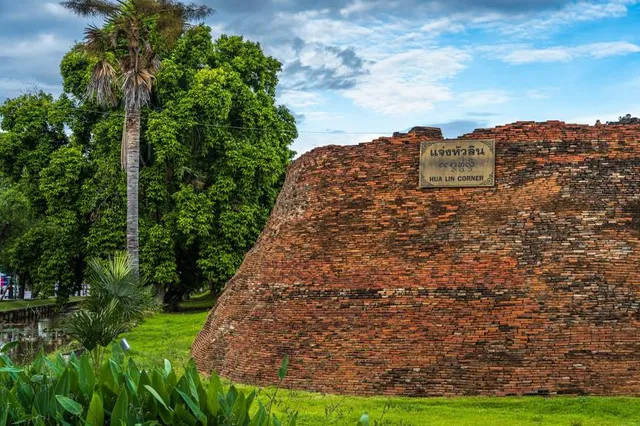
Jaeng Hua Lin
4.2
(121)
Open until 12:00 AM
Click for details
Nearby restaurants of Wat Lok Moli
Khao Soi Khun Yai
Moo Ood BBQ
S&P Chang Phueak
Ksushi CNX
Matsu Japanese Restaurant
Reform Kafé - Vegan Garden Restaurant
Huan Kung Kum
58 singharat
Fern Forest Cafe
PerSimmon Café
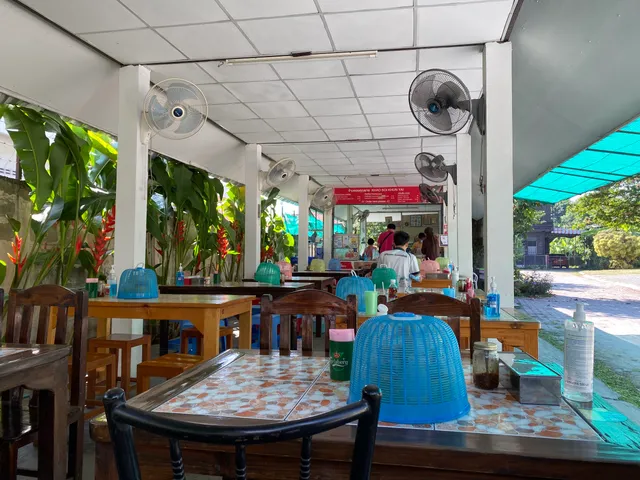
Khao Soi Khun Yai
4.6
(1.4K)
Open until 12:00 AM
Click for details

Moo Ood BBQ
4.9
(937)
Closed
Click for details
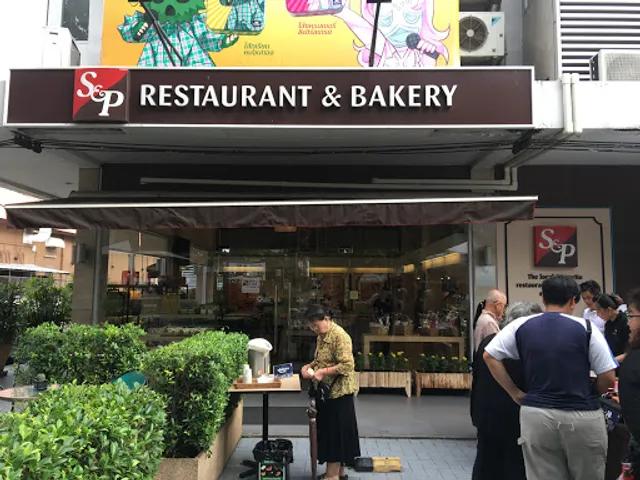
S&P Chang Phueak
3.9
(212)
Open until 9:00 PM
Click for details
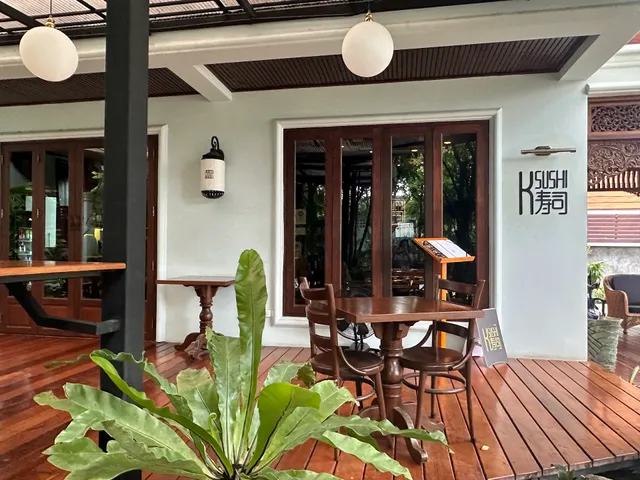
Ksushi CNX
4.9
(210)
Open until 12:00 AM
Click for details
Nearby local services of Wat Lok Moli
Wat Lok Moli
A Chef's Tour Chiang Mai Food Tours
Wat Rajamontean
Monique Q Care Hair Salo
Lanna Oriental Massage
Calm Massage and Spa ( Fern Forest branch )
Chang Phuak Market
Guarantee Haircut-Hair salon&Barber
Bronco Kids Sport Club
Risa Thai Massage

Wat Lok Moli
4.6
(2K)
Click for details
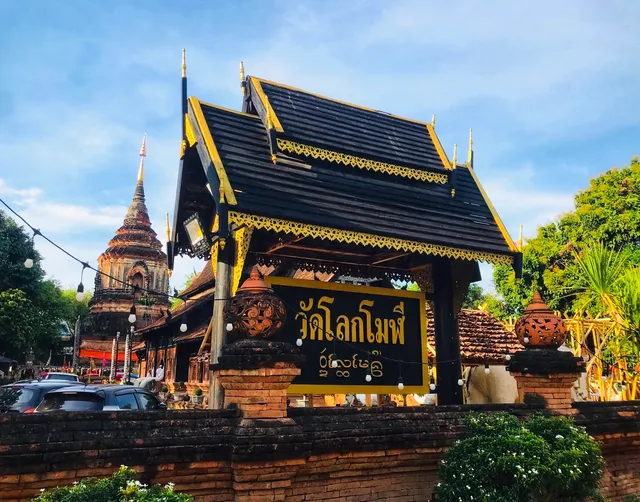
A Chef's Tour Chiang Mai Food Tours
4.9
(49)
Click for details
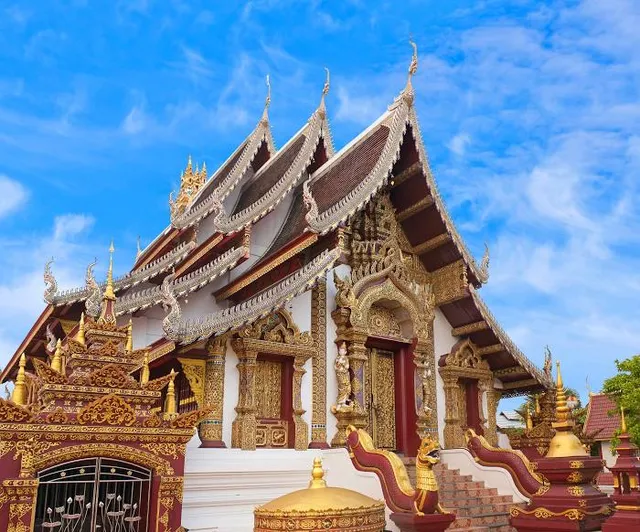
Wat Rajamontean
4.6
(134)
Click for details

Monique Q Care Hair Salo
4.9
(190)
Click for details