HTML SitemapExplore
logo
Find Things to DoFind The Best Restaurants

Wat Pathum Wanaram Rachaworawihan — Attraction in Pathum Wan Subdistrict

Name
Wat Pathum Wanaram Rachaworawihan
Description
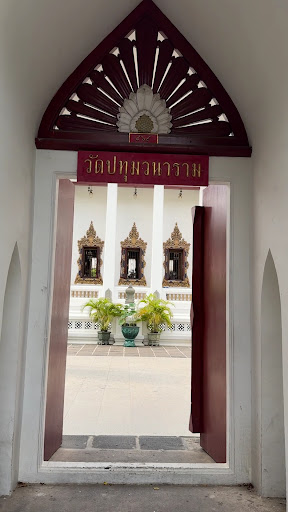
Wat Pathum Wanaram or Wat Pathum for short is a Buddhist temple in Bangkok, Thailand. It is located in the Pathum Wan District, between the two shopping malls Siam Paragon and CentralWorld, and across the street of Siam Square.
Nearby attractions
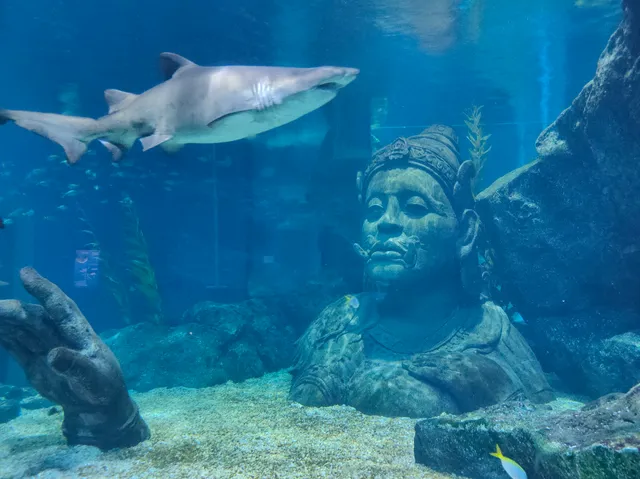
SEA LIFE Bangkok Ocean World
āļŠāļąāđ‰āļ™ āļšāļĩ1-āļšāļĩ2 āļŠāļĒāļēāļĄāļžāļēāļĢāļēāļāļ­āļ™ 991 Rama I Rd, Pathum Wan, Bangkok 10330, Thailand
Luggage Delivery & Storage Central World @Groove Zone by AIRPORTELs
1 Floor, Groove Zone, Central World, Bangkok 10330, Thailand
Luggage Delivery & Luggage Storage Central World @Hug thai zone by AIRPORTELs
1st Floor Central Hug Thai Zone (next to ChaTarMue Exit D, Rama I Rd, Pathum Wan, Bangkok 10330, Thailand
Museum of Human Body
34 Henri Dunant Rd, Wang Mai, Pathum Wan, Bangkok 10330, Thailand
Bangkok Art and Culture Centre
939 Rama I Rd, Wang Mai, Pathum Wan, Bangkok 10330, Thailand
Ratchaprasong Sky Walk
PGVR+Q5R Chaloem Loke Bridge, Ratchadamri Rd, Makkasan, Ratchathewi, Bangkok 10330, Thailand
Palladium Night Market
487 Phetchaburi Rd, Makkasan, Ratchathewi, Bangkok 10400, Thailand
Queen Savang Vadhana Museum
āļ§āļąāļ‡āļŠāļĢāļ°āļ›āļ—āļļāļĄ, 195 Phaya Thai Rd, Khwaeng Pathum Wan, Pathum Wan, Bangkok 10330, Thailand
Faculty of Veterinary Science Chulalongkorn University
Pathum Wan, Bangkok 10330, Thailand
The Royal Bangkok Sports Club
1 Henri Dunant Rd, āđ€āđ€āļ‚āļ§āļ‡ āļ›āļ—āļļāļĄāļ§āļąāļ™, Pathum Wan, Bangkok 10330, Thailand
Nearby restaurants
Gourmet Eats Siam Paragon Branch
991 Rama I Rd, Pathum Wan, Bangkok 10330, Thailand
Red Sky
999, 99 Rama I Rd, Pathum Wan, Bangkok 10330, Thailand
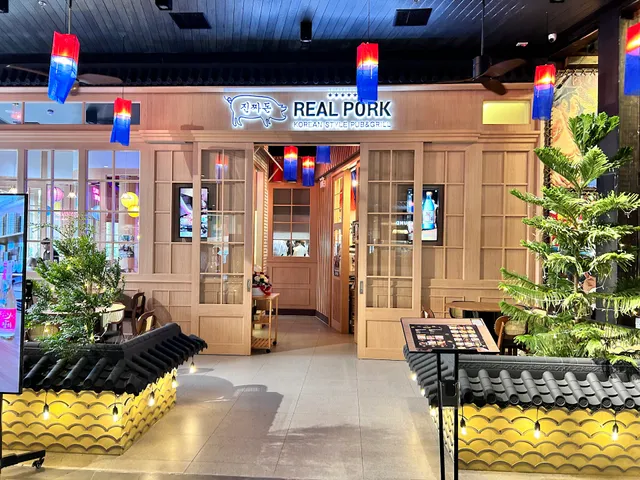
Realpork Korean BBQ & Pub (Groove at centralwOrld)
PGWQ+49R, Unit 218, Groove, Level 2, centralwOrld Rama I Rd, Pathum Wan, Bangkok 10330, Thailand
Tan Kun āļ—āđˆāļēāļ™āļ‚āļļāļ™ Central World
āļŠāļąāđ‰āļ™ 1st fl, āļĢāđ‰āļēāļ™āļ—āđˆāļēāļ™āļ‚āļļāļ™ TanKun, āđ‚āļ‹āļ™āļŪāļąāļāđ„āļ—āļĒ (hug thai Zone āļ•āļīāļ”āļ›āļĢāļ°āļ•āļđāļ—āļēāļ‡āļ­āļ­āļāđ‚āļĢāļ‡āđāļĢāļĄāđ€āļ‹āđ‡āļ™āļ—āļĢāļē, āļĻāļđāļ™āļĒāđŒāļāļēāļĢāļ„āđ‰āļē āđ€āļ‹āđ‡āļ™āļ—āļĢāļąāļĨāđ€āļ§āļīāļĨāļ”āđŒ Central World, āļšāđ‰āļēāļ™āđ€āļĨāļ‚āļ—āļĩāđˆ 4, Pathum Wan, Bangkok 10330, Thailand
Tonchin Ramen - Siam Paragon
āļŠāļąāđ‰āļ™ G Siam Paragon, 991 Rama I Rd, Pathum Wan, Bangkok 10330, Thailand
Nara Thai Cuisine Central World
4, 4/1 – 4/4, āđ€āļ‹āđ‡āļ™āļ—āļĢāļąāļĨāđ€āļ§āļīāļĨāļ”āđŒ āļŠāļąāđ‰āļ™āļ—āļĩāđˆ 7, 4 Ratchadamri Rd, Pathum Wan, Bangkok 10330, Thailand
Pang Cha Thai Royal Cafe (Central World)
āđāļ‚āļ§ āļ‡, 3th floor Central World, Rama I Rd, Pathum Wan, Bangkok 10330, Thailand
NAMA Japanese and Seafood Buffet
24th floor Centara Grand and Bangkok Convention Centre, 999/99 Rama I Rd, Khwaeng Pathum Wan, Pathum Wan, Bangkok 10330, Thailand
TAI ER åĪŠäšŒé…ļ菜鱾 (CENTRAL WORLD)
7 Floor 999 Phloen Chit Rd, Lumphini, Pathum Wan, Bangkok 10330, Thailand
Somboon Seafood @ Central World
āļŦāđ‰āļ­āļ‡ C602 āļĻāļđāļ™āļĒāđŒāļāļēāļĢāļ„āđ‰āļēāđ€āļ‹āđ‡āļ™āļ—āļĢāļąāļĨāđ€āļ§āļīāļĨāļ”āđŒ 4, 4/1-4/2, 4/4 āļŠāļąāđ‰āļ™ 6 Ratchadamri Rd, Pathum Wan, Bangkok 10330, Thailand
Related posts
Keywords
Wat Pathum Wanaram Rachaworawihan tourism.Wat Pathum Wanaram Rachaworawihan hotels.Wat Pathum Wanaram Rachaworawihan bed and breakfast. flights to Wat Pathum Wanaram Rachaworawihan.Wat Pathum Wanaram Rachaworawihan attractions.Wat Pathum Wanaram Rachaworawihan restaurants.Wat Pathum Wanaram Rachaworawihan travel.Wat Pathum Wanaram Rachaworawihan travel guide.Wat Pathum Wanaram Rachaworawihan travel blog.Wat Pathum Wanaram Rachaworawihan pictures.Wat Pathum Wanaram Rachaworawihan photos.Wat Pathum Wanaram Rachaworawihan travel tips.Wat Pathum Wanaram Rachaworawihan maps.Wat Pathum Wanaram Rachaworawihan things to do.
Wat Pathum Wanaram Rachaworawihan things to do, attractions, restaurants, events info and trip planning
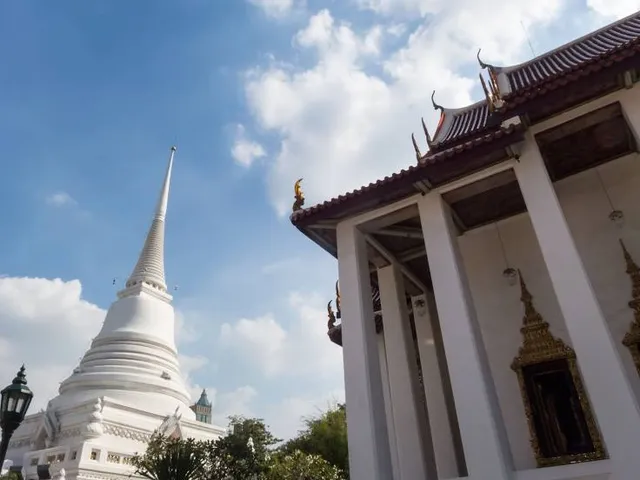
Wat Pathum Wanaram Rachaworawihan
ThailandBangkokPathum Wan SubdistrictWat Pathum Wanaram Rachaworawihan

Basic Info

Wat Pathum Wanaram Rachaworawihan

969 Rama I Rd, Khwaeng Pathum Wan, Pathum Wan, Bangkok 10330, Thailand
4.6(2K)
Open 24 hours
Save
spot

Ratings & Description

Info

Wat Pathum Wanaram or Wat Pathum for short is a Buddhist temple in Bangkok, Thailand. It is located in the Pathum Wan District, between the two shopping malls Siam Paragon and CentralWorld, and across the street of Siam Square.

Cultural
Accessibility
attractions: SEA LIFE Bangkok Ocean World, Luggage Delivery & Storage Central World @Groove Zone by AIRPORTELs, Luggage Delivery & Luggage Storage Central World @Hug thai zone by AIRPORTELs, Museum of Human Body, Bangkok Art and Culture Centre, Ratchaprasong Sky Walk, Palladium Night Market, Queen Savang Vadhana Museum, Faculty of Veterinary Science Chulalongkorn University, The Royal Bangkok Sports Club, restaurants: Gourmet Eats Siam Paragon Branch, Red Sky, Realpork Korean BBQ & Pub (Groove at centralwOrld), Tan Kun āļ—āđˆāļēāļ™āļ‚āļļāļ™ Central World, Tonchin Ramen - Siam Paragon, Nara Thai Cuisine Central World, Pang Cha Thai Royal Cafe (Central World), NAMA Japanese and Seafood Buffet, TAI ER åĪŠäšŒé…ļ菜鱾 (CENTRAL WORLD), Somboon Seafood @ Central World
logoLearn more insights from Wanderboat AI.
Phone
+66 2 251 6478
Website
facebook.com

Plan your stay

hotel
Pet-friendly Hotels in Pathum Wan Subdistrict
Find a cozy hotel nearby and make it a full experience.

hotel
Affordable Hotels in Pathum Wan Subdistrict
Find a cozy hotel nearby and make it a full experience.

hotel
The Coolest Hotels You Haven't Heard Of (Yet)
Find a cozy hotel nearby and make it a full experience.

hotel
Trending Stays Worth the Hype in Pathum Wan Subdistrict
Find a cozy hotel nearby and make it a full experience.

Reviews

Nearby attractions of Wat Pathum Wanaram Rachaworawihan

SEA LIFE Bangkok Ocean World

Luggage Delivery & Storage Central World @Groove Zone by AIRPORTELs

Luggage Delivery & Luggage Storage Central World @Hug thai zone by AIRPORTELs

Museum of Human Body

Bangkok Art and Culture Centre

Ratchaprasong Sky Walk

Palladium Night Market

Queen Savang Vadhana Museum

Faculty of Veterinary Science Chulalongkorn University

The Royal Bangkok Sports Club

SEA LIFE Bangkok Ocean World

SEA LIFE Bangkok Ocean World

4.5

(10.1K)

Open until 8:00 PM
Click for details
Luggage Delivery & Storage Central World @Groove Zone by AIRPORTELs

Luggage Delivery & Storage Central World @Groove Zone by AIRPORTELs

4.3

(262)

Open 24 hours
Click for details
Luggage Delivery & Luggage Storage Central World @Hug thai zone by AIRPORTELs

Luggage Delivery & Luggage Storage Central World @Hug thai zone by AIRPORTELs

5.0

(13)

Open until 10:00 PM
Click for details
Museum of Human Body

Museum of Human Body

4.6

(144)

Open 24 hours
Click for details

Things to do nearby

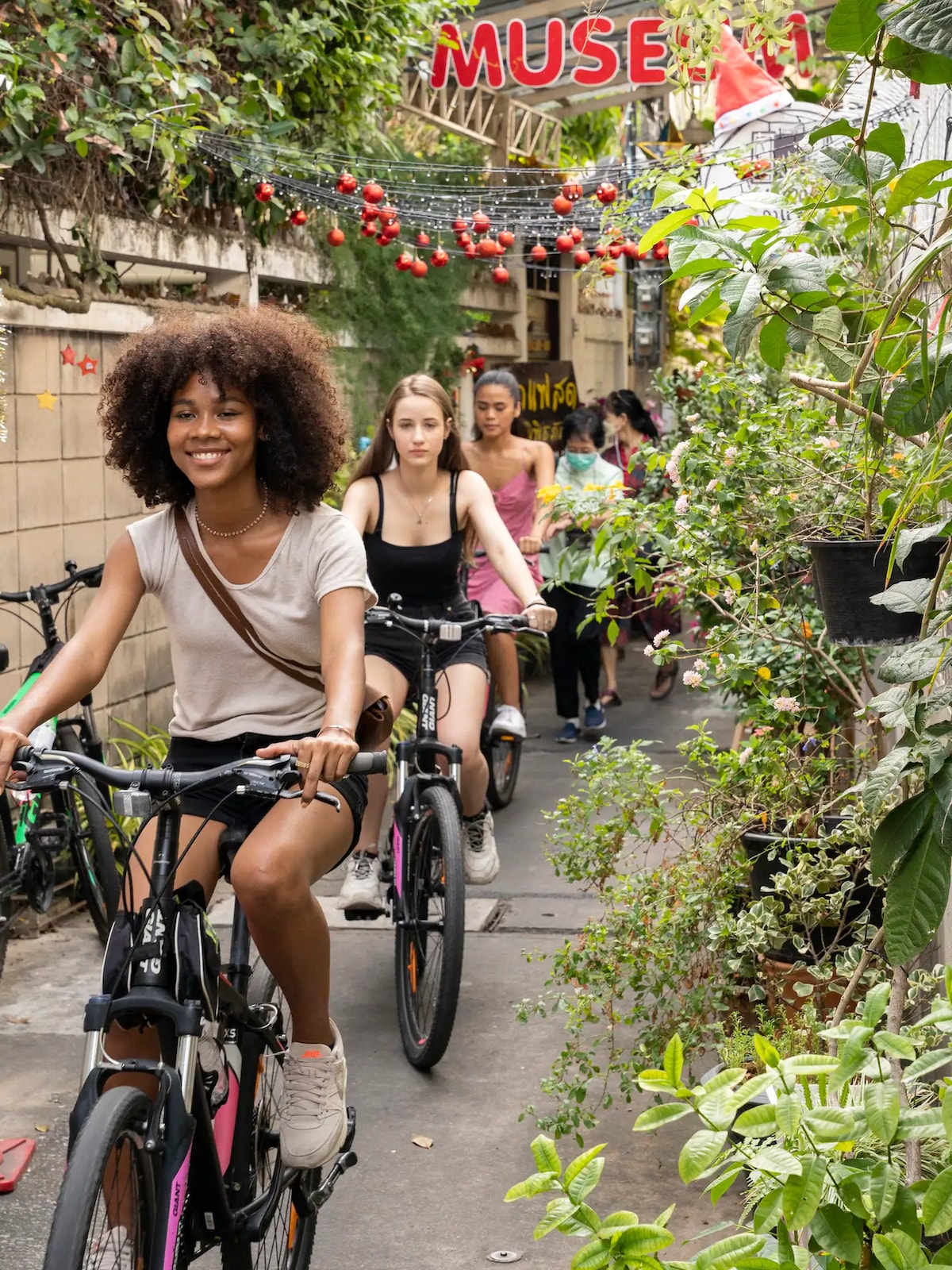
Must-Try: Hidden Bangkok Bike and Food tour
Fri, Dec 5 â€Ē 10:00 AM
Khlong San, Bangkok, 10600, Thailand
View details
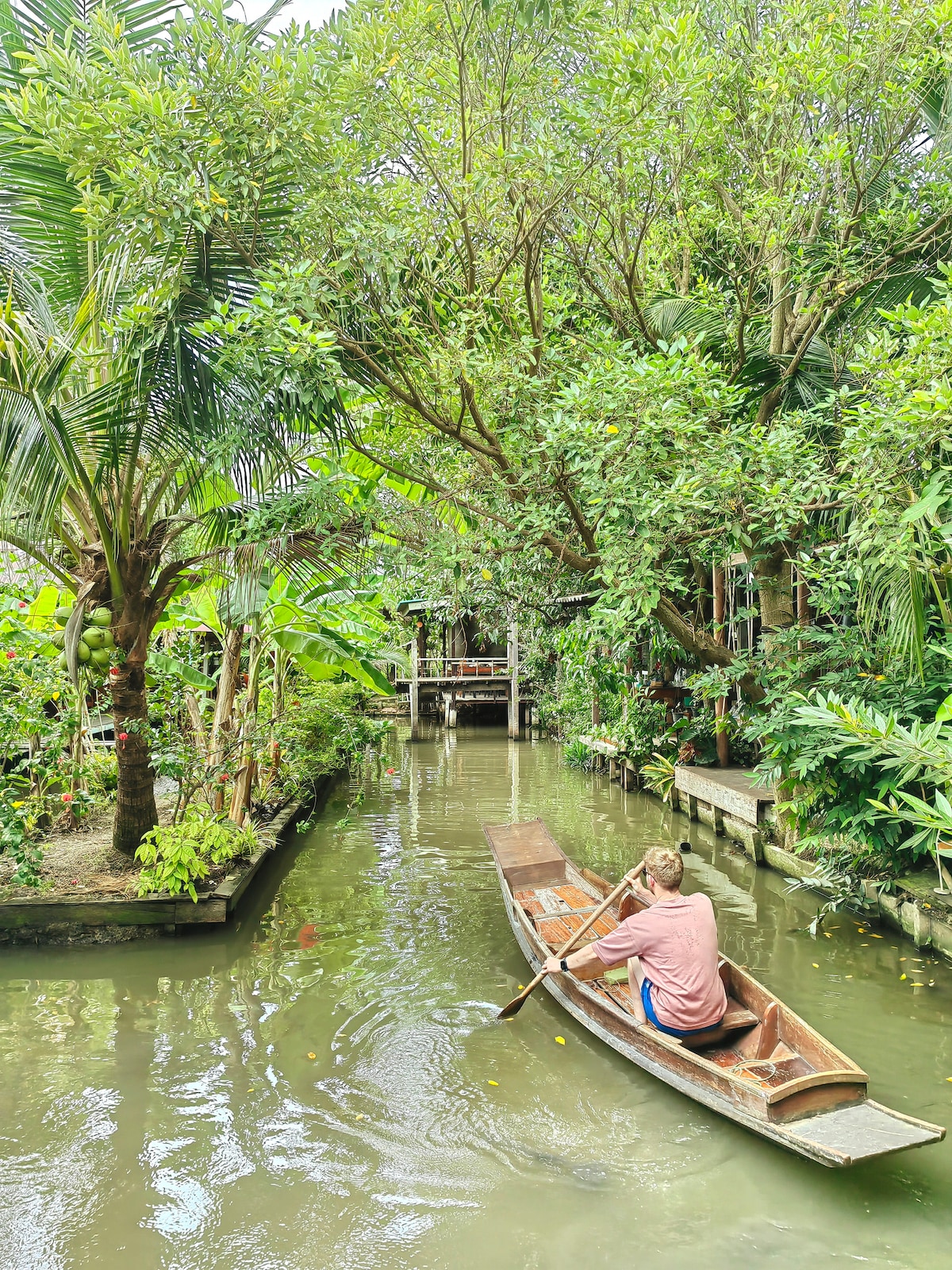
Ride tuk‑tuk through Bangkok
Thu, Dec 4 â€Ē 7:00 PM
Phra Nakhon, Bangkok, 10200, Thailand
View details
Adventure in Bangkoks Jungle
Fri, Dec 5 â€Ē 1:30 PM
Bang Na, Bangkok, 10260, Thailand
View details

Nearby restaurants of Wat Pathum Wanaram Rachaworawihan

Gourmet Eats Siam Paragon Branch

Red Sky

Realpork Korean BBQ & Pub (Groove at centralwOrld)

Tan Kun āļ—āđˆāļēāļ™āļ‚āļļāļ™ Central World

Tonchin Ramen - Siam Paragon

Nara Thai Cuisine Central World

Pang Cha Thai Royal Cafe (Central World)

NAMA Japanese and Seafood Buffet

TAI ER åĪŠäšŒé…ļ菜鱾 (CENTRAL WORLD)

Somboon Seafood @ Central World

Gourmet Eats Siam Paragon Branch

Gourmet Eats Siam Paragon Branch

4.4

(1.3K)

$

Click for details
Red Sky

Red Sky

4.5

(1.8K)

Click for details
Realpork Korean BBQ & Pub (Groove at centralwOrld)

Realpork Korean BBQ & Pub (Groove at centralwOrld)

4.9

(465)

$

Click for details
Tan Kun āļ—āđˆāļēāļ™āļ‚āļļāļ™ Central World

Tan Kun āļ—āđˆāļēāļ™āļ‚āļļāļ™ Central World

4.7

(418)

Open until 10:00 PM
Click for details
Get the Appoverlay
Get the AppOne tap to find yournext favorite spots!
Wanderboat LogoWanderboat

Your everyday Al companion for getaway ideas

CompanyAbout Us
InformationAI Trip PlannerSitemap
SocialXInstagramTiktokLinkedin
LegalTerms of ServicePrivacy Policy

Get the app

ÂĐ 2025 Wanderboat. All rights reserved.
logo

Reviews of Wat Pathum Wanaram Rachaworawihan

4.6
(2,025)
avatar
4.0
7y

Wat Pathum Wanaram is a Buddhist temple in Bangkok, Thailand. It is located in the district Pathum Wan, between the two shopping malls Siam Paragon and Central World, and across the street of Siam Square. The temple was founded in 1857 by King Mongkut (Rama IV) as a place of worship near his Sa Pathum Palace. At the time of its founding the area was still only rice fields, only accessible via the Khlong Saen Saeb. The temple is a third class royal temple of the Thammayut Nikaya order. The full name of the temple is Wat Pathum Wanaram Ratcha Wora Viharn The ashes of Thai Royal Family members in the line of Prince Mahidol Adulyadej are interred at the temple. Among the various buildings of the temple is a sala partially reconstructed from the crematorium of the late Princess Mother of Thailand. The crematorium was a rare example of ancient craftsmanship featuring ornate stencils and lacquered sculptures. Known in Thai as phra men, it represents Mount Meru, the heavenly abode of the gods. Set in the midst of Bangkok's biggest shopping area is the strangely serene temple of Wat Pathum Wanaram. Its a sort of multi-layered temple that only reveals all its sights bit by bit. The large pagoda between the ordination hall and the chapel Just inside the high outer wall of the temple is a large pond and parking area that acts as a buffer between the street and the temple, helping to create the quiet serenity of the temple. Passing through the gates in a second wall brings you into the temple compound proper. The temple buildings are arranged in a row parallel to the street. A small elegant ubosot sits at the eastern end. Behind it is a large white chedi, followed by the very large wiharn. Finally is an ancient Bo tree housed in a courtyard. Behind this main line of buildings is a library. Another wall separates the main temple compound from the monks' quarters. Behind the monks' quarters, and actually separate from the temple, is a sort of park thickly planed with trees. In the middle of this is a large open sided prayer hall dedicated to the memory of the late Princess Mother, who lived near the temple in Sra Pathum Palace. Next to the hall is a paved plaza also densely planted with trees. Wat Pathum Wanaram ( Lotus Temple ) is a royal temple of the third class near Siam Paragon shopping mall in central Bangkok. The temple was originally constructed on the site of Sra Pathum Palace, a residence of King Rama IV surrounded by lotus ponds. Built in honour of Queen Thepsirintra and completed in 1857, the king named the temple Pathumwanaram. It is also called Wat Sra Pathum or Wat Sra. In 1972, a fire destroyed the murals in the ordination hall (ubosot) and they were subsequently replaced. A major renovation of the temple was completed late in 2011. On May 19, 2010, during the government's crackdown on red-shirt protesters, six civilians were shot dead in the grounds of Wat Pathum, apparently from the elevated sky Train track above the main road. It has not yet been established exactly who did...

   Read more
avatar
5.0
23w

The Three Holy Brothers: Phra Serm, Phra Suk, Phra Sai

Regarding the discovery of a Buddha statue on the Lao side, some have speculated that it is the “Phra Suk” that was lost in the Mekong River. However, this seems unlikely, as the artistic style and casting of the statue belong to a different era, and the locations along the Mekong River where these events occurred are far apart. Today, our news team takes you on a journey to trace the story of the three holy brothers: Phra Serm, Phra Suk, and Phra Sai.

Legend has it that the three daughters of the Lan Xang king commissioned the casting of three Buddha statues, each named after one of the princesses.

Brought from Lan Xang Across the Mekong to Siam

Originally, the three Buddha statues were enshrined in Vientiane. During the reign of King Rama III, in the campaign to suppress the Vientiane rebellion, Somdet Phra Bowornrajchao Mahasakdiphonsep, who led the campaign, reportedly brought the three statues from Buffalo Mountain, where the locals had hidden them. The statues were transported on bamboo rafts.

Phra Suk Sinks in the Mekong During the first attempt, the bamboo raft broke, causing the pedestal of Phra Suk to sink into the Mekong, an area later called “Wern Thaen.” Later, while navigating the Mekong near the mouth of the Ngum River, opposite Ban Nong Kung, Phon Phisai District, Nong Khai Province, a storm caused the raft carrying Phra Suk to break apart. Phra Suk sank into the river, and the area became known as “Wern Suk.”

Phra Serm was enshrined at Wat Pho Chai, while Phra Sai was taken to Wat Ho Kong. Brought to Bangkok

During the reign of King Rama IV, King Mongkut ordered Khun Worathani and Chao Men to bring Phra Serm and Phra Sai to Bangkok. However, the Brahmin responsible for transporting Phra Sai could not move the oxcart carrying it, and the cart eventually broke. After deliberation, it was decided to enshrine Phra Sai at Wat Pho Chai instead. Phra Serm, however, was successfully brought to Bangkok.

Originally, King Rama IV intended to install Phra Serm as the principal Buddha image at Wat Boworn Suthawas. However, upon seeing its magnificent appearance, he decided to place it on a white umbrella pedestal in the royal palace. After his passing, King Mongkut ordered Phra Serm to be enshrined as the principal image in the vihara of Wat Pathum Wanaram in Bangkok.

References: Somdet Krom Phraya Damrong Rajanubhab, article on “Legends of Important Buddha Statues” in Silpa Wattanatham Magazine, Phongsan...

   Read more
avatar
5.0
1y

Wat Pathum Wanaram Rachworawihan This is the first time for me. Wat Pathum beautiful and quite temple in between of central world and siam paragon. I went to meditate retreat program 4 days 3 nights During Visakha Bucha Day 2019 (āļ§āļąāļ™āļ§āļīāļŠāļēāļ‚āļšāļđāļŠāļē) or Wan Pra Yai āļ§āļąāļ™āļžāļĢāļ°āđƒāļŦāļāđˆ marks the three important incidents in the life of Lord Buddha (āļžāļĢāļ°āļžāļļāļ—āļ˜āđ€āļˆāđ‰āļē) on the same day – the full moon of the sixth lunar month. The three significant separate events are :

The Buddha’s Birth (āļ›āļĢāļ°āļŠāļđāļ•āļī)

The Enlightenment of Buddha (āļ•āļĢāļąāļŠāļĢāļđāđ‰) – While sitting under the Bodhi tree, he found his answer and attained the enlightenment at the age of 35 years.

The Nibbana (āļ›āļĢāļīāļ™āļīāļžāļžāļēāļ™)- The Buddha passed away on Tuesday, the Vesak full moon day in the zodiac year of the small snake under the two Sal trees in the Sala Grove of the Mallas in Kusinara, the capital of the Malla state, (nowadays located in Kusinagara of Uttrarapradesa, India) at the age of eighty years (around 2547 years ago).Wisaka Bucha Day falls every year in the month of July. This year it is on Saturday 20 2024

Wisaka Bucha Day is regognized as most important memorial day in Buddhism for the Lord Buddha. Wisaka Bucha day is also recognized by the UNESCO in 1999 as “World Heritage Day”. Thailand where is the permanent location of the World Fellowship of Buddhists, was chosen to host celebrating event for the day and Sunday 21 July āļ§āļąāļ™āđ€āļ‚āđ‰āļēāļžāļĢāļĢāļĐāļē (Buddhist Lent or Rains-Retreat the meditation program āļĻāļĩāļĨ 8 = Eight Precepts āļ™āļąāđˆāļ‡āļŠāļĄāļēāļ˜āļī = Meditation Mindfulness Breathe Concentrate. Outline of thought : Live life consciously #meditation CR photo from...

   Read more
Page 1 of 7
Previous
Next

Posts

Nut PongsakornNut Pongsakorn
The Three Holy Brothers: Phra Serm, Phra Suk, Phra Sai Regarding the discovery of a Buddha statue on the Lao side, some have speculated that it is the “Phra Suk” that was lost in the Mekong River. However, this seems unlikely, as the artistic style and casting of the statue belong to a different era, and the locations along the Mekong River where these events occurred are far apart. Today, our news team takes you on a journey to trace the story of the three holy brothers: Phra Serm, Phra Suk, and Phra Sai. Legend has it that the three daughters of the Lan Xang king commissioned the casting of three Buddha statues, each named after one of the princesses. Brought from Lan Xang Across the Mekong to Siam Originally, the three Buddha statues were enshrined in Vientiane. During the reign of King Rama III, in the campaign to suppress the Vientiane rebellion, Somdet Phra Bowornrajchao Mahasakdiphonsep, who led the campaign, reportedly brought the three statues from Buffalo Mountain, where the locals had hidden them. The statues were transported on bamboo rafts. Phra Suk Sinks in the Mekong During the first attempt, the bamboo raft broke, causing the pedestal of Phra Suk to sink into the Mekong, an area later called “Wern Thaen.” Later, while navigating the Mekong near the mouth of the Ngum River, opposite Ban Nong Kung, Phon Phisai District, Nong Khai Province, a storm caused the raft carrying Phra Suk to break apart. Phra Suk sank into the river, and the area became known as “Wern Suk.” Phra Serm was enshrined at Wat Pho Chai, while Phra Sai was taken to Wat Ho Kong. Brought to Bangkok During the reign of King Rama IV, King Mongkut ordered Khun Worathani and Chao Men to bring Phra Serm and Phra Sai to Bangkok. However, the Brahmin responsible for transporting Phra Sai could not move the oxcart carrying it, and the cart eventually broke. After deliberation, it was decided to enshrine Phra Sai at Wat Pho Chai instead. Phra Serm, however, was successfully brought to Bangkok. Originally, King Rama IV intended to install Phra Serm as the principal Buddha image at Wat Boworn Suthawas. However, upon seeing its magnificent appearance, he decided to place it on a white umbrella pedestal in the royal palace. After his passing, King Mongkut ordered Phra Serm to be enshrined as the principal image in the vihara of Wat Pathum Wanaram in Bangkok. References: Somdet Krom Phraya Damrong Rajanubhab, article on “Legends of Important Buddha Statues” in Silpa Wattanatham Magazine, Phongsan Linganchanabut.
Nittreeya WongsaNittreeya Wongsa
Wat Pathum Wanaram Rachworawihan This is the first time for me. Wat Pathum beautiful and quite temple in between of central world and siam paragon. I went to meditate retreat program 4 days 3 nights During Visakha Bucha Day 2019 (āļ§āļąāļ™āļ§āļīāļŠāļēāļ‚āļšāļđāļŠāļē) or Wan Pra Yai āļ§āļąāļ™āļžāļĢāļ°āđƒāļŦāļāđˆ marks the three important incidents in the life of Lord Buddha (āļžāļĢāļ°āļžāļļāļ—āļ˜āđ€āļˆāđ‰āļē) on the same day – the full moon of the sixth lunar month. The three significant separate events are : 1. The Buddha’s Birth (āļ›āļĢāļ°āļŠāļđāļ•āļī) 2. The Enlightenment of Buddha (āļ•āļĢāļąāļŠāļĢāļđāđ‰) – While sitting under the Bodhi tree, he found his answer and attained the enlightenment at the age of 35 years. 3. The Nibbana (āļ›āļĢāļīāļ™āļīāļžāļžāļēāļ™)- The Buddha passed away on Tuesday, the Vesak full moon day in the zodiac year of the small snake under the two Sal trees in the Sala Grove of the Mallas in Kusinara, the capital of the Malla state, (nowadays located in Kusinagara of Uttrarapradesa, India) at the age of eighty years (around 2547 years ago).Wisaka Bucha Day falls every year in the month of July. This year it is on Saturday 20 2024 Wisaka Bucha Day is regognized as most important memorial day in Buddhism for the Lord Buddha. Wisaka Bucha day is also recognized by the UNESCO in 1999 as “World Heritage Day”. Thailand where is the permanent location of the World Fellowship of Buddhists, was chosen to host celebrating event for the day and Sunday 21 July āļ§āļąāļ™āđ€āļ‚āđ‰āļēāļžāļĢāļĢāļĐāļē (Buddhist Lent or Rains-Retreat the meditation program - āļĻāļĩāļĨ 8 = Eight Precepts - āļ™āļąāđˆāļ‡āļŠāļĄāļēāļ˜āļī = Meditation Mindfulness Breathe Concentrate. Outline of thought : Live life consciously #meditation CR photo from āļĻāļēāļĨāļēāļžāļĢāļ°āļĢāļēāļŠāļĻāļĢāļąāļ—āļ˜āļē
Yo TouchakornYo Touchakorn
āļĻāļēāļŠāļ™āļŠāļ–āļēāļ™āđƒāļˆāļāļĨāļēāļ‡āļāļĢāļļāļ‡ āļŦāļĨāļ§āļ‡āļžāđˆāļ­āļžāļĢāļ°āđ€āļŠāļĢāļīāļĄ āļŦāļĨāļ§āļ‡āļžāđˆāļ­āļžāļĢāļ°āđ„āļŠ(āļžāļĢāļ°āļŠāļēāļĒāļ™āđŒ) āļŦāļĨāļ§āļ‡āļžāđˆāļ­āļžāļĢāļ°āđāļŠāļ™(āļžāļĢāļ°āđāļŠāļ™āđ€āļĄāļ·āļ­āļ‡āļĄāļŦāļēāļŠāļąāļĒ) āļžāļĢāļ°āļŠāļ–āļđāļ›āđ€āļˆāļ”āļĩāļĒāđŒāđāļŦāđˆāļ‡āļĢāļēāļŠāļŠāļāļļāļĨāļĄāļŦāļīāļ”āļĨ āļ§āļąāļ”āļ›āļ—āļļāļĄāļ§āļ™āļēāļĢāļēāļĄāļĢāļēāļŠāļ§āļĢāļ§āļīāļŦāļēāļĢ āļ§āļąāļ”āļ›āļ—āļļāļĄāļ§āļ™āļēāļĢāļēāļĄāļĢāļēāļŠāļ§āļĢāļ§āļīāļŦāļēāļĢ 969 āļ–āļ™āļ™āļžāļĢāļ°āļĢāļēāļĄāļ—āļĩāđˆ 1 āđāļ‚āļ§āļ‡āļ›āļ—āļļāļĄāļ§āļąāļ™ āđ€āļ‚āļ•āļ›āļ—āļļāļĄāļ§āļąāļ™ āļāļĢāļļāļ‡āđ€āļ—āļžāļĄāļŦāļēāļ™āļ„āļĢ āđ€āļ›āđ‡āļ™āļžāļĢāļ°āļĢāļēāļĄāļŦāļĨāļ§āļ‡āļŠāļąāđ‰āļ™āļ•āļĢāļĩ āļŠāļ™āļīāļ”āļĢāļēāļŠāļ§āļĢāļ§āļīāļŦāļēāļĢ āļŠāļąāļ‡āļāļąāļ”āļ˜āļĢāļĢāļĄāļĒāļļāļ•āļīāļāļ™āļīāļāļēāļĒ āļŠāļēāļ§āļšāđ‰āļēāļ™āļĄāļąāļāđ€āļĢāļĩāļĒāļāļ§āđˆāļē āļ§āļąāļ”āļŠāļĢāļ°āļ›āļ—āļļāļĄ āļžāļĢāļ°āļšāļēāļ—āļŠāļĄāđ€āļ”āđ‡āļˆāļžāļĢāļ°āļˆāļ­āļĄāđ€āļāļĨāđ‰āļēāđ€āļˆāđ‰āļēāļ­āļĒāļđāđˆāļŦāļąāļ§ āļ—āļĢāļ‡āđ‚āļ›āļĢāļ”āđ€āļāļĨāđ‰āļēāļŊ āđƒāļŦāđ‰āļŠāļĢāđ‰āļēāļ‡āļ§āļąāļ”āļ™āļĩāđ‰āļ‚āļķāđ‰āļ™āđ€āļĄāļ·āđˆāļ­āļ›āļĩ āļž.āļĻ. 2400 āđ€āļžāļ·āđˆāļ­āļ­āļļāļ—āļīāļĻāļ–āļ§āļēāļĒāļŠāļĄāđ€āļ”āđ‡āļˆāļžāļĢāļ°āđ€āļ—āļžāļĻāļīāļĢāļīāļ™āļ—āļĢāļēāļšāļĢāļĄāļĢāļēāļŠāļīāļ™āļĩ āđ‚āļ”āļĒāđ‚āļ›āļĢāļ”āđƒāļŦāđ‰āļŠāļĄāđ€āļ”āđ‡āļˆāđ€āļˆāđ‰āļēāļžāļĢāļ°āļĒāļēāļšāļĢāļĄāļĄāļŦāļēāļžāļīāđ„āļŠāļĒāļāļēāļ•āļī (āļ—āļąāļ• āļšāļļāļ™āļ™āļēāļ„) āđ€āļ›āđ‡āļ™āđāļĄāđˆāļāļ­āļ‡ āđāļĨāļ°āļžāļĢāļ°āļĒāļēāļŠāļēāļĄāļ āļžāļžāđˆāļēāļĒ (āļŦāļ™āļđ āļŦāļ‡āļŠāļāļļāļĨ) āđ€āļ›āđ‡āļ™āļ™āļēāļĒāļ‡āļēāļ™āļ„āļ§āļšāļ„āļļāļĄāļāļēāļĢāļāđˆāļ­āļŠāļĢāđ‰āļēāļ‡ āđāļĨāđ‰āļ§āđ€āļŠāļĢāđ‡āļˆāđƒāļ™āļ›āļĩ āļž.āļĻ. 2404 āđāļĨāļ°āļ—āļĢāļ‡āļ™āļīāļĄāļ™āļ•āđŒāļžāļĢāļ°āļ„āļĢāļđāļāļĨāđˆāļģ āļžāļĢāļ°āļŠāļ‡āļ†āđŒāļāđˆāļēāļĒāļ˜āļĢāļĢāļĄāļĒāļļāļ• āļˆāļēāļāļ§āļąāļ”āļšāļ§āļĢāļ™āļīāđ€āļ§āļĻāļ§āļīāļŦāļēāļĢ āļĄāļēāđ€āļ›āđ‡āļ™āđ€āļˆāđ‰āļēāļ­āļēāļ§āļēāļŠ āđāļĨāđ‰āļ§āļžāļĢāļ°āļĢāļēāļŠāļ—āļēāļ™āļŠāļĄāļ“āļĻāļąāļāļ”āļīāđŒāđ€āļ›āđ‡āļ™āļžāļĢāļ°āļ„āļĢāļđāļ›āļ—āļļāļĄāļ˜āļĢāļĢāļĄāļ˜āļēāļ”āļē āļŦāļĨāļ§āļ‡āļžāđˆāļ­āļžāļĢāļ°āđ„āļŠ(āļžāļĢāļ°āļŠāļēāļĒāļ™āđŒ) āđ€āļ›āđ‡āļ™āļžāļĢāļ°āļžāļļāļ—āļ˜āļĢāļđāļ›āļŦāļĨāđˆāļ­āļ›āļēāļ‡āļĄāļēāļĢāļ§āļīāļŠāļąāļĒ āļĄāļĩāļ‚āļ™āļēāļ”āļŦāļ™āđ‰āļēāļ•āļąāļāļāļ§āđ‰āļēāļ‡ 1 āļĻāļ­āļ 1 āļ™āļīāđ‰āļ§ āļ­āļĒāļđāđˆāļšāļ™āļāļēāļ™āļŠāļļāļāļŠāļĩ 4 āļŠāļąāđ‰āļ™ āļ›āļĢāļ°āļ”āļīāļĐāļāļēāļ™āļ­āļĒāļđāđˆāđƒāļ™āļžāļĢāļ°āļ­āļļāđ‚āļšāļŠāļ– āđƒāļ™āļŠāđˆāļ§āļ‡āļ›āļĩ āļž.āļĻ.2399 āđ€āļ›āđ‡āļ™āļžāļĢāļ°āļžāļļāļ—āļ˜āļĢāļđāļ›āļ—āļĩāđˆāļ­āļąāļāđ€āļŠāļīāļāļĄāļēāļˆāļēāļāļĄāļēāļˆāļēāļāļ–āđ‰āļģāđƒāļ™āđ€āļĄāļ·āļ­āļ‡āļĄāļŦāļēāļŠāļąāļĒ āđāļ‚āļ§āļ‡āļĨāđ‰āļēāļ™āļŠāđ‰āļēāļ‡ āļŠāļĄāđ€āļ”āđ‡āļˆāļžāļĢāļ°āļ›āļīāđˆāļ™āđ€āļāļĨāđ‰āļēāđ€āļˆāđ‰āļēāļ­āļĒāļđāđˆāļŦāļąāļ§ āđ‚āļ›āļĢāļ”āđ€āļāļĨāđ‰āļēāļŊ āđƒāļŦāđ‰āđ€āļŠāļīāļāļĄāļēāđ„āļ§āđ‰āļ—āļĩāđˆāļ§āļąāļ”āđ€āļ‚āļĄāļēāļ āļīāļĢāļ•āļēāļĢāļēāļĄ (āļ™āļ™āļ—āļšāļļāļĢāļĩ) āļ•āđˆāļ­āļĄāļēāđƒāļ™āļĢāļąāļŠāļŠāļĄāļąāļĒāļžāļĢāļ°āļšāļēāļ—āļŠāļĄāđ€āļ”āđ‡āļˆāļžāļĢāļ°āļˆāļ­āļĄāđ€āļāļĨāđ‰āļēāđ€āļˆāđ‰āļēāļ­āļĒāļđāđˆāļŦāļąāļ§ āđ„āļ”āđ‰āļ­āļąāļāđ€āļŠāļīāļāļžāļĢāļ°āđ„āļŠ āļĄāļēāļ›āļĢāļ°āļ”āļīāļĐāļāļēāļ™āđ„āļ§āđ‰ āļ“ āļžāļĢāļ°āļ­āļļāđ‚āļšāļŠāļ– āļ§āļąāļ”āļ›āļ—āļļāļĄāļ§āļ™āļēāļĢāļēāļĄ āđ€āļĄāļ·āđˆāļ­āļ‚āļķāđ‰āļ™ 15 āļ„āđˆāļģ āđ€āļ”āļ·āļ­āļ™ 1 āļ›āļĩāļĄāļ°āđ€āļŠāđ‡āļ‡ āļž.āļĻ. 2401 āļ‚āđ‰āļ­āļ„āļ§āļēāļĄāļ•āđˆāļ­āđ„āļ›āļ™āļĩāđ‰ āđ€āļ›āđ‡āļ™āļžāļĢāļ°āļĢāļēāļŠāļ™āļīāļžāļ™āļ˜āđŒāļ‚āļ­āļ‡āļĢāļąāļŠāļāļēāļĨāļ—āļĩāđˆ 4 "āļ‚āđ‰āļēāļžāđ€āļˆāđ‰āļēāļˆāļ°āļ‚āļ­āļāļĨāđˆāļēāļ§āļ–āļķāļ‡āļ›āļĢāļ°āļ§āļąāļ•āļīāļ‚āļ­āļ‡āļžāļĢāļ°āļ›āļāļīāļĄāļēāļ™āļēāļĄāļ§āđˆāļē “āļŠāļēāļĒāļ™āđŒâ€ āļ‹āļķāđˆāļ‡āļ›āļĢāļ°āļ”āļīāļĐāļāļēāļ™āļ­āļĒāļđāđˆ āļ“ āļžāļĢāļ°āļ­āļļāđ‚āļšāļŠāļ– āļ§āļąāļ”āļ›āļ—āļļāļĄāļ§āļ™āļēāļĢāļēāļĄāļ™āļĩāđ‰ āđ‚āļ”āļĒāļ„āļēāļ–āļēāļ›āļĢāļ°āļžāļąāļ™āļ˜āđŒāđ€āļŦāļĨāđˆāļēāļ™āļĩāđ‰ āļ•āļēāļĄāļ—āļĩāđˆāđ„āļ”āđ‰āļ—āļĢāļēāļšāđāļĨāļ°āđ„āļ”āđ‰āļĒāļīāļ™āļĄāļē āļ”āļąāļ‡āļ•āđˆāļ­āđ„āļ›āļ™āļĩāđ‰ āđ€āļ›āđ‡āļ™āļžāļĢāļ°āļžāļļāļ—āļ˜āļĢāļđāļ›āļŦāļĨāđˆāļ­āļ”āđ‰āļ§āļĒāļ—āļ­āļ‡āđ€āļŦāļĨāļ·āļ­āļ‡āļ‹āļķāđˆāļ‡āļœāļŠāļĄāđ€āļ›āđ‡āļ™āļ­āļĒāđˆāļēāļ‡āļ”āļĩāļĄāļēāđāļĨāđ‰āļ§āļ—āļąāđ‰āļ‡āļŦāļ™āļēāļ—āļąāđ‰āļ‡āļŦāļ™āļąāļ āļŠāļ™āļīāļ—āļ”āļĩāļ”āļļāļˆāļĻāļīāļĨāļēāļ—āļąāđ‰āļ‡āđāļ•āđˆāđ€āļāļĨāļĩāđ‰āļĒāļ‡āđ€āļāļĨāļē āđ€āļŦāļĨāļ·āļ­āļ‡āļ­āļĢāđˆāļēāļĄ āļ”āļļāļˆāļ—āļ­āļ‡āļ„āļģ āļ‚āđ‰āļēāļžāđ€āļˆāđ‰āļēāđ„āļĄāđˆāļ—āļĢāļēāļšāđ€āļŦāļĄāļ·āļ­āļ™āļāļąāļ™āļ§āđˆāļē āđƒāļ„āļĢāđ€āļ›āđ‡āļ™āļœāļđāđ‰āļŠāļĢāđ‰āļēāļ‡ āļ—āļĩāđˆāđ„āļŦāļ™ āđ€āļĄāļ·āđˆāļ­āđ„āļŦāļĢāđˆ āļ­āļĒāđˆāļēāļ‡āđ„āļĢ āļ—āļĢāļēāļšāđāļ•āđˆāđ€āļžāļĩāļĒāļ‡āļ§āđˆāļēāđ€āļ›āđ‡āļ™āļŦāļąāļ•āļ–āļāļĢāļĢāļĄāļ‚āļ­āļ‡āļĨāļēāļ§āļ­āļĒāđˆāļēāļ‡āđ€āļ”āļĩāļĒāļ§āđ€āļ—āđˆāļēāļ™āļąāđ‰āļ™ āļāđˆāļ­āļ™āļ—āļĩāđˆāļˆāļ°āļ™āļģāļĄāļēāļ›āļĢāļ°āļ”āļīāļĐāļāļēāļ™āđ„āļ§āđ‰ āļ“ āļžāļĢāļ°āļ­āļļāđ‚āļšāļŠāļ–āļ™āļĩāđ‰ āļžāļĢāļ°āļžāļļāļ—āļ˜āļ›āļāļīāļĄāļēāļ­āļ‡āļ„āđŒāļ™āļĩāđ‰ āđ„āļ”āđ‰āļ›āļĢāļ°āļ”āļīāļĐāļāļēāļ™āļ­āļĒāļđāđˆ āļ“ āđāļ„āļ§āđ‰āļ™āļĨāļēāļ§āļžāļ§āļāļ­āļīāļŠāļĢāļŠāļ™āļšāļēāļ‡āļŦāļĄāļđāđˆāđ„āļ”āđ‰āđ€āļ­āļēāđ„āļ›āđ€āļāđ‡āļšāđ„āļ§āđ‰āđƒāļ™āļ–āđ‰āļģ āļ“ āļ āļđāđ€āļ‚āļēāļĨāļđāļāļŦāļ™āļķāđˆāļ‡ āļ‹āļķāđˆāļ‡āļ­āļĒāļđāđˆāđƒāļāļĨāđ‰āđ€āļĄāļ·āļ­āļ‡āļĄāļŦāļēāļŠāļąāļĒāļ›āļļāļĢāļ° āđƒāļ™āđāļ„āļ§āđ‰āļ™āļĨāļēāļ§ āļˆāļ°āđ€āļ›āđ‡āļ™āđ€āļžāļĢāļēāļ°āđ€āļŦāļ•āļļāđƒāļ”āļžāļĢāļ°āļžāļļāļ—āļ˜āļ›āļāļīāļĄāļēāļ™āļĩāđ‰āļˆāļķāļ‡āđ„āļ”āđ‰āļ™āļēāļĄāļ§āđˆāļē “āļžāļĢāļ°āļŠāļēāļĒāļ™āđŒâ€ āļ™āļąāđ‰āļ™āđ„āļĄāđˆāļĄāļĩāđƒāļ„āļĢāļ—āļĢāļēāļš āļāđ‡āđ€āļžāļĩāļĒāļ‡āđāļ•āđˆāļ—āļĢāļēāļšāļāļīāļ•āļ•āļīāļĻāļąāļžāļ—āđŒ āļ—āļĩāđˆāđ€āļ‚āļēāđ€āļĨāđˆāļēāļĨāļ·āļ­āļāļąāļ™āļ§āđˆāļēāļ—āđˆāļēāļ™āļĄāļĩāļĪāļ—āļ˜āļīāđŒāļĄāļēāļāđ€āļ—āđˆāļēāđƒāļ” āđ€āļĄāļ·āļ­āđƒāļ”āđ€āļāļīāļ”āļāļ™āđāļĨāđ‰āļ‡āđ€āļ‚āļēāļāđ‡āļˆāļ°āļ­āļąāļāđ€āļŠāļīāļāļ—āđˆāļēāļ™āļ­āļ­āļāļĄāļēāļšāļđāļŠāļēāļāļąāļ™ āđāļĨāđ‰āļ§āļāđ‡āļ‚āļ­āļāļ™ āļ”āđ‰āļ§āļĒāļ­āļēāļ™āļļāļ āļēāļžāļ‚āļ­āļ‡āļžāļĢāļ°āļžāļļāļ—āļ˜āļ›āļāļīāļĄāļēāļ­āļ‡āļ„āđŒāļ™āļĩāđ‰ āļāļ™āļāđ‡āļˆāļ°āļŦāļĨāļąāđˆāļ‡āļĨāļ‡āļĄāļēāļĒāļąāļ‡āļ‚āđ‰āļēāļ§āļāļĨāđ‰āļēāđƒāļŦāđ‰āļŠāļĄāļšāļđāļĢāļ“āđŒ āļ—āļģāđƒāļŦāđ‰āđ„āļžāļĢāđˆāļŸāđ‰āļēāļ›āļĢāļ°āļŠāļēāļāļĢāļ›āļĢāļ°āļŠāļžāļ„āļ§āļēāļĄāļŠāļģāđ€āļĢāđ‡āļˆāđ„āļ”āđ‰" āļŦāļĨāļ§āļ‡āļžāđˆāļ­āļžāļĢāļ°āđ€āļŠāļĢāļīāļĄ āđ€āļ›āđ‡āļ™āļžāļĢāļ°āļžāļļāļ—āļ˜āļĢāļđāļ›āļ›āļēāļ‡āļĄāļēāļĢāļ§āļīāļŠāļąāļĒ āļĻāļīāļĨāļ›āļ°āļĨāđ‰āļēāļ™āļŠāđ‰āļēāļ‡ āļ­āļ‡āļ„āđŒāļžāļĢāļ°āļŦāļĨāđˆāļ­āļˆāļēāļāļ—āļ­āļ‡āļŠāļĩāļŠāļļāļ āđ‚āļĨāļŦāļ°āļŠāļģāļĢāļīāļ” āļĄāļĩāļ—āļ­āļ‡āļ„āļģāđ€āļ›āđ‡āļ™āļŠāđˆāļ§āļ™āļœāļŠāļĄāļŦāļĨāļąāļāļĄāļĩāļ‚āļ™āļēāļ”āļŦāļ™āđ‰āļēāļ•āļąāļāļāļ§āđ‰āļēāļ‡ 2 āļĻāļ­āļ 1 āļ™āļīāđ‰āļ§ (āļ›āļĢāļ°āļ§āļąāļ•āļīāļāļēāļĢāļŠāļĢāđ‰āļēāļ‡āļžāļĢāļ°āđ€āļŠāļĢāļīāļĄāđ„āļ”āđ‰āļ–āļđāļāļšāļąāļ™āļ—āļķāļāļ§āđˆāļēāļŠāļĢāđ‰āļēāļ‡āļĢāđˆāļ§āļĄāļŠāļĄāļąāļĒāļāļąāļ™āļāļąāļš â€œāļžāļĢāļ°āļ­āļ‡āļ„āđŒāļ•āļ·āđ‰āļ­â€ āđƒāļ™āļĢāļąāļŠāļŠāļĄāļąāļĒāļžāļĢāļ°āđ€āļˆāđ‰āļēāđ„āļŠāļĒāđ€āļŠāļĐāļāļēāļ˜āļīāļĢāļēāļŠāļāļĐāļąāļ•āļĢāļīāļĒāđŒāđāļŦāđˆāļ‡āļ­āļēāļ“āļēāļˆāļąāļāļĢāļĨāđ‰āļēāļ™āļŠāđ‰āļēāļ‡ āđ‚āļ”āļĒāļŠāļĢāđ‰āļēāļ‡āļ‚āļķāđ‰āļ™āđ€āļĄāļ·āđˆāļ­āļ›āļĩ āļž.āļĻ.2109 āļ›āļĢāļ°āļ”āļīāļĐāļāļēāļ™āļ—āļĩāđˆāļ§āļąāļ”āļ­āļ‡āļ„āđŒāļ•āļ·āđ‰āļ­āļĄāļŦāļēāļ§āļīāļŦāļēāļĢ āđ€āļĄāļ·āļ­āļ‡āđ€āļ§āļĩāļĒāļ‡āļˆāļąāļ™āļ—āļĢāđŒ āļ›āļĢāļ°āđ€āļ—āļĻāļĨāļēāļ§) “āļžāļĢāļ°āđ€āļŠāļĢāļīāļĄâ€ āļ™āļąāđ‰āļ™āđ€āļ›āđ‡āļ™āļžāļĢāļ°āļžāļļāļ—āļ˜āļĢāļđāļ›āļžāļĩāđˆāļ™āđ‰āļ­āļ‡āļāļąāļš â€œāļžāļĢāļ°āļŠāļļāļâ€ āđāļĨāļ° â€œāļžāļĢāļ°āđƒāļŠâ€ āļ‹āļķāđˆāļ‡āļžāļĢāļ°āļĢāļēāļŠāļ˜āļīāļ”āļēāļ‚āļ­āļ‡āļāļĐāļąāļ•āļĢāļīāļĒāđŒāļĨāđ‰āļēāļ™āļŠāđ‰āļēāļ‡āļ—āļąāđ‰āļ‡ 3 āļžāļĢāļ°āļ­āļ‡āļ„āđŒ āđ€āļ›āđ‡āļ™āļœāļđāđ‰āļŠāļĢāđ‰āļēāļ‡āļ‚āļķāđ‰āļ™āđāļĨāļ°āļ–āļ§āļēāļĒāļ™āļēāļĄāļ‚āļ­āļ‡āļžāļĢāļ°āļ­āļ‡āļ„āđŒāđ€āļ­āļ‡āđƒāļŦāđ‰āđ€āļ›āđ‡āļ™āļŠāļ·āđˆāļ­āļ‚āļ­āļ‡āļžāļĢāļ°āļžāļļāļ—āļ˜āļĢāļđāļ›āļ”āđ‰āļ§āļĒ āđƒāļ™āļŠāļĄāļąāļĒāļĢāļąāļŠāļāļēāļĨāļ—āļĩāđˆ 3 āļāļ­āļ‡āļ—āļąāļžāļŠāļĒāļēāļĄāđ€āļ”āļīāļ™āļ—āļēāļ‡āđ„āļ›āļ•āļĩāđ€āļĄāļ·āļ­āļ‡āđ€āļ§āļĩāļĒāļ‡āļˆāļąāļ™āļ—āļ™āđŒāđ€āļžāļ·āđˆāļ­āļ›āļĢāļēāļšāļāļšāļāđ€āļˆāđ‰āļēāļ­āļ™āļļāļ§āļ‡āļĻāđŒ āđ€āļĄāļ·āđˆāļ­āļāļ­āļ‡āļ—āļąāļžāļˆāļ°āđ€āļ”āļīāļ™āļ—āļēāļ‡āļāļĨāļąāļšāļšāđ‰āļēāļ™āđ€āļĄāļ·āļ­āļ‡ āļāđ‡āđ„āļ”āđ‰āļ­āļąāļāđ€āļŠāļīāļāļžāļĢāļ°āļžāļļāļ—āļ˜āļĢāļđāļ›āļĄāļēāļˆāļēāļāđ€āļĄāļ·āļ­āļ‡āđ€āļ§āļĩāļĒāļ‡āļˆāļąāļ™āļ—āļ™āđŒāļĄāļēāļ”āđ‰āļ§āļĒāļŦāļĨāļēāļĒāļ­āļ‡āļ„āđŒāļ”āđ‰āļ§āļĒāļāļąāļ™ āļĢāļ§āļĄāļ—āļąāđ‰āļ‡ āļžāļĢāļ°āļŠāļļāļ āļžāļĢāļ°āđƒāļŠ āđāļĨāļ°āļžāļĢāļ°āđ€āļŠāļĢāļīāļĄāļ”āđ‰āļ§āļĒ āđāļ•āđˆāđƒāļ™āļ‚āļ“āļ°āļ—āļĩāđˆāđ€āļ„āļĨāļ·āđˆāļ­āļ™āļĒāđ‰āļēāļĒāļžāļĢāļ°āļžāļļāļ—āļ˜āļĢāļđāļ›āļĄāļēāļ—āļēāļ‡āļĨāļģāļ™āđ‰āļģāļ‡āļķāļĄāļ­āļ­āļāđāļĄāđˆāļ™āđ‰āļģāđ‚āļ‚āļ‡ āļāđ‡āđ„āļ”āđ‰āđ€āļāļīāļ”āļžāļēāļĒāļļāļāļ™āļ•āļāļŦāļ™āļąāļ āļˆāļ™āļ—āļģāđƒāļŦāđ‰āļžāļĢāļ°āļŠāļļāļāļŦāļĨāđˆāļ™āļˆāļēāļāđāļ—āđˆāļ™āļ›āļĢāļ°āļ”āļīāļĐāļāļēāļ™āļˆāļĄāļĨāļ‡āđƒāļ•āđ‰āđāļĄāđˆāļ™āđ‰āļģ āļšāļĢāļīāđ€āļ§āļ“āļ™āļąāđ‰āļ™āļ•āđˆāļ­āļĄāļēāļˆāļķāļ‡āđ€āļĢāļĩāļĒāļāļāļąāļ™āļ§āđˆāļēāđ€āļ§āļīāļ™āļžāļĢāļ°āļŠāļļāļ āļŦāļĢāļ·āļ­āđ€āļ§āļīāļ™āļŠāļļāļ āļŠāđˆāļ§āļ™āļžāļĢāļ°āđ€āļŠāļĢāļīāļĄāđāļĨāļ°āļžāļĢāļ°āđƒāļŠāļāđ‡āđ„āļ”āđ‰āļ­āļąāļāđ€āļŠāļīāļāļ‚āđ‰āļēāļĄāļĄāļēāļĒāļąāļ‡āļāļąāđˆāļ‡āđ„āļ—āļĒāđ„āļ”āđ‰āļ­āļĒāđˆāļēāļ‡āļ›āļĨāļ­āļ”āļ āļąāļĒ āđāļ•āđˆāđ€āļĄāļ·āđˆāļ­āļˆāļ°āļ­āļąāļāđ€āļŠāļīāļāļ•āđˆāļ­āļĄāļēāļĒāļąāļ‡āļāļĢāļļāļ‡āđ€āļ—āļžāļŊ āļāđ‡āļ›āļĢāļēāļāļāļ§āđˆāļēāđ€āļāļ§āļĩāļĒāļ™āļ—āļĩāđˆāļ›āļĢāļ°āļ”āļīāļĐāļāļēāļ™āļžāļĢāļ°āđƒāļŠāļ™āļąāđ‰āļ™āđ€āļāļīāļ”āļŦāļąāļāļĨāļ‡āļ­āļĒāļđāđˆāļ•āļĢāļ‡āļŦāļ™āđ‰āļēāļ§āļąāļ”āđ‚āļžāļ˜āļīāđŒāļŠāļąāļĒ āđ€āļĄāļ·āļ­āļ‡āļŦāļ™āļ­āļ‡āļ„āļēāļĒ āļ—āļģāļ­āļĒāđˆāļēāļ‡āđ„āļĢāļāđ‡āđ„āļ›āļ•āđˆāļ­āđ„āļĄāđˆāđ„āļ”āđ‰ āļˆāļķāļ‡āļ•āđ‰āļ­āļ‡āļ­āļąāļāđ€āļŠāļīāļāļžāļĢāļ°āđƒāļŠāđƒāļŦāđ‰āļ›āļĢāļ°āļ”āļīāļĐāļāļēāļ™āđ„āļ§āđ‰āļ—āļĩāđˆāļ§āļąāļ”āđ‚āļžāļ˜āļīāđŒāļŠāļąāļĒ āđ€āļ›āđ‡āļ™āļžāļĢāļ°āļ„āļđāđˆāļšāđ‰āļēāļ™āļ„āļđāđˆāđ€āļĄāļ·āļ­āļ‡āļŦāļ™āļ­āļ‡āļ„āļēāļĒāļĄāļēāđāļ•āđˆāļšāļąāļ”āļ™āļąāđ‰āļ™ āļŠāđˆāļ§āļ™āļžāļĢāļ°āđ€āļŠāļĢāļīāļĄāļ™āļąāđ‰āļ™āļ­āļąāļāđ€āļŠāļīāļāļ•āđˆāļ­āļĄāļēāđ„āļ”āđ‰āļˆāļ™āļ–āļķāļ‡āļāļĢāļļāļ‡āđ€āļ—āļžāļŊ āđāļĨāļ°āļĄāļēāļ›āļĢāļ°āļ”āļīāļĐāļāļēāļ™āđ„āļ§āđ‰āļ—āļĩāđˆāļ§āļąāļ”āļ›āļ—āļļāļĄāļ§āļ™āļēāļĢāļēāļĄ āļŦāļĨāļ§āļ‡āļžāđˆāļ­āļžāļĢāļ°āđāļŠāļ™(āļžāļĢāļ°āđāļŠāļ™āđ€āļĄāļ·āļ­āļ‡āļĄāļŦāļēāļŠāļąāļĒ) āļŦāļ™āđ‰āļēāļ•āļąāļāļāļ§āđ‰āļēāļ‡ 1 āļĻāļ­āļ 6 āļ™āļīāđ‰āļ§ āļ›āļĢāļ°āļ”āļīāļĐāļāļēāļ™āļ­āļĒāļđāđˆāļ āļēāļĒāđƒāļ™āļžāļĢāļ°āļ§āļīāļŦāļēāļĢ āđ€āļ”āļīāļĄāļ›āļĢāļ°āļ”āļīāļĐāļāļēāļ™āļ­āļĒāļđāđˆāđƒāļ™āļ–āđ‰āļģāļ—āļĩāđˆāđ€āļĄāļ·āļ­āļ‡āļĄāļŦāļēāļŠāļąāļĒ āđāļ‚āļ§āļ‡āļĨāđ‰āļēāļ™āļŠāđ‰āļēāļ‡ āđ„āļ”āđ‰āļ­āļąāļāđ€āļŠāļīāļāļĄāļēāļĒāļąāļ‡āļāļĢāļļāļ‡āđ€āļ—āļžāļŊ āđ€āļĄāļ·āđˆāļ­āļĢāļąāļŠāļāļēāļĨāļ—āļĩāđˆ 4 *āļžāļĢāļ°āđāļŠāļ™ āđ€āļĄāļ·āļ­āļ‡āļĄāļŦāļēāļŠāļąāļĒ (āļ­āļ‡āļ„āđŒāļŠāļĩāļ—āļ­āļ‡)āļ§āļąāļ”āļ›āļ—āļļāļĄāļ§āļ™āļēāļĢāļēāļĄ āļĢāļēāļŠāļ§āļĢāļ§āļīāļŦāļēāļĢ *āļžāļĢāļ°āđāļŠāļ™ āđ€āļĄāļ·āļ­āļ‡āđ€āļŠāļĩāļĒāļ‡āđāļ•āļ‡ (āļ­āļ‡āļ„āđŒāļŠāļĩāļ”āļģ)āļ§āļąāļ”āļŦāļ‡āļŠāđŒāļĢāļąāļ•āļ™āļēāļĢāļēāļĄ āļĢāļēāļŠāļ§āļĢāļ§āļīāļŦāļēāļĢ *āļžāļĢāļ°āđ„āļŠ āļŦāļĢāļ·āļ­āļžāļĢāļ°āļŠāļēāļĒāļ™āđŒ āļ§āļąāļ”āļ›āļ—āļļāļĄāļ§āļ™āļēāļĢāļēāļĄ āļĢāļēāļŠāļ§āļĢāļ§āļīāļŦāļēāļĢ *āļžāļĢāļ°āđƒāļŠ āļ§āļąāļ”āđ‚āļžāļ˜āļīāđŒāļŠāļąāļĒ (āļžāļĢāļ°āļ­āļēāļĢāļēāļĄāļŦāļĨāļ§āļ‡) āļ­.āđ€āļĄāļ·āļ­āļ‡ āļˆ.āļŦāļ™āļ­āļ‡āļ„āļēāļĒ āļžāļĢāļ°āļ­āļļāđ‚āļšāļŠāļ– āļĄāļĩāļšāļēāļ™āļ›āļĢāļ°āļ•āļđāđāļĨāļ°āļŦāļ™āđ‰āļēāļ•āđˆāļēāļ‡āļ—āļĩāđˆāļ›āļĢāļ°āļ”āļąāļšāļĨāļēāļĒāļ›āļđāļ™āļ›āļąāđ‰āļ™āđ€āļ›āđ‡āļ™āļĢāļđāļ›āļŠāļēāļ§āļ™āļēāļāļģāļĨāļąāļ‡āđ„āļ–āļ™āļē āļ•āļāļ›āļĨāļē āļĄāļĩāļŠāļĢāļ°āļšāļąāļ§āđāļ§āļ”āļĨāđ‰āļ­āļĄ āļ­āļąāļ™āđ€āļ›āđ‡āļ™āļŠāļ āļēāļžāļŠāļĩāļ§āļīāļ•āļ„āļ™āđƒāļ™āļžāļ·āđ‰āļ™āļ—āļĩāđˆāļšāļĢāļīāđ€āļ§āļ“āļ—āļĩāđˆāļŠāļĢāđ‰āļēāļ‡āļ§āļąāļ”āļ„āļĢāļąāđ‰āļ‡āļāļĢāļ°āļ™āļąāđ‰āļ™ āļžāļĢāļ°āļ§āļīāļŦāļēāļĢ āļĄāļĩāļˆāļīāļ•āļĢāļāļĢāļĢāļĄāļāļēāļœāļ™āļąāļ‡āđ€āļĢāļ·āđˆāļ­āļ‡āļĻāļĢāļĩāļ˜āļ™āļāļŠāļąāļĒ āļ‹āļķāđˆāļ‡āđ€āļ›āđ‡āļ™āļ™āļīāļ—āļēāļ™āļ•āļĨāļāļ‚āļšāļ‚āļąāļ™āđāļšāļšāļ—āļ§āļĩāļ›āļąāļāļāļēāļ—āļĩāđˆāđāļžāļĢāđˆāļŦāļĨāļēāļĒāđƒāļ™āļŦāļĄāļđāđˆāļŠāļēāļ§āđ„āļ—āļĒāđāļĨāļ°āļŠāļēāļ§āļĨāļēāļ§ āđ€āļ›āđ‡āļ™āļ•āļąāļ§āļ­āļĒāđˆāļēāļ‡āļ āļēāļžāđ€
See more posts
See more posts
hotel
Find your stay

Pet-friendly Hotels in Pathum Wan Subdistrict

Find a cozy hotel nearby and make it a full experience.

The Three Holy Brothers: Phra Serm, Phra Suk, Phra Sai Regarding the discovery of a Buddha statue on the Lao side, some have speculated that it is the “Phra Suk” that was lost in the Mekong River. However, this seems unlikely, as the artistic style and casting of the statue belong to a different era, and the locations along the Mekong River where these events occurred are far apart. Today, our news team takes you on a journey to trace the story of the three holy brothers: Phra Serm, Phra Suk, and Phra Sai. Legend has it that the three daughters of the Lan Xang king commissioned the casting of three Buddha statues, each named after one of the princesses. Brought from Lan Xang Across the Mekong to Siam Originally, the three Buddha statues were enshrined in Vientiane. During the reign of King Rama III, in the campaign to suppress the Vientiane rebellion, Somdet Phra Bowornrajchao Mahasakdiphonsep, who led the campaign, reportedly brought the three statues from Buffalo Mountain, where the locals had hidden them. The statues were transported on bamboo rafts. Phra Suk Sinks in the Mekong During the first attempt, the bamboo raft broke, causing the pedestal of Phra Suk to sink into the Mekong, an area later called “Wern Thaen.” Later, while navigating the Mekong near the mouth of the Ngum River, opposite Ban Nong Kung, Phon Phisai District, Nong Khai Province, a storm caused the raft carrying Phra Suk to break apart. Phra Suk sank into the river, and the area became known as “Wern Suk.” Phra Serm was enshrined at Wat Pho Chai, while Phra Sai was taken to Wat Ho Kong. Brought to Bangkok During the reign of King Rama IV, King Mongkut ordered Khun Worathani and Chao Men to bring Phra Serm and Phra Sai to Bangkok. However, the Brahmin responsible for transporting Phra Sai could not move the oxcart carrying it, and the cart eventually broke. After deliberation, it was decided to enshrine Phra Sai at Wat Pho Chai instead. Phra Serm, however, was successfully brought to Bangkok. Originally, King Rama IV intended to install Phra Serm as the principal Buddha image at Wat Boworn Suthawas. However, upon seeing its magnificent appearance, he decided to place it on a white umbrella pedestal in the royal palace. After his passing, King Mongkut ordered Phra Serm to be enshrined as the principal image in the vihara of Wat Pathum Wanaram in Bangkok. References: Somdet Krom Phraya Damrong Rajanubhab, article on “Legends of Important Buddha Statues” in Silpa Wattanatham Magazine, Phongsan Linganchanabut.
Nut Pongsakorn

Nut Pongsakorn

hotel
Find your stay

Affordable Hotels in Pathum Wan Subdistrict

Find a cozy hotel nearby and make it a full experience.

Get the Appoverlay
Get the AppOne tap to find yournext favorite spots!
Wat Pathum Wanaram Rachworawihan This is the first time for me. Wat Pathum beautiful and quite temple in between of central world and siam paragon. I went to meditate retreat program 4 days 3 nights During Visakha Bucha Day 2019 (āļ§āļąāļ™āļ§āļīāļŠāļēāļ‚āļšāļđāļŠāļē) or Wan Pra Yai āļ§āļąāļ™āļžāļĢāļ°āđƒāļŦāļāđˆ marks the three important incidents in the life of Lord Buddha (āļžāļĢāļ°āļžāļļāļ—āļ˜āđ€āļˆāđ‰āļē) on the same day – the full moon of the sixth lunar month. The three significant separate events are : 1. The Buddha’s Birth (āļ›āļĢāļ°āļŠāļđāļ•āļī) 2. The Enlightenment of Buddha (āļ•āļĢāļąāļŠāļĢāļđāđ‰) – While sitting under the Bodhi tree, he found his answer and attained the enlightenment at the age of 35 years. 3. The Nibbana (āļ›āļĢāļīāļ™āļīāļžāļžāļēāļ™)- The Buddha passed away on Tuesday, the Vesak full moon day in the zodiac year of the small snake under the two Sal trees in the Sala Grove of the Mallas in Kusinara, the capital of the Malla state, (nowadays located in Kusinagara of Uttrarapradesa, India) at the age of eighty years (around 2547 years ago).Wisaka Bucha Day falls every year in the month of July. This year it is on Saturday 20 2024 Wisaka Bucha Day is regognized as most important memorial day in Buddhism for the Lord Buddha. Wisaka Bucha day is also recognized by the UNESCO in 1999 as “World Heritage Day”. Thailand where is the permanent location of the World Fellowship of Buddhists, was chosen to host celebrating event for the day and Sunday 21 July āļ§āļąāļ™āđ€āļ‚āđ‰āļēāļžāļĢāļĢāļĐāļē (Buddhist Lent or Rains-Retreat the meditation program - āļĻāļĩāļĨ 8 = Eight Precepts - āļ™āļąāđˆāļ‡āļŠāļĄāļēāļ˜āļī = Meditation Mindfulness Breathe Concentrate. Outline of thought : Live life consciously #meditation CR photo from āļĻāļēāļĨāļēāļžāļĢāļ°āļĢāļēāļŠāļĻāļĢāļąāļ—āļ˜āļē
Nittreeya Wongsa

Nittreeya Wongsa

hotel
Find your stay

The Coolest Hotels You Haven't Heard Of (Yet)

Find a cozy hotel nearby and make it a full experience.

hotel
Find your stay

Trending Stays Worth the Hype in Pathum Wan Subdistrict

Find a cozy hotel nearby and make it a full experience.

āļĻāļēāļŠāļ™āļŠāļ–āļēāļ™āđƒāļˆāļāļĨāļēāļ‡āļāļĢāļļāļ‡ āļŦāļĨāļ§āļ‡āļžāđˆāļ­āļžāļĢāļ°āđ€āļŠāļĢāļīāļĄ āļŦāļĨāļ§āļ‡āļžāđˆāļ­āļžāļĢāļ°āđ„āļŠ(āļžāļĢāļ°āļŠāļēāļĒāļ™āđŒ) āļŦāļĨāļ§āļ‡āļžāđˆāļ­āļžāļĢāļ°āđāļŠāļ™(āļžāļĢāļ°āđāļŠāļ™āđ€āļĄāļ·āļ­āļ‡āļĄāļŦāļēāļŠāļąāļĒ) āļžāļĢāļ°āļŠāļ–āļđāļ›āđ€āļˆāļ”āļĩāļĒāđŒāđāļŦāđˆāļ‡āļĢāļēāļŠāļŠāļāļļāļĨāļĄāļŦāļīāļ”āļĨ āļ§āļąāļ”āļ›āļ—āļļāļĄāļ§āļ™āļēāļĢāļēāļĄāļĢāļēāļŠāļ§āļĢāļ§āļīāļŦāļēāļĢ āļ§āļąāļ”āļ›āļ—āļļāļĄāļ§āļ™āļēāļĢāļēāļĄāļĢāļēāļŠāļ§āļĢāļ§āļīāļŦāļēāļĢ 969 āļ–āļ™āļ™āļžāļĢāļ°āļĢāļēāļĄāļ—āļĩāđˆ 1 āđāļ‚āļ§āļ‡āļ›āļ—āļļāļĄāļ§āļąāļ™ āđ€āļ‚āļ•āļ›āļ—āļļāļĄāļ§āļąāļ™ āļāļĢāļļāļ‡āđ€āļ—āļžāļĄāļŦāļēāļ™āļ„āļĢ āđ€āļ›āđ‡āļ™āļžāļĢāļ°āļĢāļēāļĄāļŦāļĨāļ§āļ‡āļŠāļąāđ‰āļ™āļ•āļĢāļĩ āļŠāļ™āļīāļ”āļĢāļēāļŠāļ§āļĢāļ§āļīāļŦāļēāļĢ āļŠāļąāļ‡āļāļąāļ”āļ˜āļĢāļĢāļĄāļĒāļļāļ•āļīāļāļ™āļīāļāļēāļĒ āļŠāļēāļ§āļšāđ‰āļēāļ™āļĄāļąāļāđ€āļĢāļĩāļĒāļāļ§āđˆāļē āļ§āļąāļ”āļŠāļĢāļ°āļ›āļ—āļļāļĄ āļžāļĢāļ°āļšāļēāļ—āļŠāļĄāđ€āļ”āđ‡āļˆāļžāļĢāļ°āļˆāļ­āļĄāđ€āļāļĨāđ‰āļēāđ€āļˆāđ‰āļēāļ­āļĒāļđāđˆāļŦāļąāļ§ āļ—āļĢāļ‡āđ‚āļ›āļĢāļ”āđ€āļāļĨāđ‰āļēāļŊ āđƒāļŦāđ‰āļŠāļĢāđ‰āļēāļ‡āļ§āļąāļ”āļ™āļĩāđ‰āļ‚āļķāđ‰āļ™āđ€āļĄāļ·āđˆāļ­āļ›āļĩ āļž.āļĻ. 2400 āđ€āļžāļ·āđˆāļ­āļ­āļļāļ—āļīāļĻāļ–āļ§āļēāļĒāļŠāļĄāđ€āļ”āđ‡āļˆāļžāļĢāļ°āđ€āļ—āļžāļĻāļīāļĢāļīāļ™āļ—āļĢāļēāļšāļĢāļĄāļĢāļēāļŠāļīāļ™āļĩ āđ‚āļ”āļĒāđ‚āļ›āļĢāļ”āđƒāļŦāđ‰āļŠāļĄāđ€āļ”āđ‡āļˆāđ€āļˆāđ‰āļēāļžāļĢāļ°āļĒāļēāļšāļĢāļĄāļĄāļŦāļēāļžāļīāđ„āļŠāļĒāļāļēāļ•āļī (āļ—āļąāļ• āļšāļļāļ™āļ™āļēāļ„) āđ€āļ›āđ‡āļ™āđāļĄāđˆāļāļ­āļ‡ āđāļĨāļ°āļžāļĢāļ°āļĒāļēāļŠāļēāļĄāļ āļžāļžāđˆāļēāļĒ (āļŦāļ™āļđ āļŦāļ‡āļŠāļāļļāļĨ) āđ€āļ›āđ‡āļ™āļ™āļēāļĒāļ‡āļēāļ™āļ„āļ§āļšāļ„āļļāļĄāļāļēāļĢāļāđˆāļ­āļŠāļĢāđ‰āļēāļ‡ āđāļĨāđ‰āļ§āđ€āļŠāļĢāđ‡āļˆāđƒāļ™āļ›āļĩ āļž.āļĻ. 2404 āđāļĨāļ°āļ—āļĢāļ‡āļ™āļīāļĄāļ™āļ•āđŒāļžāļĢāļ°āļ„āļĢāļđāļāļĨāđˆāļģ āļžāļĢāļ°āļŠāļ‡āļ†āđŒāļāđˆāļēāļĒāļ˜āļĢāļĢāļĄāļĒāļļāļ• āļˆāļēāļāļ§āļąāļ”āļšāļ§āļĢāļ™āļīāđ€āļ§āļĻāļ§āļīāļŦāļēāļĢ āļĄāļēāđ€āļ›āđ‡āļ™āđ€āļˆāđ‰āļēāļ­āļēāļ§āļēāļŠ āđāļĨāđ‰āļ§āļžāļĢāļ°āļĢāļēāļŠāļ—āļēāļ™āļŠāļĄāļ“āļĻāļąāļāļ”āļīāđŒāđ€āļ›āđ‡āļ™āļžāļĢāļ°āļ„āļĢāļđāļ›āļ—āļļāļĄāļ˜āļĢāļĢāļĄāļ˜āļēāļ”āļē āļŦāļĨāļ§āļ‡āļžāđˆāļ­āļžāļĢāļ°āđ„āļŠ(āļžāļĢāļ°āļŠāļēāļĒāļ™āđŒ) āđ€āļ›āđ‡āļ™āļžāļĢāļ°āļžāļļāļ—āļ˜āļĢāļđāļ›āļŦāļĨāđˆāļ­āļ›āļēāļ‡āļĄāļēāļĢāļ§āļīāļŠāļąāļĒ āļĄāļĩāļ‚āļ™āļēāļ”āļŦāļ™āđ‰āļēāļ•āļąāļāļāļ§āđ‰āļēāļ‡ 1 āļĻāļ­āļ 1 āļ™āļīāđ‰āļ§ āļ­āļĒāļđāđˆāļšāļ™āļāļēāļ™āļŠāļļāļāļŠāļĩ 4 āļŠāļąāđ‰āļ™ āļ›āļĢāļ°āļ”āļīāļĐāļāļēāļ™āļ­āļĒāļđāđˆāđƒāļ™āļžāļĢāļ°āļ­āļļāđ‚āļšāļŠāļ– āđƒāļ™āļŠāđˆāļ§āļ‡āļ›āļĩ āļž.āļĻ.2399 āđ€āļ›āđ‡āļ™āļžāļĢāļ°āļžāļļāļ—āļ˜āļĢāļđāļ›āļ—āļĩāđˆāļ­āļąāļāđ€āļŠāļīāļāļĄāļēāļˆāļēāļāļĄāļēāļˆāļēāļāļ–āđ‰āļģāđƒāļ™āđ€āļĄāļ·āļ­āļ‡āļĄāļŦāļēāļŠāļąāļĒ āđāļ‚āļ§āļ‡āļĨāđ‰āļēāļ™āļŠāđ‰āļēāļ‡ āļŠāļĄāđ€āļ”āđ‡āļˆāļžāļĢāļ°āļ›āļīāđˆāļ™āđ€āļāļĨāđ‰āļēāđ€āļˆāđ‰āļēāļ­āļĒāļđāđˆāļŦāļąāļ§ āđ‚āļ›āļĢāļ”āđ€āļāļĨāđ‰āļēāļŊ āđƒāļŦāđ‰āđ€āļŠāļīāļāļĄāļēāđ„āļ§āđ‰āļ—āļĩāđˆāļ§āļąāļ”āđ€āļ‚āļĄāļēāļ āļīāļĢāļ•āļēāļĢāļēāļĄ (āļ™āļ™āļ—āļšāļļāļĢāļĩ) āļ•āđˆāļ­āļĄāļēāđƒāļ™āļĢāļąāļŠāļŠāļĄāļąāļĒāļžāļĢāļ°āļšāļēāļ—āļŠāļĄāđ€āļ”āđ‡āļˆāļžāļĢāļ°āļˆāļ­āļĄāđ€āļāļĨāđ‰āļēāđ€āļˆāđ‰āļēāļ­āļĒāļđāđˆāļŦāļąāļ§ āđ„āļ”āđ‰āļ­āļąāļāđ€āļŠāļīāļāļžāļĢāļ°āđ„āļŠ āļĄāļēāļ›āļĢāļ°āļ”āļīāļĐāļāļēāļ™āđ„āļ§āđ‰ āļ“ āļžāļĢāļ°āļ­āļļāđ‚āļšāļŠāļ– āļ§āļąāļ”āļ›āļ—āļļāļĄāļ§āļ™āļēāļĢāļēāļĄ āđ€āļĄāļ·āđˆāļ­āļ‚āļķāđ‰āļ™ 15 āļ„āđˆāļģ āđ€āļ”āļ·āļ­āļ™ 1 āļ›āļĩāļĄāļ°āđ€āļŠāđ‡āļ‡ āļž.āļĻ. 2401 āļ‚āđ‰āļ­āļ„āļ§āļēāļĄāļ•āđˆāļ­āđ„āļ›āļ™āļĩāđ‰ āđ€āļ›āđ‡āļ™āļžāļĢāļ°āļĢāļēāļŠāļ™āļīāļžāļ™āļ˜āđŒāļ‚āļ­āļ‡āļĢāļąāļŠāļāļēāļĨāļ—āļĩāđˆ 4 "āļ‚āđ‰āļēāļžāđ€āļˆāđ‰āļēāļˆāļ°āļ‚āļ­āļāļĨāđˆāļēāļ§āļ–āļķāļ‡āļ›āļĢāļ°āļ§āļąāļ•āļīāļ‚āļ­āļ‡āļžāļĢāļ°āļ›āļāļīāļĄāļēāļ™āļēāļĄāļ§āđˆāļē “āļŠāļēāļĒāļ™āđŒâ€ āļ‹āļķāđˆāļ‡āļ›āļĢāļ°āļ”āļīāļĐāļāļēāļ™āļ­āļĒāļđāđˆ āļ“ āļžāļĢāļ°āļ­āļļāđ‚āļšāļŠāļ– āļ§āļąāļ”āļ›āļ—āļļāļĄāļ§āļ™āļēāļĢāļēāļĄāļ™āļĩāđ‰ āđ‚āļ”āļĒāļ„āļēāļ–āļēāļ›āļĢāļ°āļžāļąāļ™āļ˜āđŒāđ€āļŦāļĨāđˆāļēāļ™āļĩāđ‰ āļ•āļēāļĄāļ—āļĩāđˆāđ„āļ”āđ‰āļ—āļĢāļēāļšāđāļĨāļ°āđ„āļ”āđ‰āļĒāļīāļ™āļĄāļē āļ”āļąāļ‡āļ•āđˆāļ­āđ„āļ›āļ™āļĩāđ‰ āđ€āļ›āđ‡āļ™āļžāļĢāļ°āļžāļļāļ—āļ˜āļĢāļđāļ›āļŦāļĨāđˆāļ­āļ”āđ‰āļ§āļĒāļ—āļ­āļ‡āđ€āļŦāļĨāļ·āļ­āļ‡āļ‹āļķāđˆāļ‡āļœāļŠāļĄāđ€āļ›āđ‡āļ™āļ­āļĒāđˆāļēāļ‡āļ”āļĩāļĄāļēāđāļĨāđ‰āļ§āļ—āļąāđ‰āļ‡āļŦāļ™āļēāļ—āļąāđ‰āļ‡āļŦāļ™āļąāļ āļŠāļ™āļīāļ—āļ”āļĩāļ”āļļāļˆāļĻāļīāļĨāļēāļ—āļąāđ‰āļ‡āđāļ•āđˆāđ€āļāļĨāļĩāđ‰āļĒāļ‡āđ€āļāļĨāļē āđ€āļŦāļĨāļ·āļ­āļ‡āļ­āļĢāđˆāļēāļĄ āļ”āļļāļˆāļ—āļ­āļ‡āļ„āļģ āļ‚āđ‰āļēāļžāđ€āļˆāđ‰āļēāđ„āļĄāđˆāļ—āļĢāļēāļšāđ€āļŦāļĄāļ·āļ­āļ™āļāļąāļ™āļ§āđˆāļē āđƒāļ„āļĢāđ€āļ›āđ‡āļ™āļœāļđāđ‰āļŠāļĢāđ‰āļēāļ‡ āļ—āļĩāđˆāđ„āļŦāļ™ āđ€āļĄāļ·āđˆāļ­āđ„āļŦāļĢāđˆ āļ­āļĒāđˆāļēāļ‡āđ„āļĢ āļ—āļĢāļēāļšāđāļ•āđˆāđ€āļžāļĩāļĒāļ‡āļ§āđˆāļēāđ€āļ›āđ‡āļ™āļŦāļąāļ•āļ–āļāļĢāļĢāļĄāļ‚āļ­āļ‡āļĨāļēāļ§āļ­āļĒāđˆāļēāļ‡āđ€āļ”āļĩāļĒāļ§āđ€āļ—āđˆāļēāļ™āļąāđ‰āļ™ āļāđˆāļ­āļ™āļ—āļĩāđˆāļˆāļ°āļ™āļģāļĄāļēāļ›āļĢāļ°āļ”āļīāļĐāļāļēāļ™āđ„āļ§āđ‰ āļ“ āļžāļĢāļ°āļ­āļļāđ‚āļšāļŠāļ–āļ™āļĩāđ‰ āļžāļĢāļ°āļžāļļāļ—āļ˜āļ›āļāļīāļĄāļēāļ­āļ‡āļ„āđŒāļ™āļĩāđ‰ āđ„āļ”āđ‰āļ›āļĢāļ°āļ”āļīāļĐāļāļēāļ™āļ­āļĒāļđāđˆ āļ“ āđāļ„āļ§āđ‰āļ™āļĨāļēāļ§āļžāļ§āļāļ­āļīāļŠāļĢāļŠāļ™āļšāļēāļ‡āļŦāļĄāļđāđˆāđ„āļ”āđ‰āđ€āļ­āļēāđ„āļ›āđ€āļāđ‡āļšāđ„āļ§āđ‰āđƒāļ™āļ–āđ‰āļģ āļ“ āļ āļđāđ€āļ‚āļēāļĨāļđāļāļŦāļ™āļķāđˆāļ‡ āļ‹āļķāđˆāļ‡āļ­āļĒāļđāđˆāđƒāļāļĨāđ‰āđ€āļĄāļ·āļ­āļ‡āļĄāļŦāļēāļŠāļąāļĒāļ›āļļāļĢāļ° āđƒāļ™āđāļ„āļ§āđ‰āļ™āļĨāļēāļ§ āļˆāļ°āđ€āļ›āđ‡āļ™āđ€āļžāļĢāļēāļ°āđ€āļŦāļ•āļļāđƒāļ”āļžāļĢāļ°āļžāļļāļ—āļ˜āļ›āļāļīāļĄāļēāļ™āļĩāđ‰āļˆāļķāļ‡āđ„āļ”āđ‰āļ™āļēāļĄāļ§āđˆāļē “āļžāļĢāļ°āļŠāļēāļĒāļ™āđŒâ€ āļ™āļąāđ‰āļ™āđ„āļĄāđˆāļĄāļĩāđƒāļ„āļĢāļ—āļĢāļēāļš āļāđ‡āđ€āļžāļĩāļĒāļ‡āđāļ•āđˆāļ—āļĢāļēāļšāļāļīāļ•āļ•āļīāļĻāļąāļžāļ—āđŒ āļ—āļĩāđˆāđ€āļ‚āļēāđ€āļĨāđˆāļēāļĨāļ·āļ­āļāļąāļ™āļ§āđˆāļēāļ—āđˆāļēāļ™āļĄāļĩāļĪāļ—āļ˜āļīāđŒāļĄāļēāļāđ€āļ—āđˆāļēāđƒāļ” āđ€āļĄāļ·āļ­āđƒāļ”āđ€āļāļīāļ”āļāļ™āđāļĨāđ‰āļ‡āđ€āļ‚āļēāļāđ‡āļˆāļ°āļ­āļąāļāđ€āļŠāļīāļāļ—āđˆāļēāļ™āļ­āļ­āļāļĄāļēāļšāļđāļŠāļēāļāļąāļ™ āđāļĨāđ‰āļ§āļāđ‡āļ‚āļ­āļāļ™ āļ”āđ‰āļ§āļĒāļ­āļēāļ™āļļāļ āļēāļžāļ‚āļ­āļ‡āļžāļĢāļ°āļžāļļāļ—āļ˜āļ›āļāļīāļĄāļēāļ­āļ‡āļ„āđŒāļ™āļĩāđ‰ āļāļ™āļāđ‡āļˆāļ°āļŦāļĨāļąāđˆāļ‡āļĨāļ‡āļĄāļēāļĒāļąāļ‡āļ‚āđ‰āļēāļ§āļāļĨāđ‰āļēāđƒāļŦāđ‰āļŠāļĄāļšāļđāļĢāļ“āđŒ āļ—āļģāđƒāļŦāđ‰āđ„āļžāļĢāđˆāļŸāđ‰āļēāļ›āļĢāļ°āļŠāļēāļāļĢāļ›āļĢāļ°āļŠāļžāļ„āļ§āļēāļĄāļŠāļģāđ€āļĢāđ‡āļˆāđ„āļ”āđ‰" āļŦāļĨāļ§āļ‡āļžāđˆāļ­āļžāļĢāļ°āđ€āļŠāļĢāļīāļĄ āđ€āļ›āđ‡āļ™āļžāļĢāļ°āļžāļļāļ—āļ˜āļĢāļđāļ›āļ›āļēāļ‡āļĄāļēāļĢāļ§āļīāļŠāļąāļĒ āļĻāļīāļĨāļ›āļ°āļĨāđ‰āļēāļ™āļŠāđ‰āļēāļ‡ āļ­āļ‡āļ„āđŒāļžāļĢāļ°āļŦāļĨāđˆāļ­āļˆāļēāļāļ—āļ­āļ‡āļŠāļĩāļŠāļļāļ āđ‚āļĨāļŦāļ°āļŠāļģāļĢāļīāļ” āļĄāļĩāļ—āļ­āļ‡āļ„āļģāđ€āļ›āđ‡āļ™āļŠāđˆāļ§āļ™āļœāļŠāļĄāļŦāļĨāļąāļāļĄāļĩāļ‚āļ™āļēāļ”āļŦāļ™āđ‰āļēāļ•āļąāļāļāļ§āđ‰āļēāļ‡ 2 āļĻāļ­āļ 1 āļ™āļīāđ‰āļ§ (āļ›āļĢāļ°āļ§āļąāļ•āļīāļāļēāļĢāļŠāļĢāđ‰āļēāļ‡āļžāļĢāļ°āđ€āļŠāļĢāļīāļĄāđ„āļ”āđ‰āļ–āļđāļāļšāļąāļ™āļ—āļķāļāļ§āđˆāļēāļŠāļĢāđ‰āļēāļ‡āļĢāđˆāļ§āļĄāļŠāļĄāļąāļĒāļāļąāļ™āļāļąāļš â€œāļžāļĢāļ°āļ­āļ‡āļ„āđŒāļ•āļ·āđ‰āļ­â€ āđƒāļ™āļĢāļąāļŠāļŠāļĄāļąāļĒāļžāļĢāļ°āđ€āļˆāđ‰āļēāđ„āļŠāļĒāđ€āļŠāļĐāļāļēāļ˜āļīāļĢāļēāļŠāļāļĐāļąāļ•āļĢāļīāļĒāđŒāđāļŦāđˆāļ‡āļ­āļēāļ“āļēāļˆāļąāļāļĢāļĨāđ‰āļēāļ™āļŠāđ‰āļēāļ‡ āđ‚āļ”āļĒāļŠāļĢāđ‰āļēāļ‡āļ‚āļķāđ‰āļ™āđ€āļĄāļ·āđˆāļ­āļ›āļĩ āļž.āļĻ.2109 āļ›āļĢāļ°āļ”āļīāļĐāļāļēāļ™āļ—āļĩāđˆāļ§āļąāļ”āļ­āļ‡āļ„āđŒāļ•āļ·āđ‰āļ­āļĄāļŦāļēāļ§āļīāļŦāļēāļĢ āđ€āļĄāļ·āļ­āļ‡āđ€āļ§āļĩāļĒāļ‡āļˆāļąāļ™āļ—āļĢāđŒ āļ›āļĢāļ°āđ€āļ—āļĻāļĨāļēāļ§) “āļžāļĢāļ°āđ€āļŠāļĢāļīāļĄâ€ āļ™āļąāđ‰āļ™āđ€āļ›āđ‡āļ™āļžāļĢāļ°āļžāļļāļ—āļ˜āļĢāļđāļ›āļžāļĩāđˆāļ™āđ‰āļ­āļ‡āļāļąāļš â€œāļžāļĢāļ°āļŠāļļāļâ€ āđāļĨāļ° â€œāļžāļĢāļ°āđƒāļŠâ€ āļ‹āļķāđˆāļ‡āļžāļĢāļ°āļĢāļēāļŠāļ˜āļīāļ”āļēāļ‚āļ­āļ‡āļāļĐāļąāļ•āļĢāļīāļĒāđŒāļĨāđ‰āļēāļ™āļŠāđ‰āļēāļ‡āļ—āļąāđ‰āļ‡ 3 āļžāļĢāļ°āļ­āļ‡āļ„āđŒ āđ€āļ›āđ‡āļ™āļœāļđāđ‰āļŠāļĢāđ‰āļēāļ‡āļ‚āļķāđ‰āļ™āđāļĨāļ°āļ–āļ§āļēāļĒāļ™āļēāļĄāļ‚āļ­āļ‡āļžāļĢāļ°āļ­āļ‡āļ„āđŒāđ€āļ­āļ‡āđƒāļŦāđ‰āđ€āļ›āđ‡āļ™āļŠāļ·āđˆāļ­āļ‚āļ­āļ‡āļžāļĢāļ°āļžāļļāļ—āļ˜āļĢāļđāļ›āļ”āđ‰āļ§āļĒ āđƒāļ™āļŠāļĄāļąāļĒāļĢāļąāļŠāļāļēāļĨāļ—āļĩāđˆ 3 āļāļ­āļ‡āļ—āļąāļžāļŠāļĒāļēāļĄāđ€āļ”āļīāļ™āļ—āļēāļ‡āđ„āļ›āļ•āļĩāđ€āļĄāļ·āļ­āļ‡āđ€āļ§āļĩāļĒāļ‡āļˆāļąāļ™āļ—āļ™āđŒāđ€āļžāļ·āđˆāļ­āļ›āļĢāļēāļšāļāļšāļāđ€āļˆāđ‰āļēāļ­āļ™āļļāļ§āļ‡āļĻāđŒ āđ€āļĄāļ·āđˆāļ­āļāļ­āļ‡āļ—āļąāļžāļˆāļ°āđ€āļ”āļīāļ™āļ—āļēāļ‡āļāļĨāļąāļšāļšāđ‰āļēāļ™āđ€āļĄāļ·āļ­āļ‡ āļāđ‡āđ„āļ”āđ‰āļ­āļąāļāđ€āļŠāļīāļāļžāļĢāļ°āļžāļļāļ—āļ˜āļĢāļđāļ›āļĄāļēāļˆāļēāļāđ€āļĄāļ·āļ­āļ‡āđ€āļ§āļĩāļĒāļ‡āļˆāļąāļ™āļ—āļ™āđŒāļĄāļēāļ”āđ‰āļ§āļĒāļŦāļĨāļēāļĒāļ­āļ‡āļ„āđŒāļ”āđ‰āļ§āļĒāļāļąāļ™ āļĢāļ§āļĄāļ—āļąāđ‰āļ‡ āļžāļĢāļ°āļŠāļļāļ āļžāļĢāļ°āđƒāļŠ āđāļĨāļ°āļžāļĢāļ°āđ€āļŠāļĢāļīāļĄāļ”āđ‰āļ§āļĒ āđāļ•āđˆāđƒāļ™āļ‚āļ“āļ°āļ—āļĩāđˆāđ€āļ„āļĨāļ·āđˆāļ­āļ™āļĒāđ‰āļēāļĒāļžāļĢāļ°āļžāļļāļ—āļ˜āļĢāļđāļ›āļĄāļēāļ—āļēāļ‡āļĨāļģāļ™āđ‰āļģāļ‡āļķāļĄāļ­āļ­āļāđāļĄāđˆāļ™āđ‰āļģāđ‚āļ‚āļ‡ āļāđ‡āđ„āļ”āđ‰āđ€āļāļīāļ”āļžāļēāļĒāļļāļāļ™āļ•āļāļŦāļ™āļąāļ āļˆāļ™āļ—āļģāđƒāļŦāđ‰āļžāļĢāļ°āļŠāļļāļāļŦāļĨāđˆāļ™āļˆāļēāļāđāļ—āđˆāļ™āļ›āļĢāļ°āļ”āļīāļĐāļāļēāļ™āļˆāļĄāļĨāļ‡āđƒāļ•āđ‰āđāļĄāđˆāļ™āđ‰āļģ āļšāļĢāļīāđ€āļ§āļ“āļ™āļąāđ‰āļ™āļ•āđˆāļ­āļĄāļēāļˆāļķāļ‡āđ€āļĢāļĩāļĒāļāļāļąāļ™āļ§āđˆāļēāđ€āļ§āļīāļ™āļžāļĢāļ°āļŠāļļāļ āļŦāļĢāļ·āļ­āđ€āļ§āļīāļ™āļŠāļļāļ āļŠāđˆāļ§āļ™āļžāļĢāļ°āđ€āļŠāļĢāļīāļĄāđāļĨāļ°āļžāļĢāļ°āđƒāļŠāļāđ‡āđ„āļ”āđ‰āļ­āļąāļāđ€āļŠāļīāļāļ‚āđ‰āļēāļĄāļĄāļēāļĒāļąāļ‡āļāļąāđˆāļ‡āđ„āļ—āļĒāđ„āļ”āđ‰āļ­āļĒāđˆāļēāļ‡āļ›āļĨāļ­āļ”āļ āļąāļĒ āđāļ•āđˆāđ€āļĄāļ·āđˆāļ­āļˆāļ°āļ­āļąāļāđ€āļŠāļīāļāļ•āđˆāļ­āļĄāļēāļĒāļąāļ‡āļāļĢāļļāļ‡āđ€āļ—āļžāļŊ āļāđ‡āļ›āļĢāļēāļāļāļ§āđˆāļēāđ€āļāļ§āļĩāļĒāļ™āļ—āļĩāđˆāļ›āļĢāļ°āļ”āļīāļĐāļāļēāļ™āļžāļĢāļ°āđƒāļŠāļ™āļąāđ‰āļ™āđ€āļāļīāļ”āļŦāļąāļāļĨāļ‡āļ­āļĒāļđāđˆāļ•āļĢāļ‡āļŦāļ™āđ‰āļēāļ§āļąāļ”āđ‚āļžāļ˜āļīāđŒāļŠāļąāļĒ āđ€āļĄāļ·āļ­āļ‡āļŦāļ™āļ­āļ‡āļ„āļēāļĒ āļ—āļģāļ­āļĒāđˆāļēāļ‡āđ„āļĢāļāđ‡āđ„āļ›āļ•āđˆāļ­āđ„āļĄāđˆāđ„āļ”āđ‰ āļˆāļķāļ‡āļ•āđ‰āļ­āļ‡āļ­āļąāļāđ€āļŠāļīāļāļžāļĢāļ°āđƒāļŠāđƒāļŦāđ‰āļ›āļĢāļ°āļ”āļīāļĐāļāļēāļ™āđ„āļ§āđ‰āļ—āļĩāđˆāļ§āļąāļ”āđ‚āļžāļ˜āļīāđŒāļŠāļąāļĒ āđ€āļ›āđ‡āļ™āļžāļĢāļ°āļ„āļđāđˆāļšāđ‰āļēāļ™āļ„āļđāđˆāđ€āļĄāļ·āļ­āļ‡āļŦāļ™āļ­āļ‡āļ„āļēāļĒāļĄāļēāđāļ•āđˆāļšāļąāļ”āļ™āļąāđ‰āļ™ āļŠāđˆāļ§āļ™āļžāļĢāļ°āđ€āļŠāļĢāļīāļĄāļ™āļąāđ‰āļ™āļ­āļąāļāđ€āļŠāļīāļāļ•āđˆāļ­āļĄāļēāđ„āļ”āđ‰āļˆāļ™āļ–āļķāļ‡āļāļĢāļļāļ‡āđ€āļ—āļžāļŊ āđāļĨāļ°āļĄāļēāļ›āļĢāļ°āļ”āļīāļĐāļāļēāļ™āđ„āļ§āđ‰āļ—āļĩāđˆāļ§āļąāļ”āļ›āļ—āļļāļĄāļ§āļ™āļēāļĢāļēāļĄ āļŦāļĨāļ§āļ‡āļžāđˆāļ­āļžāļĢāļ°āđāļŠāļ™(āļžāļĢāļ°āđāļŠāļ™āđ€āļĄāļ·āļ­āļ‡āļĄāļŦāļēāļŠāļąāļĒ) āļŦāļ™āđ‰āļēāļ•āļąāļāļāļ§āđ‰āļēāļ‡ 1 āļĻāļ­āļ 6 āļ™āļīāđ‰āļ§ āļ›āļĢāļ°āļ”āļīāļĐāļāļēāļ™āļ­āļĒāļđāđˆāļ āļēāļĒāđƒāļ™āļžāļĢāļ°āļ§āļīāļŦāļēāļĢ āđ€āļ”āļīāļĄāļ›āļĢāļ°āļ”āļīāļĐāļāļēāļ™āļ­āļĒāļđāđˆāđƒāļ™āļ–āđ‰āļģāļ—āļĩāđˆāđ€āļĄāļ·āļ­āļ‡āļĄāļŦāļēāļŠāļąāļĒ āđāļ‚āļ§āļ‡āļĨāđ‰āļēāļ™āļŠāđ‰āļēāļ‡ āđ„āļ”āđ‰āļ­āļąāļāđ€āļŠāļīāļāļĄāļēāļĒāļąāļ‡āļāļĢāļļāļ‡āđ€āļ—āļžāļŊ āđ€āļĄāļ·āđˆāļ­āļĢāļąāļŠāļāļēāļĨāļ—āļĩāđˆ 4 *āļžāļĢāļ°āđāļŠāļ™ āđ€āļĄāļ·āļ­āļ‡āļĄāļŦāļēāļŠāļąāļĒ (āļ­āļ‡āļ„āđŒāļŠāļĩāļ—āļ­āļ‡)āļ§āļąāļ”āļ›āļ—āļļāļĄāļ§āļ™āļēāļĢāļēāļĄ āļĢāļēāļŠāļ§āļĢāļ§āļīāļŦāļēāļĢ *āļžāļĢāļ°āđāļŠāļ™ āđ€āļĄāļ·āļ­āļ‡āđ€āļŠāļĩāļĒāļ‡āđāļ•āļ‡ (āļ­āļ‡āļ„āđŒāļŠāļĩāļ”āļģ)āļ§āļąāļ”āļŦāļ‡āļŠāđŒāļĢāļąāļ•āļ™āļēāļĢāļēāļĄ āļĢāļēāļŠāļ§āļĢāļ§āļīāļŦāļēāļĢ *āļžāļĢāļ°āđ„āļŠ āļŦāļĢāļ·āļ­āļžāļĢāļ°āļŠāļēāļĒāļ™āđŒ āļ§āļąāļ”āļ›āļ—āļļāļĄāļ§āļ™āļēāļĢāļēāļĄ āļĢāļēāļŠāļ§āļĢāļ§āļīāļŦāļēāļĢ *āļžāļĢāļ°āđƒāļŠ āļ§āļąāļ”āđ‚āļžāļ˜āļīāđŒāļŠāļąāļĒ (āļžāļĢāļ°āļ­āļēāļĢāļēāļĄāļŦāļĨāļ§āļ‡) āļ­.āđ€āļĄāļ·āļ­āļ‡ āļˆ.āļŦāļ™āļ­āļ‡āļ„āļēāļĒ āļžāļĢāļ°āļ­āļļāđ‚āļšāļŠāļ– āļĄāļĩāļšāļēāļ™āļ›āļĢāļ°āļ•āļđāđāļĨāļ°āļŦāļ™āđ‰āļēāļ•āđˆāļēāļ‡āļ—āļĩāđˆāļ›āļĢāļ°āļ”āļąāļšāļĨāļēāļĒāļ›āļđāļ™āļ›āļąāđ‰āļ™āđ€āļ›āđ‡āļ™āļĢāļđāļ›āļŠāļēāļ§āļ™āļēāļāļģāļĨāļąāļ‡āđ„āļ–āļ™āļē āļ•āļāļ›āļĨāļē āļĄāļĩāļŠāļĢāļ°āļšāļąāļ§āđāļ§āļ”āļĨāđ‰āļ­āļĄ āļ­āļąāļ™āđ€āļ›āđ‡āļ™āļŠāļ āļēāļžāļŠāļĩāļ§āļīāļ•āļ„āļ™āđƒāļ™āļžāļ·āđ‰āļ™āļ—āļĩāđˆāļšāļĢāļīāđ€āļ§āļ“āļ—āļĩāđˆāļŠāļĢāđ‰āļēāļ‡āļ§āļąāļ”āļ„āļĢāļąāđ‰āļ‡āļāļĢāļ°āļ™āļąāđ‰āļ™ āļžāļĢāļ°āļ§āļīāļŦāļēāļĢ āļĄāļĩāļˆāļīāļ•āļĢāļāļĢāļĢāļĄāļāļēāļœāļ™āļąāļ‡āđ€āļĢāļ·āđˆāļ­āļ‡āļĻāļĢāļĩāļ˜āļ™āļāļŠāļąāļĒ āļ‹āļķāđˆāļ‡āđ€āļ›āđ‡āļ™āļ™āļīāļ—āļēāļ™āļ•āļĨāļāļ‚āļšāļ‚āļąāļ™āđāļšāļšāļ—āļ§āļĩāļ›āļąāļāļāļēāļ—āļĩāđˆāđāļžāļĢāđˆāļŦāļĨāļēāļĒāđƒāļ™āļŦāļĄāļđāđˆāļŠāļēāļ§āđ„āļ—āļĒāđāļĨāļ°āļŠāļēāļ§āļĨāļēāļ§ āđ€āļ›āđ‡āļ™āļ•āļąāļ§āļ­āļĒāđˆāļēāļ‡āļ āļēāļžāđ€
Yo Touchakorn

Yo Touchakorn

See more posts
See more posts