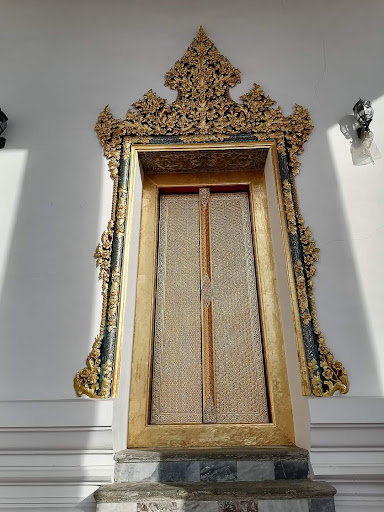
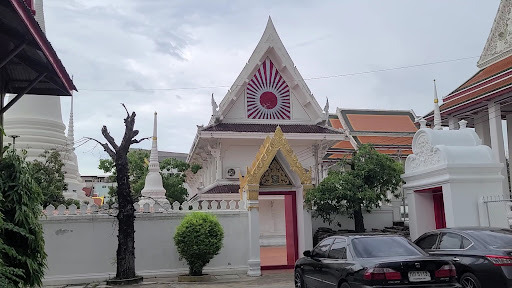
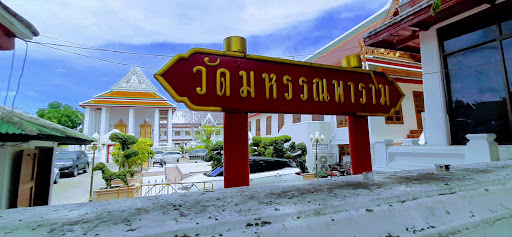
Wat Mahannapharam Worawihan things to do, attractions, restaurants, events info and trip planning
Basic Info
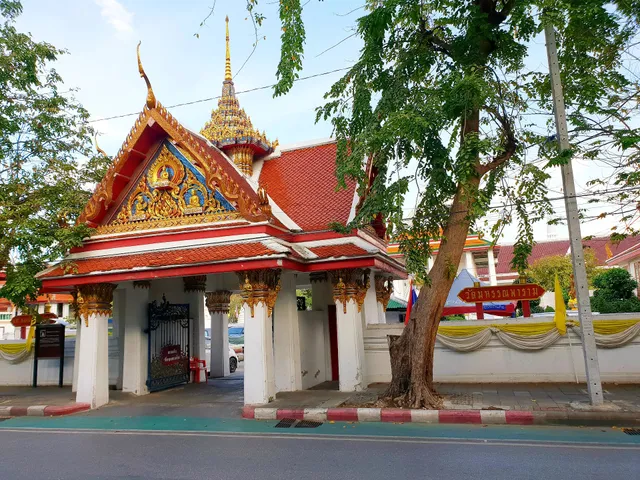
Wat Mahannapharam Worawihan
261 Thanon Tanao, Sao Chingcha, Phra Nakhon, Bangkok 10200, Thailand
4.6(279)
Closed
Save
spot
spot
Ratings & Description
Info
Cultural
Family friendly
Accessibility
attractions: Democracy Monument, The Giant Swing, Wat Suthat Thepwararam Ratchaworamahawihan, Khao San Market, Thewasathan Samrup Pranakorn ( Bot Phram ), Bangkok City Library, Ratchadamnoen Contemporary Art Center, Rattanakosin Exhibition Hall, Sanam Luang, Masjid Ban Tuk Din | مسجد, restaurants: Mont NomSod, Foxhole BKK Cafe & Juice, Sae Phun ข้าวหน้าไก่แซ่พุ้น, Krua Apsorn @Dinso, Rat Na Yot Phak 40 Years, Mit Ko Yuan Restaurant, ประตูแพร่งสรรพศาสตร์, นายอ้วนเย็นตาโฟ เสาชิงช้า, บ้านลลิณ (Lalin Thai Café), The Gingerbread House, local businesses: Nok Guay Jub & Khao Soi Noodle, Tipprapa Thai Massage : ทิพย์ประภา นวดแผนไทย, Putthinan Thai Massage&Spa - Ratchadamnoen, Thanon Khao San, Floating market tour from Bangkok, Khaosan Road, Bangkok City Pillar Shrine, Darin Spa, New Boston Tailor, Wat Bowonniwetwiharn Ratchaworawiharn
 Learn more insights from Wanderboat AI.
Phone
+66 86 688 3429
Website
facebook.com
Open hoursSee all hours
Mon8 AM - 5 PMClosed
Plan your stay

Pet-friendly Hotels in Sao Chingcha Subdistrict
Find a cozy hotel nearby and make it a full experience.

Affordable Hotels in Sao Chingcha Subdistrict
Find a cozy hotel nearby and make it a full experience.

The Coolest Hotels You Haven't Heard Of (Yet)
Find a cozy hotel nearby and make it a full experience.

Trending Stays Worth the Hype in Sao Chingcha Subdistrict
Find a cozy hotel nearby and make it a full experience.
Reviews
Live events
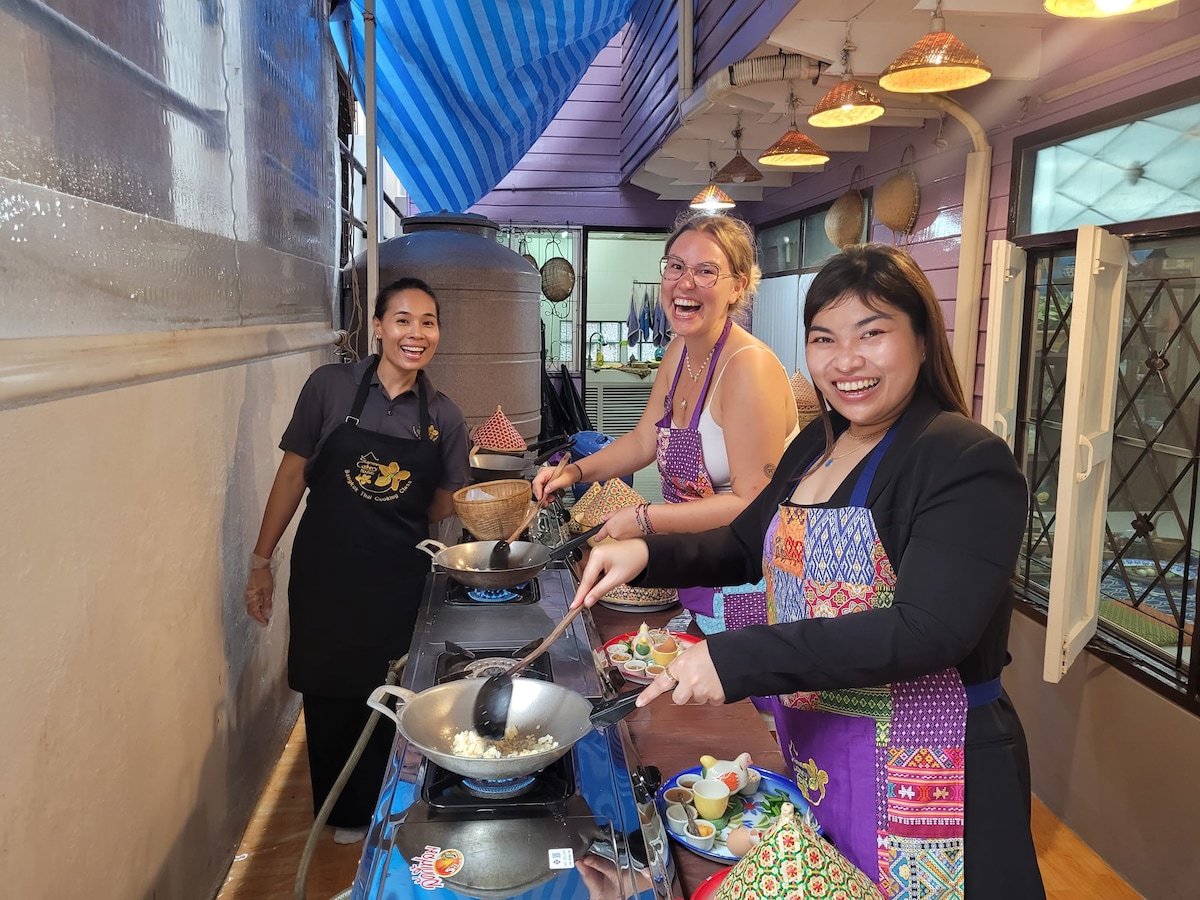
Learn authentic Thai cooking
Mon, Feb 9 • 9:00 AM
Huai Khwang, Bangkok, 10310, Thailand
View details
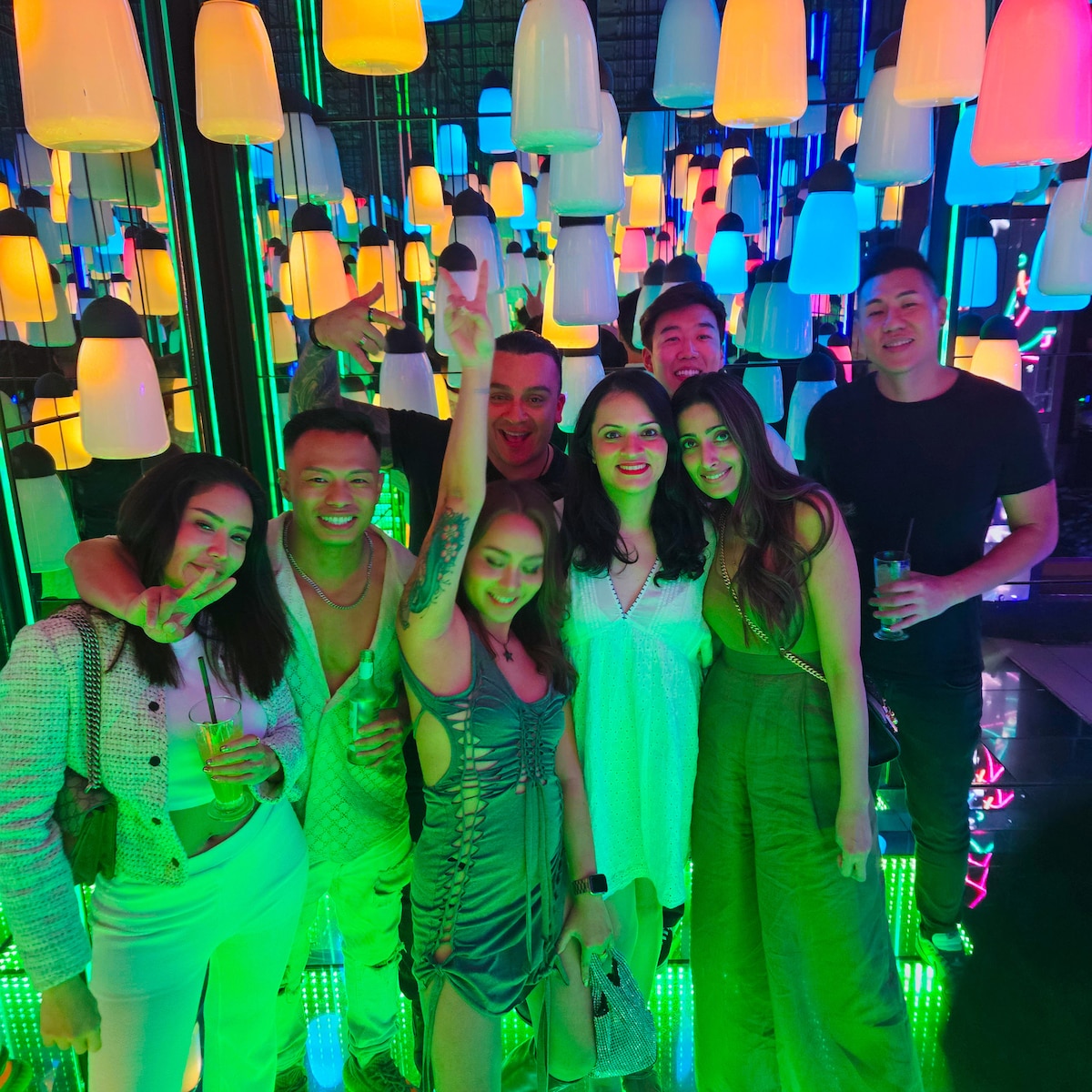
The night to remember in Bangkok
Mon, Feb 9 • 9:00 PM
Watthana, Bangkok, 10110, Thailand
View details
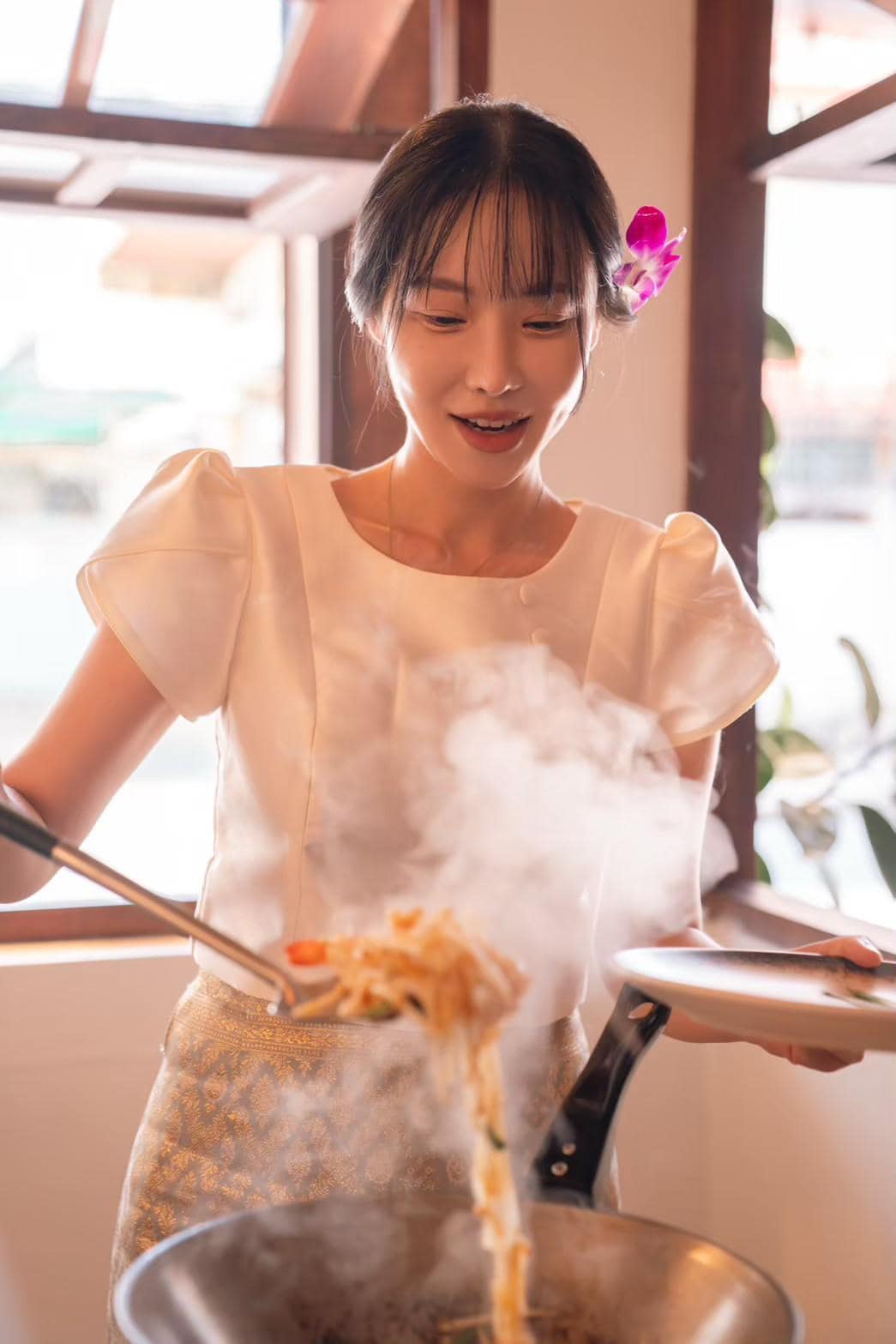
Homies Thai Cooking Class - Authentic Thai Food
Mon, Feb 9 • 9:00 AM
Khet Huai Khwang, Krung Thep Maha Nakhon, 10310, Thailand
View details
Nearby attractions of Wat Mahannapharam Worawihan
Democracy Monument
The Giant Swing
Wat Suthat Thepwararam Ratchaworamahawihan
Khao San Market
Thewasathan Samrup Pranakorn ( Bot Phram )
Bangkok City Library
Ratchadamnoen Contemporary Art Center
Rattanakosin Exhibition Hall
Sanam Luang
Masjid Ban Tuk Din | مسجد
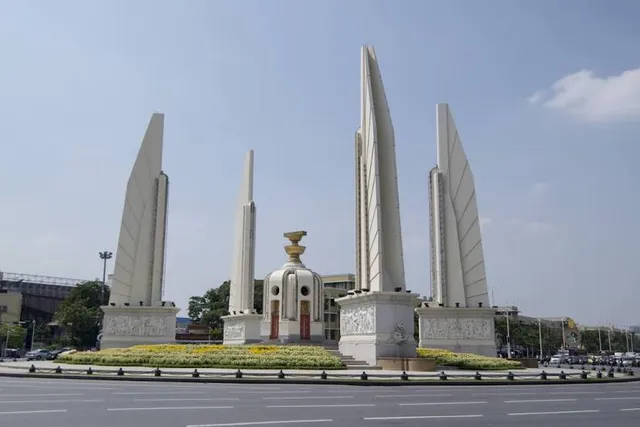
Democracy Monument
4.3
(2.4K)
Open until 12:00 AM
Click for details
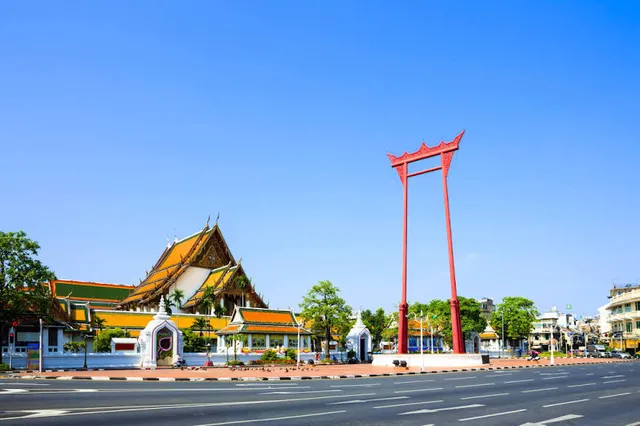
The Giant Swing
4.6
(1.6K)
Open 24 hours
Click for details
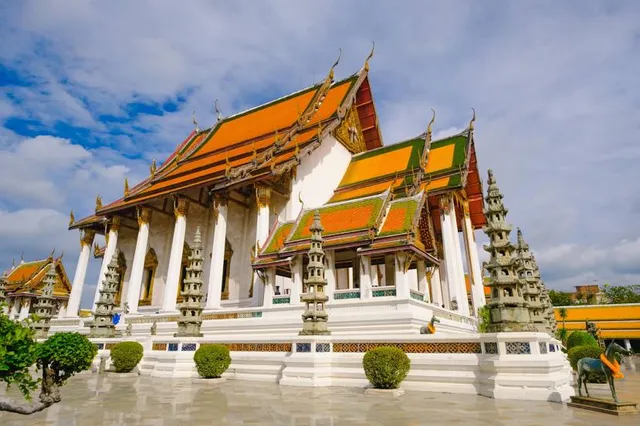
Wat Suthat Thepwararam Ratchaworamahawihan
4.8
(4K)
Closed
Click for details
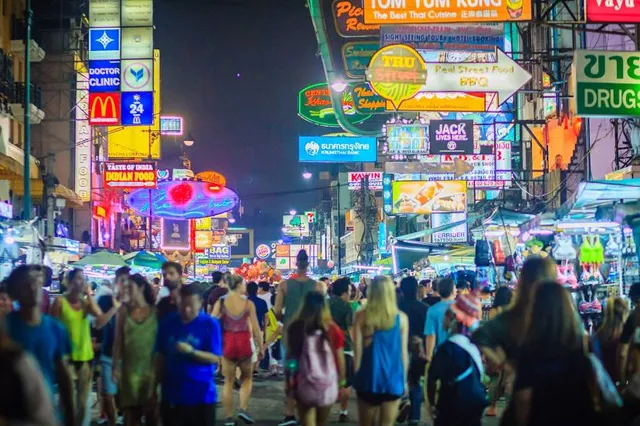
Khao San Market
4.3
(947)
Closed
Click for details
Nearby restaurants of Wat Mahannapharam Worawihan
Mont NomSod
Foxhole BKK Cafe & Juice
Sae Phun ข้าวหน้าไก่แซ่พุ้น
Krua Apsorn @Dinso
Rat Na Yot Phak 40 Years
Mit Ko Yuan Restaurant
ประตูแพร่งสรรพศาสตร์
นายอ้วนเย็นตาโฟ เสาชิงช้า
บ้านลลิณ (Lalin Thai Café)
The Gingerbread House
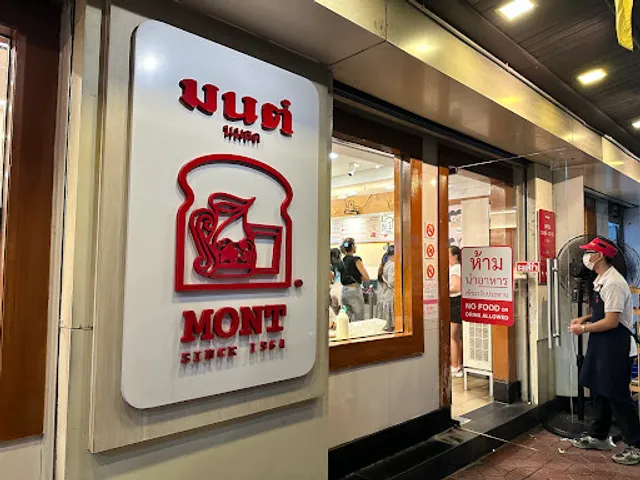
Mont NomSod
4.4
(2.7K)
Closed
Click for details
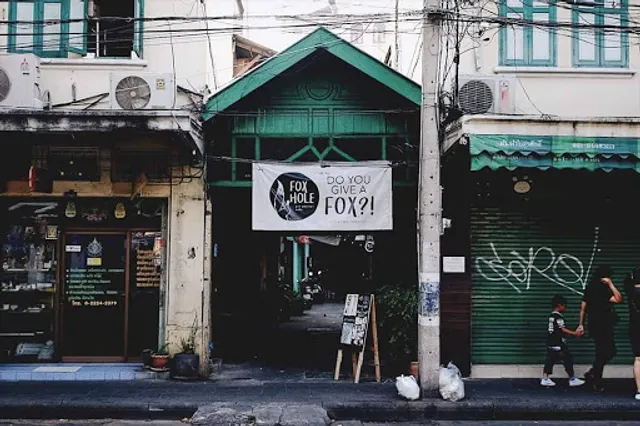
Foxhole BKK Cafe & Juice
4.8
(320)
Closed
Click for details
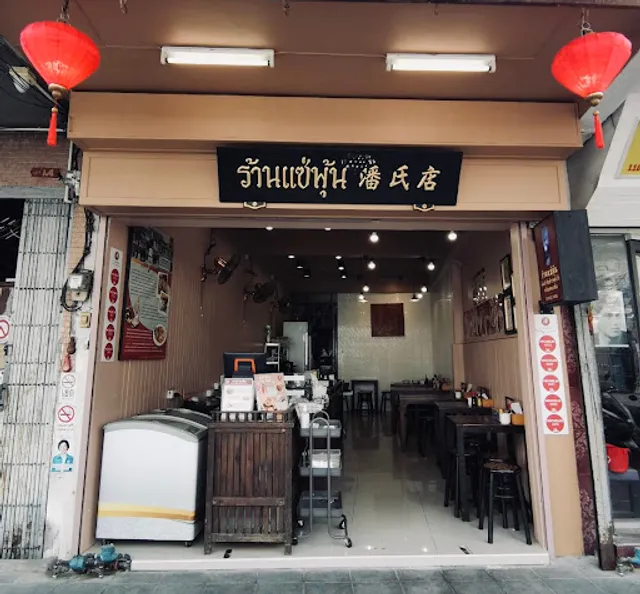
Sae Phun ข้าวหน้าไก่แซ่พุ้น
4.6
(642)
Closed
Click for details
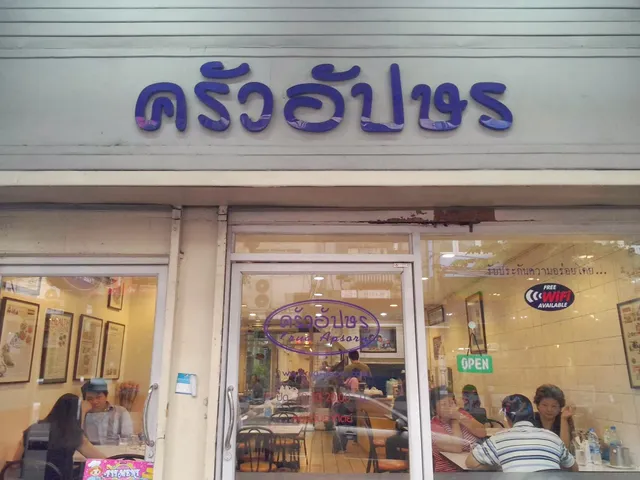
Krua Apsorn @Dinso
4.3
(1.7K)
Closed
Click for details
Nearby local services of Wat Mahannapharam Worawihan
Nok Guay Jub & Khao Soi Noodle
Tipprapa Thai Massage : ทิพย์ประภา นวดแผนไทย
Putthinan Thai Massage&Spa - Ratchadamnoen
Thanon Khao San
Floating market tour from Bangkok
Khaosan Road
Bangkok City Pillar Shrine
Darin Spa
New Boston Tailor
Wat Bowonniwetwiharn Ratchaworawiharn
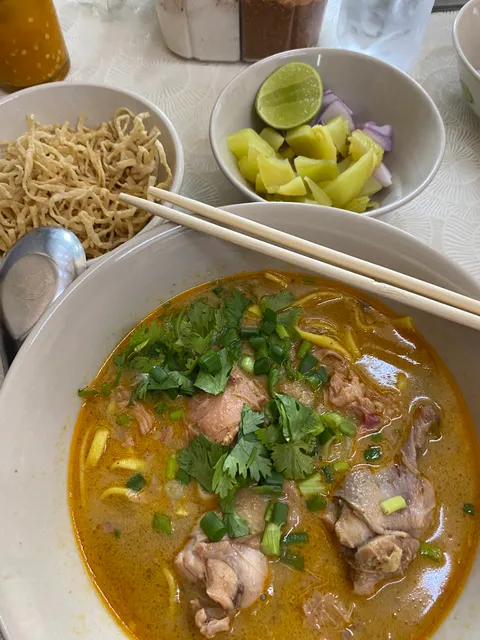
Nok Guay Jub & Khao Soi Noodle
5.0
(22)
Click for details
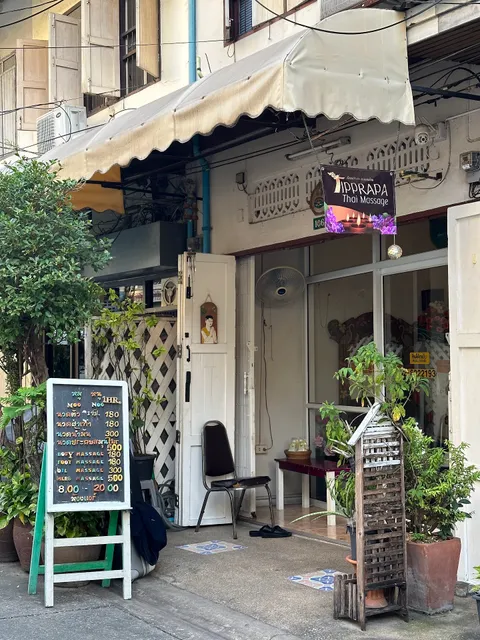
Tipprapa Thai Massage : ทิพย์ประภา นวดแผนไทย
4.8
(103)
Click for details
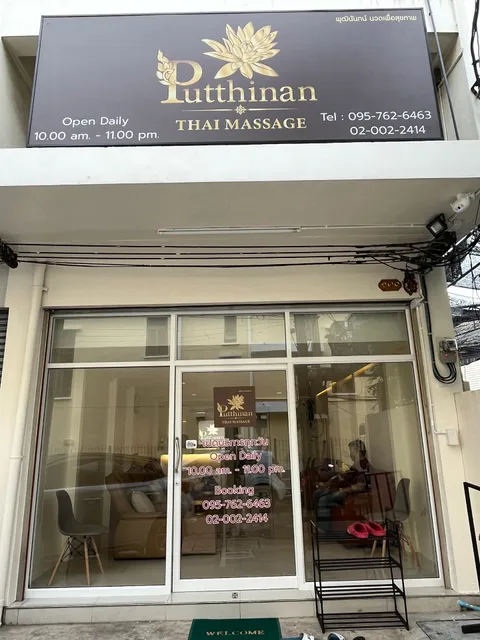
Putthinan Thai Massage&Spa - Ratchadamnoen
4.8
(297)
Click for details
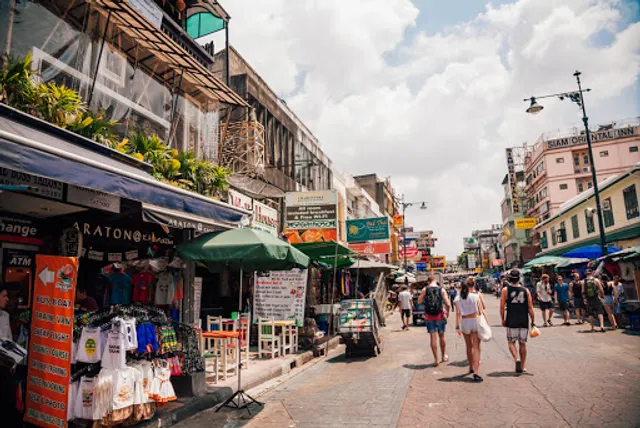
Thanon Khao San
4.1
(2.1K)
Click for details