Ancient buildings in Sino-European style things to do, attractions, restaurants, events info and trip planning
Basic Info
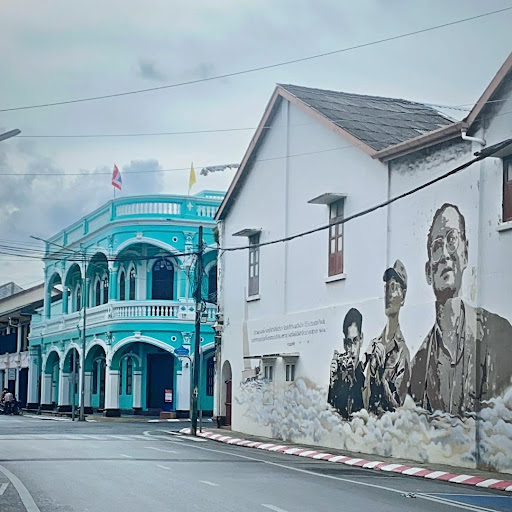
Ancient buildings in Sino-European style
V9PQ+H26, Dibuk Rd, Tambon Talat Nuea, Mueang Phuket District, Phuket 83000, Thailand
4.5(1.2K)
Open 24 hours
Save
spot
spot
Ratings & Description
Info
Cultural
Accessibility
attractions: Phuket Old Town, Phuket Thai Hua Museum, Wat Mongkolnimit Phra Aram Luang (Wat Klang), Mr.Zen Art Studio, Street Art Phuket, Phuket Town Old Historical Streets, Phuket Old Town Sunday Night Market Walking Street, San Chao Saengtham, Chinpracha House, Art Room Phuket, restaurants: Cha-phu Restaurant, Pun Te Phuket Food Center, MODO Pizza, Amritsr Old Town, Dibuk House, NumNum Old Town Cafe & Restaurant, Juicy Lucy Burger and Bar, Grill’n Brew@Timber Restaurant, Wonder Lounge Phuket, Daily Dose Phuket Old Town, local businesses: Sansabai Massage 2, Sea Massage Phuket, مدينة بوكيت القديمة Old Phuket Town, Wat Mongkhon Nimit, Kim's Massage & Spa 9 Yaowarat Road, Phuket Old Town., Old Town Street, alisse Premium Florist ร้านดอกไม้ภูเก็ต, Yelloow Phuket, Lard Yai Sunday Night Market, The Elements Boutique House
 Learn more insights from Wanderboat AI.
Plan your stay

Pet-friendly Hotels in Talat Nuea
Find a cozy hotel nearby and make it a full experience.

Affordable Hotels in Talat Nuea
Find a cozy hotel nearby and make it a full experience.

The Coolest Hotels You Haven't Heard Of (Yet)
Find a cozy hotel nearby and make it a full experience.

Trending Stays Worth the Hype in Talat Nuea
Find a cozy hotel nearby and make it a full experience.
Reviews
Live events

Economic Phi Phi Islands Tour/Lunch/Snorkeling
Sat, Feb 7 • 8:00 AM
Talat Yai, Phuket, 83000, Thailand
View details
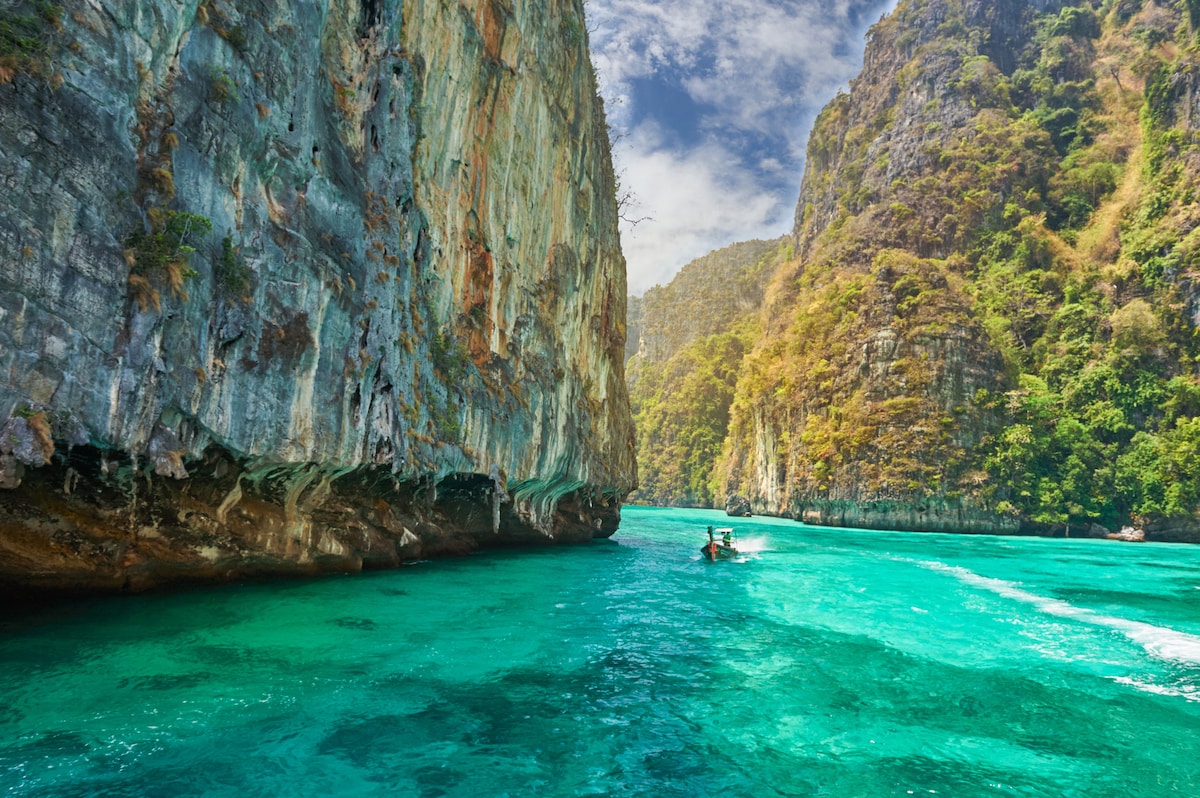
Phuket: Early Morning Phi Phi, Bamboo & Snorkeling
Sat, Feb 7 • 5:00 AM
Phuket, Phuket, 83000, Thailand
View details

Phang Nga Bay Canoe Tour & Glow Plankton at Night
Fri, Feb 6 • 1:00 PM
Ko Kaeo, Phuket, 83000, Thailand
View details
Nearby attractions of Ancient buildings in Sino-European style
Phuket Old Town
Phuket Thai Hua Museum
Wat Mongkolnimit Phra Aram Luang (Wat Klang)
Mr.Zen Art Studio
Street Art Phuket
Phuket Town Old Historical Streets
Phuket Old Town Sunday Night Market Walking Street
San Chao Saengtham
Chinpracha House
Art Room Phuket
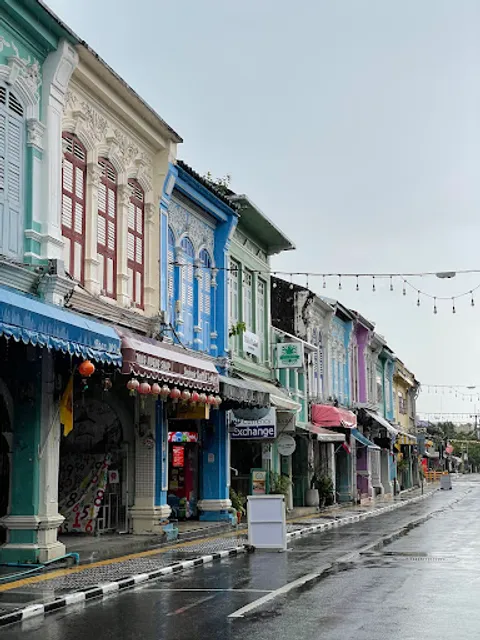
Phuket Old Town
4.5
(1.2K)
Open 24 hours
Click for details
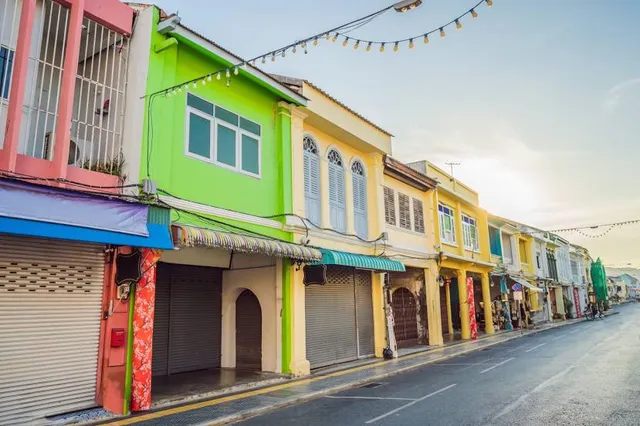
Phuket Thai Hua Museum
4.0
(546)
Closed
Click for details
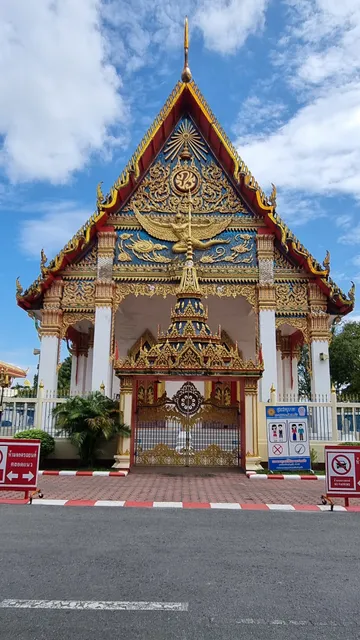
Wat Mongkolnimit Phra Aram Luang (Wat Klang)
4.6
(505)
Closed
Click for details
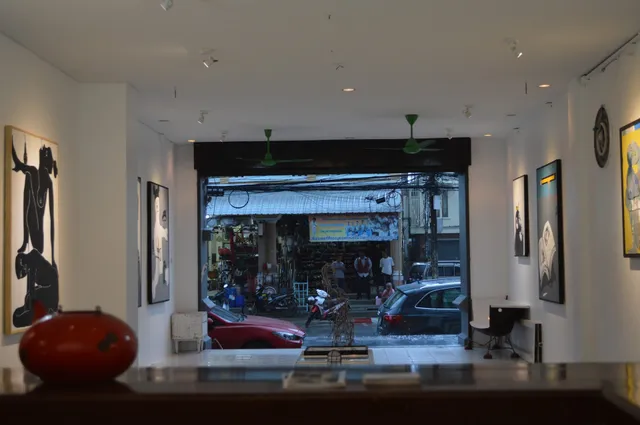
Mr.Zen Art Studio
4.3
(34)
Open until 8:30 PM
Click for details
Nearby restaurants of Ancient buildings in Sino-European style
Cha-phu Restaurant
Pun Te Phuket Food Center
MODO Pizza
Amritsr Old Town
Dibuk House
NumNum Old Town Cafe & Restaurant
Juicy Lucy Burger and Bar
Grill’n Brew@Timber Restaurant
Wonder Lounge Phuket
Daily Dose Phuket Old Town
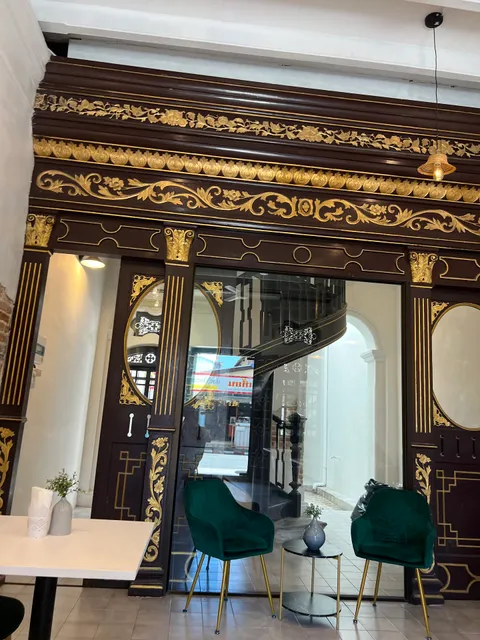
Cha-phu Restaurant
4.6
(600)
Open until 10:00 PM
Click for details
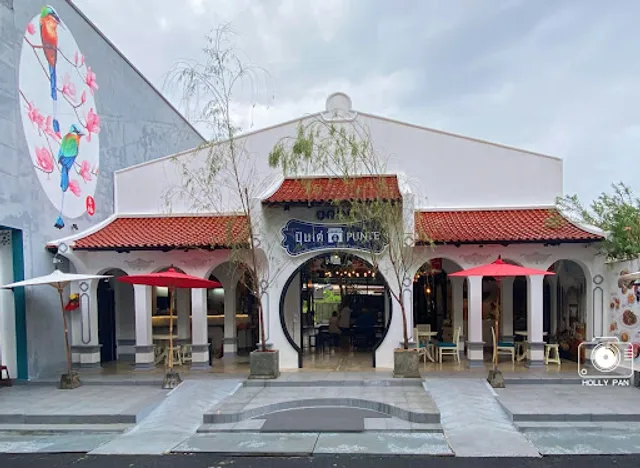
Pun Te Phuket Food Center
4.9
(775)
Open until 9:00 PM
Click for details
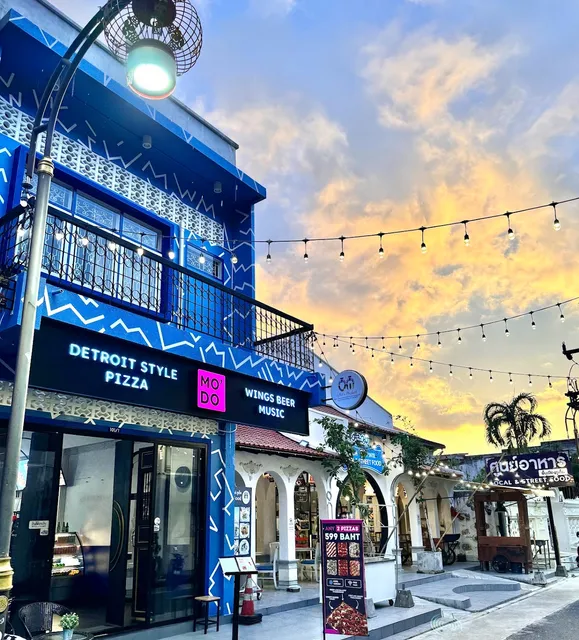
MODO Pizza
4.9
(477)
Open until 11:30 PM
Click for details
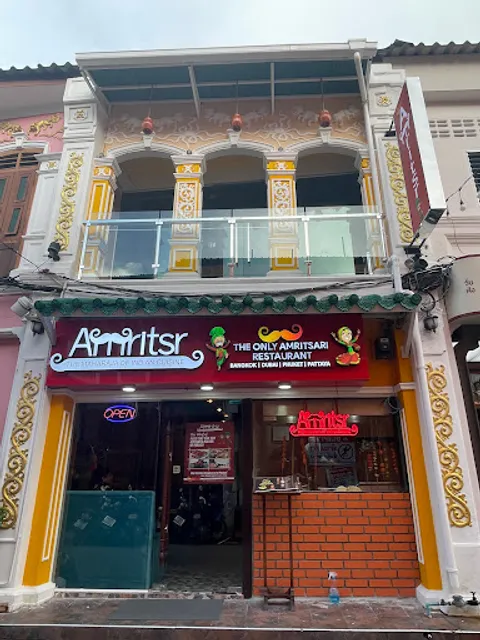
Amritsr Old Town
4.8
(3.1K)
Open until 12:00 AM
Click for details
Nearby local services of Ancient buildings in Sino-European style
Sansabai Massage 2
Sea Massage Phuket
مدينة بوكيت القديمة Old Phuket Town
Wat Mongkhon Nimit
Kim's Massage & Spa 9 Yaowarat Road, Phuket Old Town.
Old Town Street
alisse Premium Florist ร้านดอกไม้ภูเก็ต
Yelloow Phuket
Lard Yai Sunday Night Market
The Elements Boutique House
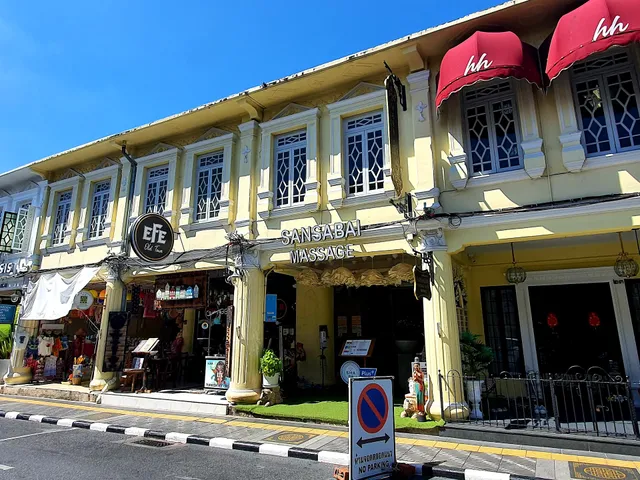
Sansabai Massage 2
4.9
(3.5K)
Click for details
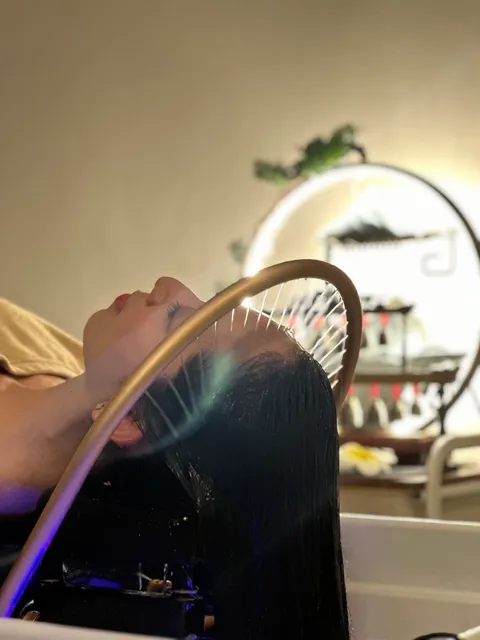
Sea Massage Phuket
4.9
(974)
Click for details
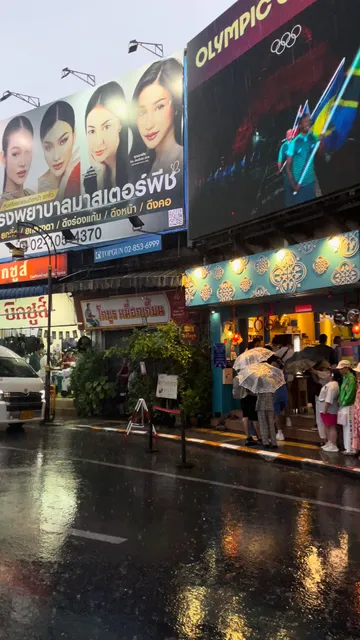
مدينة بوكيت القديمة Old Phuket Town
4.4
(84)
Click for details
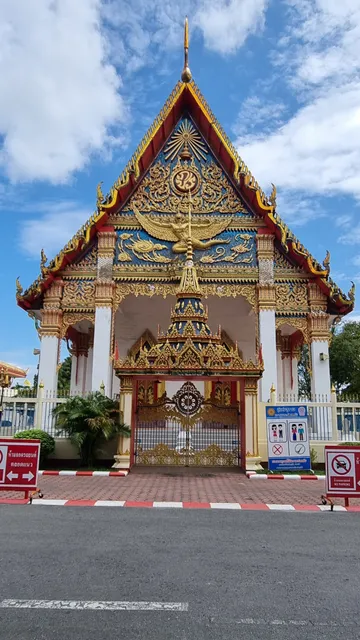
Wat Mongkhon Nimit
4.5
(405)
Click for details