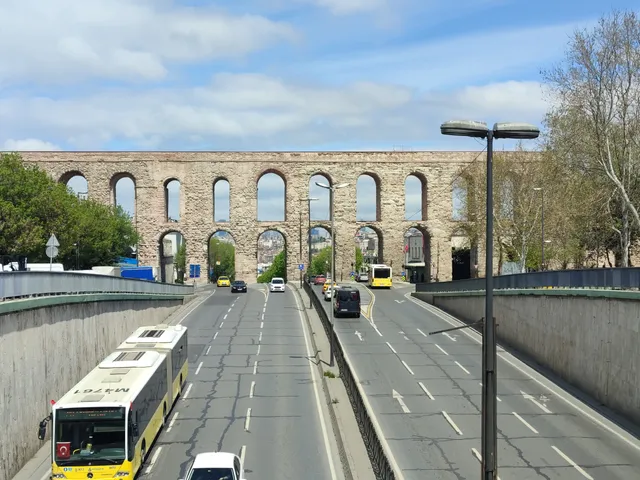
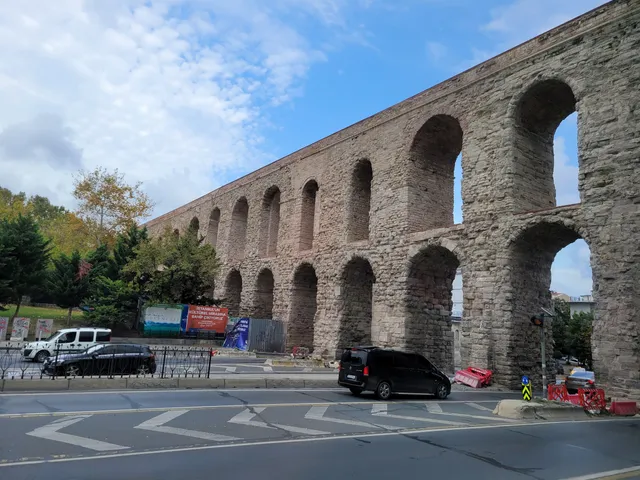
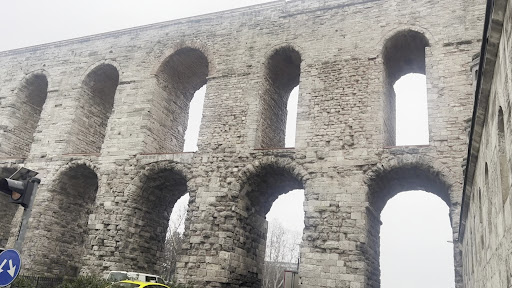
The Aqueduct of Valens (Bozdoğan Kemeri), also known as Valens Su Kemeri, is a remarkable and historic structure located in Istanbul, Turkey. It stands as an impressive testament to the ingenuity of Roman engineering and remains one of the most significant remnants of ancient infrastructure in the city.
Unique Aspects of the Aqueduct of Valens: Roman Engineering Marvel: • Built during the reign of Emperor Valens in the 4th century, the aqueduct was designed to bring fresh water into Constantinople (modern-day Istanbul). The architecture is a perfect example of Roman engineering, featuring a series of arches that span a significant distance. The combination of functionality and grandeur is striking, especially considering its age and purpose. Scale and Design: • The aqueduct stretches for several kilometers and originally consisted of several arches, many of which are still standing today. The most prominent section, the Bozdoğan Kemeri, is located near the Fatih district of Istanbul and has towering arches that reach heights of up to 30 meters in some places. The monumental size of the aqueduct, combined with its intricate construction, makes it a captivating sight. Historical Significance: • The aqueduct played a crucial role in supplying water to the growing city of Constantinople, supporting both the city’s population and its many public baths, fountains, and palaces. Its historical importance cannot be overstated, as it was essential to the city’s development during the Byzantine period and beyond. Symbol of Roman Legacy: • The Aqueduct of Valens is a powerful symbol of the Roman Empire’s legacy in Istanbul. While much of the city’s Roman heritage has been lost or obscured by later developments, the aqueduct remains a visible and accessible link to that era. It’s fascinating to see such a well-preserved piece of Roman infrastructure still serving as a major landmark. Blend of Nature and Ancient Architecture: • The aqueduct stands out not just for its historical and architectural significance but also for its integration with Istanbul’s modern landscape. Today, the aqueduct is often surrounded by bustling streets, modern buildings, and traffic, creating a striking contrast between the ancient and the contemporary. The arches, some of which still convey water, add an element of green space and beauty to the urban environment. Connection to Byzantine and Ottoman Eras: • While originally constructed during the Roman period, the aqueduct continued to serve the city throughout the Byzantine Empire and even into the Ottoman era. It’s fascinating to observe how this ancient structure was repurposed and maintained over centuries, serving multiple empires and adapting to changing needs. Current Function and Preservation: • In addition to its historical value, the aqueduct is still partially functional, with water flowing through parts of it. This highlights the remarkable longevity of the Roman construction techniques. Parts of the aqueduct are well-preserved, while others have crumbled over time, yet the overall structure remains an awe-inspiring sight.
What Makes It Unique:
The Aqueduct of Valens is unique because, unlike many ancient ruins that have been lost or buried over time, it remains a functioning and visible monument in the heart of a bustling modern city. It blends Roman engineering with the lived history of both the Byzantine and Ottoman empires. As an enduring symbol of both technological achievement and the passage of time, the aqueduct offers a powerful, living connection to Istanbul’s layered history. Its preservation amidst the growth of the city adds an extra dimension, making it a must-see historical landmark that is both ancient and ever-relevant to...
Read moreMarhaba 👋
The Aqueduct of Vakens in Fatih is an extraordinary architectural gem that leaves visitors in awe of its grandeur and historical significance. Situated in the heart of Istanbul, this ancient aqueduct showcases the remarkable engineering prowess of the Byzantine Empire and stands as a testament to their enduring legacy.
The aqueduct's construction dates back to the 4th century AD, during the reign of Emperor Valens, and its purpose was to channel water from the Belgrade Forest to the bustling city of Constantinople. The aqueduct spans approximately 971 meters, consisting of a series of majestic arches that gracefully traverse the landscape. Its strategic location and impressive scale make it an iconic landmark in the Fatih district.
What sets the Aqueduct of Vakens apart is not only its architectural magnificence but also its historical and cultural significance. Walking beneath the arches, one can't help but feel transported back in time, imagining the bustling ancient city and admiring the ingenuity of the Byzantine engineers who constructed this marvel.
The aqueduct's meticulous design and impeccable craftsmanship are evident in every stone and arch. The precision with which the arches are constructed is truly remarkable, considering the limitations of the technology available at the time. The use of local limestone adds to the aqueduct's charm, blending harmoniously with the surrounding landscape.
Visitors to the Aqueduct of Vakens can enjoy a leisurely stroll along the pedestrian paths that run parallel to the structure, taking in the picturesque views and capturing memorable photographs. The site is particularly enchanting during the golden hours of sunrise or sunset when the warm light bathes the ancient stones, creating a breathtaking spectacle.
While the aqueduct has weathered the test of time, it has undergone extensive restoration efforts to preserve its historical integrity. The meticulous restoration work ensures that visitors can appreciate the aqueduct's original glory while also providing essential support and stability to the structure.
Furthermore, the local authorities have done an excellent job of providing informative signage and visitor facilities, allowing tourists to delve deeper into the historical and cultural significance of the Aqueduct of Vakens. Knowledgeable guides are also available to provide engaging narratives and enrich the experience with captivating stories and anecdotes.
In conclusion, the Aqueduct of Vakens in Fatih is a must-visit destination for history enthusiasts, architecture lovers, and anyone seeking to immerse themselves in the rich heritage of Istanbul. Its awe-inspiring beauty, coupled with its historical significance, makes it an architectural marvel that deserves the highest praise. The aqueduct stands as a symbol of the ingenuity and engineering prowess of the Byzantine Empire, and its preservation and accessibility ensure that future generations can appreciate its magnificence for...
Read moreReview for the Aqueduct of Valens
Name: The Aqueduct of Valens (Bozdoğan Kemeri)
Location: Istanbul, Turkey
Rating: ★★★★☆
Review:
The Aqueduct of Valens, also known as Bozdoğan Kemeri, is one of Istanbul's most impressive and historically significant landmarks. Constructed in the late 4th century during the reign of Roman Emperor Valens, this ancient aqueduct stands as a testament to the engineering prowess of the Roman Empire.
Stretching across the city, the aqueduct is an imposing structure, with its grand arches and formidable stone construction. It originally played a crucial role in supplying water to Constantinople, the capital of the Eastern Roman Empire. Today, it remains a prominent feature of Istanbul's landscape, seamlessly blending with the modern urban environment.
One of the most striking aspects of the Aqueduct of Valens is its sheer scale and the remarkable preservation of its arches. Walking along its length, visitors can marvel at the ingenuity and durability of ancient Roman engineering. The aqueduct is particularly impressive when viewed from Atatürk Boulevard, where it spans the busy road, providing a dramatic contrast between ancient history and contemporary life.
The area around the aqueduct is a vibrant part of Istanbul, with numerous cafes, shops, and historical sites nearby. This makes it an excellent spot for a leisurely stroll, allowing visitors to soak in the ambiance of the city while appreciating the historical significance of the aqueduct. The nearby Fatih district, rich in Ottoman and Byzantine history, offers additional attractions for history enthusiasts.
However, it's important to note that there is limited information available on-site about the history and construction of the aqueduct. Visitors might benefit from doing some research beforehand or joining a guided tour to fully appreciate its historical context and importance.
Pros: Impressive example of Roman engineering Well-preserved structure Located in a vibrant area with easy access to other attractions Offers a unique blend of ancient and modern Istanbul
Cons: Limited on-site historical information Can be busy due to its urban location
Overall: The Aqueduct of Valens is a must-see for history buffs and those interested in ancient engineering. Its imposing presence and historical significance provide a fascinating glimpse into Istanbul's rich past. Whether you're exploring the city on foot or simply passing by, the aqueduct is a striking reminder of the enduring legacy of the...
Read more