HTML SitemapExplore
Find Things to DoFind The Best Restaurants

Fountain of Sultan Ahmed III — Attraction in Fatih

Name
Fountain of Sultan Ahmed III
Description
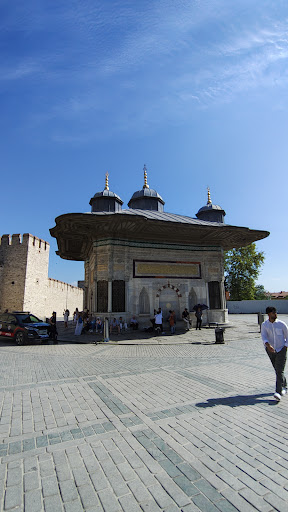
The Fountain of Sultan Ahmed III is a fountain in a Turkish rococo structure in the great square in front of the Imperial Gate of Topkapı Palace in Istanbul, Turkey. It was built under Ottoman sultan Ahmed III in 1728, in the style of the Tulip period.
Nearby attractions
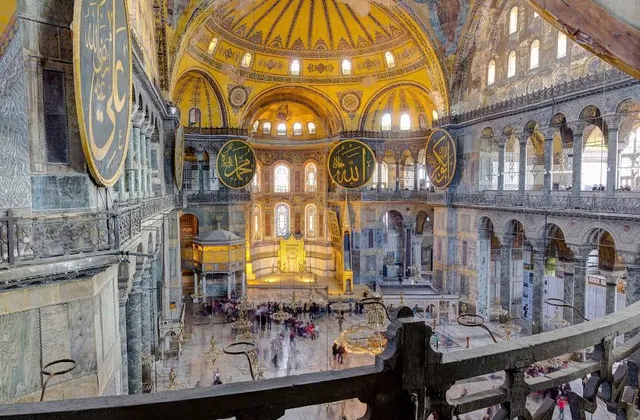
Hagia Sophia
Sultan Ahmet, Ayasofya Meydanı No:1, 34122 Fatih/İstanbul, Türkiye
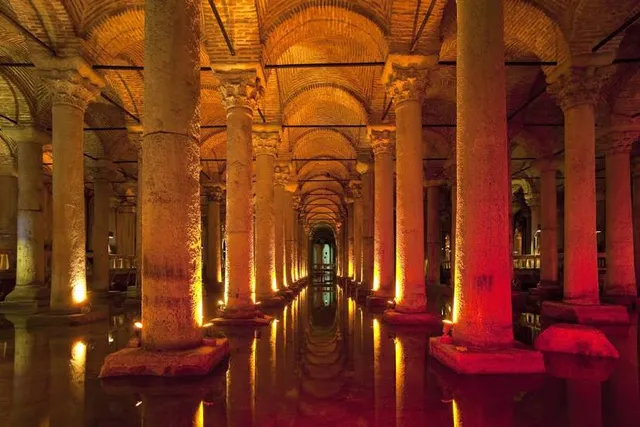
Basilica Cistern
Alemdar, Yerebatan Cd. 1/3, 34110 Fatih/İstanbul, Türkiye
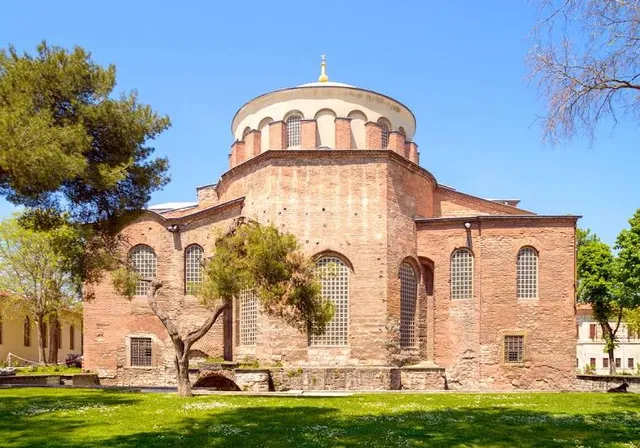
Hagia Irene
Cankurtaran, Topkapı Sarayı No:1, 34122 Fatih/İstanbul, Türkiye
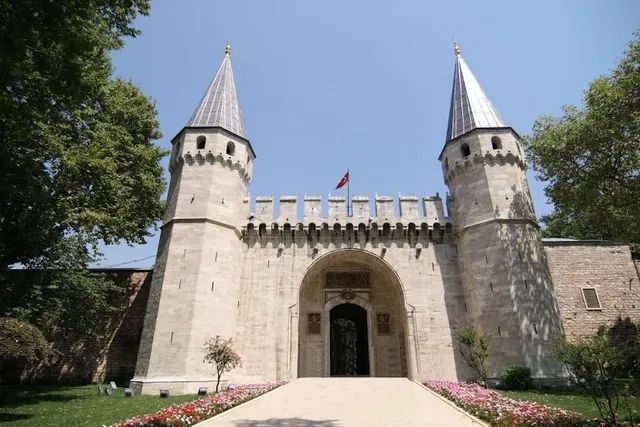
Topkapi Palace Museum
Cankurtaran, Babı Hümayun Cad No: 1, 34122 Fatih/İstanbul, Türkiye
Carpet Museum
Foundations Regional Directorate Carpet Museum Sultanahmet Mosque, Alemdar, 34122 Courtyard/İstanbul, Türkiye
Istanbul Archaeological Museums
Cankurtaran, 34122 Fatih/İstanbul, Türkiye
The Blue Mosque
Cankurtaran, At Meydanı Cd No:7, 34122 Fatih/İstanbul, Türkiye
Cafer Ağa Madrasa
Caferiye Sokak, Soğukkuyu Çk. No:5, 34122 Fatih, Türkiye
Ayasofya cami
Sultan Ahmet, Ayasofya Meydanı No:1, 34122 Fatih/İstanbul, Türkiye
Sultan Ahmet Park
Cankurtaran, At Meydanı Cd No:5, 34122 Fatih/İstanbul, Türkiye
Nearby restaurants
Seven Hills Restaurant
Cankurtaran, Tevkifhane Sk. No:8 Kat:3, 34122 Fatih/İstanbul, Türkiye
Konyali Restaurant
Topkapı Sarayı Müzesi İçi Bab-I Hümayun Avlusu Tarihi Karakol Binası, Cankurtaran, 34122 Fatih/İstanbul, Türkiye
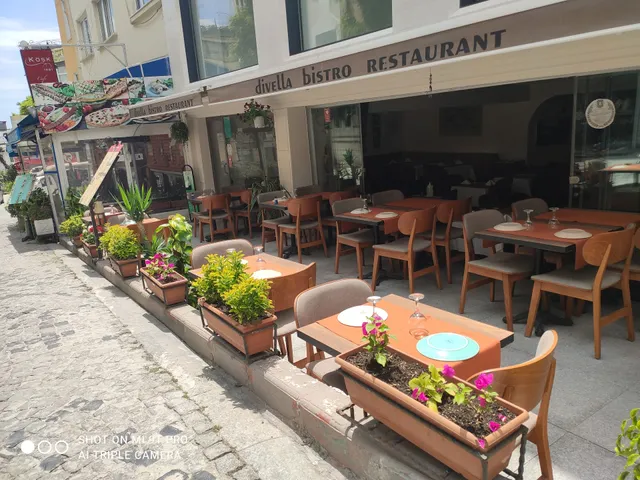
Divella Bistro Restaurant
Cankurtaran mah. akbıyık caddesi, Adliye Sk. no:11, 34122 Fatih/İstanbul, Türkiye
Family garden fish meat restaurant
Cankurtaran mahallesi Akbıyık Caddesi, Adliye Sk. no:9/a, 34400 Fatih/İstanbul, Türkiye
Şiva Oyster Fish Restaurant
Cankurtaran, Akbıyık Cd. No:22, 34122 Fatih/İstanbul, Türkiye
Vista Roof Lounge
Cankurtaran, İshak Paşa Cd. No:8 Kat:3, 34500 Fatih/İstanbul, Türkiye
Seafront Lounge Roof Restaurant
Cankurtaran, Akbıyık Cd. No:3, 34122 Fatih/İstanbul, Türkiye
Matbah Restaurant
Cankurtaran, Caferiye Sk. No:6 D:1, 34122 Fatih/İstanbul, Türkiye
Zerzevan Fish & Kebab Restaurant
Cankurtaran, Akbıyık Cd. 13A, 34122 Fatih/İstanbul, Türkiye
Green Corner Cafe & Restaurant
Cankurtaran, Caferiye Sk. No: 14, 34096 Fatih/İstanbul, Türkiye
Nearby hotels
Four Seasons Hotel Istanbul At Sultanahmet
Sultanahmet, Tevkifhane Sk. No:1, 34122, Türkiye
Hotel Valide Sultan
Cankurtaran Mh İshak Paşa Cd, Cankurtaran, Kutlugün Sk. No:1, 34122 Fatih/İstanbul, Türkiye
The Empress Theodora Hotel ll
Cankurtaran, Kutlugün Sk. No:5, 34122 Fatih/İstanbul, Türkiye
Joyway Hotels Istanbul Sultanahmet
Cankurtaran, İshak Paşa Cd. No: 8, 34122 Fatih/İstanbul, Türkiye
Seven Hills Hotel
Cankurtaran, Tevkifhane Sk. No:8, 34400 Fatih/İstanbul, Türkiye
Genius Hotel İstanbul
Cankurtaran, Kutlugün Sk. No: 9, 34122 Fatih/İstanbul, Türkiye
Ottoman Hotel Imperial
Sultanahmet, Cankurtaran, Caferiye Sk. No:6/1, 34122 İstanbul, Türkiye
Byzantium Hotel & Suites
Cankurtaran, Akbıyık Cd. No:29, 34122 Fatih/İstanbul, Türkiye
Sultan Hamit Hotel
Cankurtaran, Yeni Saraçhane Sk. No:3, 34122 Fatih/İstanbul, Türkiye
HENNA HOTEL İSTANBUL
Cankurtaran, Akbıyık Cd. No:9, 34122 Fatih/İstanbul, Türkiye
Related posts
Keywords
Fountain of Sultan Ahmed III tourism.Fountain of Sultan Ahmed III hotels.Fountain of Sultan Ahmed III bed and breakfast. flights to Fountain of Sultan Ahmed III.Fountain of Sultan Ahmed III attractions.Fountain of Sultan Ahmed III restaurants.Fountain of Sultan Ahmed III travel.Fountain of Sultan Ahmed III travel guide.Fountain of Sultan Ahmed III travel blog.Fountain of Sultan Ahmed III pictures.Fountain of Sultan Ahmed III photos.Fountain of Sultan Ahmed III travel tips.Fountain of Sultan Ahmed III maps.Fountain of Sultan Ahmed III things to do.
Fountain of Sultan Ahmed III things to do, attractions, restaurants, events info and trip planning
Fountain of Sultan Ahmed III
TurkeyIstanbulFatihFountain of Sultan Ahmed III

Basic Info

Fountain of Sultan Ahmed III

Sultan Ahmet Sultanahmet Meydanı Topkapı Sarayı, 34122 Fatih/İstanbul, Türkiye
4.7(657)
Open 24 hours
Save
spot

Ratings & Description

Info

The Fountain of Sultan Ahmed III is a fountain in a Turkish rococo structure in the great square in front of the Imperial Gate of Topkapı Palace in Istanbul, Turkey. It was built under Ottoman sultan Ahmed III in 1728, in the style of the Tulip period.

Cultural
Scenic
Family friendly
Accessibility
attractions: Hagia Sophia, Basilica Cistern, Hagia Irene, Topkapi Palace Museum, Carpet Museum, Istanbul Archaeological Museums, The Blue Mosque, Cafer Ağa Madrasa, Ayasofya cami, Sultan Ahmet Park, restaurants: Seven Hills Restaurant, Konyali Restaurant, Divella Bistro Restaurant, Family garden fish meat restaurant, Şiva Oyster Fish Restaurant, Vista Roof Lounge, Seafront Lounge Roof Restaurant, Matbah Restaurant, Zerzevan Fish & Kebab Restaurant, Green Corner Cafe & Restaurant
logoLearn more insights from Wanderboat AI.
Phone
+90 212 512 04 80

Plan your stay

hotel
Pet-friendly Hotels in Fatih
Find a cozy hotel nearby and make it a full experience.

hotel
Affordable Hotels in Fatih
Find a cozy hotel nearby and make it a full experience.

hotel
The Coolest Hotels You Haven't Heard Of (Yet)
Find a cozy hotel nearby and make it a full experience.

hotel
Trending Stays Worth the Hype in Fatih
Find a cozy hotel nearby and make it a full experience.

Reviews

Nearby attractions of Fountain of Sultan Ahmed III

Hagia Sophia

Basilica Cistern

Hagia Irene

Topkapi Palace Museum

Carpet Museum

Istanbul Archaeological Museums

The Blue Mosque

Cafer Ağa Madrasa

Ayasofya cami

Sultan Ahmet Park

Hagia Sophia

Hagia Sophia

4.8

(44.9K)

Open 24 hours
Click for details
Basilica Cistern

Basilica Cistern

4.6

(29K)

Open 24 hours
Click for details
Hagia Irene

Hagia Irene

4.1

(1.2K)

Open 24 hours
Click for details
Topkapi Palace Museum

Topkapi Palace Museum

4.6

(38.6K)

Open 24 hours
Click for details

Things to do nearby

Aerial Yoga With a Certified Instructor
Thu, Dec 25 • 4:00 PM
34427, Beyoğlu, İstanbul, Turkey
View details
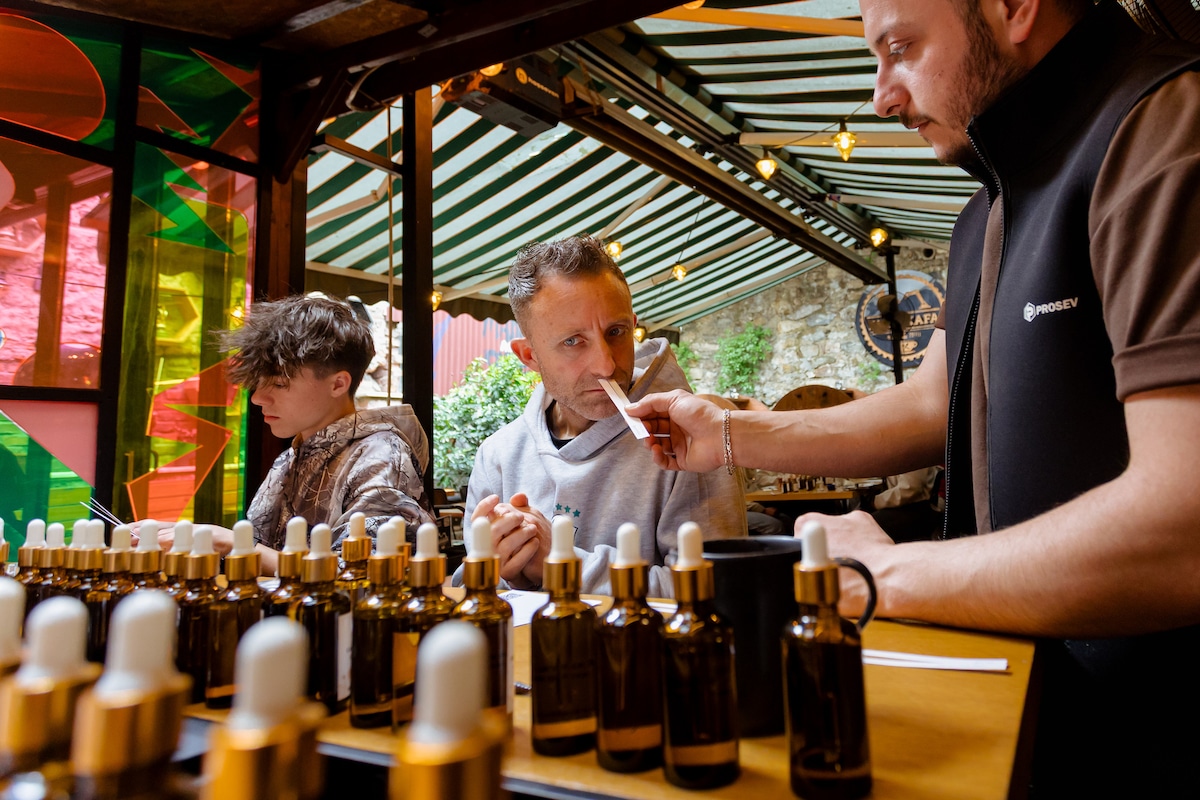
Authentic Turkish cooking in a local Istanbul home
Thu, Dec 25 • 5:00 PM
34353, Beşiktaş, İstanbul, Turkey
View details
Must-See Sights and Hidden Gems of Old City
Sun, Dec 28 • 9:30 AM
34126, Fatih, İstanbul, Turkey
View details

Nearby restaurants of Fountain of Sultan Ahmed III

Seven Hills Restaurant

Konyali Restaurant

Divella Bistro Restaurant

Family garden fish meat restaurant

Şiva Oyster Fish Restaurant

Vista Roof Lounge

Seafront Lounge Roof Restaurant

Matbah Restaurant

Zerzevan Fish & Kebab Restaurant

Green Corner Cafe & Restaurant

Seven Hills Restaurant

Seven Hills Restaurant

4.4

(6.2K)

Click for details
Konyali Restaurant

Konyali Restaurant

4.2

(692)

$$$

Click for details
Divella Bistro Restaurant

Divella Bistro Restaurant

4.8

(2.4K)

$$

Click for details
Family garden fish meat restaurant

Family garden fish meat restaurant

4.8

(1.7K)

Click for details
Get the Appoverlay
Get the AppOne tap to find yournext favorite spots!
Wanderboat LogoWanderboat

Your everyday Al companion for getaway ideas

CompanyAbout Us
InformationAI Trip PlannerSitemap
SocialXInstagramTiktokLinkedin
LegalTerms of ServicePrivacy Policy

Get the app

© 2025 Wanderboat. All rights reserved.

Posts

Anilkumar KarimbanakkalAnilkumar Karimbanakkal
Nestled gracefully before the majestic gates of Topkapı Palace, the Fountain of Sultan Ahmed III stands as a timeless jewel, whispering tales of Istanbul’s vibrant past. Built in 1728 under the visionary patronage of Sultan Ahmed III, this sebil embodies the refined artistry of the Tulip Period, a fleeting but radiant epoch in Ottoman history. With its elegant blend of Ottoman design and natural charm, this fountain is more than a mere monument; it is a poetic tribute to water and hospitality, offering respite to locals and travelers alike for nearly three centuries. The fountain’s architecture invites admiration from every angle, with each façade adorned by niches designed in the delicate, mihrab-inspired form. Low-relief floral patterns grace these niches, each housing a drinking fountain where generations have quenched their thirst. The true marvel, however, lies in the intricate corner sebils, where attendants once served sherbet and water to visitors through ornate grilles—an Ottoman gesture of warmth and welcome. Inside, an octagonal pool ensures a continuous flow, echoing the belief in the sacred essence of water, flowing and shared with open hearts. Above these fountains, beautiful calligraphic plates capture verses penned by Seyyid Hüseyin Vehbi bin Ahmed, a judge and poet. His stanzas, flowing in harmony with the fountain’s design, celebrate water’s purity and honor its generous benefactor. Each line, bordered by the vibrant hues of blue and red tiles, seems to sing a melody that transports visitors back to an era of elegance and courtly grace. This historical gem has witnessed centuries of change, yet it remains unscarred, welcoming visitors without charge as a gracious symbol of Istanbul’s heritage. For anyone venturing to Hagia Sophia, the Fountain of Sultan Ahmed III is an unmissable treasure—a place to pause, reflect, and immerse oneself in the beauty of Ottoman history.
FAHREDDİN ASIMFAHREDDİN ASIM
Osmanlı dönemi Türk sanatının çeşme mimarisinde meydana getirdiği bir şaheser olan bu âbidevî çeşme, Sultan III. Ahmed tarafından yaptırılmıştır. Kitâbesinde belirtildiğine göre 1141 (1728-29) yılında inşa edilmiş olup on dört kıtalık uzun tarih manzumesi Seyyid Vehbî’nindir. Ta‘lik hatla yazılan bu uzun kaside her cephede çeşmelerin üzerine ve sebillerin yukarılarına işlenmiştir. Marmara’ya bakan taraftaki kitâbeden öğrenildiğine göre bu eşsiz eserin yaptırılmasını Sadrazam Nevşehirli Damad İbrâhim Paşa tavsiye ederek gerçekleşmesine ön ayak olmuştur. Bu manzumenin son tarih beyti bizzat III. Ahmed tarafından söylendiği gibi yine onun tarafından çeşmenin Ayasofya’ya bakan esas cephesinde boydan boya tek satır halinde celî sülüs hat ile yazılmıştır. Bu husus, beytin altındaki ketebeden açıkça anlaşılmaktadır. Çeşmenin 1141 Ramazanında (Nisan 1729) henüz bitmediği, “saf, beyaz ve damarsız” mermerlerin acele olarak gönderilmesi isteğiyle Marmara nâibine yollanan bir belgeden öğrenilmektedir. Fakat Sultan III. Ahmed bu muhteşem eserin her bakımdan tamamlandığını göremeden, 1730 Eylülü sonunda Patrona Halil ayaklanması ile tahtını kaybetmiştir. Çeşmenin mimarının kim olduğu bilinmemektedir. Pek çok yerde eserin, III. Ahmed döneminde Hassa başmimarı Kayserili Mehmed Ağa’ya ait olduğu yazılmış ise de bu iddiayı destekleyen hiçbir kayda rastlanmamıştır. Sadece kısa bir arşiv kaydı, Mehmed Ağa’nın çeşmenin alem ve şebekelerinin yaldızlanması işini üstlendiğini bildirmektedir. İlk yapıldığından günümüze gelinceye kadar III. Ahmed çeşme ve sebilleri büyük bir değişikliğe uğramamakla beraber, yakından incelendiğinde bazı yerlerinde geç tarihlerde yapılmış ufak tamirlerin yamaları ve izleri görülmektedir. III. Ahmed Çeşmesi dört cepheli bir meydan çeşmesi olarak tasarlanmıştır. Kare biçimli planında dört köşede, dışarı yarım yuvarlak çıkıntılar halinde taşan üçer şebekeli sebilleri vardır. Her cephenin ortasında ise birer çeşme bulunmaktadır. Çeşmelerin iki tarafında mihrap biçiminde birer niş vardır. Yalnız bir cephede bu nişlerin yerine birer kapı açılmıştır. Bu kapılardan girildiğinde ortadaki sekizgen hazne ile dış duvarlar arasında çepeçevre bir dehlizin dolaştığı görülür. Bu dehliz vasıtasıyla sebilciler köşelerdeki sebillere ulaşarak buradan gerekli hizmeti veriyorlardı. Çeşmenin üstü çok geniş saçaklı ve dışı kurşun kaplı ahşap bir çatı ile örtülüdür. Bu çatının ortasında sekiz cepheli bir kasnak üstünde dilimli bir kubbecik yükselir. Dört sebilin üstüne isabet eden yerlerde aynı biçimde fakat biraz daha ufak ve alçak dört kubbecik vardır. Yine kurşun kaplı olan bu beş kubbenin de tepelerinde, içlerinde oyma yazı olan altın yaldızlı tunç alemler yer alır. Âdeta muhteşem bir köşk görünümünde olan III. Ahmed çeşme ve sebillerinin dış mimarisi, köşelerde yarım yuvarlak çıkıntılar teşkil eden sebiller ile hareketlendirilmiş, sebillerin şebeke aralarındaki sütunların üstlerinde duvar satıhları, sütunları yukarı devam ettirircesine yarım yuvarlak olarak yapılmıştır. Böylece, çeşmenin dış yüzeylerinde hâkim olan yatay çizgiler, bu sütunlar ve bunları devam ettiren “çubuklar”ın yarattığı dikey çizgilerle dengelenmiştir. III. Ahmed Çeşmesi, Türk sanatına Batı sanat üslûbunun sızmağa başladığı bir dönemin eseridir. Bu bakımdan onda klasik çağın sadeliği yoktur. Bütün satıhlar hiçbir boş yer bırakılmadan tezyin edilmiş olup bu bezemelerin bir kısmının Türk süsleme sanatına ait olmasına karşılık aralarında Batı Avrupa sanatından alınmış motifler de görülür. Bu motiflerin tamamen hâkim olduğu yer, geniş saçağın alt yüzü ile çeşmelerin etrafını çeviren dal kıvrımlarıyla bezenmiş çerçeve şeritleridir. Cephelerde yatay şeritler halinde uzanan süsleme arasında ise Türk sanatının mukarnasları, şemseleri görülür.... Kaynak: SEMAVİ EYİCE
Prof. Fahd NasrProf. Fahd Nasr
When you leave Topkapi Palace from the imperial gate you will wee slightly to your left an old but majestic construction "The Fountain of Sultan Ahmed III"! It a fountain in a Turkish rococo structure built under Ottoman sultan Ahmed III in 1728, in the style of the Tulip period. It was a social centre and gathering place during the Ottoman period of Constantinople. The fountain kiosk of Ahmed III is located in the place of a Byzantine fountain known as Perayton. Another fountain, built during the Byzantine Empire stood on the site before this fountain. The architectural features of the exterior reflect a synthesis of traditional Ottoman and contemporary western styles. The fountain is a large square block built with five small domes. Mihrab-shaped niches decorated in low relief with foliate and floral designs in each of the four façades, each containing a drinking fountain. The water is supplied from an octagonal pool inside the kiosk, with circulation space around it for kiosk attendants. Above the drinking fountains and niches on each façade are large calligraphic plates bordered with blue and red tiles. It is a beautiful site to see on your way to Hagia Sofia! Instagram @profnasr
See more posts
See more posts
hotel
Find your stay

Pet-friendly Hotels in Fatih

Find a cozy hotel nearby and make it a full experience.

Nestled gracefully before the majestic gates of Topkapı Palace, the Fountain of Sultan Ahmed III stands as a timeless jewel, whispering tales of Istanbul’s vibrant past. Built in 1728 under the visionary patronage of Sultan Ahmed III, this sebil embodies the refined artistry of the Tulip Period, a fleeting but radiant epoch in Ottoman history. With its elegant blend of Ottoman design and natural charm, this fountain is more than a mere monument; it is a poetic tribute to water and hospitality, offering respite to locals and travelers alike for nearly three centuries. The fountain’s architecture invites admiration from every angle, with each façade adorned by niches designed in the delicate, mihrab-inspired form. Low-relief floral patterns grace these niches, each housing a drinking fountain where generations have quenched their thirst. The true marvel, however, lies in the intricate corner sebils, where attendants once served sherbet and water to visitors through ornate grilles—an Ottoman gesture of warmth and welcome. Inside, an octagonal pool ensures a continuous flow, echoing the belief in the sacred essence of water, flowing and shared with open hearts. Above these fountains, beautiful calligraphic plates capture verses penned by Seyyid Hüseyin Vehbi bin Ahmed, a judge and poet. His stanzas, flowing in harmony with the fountain’s design, celebrate water’s purity and honor its generous benefactor. Each line, bordered by the vibrant hues of blue and red tiles, seems to sing a melody that transports visitors back to an era of elegance and courtly grace. This historical gem has witnessed centuries of change, yet it remains unscarred, welcoming visitors without charge as a gracious symbol of Istanbul’s heritage. For anyone venturing to Hagia Sophia, the Fountain of Sultan Ahmed III is an unmissable treasure—a place to pause, reflect, and immerse oneself in the beauty of Ottoman history.
Anilkumar Karimbanakkal

Anilkumar Karimbanakkal

hotel
Find your stay

Affordable Hotels in Fatih

Find a cozy hotel nearby and make it a full experience.

Get the Appoverlay
Get the AppOne tap to find yournext favorite spots!
Osmanlı dönemi Türk sanatının çeşme mimarisinde meydana getirdiği bir şaheser olan bu âbidevî çeşme, Sultan III. Ahmed tarafından yaptırılmıştır. Kitâbesinde belirtildiğine göre 1141 (1728-29) yılında inşa edilmiş olup on dört kıtalık uzun tarih manzumesi Seyyid Vehbî’nindir. Ta‘lik hatla yazılan bu uzun kaside her cephede çeşmelerin üzerine ve sebillerin yukarılarına işlenmiştir. Marmara’ya bakan taraftaki kitâbeden öğrenildiğine göre bu eşsiz eserin yaptırılmasını Sadrazam Nevşehirli Damad İbrâhim Paşa tavsiye ederek gerçekleşmesine ön ayak olmuştur. Bu manzumenin son tarih beyti bizzat III. Ahmed tarafından söylendiği gibi yine onun tarafından çeşmenin Ayasofya’ya bakan esas cephesinde boydan boya tek satır halinde celî sülüs hat ile yazılmıştır. Bu husus, beytin altındaki ketebeden açıkça anlaşılmaktadır. Çeşmenin 1141 Ramazanında (Nisan 1729) henüz bitmediği, “saf, beyaz ve damarsız” mermerlerin acele olarak gönderilmesi isteğiyle Marmara nâibine yollanan bir belgeden öğrenilmektedir. Fakat Sultan III. Ahmed bu muhteşem eserin her bakımdan tamamlandığını göremeden, 1730 Eylülü sonunda Patrona Halil ayaklanması ile tahtını kaybetmiştir. Çeşmenin mimarının kim olduğu bilinmemektedir. Pek çok yerde eserin, III. Ahmed döneminde Hassa başmimarı Kayserili Mehmed Ağa’ya ait olduğu yazılmış ise de bu iddiayı destekleyen hiçbir kayda rastlanmamıştır. Sadece kısa bir arşiv kaydı, Mehmed Ağa’nın çeşmenin alem ve şebekelerinin yaldızlanması işini üstlendiğini bildirmektedir. İlk yapıldığından günümüze gelinceye kadar III. Ahmed çeşme ve sebilleri büyük bir değişikliğe uğramamakla beraber, yakından incelendiğinde bazı yerlerinde geç tarihlerde yapılmış ufak tamirlerin yamaları ve izleri görülmektedir. III. Ahmed Çeşmesi dört cepheli bir meydan çeşmesi olarak tasarlanmıştır. Kare biçimli planında dört köşede, dışarı yarım yuvarlak çıkıntılar halinde taşan üçer şebekeli sebilleri vardır. Her cephenin ortasında ise birer çeşme bulunmaktadır. Çeşmelerin iki tarafında mihrap biçiminde birer niş vardır. Yalnız bir cephede bu nişlerin yerine birer kapı açılmıştır. Bu kapılardan girildiğinde ortadaki sekizgen hazne ile dış duvarlar arasında çepeçevre bir dehlizin dolaştığı görülür. Bu dehliz vasıtasıyla sebilciler köşelerdeki sebillere ulaşarak buradan gerekli hizmeti veriyorlardı. Çeşmenin üstü çok geniş saçaklı ve dışı kurşun kaplı ahşap bir çatı ile örtülüdür. Bu çatının ortasında sekiz cepheli bir kasnak üstünde dilimli bir kubbecik yükselir. Dört sebilin üstüne isabet eden yerlerde aynı biçimde fakat biraz daha ufak ve alçak dört kubbecik vardır. Yine kurşun kaplı olan bu beş kubbenin de tepelerinde, içlerinde oyma yazı olan altın yaldızlı tunç alemler yer alır. Âdeta muhteşem bir köşk görünümünde olan III. Ahmed çeşme ve sebillerinin dış mimarisi, köşelerde yarım yuvarlak çıkıntılar teşkil eden sebiller ile hareketlendirilmiş, sebillerin şebeke aralarındaki sütunların üstlerinde duvar satıhları, sütunları yukarı devam ettirircesine yarım yuvarlak olarak yapılmıştır. Böylece, çeşmenin dış yüzeylerinde hâkim olan yatay çizgiler, bu sütunlar ve bunları devam ettiren “çubuklar”ın yarattığı dikey çizgilerle dengelenmiştir. III. Ahmed Çeşmesi, Türk sanatına Batı sanat üslûbunun sızmağa başladığı bir dönemin eseridir. Bu bakımdan onda klasik çağın sadeliği yoktur. Bütün satıhlar hiçbir boş yer bırakılmadan tezyin edilmiş olup bu bezemelerin bir kısmının Türk süsleme sanatına ait olmasına karşılık aralarında Batı Avrupa sanatından alınmış motifler de görülür. Bu motiflerin tamamen hâkim olduğu yer, geniş saçağın alt yüzü ile çeşmelerin etrafını çeviren dal kıvrımlarıyla bezenmiş çerçeve şeritleridir. Cephelerde yatay şeritler halinde uzanan süsleme arasında ise Türk sanatının mukarnasları, şemseleri görülür.... Kaynak: SEMAVİ EYİCE
FAHREDDİN ASIM

FAHREDDİN ASIM

hotel
Find your stay

The Coolest Hotels You Haven't Heard Of (Yet)

Find a cozy hotel nearby and make it a full experience.

hotel
Find your stay

Trending Stays Worth the Hype in Fatih

Find a cozy hotel nearby and make it a full experience.

When you leave Topkapi Palace from the imperial gate you will wee slightly to your left an old but majestic construction "The Fountain of Sultan Ahmed III"! It a fountain in a Turkish rococo structure built under Ottoman sultan Ahmed III in 1728, in the style of the Tulip period. It was a social centre and gathering place during the Ottoman period of Constantinople. The fountain kiosk of Ahmed III is located in the place of a Byzantine fountain known as Perayton. Another fountain, built during the Byzantine Empire stood on the site before this fountain. The architectural features of the exterior reflect a synthesis of traditional Ottoman and contemporary western styles. The fountain is a large square block built with five small domes. Mihrab-shaped niches decorated in low relief with foliate and floral designs in each of the four façades, each containing a drinking fountain. The water is supplied from an octagonal pool inside the kiosk, with circulation space around it for kiosk attendants. Above the drinking fountains and niches on each façade are large calligraphic plates bordered with blue and red tiles. It is a beautiful site to see on your way to Hagia Sofia! Instagram @profnasr
Prof. Fahd Nasr

Prof. Fahd Nasr

See more posts
See more posts

Reviews of Fountain of Sultan Ahmed III

4.7
(657)
avatar
5.0
1y

Nestled gracefully before the majestic gates of Topkapı Palace, the Fountain of Sultan Ahmed III stands as a timeless jewel, whispering tales of Istanbul’s vibrant past. Built in 1728 under the visionary patronage of Sultan Ahmed III, this sebil embodies the refined artistry of the Tulip Period, a fleeting but radiant epoch in Ottoman history. With its elegant blend of Ottoman design and natural charm, this fountain is more than a mere monument; it is a poetic tribute to water and hospitality, offering respite to locals and travelers alike for nearly three centuries.

The fountain’s architecture invites admiration from every angle, with each façade adorned by niches designed in the delicate, mihrab-inspired form. Low-relief floral patterns grace these niches, each housing a drinking fountain where generations have quenched their thirst. The true marvel, however, lies in the intricate corner sebils, where attendants once served sherbet and water to visitors through ornate grilles—an Ottoman gesture of warmth and welcome. Inside, an octagonal pool ensures a continuous flow, echoing the belief in the sacred essence of water, flowing and shared with open hearts.

Above these fountains, beautiful calligraphic plates capture verses penned by Seyyid Hüseyin Vehbi bin Ahmed, a judge and poet. His stanzas, flowing in harmony with the fountain’s design, celebrate water’s purity and honor its generous benefactor. Each line, bordered by the vibrant hues of blue and red tiles, seems to sing a melody that transports visitors back to an era of elegance and courtly grace.

This historical gem has witnessed centuries of change, yet it remains unscarred, welcoming visitors without charge as a gracious symbol of Istanbul’s heritage. For anyone venturing to Hagia Sophia, the Fountain of Sultan Ahmed III is an unmissable treasure—a place to pause, reflect, and immerse oneself in the beauty of...

   Read more
avatar
5.0
2y

The Sultan Ahmed III Fountain, located in Istanbul, is a magnificent historical monument that showcases the grandeur and artistic brilliance of the Ottoman Empire during the reign of Sultan Ahmed III. This stunning fountain, which dates back to the 18th century, stands as a testament to the architectural and artistic excellence of the era.

The Sultan Ahmed III Fountain is situated in a prominent area, near the Topkapi Palace and Hagia Sophia, making it a central point for tourists exploring Istanbul's rich history. As you approach the fountain, you'll be struck by its remarkable design and the intricate details that adorn its structure. The fountain is an exquisite example of the Baroque architectural style, characterized by its ornate decorations and elaborate motifs. It's adorned with an array of beautiful tiles, calligraphy, and motifs that reflect the opulence and sophistication of the Ottoman Empire at the time.

The fountain's main purpose was to provide clean drinking water to the local population, and it was part of a broader initiative to enhance the city's infrastructure. The water was channeled from various sources to this fountain, and its design allowed for people to access the water easily.

The Sultan Ahmed III Fountain is not only a functional and historical structure but also a work of art that reflects the cultural and artistic aspirations of the Ottoman Empire. As you admire the fountain and the surrounding area, you can't help but be transported back in time to a period of grandeur and elegance. It's a must-visit destination for anyone interested in the history and architectural marvels...

   Read more
avatar
4.0
1y

Osmanlı dönemi Türk sanatının çeşme mimarisinde meydana getirdiği bir şaheser olan bu âbidevî çeşme, Sultan III. Ahmed tarafından yaptırılmıştır. Kitâbesinde belirtildiğine göre 1141 (1728-29) yılında inşa edilmiş olup on dört kıtalık uzun tarih manzumesi Seyyid Vehbî’nindir. Ta‘lik hatla yazılan bu uzun kaside her cephede çeşmelerin üzerine ve sebillerin yukarılarına işlenmiştir. Marmara’ya bakan taraftaki kitâbeden öğrenildiğine göre bu eşsiz eserin yaptırılmasını Sadrazam Nevşehirli Damad İbrâhim Paşa tavsiye ederek gerçekleşmesine ön ayak olmuştur. Bu manzumenin son tarih beyti bizzat III. Ahmed tarafından söylendiği gibi yine onun tarafından çeşmenin Ayasofya’ya bakan esas cephesinde boydan boya tek satır halinde celî sülüs hat ile yazılmıştır. Bu husus, beytin altındaki ketebeden açıkça anlaşılmaktadır. Çeşmenin 1141 Ramazanında (Nisan 1729) henüz bitmediği, “saf, beyaz ve damarsız” mermerlerin acele olarak gönderilmesi isteğiyle Marmara nâibine yollanan bir belgeden öğrenilmektedir. Fakat Sultan III. Ahmed bu muhteşem eserin her bakımdan tamamlandığını göremeden, 1730 Eylülü sonunda Patrona Halil ayaklanması ile tahtını kaybetmiştir. Çeşmenin mimarının kim olduğu bilinmemektedir. Pek çok yerde eserin, III. Ahmed döneminde Hassa başmimarı Kayserili Mehmed Ağa’ya ait olduğu yazılmış ise de bu iddiayı destekleyen hiçbir kayda rastlanmamıştır. Sadece kısa bir arşiv kaydı, Mehmed Ağa’nın çeşmenin alem ve şebekelerinin yaldızlanması işini üstlendiğini bildirmektedir. İlk yapıldığından günümüze gelinceye kadar III. Ahmed çeşme ve sebilleri büyük bir değişikliğe uğramamakla beraber, yakından incelendiğinde bazı yerlerinde geç tarihlerde yapılmış ufak tamirlerin yamaları ve izleri görülmektedir.

III. Ahmed Çeşmesi dört cepheli bir meydan çeşmesi olarak tasarlanmıştır. Kare biçimli planında dört köşede, dışarı yarım yuvarlak çıkıntılar halinde taşan üçer şebekeli sebilleri vardır. Her cephenin ortasında ise birer çeşme bulunmaktadır. Çeşmelerin iki tarafında mihrap biçiminde birer niş vardır. Yalnız bir cephede bu nişlerin yerine birer kapı açılmıştır. Bu kapılardan girildiğinde ortadaki sekizgen hazne ile dış duvarlar arasında çepeçevre bir dehlizin dolaştığı görülür. Bu dehliz vasıtasıyla sebilciler köşelerdeki sebillere ulaşarak buradan gerekli hizmeti veriyorlardı. Çeşmenin üstü çok geniş saçaklı ve dışı kurşun kaplı ahşap bir çatı ile örtülüdür. Bu çatının ortasında sekiz cepheli bir kasnak üstünde dilimli bir kubbecik yükselir. Dört sebilin üstüne isabet eden yerlerde aynı biçimde fakat biraz daha ufak ve alçak dört kubbecik vardır. Yine kurşun kaplı olan bu beş kubbenin de tepelerinde, içlerinde oyma yazı olan altın yaldızlı tunç alemler yer alır.

Âdeta muhteşem bir köşk görünümünde olan III. Ahmed çeşme ve sebillerinin dış mimarisi, köşelerde yarım yuvarlak çıkıntılar teşkil eden sebiller ile hareketlendirilmiş, sebillerin şebeke aralarındaki sütunların üstlerinde duvar satıhları, sütunları yukarı devam ettirircesine yarım yuvarlak olarak yapılmıştır. Böylece, çeşmenin dış yüzeylerinde hâkim olan yatay çizgiler, bu sütunlar ve bunları devam ettiren “çubuklar”ın yarattığı dikey çizgilerle dengelenmiştir.

III. Ahmed Çeşmesi, Türk sanatına Batı sanat üslûbunun sızmağa başladığı bir dönemin eseridir. Bu bakımdan onda klasik çağın sadeliği yoktur. Bütün satıhlar hiçbir boş yer bırakılmadan tezyin edilmiş olup bu bezemelerin bir kısmının Türk süsleme sanatına ait olmasına karşılık aralarında Batı Avrupa sanatından alınmış motifler de görülür. Bu motiflerin tamamen hâkim olduğu yer, geniş saçağın alt yüzü ile çeşmelerin etrafını çeviren dal kıvrımlarıyla bezenmiş çerçeve şeritleridir. Cephelerde yatay şeritler halinde uzanan süsleme arasında ise Türk sanatının mukarnasları, şemseleri...

   Read more
Page 1 of 7
Previous
Next