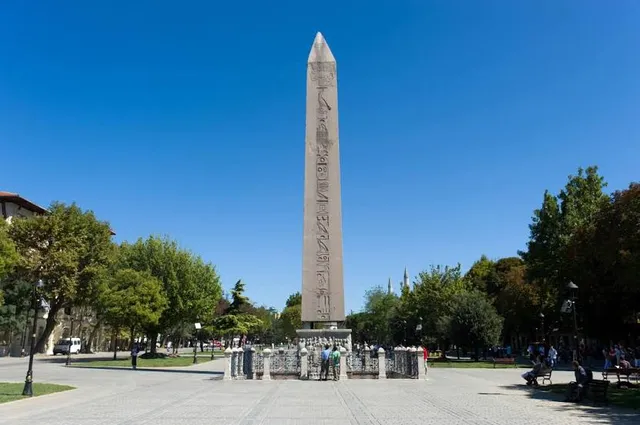
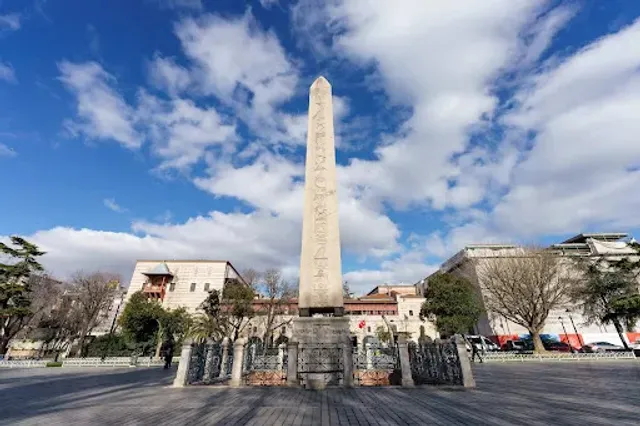
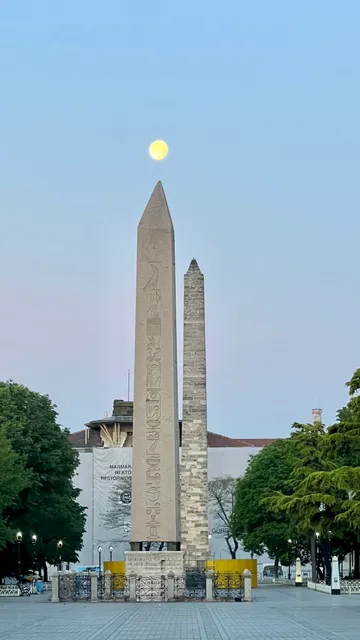
Sultanahmet Square (Hippodrome) Sultanahmet Square was a kind of stadium called the Constantinople Hippodrome during the Roman and Byzantine periods. In this square, where chariots raced for centuries, you can still see some of the historical artifacts from that period. Today, Sultanahmet Square is one of the most touristic places in Istanbul. Among the places surrounding the hippodrome are famous historical monuments such as the Blue Mosque, Ibrahim Pasha Palace (Turkish and Islamic Arts Museum) and Hagia Sophia. Hippodrome of Constantinople: The Hippodrome of Constantinople was built by the famous Roman emperor Constantine the Great (Constantinus) in the 4th century. The Hippodrome, one of the social centers of the city throughout history, had a capacity of tens of thousands of people. The Hippodrome witnessed very important events throughout Byzantine history. Byzantine emperors were crowned in front of enthusiastic crowds in the Hippodrome. On the other hand, the rebellions that dethroned many Byzantine rulers started from here. For example; The Nika Revolt, the largest rebellion in Byzantine history, also spread to the city from here. The rebellion, in which 40,000 people destroyed the Eastern Roman (Byzantine) capital Constantinople, broke out during the reign of Emperor Justinian, which ironically represented the peak of Byzantium. The Hippodrome, where chariots competed during the Roman and Byzantine periods, turned into a public square during the Ottoman Empire. Religious holidays were celebrated and banquets were held in honor of palace weddings in the Hippodrome, which was named "Sultanahmet Square" over time. The Hippodrome was a place where Janissary soldiers proved their courage during the Ottoman period. Some soldiers would climb the Örmetaş in the square to demonstrate their skills. Thus, the people gathered in the square for the festivities would enjoy these shows. Sultanahmet Square is one of the most important tourist centers in Istanbul today. On one side of the square is the Turkish and Islamic Arts Museum, and on the other side is the Sultanahmet Mosque. During the years when chariots raced in the square, there was a U-shaped race track. The rivalry between the Blues and the Greens, the city's most important teams, was attracting tens of thousands of people to the stadium. In addition to being sports clubs, the Blue and Green teams also had political characteristics. The social class and religious sect of the supporters of the two sides differed. This took the competition to a different dimension. There was a hippodrome in each of the leading cities of the ancient world. However, the two most prominent Hippodromes at that time were the Circus Maximus in Rome and the Constantinople Hippodrome in Istanbul. World famous car racers emerged from the Hippodrome in Istanbul. Of these, Porphyrius the Charioteer was the most famous. Born in Libya within Roman borders, Porphyrius competed in many arenas of the ancient world. However, he achieved his most important successes at the Constantinople Hippodrome. The chariots competing in the Hippodrome would race fiercely on the U-shaped race track and show their mastery on the sharp bend at the end of the Hippodrome. In the central section (spina) around which they revolved, there were many historical artifacts. The most important of the monuments adorning the Hippodrome was the Obelisk brought from Egypt. The second was the Serpent Column from Ancient Greece and the third was the Knitting Stone erected by...
Read moreMarhaba 👋
Sultanahmet Square, located at the heart of Istanbul, is a mesmerizing destination that effortlessly transports visitors to a bygone era. Steeped in history and adorned with architectural marvels, this enchanting square offers a delightful fusion of culture, beauty, and captivating stories waiting to be discovered.
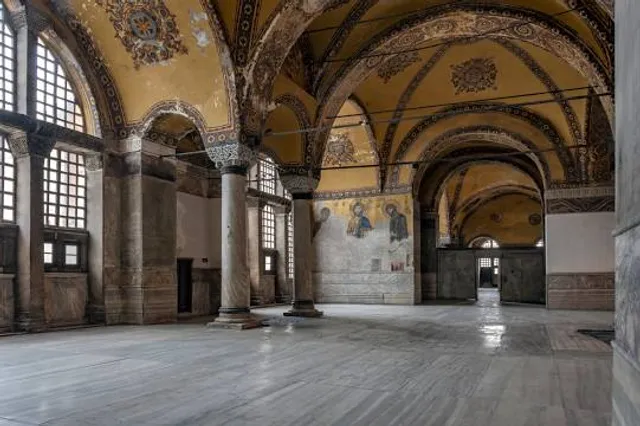
As you step into Sultanahmet Square, the first thing that captures your attention is the awe-inspiring Hagia Sophia. This architectural masterpiece, with its magnificent domes and intricate detailing, is a testament to the artistic brilliance of the Byzantine Empire. Once a church, then a mosque, and now a museum, the Hagia Sophia is a symbol of the harmonious coexistence of different cultures throughout history. Exploring its interior is like delving into the annals of time, where you can admire stunning mosaics, grand archways, and a sense of spirituality that transcends borders.
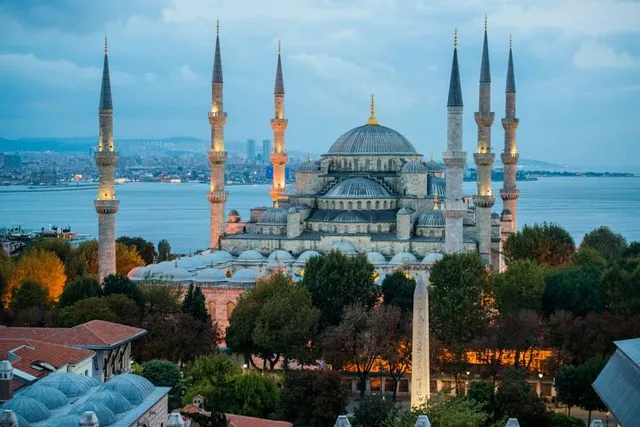
Adjacent to the Hagia Sophia, the Blue Mosque (Sultan Ahmed Mosque) stands tall, exuding a sense of grandeur and tranquility. Its elegant domes, six minarets, and exquisite blue Iznik tiles create a visual spectacle that is simply breathtaking. Stepping inside, you are greeted by a serene ambiance that invites introspection and reflection. The interplay of light filtering through stained glass windows creates a mesmerizing dance of colors, adding to the mosque's ethereal charm.
Sultanahmet Square is also home to the Topkapi Palace, a dazzling complex that once served as the residence of Ottoman sultans. Its opulent courtyards, magnificent gardens, and opulent chambers showcase the grandeur and splendor of the Ottoman Empire. Exploring the palace reveals a treasure trove of artifacts, including priceless jewels, intricate ceramics, and manuscripts that offer a glimpse into a rich and fascinating past.
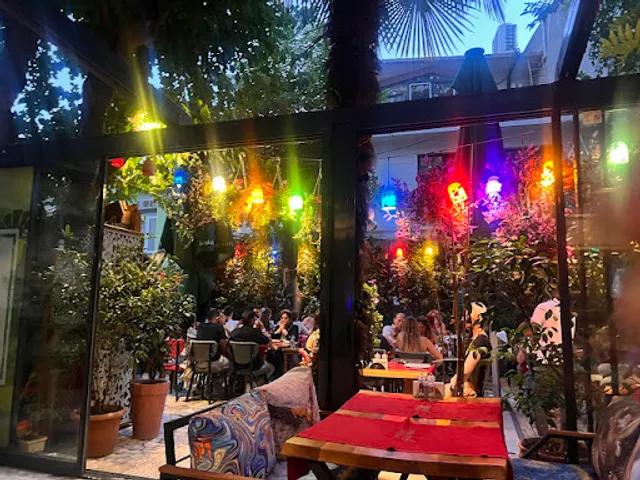
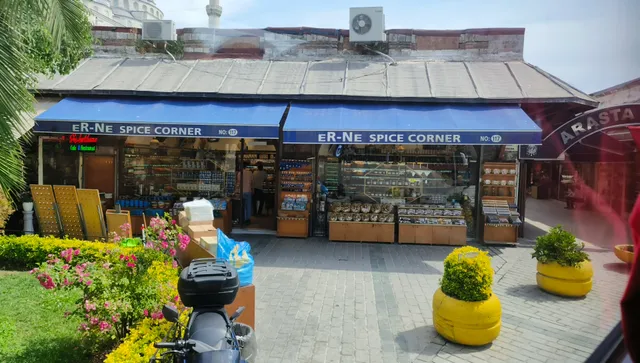
Beyond the architectural wonders, Sultanahmet Square is surrounded by vibrant bazaars, bustling cafes, and charming streets that invite leisurely strolls. The aroma of Turkish tea and the tantalizing flavors of traditional cuisine waft through the air, enticing visitors to indulge in the local gastronomy. The warm hospitality of the locals adds an extra layer of charm to the experience, making you feel welcome and immersed in the local culture.
The beauty of Sultanahmet Square lies not only in its physical surroundings but also in the stories it holds. It's a place where history unfolds before your eyes, where you can connect with the past and gain a deeper understanding of the cultural tapestry that defines Istanbul. Every corner of the square is imbued with a sense of wonder and discovery, making it a must-visit destination for history enthusiasts, architecture lovers, and anyone seeking an unforgettable journey through time.
In conclusion, Sultanahmet Square is a captivating destination that leaves an indelible mark on every visitor. Its architectural wonders, rich history, and vibrant ambiance create an immersive experience that transports you to a different era. Whether you're admiring the grandeur of the Hagia Sophia, finding serenity in the Blue Mosque, or exploring the treasures of the Topkapi Palace, Sultanahmet Square offers an enchanting adventure that will...
Read moreIt's very lovely and historic place. The Sultanahmet Square(Sultanahmet Meydani) is the old historic quarter of Istanbul and here you will find some of the most significant historic monuments of Istanbul. The district was named after Sultan Ahmet I, the builder of the Blue Mosque which sits at one end of the leafy square. Facing the Blue Mosque at the opposite end of the square is the magnificent Hagia Sophia.
Sultanahmet Square
Many of Istanbul’s Byzantine and Ottoman monuments were built in the Old City and with the many historical attractions in and around Sultanahmet Square, this is the ideal location to start any sightseeing tour of Istanbul.
A good place to start your visit of the Sultanahmet quarter is at the Hippodrome which was once the centre of public life in Constantinople. The Hippodrome was the scene of ferocious chariot races which the Byzantines enjoyed, much like the gladiator fights that the Romans loved. There’s not much left of this stadium, but significant monuments here include the Obelisk of Theodosius, the Serpentine Column and the Column of Constantine. There’s also a prettydomed fountain commemorating the visit of Kaiser Wilhelm II to Istanbul in 1898. The Hippodrome is now a public park which runs the length of Blue Mosque complex. Next to the Hippodrome are Istanbul’s two most important monuments – the Blue Mosque with its six elegant minarets and the magnificent Hagia Sophia face each other at opposite ends of the square.
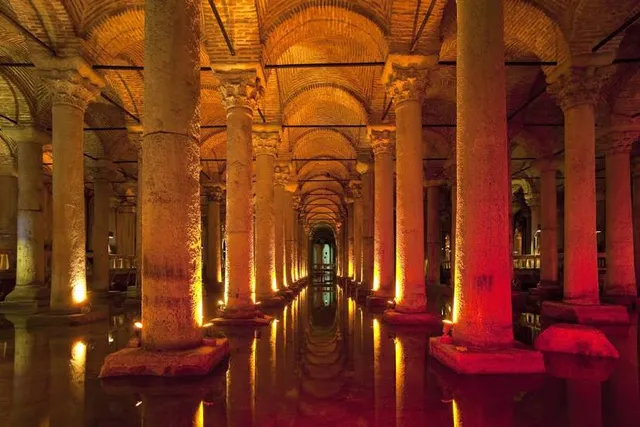
When visiting Hagia Sophia, don’t forget to also visit the nearby Basilica Cistern, one of the many hidden treasures of Istanbul. This giant underground cistern in Yerebatan Caddesi was built by Justinian in 532 to provide water to the city in case of sieges. Close to the entrance of the Basilica Cistern is the Milion, a marble pillar from where all distances were measured during the Byzantine era.
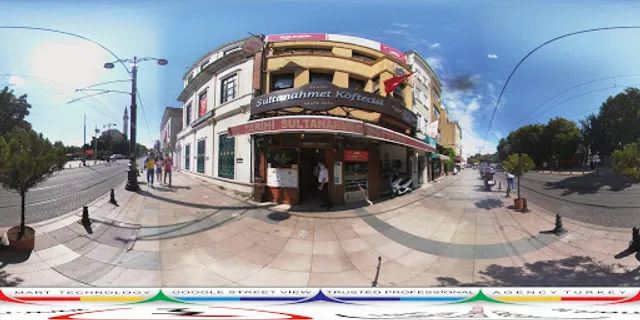
For lunch or a coffee break, we always like stopping at the Lale Restaurant at Divan Yolu Cd. which was the famous Pudding Shopduring the hippie era. Tony was one of the young travellers seeking Eastern adventures so the Pudding Shop brings back sentimental memories for him. The Pudding Shop was started by the Çolpan brothers in 1957 and the family still runs this successful...
Read more