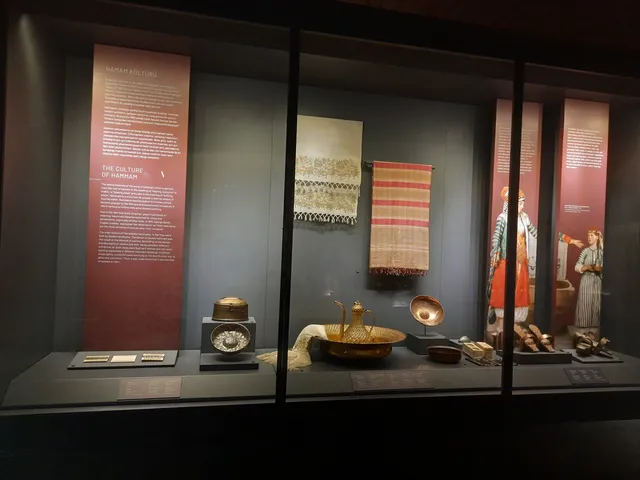
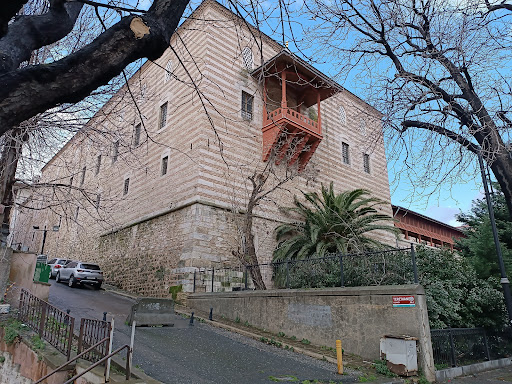
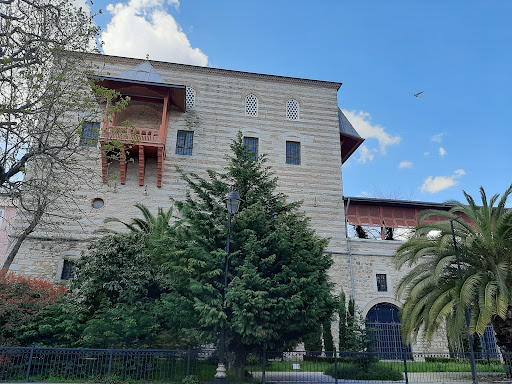
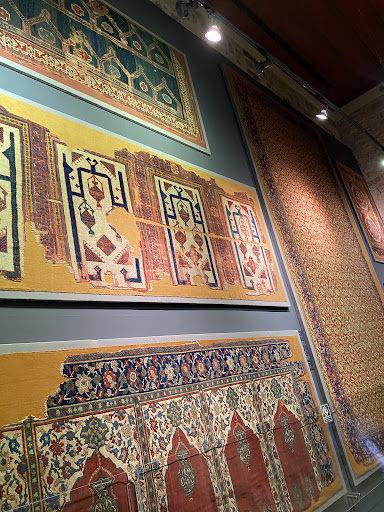
The palace is the Turkish and Islamic Arts Museum today.
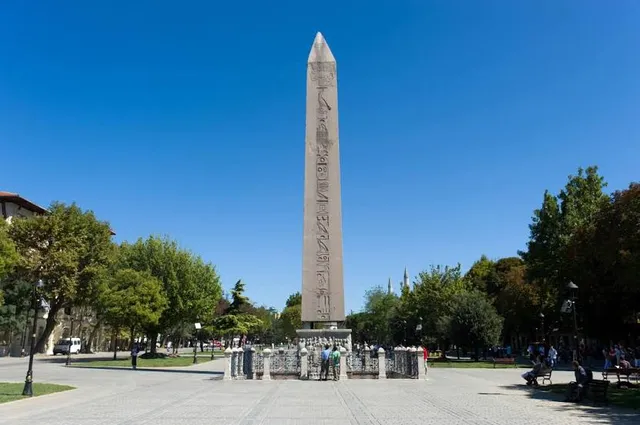
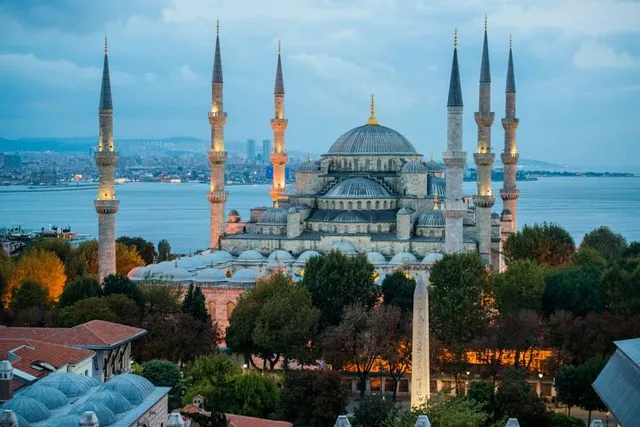
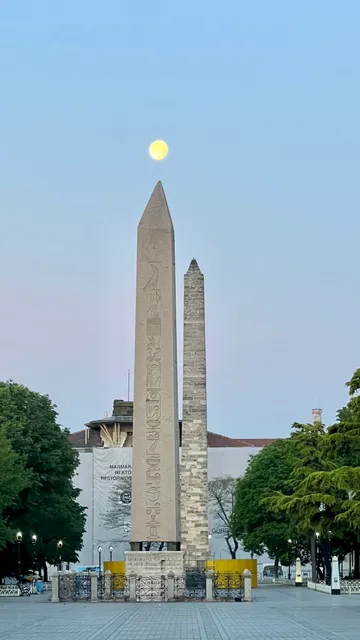
Ibrahim Pasha Palace, which is one of the most beautiful examples of Ottoman civil architecture belonging to the 16th century, rises on the bedplates of Hippodrome, which was built during the Roman era. The obelisk, which was brought from Egypt in 390 A.D. by the Byzantine emperor Theodosius I., the Serpentine Column brought from the Apollon Temple in Delfi, which represents the victory of Greek city states against Persians and the Braided Column which used to be covered with bronze tiles until the Latin invasion of Istanbul during the Crusade are located in front of the palace.
It is not known clearly by whom or when the Palace was built, but according to the historians of that period, it was built during the reign of Sultan Bayezid the 2nd. The first documents in which Ibrahim Pasha and the Palace are mentioned belong to the era of Suleiman the Magnificent. One can infer from the document dated 927/1520 that Suleiman the Magnificent had the palace repaired for Ibrahim Pasha and according to second document whose date is not certain, the palace is mentioned as "the house of Ibrahim Pasha". The first guest of Ibrahim Pasha Palace after the completition of its repair process was Suleiman the Magnificent in the year 1521. Though it is not an approved fact, some sources mention that Ibrahim Pasha married to the sister of Suleiman the Magnificent between the dates of 18 Recep and 2 Saban 930/1524 in this palace. Their marriage celebration lasted for 15 days and 15 nights.
Although it was called "Sultanahmed Palace" after the execution of Ibrahim Pasha in 942/1536, people kept calling it as Ibrahim Pasha Palace. Later, it was used by Ottoman grand viziers including Bosnian Ibrahim Pasha. It was understood from a document dated 1138/1725 that Ibrahim Pasha Palace, which hosted grand events such as weddings and revolts was in a condition that it could not be used as a palace in the first quarter of the 18th century. Ibrahim Pasha Palace was not only used as grand vizier palace but also as barracks, embassy palace, registry, sewing workshop and prison.
Ibrahim Pasha Palace, which was called "the biggest vizir palace in Istanbul or the biggest palace in Istanbul" by Evliya Çelebi and which we come across in the paintings, gravures and Ottoman miniatures, reached our present time because it was built with stones unlike the other palaces and mansions of the period. The construction of the registry building in the 19. century in the first courtyard of palace which had four grand courtyards and land registry cadastre building construction in 1908 affected the general view significantly. The main part of the palace which stood against the tough conditions of time was destroyed during the construction of the courthouse between the years of 1935 and 1947. The efforts of architecture historians and especially of High Architect Sedat Çetintaş yielded results and the remaining part of the palace was saved. The second courtyard of Ibrahim Pasha Palace, which was the unique work of the era, was repaired between the dates of 1966 and 1983 and now hosts the rich collections of Turkish and...
Read moreI highly recommend anybody to visit this palace museum if you are a history fan. The museum is housed in a beautiful historical building with fascinating exhibits on Ottoman history and culture of the 16th century. The artifacts and displays are well-curated, offering a rich and educational experience. It's built on the order of Sultan Suleyman the Magnificent for his beloved grand vizier and childhood friend Pargali Ibrahim Pasha, who served as his grand vizier for 14 years in office, starting around 1522 and ending in 1536.
The background story is even more fascinating, the Ottoman empire expanded immensely, grew political and militarily influence over the rest of Europe and the Asia under the administration of Sultan Suleyman I and Ibrahim Pasha. It is oftenly described as the golden age of the empire.
The museum, which was also a residing house for Ibrahim Pasha during his year in office, contains all sorts of Ottoman stuff you could see, from swords to books to clothes. This all shall make you feel like you're divining in the 16th century Ottoman palace, hahah.
Also, the staff are friendly and knowledgeable, and the museum was not really crowded, making it a pleasant and easy going visit. The location is great too, right near the Hippodrome and Blue Mosque, so it's easy to include in a day of sightseeing. Highly recommend stopping by, especially for...
Read moreSultanahmet’te yer alan sarayın Kanûnî Sultan Süleyman devri vezîriâzamı Makbul İbrâhim Paşa tarafından yaptırıldığı bilinmektedir. Topkapı Sarayı Müzesi Arşivi’nde bulunan ve İstanbul Emini Ömer Ağa tarafından padişaha takdim edilmiş olan 927 (1521) tarihli bir yazıdan sarayın mevcut bir konağın önemli değişiklikler, eklemeler ve tamirler yapılmak suretiyle meydana getirildiği anlaşılmaktadır. İçinde bir kule ve çardağı, köşk, hazine odası, hamam, kiler, mutfaklar, divanhâne, hassa evleri, ahır gibi kısımları bulunan bu yapı çok kısa bir süre içinde tamamlanmıştır. Nitekim seferden dönen padişah burada ağırlanmış, sadrazamlığa yükselen İbrâhim Paşa’nın muhteşem düğünü 1524’te aynı yerde yapılmıştır. 23 Receb 931 (16 Mayıs 1525) gecesi meydana gelen bir ayaklanmada şehrin başka saray ve konakları ile beraber buraya da hücum edilerek kapı ve pencereleri parçalanmıştır. Sarayını tamir ettiren İbrâhim Paşa, Budin seferi ganimeti olarak getirdiği heykelleri 1526’da binanın önüne diktirmiş ve düşmanlarının tenkit ve alaylarını üzerine çekmiştir. Hatta bu münasebetle o çağın şairlerinden Figānî Hz. İbrâhim’in putları kaldırdığını, halbuki adaşı olan diğer İbrâhim’in şehrin ortasına putlar diktirdiğini söyleyerek paşayı hicvetmiş ve bu da hayatına mal olmuştur. Paşanın sarayının önüne diktirdiği heykeller XVI. yüzyılda çizilen bazı gravürlerde farkedilmektedir. Şehzadelerin 21 Şevval 936’da (18 Haziran 1530) yapılan sünnet düğünü için İbrâhim Paşa Sarayı önüne, meydana bakan bir kasır inşa edilmiş ve Kanûnî bir ay süren eğlenceleri buradan seyretmiştir. Bilhassa Hünernâme minyatürleri başta olmak üzere bu eğlenceleri gösteren minyatürlerde kasrın dış mimarisi kısmen görülebilmektedir.
İbrâhim Paşa’nın 1536’da idamı üzerine sarayına devletçe el konulmuş, bir kısmı iç oğlanlarına ayrılmış, bir kısmı sadrazamlara ve diğer ileri gelenlere tahsis edilmeye başlanmıştır. 1566’da vezir, daha sonra Mısır ve Anadolu beylerbeyi olan Zal Mahmud Paşa 1574’te II. Selim’in kızı Şah Sultan’la burada evlenmiş ve 1580’de vefat edinceye kadar bu sarayda yaşamıştır. 1584’te yapı, acemi oğlanlarına ayrılan kısmı dışında kalan bölümleriyle, III. Murad’ın kızı Ayşe Sultan’la evlenen Sadrazam Bosnalı Damad İbrâhim Paşa’ya intikal etmiştir. İbrâhim Paşa’nın 1601’de ölümünün ardından malları ve sarayı, ertesi yıl Ayşe Sultan’la evlendirilen Sadrazam Yemişçi Hasan Paşa’ya tahsis edilmiştir. Ancak Hasan Paşa 1603’te katledildiğinden sadâreti kısa sürmüş, saray bu defa da Ayşe Sultan’ın üçüncü eşi Güzelce Mahmud Paşa’ya geçmiştir. 1605’te Güzelce Mahmud Paşa ile Ayşe Sultan ardarda ölünce 1611’de saray muhtemelen III. Mehmed’in kızlarından biriyle evlenmiş olan Kaptanıderyâ Damad Kara (Öküz) Mehmed Paşa’ya, daha sonra da I. Ahmed’in kızı Gevherhan Sultan’la evli Kaptanıderyâ Topal Receb Paşa’ya verilmiştir. Uzun süre Receb Paşa’nın adıyla anılan saray, 1632’de sadrazam olan paşanın aynı yıl IV. Murad’ın emriyle katledilmesi üzerine bu padişahın silâhdarı Mustafa Ağa’ya temlik edilmiştir. IV. Murad 1640’ta ölünce saray, Sultan İbrâhim’in en gözde musâhibi olan Silâhdar Yûsuf Paşa’ya verilmiştir. 1645’te padişahın üç yaşındaki kızı Fatma Sultan’la nikâhlanan Yûsuf Paşa düğünden bir yıl sonra idam edilmiştir. Saray, bu defa Fatma Sultan’la evlendirilen bir diğer padişah musâhibi Damad Fazlı (Fazlullah) Paşa’ya verilmişse de bunların sarayda yaşamadıkları, Fazlı Paşa’nın İstanbul dışı görevlerle merkezden uzaklaştırıldığı bilinmektedir. Sarayı 1648’de Sultan İbrâhim’in, Telli Haseki adıyla tanınan gözdesine hediye ettiği anlaşılmaktadır. Bundan sonra XVII. yüzyıl boyunca sarayın sahipleri sadrazamlar, kaptan-ı deryâlar ya da beylerbeyi gibi bürokrasinin en yüksek üyeleri ve hânedana damat olan devlet ricâline tahsisi devam etmiştir. Evliya Çelebi yapının İstanbul’daki vezir saraylarının en büyüğü olduğunu...
Read more