Remains Of The Church Of St.Polyeuctus things to do, attractions, restaurants, events info and trip planning
Basic Info
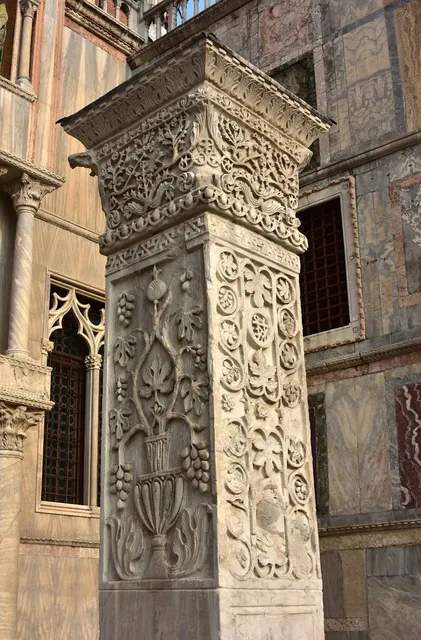
Remains Of The Church Of St.Polyeuctus
İskender Paşa, Kavalalı Sk., 34080 Fatih/İstanbul, Türkiye
4.2(67)
Open 24 hours
Save
spot
spot
Ratings & Description
Info
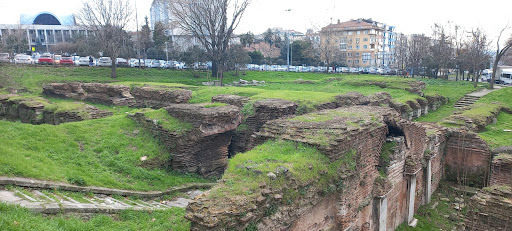
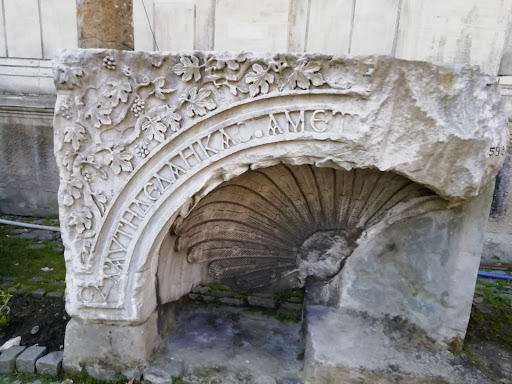
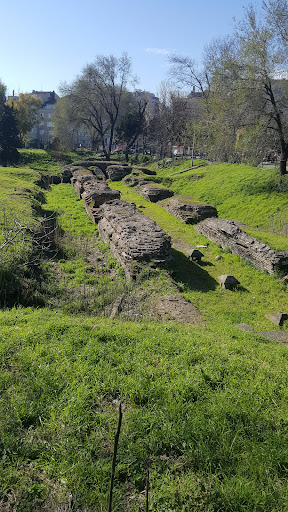
The Church of St. Polyeuctus was an ancient Byzantine church in Constantinople built by the noblewoman Anicia Juliana and dedicated to Saint Polyeuctus.
Cultural
Scenic
attractions: Sarachane Park, İBB Saraçhane Archeology Park, Fatih Memorial Park, Column of Marcian, Aqueduct of Valens, Pertevniyal Valide Sultan Mosque, Statue of sultan on horse, Laleli Mosque, Aviation Martyrs' Monument, Fatih Mosque, restaurants: Burger King - Fatih, Akyol Uygur Lokantası, Roof Panorama İstanbul, Vefa Bozacisi, Haskral Hatay Sofrası, Nergis Sarayı Restoranı, Şırdancı Mehmet, Meşhur Unkapanı Pilavcısı, Lotiz Lounge & Hookah, Sophia Asian Restaurant, local businesses: Horhor Antikacılar Çarşısı, Siirt Şeref Buryan1892, Sur Ocakbaşı, Horhor Carsisi, Beethoven Premium Spa Massage Hamam Turkish Bath, Sultan Selim Hamam Traditional Turkish Bath, Laleli İskender Kebap Salonu, Sahra Group, Paçacı Necip Usta Fatih, Istanbul Tours, Bosphorus Cruise Tour, Istanbul City Tour
 Learn more insights from Wanderboat AI.
Plan your stay

Pet-friendly Hotels in Fatih
Find a cozy hotel nearby and make it a full experience.

Affordable Hotels in Fatih
Find a cozy hotel nearby and make it a full experience.

The Coolest Hotels You Haven't Heard Of (Yet)
Find a cozy hotel nearby and make it a full experience.

Trending Stays Worth the Hype in Fatih
Find a cozy hotel nearby and make it a full experience.
Reviews
Live events

Perfume Making Workshop with Bosphorus View
Sun, Feb 15 • 6:15 PM
34425, Beyoğlu, İstanbul, Turkey
View details
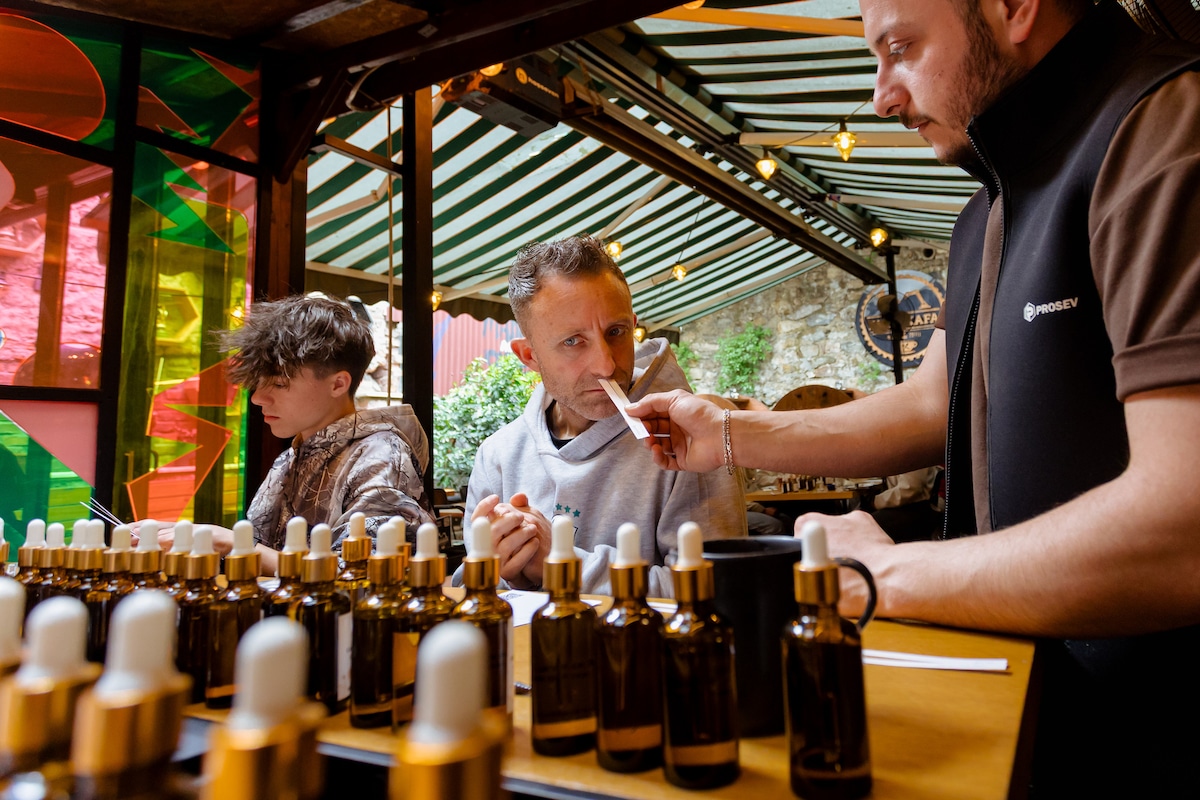
Create a signature scent in Istanbul
Sun, Feb 15 • 4:00 PM
34110, Fatih, İstanbul, Turkey
View details
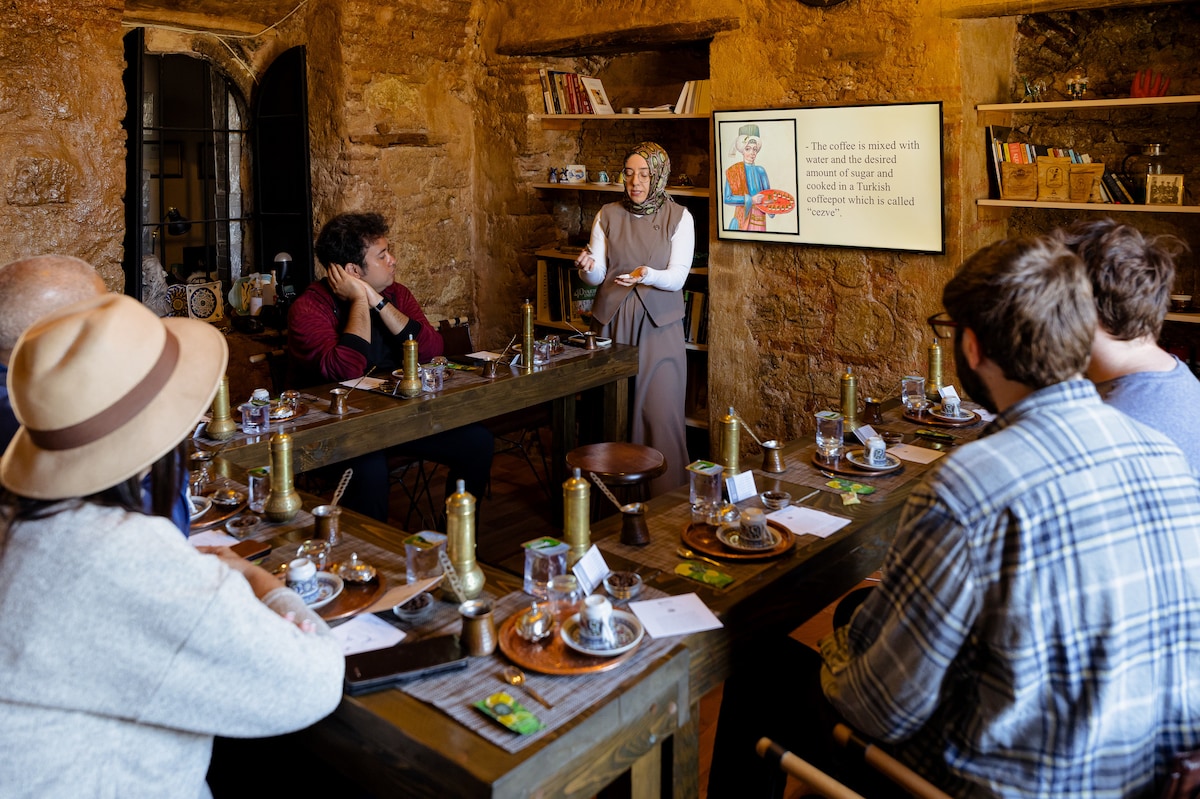
Turkish Coffee Making and Fortune Telling Workshop
Mon, Feb 16 • 10:00 AM
34112, Fatih, İstanbul, Turkey
View details
Nearby attractions of Remains Of The Church Of St.Polyeuctus
Sarachane Park
İBB Saraçhane Archeology Park
Fatih Memorial Park
Column of Marcian
Aqueduct of Valens
Pertevniyal Valide Sultan Mosque
Statue of sultan on horse
Laleli Mosque
Aviation Martyrs' Monument
Fatih Mosque
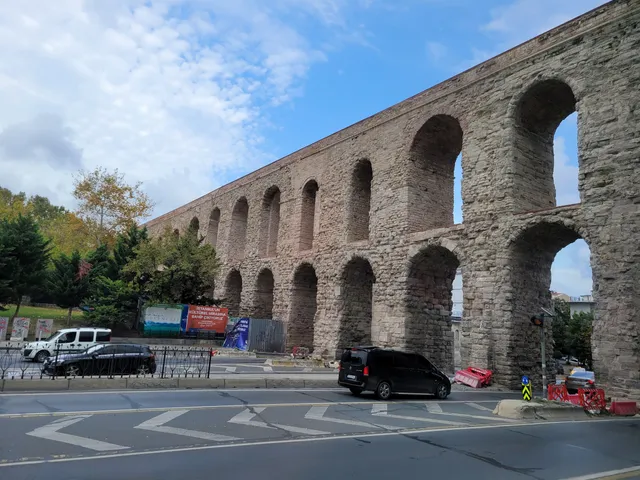
Sarachane Park
4.4
(3.1K)
Open until 12:00 AM
Click for details
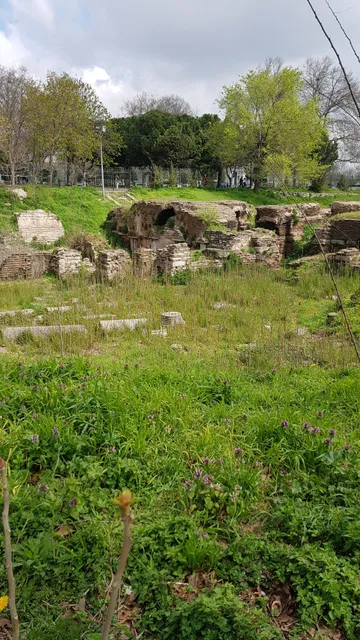
İBB Saraçhane Archeology Park
4.3
(164)
Open 24 hours
Click for details
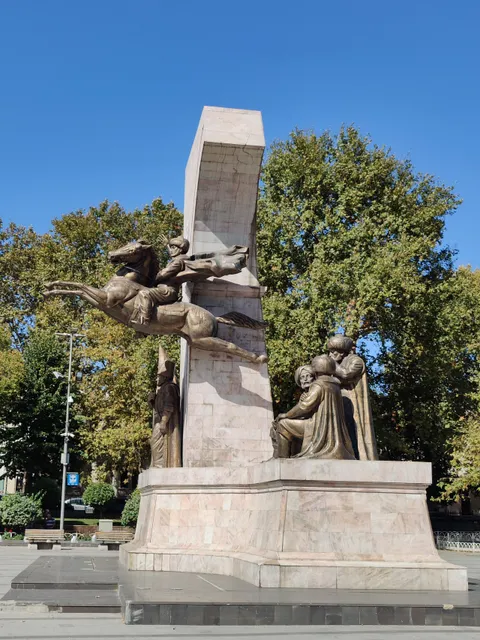
Fatih Memorial Park
4.3
(1.1K)
Open 24 hours
Click for details
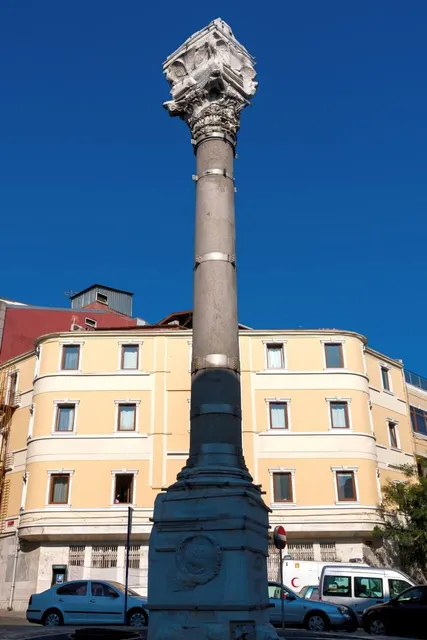
Column of Marcian
4.4
(1.3K)
Open 24 hours
Click for details
Nearby restaurants of Remains Of The Church Of St.Polyeuctus
Burger King - Fatih
Akyol Uygur Lokantası
Roof Panorama İstanbul
Vefa Bozacisi
Haskral Hatay Sofrası
Nergis Sarayı Restoranı
Şırdancı Mehmet
Meşhur Unkapanı Pilavcısı
Lotiz Lounge & Hookah
Sophia Asian Restaurant
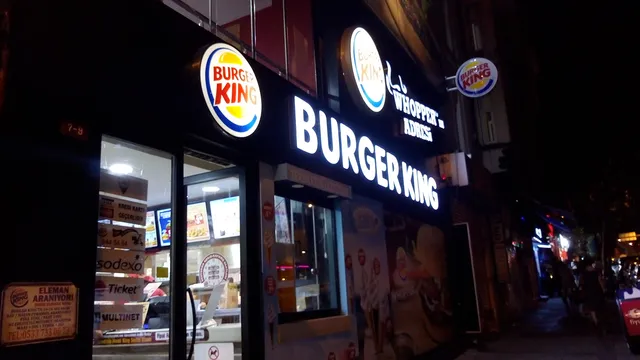
Burger King - Fatih
3.2
(564)
Open until 11:00 PM
Click for details

Akyol Uygur Lokantası
4.3
(238)
Open until 10:00 PM
Click for details
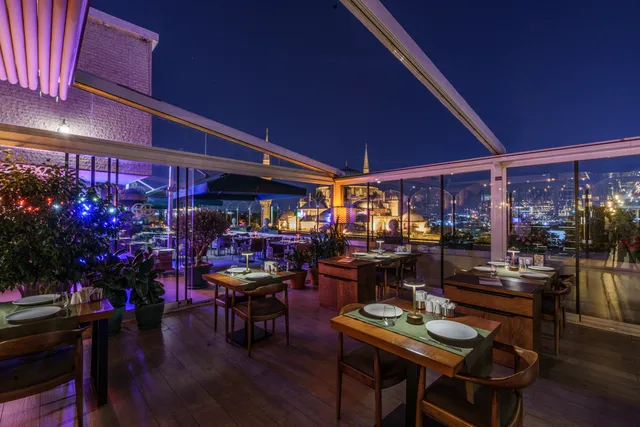
Roof Panorama İstanbul
4.9
(2.2K)
Open until 1:00 AM
Click for details
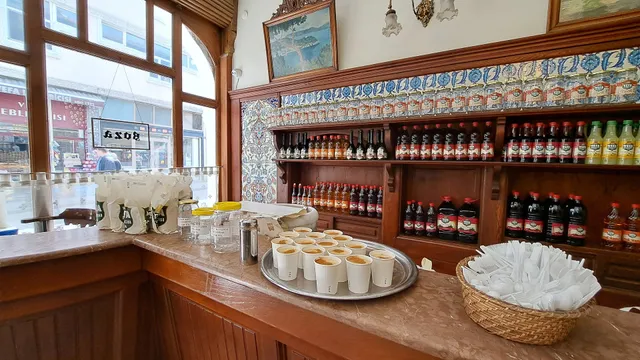
Vefa Bozacisi
4.6
(7.5K)
Open until 12:00 AM
Click for details
Nearby local services of Remains Of The Church Of St.Polyeuctus
Horhor Antikacılar Çarşısı
Siirt Şeref Buryan1892
Sur Ocakbaşı
Horhor Carsisi
Beethoven Premium Spa Massage Hamam Turkish Bath
Sultan Selim Hamam Traditional Turkish Bath
Laleli İskender Kebap Salonu
Sahra Group
Paçacı Necip Usta Fatih
Istanbul Tours, Bosphorus Cruise Tour, Istanbul City Tour

Horhor Antikacılar Çarşısı
4.2
(168)
Click for details

Siirt Şeref Buryan1892
4.3
(3.3K)
Click for details
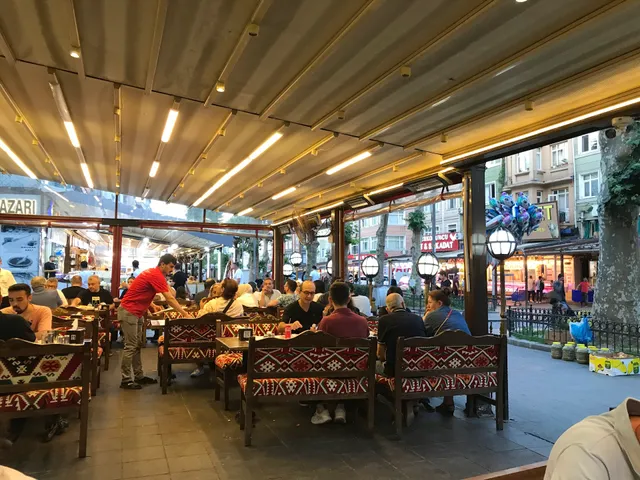
Sur Ocakbaşı
3.8
(2.1K)
Click for details
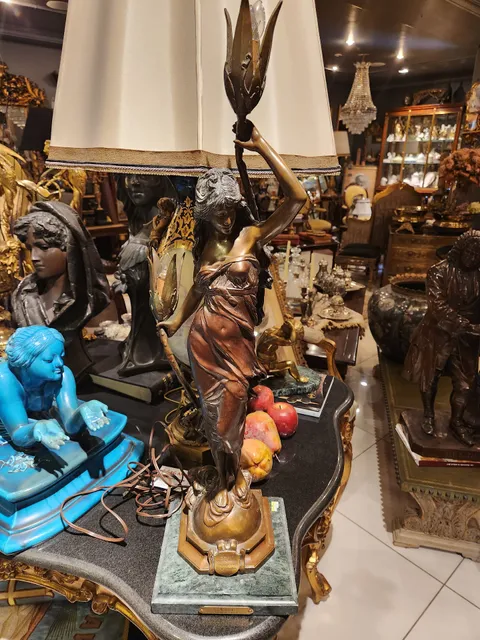
Horhor Carsisi
4.1
(49)
Click for details