HTML SitemapExplore
logo
Find Things to DoFind The Best Restaurants

Sultan Ahmet Tomb — Attraction in Fatih

Name
Sultan Ahmet Tomb
Description
Nearby attractions
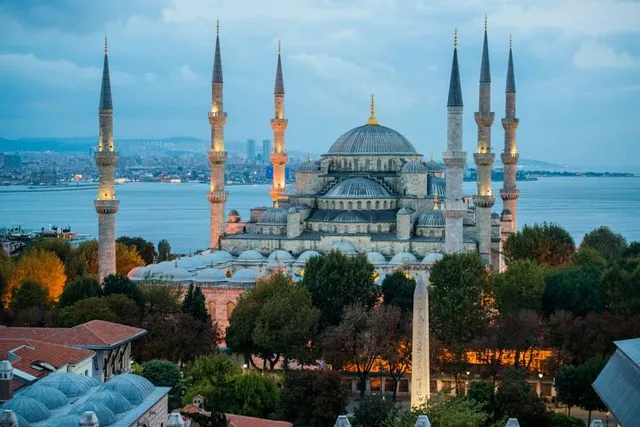
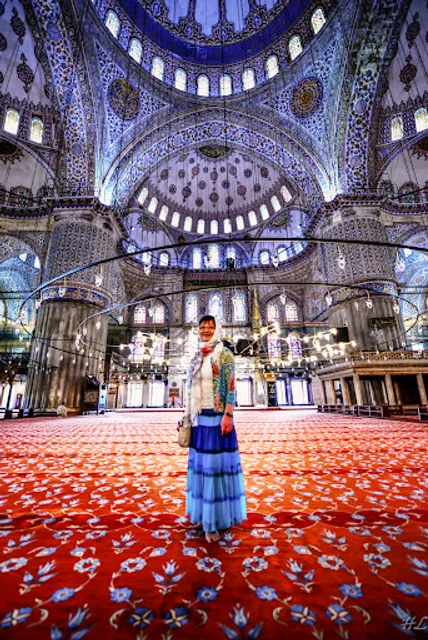
The Blue Mosque
Cankurtaran, At Meydanı Cd No:7, 34122 Fatih/İstanbul, Türkiye
Basilica Cistern
Alemdar, Yerebatan Cd. 1/3, 34110 Fatih/İstanbul, Türkiye
Sultanahmet Square
Binbirdirek, Sultan Ahmet Parkı No:2, 34122 Fatih/İstanbul, Türkiye
German Fountain
Binbirdirek, At Meydanı Cd, 34122 Fatih/İstanbul, Türkiye
Hagia Sophia
Sultan Ahmet, Ayasofya Meydanı No:1, 34122 Fatih/İstanbul, Türkiye
Sultan Ahmet Park
Cankurtaran, At Meydanı Cd No:5, 34122 Fatih/İstanbul, Türkiye
Turkish and Islamic Arts Museum
Binbirdirek, At Meydanı Cd No:12, 34122 Fatih/İstanbul, Türkiye
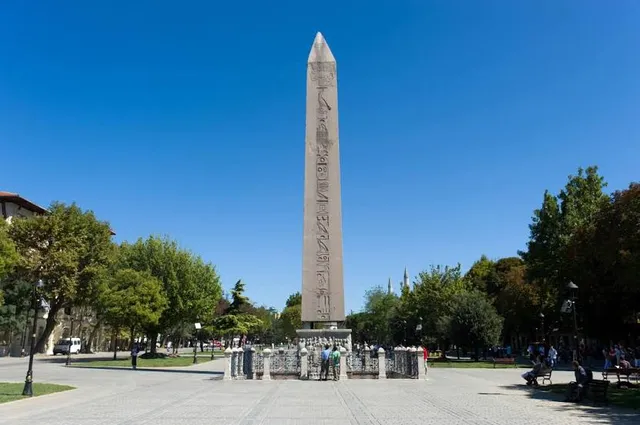
Obelisk of Theodosius
Sultanahmet, Binbirdirek, 34122 Fatih/İstanbul, Türkiye
Hagia Sophia History and Experience Museum
Binbirdirek, At Meydanı Cd No:10, 34122 Fatih/İstanbul, Türkiye
The Stone of Million
Alemdar, Divan Yolu Cd. No:2, 34110 Fatih/İstanbul, Türkiye
Nearby restaurants
Hafız Mustafa
Binbirdirek, Divan Yolu Cd. No:14, 34110 Fatih/İstanbul, Türkiye
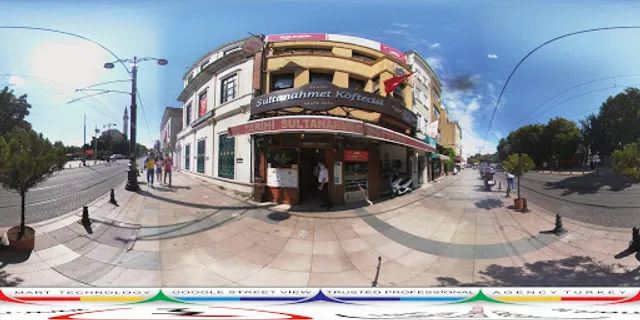
Tarihi Sultanahmet Köftecisi Selim Usta
Alemdar, Divan Yolu Cd. No:12, 34110 Fatih/İstanbul, Türkiye
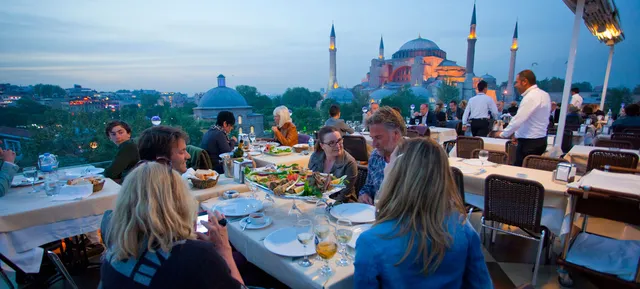
Seven Hills Restaurant
Cankurtaran, Tevkifhane Sk. No:8 Kat:3, 34122 Fatih/İstanbul, Türkiye
Harab'be Cafe
Alemdar, Ticarethane Çk. No:4B, 34122 Fatih/İstanbul, Türkiye
dubb Indian Restaurant (Sultanahmet)
Alemdar, İncili Çavuş Sk. No:10, 34110 Fatih/İstanbul, Türkiye
Meşhur Sultanahmet Köftecisi
Alemdar, Divan Yolu Cd. No:4, 34110 Fatih/İstanbul, Türkiye
Dervis Cafe & Restaurant
Sultan Ahmet, Kabasakal Cd. No:1 D:2, 34122 Fatih/İstanbul, Türkiye
KD Karadeniz Aile Pide ve Kebap Salonu
Alemdar, Hacı Tahsin Bey Sk. No:9/a, 34110 Fatih/İstanbul, Türkiye
Turgut Kebab Restaurant -Sultanahmet-
Sultan Ahmet, Akbıyık Cd. No:64, 34122 Fatih/İstanbul, Türkiye
Ayasofya kebap house
Alemdar, İncili Çavuş Sk. No:8/A, 34110 Fatih/İstanbul, Türkiye
Related posts
Keywords
Sultan Ahmet Tomb tourism.Sultan Ahmet Tomb hotels.Sultan Ahmet Tomb bed and breakfast. flights to Sultan Ahmet Tomb.Sultan Ahmet Tomb attractions.Sultan Ahmet Tomb restaurants.Sultan Ahmet Tomb travel.Sultan Ahmet Tomb travel guide.Sultan Ahmet Tomb travel blog.Sultan Ahmet Tomb pictures.Sultan Ahmet Tomb photos.Sultan Ahmet Tomb travel tips.Sultan Ahmet Tomb maps.Sultan Ahmet Tomb things to do.
Sultan Ahmet Tomb things to do, attractions, restaurants, events info and trip planning
Sultan Ahmet Tomb
TurkeyIstanbulFatihSultan Ahmet Tomb

Basic Info

Sultan Ahmet Tomb

Sultan Ahmet Kabasakal Cad, Sultan Ahmet, Dalbastı Sk. No:2, 34122 Fatih/İstanbul, Türkiye
4.7(379)
Open 24 hours
Save
spot

Ratings & Description

Info

Cultural
Family friendly
Accessibility
attractions: The Blue Mosque, Basilica Cistern, Sultanahmet Square, German Fountain, Hagia Sophia, Sultan Ahmet Park, Turkish and Islamic Arts Museum, Obelisk of Theodosius, Hagia Sophia History and Experience Museum, The Stone of Million, restaurants: Hafız Mustafa, Tarihi Sultanahmet Köftecisi Selim Usta, Seven Hills Restaurant, Harab'be Cafe, dubb Indian Restaurant (Sultanahmet), Meşhur Sultanahmet Köftecisi, Dervis Cafe & Restaurant, KD Karadeniz Aile Pide ve Kebap Salonu, Turgut Kebab Restaurant -Sultanahmet-, Ayasofya kebap house
logoLearn more insights from Wanderboat AI.
Website
istanbulturbelermuzesi.gov.tr

Plan your stay

hotel
Pet-friendly Hotels in Fatih
Find a cozy hotel nearby and make it a full experience.

hotel
Affordable Hotels in Fatih
Find a cozy hotel nearby and make it a full experience.

hotel
The Coolest Hotels You Haven't Heard Of (Yet)
Find a cozy hotel nearby and make it a full experience.

hotel
Trending Stays Worth the Hype in Fatih
Find a cozy hotel nearby and make it a full experience.

Reviews

Nearby attractions of Sultan Ahmet Tomb

The Blue Mosque

Basilica Cistern

Sultanahmet Square

German Fountain

Hagia Sophia

Sultan Ahmet Park

Turkish and Islamic Arts Museum

Obelisk of Theodosius

Hagia Sophia History and Experience Museum

The Stone of Million

The Blue Mosque

The Blue Mosque

4.7

(37.4K)

Open 24 hours
Click for details
Basilica Cistern

Basilica Cistern

4.6

(29.6K)

Open 24 hours
Click for details
Sultanahmet Square

Sultanahmet Square

4.7

(13.2K)

Open 24 hours
Click for details
German Fountain

German Fountain

4.7

(937)

Open 24 hours
Click for details

Things to do nearby

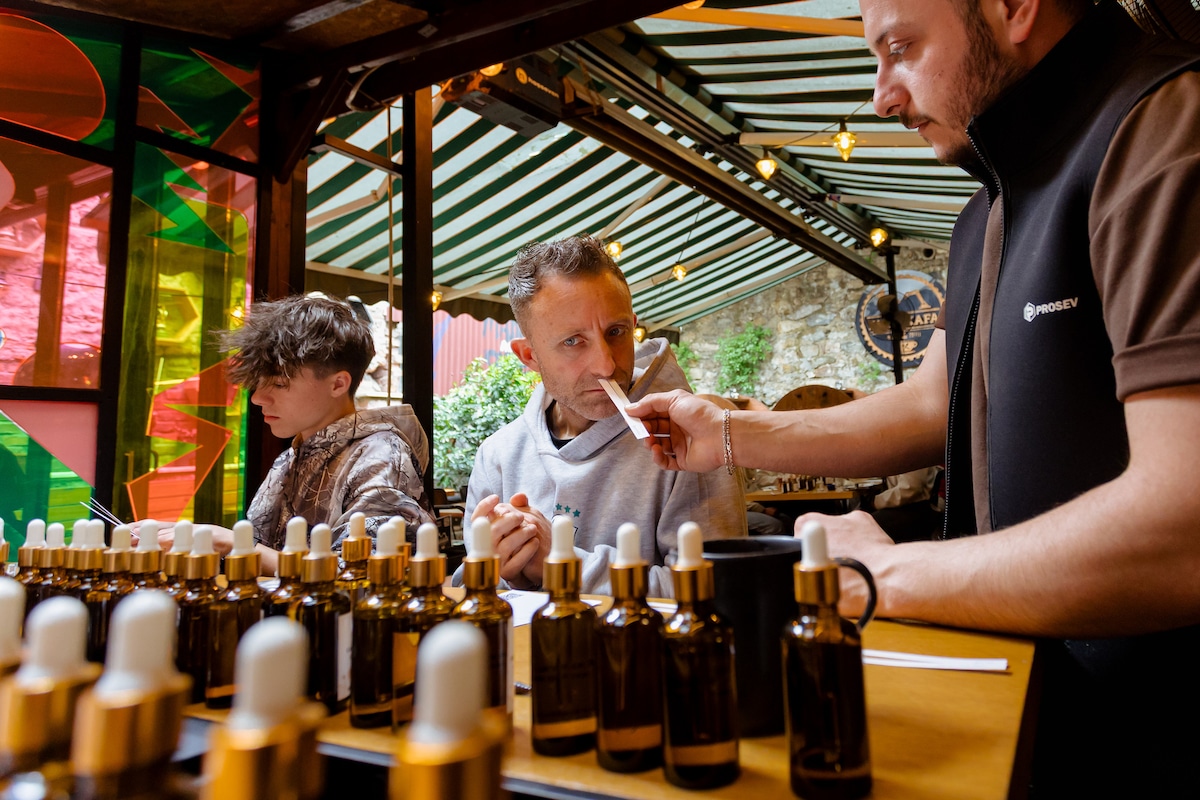
Perfume Making Workshop with Bosphorus View
Fri, Dec 5 • 2:00 PM
34425, Beyoğlu, İstanbul, Turkey
View details
Traditional Home Cooking with Local in City Center
Fri, Dec 5 • 4:30 PM
34373, Şişli, İstanbul, Turkey
View details
Aerial Yoga With a Certified Instructor
Thu, Dec 4 • 1:00 PM
34427, Beyoğlu, İstanbul, Turkey
View details

Nearby restaurants of Sultan Ahmet Tomb

Hafız Mustafa

Tarihi Sultanahmet Köftecisi Selim Usta

Seven Hills Restaurant

Harab'be Cafe

dubb Indian Restaurant (Sultanahmet)

Meşhur Sultanahmet Köftecisi

Dervis Cafe & Restaurant

KD Karadeniz Aile Pide ve Kebap Salonu

Turgut Kebab Restaurant -Sultanahmet-

Ayasofya kebap house
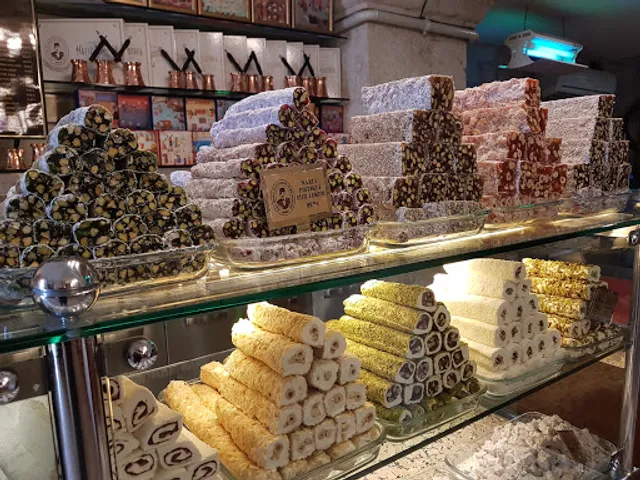
Hafız Mustafa

Hafız Mustafa

4.7

(5.6K)

$$

Click for details
Tarihi Sultanahmet Köftecisi Selim Usta

Tarihi Sultanahmet Köftecisi Selim Usta

4.1

(4.1K)

$$

Click for details
Seven Hills Restaurant

Seven Hills Restaurant

4.4

(5.8K)

Click for details
Harab'be Cafe

Harab'be Cafe

4.9

(2K)

$$

Click for details
Get the Appoverlay
Get the AppOne tap to find yournext favorite spots!
Wanderboat LogoWanderboat

Your everyday Al companion for getaway ideas

CompanyAbout Us
InformationAI Trip PlannerSitemap
SocialXInstagramTiktokLinkedin
LegalTerms of ServicePrivacy Policy

Get the app

© 2025 Wanderboat. All rights reserved.
logo

Reviews of Sultan Ahmet Tomb

4.7
(379)
avatar
5.0
1y

It is the tomb of Sultan Ahmet I and his relatives, who left very important works to Istanbul and for whom a district was named.

Ahmed I is the 14th Ottoman sultan and the 93rd Islamic caliph.

His father was Sultan III. Mehmed's mother is Handan Sultan. Following the death of his father, he ascended the throne in Eyüp Sultan on December 21, 1603, wearing a sword. Sultan Ahmet I is considered to be the first sultan to deal intensively with state affairs among the sultans after Suleiman the Magnificent. Sultan Ahmet I could not recover from the typhus disease he caught and died on the night between 21 November and 22 November in 1617, at the age of 27, and was buried in his tomb next to the Sultanahmet Mosque.

During his reign, he changed the dynastic succession system and abolished the law of fratricide. He replaced it with the system where the most sane member of the family becomes the sultan (Ekber and Erşet system). This new law has great importance in Ottoman history in terms of preventing the rivalry and throne fights between princes and fratricide for the throne. His wife, Kösem Sultan, who would later be the subject of films and novels, rose to prominence thanks to Ahmed I. It had a great influence during the period of Ahmed I and after.

Before the Sultanate

His father is III. He was born as the second of Mehmed's three sons. His older brother is Mahmud. Prince Mahmud, known as a prince involved in military and administrative affairs and the strongest candidate for the sultanate, was killed on the allegation that he intended to take the throne. This is also a surprising development for Ahmed I. Thus, the way to the throne is opened for him. When Prince Ahmed was only 13 years old, his 37-year-old father, Sultan III. Mehmed passes away. Just as his father was the ruler who died at the youngest age compared to the previous Sultans, Ahmed I was the youngest ruler among those who ascended to the throne after the death of his father.

Reign

Treaty of Zitvatoruk

According to the treaty, Eğri, Esztergon and Kanije castles would remain with the Ottomans, while Raab (Yanıkkale) and Komarom castles would remain with the Austrians. Austria was to pay a one-time war reparation of 200,000 gold. The Archduke of Austria would be considered equal to the Ottoman Sultan in the protocol, and the Ottoman Sultan would address the Archduke of Austria with the title of Holy Roman Emperor (Cesar/Kaiser) in correspondence, and mutual gifts would be sent every three years. The annual 30,000 gold tax that Austria paid for Hungary would be abolished. Although the Treaty of Zitvatorok seemed to be in favor of the Ottomans, the Ottoman Empire was no longer in its former power. With this treaty, the superiority of the Ottoman Empire over Austria ended and the political balances began to deteriorate against the Ottoman Empire.

Ramazanoğulları Principality, one of the longest-lived Anatolian principalities, was subject to the Ottomans after 1514 during the reign of Yavuz Sultan Selim. After 1608, which coincided with the reign of Ahmet I, Adana was transferred to Aleppo; The Ramazanoğulları Principality came to an end when Sis and Tarsus were annexed to the Cyprus Principality. Thus, Ahmet I officially put an end to the Ramazanoğulları Principality.

Reforms

Akbar and Erşet System

He abolished the fratricide law, which started with the drowning of Princes Ibrahim and Halil during the reign of Murad I and became law during the reign of Sultan Mehmet the Conqueror (Mehmed II). He replaced it with the system of Ekber and Erşet (the eldest sane member of the family). Thus, three of his sons became sultans. These are respectively; Young Osman, IV. Murad and İbrahim. In addition, he did not murder his brother Mustafa like the previous sultans, but allowed him to live. As a matter of fact, his brother Mustafa also became sultan. This new law is of great importance in Ottoman history in terms of...

   Read more
avatar
5.0
6y

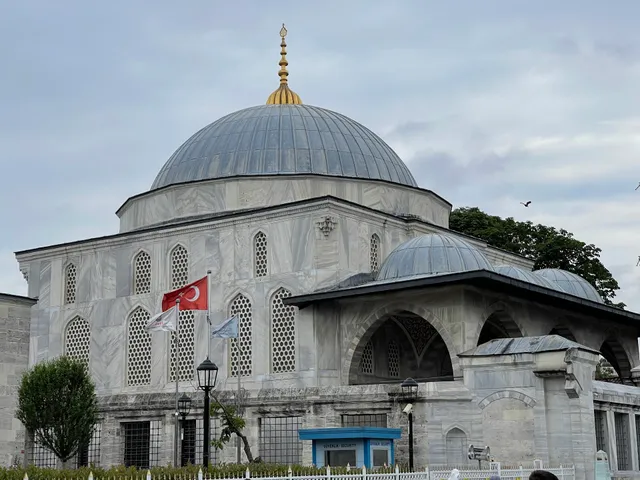
Sultan I. Ahmet Türbesi;  İstanbul Suriçi Sultanahmet Meydanı’nda bulunan Sultan I. Ahmet Külliyesi’nin kuzeydoğu köşesine 1619 yılında inşa edilmiştir. Duvar ile çevrili olan türbenin arkasında bir darülkurra, revakların önündeki köşede daha önce sebil olan ve 19. yüzyılda muvakkithaneye dönüştürülen, günümüzde Türbeler Müzesi Müdürlüğü olarak kullanılan bir yapı bulunmaktadır. Sultan I. Ahmet’in 1617’de ölümünden sonra Sultan I. Mustafa döneminde 1617 yıllarında türbenin yapımına başlanmış, Sultan II. Osman (1618–1622) döneminde 1619’da tamamlanmıştır. Türbe 16. yüzyıl türbelerinden ayrı bir mimari üslup göstermektedir. Bu yapıda iç koridorlu mekân düzeninden ve çift cidarlı kubbeden vazgeçilmiştir. Girişin karşısına bir çıkıntı yapılmıştır. Kare planlı olan yapının cepheleri mermerle kaplanmış olup, köşeler pahlanarak yumuşatılmıştır. Bu pahlanan kısımlar üstte mukarnas dolgular ile son bulmaktadır. Türbe cephelerdeki üç sıra pencere ile aydınlatılmıştır. Alt sıra pencereler ahşap kapaklı dikdörtgen söveli, üst sıra pencerelerse sivri kemerli ve şebekelidir. Türbenin yan cephelerine açılan farklı boyuttaki bu pencereler asimetrik bir görünüme sahiptir. Sultan I. Ahmet’in sandukasının hizasına rastlayan pencereler diğerlerinden daha büyük tutulmuş ve böylece farklı bir görünüm elde edilmiştir.

Türbenin üzeri çokgen bir kasnak üzerine oturan kubbe ile örtülmüştür. Türbe girişi üç bölümlü bir revak görünümündedir. Bu revakın üst örtüsü önde dört, arkasında duvarlara gömülü iki sütun üzerine oturmaktadır. Buradaki mukarnas başlıklı mermer sütunlar iki ayrı renkli taştan örülmüş ve bunlar birbirlerine sivri kemerlerle bağlanmıştır. Bu kemerlerin ortasında ayna tonoz, iki yanında da birer kubbe bulunmaktadır. Üst örtünün içerisi bitkisel kalem işleri ile bezenmiştir. Türbe giriş revakı daha geniş tutulmuş ve iki yanına da mermer korkuluklu sekiler yerleştirilmiştir. Türbe girişi basık kemerli bir kapı olup, bunun üzerinde üç satırlık on iki kartuşlu bir kitabeye yer verilmiştir:

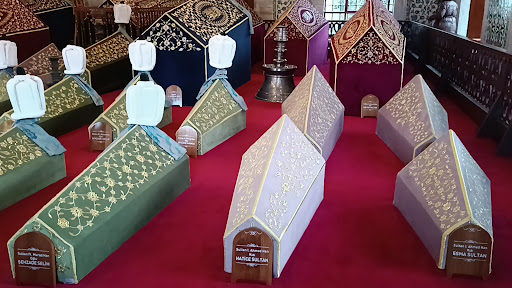
Türbenin ahşap kapı kanatları üç bölüm halindedir. Bu kapıda kündekari teknik uygulanmış, geçmelerin içerisi sedef, fildişi ve bağa ile kaplanmıştır. Türbenin girişi üzerine bir mahfil yerleştirilmiş, buraya çıkışı sağlayan merdiven giriş kapısı ile dolap nişi arasına yerleştirilmiştir. Türbenin üzerini örten kubbeye geçiş duvarlardan dışarı taşan sekiz sivri kemer ve bu kemerlerin mukarnaslı üçgenleri üzerine oturtulmuştur.  Sultan I. Ahmet Türbesi çini, kalem işi ve ahşap işçiliğinin güzel örneklerini bir araya getirmiştir. Alt sıra pencerelerin üzerlerine kadar zeminden çiniler ile kaplıdır. XVII. yüzyıl sıratlı tekniğindeki bu çinilerde bitkisel kompozisyonlara ağırlık verilmiştir. Çini panoların üzerini lacivert zemine beyaz sülüs hat ile yazılmış Mülk suresine yer verilmiştir. Bu ayet kuşağı bütün türbeyi çepeçevre dolaşmaktadır. Çinilerin üzerinde kalan bölüm ise zengin kalem işleri ile bezenmiştir. Kubbenin ortasına madalyon içerisine Fatır suresinin 41. ayeti; pandantiflerdeki madalyonlar içerisine de Esma-ül Hüsna yazılmıştır. Türbede Sultan I. Ahmet, oğulları Sultan II. Osman, Sultan IV. Murat, Mahpeyker Kösem Valide Sultan, Sultan I. Ahmet’in, Sultan II. Osman’ın, Sultan IV. Murat’ın ve Sultan İbrahim’in kızları ile oğulları gömülüdür. Türbe İstanbul Türbeler Müdürlüğü’nün yönetiminde olup, müze olarak düzenlenmiş ve...

   Read more
avatar
5.0
1y

The Tomb of Sultan Ahmed, built in 1619, rests quietly in the northeast corner of the majestic Sultan I Ahmet Complex, within the historic Sultanahmet Square in Istanbul. While its exterior may seem unassuming, nestled modestly near the German Fountain and just steps away from both the Hagia Sophia and the Blue Mosque, the true beauty of this site unfolds within.

Stepping inside, visitors are greeted by an interior adorned with exquisite floral tiles and delicate glass windows that cast a soft, reverent light over the resting place of Sultan Ahmed and his relatives. The serene and peaceful ambiance envelops you, creating a profound sense of calm as you reflect on the rich history and legacy of the Ottoman Empire. During my visit, I found this sanctuary to be not only a place of great historical significance but also a tranquil retreat, offering a rare moment of stillness amidst the vibrant energy of Istanbul.

This tomb, while understated from the outside, leaves a lasting impression through its serene atmosphere and the quiet elegance of its...

   Read more
Page 1 of 7
Previous
Next

Posts

Olcay ÖzfıratOlcay Özfırat
It is the tomb of Sultan Ahmet I and his relatives, who left very important works to Istanbul and for whom a district was named. Ahmed I is the 14th Ottoman sultan and the 93rd Islamic caliph. His father was Sultan III. Mehmed's mother is Handan Sultan. Following the death of his father, he ascended the throne in Eyüp Sultan on December 21, 1603, wearing a sword. Sultan Ahmet I is considered to be the first sultan to deal intensively with state affairs among the sultans after Suleiman the Magnificent. Sultan Ahmet I could not recover from the typhus disease he caught and died on the night between 21 November and 22 November in 1617, at the age of 27, and was buried in his tomb next to the Sultanahmet Mosque. During his reign, he changed the dynastic succession system and abolished the law of fratricide. He replaced it with the system where the most sane member of the family becomes the sultan (Ekber and Erşet system). This new law has great importance in Ottoman history in terms of preventing the rivalry and throne fights between princes and fratricide for the throne. His wife, Kösem Sultan, who would later be the subject of films and novels, rose to prominence thanks to Ahmed I. It had a great influence during the period of Ahmed I and after. Before the Sultanate His father is III. He was born as the second of Mehmed's three sons. His older brother is Mahmud. Prince Mahmud, known as a prince involved in military and administrative affairs and the strongest candidate for the sultanate, was killed on the allegation that he intended to take the throne. This is also a surprising development for Ahmed I. Thus, the way to the throne is opened for him. When Prince Ahmed was only 13 years old, his 37-year-old father, Sultan III. Mehmed passes away. Just as his father was the ruler who died at the youngest age compared to the previous Sultans, Ahmed I was the youngest ruler among those who ascended to the throne after the death of his father. Reign Treaty of Zitvatoruk According to the treaty, Eğri, Esztergon and Kanije castles would remain with the Ottomans, while Raab (Yanıkkale) and Komarom castles would remain with the Austrians. Austria was to pay a one-time war reparation of 200,000 gold. The Archduke of Austria would be considered equal to the Ottoman Sultan in the protocol, and the Ottoman Sultan would address the Archduke of Austria with the title of Holy Roman Emperor (Cesar/Kaiser) in correspondence, and mutual gifts would be sent every three years. The annual 30,000 gold tax that Austria paid for Hungary would be abolished. Although the Treaty of Zitvatorok seemed to be in favor of the Ottomans, the Ottoman Empire was no longer in its former power. With this treaty, the superiority of the Ottoman Empire over Austria ended and the political balances began to deteriorate against the Ottoman Empire. Ramazanoğulları Principality, one of the longest-lived Anatolian principalities, was subject to the Ottomans after 1514 during the reign of Yavuz Sultan Selim. After 1608, which coincided with the reign of Ahmet I, Adana was transferred to Aleppo; The Ramazanoğulları Principality came to an end when Sis and Tarsus were annexed to the Cyprus Principality. Thus, Ahmet I officially put an end to the Ramazanoğulları Principality. Reforms Akbar and Erşet System He abolished the fratricide law, which started with the drowning of Princes Ibrahim and Halil during the reign of Murad I and became law during the reign of Sultan Mehmet the Conqueror (Mehmed II). He replaced it with the system of Ekber and Erşet (the eldest sane member of the family). Thus, three of his sons became sultans. These are respectively; Young Osman, IV. Murad and İbrahim. In addition, he did not murder his brother Mustafa like the previous sultans, but allowed him to live. As a matter of fact, his brother Mustafa also became sultan. This new law is of great importance in Ottoman history in terms of preventing fratricide.
Adem KoçAdem Koç
Sultan I. Ahmet Türbesi;  İstanbul Suriçi Sultanahmet Meydanı’nda bulunan Sultan I. Ahmet Külliyesi’nin kuzeydoğu köşesine 1619 yılında inşa edilmiştir. Duvar ile çevrili olan türbenin arkasında bir darülkurra, revakların önündeki köşede daha önce sebil olan ve 19. yüzyılda muvakkithaneye dönüştürülen, günümüzde Türbeler Müzesi Müdürlüğü olarak kullanılan bir yapı bulunmaktadır. Sultan I. Ahmet’in 1617’de ölümünden sonra Sultan I. Mustafa döneminde 1617 yıllarında türbenin yapımına başlanmış, Sultan II. Osman (1618–1622) döneminde 1619’da tamamlanmıştır. Türbe 16. yüzyıl türbelerinden ayrı bir mimari üslup göstermektedir. Bu yapıda iç koridorlu mekân düzeninden ve çift cidarlı kubbeden vazgeçilmiştir. Girişin karşısına bir çıkıntı yapılmıştır. Kare planlı olan yapının cepheleri mermerle kaplanmış olup, köşeler pahlanarak yumuşatılmıştır. Bu pahlanan kısımlar üstte mukarnas dolgular ile son bulmaktadır. Türbe cephelerdeki üç sıra pencere ile aydınlatılmıştır. Alt sıra pencereler ahşap kapaklı dikdörtgen söveli, üst sıra pencerelerse sivri kemerli ve şebekelidir. Türbenin yan cephelerine açılan farklı boyuttaki bu pencereler asimetrik bir görünüme sahiptir. Sultan I. Ahmet’in sandukasının hizasına rastlayan pencereler diğerlerinden daha büyük tutulmuş ve böylece farklı bir görünüm elde edilmiştir. Türbenin üzeri çokgen bir kasnak üzerine oturan kubbe ile örtülmüştür. Türbe girişi üç bölümlü bir revak görünümündedir. Bu revakın üst örtüsü önde dört, arkasında duvarlara gömülü iki sütun üzerine oturmaktadır. Buradaki mukarnas başlıklı mermer sütunlar iki ayrı renkli taştan örülmüş ve bunlar birbirlerine sivri kemerlerle bağlanmıştır. Bu kemerlerin ortasında ayna tonoz, iki yanında da birer kubbe bulunmaktadır. Üst örtünün içerisi bitkisel kalem işleri ile bezenmiştir. Türbe giriş revakı daha geniş tutulmuş ve iki yanına da mermer korkuluklu sekiler yerleştirilmiştir. Türbe girişi basık kemerli bir kapı olup, bunun üzerinde üç satırlık on iki kartuşlu bir kitabeye yer verilmiştir: Türbenin ahşap kapı kanatları üç bölüm halindedir. Bu kapıda kündekari teknik uygulanmış, geçmelerin içerisi sedef, fildişi ve bağa ile kaplanmıştır. Türbenin girişi üzerine bir mahfil yerleştirilmiş, buraya çıkışı sağlayan merdiven giriş kapısı ile dolap nişi arasına yerleştirilmiştir. Türbenin üzerini örten kubbeye geçiş duvarlardan dışarı taşan sekiz sivri kemer ve bu kemerlerin mukarnaslı üçgenleri üzerine oturtulmuştur.  Sultan I. Ahmet Türbesi çini, kalem işi ve ahşap işçiliğinin güzel örneklerini bir araya getirmiştir. Alt sıra pencerelerin üzerlerine kadar zeminden çiniler ile kaplıdır. XVII. yüzyıl sıratlı tekniğindeki bu çinilerde bitkisel kompozisyonlara ağırlık verilmiştir. Çini panoların üzerini lacivert zemine beyaz sülüs hat ile yazılmış Mülk suresine yer verilmiştir. Bu ayet kuşağı bütün türbeyi çepeçevre dolaşmaktadır. Çinilerin üzerinde kalan bölüm ise zengin kalem işleri ile bezenmiştir. Kubbenin ortasına madalyon içerisine Fatır suresinin 41. ayeti; pandantiflerdeki madalyonlar içerisine de Esma-ül Hüsna yazılmıştır. Türbede Sultan I. Ahmet, oğulları Sultan II. Osman, Sultan IV. Murat, Mahpeyker Kösem Valide Sultan, Sultan I. Ahmet’in, Sultan II. Osman’ın, Sultan IV. Murat’ın ve Sultan İbrahim’in kızları ile oğulları gömülüdür. Türbe İstanbul Türbeler Müdürlüğü’nün yönetiminde olup, müze olarak düzenlenmiş ve ziyarete açılmıştır.
Anilkumar KarimbanakkalAnilkumar Karimbanakkal
The Tomb of Sultan Ahmed, built in 1619, rests quietly in the northeast corner of the majestic Sultan I Ahmet Complex, within the historic Sultanahmet Square in Istanbul. While its exterior may seem unassuming, nestled modestly near the German Fountain and just steps away from both the Hagia Sophia and the Blue Mosque, the true beauty of this site unfolds within. Stepping inside, visitors are greeted by an interior adorned with exquisite floral tiles and delicate glass windows that cast a soft, reverent light over the resting place of Sultan Ahmed and his relatives. The serene and peaceful ambiance envelops you, creating a profound sense of calm as you reflect on the rich history and legacy of the Ottoman Empire. During my visit, I found this sanctuary to be not only a place of great historical significance but also a tranquil retreat, offering a rare moment of stillness amidst the vibrant energy of Istanbul. This tomb, while understated from the outside, leaves a lasting impression through its serene atmosphere and the quiet elegance of its sacred space.
See more posts
See more posts
hotel
Find your stay

Pet-friendly Hotels in Fatih

Find a cozy hotel nearby and make it a full experience.

It is the tomb of Sultan Ahmet I and his relatives, who left very important works to Istanbul and for whom a district was named. Ahmed I is the 14th Ottoman sultan and the 93rd Islamic caliph. His father was Sultan III. Mehmed's mother is Handan Sultan. Following the death of his father, he ascended the throne in Eyüp Sultan on December 21, 1603, wearing a sword. Sultan Ahmet I is considered to be the first sultan to deal intensively with state affairs among the sultans after Suleiman the Magnificent. Sultan Ahmet I could not recover from the typhus disease he caught and died on the night between 21 November and 22 November in 1617, at the age of 27, and was buried in his tomb next to the Sultanahmet Mosque. During his reign, he changed the dynastic succession system and abolished the law of fratricide. He replaced it with the system where the most sane member of the family becomes the sultan (Ekber and Erşet system). This new law has great importance in Ottoman history in terms of preventing the rivalry and throne fights between princes and fratricide for the throne. His wife, Kösem Sultan, who would later be the subject of films and novels, rose to prominence thanks to Ahmed I. It had a great influence during the period of Ahmed I and after. Before the Sultanate His father is III. He was born as the second of Mehmed's three sons. His older brother is Mahmud. Prince Mahmud, known as a prince involved in military and administrative affairs and the strongest candidate for the sultanate, was killed on the allegation that he intended to take the throne. This is also a surprising development for Ahmed I. Thus, the way to the throne is opened for him. When Prince Ahmed was only 13 years old, his 37-year-old father, Sultan III. Mehmed passes away. Just as his father was the ruler who died at the youngest age compared to the previous Sultans, Ahmed I was the youngest ruler among those who ascended to the throne after the death of his father. Reign Treaty of Zitvatoruk According to the treaty, Eğri, Esztergon and Kanije castles would remain with the Ottomans, while Raab (Yanıkkale) and Komarom castles would remain with the Austrians. Austria was to pay a one-time war reparation of 200,000 gold. The Archduke of Austria would be considered equal to the Ottoman Sultan in the protocol, and the Ottoman Sultan would address the Archduke of Austria with the title of Holy Roman Emperor (Cesar/Kaiser) in correspondence, and mutual gifts would be sent every three years. The annual 30,000 gold tax that Austria paid for Hungary would be abolished. Although the Treaty of Zitvatorok seemed to be in favor of the Ottomans, the Ottoman Empire was no longer in its former power. With this treaty, the superiority of the Ottoman Empire over Austria ended and the political balances began to deteriorate against the Ottoman Empire. Ramazanoğulları Principality, one of the longest-lived Anatolian principalities, was subject to the Ottomans after 1514 during the reign of Yavuz Sultan Selim. After 1608, which coincided with the reign of Ahmet I, Adana was transferred to Aleppo; The Ramazanoğulları Principality came to an end when Sis and Tarsus were annexed to the Cyprus Principality. Thus, Ahmet I officially put an end to the Ramazanoğulları Principality. Reforms Akbar and Erşet System He abolished the fratricide law, which started with the drowning of Princes Ibrahim and Halil during the reign of Murad I and became law during the reign of Sultan Mehmet the Conqueror (Mehmed II). He replaced it with the system of Ekber and Erşet (the eldest sane member of the family). Thus, three of his sons became sultans. These are respectively; Young Osman, IV. Murad and İbrahim. In addition, he did not murder his brother Mustafa like the previous sultans, but allowed him to live. As a matter of fact, his brother Mustafa also became sultan. This new law is of great importance in Ottoman history in terms of preventing fratricide.
Olcay Özfırat

Olcay Özfırat

hotel
Find your stay

Affordable Hotels in Fatih

Find a cozy hotel nearby and make it a full experience.

Get the Appoverlay
Get the AppOne tap to find yournext favorite spots!
Sultan I. Ahmet Türbesi;  İstanbul Suriçi Sultanahmet Meydanı’nda bulunan Sultan I. Ahmet Külliyesi’nin kuzeydoğu köşesine 1619 yılında inşa edilmiştir. Duvar ile çevrili olan türbenin arkasında bir darülkurra, revakların önündeki köşede daha önce sebil olan ve 19. yüzyılda muvakkithaneye dönüştürülen, günümüzde Türbeler Müzesi Müdürlüğü olarak kullanılan bir yapı bulunmaktadır. Sultan I. Ahmet’in 1617’de ölümünden sonra Sultan I. Mustafa döneminde 1617 yıllarında türbenin yapımına başlanmış, Sultan II. Osman (1618–1622) döneminde 1619’da tamamlanmıştır. Türbe 16. yüzyıl türbelerinden ayrı bir mimari üslup göstermektedir. Bu yapıda iç koridorlu mekân düzeninden ve çift cidarlı kubbeden vazgeçilmiştir. Girişin karşısına bir çıkıntı yapılmıştır. Kare planlı olan yapının cepheleri mermerle kaplanmış olup, köşeler pahlanarak yumuşatılmıştır. Bu pahlanan kısımlar üstte mukarnas dolgular ile son bulmaktadır. Türbe cephelerdeki üç sıra pencere ile aydınlatılmıştır. Alt sıra pencereler ahşap kapaklı dikdörtgen söveli, üst sıra pencerelerse sivri kemerli ve şebekelidir. Türbenin yan cephelerine açılan farklı boyuttaki bu pencereler asimetrik bir görünüme sahiptir. Sultan I. Ahmet’in sandukasının hizasına rastlayan pencereler diğerlerinden daha büyük tutulmuş ve böylece farklı bir görünüm elde edilmiştir. Türbenin üzeri çokgen bir kasnak üzerine oturan kubbe ile örtülmüştür. Türbe girişi üç bölümlü bir revak görünümündedir. Bu revakın üst örtüsü önde dört, arkasında duvarlara gömülü iki sütun üzerine oturmaktadır. Buradaki mukarnas başlıklı mermer sütunlar iki ayrı renkli taştan örülmüş ve bunlar birbirlerine sivri kemerlerle bağlanmıştır. Bu kemerlerin ortasında ayna tonoz, iki yanında da birer kubbe bulunmaktadır. Üst örtünün içerisi bitkisel kalem işleri ile bezenmiştir. Türbe giriş revakı daha geniş tutulmuş ve iki yanına da mermer korkuluklu sekiler yerleştirilmiştir. Türbe girişi basık kemerli bir kapı olup, bunun üzerinde üç satırlık on iki kartuşlu bir kitabeye yer verilmiştir: Türbenin ahşap kapı kanatları üç bölüm halindedir. Bu kapıda kündekari teknik uygulanmış, geçmelerin içerisi sedef, fildişi ve bağa ile kaplanmıştır. Türbenin girişi üzerine bir mahfil yerleştirilmiş, buraya çıkışı sağlayan merdiven giriş kapısı ile dolap nişi arasına yerleştirilmiştir. Türbenin üzerini örten kubbeye geçiş duvarlardan dışarı taşan sekiz sivri kemer ve bu kemerlerin mukarnaslı üçgenleri üzerine oturtulmuştur.  Sultan I. Ahmet Türbesi çini, kalem işi ve ahşap işçiliğinin güzel örneklerini bir araya getirmiştir. Alt sıra pencerelerin üzerlerine kadar zeminden çiniler ile kaplıdır. XVII. yüzyıl sıratlı tekniğindeki bu çinilerde bitkisel kompozisyonlara ağırlık verilmiştir. Çini panoların üzerini lacivert zemine beyaz sülüs hat ile yazılmış Mülk suresine yer verilmiştir. Bu ayet kuşağı bütün türbeyi çepeçevre dolaşmaktadır. Çinilerin üzerinde kalan bölüm ise zengin kalem işleri ile bezenmiştir. Kubbenin ortasına madalyon içerisine Fatır suresinin 41. ayeti; pandantiflerdeki madalyonlar içerisine de Esma-ül Hüsna yazılmıştır. Türbede Sultan I. Ahmet, oğulları Sultan II. Osman, Sultan IV. Murat, Mahpeyker Kösem Valide Sultan, Sultan I. Ahmet’in, Sultan II. Osman’ın, Sultan IV. Murat’ın ve Sultan İbrahim’in kızları ile oğulları gömülüdür. Türbe İstanbul Türbeler Müdürlüğü’nün yönetiminde olup, müze olarak düzenlenmiş ve ziyarete açılmıştır.
Adem Koç

Adem Koç

hotel
Find your stay

The Coolest Hotels You Haven't Heard Of (Yet)

Find a cozy hotel nearby and make it a full experience.

hotel
Find your stay

Trending Stays Worth the Hype in Fatih

Find a cozy hotel nearby and make it a full experience.

The Tomb of Sultan Ahmed, built in 1619, rests quietly in the northeast corner of the majestic Sultan I Ahmet Complex, within the historic Sultanahmet Square in Istanbul. While its exterior may seem unassuming, nestled modestly near the German Fountain and just steps away from both the Hagia Sophia and the Blue Mosque, the true beauty of this site unfolds within. Stepping inside, visitors are greeted by an interior adorned with exquisite floral tiles and delicate glass windows that cast a soft, reverent light over the resting place of Sultan Ahmed and his relatives. The serene and peaceful ambiance envelops you, creating a profound sense of calm as you reflect on the rich history and legacy of the Ottoman Empire. During my visit, I found this sanctuary to be not only a place of great historical significance but also a tranquil retreat, offering a rare moment of stillness amidst the vibrant energy of Istanbul. This tomb, while understated from the outside, leaves a lasting impression through its serene atmosphere and the quiet elegance of its sacred space.
Anilkumar Karimbanakkal

Anilkumar Karimbanakkal

See more posts
See more posts