HTML SitemapExplore
logo
Find Things to DoFind The Best Restaurants

German Fountain — Attraction in Fatih

Name
German Fountain
Description
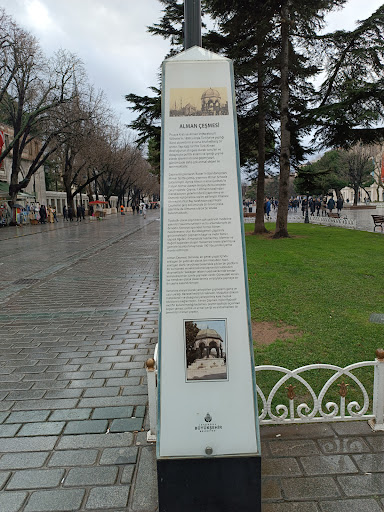
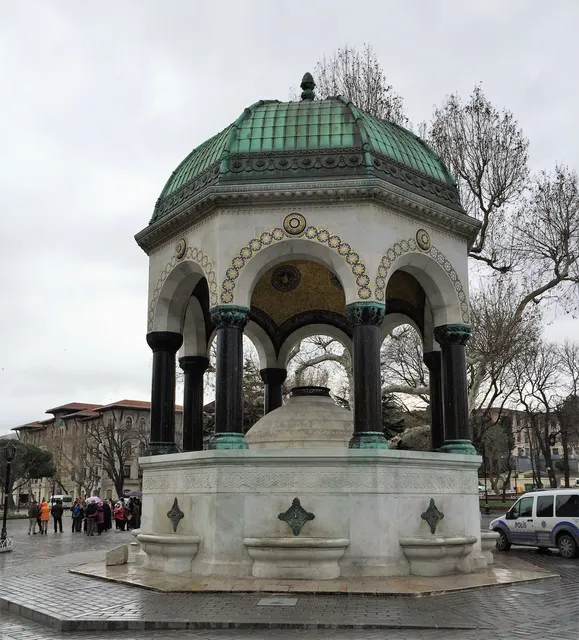
The German Fountain is a gazebo styled fountain in the northern end of old hippodrome, Istanbul, Turkey and across from the Mausoleum of Sultan Ahmed I. It was constructed to commemorate the second anniversary of German Emperor Wilhelm II's visit to Istanbul in 1898.
Nearby attractions
The Blue Mosque
Cankurtaran, At Meydanı Cd No:7, 34122 Fatih/İstanbul, Türkiye
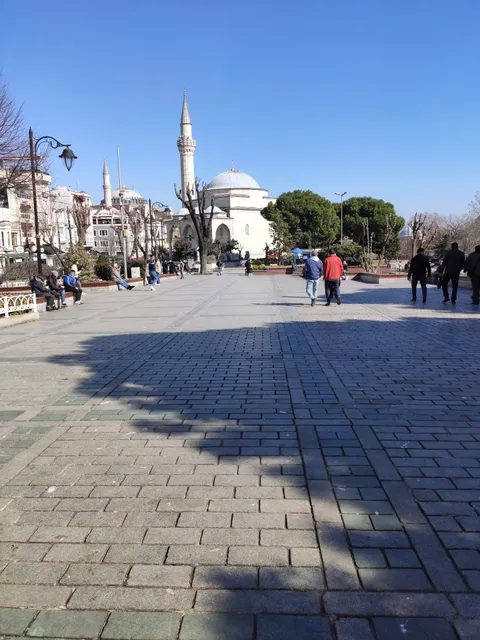
Sultanahmet Square
Binbirdirek, Sultan Ahmet Parkı No:2, 34122 Fatih/İstanbul, Türkiye
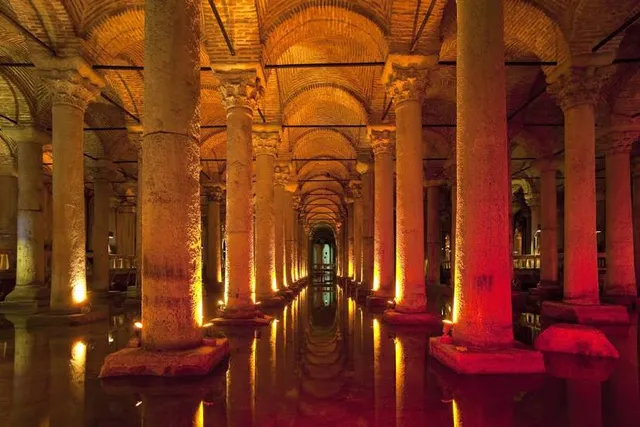
Basilica Cistern
Alemdar, Yerebatan Cd. 1/3, 34110 Fatih/İstanbul, Türkiye
Hagia Sophia
Sultan Ahmet, Ayasofya Meydanı No:1, 34122 Fatih/İstanbul, Türkiye
Sultan Ahmet Tomb
Sultan Ahmet Kabasakal Cad, Sultan Ahmet, Dalbastı Sk. No:2, 34122 Fatih/İstanbul, Türkiye
Turkish and Islamic Arts Museum
Binbirdirek, At Meydanı Cd No:12, 34122 Fatih/İstanbul, Türkiye
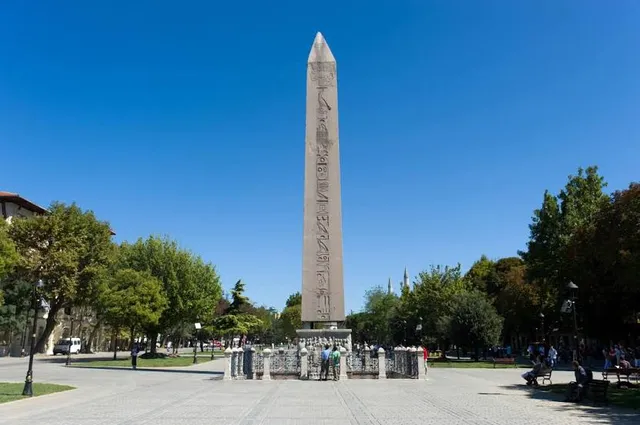
Obelisk of Theodosius
Sultanahmet, Binbirdirek, 34122 Fatih/İstanbul, Türkiye
Sultan Ahmet Park
Cankurtaran, At Meydanı Cd No:5, 34122 Fatih/İstanbul, Türkiye
Hagia Sophia History and Experience Museum
Binbirdirek, At Meydanı Cd No:10, 34122 Fatih/İstanbul, Türkiye
The Stone of Million
Alemdar, Divan Yolu Cd. No:2, 34110 Fatih/İstanbul, Türkiye
Nearby restaurants
Hafız Mustafa
Binbirdirek, Divan Yolu Cd. No:14, 34110 Fatih/İstanbul, Türkiye
Tarihi Sultanahmet Köftecisi Selim Usta
Alemdar, Divan Yolu Cd. No:12, 34110 Fatih/İstanbul, Türkiye
Harab'be Cafe
Alemdar, Ticarethane Çk. No:4B, 34122 Fatih/İstanbul, Türkiye
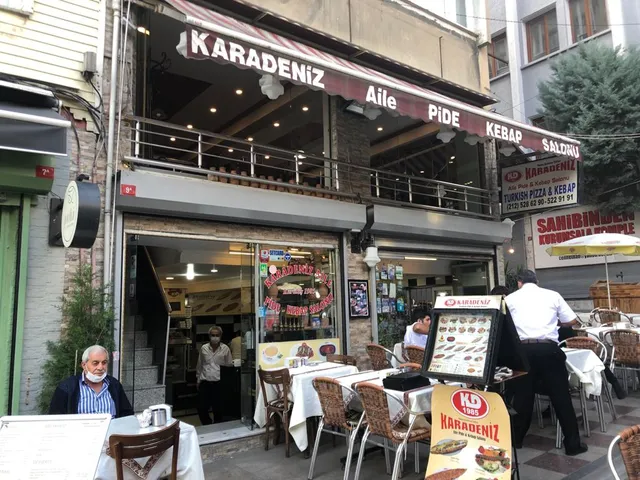
KD Karadeniz Aile Pide ve Kebap Salonu
Alemdar, Hacı Tahsin Bey Sk. No:9/a, 34110 Fatih/İstanbul, Türkiye
Meşhur Sultanahmet Köftecisi
Alemdar, Divan Yolu Cd. No:4, 34110 Fatih/İstanbul, Türkiye
dubb Indian Restaurant (Sultanahmet)
Alemdar, İncili Çavuş Sk. No:10, 34110 Fatih/İstanbul, Türkiye
Seven Hills Restaurant
Cankurtaran, Tevkifhane Sk. No:8 Kat:3, 34122 Fatih/İstanbul, Türkiye
Ayasofya kebap house
Alemdar, İncili Çavuş Sk. No:8/A, 34110 Fatih/İstanbul, Türkiye
Vamos Estambul Restaurant & Cafe
Alemdar, Ticarethane Sk. 39/42, 34120 Fatih/İstanbul, Türkiye
Pudding Shop Lale Restaurant
Alemdar, Divan Yolu Cd. No:6, 34400 Fatih/İstanbul, Türkiye
Nearby hotels
Sura Hagia Sophia Hotel İstanbul
Alemdar, Ticarethane Sk. No:10, 34122 Fatih/İstanbul, Türkiye
Star Holiday Hotel
Alemdar, Divan Yolu Cd. No:10, 34122 Fatih/İstanbul, Türkiye
Sura Design Hotel & Suites
Alemdar, Ticarethane Sk. No: 13, 34122 Fatih/İstanbul, Türkiye
World Heritage Center Hotel
Divanyolu Caddesi, Alemdar, Dr. Eminpaşa Sk. No:2, 34110 Fatih/İstanbul, Türkiye
Hotel Sultanahmet
Sultanahmet, Alemdar, Divan Yolu Cd. No:20, 34110 Fatih/İstanbul, Türkiye
White House Hotel Istanbul
Old City - Sultanahmet, Alemdar, Çatalçeşme Sk. No:21, 34110 Fatih/İstanbul, Türkiye
The And Hotel
Alemdar, Yerebatan Cd. No:18, 34110 Fatih/İstanbul, Türkiye
Seven Hills Hotel
Cankurtaran, Tevkifhane Sk. No:8, 34400 Fatih/İstanbul, Türkiye
Nomade Old City Hotel
Binbirdirek, Ticarethane Sk. No:1, 34410 Fatih/İstanbul, Türkiye
Deluxe Golden Horn Hotel
Binbirdirek, Binbirdirek Meydanı Sok. No:1, 34400 Fatih/İstanbul, Türkiye
Related posts
Keywords
German Fountain tourism.German Fountain hotels.German Fountain bed and breakfast. flights to German Fountain.German Fountain attractions.German Fountain restaurants.German Fountain travel.German Fountain travel guide.German Fountain travel blog.German Fountain pictures.German Fountain photos.German Fountain travel tips.German Fountain maps.German Fountain things to do.
German Fountain things to do, attractions, restaurants, events info and trip planning
German Fountain
TurkeyIstanbulFatihGerman Fountain

Basic Info

German Fountain

Binbirdirek, At Meydanı Cd, 34122 Fatih/İstanbul, Türkiye
4.7(937)
Open 24 hours
Save
spot

Ratings & Description

Info

The German Fountain is a gazebo styled fountain in the northern end of old hippodrome, Istanbul, Turkey and across from the Mausoleum of Sultan Ahmed I. It was constructed to commemorate the second anniversary of German Emperor Wilhelm II's visit to Istanbul in 1898.

Cultural
Scenic
Family friendly
Accessibility
attractions: The Blue Mosque, Sultanahmet Square, Basilica Cistern, Hagia Sophia, Sultan Ahmet Tomb, Turkish and Islamic Arts Museum, Obelisk of Theodosius, Sultan Ahmet Park, Hagia Sophia History and Experience Museum, The Stone of Million, restaurants: Hafız Mustafa, Tarihi Sultanahmet Köftecisi Selim Usta, Harab'be Cafe, KD Karadeniz Aile Pide ve Kebap Salonu, Meşhur Sultanahmet Köftecisi, dubb Indian Restaurant (Sultanahmet), Seven Hills Restaurant, Ayasofya kebap house, Vamos Estambul Restaurant & Cafe, Pudding Shop Lale Restaurant
logoLearn more insights from Wanderboat AI.
Website
fatih.bel.tr

Plan your stay

hotel
Pet-friendly Hotels in Fatih
Find a cozy hotel nearby and make it a full experience.

hotel
Affordable Hotels in Fatih
Find a cozy hotel nearby and make it a full experience.

hotel
The Coolest Hotels You Haven't Heard Of (Yet)
Find a cozy hotel nearby and make it a full experience.

hotel
Trending Stays Worth the Hype in Fatih
Find a cozy hotel nearby and make it a full experience.

Reviews

Nearby attractions of German Fountain

The Blue Mosque

Sultanahmet Square

Basilica Cistern

Hagia Sophia

Sultan Ahmet Tomb

Turkish and Islamic Arts Museum

Obelisk of Theodosius

Sultan Ahmet Park

Hagia Sophia History and Experience Museum

The Stone of Million
The Blue Mosque

The Blue Mosque

4.7

(37.4K)

Open 24 hours
Click for details
Sultanahmet Square

Sultanahmet Square

4.7

(13.2K)

Open 24 hours
Click for details
Basilica Cistern

Basilica Cistern

4.6

(29.6K)

Open 24 hours
Click for details
Hagia Sophia

Hagia Sophia

4.8

(44.3K)

Open 24 hours
Click for details

Things to do nearby

Traditional Home Cooking with Local in City Center
Mon, Dec 15 • 4:30 PM
34373, Şişli, İstanbul, Turkey
View details
Evil Eye Bead -Glass Bead Workshop Flame Glass Art
Wed, Dec 10 • 7:00 PM
34674, Üsküdar, İstanbul, Turkey
View details
Street food and My Life in Asian side of Istanbul
Fri, Dec 12 • 1:00 PM
34387, Kadıköy, İstanbul, Turkey
View details

Nearby restaurants of German Fountain

Hafız Mustafa

Tarihi Sultanahmet Köftecisi Selim Usta

Harab'be Cafe

KD Karadeniz Aile Pide ve Kebap Salonu

Meşhur Sultanahmet Köftecisi

dubb Indian Restaurant (Sultanahmet)

Seven Hills Restaurant

Ayasofya kebap house

Vamos Estambul Restaurant & Cafe

Pudding Shop Lale Restaurant

Hafız Mustafa

Hafız Mustafa

4.7

(5.6K)

$$

Click for details
Tarihi Sultanahmet Köftecisi Selim Usta

Tarihi Sultanahmet Köftecisi Selim Usta

4.1

(4.1K)

$$

Click for details
Harab'be Cafe

Harab'be Cafe

4.9

(2K)

$$

Click for details
KD Karadeniz Aile Pide ve Kebap Salonu

KD Karadeniz Aile Pide ve Kebap Salonu

4.8

(3.7K)

$

Click for details
Get the Appoverlay
Get the AppOne tap to find yournext favorite spots!
Wanderboat LogoWanderboat

Your everyday Al companion for getaway ideas

CompanyAbout Us
InformationAI Trip PlannerSitemap
SocialXInstagramTiktokLinkedin
LegalTerms of ServicePrivacy Policy

Get the app

© 2025 Wanderboat. All rights reserved.
logo

Posts

Your browser does not support the video tag.
pickyourtrailpickyourtrail
[SAVE FOR FUTURE] Detailed itinerary 👇 ❇️ Day 1 & 2- Istanbul - Arrive in Istanbul and spend the day at leisure. Next day visit highlights like Sultanahmet District + Hippodrome + German Fountain + Sultanahmet Square + Hagia Sophia Mosque + Blue Mosque + Basilica Cistern + Topkapi Palace ❇️ Day 3 & 4 - Goreme Take a flight and head to Goreme, the gateway to the Goreme National Park, a vast UNESCO World Heritage Site. Next day early morning board the iconic Hot Air Balloon ride ❇️ Day 5 & 6 - Istanbul - After reaching the city again, spend the evening Bosphorus Cruise with Dinner & Folkloric Show. Spend the last day by taking a stroll along the grand bazaar for souvenir shopping. DM us now to #Pickyourtrail to #Turkey #unwraptheworld #turkiye #itineraryreel #turkeytravel #instagramreels #Travelreels #traveladdict #takeavacation #livetotravel #exploremore
Olcay ÖzfıratOlcay Özfırat
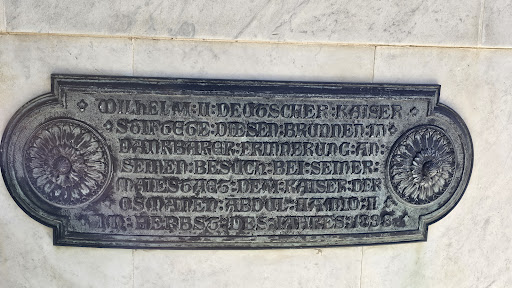
German Emperor Kaiser II. Wilhelm was born to the Ottoman Sultan II on November 19, 1898. It was built in the old Atmeydanı, which was once the hippodrome of Byzantium, as a memory of Abdulhamid's second visit. Its architect is M. Spitta. According to rumors, all parts of the fountain were prepared in Germany, then brought to Istanbul and assembled here. On the inside of the arches supporting the dome, there is Ahmed Muhtar Efendi's eight-couplet verse history, showing the year of Mehmed İzzet Efendi's visit (1316) in thuluth calligraphy. The opening ceremony of the fountain was held on January 27, 1901. The name Kaiser II of the fountain is written in German in relief on a bronze plate in the middle of the water reservoir. It is stated that it was built as a "memory of gratitude" for Wilhelm's visit to the ruler of the Ottomans in the autumn of 1898. Although the German Fountain was richly made with very valuable materials, it was built entirely in the Neo-Byzantine style, contrary to Turkish fountain architecture. It is octagonal in shape and a copper-covered dome sits on eight arches carried by eight green columns. A corridor, ascended by a marble staircase from the west side, surrounds the marble chamber in the middle. On each face of the marble base, there are taps with bronze carvings and large troughs from which water flows. The inner surface of the dome is covered with gold mosaics, and there are also four medallions engraved with II. Abdulhamid's signature, the crowned "W" brand inside the other four and the number "II" are also embroidered with mosaic. There is also mosaic decoration on the outer edges of the arches and on the floor of the corridor around the chamber. Despite its very different style, the German Fountain, which adds a different color to Sultanahmet Square among the dense historical monuments of Istanbul, is also an interesting monument in terms of keeping a memory of recent history alive.
Stanislav RijiStanislav Riji
During his reign as German Emperor and King of Prussia, Wilhelm II visited several European and Eastern countries. His trip started in Istanbul, Ottoman Empire on 18 October 1898 during the reign of Abdülhamid II.[2] According to Peter Hopkirk, the visit to Ottoman Empire was an ego trip and also had long-term motivations.[2] The Emperor's primary motivation for visiting was to construct the Baghdad Railway, which would run from Berlin to the Persian Gulf, and would further connect to British India through Persia.[2] This railway could provide a short and quick route from Europe to Asia, and could carry German exports, troops and artillery.[3] At the time, the Ottoman Empire could not afford such a railway, and Abdülhamid II was grateful to Wilhelm's offer, but was suspicious over the German motives.[4] Abdülhamid II's secret service believed that German archeologists in the Emperor's retinue were in fact geologists with designs on the oil wealth of the Ottoman empire. Later, the secret service uncovered a German report, which noted that the oilfields in Mosul, northern Mesopotamia were richer than that in the Caucuses.[4] In his first visit, Wilhelm secured the sale of German-made rifles to Ottoman Army, and in his second visit he secured a promise for German companies to construct the Istanbul-Baghdad railway.[5] The German Government constructed the German Fountain for Wilhelm II and Empress Augusta's 1898 Istanbul visit.[1] According to Afife Batur, the fountain's plans were drawn by architect Spitta and constructed by architect Schoele, also German architect Carlitzik and Italian architect Joseph Anthony worked on this project.[6]
See more posts
See more posts
hotel
Find your stay

Pet-friendly Hotels in Fatih

Find a cozy hotel nearby and make it a full experience.

[SAVE FOR FUTURE] Detailed itinerary 👇 ❇️ Day 1 & 2- Istanbul - Arrive in Istanbul and spend the day at leisure. Next day visit highlights like Sultanahmet District + Hippodrome + German Fountain + Sultanahmet Square + Hagia Sophia Mosque + Blue Mosque + Basilica Cistern + Topkapi Palace ❇️ Day 3 & 4 - Goreme Take a flight and head to Goreme, the gateway to the Goreme National Park, a vast UNESCO World Heritage Site. Next day early morning board the iconic Hot Air Balloon ride ❇️ Day 5 & 6 - Istanbul - After reaching the city again, spend the evening Bosphorus Cruise with Dinner & Folkloric Show. Spend the last day by taking a stroll along the grand bazaar for souvenir shopping. DM us now to #Pickyourtrail to #Turkey #unwraptheworld #turkiye #itineraryreel #turkeytravel #instagramreels #Travelreels #traveladdict #takeavacation #livetotravel #exploremore
pickyourtrail

pickyourtrail

hotel
Find your stay

Affordable Hotels in Fatih

Find a cozy hotel nearby and make it a full experience.

Get the Appoverlay
Get the AppOne tap to find yournext favorite spots!
German Emperor Kaiser II. Wilhelm was born to the Ottoman Sultan II on November 19, 1898. It was built in the old Atmeydanı, which was once the hippodrome of Byzantium, as a memory of Abdulhamid's second visit. Its architect is M. Spitta. According to rumors, all parts of the fountain were prepared in Germany, then brought to Istanbul and assembled here. On the inside of the arches supporting the dome, there is Ahmed Muhtar Efendi's eight-couplet verse history, showing the year of Mehmed İzzet Efendi's visit (1316) in thuluth calligraphy. The opening ceremony of the fountain was held on January 27, 1901. The name Kaiser II of the fountain is written in German in relief on a bronze plate in the middle of the water reservoir. It is stated that it was built as a "memory of gratitude" for Wilhelm's visit to the ruler of the Ottomans in the autumn of 1898. Although the German Fountain was richly made with very valuable materials, it was built entirely in the Neo-Byzantine style, contrary to Turkish fountain architecture. It is octagonal in shape and a copper-covered dome sits on eight arches carried by eight green columns. A corridor, ascended by a marble staircase from the west side, surrounds the marble chamber in the middle. On each face of the marble base, there are taps with bronze carvings and large troughs from which water flows. The inner surface of the dome is covered with gold mosaics, and there are also four medallions engraved with II. Abdulhamid's signature, the crowned "W" brand inside the other four and the number "II" are also embroidered with mosaic. There is also mosaic decoration on the outer edges of the arches and on the floor of the corridor around the chamber. Despite its very different style, the German Fountain, which adds a different color to Sultanahmet Square among the dense historical monuments of Istanbul, is also an interesting monument in terms of keeping a memory of recent history alive.
Olcay Özfırat

Olcay Özfırat

hotel
Find your stay

The Coolest Hotels You Haven't Heard Of (Yet)

Find a cozy hotel nearby and make it a full experience.

hotel
Find your stay

Trending Stays Worth the Hype in Fatih

Find a cozy hotel nearby and make it a full experience.

During his reign as German Emperor and King of Prussia, Wilhelm II visited several European and Eastern countries. His trip started in Istanbul, Ottoman Empire on 18 October 1898 during the reign of Abdülhamid II.[2] According to Peter Hopkirk, the visit to Ottoman Empire was an ego trip and also had long-term motivations.[2] The Emperor's primary motivation for visiting was to construct the Baghdad Railway, which would run from Berlin to the Persian Gulf, and would further connect to British India through Persia.[2] This railway could provide a short and quick route from Europe to Asia, and could carry German exports, troops and artillery.[3] At the time, the Ottoman Empire could not afford such a railway, and Abdülhamid II was grateful to Wilhelm's offer, but was suspicious over the German motives.[4] Abdülhamid II's secret service believed that German archeologists in the Emperor's retinue were in fact geologists with designs on the oil wealth of the Ottoman empire. Later, the secret service uncovered a German report, which noted that the oilfields in Mosul, northern Mesopotamia were richer than that in the Caucuses.[4] In his first visit, Wilhelm secured the sale of German-made rifles to Ottoman Army, and in his second visit he secured a promise for German companies to construct the Istanbul-Baghdad railway.[5] The German Government constructed the German Fountain for Wilhelm II and Empress Augusta's 1898 Istanbul visit.[1] According to Afife Batur, the fountain's plans were drawn by architect Spitta and constructed by architect Schoele, also German architect Carlitzik and Italian architect Joseph Anthony worked on this project.[6]
Stanislav Riji

Stanislav Riji

See more posts
See more posts

Reviews of German Fountain

4.7
(937)
avatar
5.0
1y

German Emperor Kaiser II. Wilhelm was born to the Ottoman Sultan II on November 19, 1898. It was built in the old Atmeydanı, which was once the hippodrome of Byzantium, as a memory of Abdulhamid's second visit. Its architect is M. Spitta. According to rumors, all parts of the fountain were prepared in Germany, then brought to Istanbul and assembled here. On the inside of the arches supporting the dome, there is Ahmed Muhtar Efendi's eight-couplet verse history, showing the year of Mehmed İzzet Efendi's visit (1316) in thuluth calligraphy. The opening ceremony of the fountain was held on January 27, 1901. The name Kaiser II of the fountain is written in German in relief on a bronze plate in the middle of the water reservoir. It is stated that it was built as a "memory of gratitude" for Wilhelm's visit to the ruler of the Ottomans in the autumn of 1898.

Although the German Fountain was richly made with very valuable materials, it was built entirely in the Neo-Byzantine style, contrary to Turkish fountain architecture. It is octagonal in shape and a copper-covered dome sits on eight arches carried by eight green columns. A corridor, ascended by a marble staircase from the west side, surrounds the marble chamber in the middle. On each face of the marble base, there are taps with bronze carvings and large troughs from which water flows. The inner surface of the dome is covered with gold mosaics, and there are also four medallions engraved with II. Abdulhamid's signature, the crowned "W" brand inside the other four and the number "II" are also embroidered with mosaic. There is also mosaic decoration on the outer edges of the arches and on the floor of the corridor around the chamber.

Despite its very different style, the German Fountain, which adds a different color to Sultanahmet Square among the dense historical monuments of Istanbul, is also an interesting monument in terms of keeping a memory of recent...

   Read more
avatar
5.0
1y

During his reign as German Emperor and King of Prussia, Wilhelm II visited several European and Eastern countries. His trip started in Istanbul, Ottoman Empire on 18 October 1898 during the reign of Abdülhamid II.[2] According to Peter Hopkirk, the visit to Ottoman Empire was an ego trip and also had long-term motivations.[2] The Emperor's primary motivation for visiting was to construct the Baghdad Railway, which would run from Berlin to the Persian Gulf, and would further connect to British India through Persia.[2] This railway could provide a short and quick route from Europe to Asia, and could carry German exports, troops and artillery.[3] At the time, the Ottoman Empire could not afford such a railway, and Abdülhamid II was grateful to Wilhelm's offer, but was suspicious over the German motives.[4] Abdülhamid II's secret service believed that German archeologists in the Emperor's retinue were in fact geologists with designs on the oil wealth of the Ottoman empire. Later, the secret service uncovered a German report, which noted that the oilfields in Mosul, northern Mesopotamia were richer than that in the Caucuses.[4] In his first visit, Wilhelm secured the sale of German-made rifles to Ottoman Army, and in his second visit he secured a promise for German companies to construct the Istanbul-Baghdad railway.[5] The German Government constructed the German Fountain for Wilhelm II and Empress Augusta's 1898 Istanbul visit.[1] According to Afife Batur, the fountain's plans were drawn by architect Spitta and constructed by architect Schoele, also German architect Carlitzik and Italian architect Joseph Anthony worked on...

   Read more
avatar
5.0
32w

(Almanca: Deutscher Brunnen), İstanbul'daki Sultanahmet Meydanı'nda, Sultan I. Ahmed Türbesi'nin karşısında yer alan çeşme. Alman İmparatoru II. Wilhelm'in Sultan II. Abdülhamid'e ve İstanbul'a hediyesidir. Almanya'da yapılıp İstanbul'daki yerine monte edilmiştir. Neo-Bizanten üslubunda bir çeşmedir; içeriden altın mozaikle süslüdür. Alman Çeşmesi, Dersaadet'in kalbi Sultanahmet Meydanı gibi çok merkezi bir konumda 1900 yılında inşa edilerek 1901'de Alman yetkililerin de katılımıyla açılışı yapılan, farklı mimarisiyle gözleri üzerine çeken bir meydan çeşmesidir. İnşa edildiği yerin merkezi olması gibi, aynı zamanda yakın tarihimiz açısından da önemli bir yerde durmaktadır. Zira Birinci Dünya Savaşı'ndaki müttefikliğe giden süreçte Osmanlı-Alman ilişkileri açısından son derece önemli bir dönemin simgesi olmuştur. Alman İmparatoru II. Wilhelm'in Osmanlı topraklarına gerçekleştirdiği ziyaretlerin ikincisinde Sultan II. Abdülhamid ile mülakatının ve Osmanlı-Alman dostluğunun bir hatırası olmak üzere İmparator tarafından çok değerli malzemeler ile zengin bir biçimde yaptırılmış, İstanbul halkına bir hediye olarak sunulmuştu. Bu anlamda bir ziyaret hatırası ya da Dersaadet halkına bir hediye olarak dile getirilse de aslında çeşme büyük bir siyasi anlam taşımaktaydı. II. Wilhelm'in çeşmenin İstanbul'un merkezi sayılan Sultanahmet Meydanı'na yapılması yönündeki ısrarı da bunun bir göstergesiydi. Çeşme, Alman İmparatorunun ziyaretini ebedileştirmek amacını taşıyordu ve bugün dahi bulunduğu konum itibarıyla bu amaca ulaştığını söylemek yanlış olmayacaktır. Türkiye'ye üç kez gelen İmparatorun 1898'de İstanbul'a ikinci kez gelişinin anısına ithaf edilmiştir. İlk gelişinde 1889 Osmanlı ordusuna Alman tüfeklerinin satışını sağlayan II. Wilhelm, ikinci İstanbul ziyaretinde Bağdat Demiryolu'nun Alman firmalarına verilmesi vaadini almıştı. Bu ziyaretin anısına Alman hükûmeti tarafından yaptırılan çeşme, imparatorun bir deseninden yola çıkarak düzenlenmiştir. Çeşmenin planlarını Kaiser'in özel danışmanı Mimar Spitta çizmiş, yapımını Mimar Schoele üstlenmiştir. Ayrıca Alman mimar Carlitzikle İtalyan Mimar Joseph Antony de bu projede çalışmışlardır. Alman hükûmeti önce hipodrom alanını düzenlemiş, meydanın ağaçlandırılması yapıldıktan sonra Almanya'da hazırlanan çeşme buradaki temeller üzerine oturtulmuştur. Mermerleri ile değerli taşları Almanya'da işlenmiş ve parçalar halinde gemi ile İstanbul'a getirilmiştir. Alman çeşmesi, ne heykelli Avrupa çeşmelerine ne de Osmanlı meydan çeşmelerine benzer. Yüksek bir taban üzerine oturtulmuş, sekizgen planlı bir yapıdır. Su haznesinin üzerinde sekiz sütunun taşıdığı bir kubbe yer alır. Sütunları birbirine bağlayan kemerlerin üzerindeki pandiflerde birer madalyon bulunur. Dördünün içinde yeşil zemine II. Abdülhamid tuğrası, diğer dördünün içinde Prusya mavisi üzerine II. Wilhelm'in simgesi olan "W harfi" altında II sayısı konulmuştur. Koyu yeşil renkte kolonların taşıdığı görkemli bir kubbe ile örtülü çeşmenin tunç kitabesinde Almanca olarak “Alman Kaiser’i Wilhelm II 1898 yılı sonbaharında Osmanlıların hükümdarı haşmetlü Abdülhamid II nezdinde ziyaretinin şükran hatırası olarak bu çeşmeyi yaptırdı” yazmaktadır. Çeşmede bir de Osmanlıca kitabe vardır. Bu kitabede Osmanlı Seraskerlik Dairesi'nden, aynı zamanda edebiyatçı olan Ahmet Muhtar Paşa'nın beyiti sülüs yazıyla İzzet Efendi tarafından yazılmıştır: Hazreti Abdülhamid Hanın muhibbi halisi Ziveri eklili haşmet, kayser alitebir Ya'ni alman imparatoru, hükümdarı güzi Hazreti Wilhelmi Sani, kamuranı nizigar Padişahı ali Osmani ziyaret kasdidüb Mahdemiyle eyledi İstanbulu pirayedar Bu mülakatı muhabbet perveri tezkar içün Eyledi bu çeşmesarı saha piray-i karar Sübesü cari olan abı safa teşkil eder Abi safii müsafata misali abdar Vakfa giri hayret eyler çeşmi ehli dikkati Tarzi inşasındaki hissi bedii zernigar Rükni ak'vai hayatoldukça abi canfeza Payidar olsun bu te'sisi muhabbet üstüyar Bi bedel tarihi caridir lisanı  Bi bedel tarihi caridir lisanı luleden Oldu bu çeşme mülakate ne dicu...

   Read more
Page 1 of 7
Previous
Next