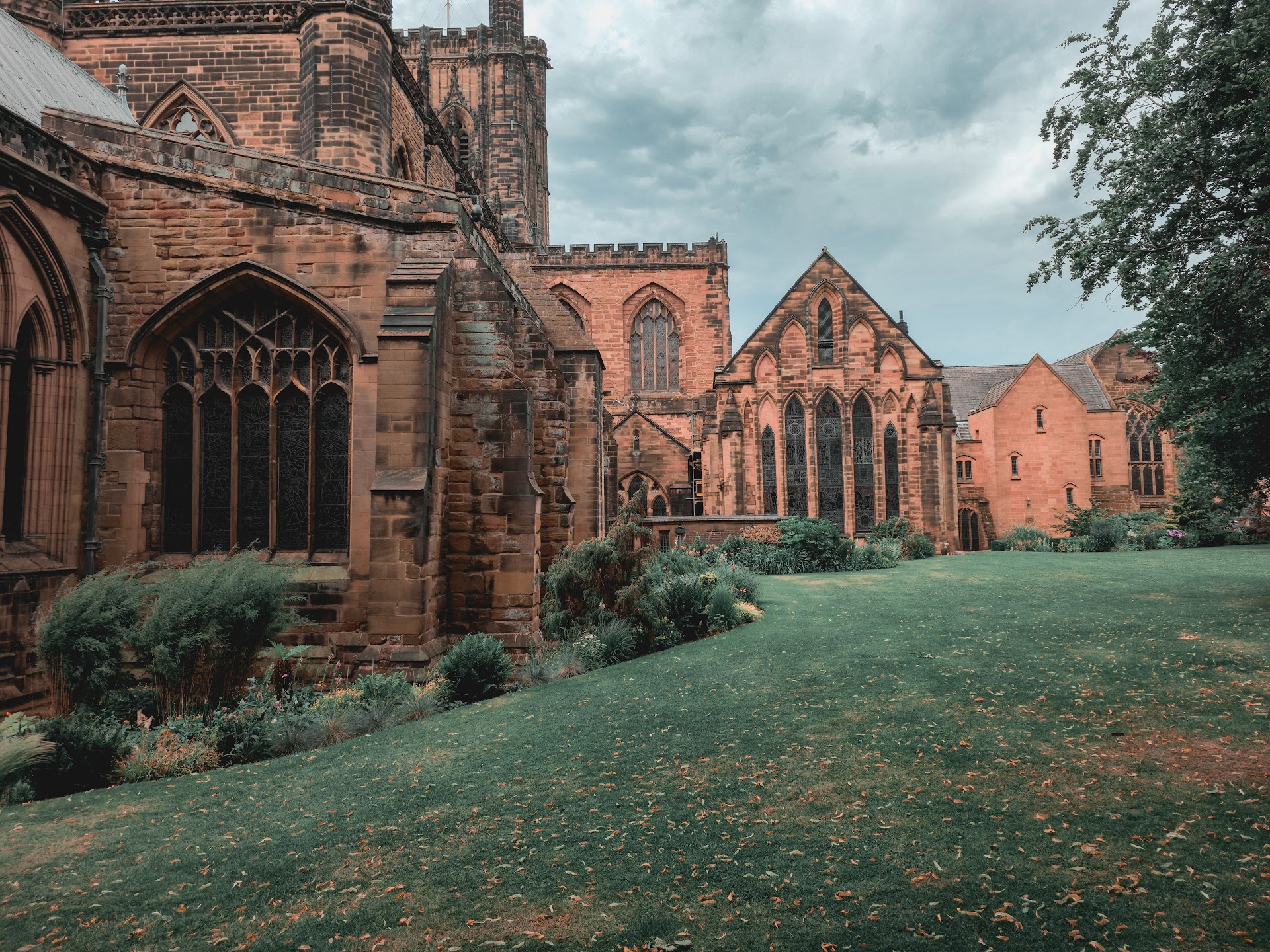
Chester Cathedral things to do, attractions, restaurants, events info and trip planning
Basic Info
Chester Cathedral
St Werburgh St, Chester CH1 2DY, United Kingdom
4.7(234)
Closed
Save
spot
spot
Ratings & Description
Info
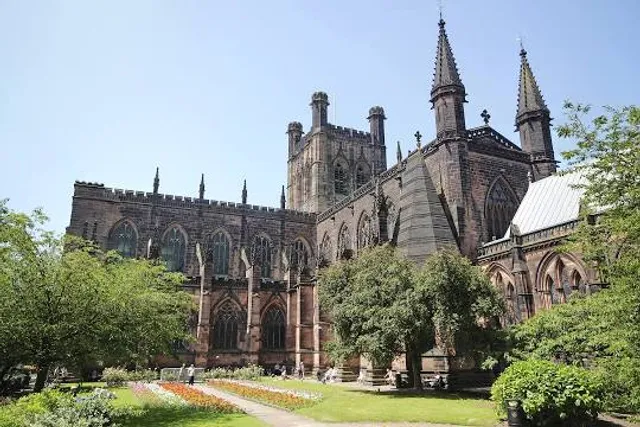
Chester Cathedral is a Church of England cathedral and the mother church of the Diocese of Chester. It is located in the city of Chester, Cheshire, England. The cathedral, formerly the abbey church of a Benedictine monastery dedicated to Saint Werburgh, is dedicated to Christ and the Blessed Virgin Mary.
Cultural
Accessibility
attractions: Storyhouse, Eastgate Clock, Chester Cross, Chester Visitor Information Centre, Chester City Walls, Chester Town Hall Square, Escapism Chester, Alison Bradley Gallery, Chester Roman Amphitheatre, Clarendon Fine Art Chester, restaurants: Maray Chester, The Botanist Chester, Ristorante Sergio, Veeno Chester, Duttons, Music Hall Tap, The Coach House Inn, Bella Italia - Chester, Café 1092 in the Refectory, Dublin Packet, local businesses: Eastgate Square Shopping Centre, Chester Town Hall, Chester Market, Superdrug, CeX, Gasia, O'Hares Jewellers, Vow Jewellery Chester, Chester City Centre, Breakout Chester
 Learn more insights from Wanderboat AI.
Phone
+44 1244 324756
Website
chestercathedral.com
Open hoursSee all hours
MonClosed
Plan your stay

Pet-friendly Hotels in City of Chester
Find a cozy hotel nearby and make it a full experience.

Affordable Hotels in City of Chester
Find a cozy hotel nearby and make it a full experience.

The Coolest Hotels You Haven't Heard Of (Yet)
Find a cozy hotel nearby and make it a full experience.

Trending Stays Worth the Hype in City of Chester
Find a cozy hotel nearby and make it a full experience.
Reviews
Live events

Moonshine Saloon Liverpool: Immersive Wild West Cocktail Experience
Wed, Feb 25 • 7:05 PM
40 Seel Street, Liverpool, L1 4BE, L1 4BE
View details

Walk through Liverpools history
Wed, Feb 25 • 10:00 AM
Merseyside, L3 1HU, United Kingdom
View details
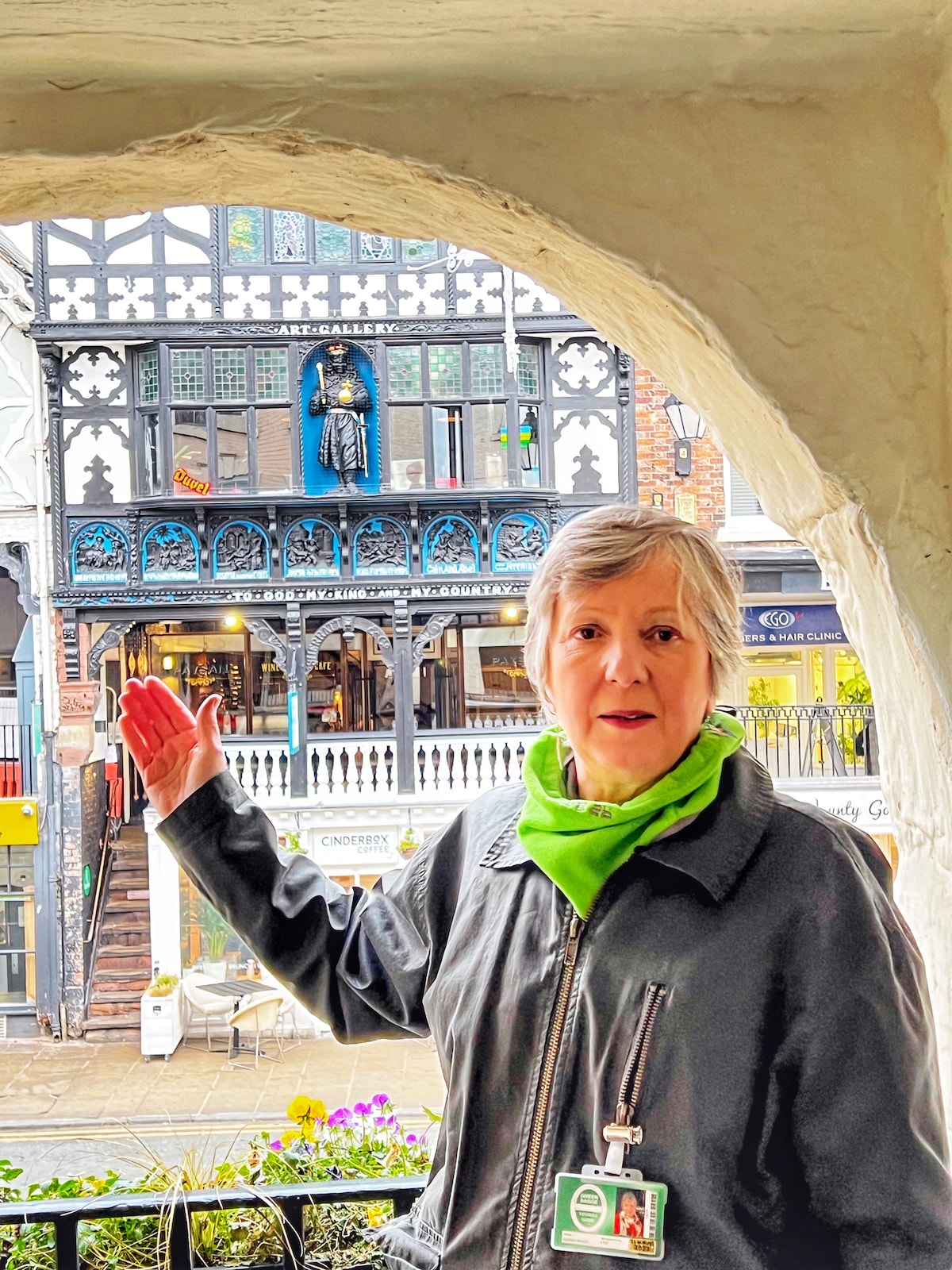
The Heart of Chester Walking Tour
Tue, Feb 24 • 1:00 PM
Cheshire West and Chester, CH1, United Kingdom
View details
Nearby attractions of Chester Cathedral
Storyhouse
Eastgate Clock
Chester Cross
Chester Visitor Information Centre
Chester City Walls
Chester Town Hall Square
Escapism Chester
Alison Bradley Gallery
Chester Roman Amphitheatre
Clarendon Fine Art Chester
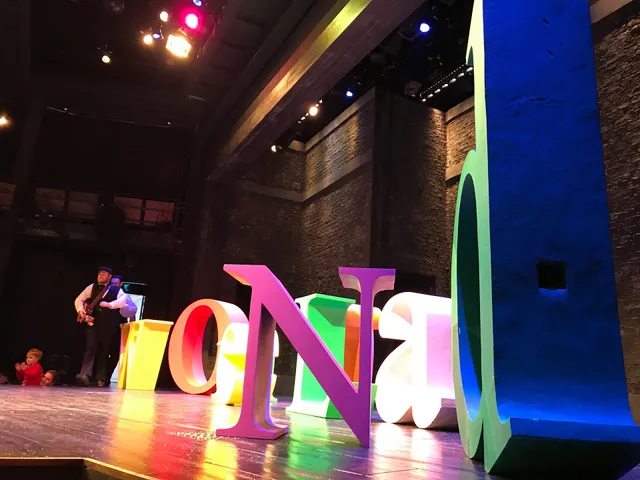
Storyhouse
4.6
(1.2K)
Open 24 hours
Click for details
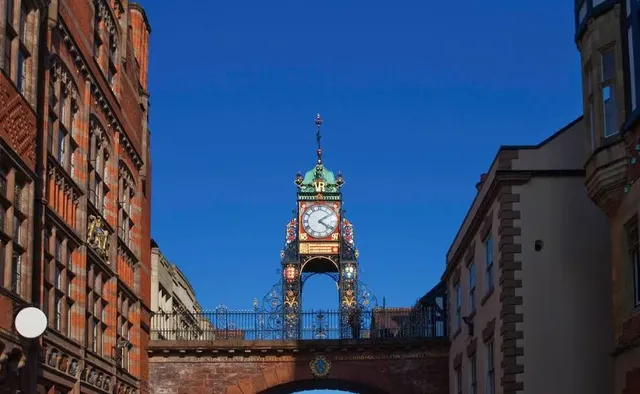
Eastgate Clock
4.6
(1.3K)
Open until 12:00 AM
Click for details
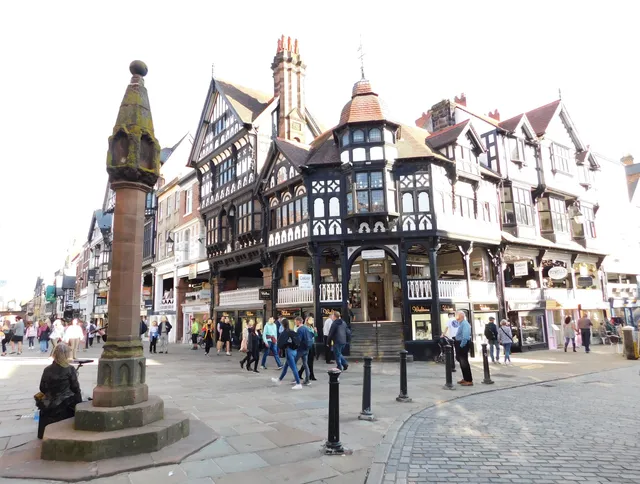
Chester Cross
4.5
(711)
Open until 12:00 AM
Click for details

Chester Visitor Information Centre
4.4
(184)
Closed
Click for details
Nearby restaurants of Chester Cathedral
Maray Chester
The Botanist Chester
Ristorante Sergio
Veeno Chester
Duttons
Music Hall Tap
The Coach House Inn
Bella Italia - Chester
Café 1092 in the Refectory
Dublin Packet

Maray Chester
4.9
(66)
Closed
Click for details
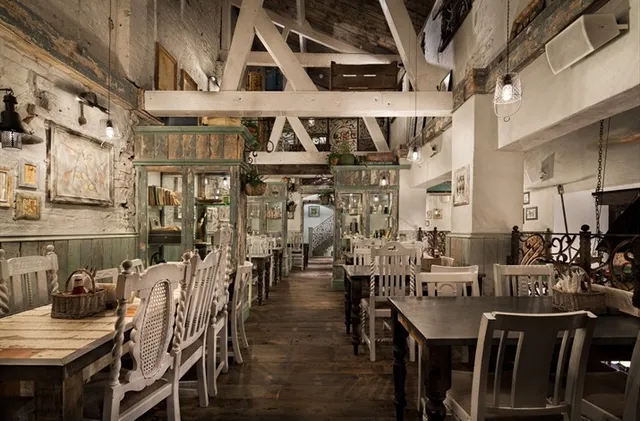
The Botanist Chester
4.3
(1.4K)
$$
Closed
Click for details
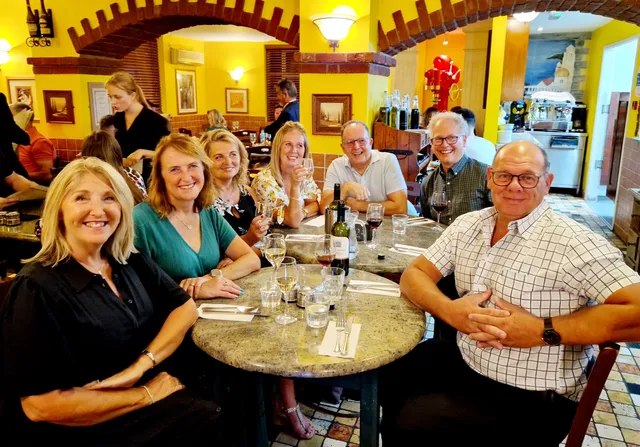
Ristorante Sergio
4.5
(1.3K)
Closed
Click for details
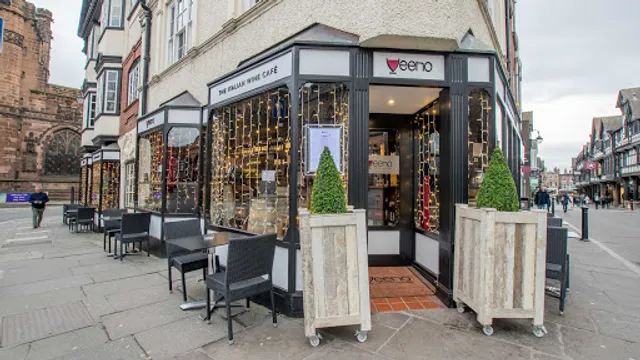
Veeno Chester
4.6
(471)
$$
Open until 12:00 AM
Click for details
Nearby local services of Chester Cathedral
Eastgate Square Shopping Centre
Chester Town Hall
Chester Market
Superdrug
CeX
Gasia
O'Hares Jewellers
Vow Jewellery Chester
Chester City Centre
Breakout Chester
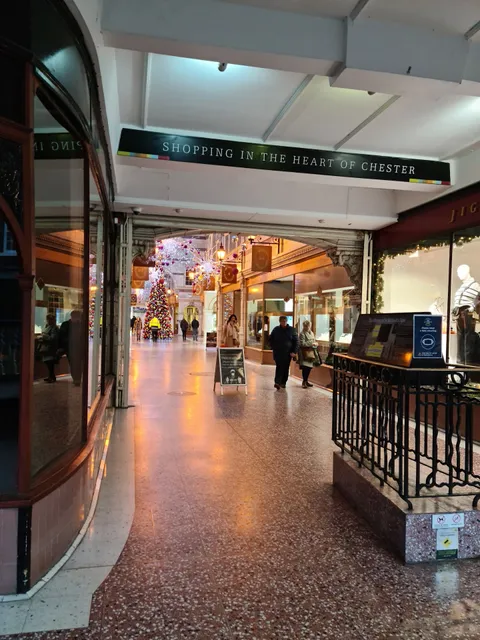
Eastgate Square Shopping Centre
4.1
(2.7K)
Click for details
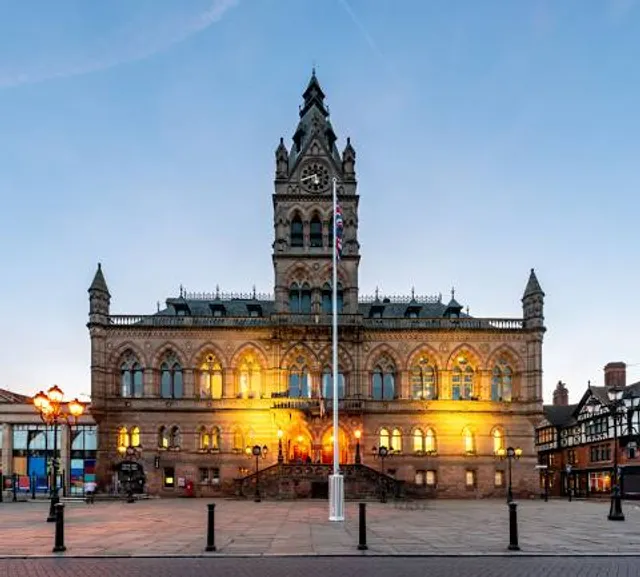
Chester Town Hall
4.6
(187)
Click for details

Chester Market
4.4
(788)
Click for details
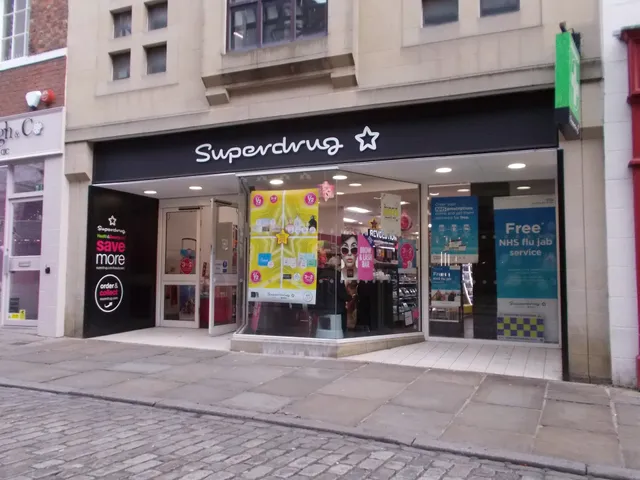
Superdrug
4.1
(119)
Click for details