Liverpool Cathedral things to do, attractions, restaurants, events info and trip planning
Basic Info
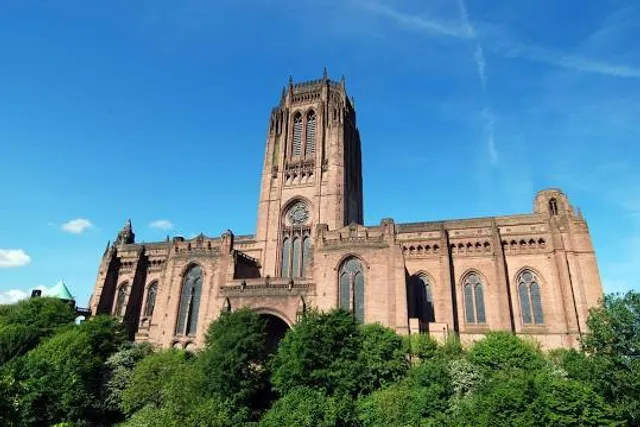
Liverpool Cathedral
St James’ Mount, Liverpool L1 7AZ, United Kingdom
4.8(6.3K)
Closed
Save
spot
spot
Ratings & Description
Info
Cultural
Accessibility
attractions: St James Mount And The Gardens, Quirky Quarter, St Luke’s Bombed Out Church, China Town - Liverpool, Liverpool Institute for Performing Arts, Pinot & Picasso Liverpool - Sip and Paint, Chinese Arch, St. James in the City, Saint Philip Neri Church, Everyman Theatre, restaurants: The Quarter, The Pilgrim, Ye Cracke, Chamber 36 City Centre, The Grapes, The Bagelry Nelson St, New Capital Chinese Restaurant, Man Tsuen Ho's Restaurant, Petit Café Du Coin, Moose Coffee, local businesses: Liverpool Cathedral Shop, St James Memorial Cemetery, Liverpool Metropolitan Cathedral, Nirvana Cosmetics Club, Philharmonic Dining Rooms, Royal Liverpool Philharmonic, Hk Hair Salon 形髮廊, National Trust - The Hardmans' House, Hangar 34, Radiance Beauty and Training
 Learn more insights from Wanderboat AI.
Phone
+44 151 709 6271
Website
liverpoolcathedral.org.uk
Open hoursSee all hours
Fri10 AM - 4 PMClosed
Plan your stay

Pet-friendly Hotels in Liverpool
Find a cozy hotel nearby and make it a full experience.

Affordable Hotels in Liverpool
Find a cozy hotel nearby and make it a full experience.

The Coolest Hotels You Haven't Heard Of (Yet)
Find a cozy hotel nearby and make it a full experience.

Trending Stays Worth the Hype in Liverpool
Find a cozy hotel nearby and make it a full experience.
Reviews
Live events
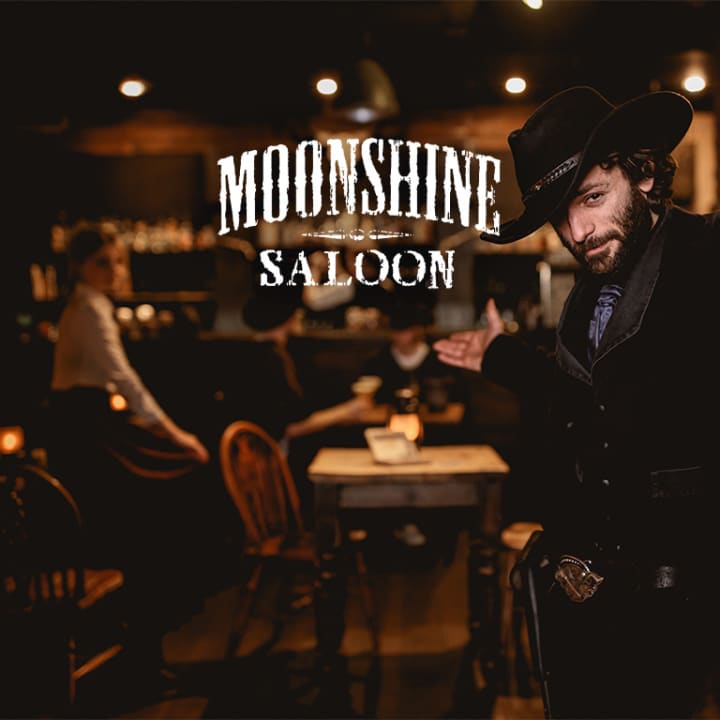
Moonshine Saloon Liverpool: Immersive Wild West Cocktail Experience
Sat, Feb 21 • 2:15 PM
40 Seel Street, Liverpool, L1 4BE, L1 4BE
View details

Walk through Liverpools history
Sat, Feb 21 • 1:00 PM
Merseyside, L3 1HU, United Kingdom
View details
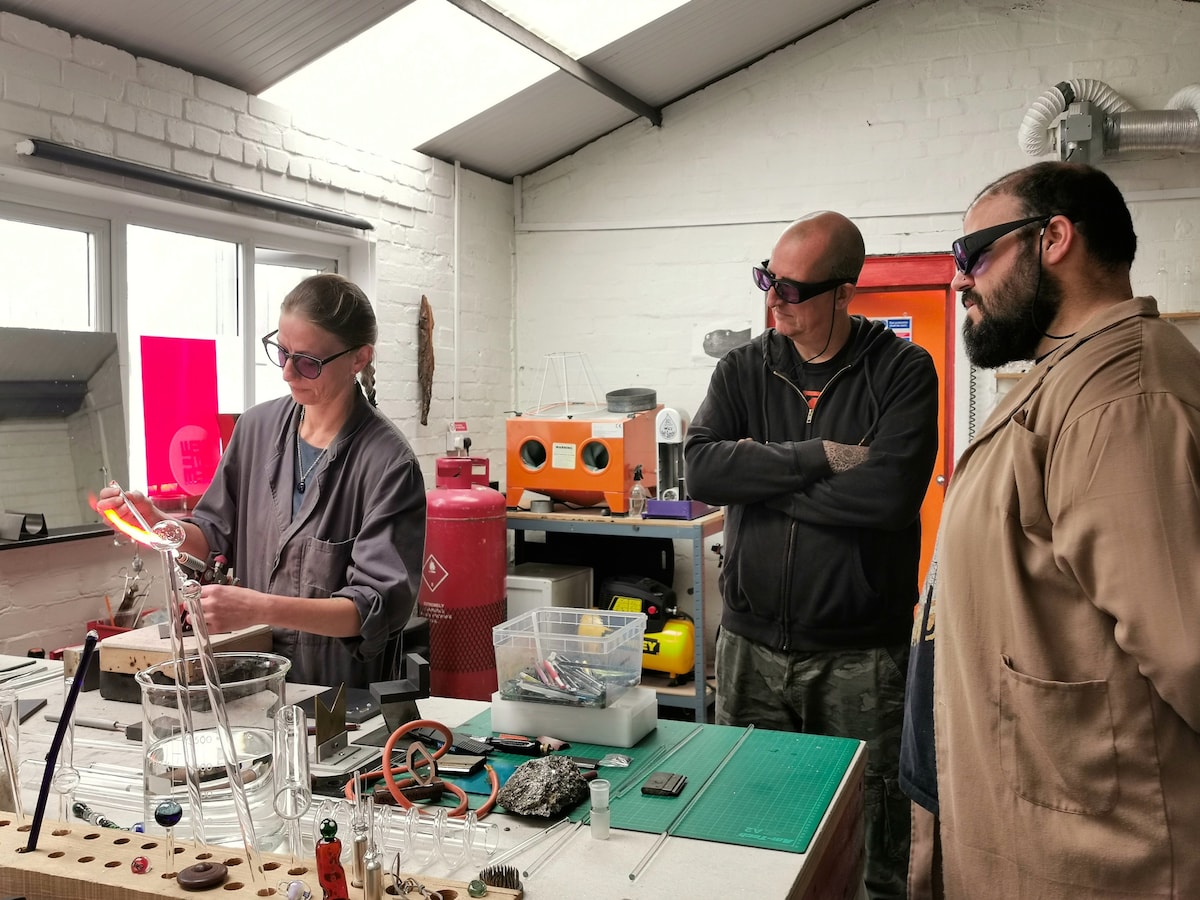
Glassblowing experience for beginners
Sat, Feb 21 • 1:30 PM
Merseyside, L19 8JA, United Kingdom
View details
Nearby attractions of Liverpool Cathedral
St James Mount And The Gardens
Quirky Quarter
St Luke’s Bombed Out Church
China Town - Liverpool
Liverpool Institute for Performing Arts
Pinot & Picasso Liverpool - Sip and Paint
Chinese Arch
St. James in the City
Saint Philip Neri Church
Everyman Theatre
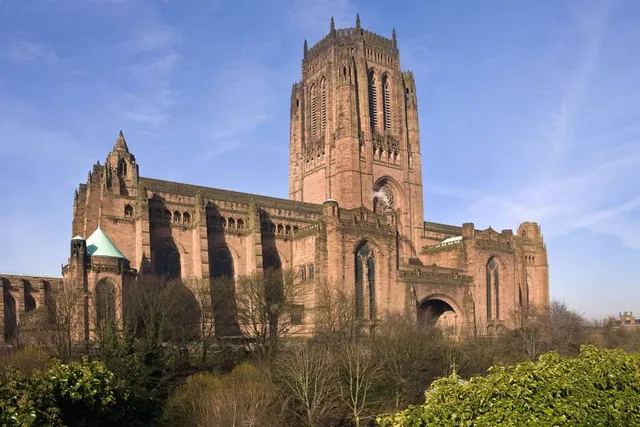
St James Mount And The Gardens
4.7
(398)
Open until 12:00 AM
Click for details
Quirky Quarter
4.8
(700)
Closed
Click for details
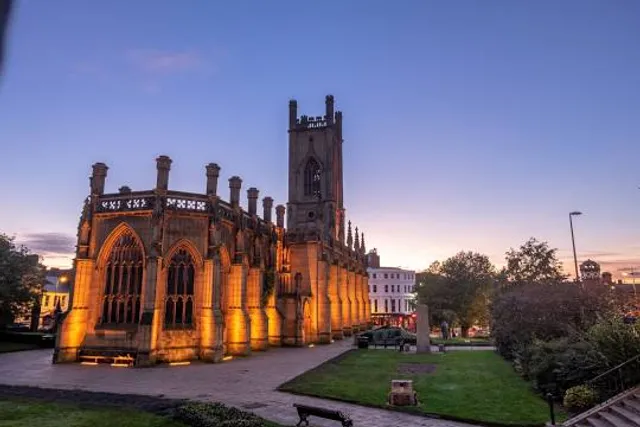
St Luke’s Bombed Out Church
4.6
(1.2K)
Closed
Click for details
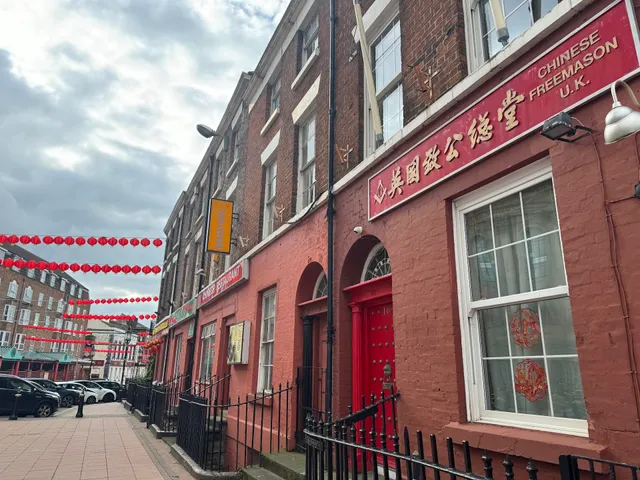
China Town - Liverpool
3.9
(186)
Open 24 hours
Click for details
Nearby restaurants of Liverpool Cathedral
The Quarter
The Pilgrim
Ye Cracke
Chamber 36 City Centre
The Grapes
The Bagelry Nelson St
New Capital Chinese Restaurant
Man Tsuen Ho's Restaurant
Petit Café Du Coin
Moose Coffee
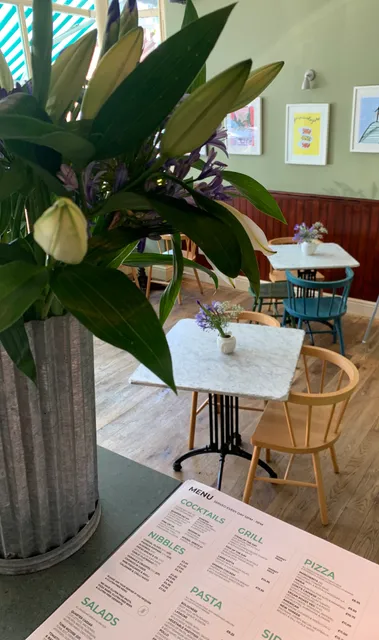
The Quarter
4.5
(1.1K)
Closed
Click for details
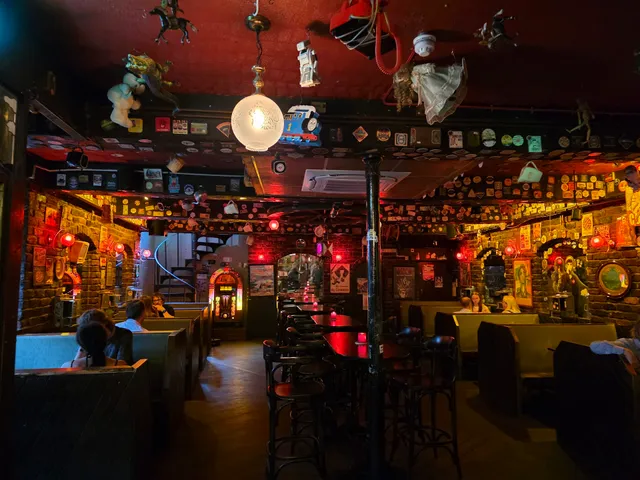
The Pilgrim
4.4
(507)
Open until 1:30 AM
Click for details
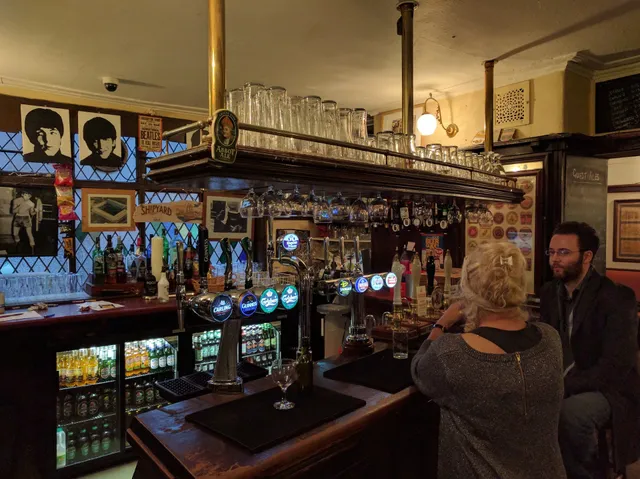
Ye Cracke
4.5
(638)
Open until 12:00 AM
Click for details
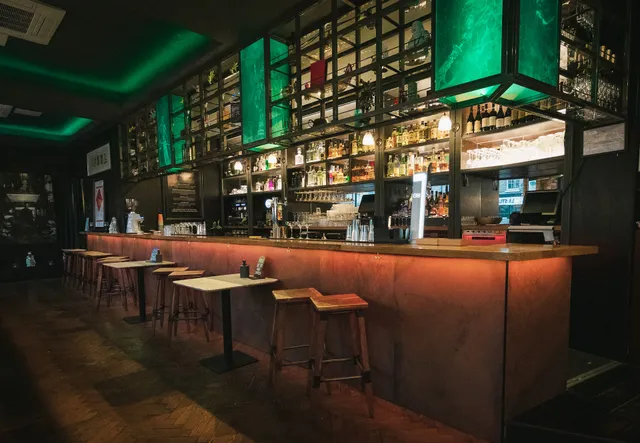
Chamber 36 City Centre
4.5
(478)
$$
Open until 1:30 AM
Click for details
Nearby local services of Liverpool Cathedral
Liverpool Cathedral Shop
St James Memorial Cemetery
Liverpool Metropolitan Cathedral
Nirvana Cosmetics Club
Philharmonic Dining Rooms
Royal Liverpool Philharmonic
Hk Hair Salon 形髮廊
National Trust - The Hardmans' House
Hangar 34
Radiance Beauty and Training

Liverpool Cathedral Shop
4.7
(22)
Click for details

St James Memorial Cemetery
4.7
(19)
Click for details
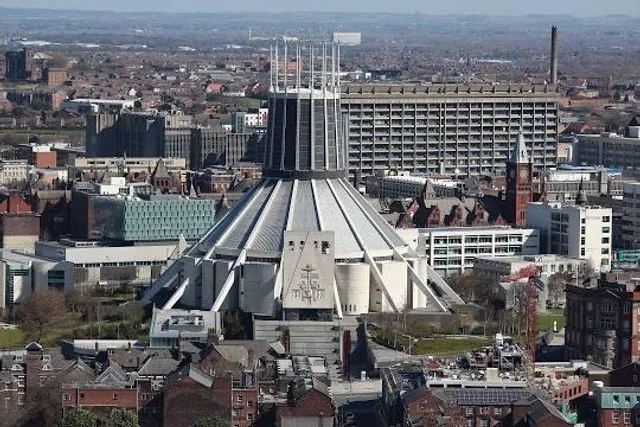
Liverpool Metropolitan Cathedral
4.6
(1.7K)
Click for details

Nirvana Cosmetics Club
4.9
(212)
Click for details