The Majestic Marble Arch: A Monument Through Time
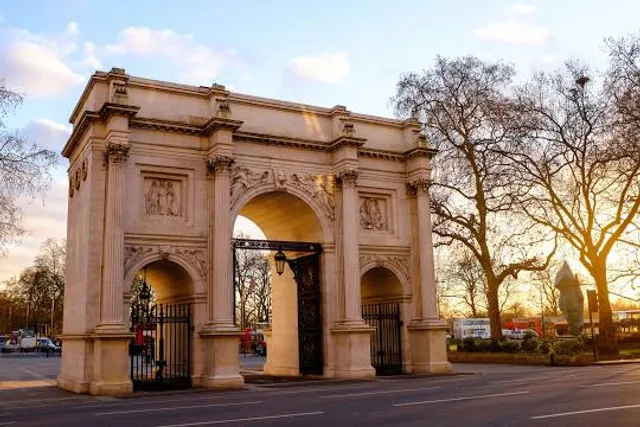
In the heart of London, where the bustling streets of Oxford Street, Park Lane, and Edgware Road converge, stands a grand and solitary sentinel of history—the Marble Arch. This iconic monument, crafted from gleaming white Carrara marble, has witnessed over two centuries of London’s evolution, from royal processions to political protests, from quiet parkland to roaring traffic. Its story is one of ambition, reinvention, and enduring grandeur.
A Royal Vision: The Birth of Marble Arch
The tale of Marble Arch begins in the early 19th century, during the reign of King George IV. The king, known for his extravagant tastes, commissioned the arch in 1827 as a grand entrance to Buckingham Palace, which was then being expanded into a royal residence worthy of the British monarchy. The task of designing this monumental gateway fell to John Nash, the celebrated architect behind much of Regency London’s most elegant structures.
Nash drew inspiration from the Arch of Constantine in Rome, envisioning a triumphal arch that would symbolize Britain’s imperial power and the king’s majesty. The arch was to be adorned with exquisite bas-reliefs, intricate carvings, and classical columns, all hewn from the finest Italian marble. Among its planned decorations were sculptures by Sir Richard Westmacott depicting British military victories, reinforcing the arch’s role as a monument to national pride.
However, as with many grand projects, reality fell short of the vision. King George IV died in 1830, and his successor, King William IV, had little interest in lavish architectural endeavors. Worse still, Nash’s extravagant spending on Buckingham Palace had drawn criticism, and he was eventually dismissed from the project. The arch was completed in 1833, but its grandeur was diminished—many of the intended sculptures were never installed, and its placement at Buckingham Palace proved awkward.
A Monument on the Move
By 1851, the arch had become an obstacle. Queen Victoria, now residing in Buckingham Palace, found that the arch’s central gateway was too narrow for the state coaches to pass through comfortably. Meanwhile, the palace was undergoing further expansion, and the arch was in the way.
Rather than demolish it, the arch was dismantled and relocated to its current position at the northeastern corner of Hyde Park, near Speaker’s Corner. The move was completed in 1851, and the arch was reconstructed with some modifications—its original design included additional wings that were never added.
For decades, the arch served as a formal gateway to Hyde Park, where grand processions and royal events passed beneath its arches. Yet, as London grew and traffic increased, the arch became less of a functional structure and more of an ornamental landmark. By the 20th century, it stood isolated on a traffic island, a silent witness to the city’s relentless modernization.
Marble Arch Through the Ages
Over the years, Marble Arch has played many roles:
A Symbol of Royal Power: Though no longer part of Buckingham Palace, the arch retained its regal associations. It was a focal point for coronation processions and national celebrations. A Witness to History: In the late 19th and early 20th centuries, Speaker’s Corner—just beside the arch—became a hub for free speech and public debate, where radicals, suffragettes, and activists gathered to voice their opinions. A Silent Guardian: During the Blitz of World War II, the arch survived the bombings that devastated much of London, standing defiant amidst the destruction. A Modern Landmark: Today, it is a Grade I-listed monument, surrounded by the constant flow of buses, cars, and pedestrians, yet still commanding awe with its neoclassical beauty.
Marble Arch Today: A Monument Reimagined
In recent years, the area around Marble Arch has seen dramatic changes. The Marble Arch Mound, a temporary...
Read moreMarble Arch in London is a vibrant hub that offers a plethora of opportunities for shopping, dining, and convenient connectivity. Situated at the start of Oxford Street, this location serves as an excellent starting point to explore the best that London has to offer.
When it comes to shopping, Marble Arch hits the mark. The nearby Oxford Street is renowned as one of the most sought-after shopping destinations in London. From high-end luxury brands to trendy fashion boutiques and department stores, you'll find an impressive range of options to indulge in some retail therapy. Whether you're a fashion enthusiast or simply looking for unique souvenirs, Marble Arch has it all.
Dining options in the area are equally diverse and exciting. After a day of shopping or sightseeing, you can find a wide range of restaurants, cafes, and eateries to satisfy your culinary cravings. From traditional British cuisine to international flavors, there's something to please every palate. Whether you're looking for a quick bite or a fine dining experience, Marble Arch offers a variety of options to suit your taste and budget.
In terms of connectivity, Marble Arch is superbly connected to the rest of the city. If you prefer to explore on foot, you'll find that many important streets and attractions are within walking distance. Additionally, the area is well-served by various modes of transportation. Whether you choose to hop on a city transport bus, grab a taxi, ride a rickshaw, or take the tube, you'll have no trouble getting around and reaching your desired destinations.
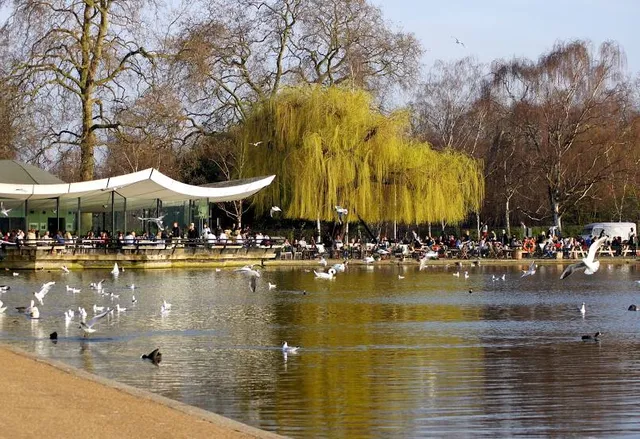
Another advantage of Marble Arch is its proximity to Hyde Park. This expansive green space offers a tranquil retreat from the hustle and bustle of the city. You can take a leisurely stroll, have a picnic, or simply relax and enjoy the beautiful surroundings. The park is a perfect spot for unwinding and soaking up the natural beauty that London has to offer.
Overall, Marble Arch is a dynamic and convenient location that caters to a wide range of interests. Whether you're a fashion lover, a food enthusiast, or an explorer seeking connectivity, this vibrant hub has everything you need. With its excellent shopping options, diverse dining experiences, and convenient transportation links, Marble Arch is a must-visit destination for anyone looking to make the most of their...
Read moreMarble Arch, located at the western end of Oxford Street in London, is an iconic landmark that has a rich historical and cultural significance. Originally designed by John Nash in 1827 as the ceremonial entrance to Buckingham Palace, the arch is now a standalone monument that attracts tourists and locals alike.
Architecture: The structure's elegant design, made from Carrara marble, is inspired by the triumphal arches of Rome. Its three-arched form, with intricate details and sculptures, is a testament to the grandeur of neoclassical architecture. While it no longer serves as an entrance to the palace, its presence still evokes a sense of regality and history.
Location: Marble Arch’s location is a major draw. It's at the junction of some of London’s most vibrant areas, including Hyde Park, Oxford Street, and Park Lane. This makes it a great starting point for a walk through the park or a shopping spree in one of London’s busiest retail hubs.
Experience: While the arch itself is impressive, there is not much to do around the structure itself aside from admiring its beauty and taking photos. However, its proximity to Hyde Park offers plenty of opportunities for relaxation, picnics, and leisure activities. The area around Marble Arch is also bustling with activity, from street performers to nearby cafés, adding to the lively atmosphere.
Historical Significance: Marble Arch has seen a variety of uses and modifications over the years. It was once used as a police station and has undergone multiple relocations. Though it no longer serves its original purpose, its significance as a symbol of British history remains strong.
Final Thoughts: Marble Arch is a must-visit for anyone interested in London’s architectural heritage. While it may not be a destination with many activities, it is a striking piece of history and a great spot to include in a walking tour of the city. Its proximity to other attractions makes it a convenient landmark to stop by...
Read more