Glendale Steps things to do, attractions, restaurants, events info and trip planning
Basic Info
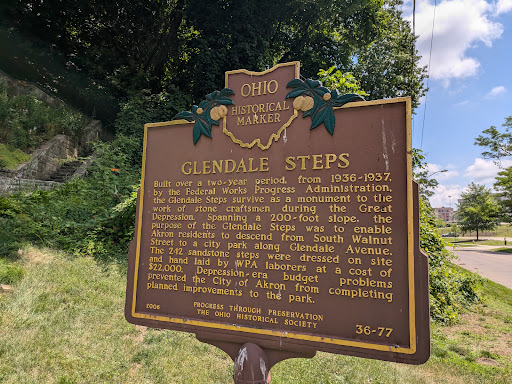
Glendale Steps
65-99 Glendale Ave, Akron, OH 44302
4.3(50)
Open until 12:00 AM
Save
spot
spot
Ratings & Description
Info
Outdoor
Adventure
Scenic
attractions: Hazel Tree Design Studio, Akron Civic Theatre, Lock 3 Park, Akron-Summit County Public Library, John S. Knight Center, Lock 4, Akron Art Museum, Glendale Cemetery, Street Craftery, Canal Park, restaurants: Good Company (Akron), Diamond Grille, Akron Family Restaurant, BLU Jazz+, Chameleon Cafe Akron, Luigi's Restaurant, Crave, Interbelt Nite Club, Totally Baked Pizza, Akronym Brewing, local businesses: Akron Centre Plaza, Musica, Akron Children's Museum, Lock 4, The Nightlight, The Shoppes at Akron Centre, Akron Children's Hospital, Peanut Shoppe of Akron, Cork & Brew, Northside Marketplace
 Learn more insights from Wanderboat AI.
Phone
(330) 535-1120
Website
summithistory.org
Open hoursSee all hours
MonOpen 24 hoursOpen
Plan your stay

Pet-friendly Hotels in Akron
Find a cozy hotel nearby and make it a full experience.

Affordable Hotels in Akron
Find a cozy hotel nearby and make it a full experience.

The Coolest Hotels You Haven't Heard Of (Yet)
Find a cozy hotel nearby and make it a full experience.

Trending Stays Worth the Hype in Akron
Find a cozy hotel nearby and make it a full experience.
Reviews
Live events

Not a Girl Scout yet? Get ready to Launch! Green/Uniontown
Tue, Feb 24 • 6:00 PM
4046 Massillon Road Uniontown, OH 44685
View details

2026 Medina Beekeepers Beginner Class - Tuesday
Tue, Feb 24 • 6:00 PM
210 South Broadway Street Medina, OH 44256
View details

Barberton Laugh Night
Tue, Feb 24 • 7:00 PM
524 West Tuscarawas Avenue Barberton, OH 44203
View details
Nearby attractions of Glendale Steps
Hazel Tree Design Studio
Akron Civic Theatre
Lock 3 Park
Akron-Summit County Public Library
John S. Knight Center
Lock 4
Akron Art Museum
Glendale Cemetery
Street Craftery
Canal Park

Hazel Tree Design Studio
5.0
(10)
Open until 12:00 AM
Click for details

Akron Civic Theatre
4.7
(1.6K)
Open 24 hours
Click for details

Lock 3 Park
4.6
(1.5K)
Open until 12:00 AM
Click for details
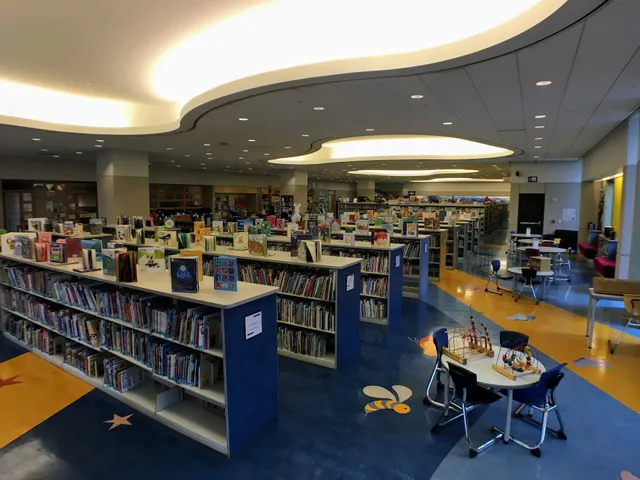
Akron-Summit County Public Library
4.8
(204)
Open 24 hours
Click for details
Nearby restaurants of Glendale Steps
Good Company (Akron)
Diamond Grille
Akron Family Restaurant
BLU Jazz+
Chameleon Cafe Akron
Luigi's Restaurant
Crave
Interbelt Nite Club
Totally Baked Pizza
Akronym Brewing

Good Company (Akron)
4.6
(195)
$$
Closed
Click for details
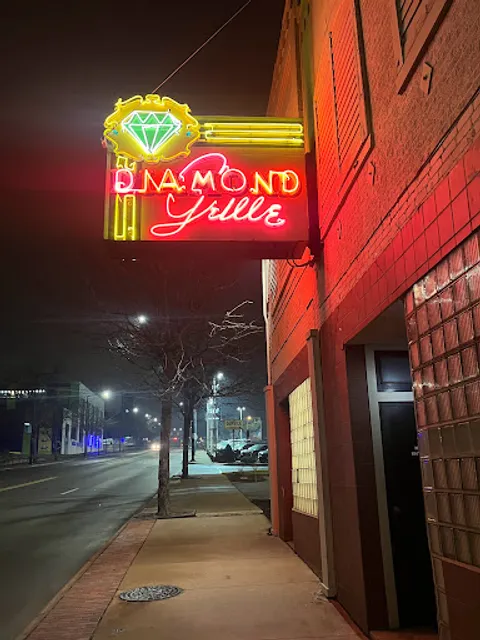
Diamond Grille
4.4
(399)
$$$
Open until 12:00 AM
Click for details
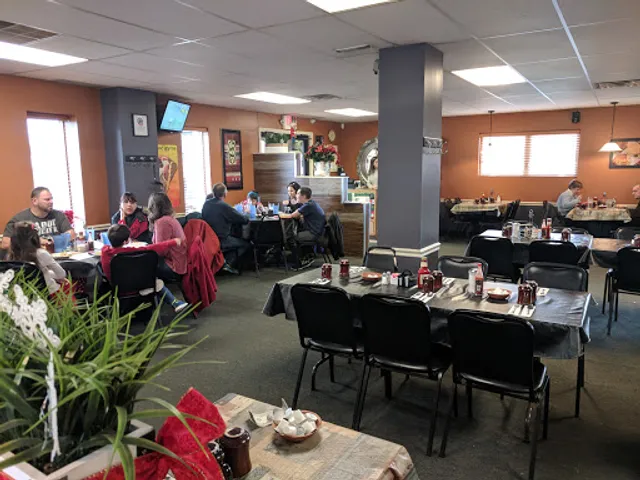
Akron Family Restaurant
4.6
(1.1K)
$
Open until 6:00 PM
Click for details

BLU Jazz+
4.7
(360)
$$
Open until 12:00 AM
Click for details
Nearby local services of Glendale Steps
Akron Centre Plaza
Musica
Akron Children's Museum
Lock 4
The Nightlight
The Shoppes at Akron Centre
Akron Children's Hospital
Peanut Shoppe of Akron
Cork & Brew
Northside Marketplace
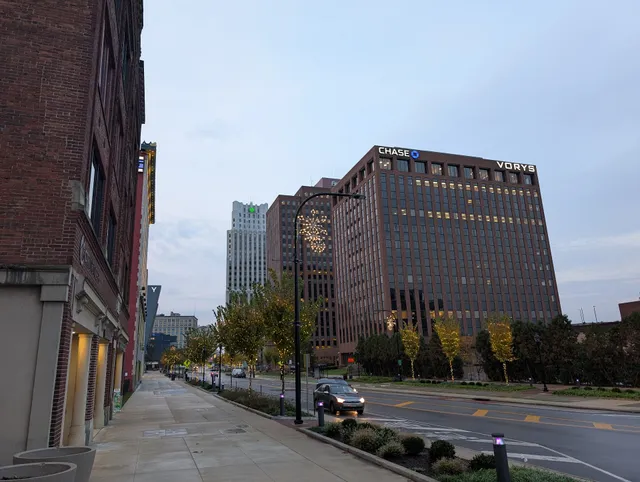
Akron Centre Plaza
4.4
(46)
Click for details
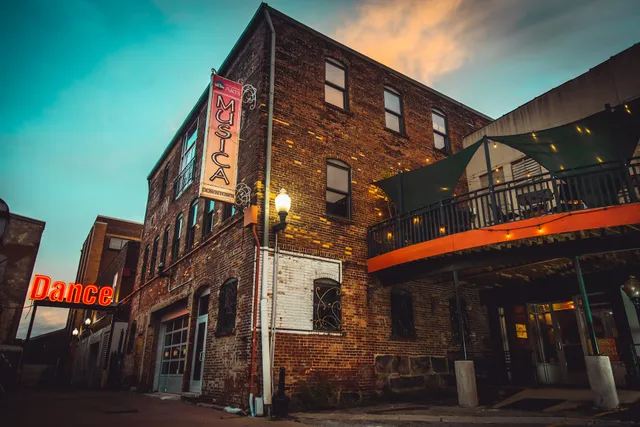
Musica
4.6
(271)
Click for details
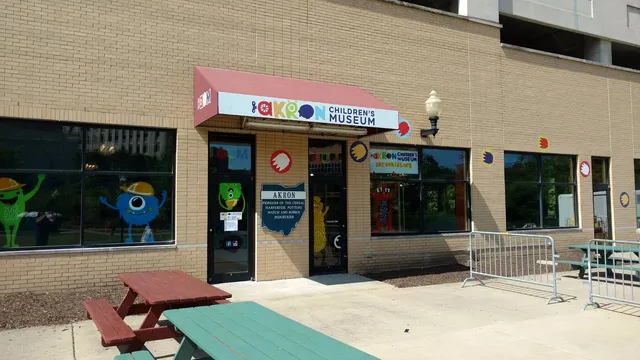
Akron Children's Museum
4.5
(451)
Click for details
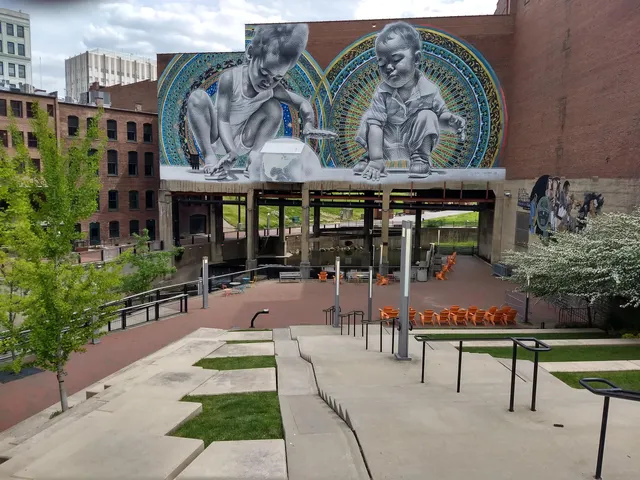
Lock 4
4.5
(98)
Click for details