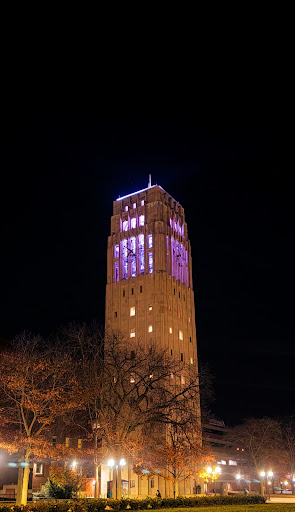
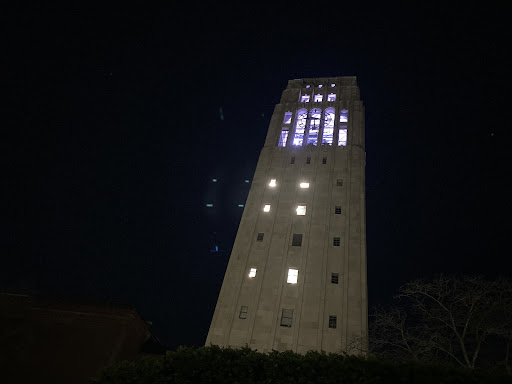
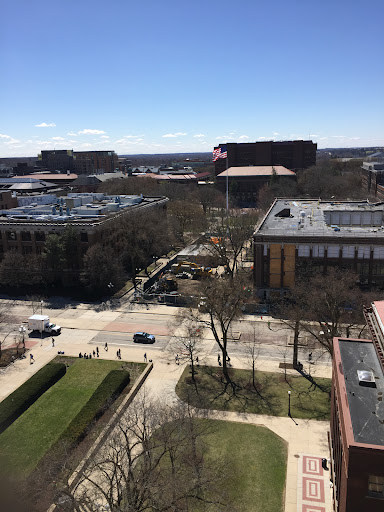
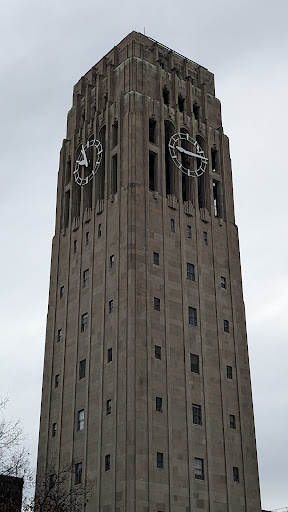
Burton Memorial Tower things to do, attractions, restaurants, events info and trip planning
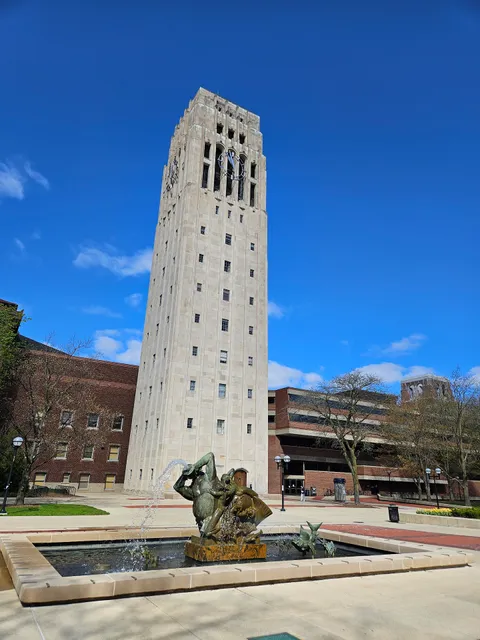
Basic Info
Burton Memorial Tower
230 N Ingalls St, Ann Arbor, MI 48109
4.7(18)
Open 24 hours
Save
spot
spot
Ratings & Description
Info
Cultural
Scenic
attractions: Hill Auditorium, Ingalls Mall, Lydia Mendelssohn Theatre, University of Michigan, Power Center for the Performing Arts, University of Michigan Museum of Natural History, Kelsey Museum of Archaeology, University of Michigan Museum of Art, Sindecuse Museum of Dentistry, The First Congregational Church of Ann Arbor, restaurants: Jamaican Jerk Pit, Sava's, Slurping Turtle, HopCat, Taste of India Suvai - An Authentic Indian Restaurant, Mama Satto, Bodega Bros, Totoro, Hola Seoul, Knight's Steakhouse Downtown, local businesses: Rally House Ann Arbor State Street, North Quadrangle Residential and Academic Complex, CellZone Ann Arbor, Apples & Oranges Computer and Phone Repair - Ann Arbor, University of Michigan School of Dentistry, Burton Memorial Tower, Bivouac, University Health Service, University of Michigan, Nickels Arcade, POTOBOX ANN ARBOR
 Learn more insights from Wanderboat AI.
Phone
(734) 764-0583
Website
smtd.umich.edu
Plan your stay

Pet-friendly Hotels in Ann Arbor
Find a cozy hotel nearby and make it a full experience.

Affordable Hotels in Ann Arbor
Find a cozy hotel nearby and make it a full experience.

The Coolest Hotels You Haven't Heard Of (Yet)
Find a cozy hotel nearby and make it a full experience.

Trending Stays Worth the Hype in Ann Arbor
Find a cozy hotel nearby and make it a full experience.
Reviews
Live events

Erb Institute presents - Stuart Goldsmith, Climate Comedian
Thu, Feb 12 • 5:00 PM
701 Tappan Avenue Ann Arbor, MI 48109
View details

GALENTINES LADIES NIGHT OUT
Fri, Feb 13 • 9:00 PM
1539 South Wayne Road Westland, MI 48186
View details

Valentine’s Team Row Challenge – All Fitness Levels Welcome
Sat, Feb 14 • 9:00 AM
680 State Circle Ann Arbor, MI 48108
View details
Nearby attractions of Burton Memorial Tower
Hill Auditorium
Ingalls Mall
Lydia Mendelssohn Theatre
University of Michigan
Power Center for the Performing Arts
University of Michigan Museum of Natural History
Kelsey Museum of Archaeology
University of Michigan Museum of Art
Sindecuse Museum of Dentistry
The First Congregational Church of Ann Arbor
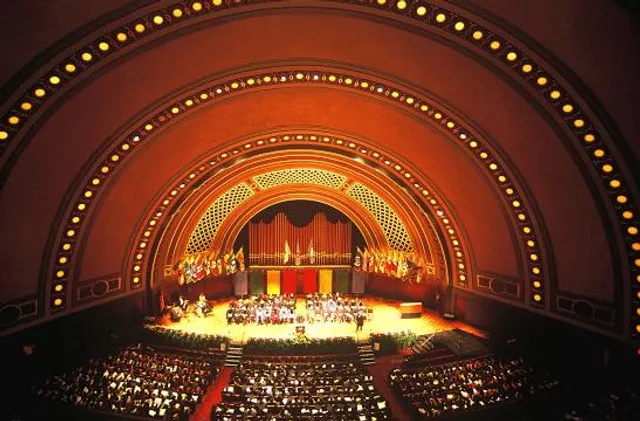
Hill Auditorium
4.8
(530)
Open 24 hours
Click for details
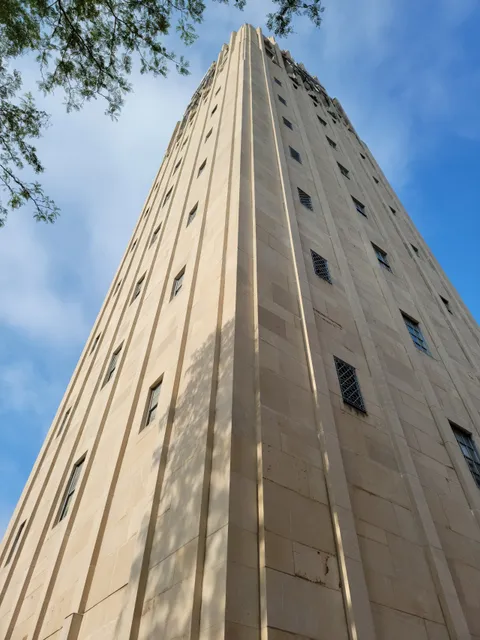
Ingalls Mall
4.7
(74)
Open until 12:00 AM
Click for details
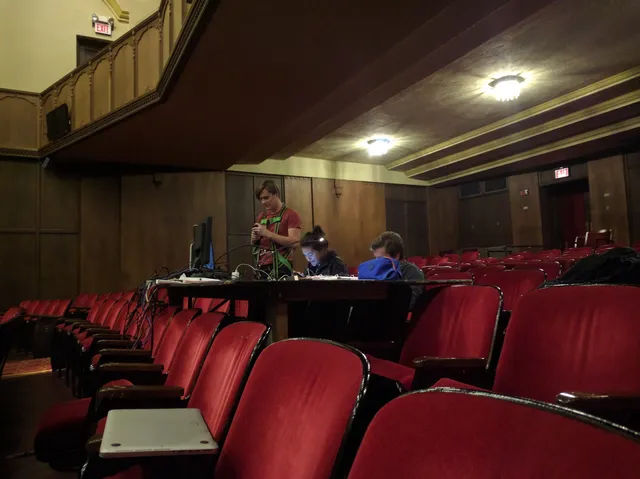
Lydia Mendelssohn Theatre
4.6
(119)
Open 24 hours
Click for details
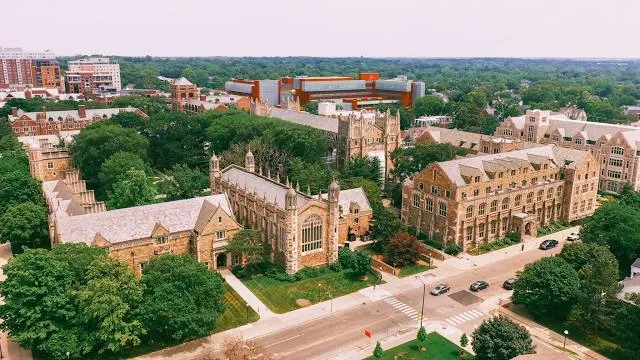
University of Michigan
4.4
(355)
Open 24 hours
Click for details
Nearby restaurants of Burton Memorial Tower
Jamaican Jerk Pit
Sava's
Slurping Turtle
HopCat
Taste of India Suvai - An Authentic Indian Restaurant
Mama Satto
Bodega Bros
Totoro
Hola Seoul
Knight's Steakhouse Downtown
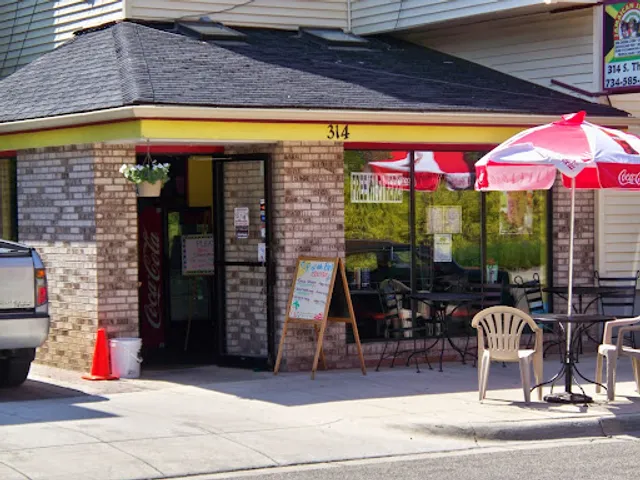
Jamaican Jerk Pit
4.5
(445)
$
Closed
Click for details
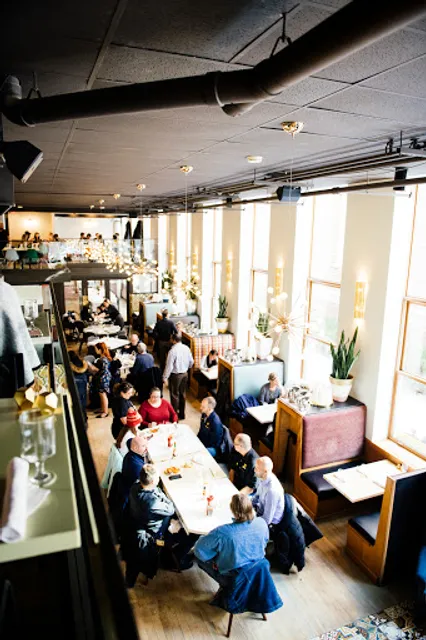
Sava's
4.4
(1.2K)
$$
Closed
Click for details
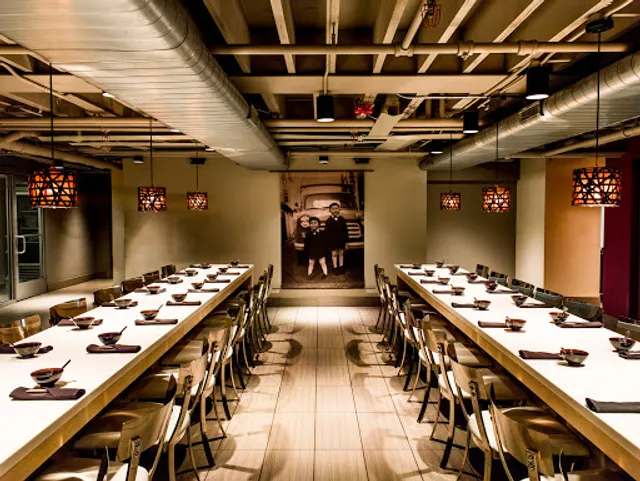
Slurping Turtle
4.5
(1.1K)
$$
Open until 12:00 AM
Click for details
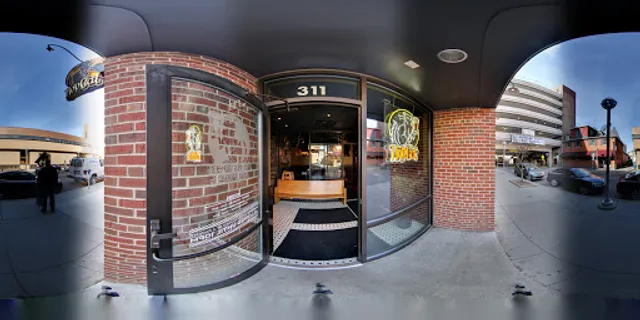
HopCat
4.4
(2.3K)
$
Closed
Click for details
Nearby local services of Burton Memorial Tower
Rally House Ann Arbor State Street
North Quadrangle Residential and Academic Complex
CellZone Ann Arbor
Apples & Oranges Computer and Phone Repair - Ann Arbor
University of Michigan School of Dentistry
Burton Memorial Tower
Bivouac
University Health Service, University of Michigan
Nickels Arcade
POTOBOX ANN ARBOR
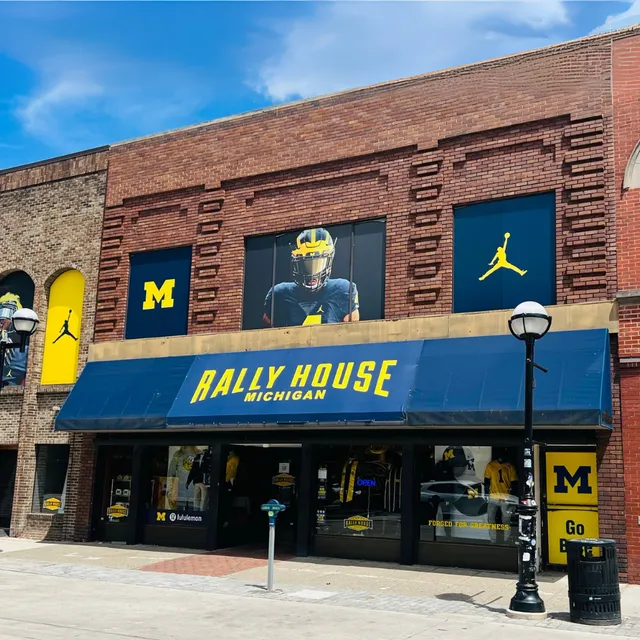
Rally House Ann Arbor State Street
4.4
(220)
Click for details
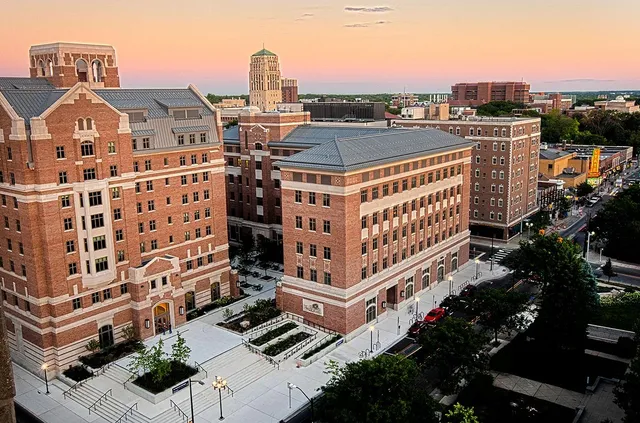
North Quadrangle Residential and Academic Complex
4.5
(110)
Click for details

CellZone Ann Arbor
4.7
(104)
Click for details
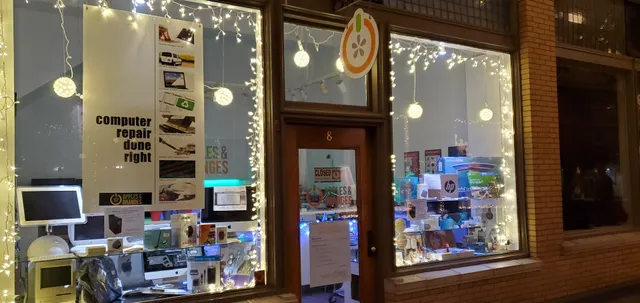
Apples & Oranges Computer and Phone Repair - Ann Arbor
4.9
(375)
Click for details