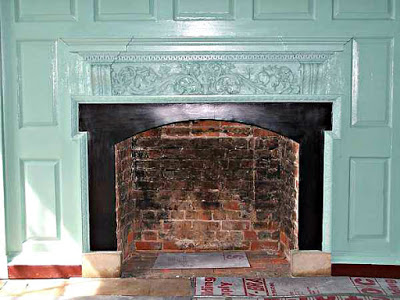
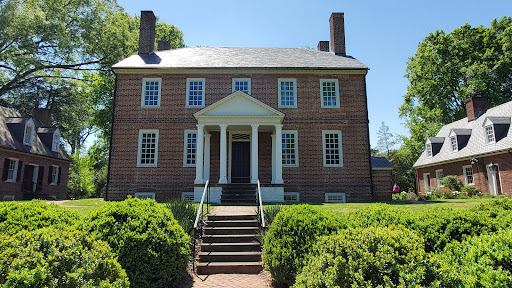
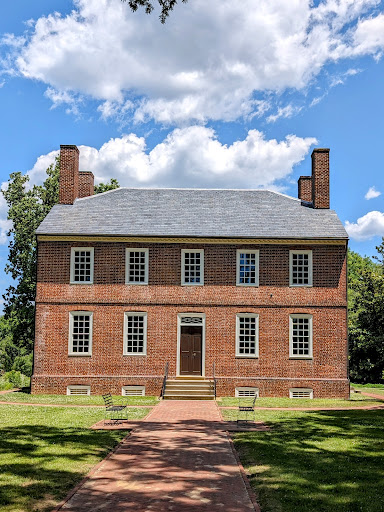
Kenmore things to do, attractions, restaurants, events info and trip planning
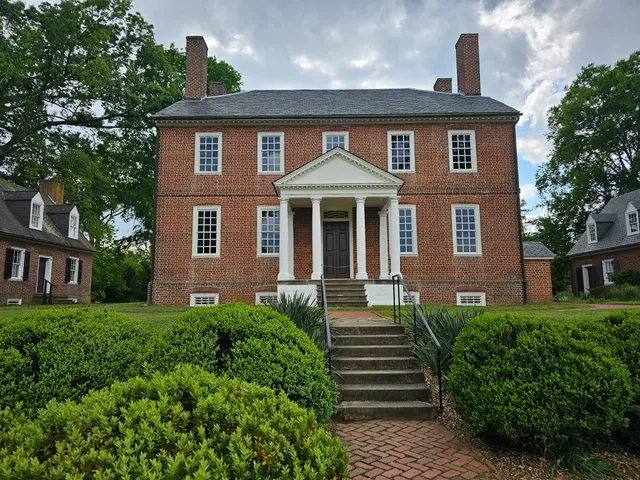
Basic Info
Kenmore
1201 Washington Ave, Fredericksburg, VA 22401
4.7(149)
Open 24 hours
Save
spot
spot
Ratings & Description
Info
Kenmore is an American brand of household appliances, cookware, floorcare, grills, HVAC equipment and other home items owned and licensed by Transformco, an affiliate of ESL Investments.
Cultural
Scenic
Family friendly
Accessibility
attractions: Memorial Park, Mary Washington House, LibertyTown Arts Workshop, Hurkamp Park, Fredericksburg Dog Park, James Monroe Museum and Memorial Library, Fredericksburg Parks & Rec, Rising Sun Tavern Museum, Hugh Mercer Apothecary Shop, Maury Stadium, restaurants: Mellow Mushroom Fredericksburg, Sedona Taphouse, Harry's Downtown, Freddy Donuts, Primavera Pizzeria & Grill, Blue Cow Ice Cream Co., Five Chophouse, Ristorante Renato, Castiglia's Italian Restaurant, Fahrenheit 132, local businesses: Natural Mystics, Fredericksburg, VA Farmers Market, Dog Krazy, Inc., Olde Towne Butcher, Ava Laurenne Bride, Cool Cat Cupcakes, Tales and Tails Book Cafe, Dorothy Hart Community Center, Possum-bilities, Sprelly
 Learn more insights from Wanderboat AI.
Phone
(540) 373-3381
Website
kenmore.org
Plan your stay

Pet-friendly Hotels in Fredericksburg
Find a cozy hotel nearby and make it a full experience.

Affordable Hotels in Fredericksburg
Find a cozy hotel nearby and make it a full experience.

The Coolest Hotels You Haven't Heard Of (Yet)
Find a cozy hotel nearby and make it a full experience.

Trending Stays Worth the Hype in Fredericksburg
Find a cozy hotel nearby and make it a full experience.
Reviews
Live events

Comedy in The Back Room - Friday, February 6th
Fri, Feb 6 • 7:00 PM
911 Charles Street Fredericksburg, VA 22401
View details

Date N Dash Pre Valentines Day Special ( Be Mine)
Sun, Feb 8 • 7:00 PM
1861 Carl D Silver Parkway Fredericksburg, VA 22401
View details

Yoga & Mindfulness for Beginners
Sat, Jan 10 • 8:15 AM
29 Banks Ford Pkwy suite 109, 29 Banks Ford Parkway, Fredericksburg, United States
View details
Nearby attractions of Kenmore
Memorial Park
Mary Washington House
LibertyTown Arts Workshop
Hurkamp Park
Fredericksburg Dog Park
James Monroe Museum and Memorial Library
Fredericksburg Parks & Rec
Rising Sun Tavern Museum
Hugh Mercer Apothecary Shop
Maury Stadium
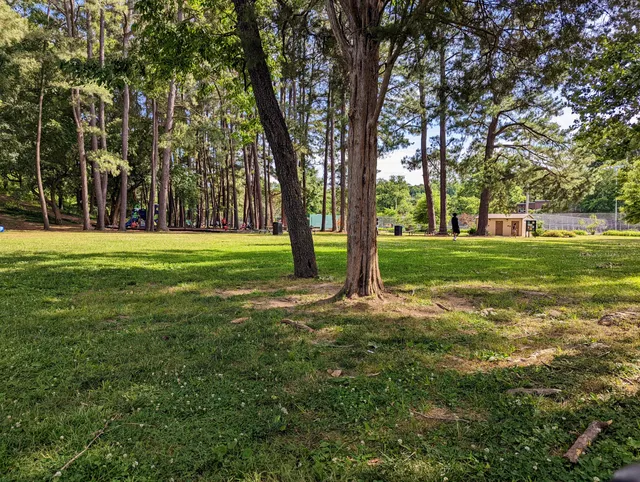
Memorial Park
4.6
(260)
Open until 8:00 PM
Click for details
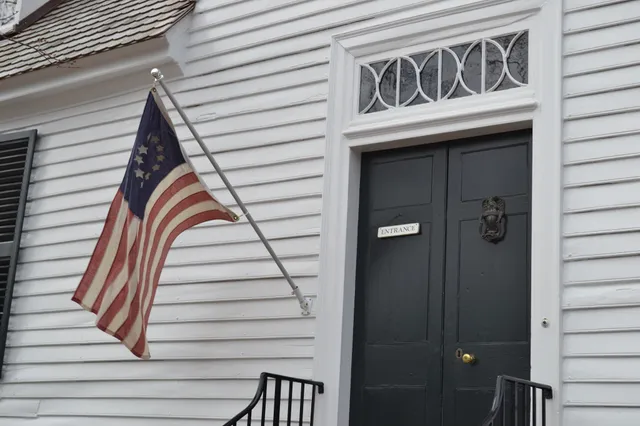
Mary Washington House
4.7
(162)
Open until 4:00 PM
Click for details
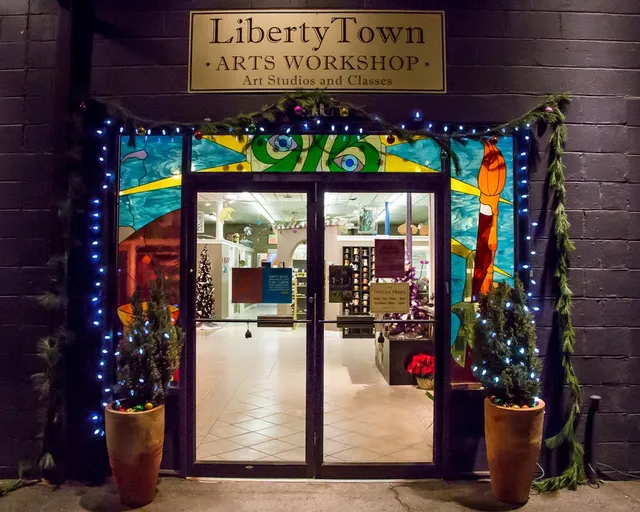
LibertyTown Arts Workshop
4.8
(142)
Open until 8:00 PM
Click for details
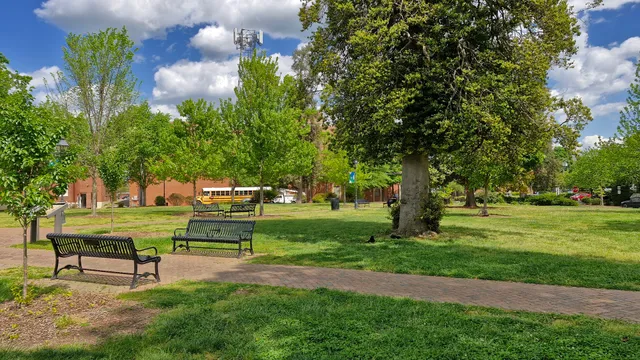
Hurkamp Park
4.6
(296)
Open until 10:00 PM
Click for details
Nearby restaurants of Kenmore
Mellow Mushroom Fredericksburg
Sedona Taphouse
Harry's Downtown
Freddy Donuts
Primavera Pizzeria & Grill
Blue Cow Ice Cream Co.
Five Chophouse
Ristorante Renato
Castiglia's Italian Restaurant
Fahrenheit 132
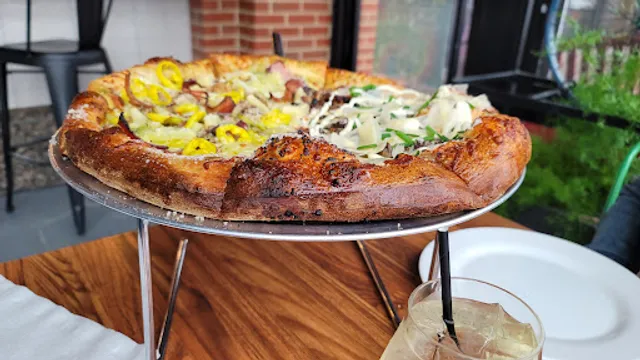
Mellow Mushroom Fredericksburg
4.4
(577)
$
Open until 10:00 PM
Click for details
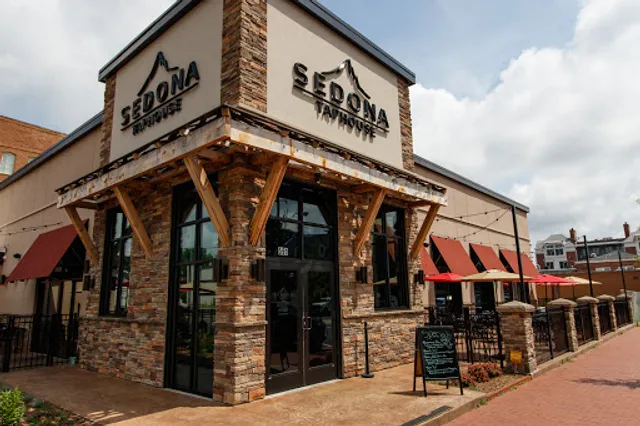
Sedona Taphouse
4.5
(1.7K)
$$
Open until 11:00 PM
Click for details
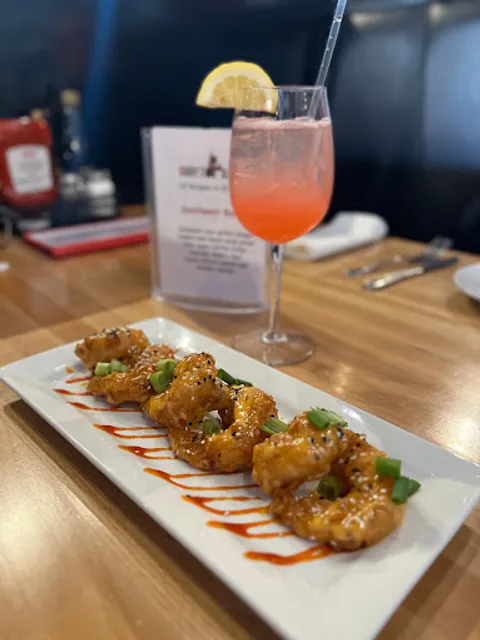
Harry's Downtown
4.4
(227)
$
Open until 11:00 PM
Click for details
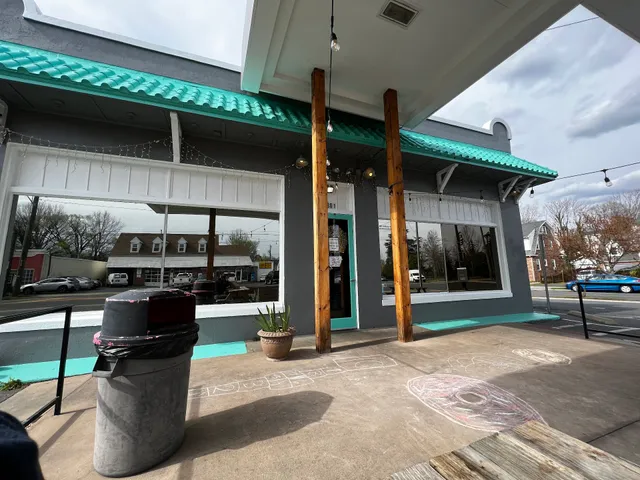
Freddy Donuts
4.6
(632)
$
Open until 7:00 PM
Click for details
Nearby local services of Kenmore
Natural Mystics
Fredericksburg, VA Farmers Market
Dog Krazy, Inc.
Olde Towne Butcher
Ava Laurenne Bride
Cool Cat Cupcakes
Tales and Tails Book Cafe
Dorothy Hart Community Center
Possum-bilities
Sprelly
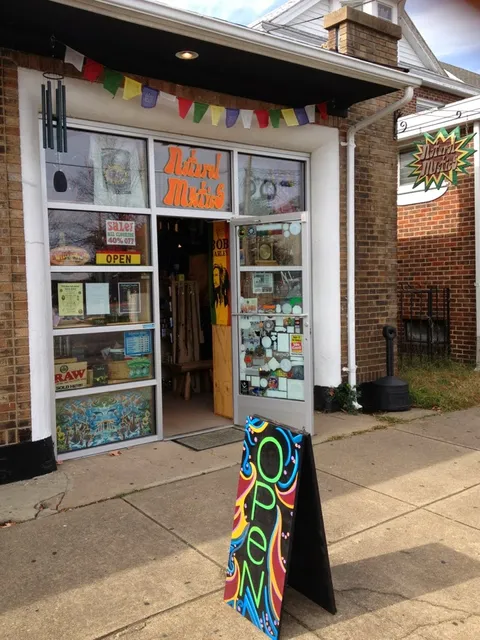
Natural Mystics
4.8
(234)
Click for details
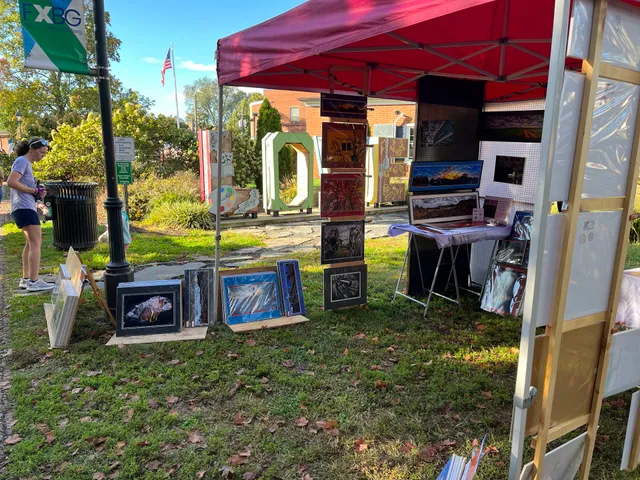
Fredericksburg, VA Farmers Market
4.7
(196)
Click for details
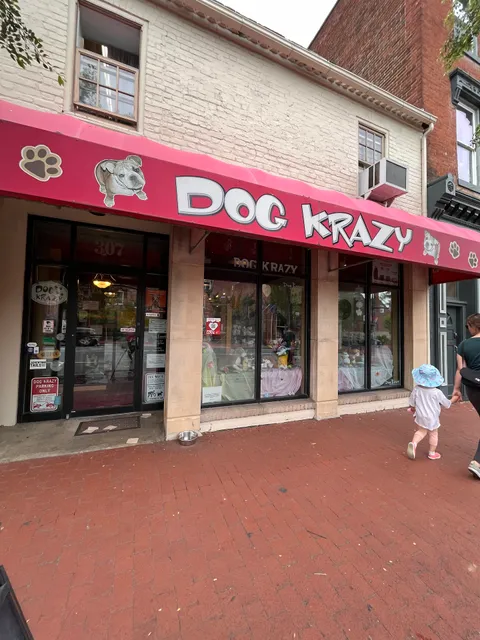
Dog Krazy, Inc.
4.9
(338)
Click for details
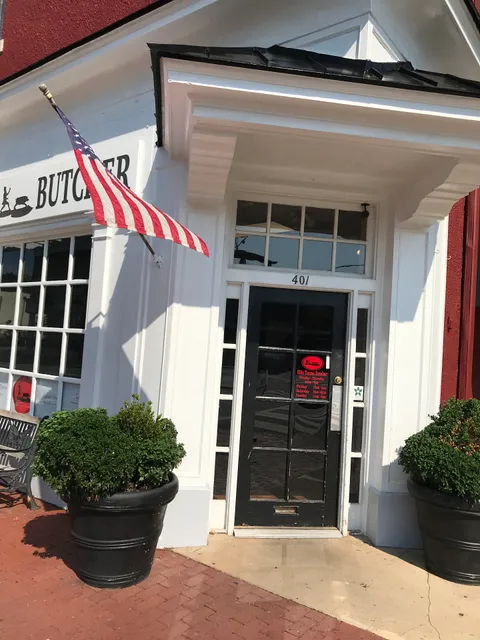
Olde Towne Butcher
4.6
(140)
Click for details


The hit list

Plan your trip with Wanderboat
Welcome to Wanderboat AI, your AI search for local Eats and Fun, designed to help you explore your city and the world with ease.
Powered by Wanderboat AI trip planner.