Miami City Cemetery things to do, attractions, restaurants, events info and trip planning
Basic Info
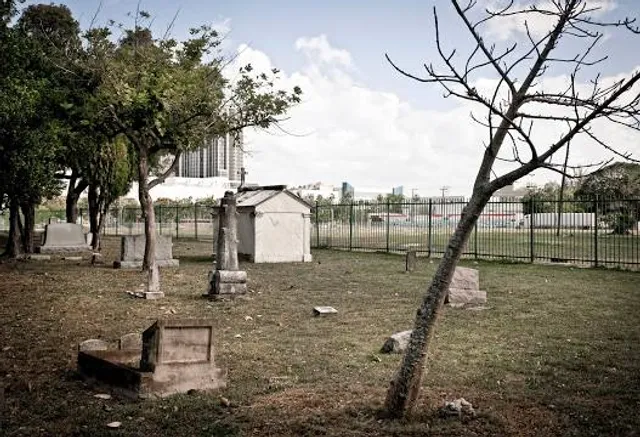
Miami City Cemetery
1800 NE 2nd Ave, Miami, FL 33132
4.9(22)
Open until 12:00 AM
Save
spot
spot
Ratings & Description
Info
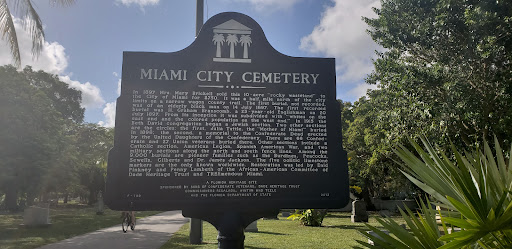
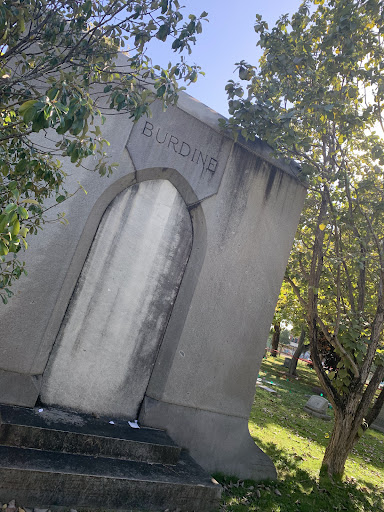
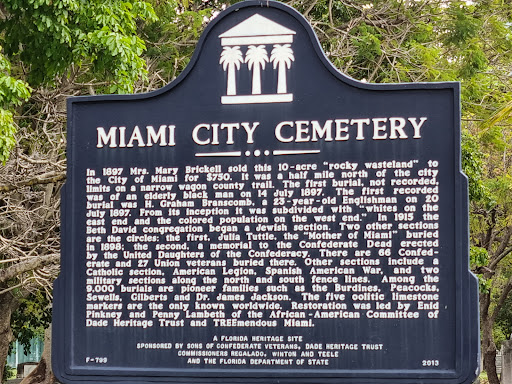
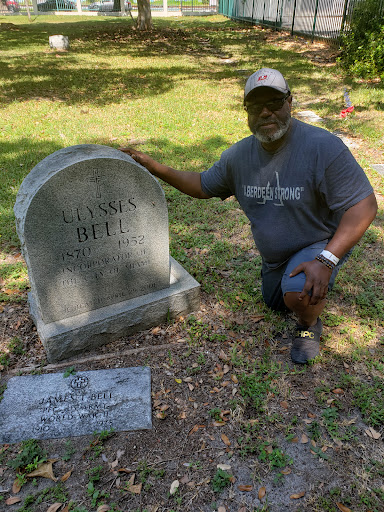
The Miami City Cemetery is a historic cemetery in Miami, Florida, United States. It is located at 1800 Northeast 2nd Avenue. It is the only municipal cemetery in Miami-Dade County. On January 4, 1989, it was added to the U.S. National Register of Historic Places.
Cultural
Scenic
attractions: Biscayne Park, Soccer Cage Downtown, Dorsey Park, Paradox Museum Miami, Fredric Snitzer Gallery, Adrienne Arsht Center for the Performing Arts of Miami-Dade County, Casa Nube Wynwood - Event Space, Dog Park - Margaret Pace Park, Margaret Pace Park, Knight Concert Hall, restaurants: KUSH Wynwood, Mignonette Downtown, BOHO House Miami, Vice City Bean, Francisca Charcoal Chicken & Meats | Food Truck Wynwood, Taula Fresh Cut Mediterranean Food, IBurger, The Great Indian kitchen - Miami (Togo only ), Wynwood Eatery, Asian Corner Thai, local businesses: Price Choice Foodmarket 5, Unity on the Bay, Aroma360, Canvas, Ampersand Studios | Miami, Braman Miami, Arun's Indian Kitchen - Wynwood (Takeout Only), Content HQ Studios, Punch Elite Fitness Miami, Miami Life Center
 Learn more insights from Wanderboat AI.
Phone
(305) 416-1300
Website
miamigov.com
Open hoursSee all hours
Mon8 AM - 5 PMOpen
Plan your stay

Pet-friendly Hotels in Miami
Find a cozy hotel nearby and make it a full experience.

Affordable Hotels in Miami
Find a cozy hotel nearby and make it a full experience.

The Coolest Hotels You Haven't Heard Of (Yet)
Find a cozy hotel nearby and make it a full experience.

Trending Stays Worth the Hype in Miami
Find a cozy hotel nearby and make it a full experience.
Reviews
Live events

Explore Miami on a beautiful yacht
Mon, Jan 26 • 1:00 PM
Miami Beach, Florida, 33154
View details
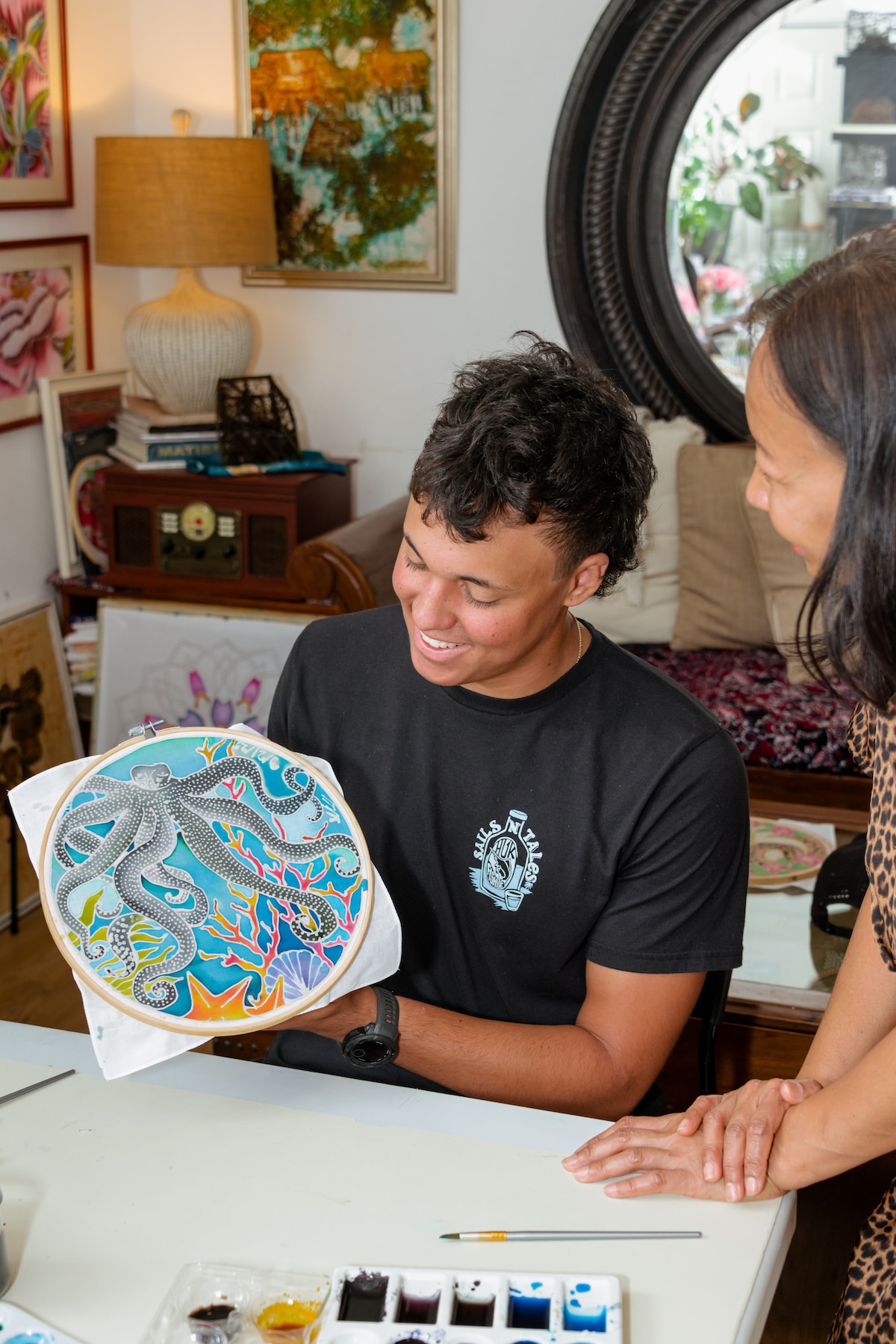
Paint batik art with a Malaysian artist
Mon, Jan 26 • 1:30 PM
Aventura, Florida, 33180
View details
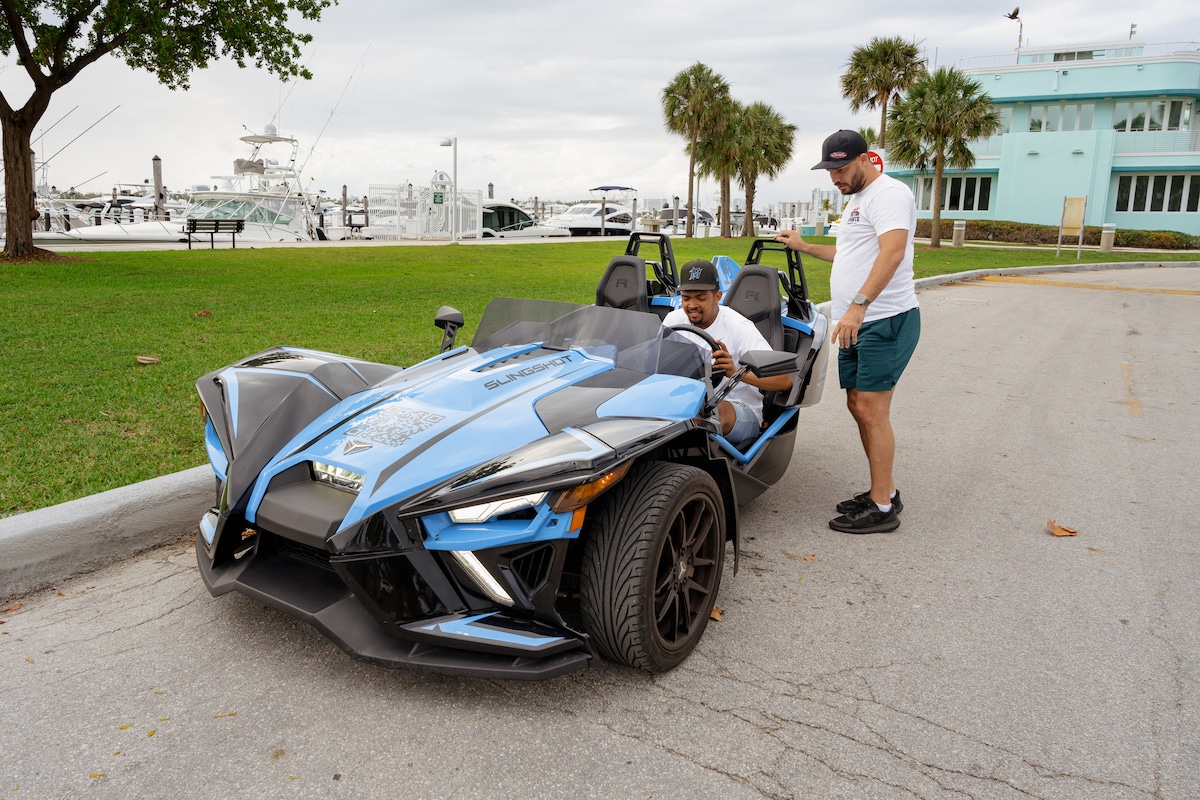
Ride a Slingshot in Miami Beach
Mon, Jan 26 • 11:00 AM
North Miami Beach, Florida, 33162
View details
Nearby attractions of Miami City Cemetery
Biscayne Park
Soccer Cage Downtown
Dorsey Park
Paradox Museum Miami
Fredric Snitzer Gallery
Adrienne Arsht Center for the Performing Arts of Miami-Dade County
Casa Nube Wynwood - Event Space
Dog Park - Margaret Pace Park
Margaret Pace Park
Knight Concert Hall
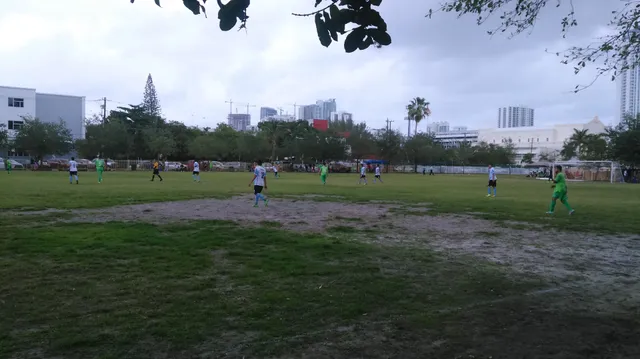
Biscayne Park
4.4
(34)
Open until 7:00 PM
Click for details

Soccer Cage Downtown
4.4
(71)
Open until 12:00 AM
Click for details
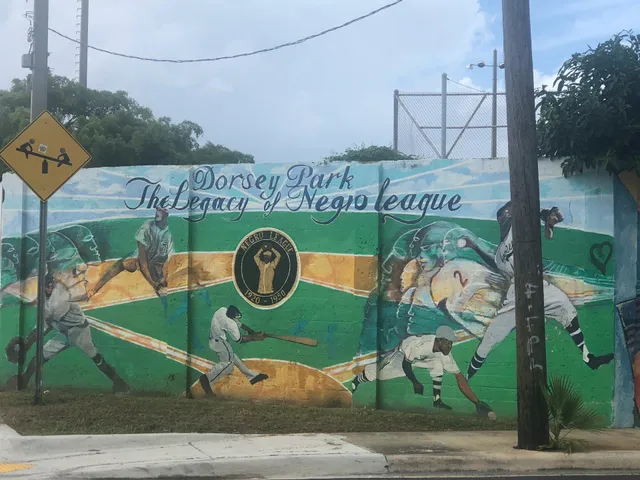
Dorsey Park
4.4
(78)
Open until 8:00 PM
Click for details

Paradox Museum Miami
4.8
(1.5K)
Open until 7:00 PM
Click for details
Nearby restaurants of Miami City Cemetery
KUSH Wynwood
Mignonette Downtown
BOHO House Miami
Vice City Bean
Francisca Charcoal Chicken & Meats | Food Truck Wynwood
Taula Fresh Cut Mediterranean Food
IBurger
The Great Indian kitchen - Miami (Togo only )
Wynwood Eatery
Asian Corner Thai
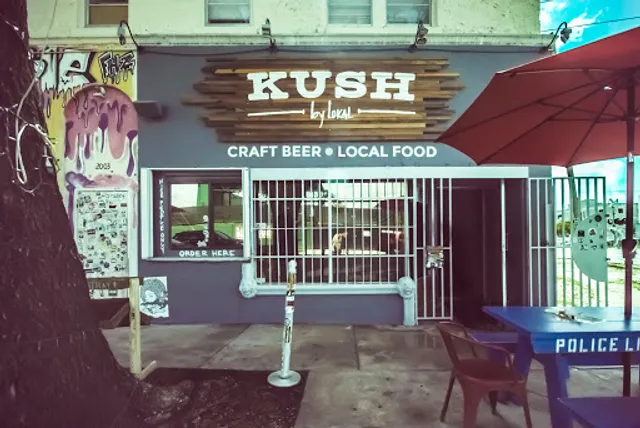
KUSH Wynwood
4.5
(1.8K)
$$
Click for details
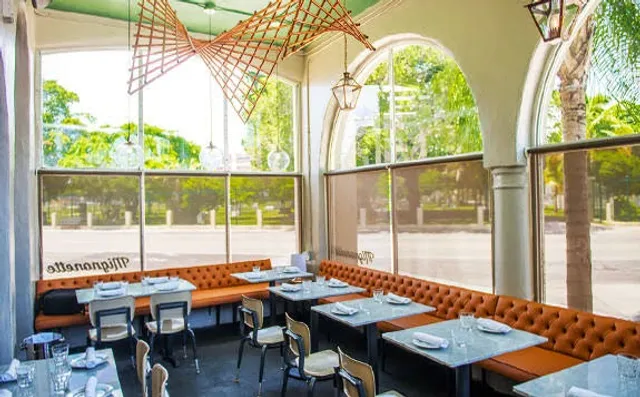
Mignonette Downtown
4.5
(572)
$$$
Closed
Click for details
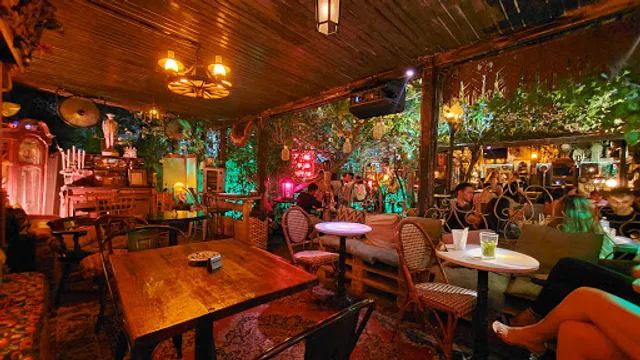
BOHO House Miami
4.5
(851)
Closed
Click for details
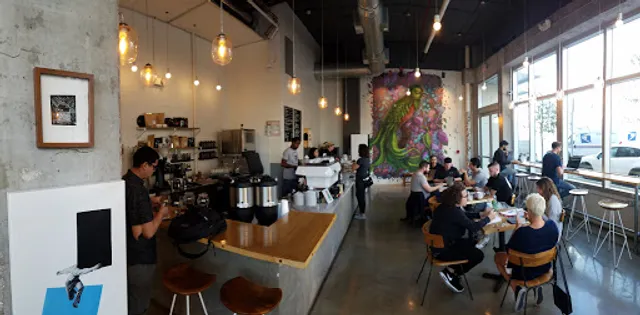
Vice City Bean
4.5
(379)
$
Open until 6:00 PM
Click for details
Nearby local services of Miami City Cemetery
Price Choice Foodmarket 5
Unity on the Bay
Aroma360
Canvas
Ampersand Studios | Miami
Braman Miami
Arun's Indian Kitchen - Wynwood (Takeout Only)
Content HQ Studios
Punch Elite Fitness Miami
Miami Life Center
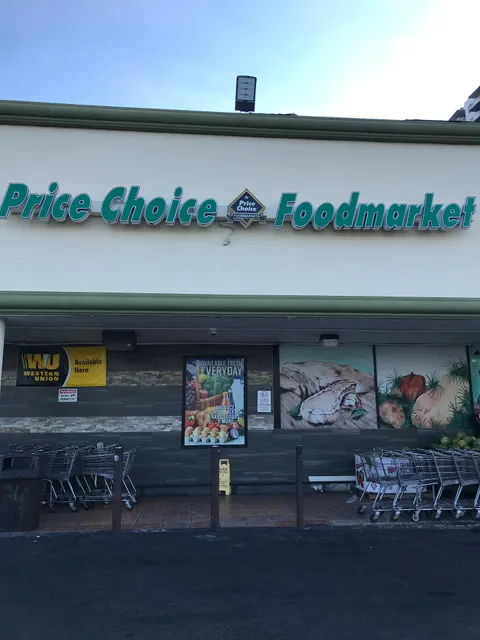
Price Choice Foodmarket 5
4.3
(931)
Click for details
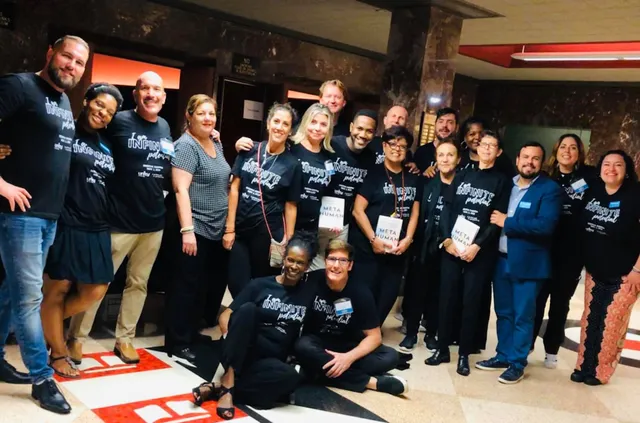
Unity on the Bay
4.7
(161)
Click for details

Aroma360
4.6
(3.1K)
Click for details
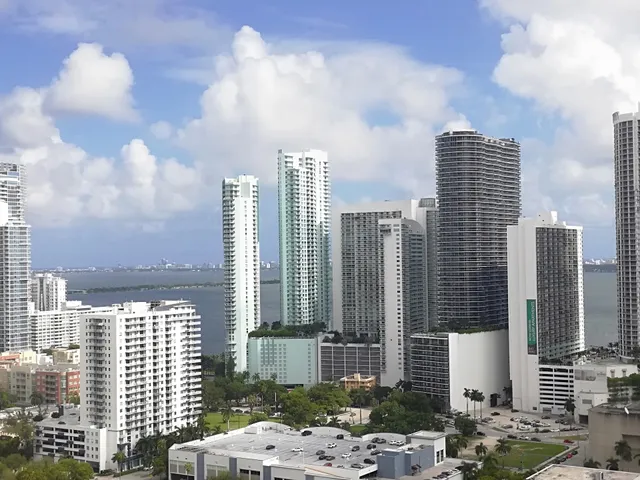
Canvas
4.3
(126)
Click for details


The hit list


Plan your trip with Wanderboat
Welcome to Wanderboat AI, your AI search for local Eats and Fun, designed to help you explore your city and the world with ease.
Powered by Wanderboat AI trip planner.