Prison Ship Martyrs Monument things to do, attractions, restaurants, events info and trip planning
Basic Info
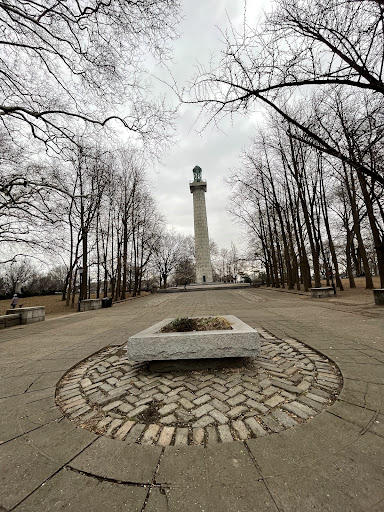
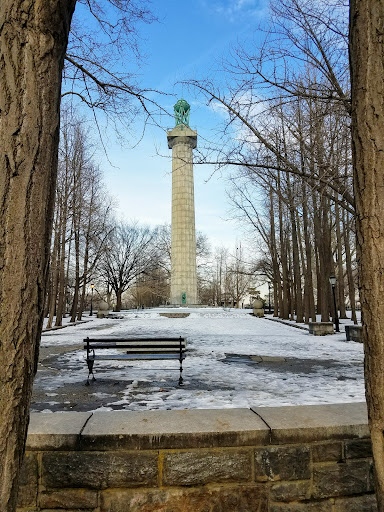
Prison Ship Martyrs Monument
Fort Greene Park Willoughby Ave. &, Washington Park, Brooklyn, NY 11201
4.6(104)
Open 24 hours
Save
spot
spot
Ratings & Description
Info
Cultural
Scenic
Family friendly
Accessibility
attractions: Fort Greene Park, Visitors Center at Fort Greene Park, Fort Greene Playground, BAM Strong, Long Island University Brooklyn, Brooklyn Academy of Music, BAM Harvey Theater, LIU Athletic Center, Kumble Theater, Albert J. Parham Playground, restaurants: Glin Thai Bistro, Café Paulette, Walter's, Farmer in the Deli, Miss Ada, Chung Chun Kitchen, Taqueria Green Valley, Woori Korean Restaurant, Petit Paulette, La Bicyclette Bakery, local businesses: Fort Greene Park, Fort Greene Park Greenmarket, Fort Greene Tennis Courts, Bravo Supermarkets, The Brooklyn Hospital Center, Sarai Yoga, [salon]718 Fort Greene, Brooklyn Paramount, Willoughby, BRIC
 Learn more insights from Wanderboat AI.
Phone
(718) 965-8900
Website
nycgovparks.org
Plan your stay

Pet-friendly Hotels in New York
Find a cozy hotel nearby and make it a full experience.

Affordable Hotels in New York
Find a cozy hotel nearby and make it a full experience.

The Coolest Hotels You Haven't Heard Of (Yet)
Find a cozy hotel nearby and make it a full experience.

Trending Stays Worth the Hype in New York
Find a cozy hotel nearby and make it a full experience.
Reviews
Live events
The Full-Day See It All NYC Tour
Sun, Feb 8 • 10:00 AM
New York, New York, 10019
View details
Guffaw at stand-up comedy in Brooklyn
Sun, Feb 8 • 7:00 PM
Brooklyn, New York, 11207
View details
Maxs Wake n’ Bake Tour
Mon, Feb 9 • 11:00 AM
New York, New York, 10025
View details
Nearby attractions of Prison Ship Martyrs Monument
Fort Greene Park
Visitors Center at Fort Greene Park
Fort Greene Playground
BAM Strong
Long Island University Brooklyn
Brooklyn Academy of Music
BAM Harvey Theater
LIU Athletic Center
Kumble Theater
Albert J. Parham Playground
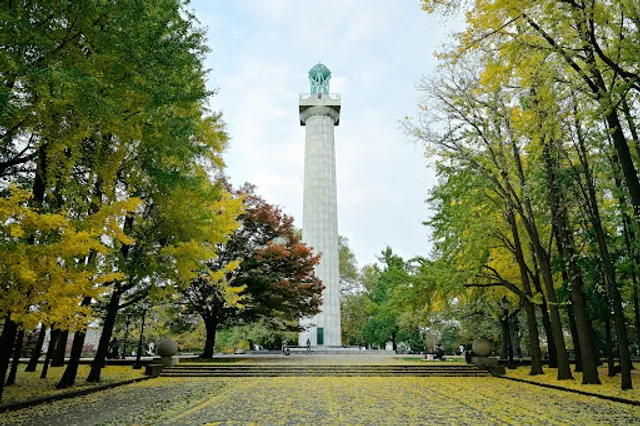
Fort Greene Park
4.6
(2.9K)
Closed
Click for details

Visitors Center at Fort Greene Park
4.4
(24)
Closed
Click for details
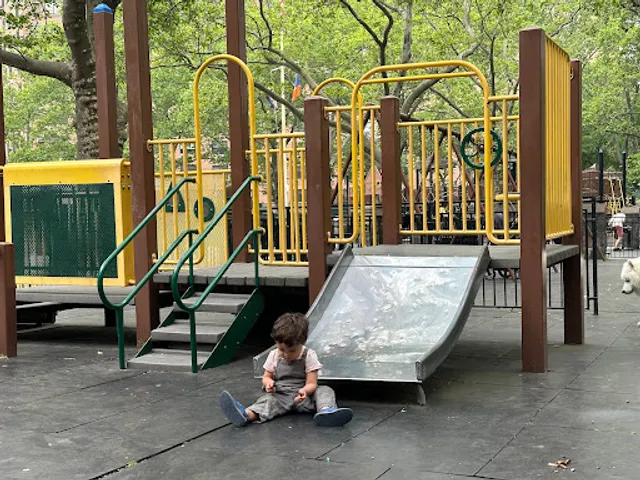
Fort Greene Playground
4.5
(65)
Closed
Click for details
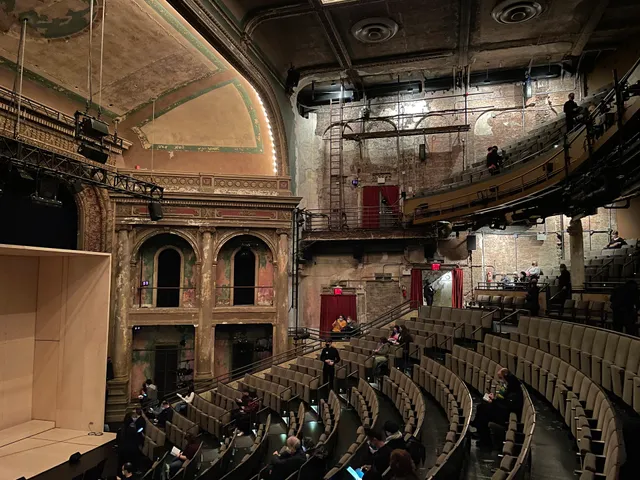
BAM Strong
4.5
(405)
Open 24 hours
Click for details
Nearby restaurants of Prison Ship Martyrs Monument
Glin Thai Bistro
Café Paulette
Walter's
Farmer in the Deli
Miss Ada
Chung Chun Kitchen
Taqueria Green Valley
Woori Korean Restaurant
Petit Paulette
La Bicyclette Bakery
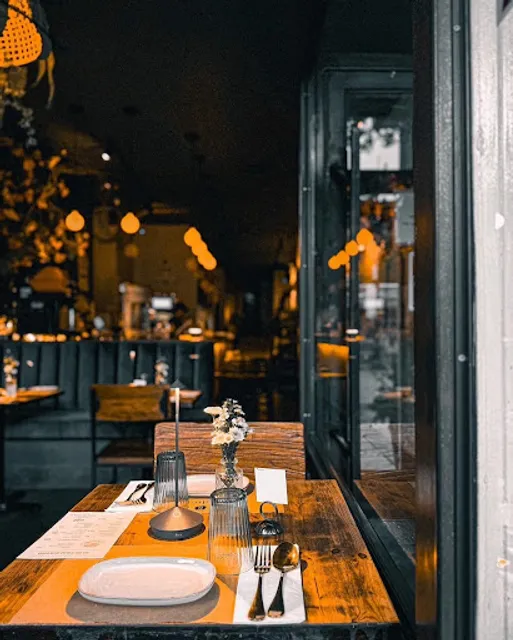
Glin Thai Bistro
4.9
(1.9K)
$$
Closed
Click for details
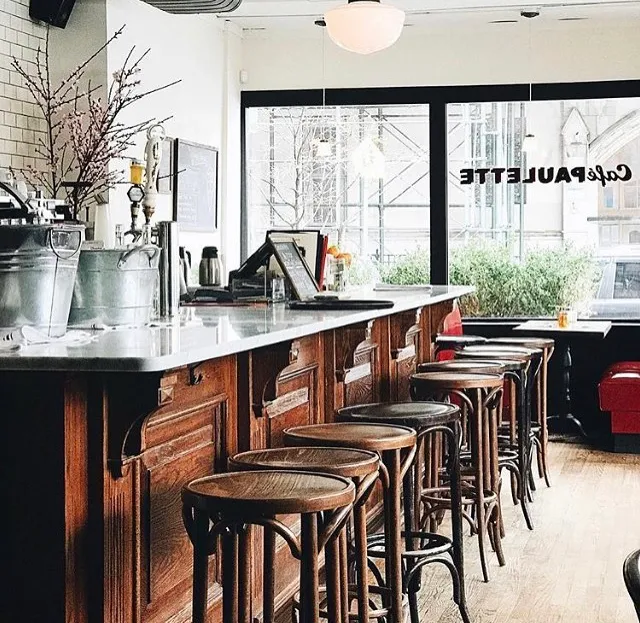
Café Paulette
4.4
(474)
$$
Closed
Click for details
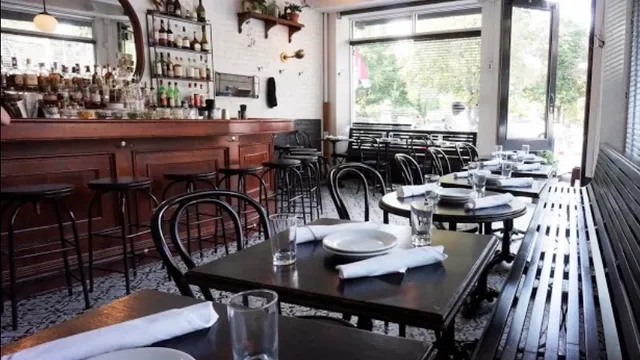
Walter's
4.4
(581)
$$
Closed
Click for details
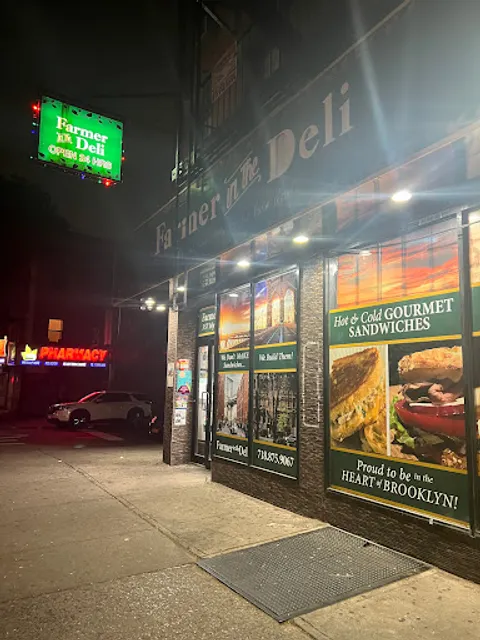
Farmer in the Deli
4.6
(848)
$
Open until 12:00 AM
Click for details
Nearby local services of Prison Ship Martyrs Monument
Fort Greene Park
Fort Greene Park Greenmarket
Fort Greene Tennis Courts
Bravo Supermarkets
The Brooklyn Hospital Center
Sarai Yoga
[salon]718 Fort Greene
Brooklyn Paramount
Willoughby
BRIC
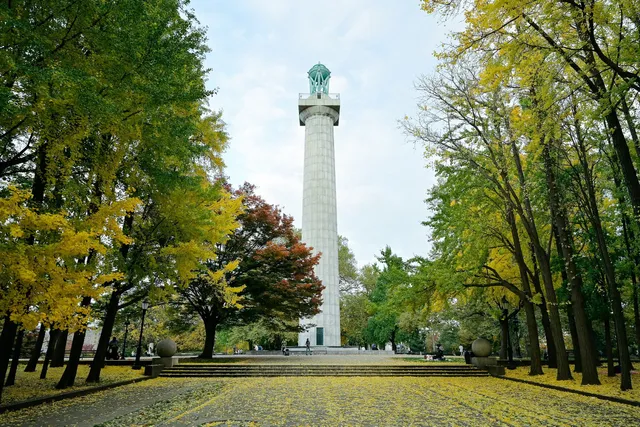
Fort Greene Park
4.6
(2.6K)
Click for details
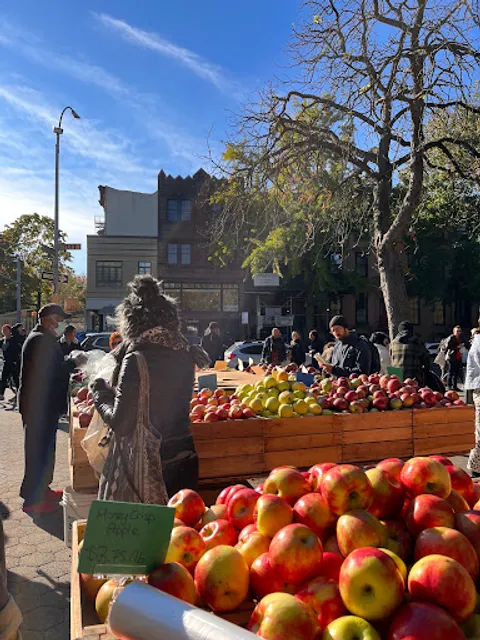
Fort Greene Park Greenmarket
4.6
(148)
Click for details
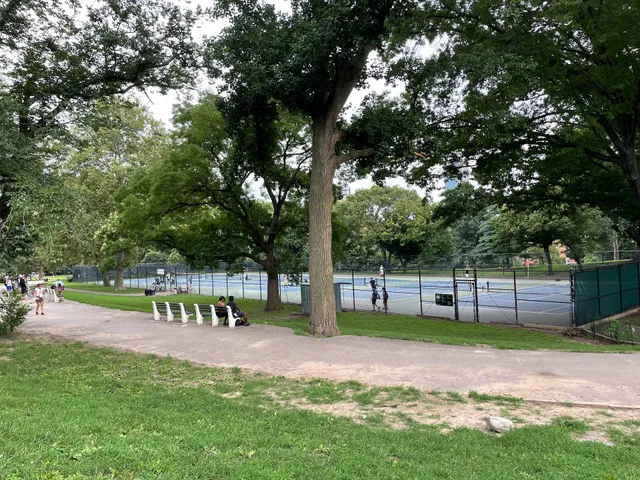
Fort Greene Tennis Courts
4.6
(64)
Click for details
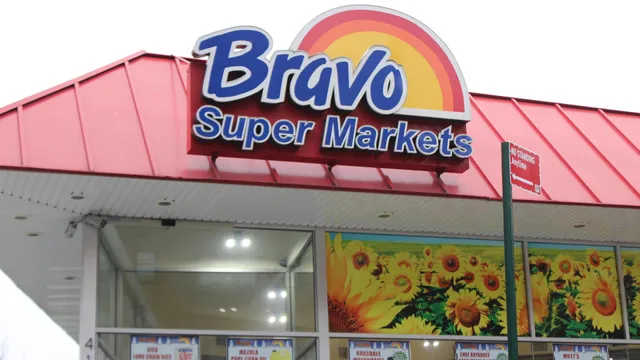
Bravo Supermarkets
3.6
(166)
Click for details