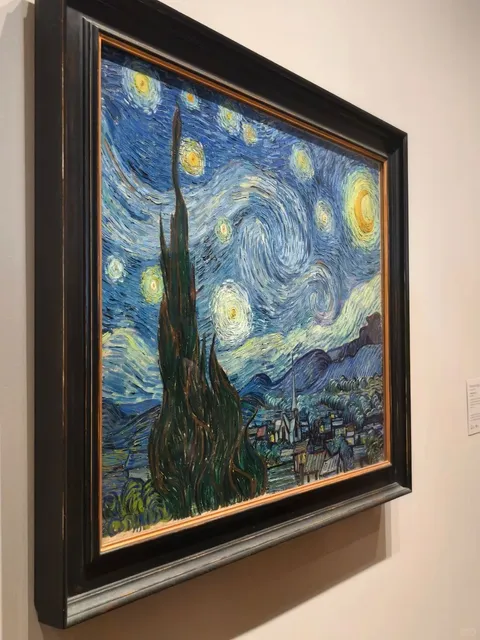
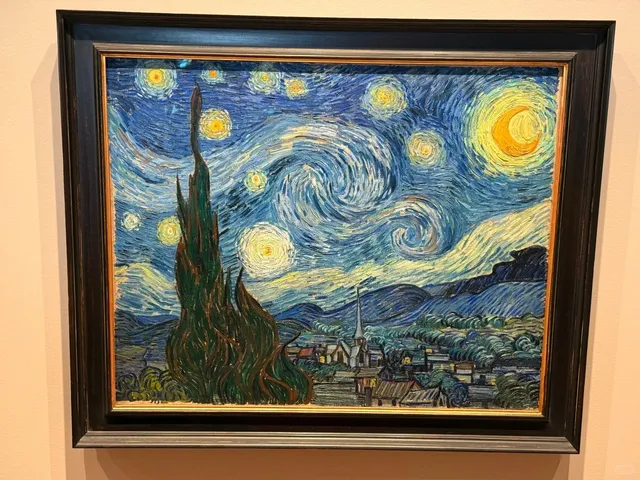
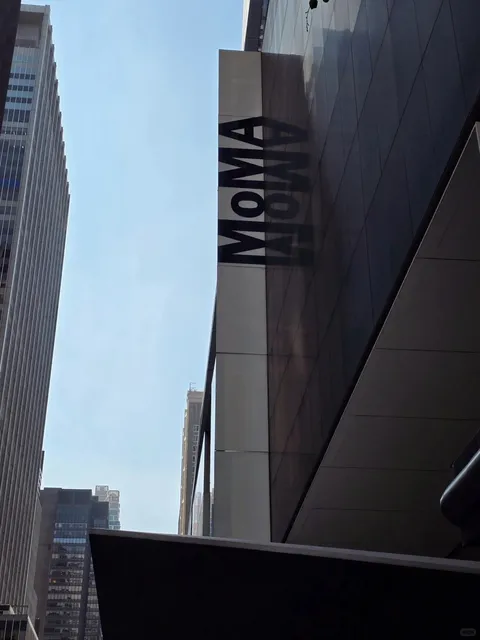
The Museum of Modern Art things to do, attractions, restaurants, events info and trip planning
Basic Info
The Museum of Modern Art
11 W 53rd St, New York, NY 10019
4.6(20K)
Open until 5:30 PM


tickets
Save
spot
spot
Ratings & Description
Info
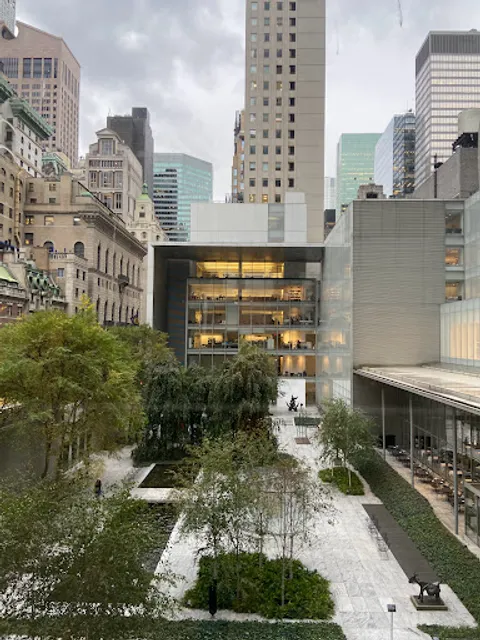
The Museum of Modern Art is an art museum located in Midtown Manhattan, New York City, on 53rd Street between Fifth and Sixth Avenues. It plays a major role in developing and collecting modern art and is often identified as one of the largest and most influential museums of modern art in the world.
Cultural
Accessibility
attractions: Rockefeller Center, Radio City Music Hall, St. Patrick's Cathedral, The Paley Center For Media NYC, 53rd Street Library, St. Thomas Church, Paley Park, Rough Trade Above, Rainbow Room, Cullman Education Center MoMA, restaurants: Thai Pavilion NYC, Fogo de Chão Brazilian Steakhouse, Nusr-Et Steakhouse New York, The Modern, La Bonne Soupe, 53, Il Corso, Benoit New York, Bill's Bar & Burger, PizzArte, local businesses: UNIQLO 5th Avenue, 75 Rockefeller Plaza, 75 Rockefeller Plaza, MoMA Design Store - Midtown, 666 Fifth Avenue, Nails & Spa Salon Midtown, NYC, Unlimited Biking, Nike House of Innovation NYC, G - Hair Salon, Highlights, Single Color, Balayage, Ombre, Lowlight, Women & Man Haircut's NYC,, GS Blow Dry Bar Midtown New York City
 Learn more insights from Wanderboat AI.
Phone
(212) 708-9400
Website
moma.org
Open hoursSee all hours
Mon10:30 AM - 5:30 PMOpen
Plan your stay

Pet-friendly Hotels in New York
Find a cozy hotel nearby and make it a full experience.

Affordable Hotels in New York
Find a cozy hotel nearby and make it a full experience.

The Coolest Hotels You Haven't Heard Of (Yet)
Find a cozy hotel nearby and make it a full experience.

Trending Stays Worth the Hype in New York
Find a cozy hotel nearby and make it a full experience.
Reviews
Live events
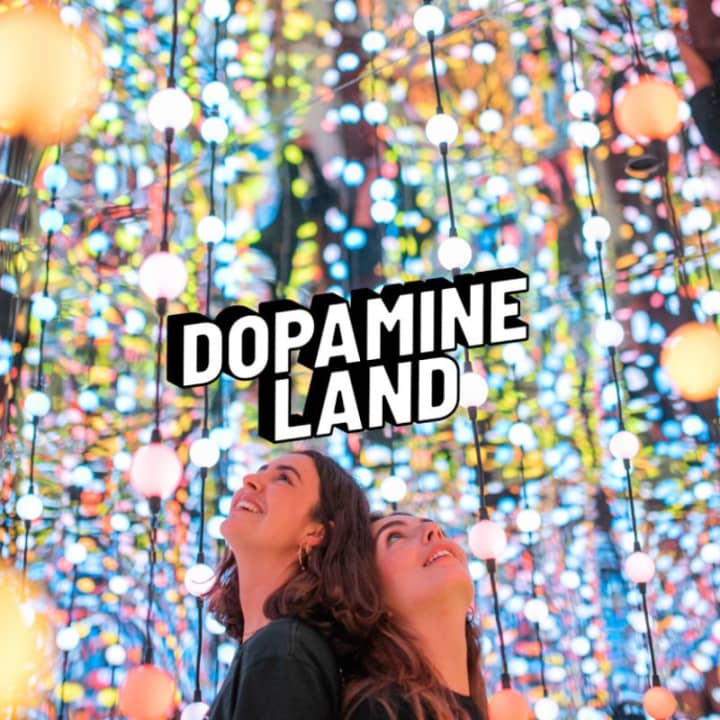
Dopamine Land: A Multisensory Experience
Mon, Feb 16 • 3:00 PM
One Garden State Plaza Pkwy, Paramus, 07652
View details

Thomas Paine and Rights of Man with Dr. Frances Chiu
Sat, Feb 21 • 4:00 PM
983 North Avenue New Rochelle, NY 10804
View details
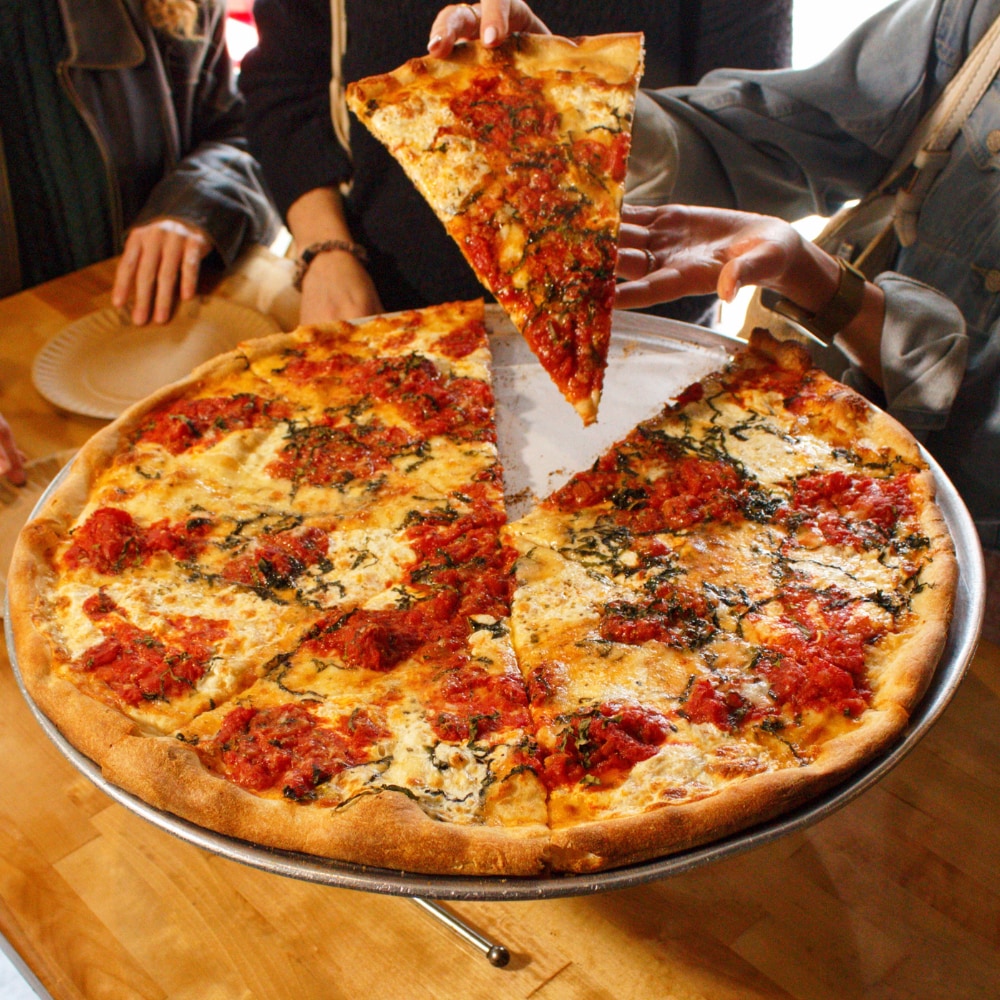
The Ultimate Greenwich Village Food Tour
Tue, Feb 17 • 10:30 AM
New York, New York, 10003
View details
Nearby attractions of The Museum of Modern Art
Rockefeller Center
Radio City Music Hall
St. Patrick's Cathedral
The Paley Center For Media NYC
53rd Street Library
St. Thomas Church
Paley Park
Rough Trade Above
Rainbow Room
Cullman Education Center MoMA
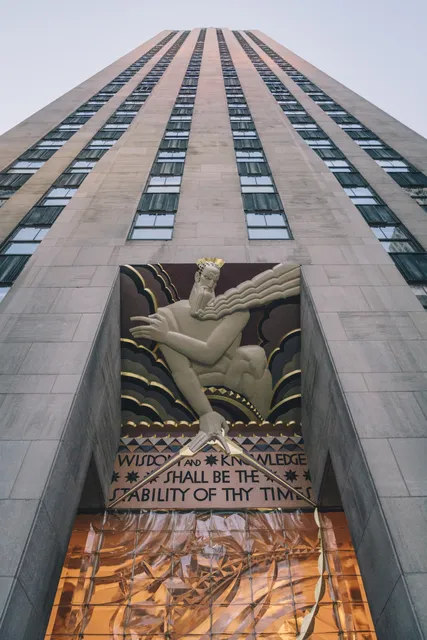
Rockefeller Center
4.7
(64.1K)
Open until 12:00 AM
Click for details
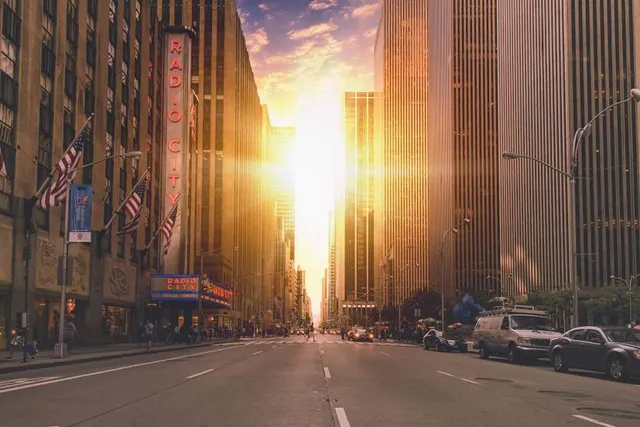
Radio City Music Hall
4.8
(10.2K)
Open 24 hours
Click for details
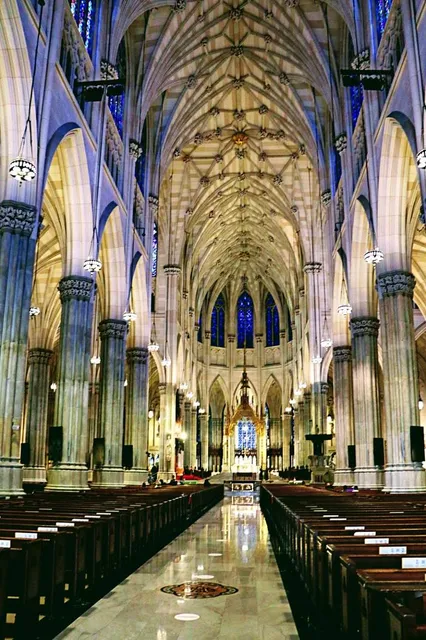
St. Patrick's Cathedral
4.8
(14.9K)
Open 24 hours
Click for details
The Paley Center For Media NYC
4.4
(334)
Open until 12:00 AM
Click for details
Nearby restaurants of The Museum of Modern Art
Thai Pavilion NYC
Fogo de Chão Brazilian Steakhouse
Nusr-Et Steakhouse New York
The Modern
La Bonne Soupe
53
Il Corso
Benoit New York
Bill's Bar & Burger
PizzArte

Thai Pavilion NYC
5.0
(10)
Open until 12:00 AM
Click for details
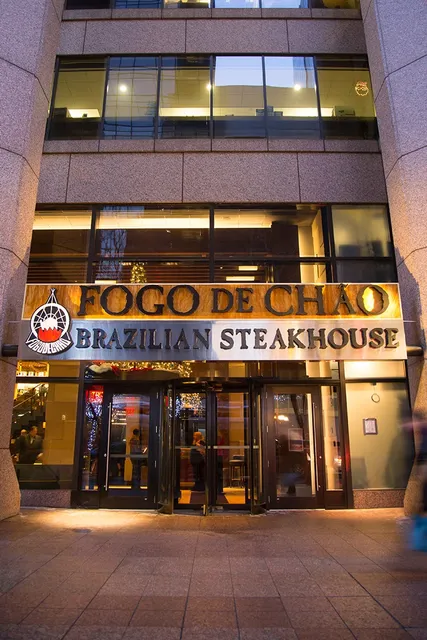
Fogo de Chão Brazilian Steakhouse
4.5
(4.2K)
$$$
Open until 10:30 PM
Click for details
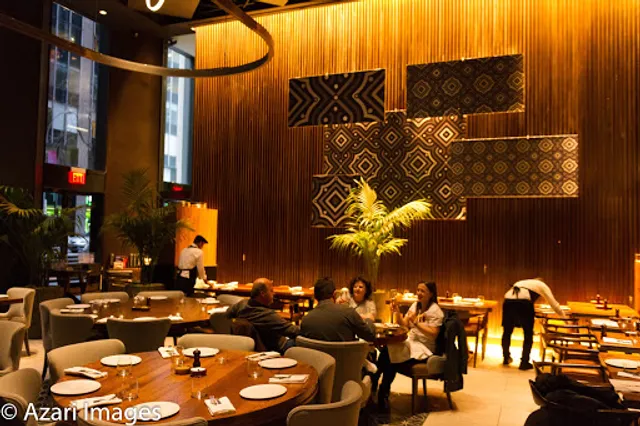
Nusr-Et Steakhouse New York
4.3
(2.2K)
$$$$
Open until 10:15 PM
Click for details
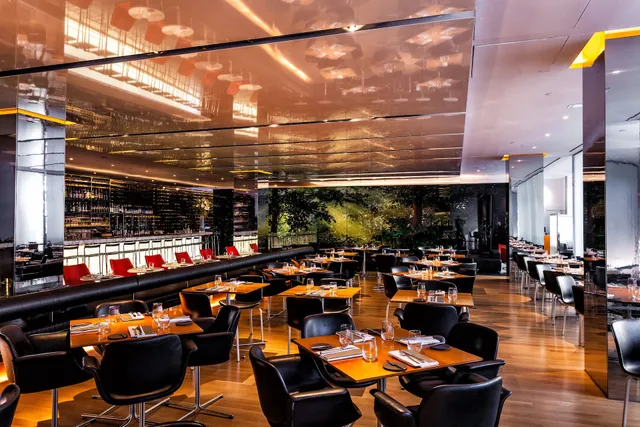
The Modern
4.6
(1.3K)
$$$$
Closed
Click for details
Nearby local services of The Museum of Modern Art
UNIQLO 5th Avenue
75 Rockefeller Plaza
75 Rockefeller Plaza
MoMA Design Store - Midtown
666 Fifth Avenue
Nails & Spa Salon Midtown, NYC
Unlimited Biking
Nike House of Innovation NYC
G - Hair Salon, Highlights, Single Color, Balayage, Ombre, Lowlight, Women & Man Haircut's NYC,
GS Blow Dry Bar Midtown New York City
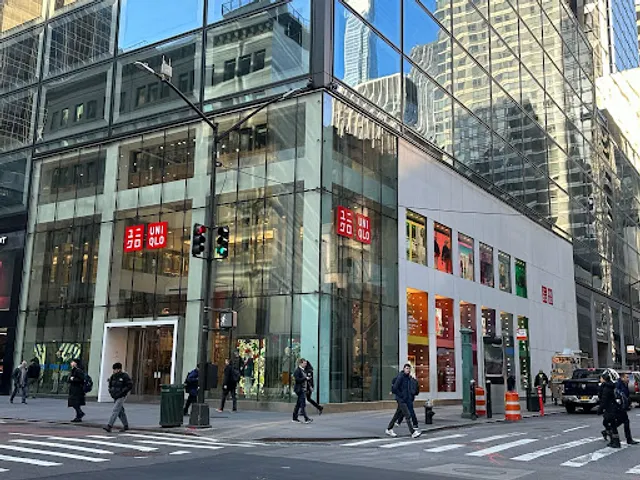
UNIQLO 5th Avenue
4.5
(3.4K)
Click for details
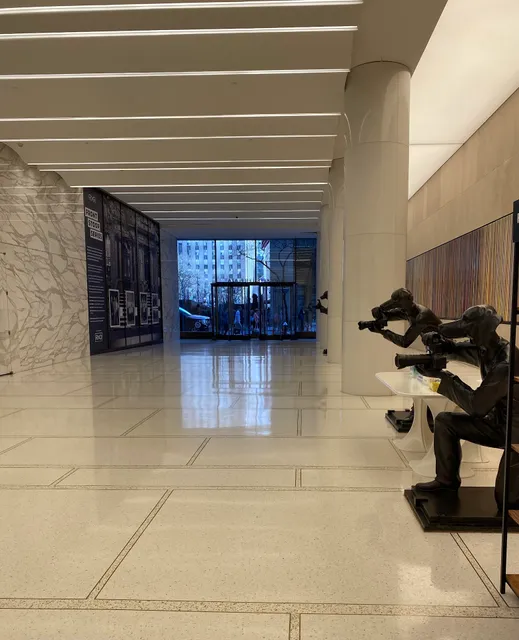
75 Rockefeller Plaza
4.5
(2.2K)
Click for details
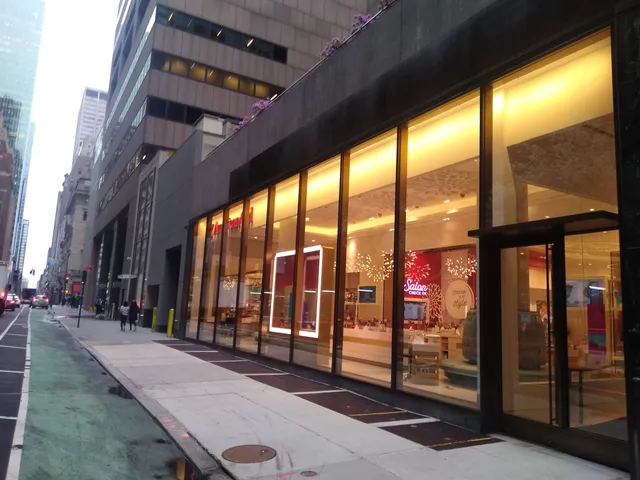
75 Rockefeller Plaza
4.7
(2.1K)
Click for details
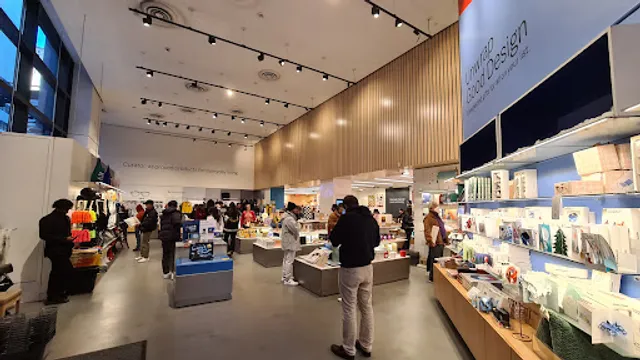
MoMA Design Store - Midtown
4.6
(364)
Click for details