Mission Santa Inés things to do, attractions, restaurants, events info and trip planning
Basic Info
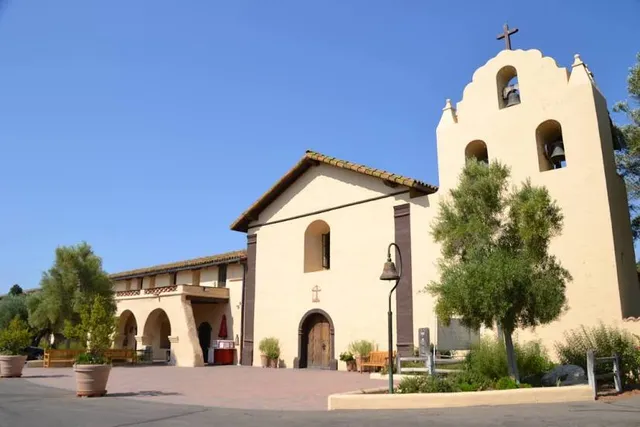
Mission Santa Inés
1760 Mission Dr, Solvang, CA 93463
4.7(519)
Closed


tickets
Save
spot
spot
Ratings & Description
Info
Mission Santa Inés was a Spanish mission in the present-day city of Solvang, California, and named after St. Agnes of Rome.
Cultural
Scenic
Family friendly
Accessibility
attractions: Solvang Windmill, Hans Christian Andersen Museum, Old Mission Santa Inés, Solvang Visitor Center, "The Little Mermaid" Fountain, Solvang, The Ultimate Escape Rooms, Solvang Village Square, Craft and Create: A DIY Lounge by Art Spot, Solvang Library, restaurants: Birkholm's Bakery & Cafe, Chomp, Solvang Bakery, Solvang Restaurant, Viking Garden Restaurant, Red Viking Restaurant, Viking Tower Pizza, Danish Mill Bakery, Toscana Italian Restaurant, Belgian Cafe, local businesses: Bee & Co. Solvang, Old Danish Fudge Kitchen, The Book Loft, Kings BarberShop, 1630 Mission Dr, Solvang Olive Press, Beef Jerky Experience, Swedish Candy Factory, All Purpose Flower Fine Catering & Events, Solvang - Veterans Memorial Hall
 Learn more insights from Wanderboat AI.
Phone
(805) 688-4815
Website
missionsantaines.org
Open hoursSee all hours
Tue9 AM - 4 PMClosed
Plan your stay

Pet-friendly Hotels in Solvang
Find a cozy hotel nearby and make it a full experience.

Affordable Hotels in Solvang
Find a cozy hotel nearby and make it a full experience.

The Coolest Hotels You Haven't Heard Of (Yet)
Find a cozy hotel nearby and make it a full experience.

Trending Stays Worth the Hype in Solvang
Find a cozy hotel nearby and make it a full experience.
Reviews
Live events

Savor the Valley: Cattle Ranch-Olive Grove-Picnic
Thu, Feb 12 • 9:30 AM
Solvang, California, 93463
View details

Reunión del borrador de actualización del Plan General de ECRG (presencial)
Thu, Feb 12 • 6:00 PM
9467 San Julian Road Gaviota, CA 93117
View details

Table 4 Tonight: Solvang | Dinner with Strangers small town edition
Thu, Feb 12 • 7:00 PM
Solvang Solvang, CA 93463
View details
Nearby attractions of Mission Santa Inés
Solvang Windmill
Hans Christian Andersen Museum
Old Mission Santa Inés
Solvang Visitor Center
"The Little Mermaid" Fountain
Solvang
The Ultimate Escape Rooms
Solvang Village Square
Craft and Create: A DIY Lounge by Art Spot
Solvang Library
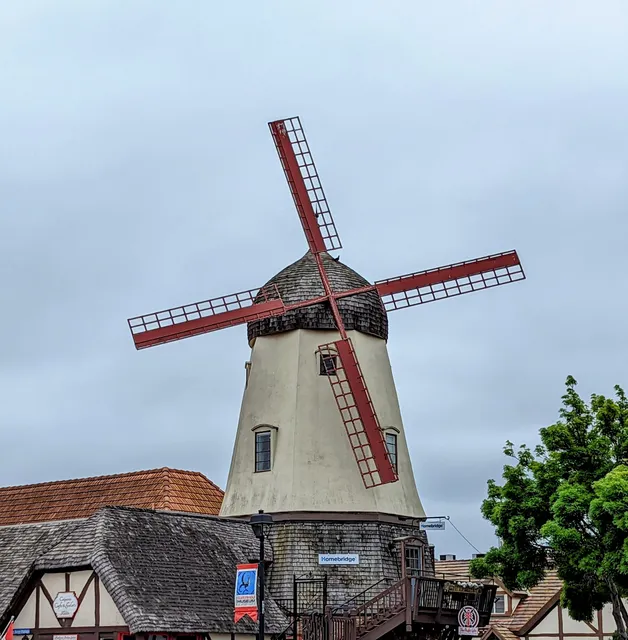
Solvang Windmill
4.7
(808)
Open until 12:00 AM
Click for details
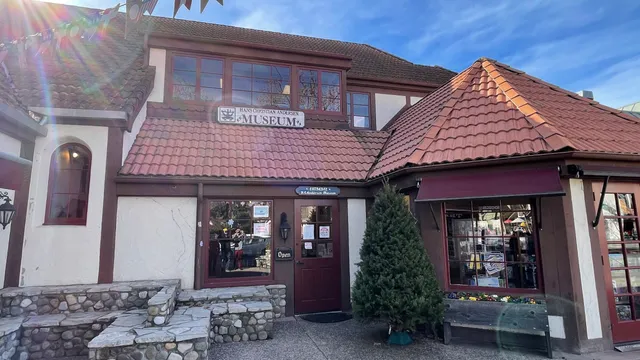
Hans Christian Andersen Museum
4.3
(241)
Closed
Click for details
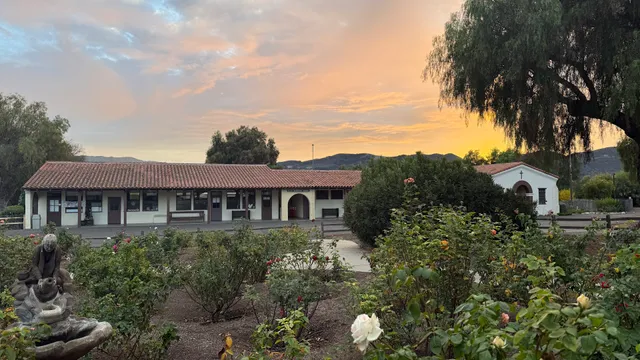
Old Mission Santa Inés
4.7
(14)
Closed
Click for details
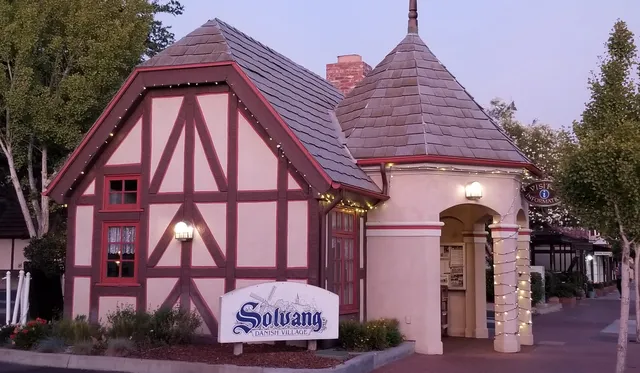
Solvang Visitor Center
4.6
(1.2K)
Closed
Click for details
Nearby restaurants of Mission Santa Inés
Birkholm's Bakery & Cafe
Chomp
Solvang Bakery
Solvang Restaurant
Viking Garden Restaurant
Red Viking Restaurant
Viking Tower Pizza
Danish Mill Bakery
Toscana Italian Restaurant
Belgian Cafe

Birkholm's Bakery & Cafe
4.4
(591)
$
Open until 12:00 AM
Click for details
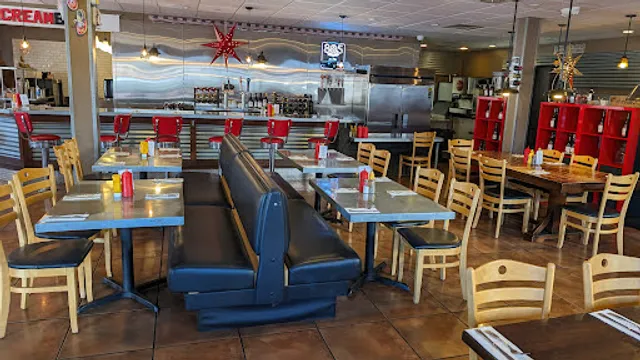
Chomp
4.3
(793)
$
Closed
Click for details
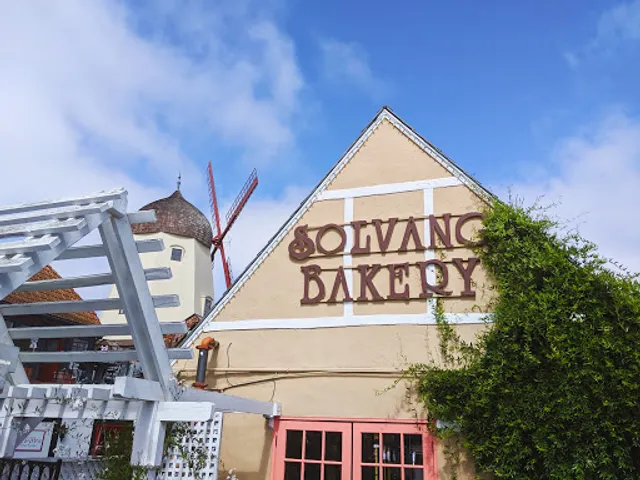
Solvang Bakery
4.6
(389)
$
Closed
Click for details
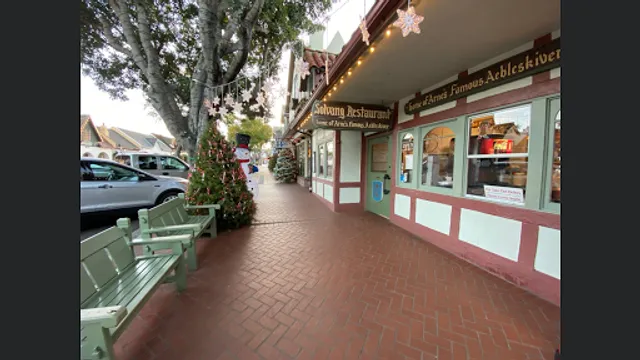
Solvang Restaurant
4.3
(1.3K)
$
Closed
Click for details
Nearby local services of Mission Santa Inés
Bee & Co. Solvang
Old Danish Fudge Kitchen
The Book Loft
Kings BarberShop
1630 Mission Dr
Solvang Olive Press
Beef Jerky Experience
Swedish Candy Factory
All Purpose Flower Fine Catering & Events
Solvang - Veterans Memorial Hall
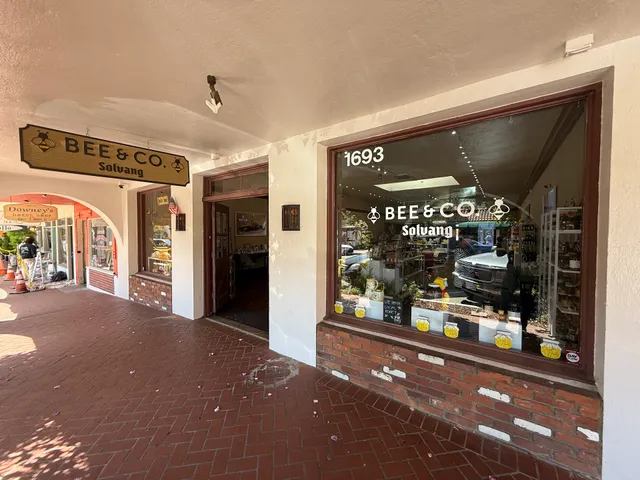
Bee & Co. Solvang
4.9
(314)
Click for details
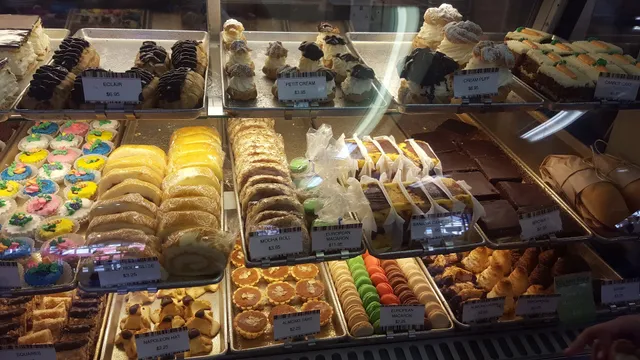
Old Danish Fudge Kitchen
4.3
(120)
Click for details
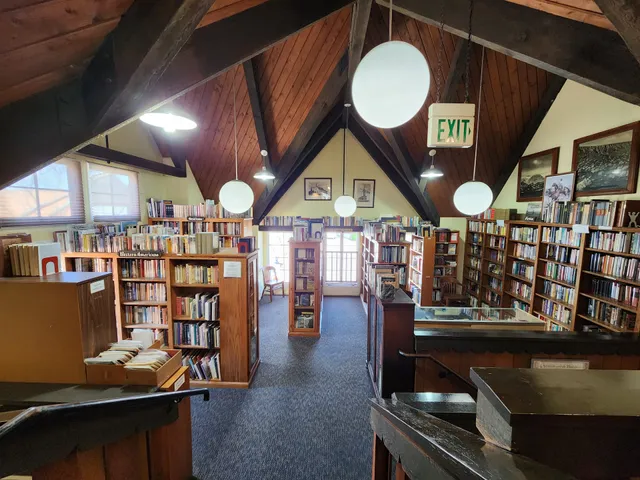
The Book Loft
4.7
(117)
Click for details
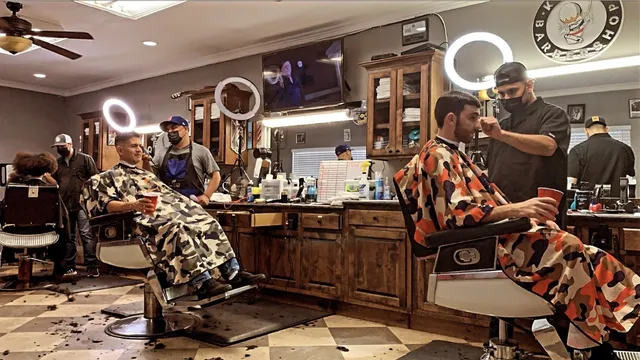
Kings BarberShop
4.8
(38)
Click for details