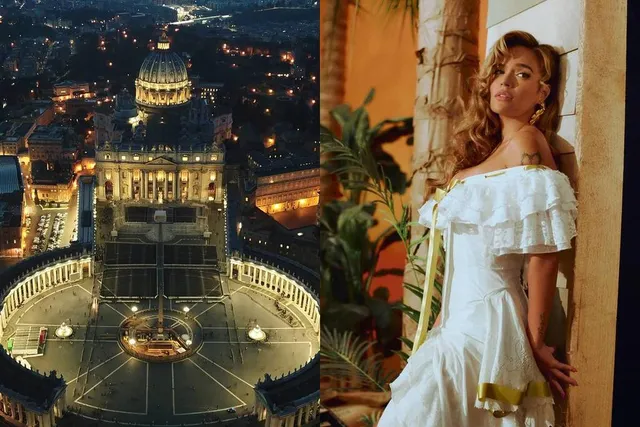
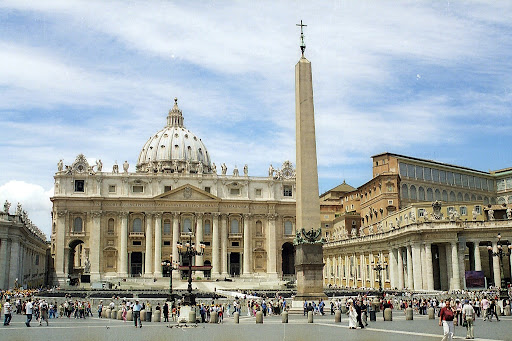
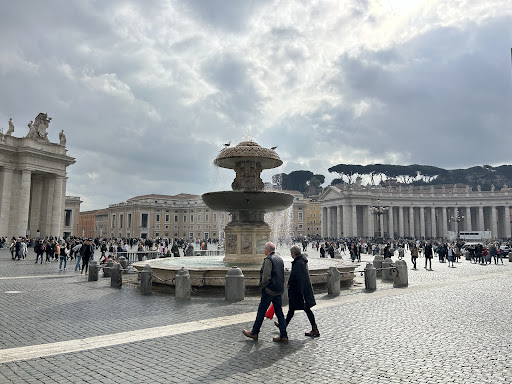
Saint Peter's Square things to do, attractions, restaurants, events info and trip planning
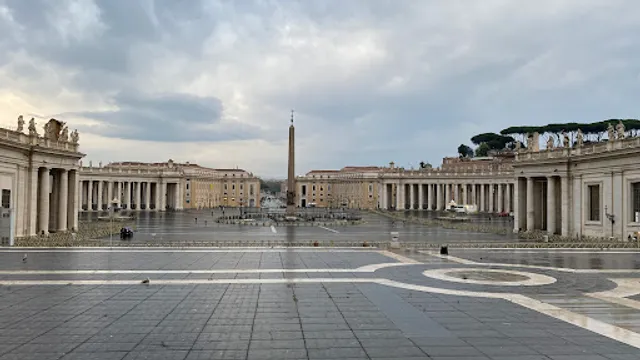
Vatican CitySaint Peter's Square
Basic Info
Saint Peter's Square
Piazza San Pietro, 00120 Città del Vaticano, Vatican City
4.8(15.9K)
Open until 6:30 PM
Save
spot
spot
Ratings & Description
Info
Cultural
Scenic
Accessibility
Family friendly
attractions: St. Peter Square Obelisk, St. Peter's Basilica, Sistine Chapel, Bernini Fountain, Maderno Fountain, Apostolic Palace, Chiesa di Sant'Anna dei Palafrenieri, La Pietà di Michelangelo, Vatican Museums, Paul VI Hall, restaurants: Ristorante Pizzeria Castello, Ristorante Da Marcello, Pizza Zizza, Restaurant "La Vittoria", Pancia Felice Fornaci, Ristorante Pizzeria Marcantonio, Pastasciutta, Scialla The Original Street Food, Ristorante Arlù, Tonnarello San Pietro, local businesses: Savelli Religious (Savelli Art and Tradition), Mondo Cattolico, Fontana delle Tiare, Guardia Svizzera Arco delle Campane, Vatican Pharmacy, Best In Rome Tour, Vatican Emporium - Religious Articles & Gifts, Vox Mundi, Massi Souvenir, HUMILIS Made in Assisi (Boutique Roma Vaticano)
 Learn more insights from Wanderboat AI.
Phone
+39 06 6988 2350
Open hoursSee all hours
Sat8:30 AM - 6:30 PMOpen
Plan your stay

Pet-friendly Hotels in Vatican City
Find a cozy hotel nearby and make it a full experience.

Affordable Hotels in Vatican City
Find a cozy hotel nearby and make it a full experience.

The Coolest Hotels You Haven't Heard Of (Yet)
Find a cozy hotel nearby and make it a full experience.

Trending Stays Worth the Hype in Vatican City
Find a cozy hotel nearby and make it a full experience.
Reviews
Live events
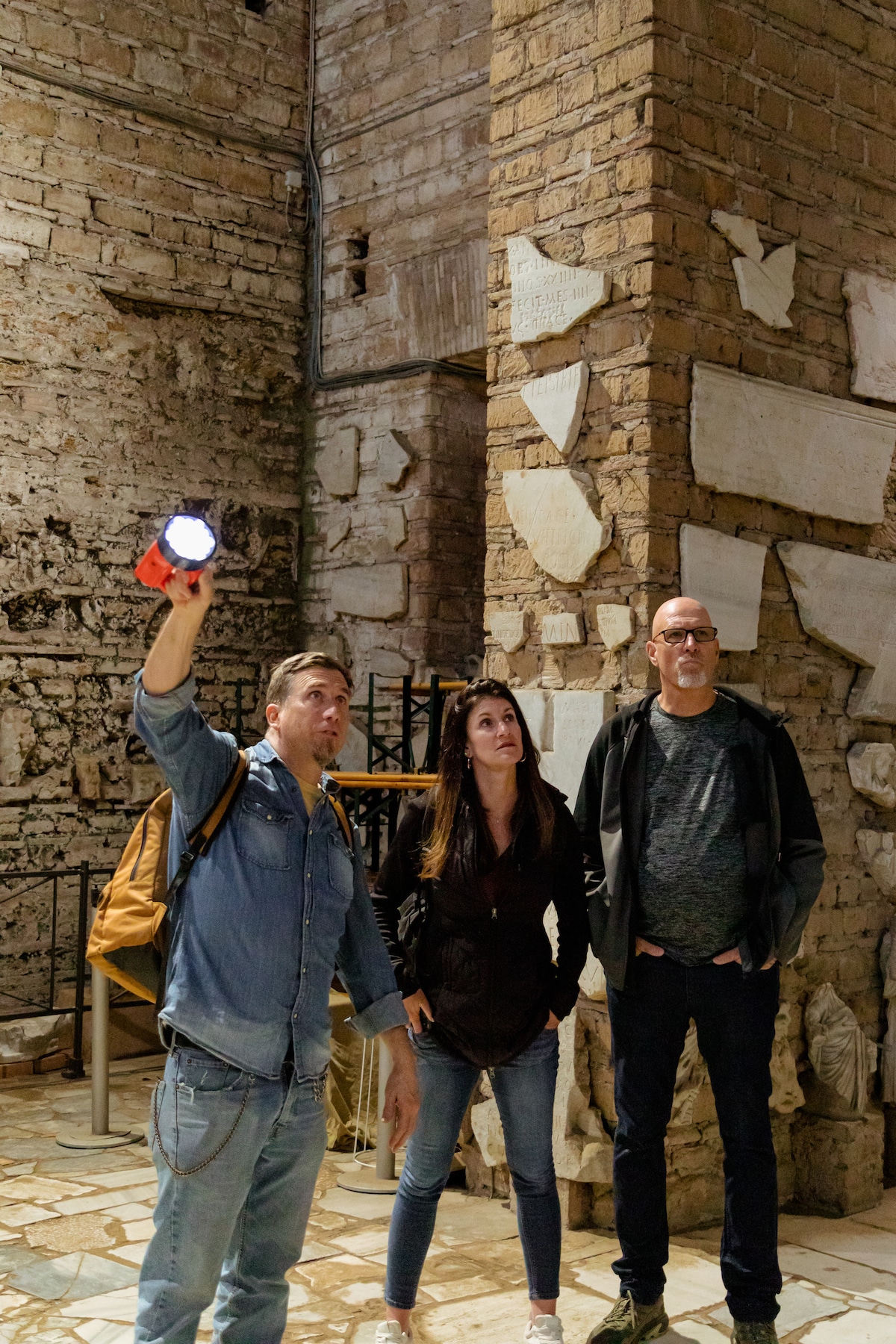
Skip the line to uncover the catacombs’ history
Sat, Feb 7 • 2:00 PM
00147, Rome, Lazio, Italy
View details
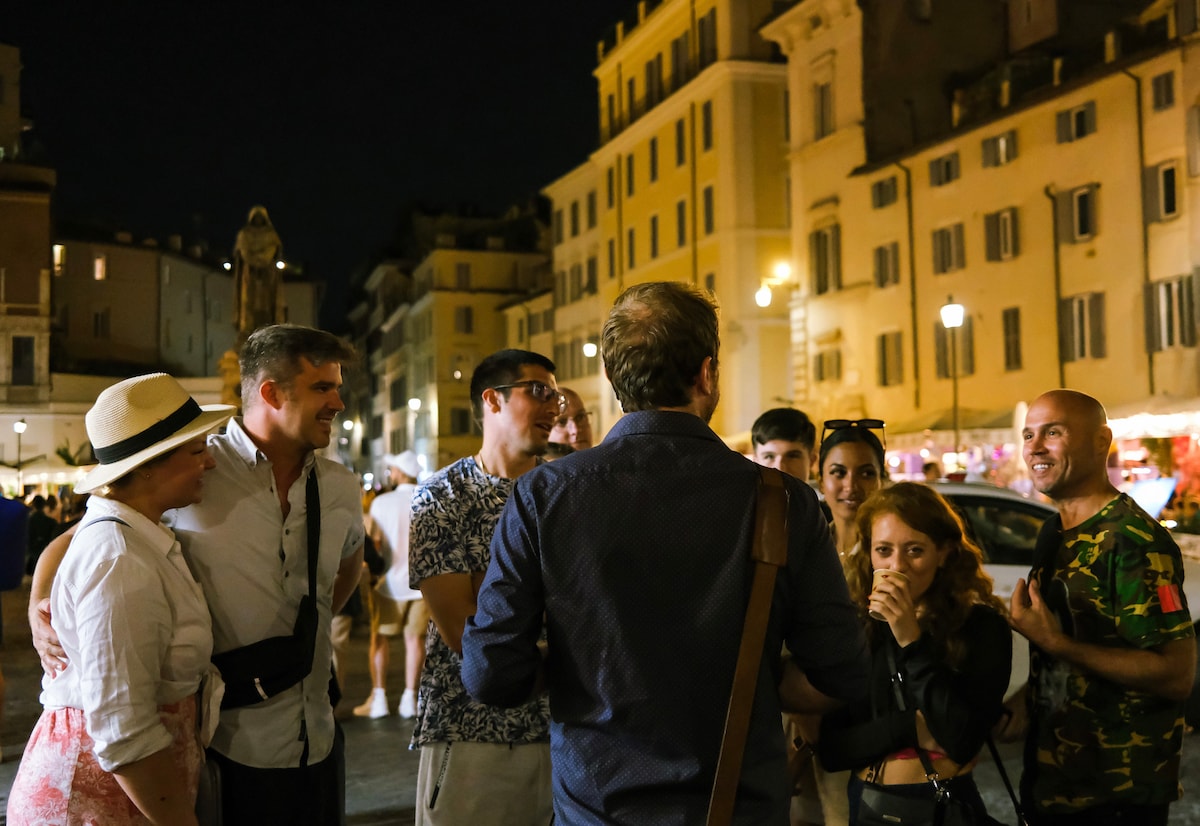
Rome’s Dark Side - Ghosts & Legends
Sat, Feb 7 • 8:00 PM
00186, Rome, Lazio, Italy
View details

Visit a 16th-century boutique winery
Sun, Feb 8 • 10:00 AM
00044, Frascati, Lazio, Italy
View details
Nearby attractions of Saint Peter's Square
St. Peter Square Obelisk
St. Peter's Basilica
Sistine Chapel
Bernini Fountain
Maderno Fountain
Apostolic Palace
Chiesa di Sant'Anna dei Palafrenieri
La Pietà di Michelangelo
Vatican Museums
Paul VI Hall
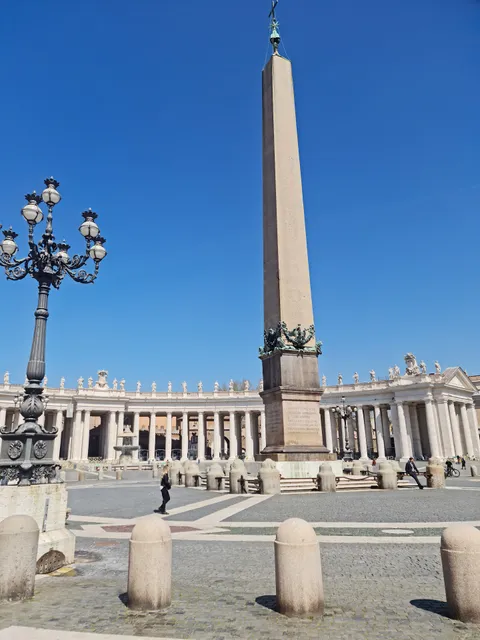
St. Peter Square Obelisk
4.8
(5.2K)
Open until 6:00 PM
Click for details
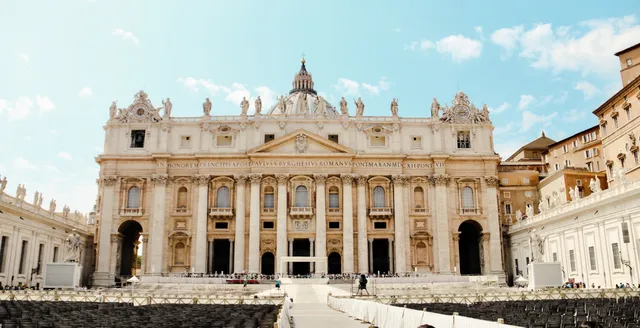
St. Peter's Basilica
4.8
(54.6K)
Open until 7:10 PM
Click for details
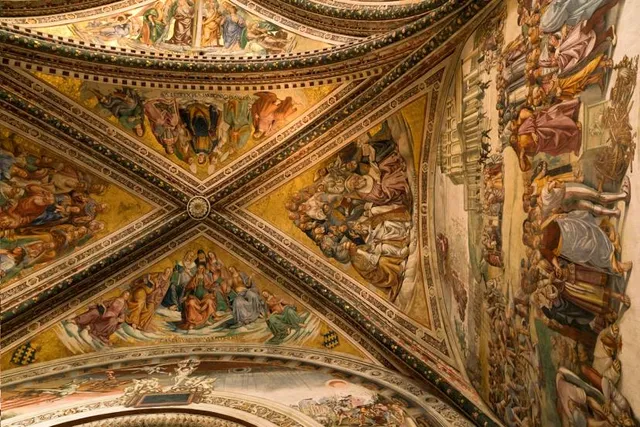
Sistine Chapel
4.7
(30.8K)
Open until 8:00 PM
Click for details
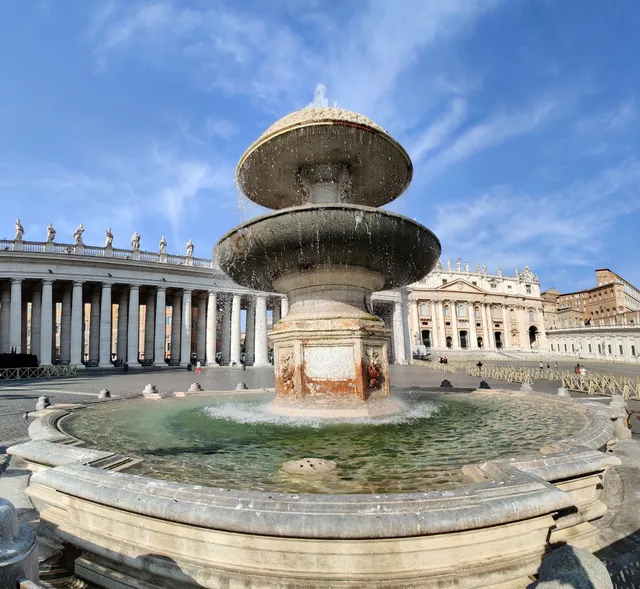
Bernini Fountain
4.7
(317)
Open until 12:00 AM
Click for details
Nearby restaurants of Saint Peter's Square
Ristorante Pizzeria Castello
Ristorante Da Marcello
Pizza Zizza
Restaurant "La Vittoria"
Pancia Felice Fornaci
Ristorante Pizzeria Marcantonio
Pastasciutta
Scialla The Original Street Food
Ristorante Arlù
Tonnarello San Pietro
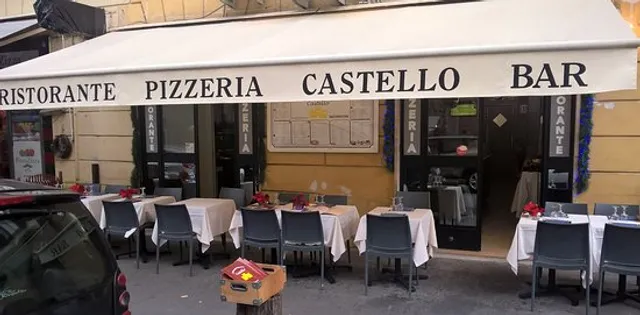
Ristorante Pizzeria Castello
4.7
(6.4K)
Open until 11:00 PM
Click for details
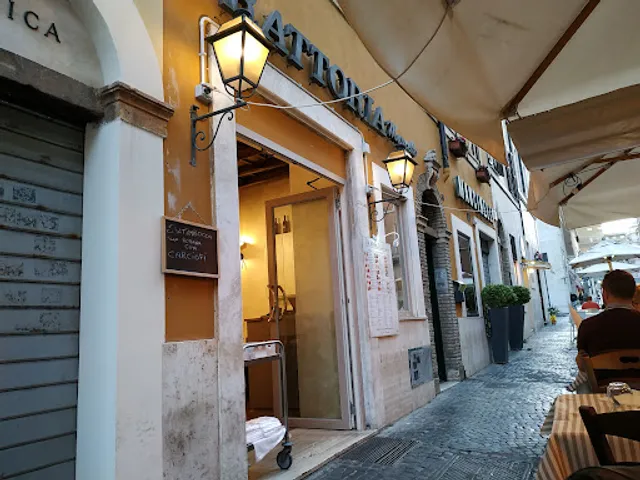
Ristorante Da Marcello
4.6
(2.3K)
Open until 9:30 PM
Click for details
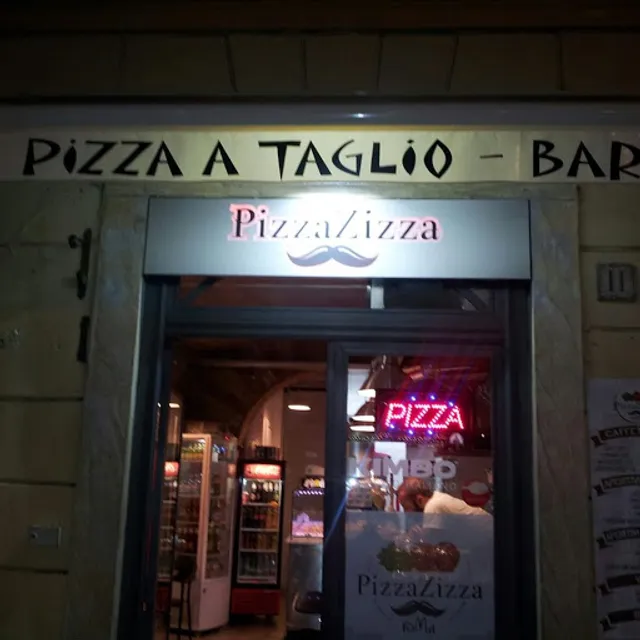
Pizza Zizza
4.7
(1.6K)
Open until 7:00 PM
Click for details
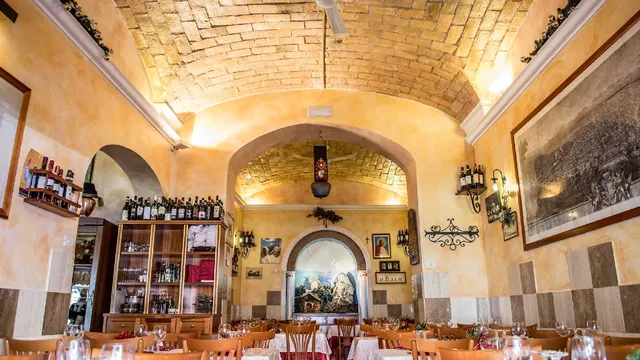
Restaurant "La Vittoria"
4.5
(2.2K)
Open until 12:00 AM
Click for details
Nearby local services of Saint Peter's Square
Savelli Religious (Savelli Art and Tradition)
Mondo Cattolico
Fontana delle Tiare
Guardia Svizzera Arco delle Campane
Vatican Pharmacy
Best In Rome Tour
Vatican Emporium - Religious Articles & Gifts
Vox Mundi
Massi Souvenir
HUMILIS Made in Assisi (Boutique Roma Vaticano)
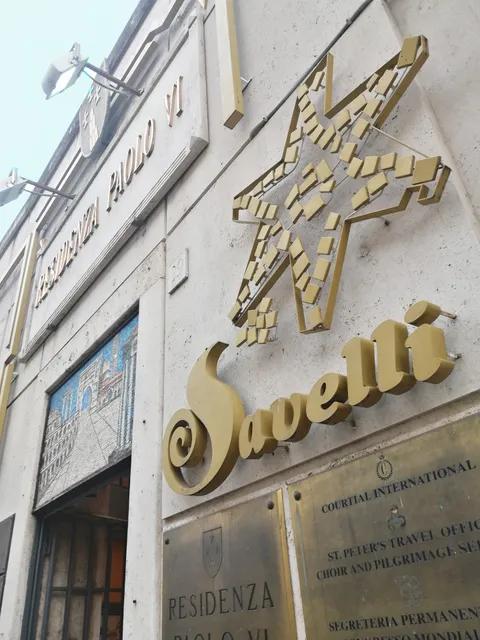
Savelli Religious (Savelli Art and Tradition)
4.7
(299)
Click for details
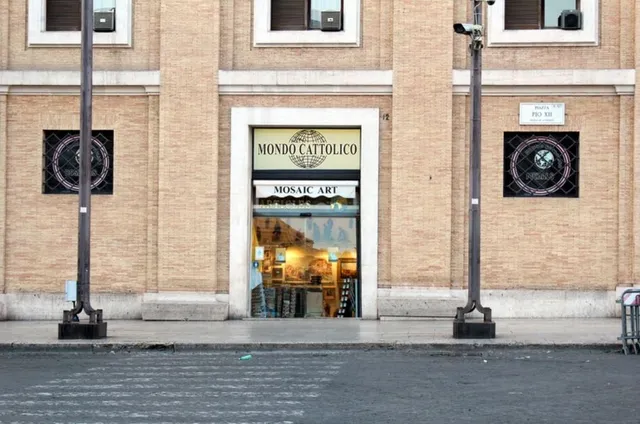
Mondo Cattolico
3.8
(199)
Click for details

Fontana delle Tiare
4.6
(114)
Click for details
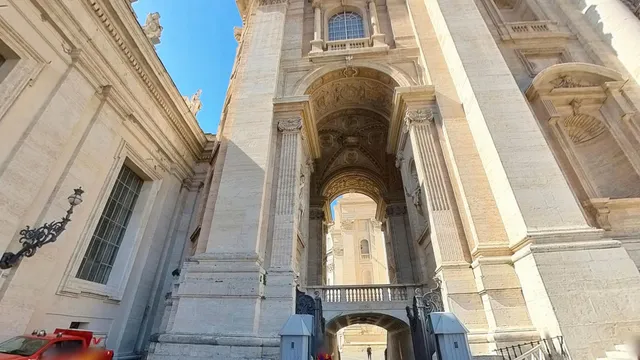
Guardia Svizzera Arco delle Campane
4.7
(89)
Click for details