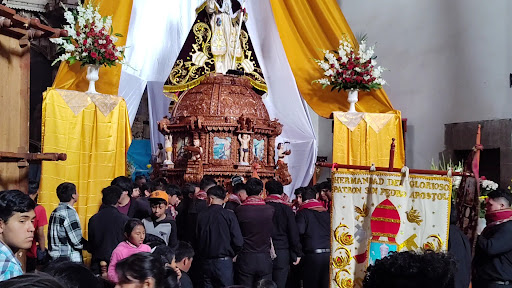
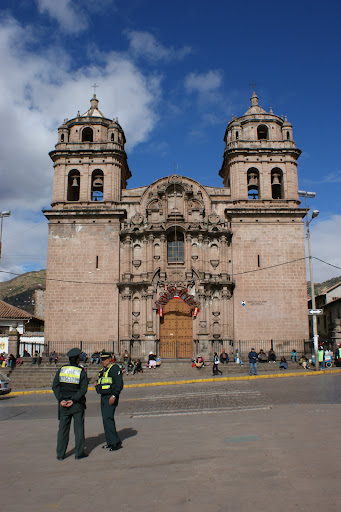
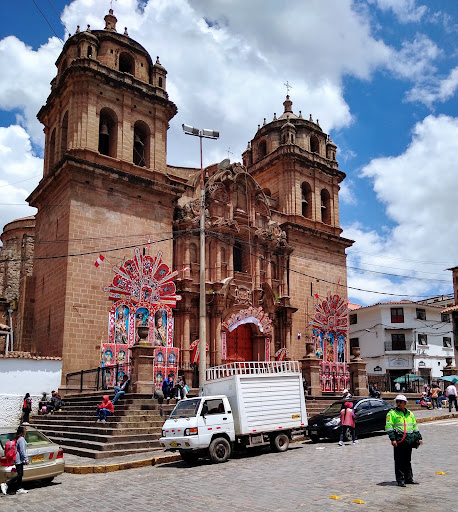
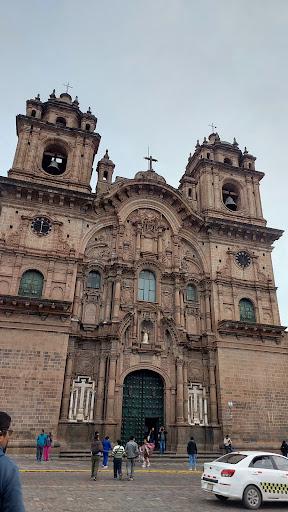
St. Peter's Church things to do, attractions, restaurants, events info and trip planning
Basic Info
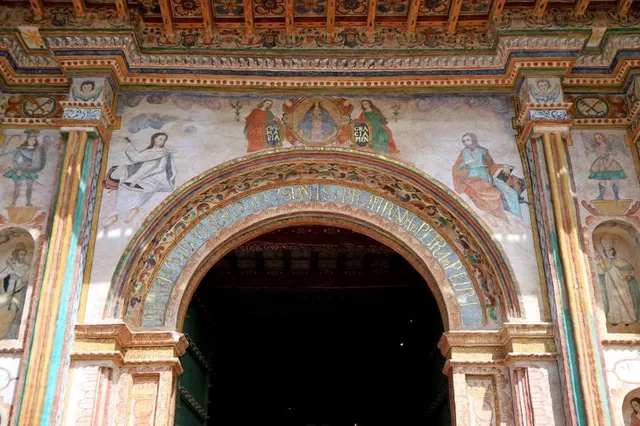
St. Peter's Church
F2H8+MH4, Cascaparo, Cusco 08002, Peru
4.5(72)
Closed
Save
spot
spot
Ratings & Description
Info
Cultural
Family friendly
Accessibility
attractions: Museo y Catacumbas del Convento de San Francisco de Asís de Cusco, Regional Historical Museum of Cusco, Basilica Menor de la Merced, Cuzco Main Square, Museum of Contemporary Art of the Municipality of Cusco, Museo de Arte Popular, Centro Histórico, Plazoleta Espinar, Machu Picchu Tours Cusco | Luxury Travel and Trips in Peru, Parque de la Madre, restaurants: Restaurante y pizzería URPI, Green Falafel Cusco, Stone Pizzas, MORAY Restaurant, SUSHINCARIO, Mistura Marina - Cevicheria, Veggie Food, GARHWAL Indian restaurant &. cooking classes, Café RICCHARY, Café Carbel, local businesses: Barber shop "Scrapy coco" exclusive man's club, Temple Saint Clare of Assisi, Alpaca Expeditions, Inkan Milky Way Cusco, Iglesia, Museo y Convento de San Francisco, Ancestral Tattoo Studio, Machu Picchu Reservations, San Francisco, AB Expeditions Local Inca Trail Operator, Don Peru Tours - Agencia de Viajes en Cusco Peru
 Learn more insights from Wanderboat AI.
Phone
+51 247207
Website
arzobispadodelcusco.org
Open hoursSee all hours
Sat7 AM - 9 PMClosed
Plan your stay

Pet-friendly Hotels in Distrito de Cusco
Find a cozy hotel nearby and make it a full experience.

Affordable Hotels in Distrito de Cusco
Find a cozy hotel nearby and make it a full experience.

The Coolest Hotels You Haven't Heard Of (Yet)
Find a cozy hotel nearby and make it a full experience.

Trending Stays Worth the Hype in Distrito de Cusco
Find a cozy hotel nearby and make it a full experience.
Reviews
Live events

Horseback riding through four hidden temples
Sat, Feb 21 • 8:30 AM
Cusco, 08003, Cusco, Peru
View details
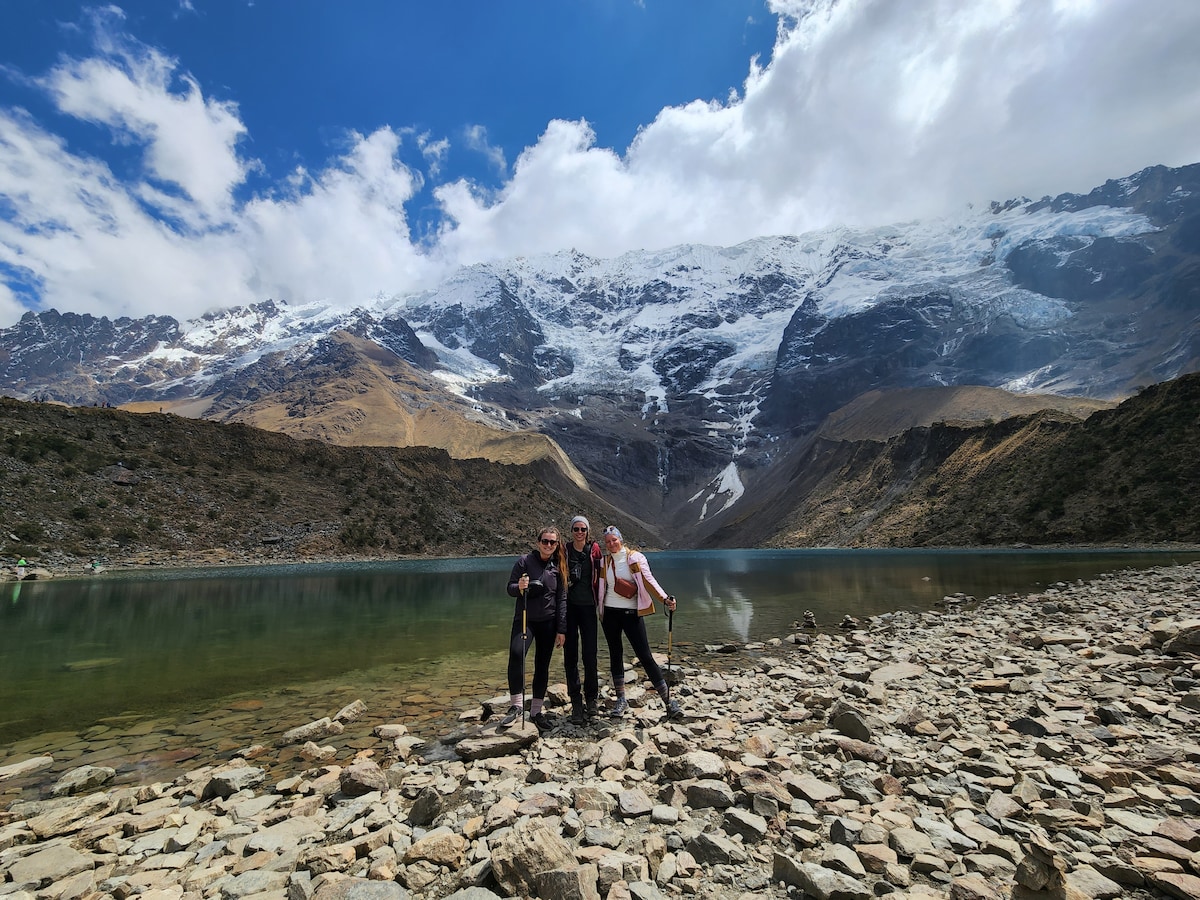
Hike to Humantay Lagoon in one day
Sat, Feb 21 • 4:30 AM
Cusco, 08002, Cuzco, Peru
View details
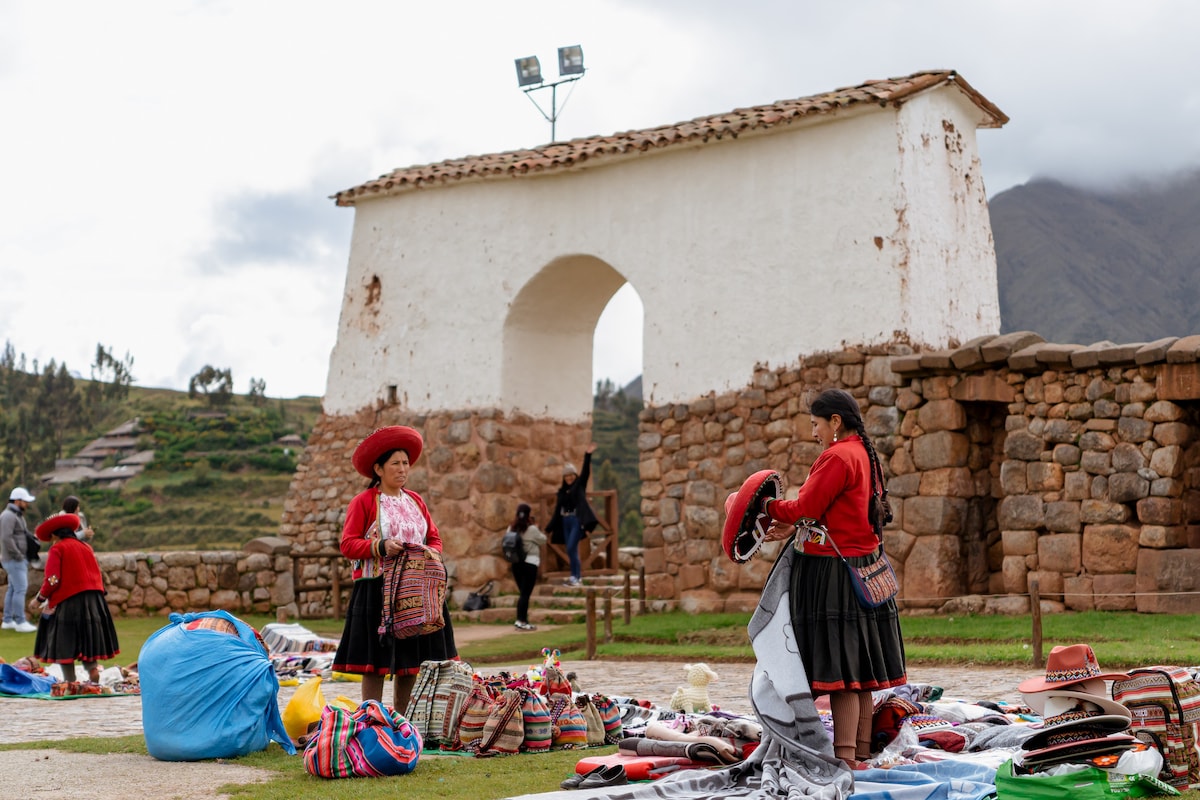
Explore the Sacred valley of the Incas
Sat, Feb 21 • 6:30 AM
Cusco, 08002, Cusco, Peru
View details
Nearby attractions of St. Peter's Church
Museo y Catacumbas del Convento de San Francisco de Asís de Cusco
Regional Historical Museum of Cusco
Basilica Menor de la Merced
Cuzco Main Square
Museum of Contemporary Art of the Municipality of Cusco
Museo de Arte Popular
Centro Histórico
Plazoleta Espinar
Machu Picchu Tours Cusco | Luxury Travel and Trips in Peru
Parque de la Madre
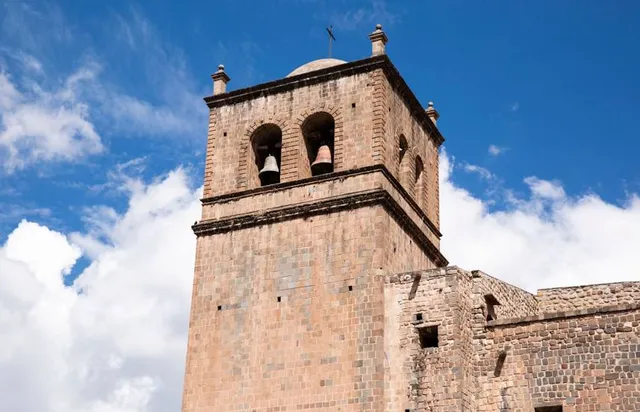
Museo y Catacumbas del Convento de San Francisco de Asís de Cusco
4.6
(208)
Closed
Click for details
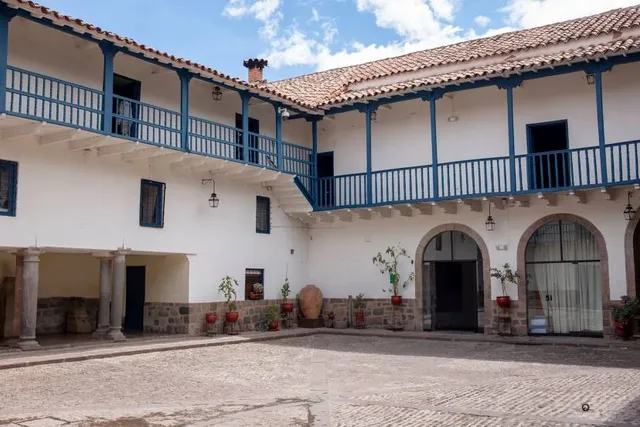
Regional Historical Museum of Cusco
4.4
(714)
Closed
Click for details
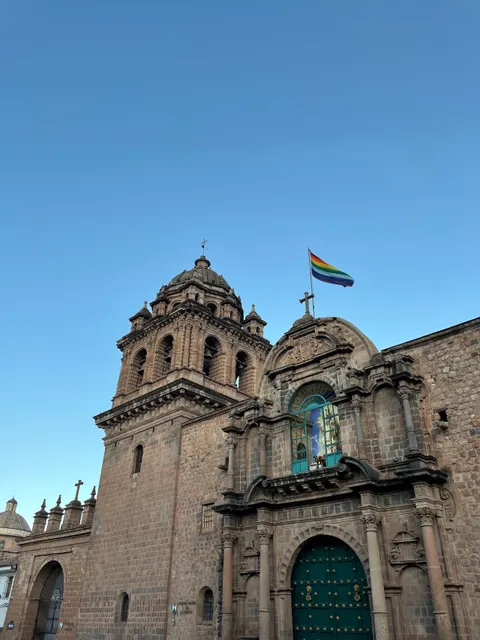
Basilica Menor de la Merced
4.5
(294)
Closed
Click for details
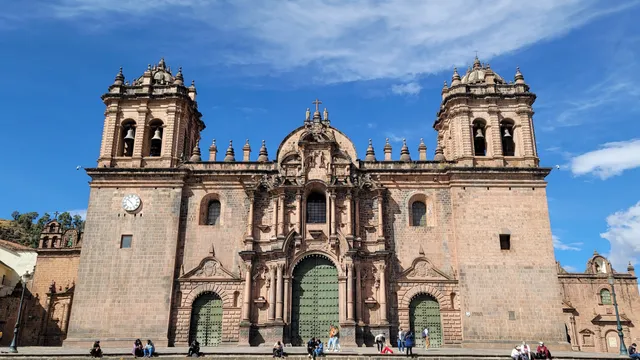
Cuzco Main Square
4.8
(1.4K)
Closed
Click for details
Nearby restaurants of St. Peter's Church
Restaurante y pizzería URPI
Green Falafel Cusco
Stone Pizzas
MORAY Restaurant
SUSHINCARIO
Mistura Marina - Cevicheria
Veggie Food
GARHWAL Indian restaurant &. cooking classes
Café RICCHARY
Café Carbel
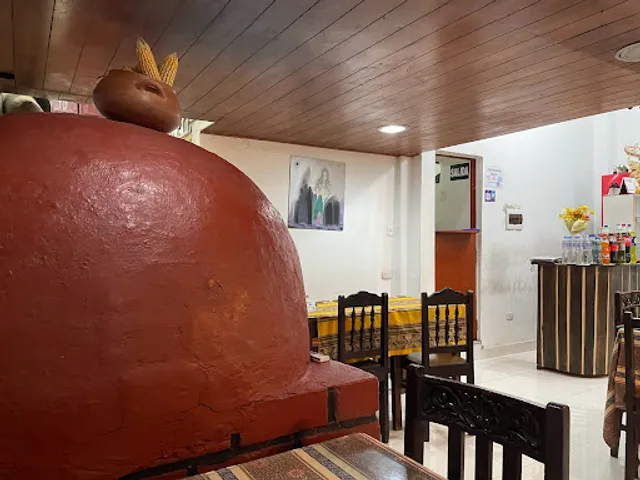
Restaurante y pizzería URPI
4.6
(105)
Closed
Click for details
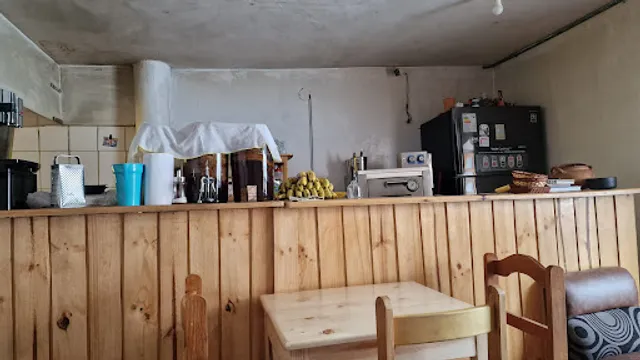
Green Falafel Cusco
4.6
(377)
Closed
Click for details
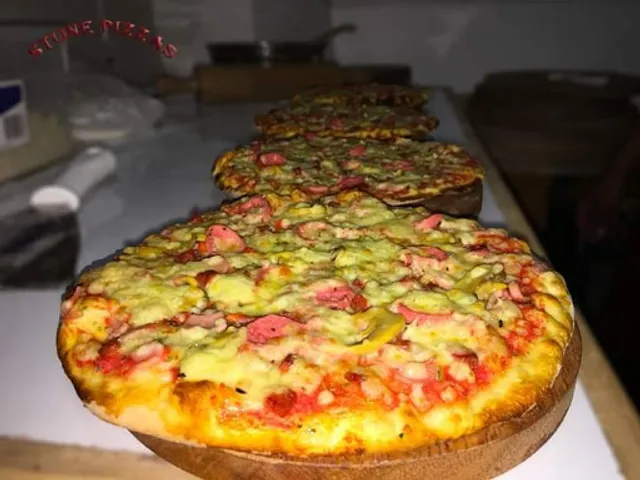
Stone Pizzas
4.7
(71)
Closed
Click for details
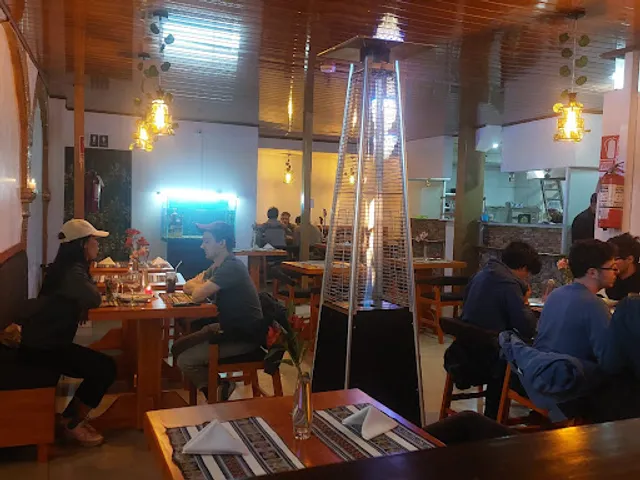
MORAY Restaurant
4.9
(522)
Closed
Click for details
Nearby local services of St. Peter's Church
Barber shop "Scrapy coco" exclusive man's club
Temple Saint Clare of Assisi
Alpaca Expeditions
Inkan Milky Way Cusco
Iglesia, Museo y Convento de San Francisco
Ancestral Tattoo Studio
Machu Picchu Reservations
San Francisco
AB Expeditions Local Inca Trail Operator
Don Peru Tours - Agencia de Viajes en Cusco Peru
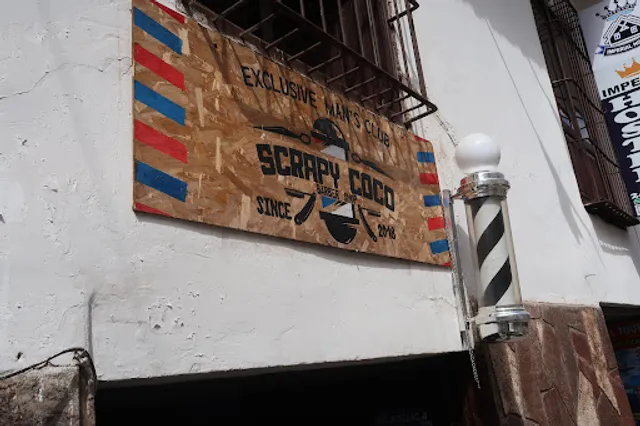
Barber shop "Scrapy coco" exclusive man's club
4.9
(394)
Click for details
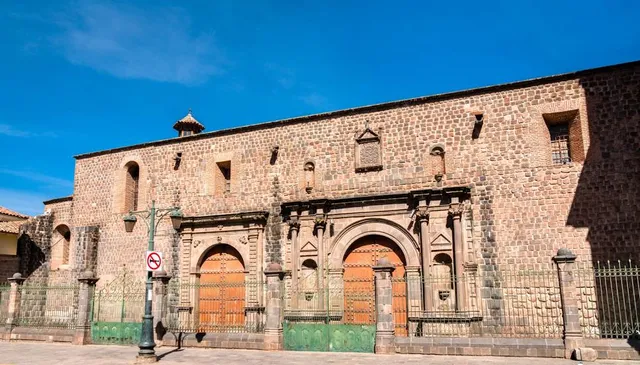
Temple Saint Clare of Assisi
4.5
(35)
Click for details
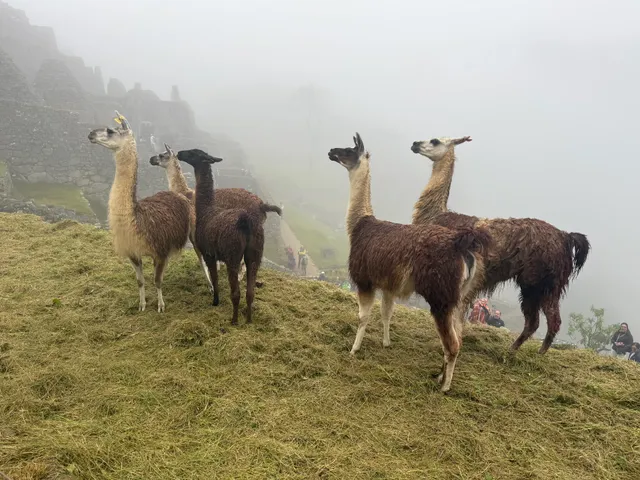
Alpaca Expeditions
5.0
(2.5K)
Click for details
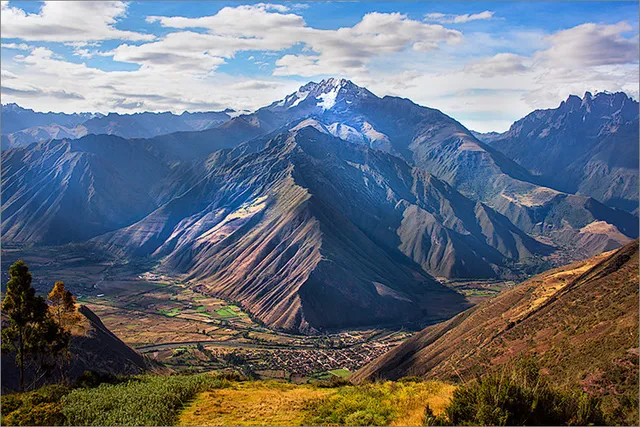
Inkan Milky Way Cusco
4.9
(4.1K)
Click for details