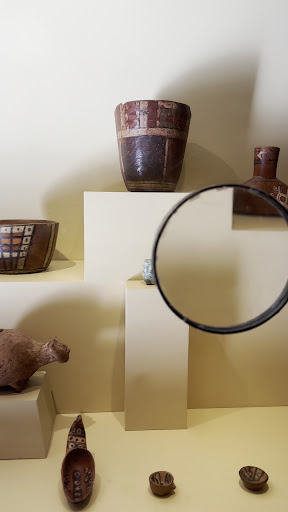
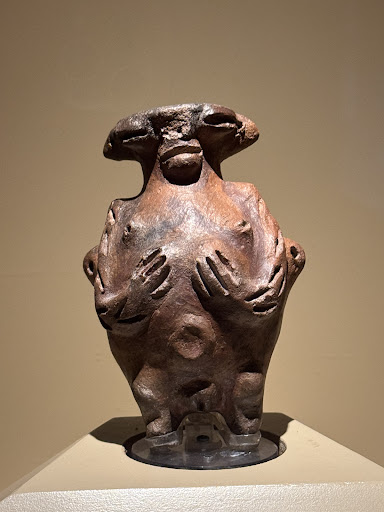
Regional Historical Museum of Cusco things to do, attractions, restaurants, events info and trip planning
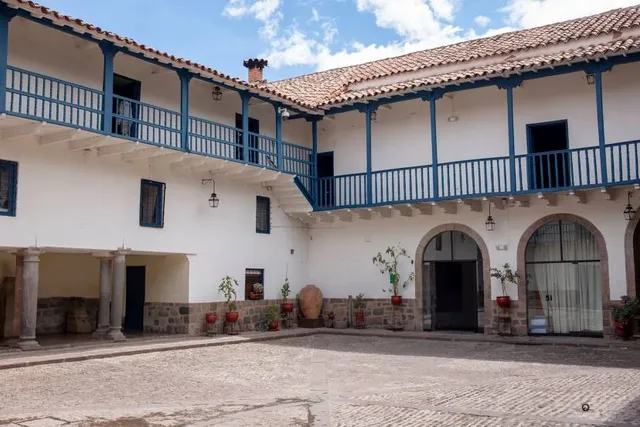
Basic Info
Regional Historical Museum of Cusco
C. Garcilaso, Cusco 08002, Peru
4.4(714)
Open until 5:00 PM

tickets
Save
spot
spot
Ratings & Description
Info
Cultural
Family friendly
Accessibility
attractions: Cuzco Main Square, Basilica Menor de la Merced, Museum of Contemporary Art of the Municipality of Cusco, Museo de Arte Popular, Plazoleta Espinar, Machu Picchu Tours Cusco | Luxury Travel and Trips in Peru, Cusco Cathedral, Museo y Catacumbas del Convento de San Francisco de Asís de Cusco, Inka Museum, Church of the Society of Jesus, restaurants: Chicha por Gaston Acurio, Yaku Restaurant, MARE RESTAURANT, Café Dwasi Peruvian Coffee, KUSHKA Restaurant, Organika Bakery & Coffee, Artisano Regocijo Restaurant, ChocoMuseo, Ofrenda Peruvian Restaurant, El Cuadro, local businesses: Alpaca Expeditions, Inkan Milky Way Cusco, Machu Picchu Reservations, Plaza de Armas, Ancestral Tattoo Studio, Machu Picchu Cheap | Agencia de Viajes, AB Expeditions Local Inca Trail Operator, Inka Altitude, Jisa Adventure - Agencia de Viajes, Rainbow Mountain Cusco Agency
 Learn more insights from Wanderboat AI.
Phone
+51 84 582830
Website
museamos.cultura.pe
Open hoursSee all hours
Sun8 AM - 5 PMOpen
Plan your stay

Pet-friendly Hotels in Distrito de Cusco
Find a cozy hotel nearby and make it a full experience.

Affordable Hotels in Distrito de Cusco
Find a cozy hotel nearby and make it a full experience.

The Coolest Hotels You Haven't Heard Of (Yet)
Find a cozy hotel nearby and make it a full experience.

Trending Stays Worth the Hype in Distrito de Cusco
Find a cozy hotel nearby and make it a full experience.
Reviews
Live events
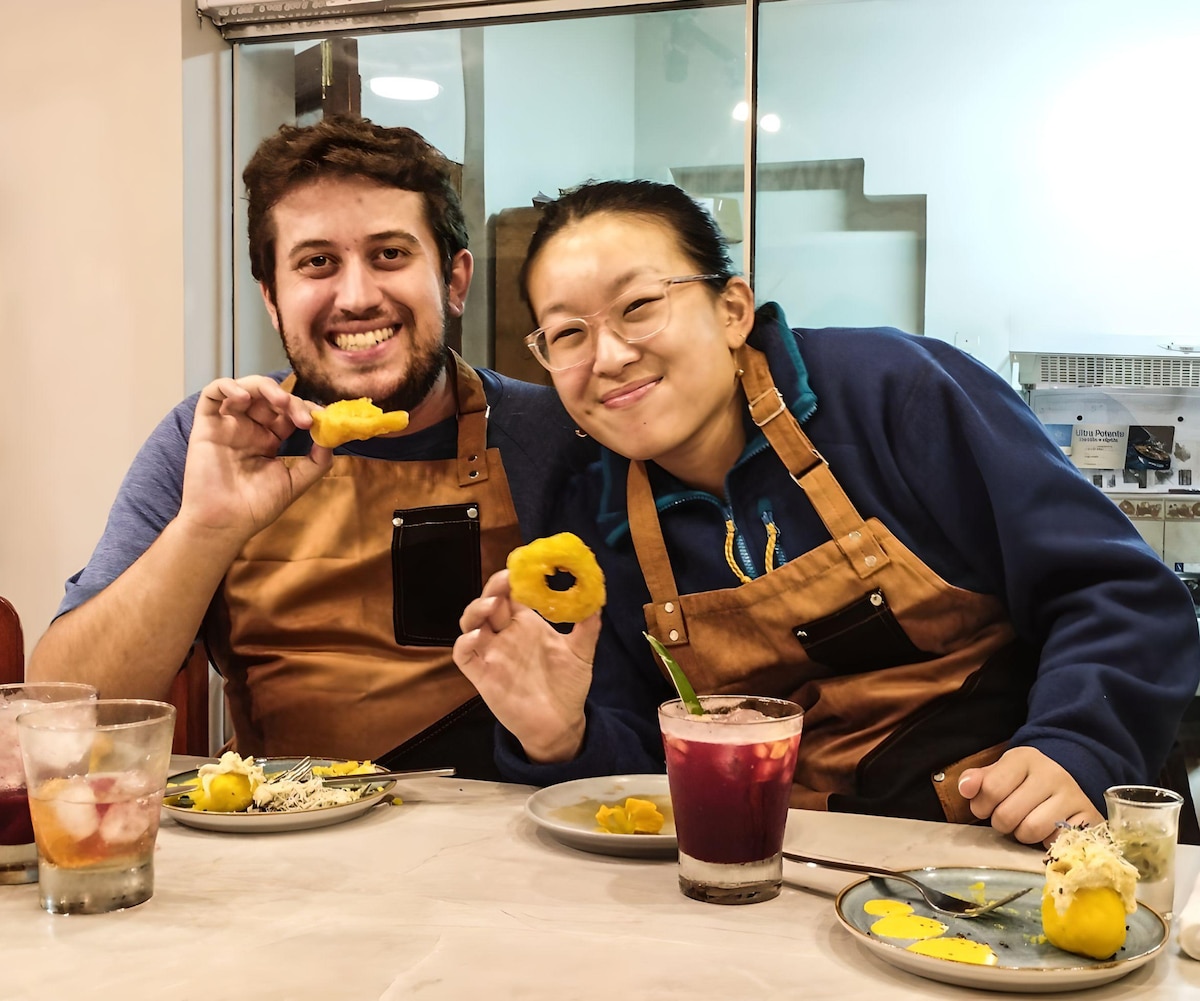
Cooking Class, Cocktails and Market Tour in Cusco
Sun, Feb 22 • 3:30 PM
Cusco, 08002, Cuzco, Peru
View details

Horseback riding through four hidden temples
Mon, Feb 23 • 8:30 AM
Cusco, 08003, Cusco, Peru
View details

Tour to the Humantay Lagoon
Sun, Feb 22 • 4:00 AM
Cusco, 08000, Cusco, Peru
View details
Nearby attractions of Regional Historical Museum of Cusco
Cuzco Main Square
Basilica Menor de la Merced
Museum of Contemporary Art of the Municipality of Cusco
Museo de Arte Popular
Plazoleta Espinar
Machu Picchu Tours Cusco | Luxury Travel and Trips in Peru
Cusco Cathedral
Museo y Catacumbas del Convento de San Francisco de Asís de Cusco
Inka Museum
Church of the Society of Jesus
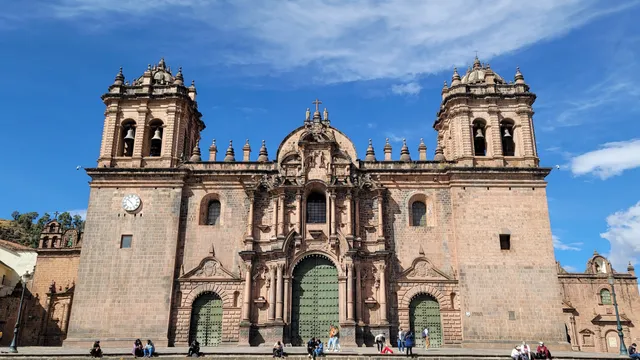
Cuzco Main Square
4.8
(1.4K)
Closed
Click for details
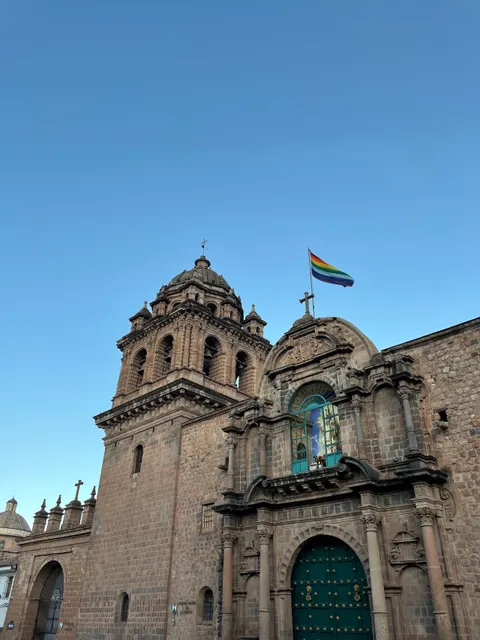
Basilica Menor de la Merced
4.5
(294)
Open until 12:00 AM
Click for details
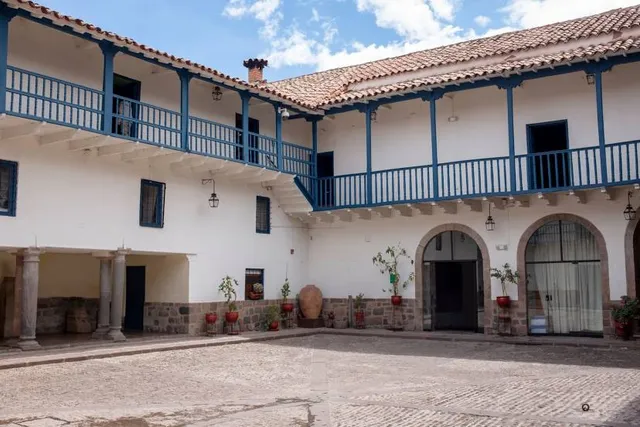
Museum of Contemporary Art of the Municipality of Cusco
3.8
(434)
Open until 12:00 AM
Click for details
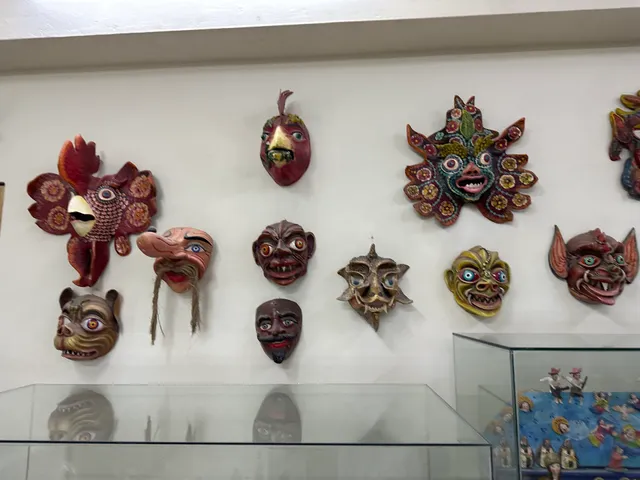
Museo de Arte Popular
4.1
(620)
Open until 12:00 AM
Click for details
Nearby restaurants of Regional Historical Museum of Cusco
Chicha por Gaston Acurio
Yaku Restaurant
MARE RESTAURANT
Café Dwasi Peruvian Coffee
KUSHKA Restaurant
Organika Bakery & Coffee
Artisano Regocijo Restaurant
ChocoMuseo
Ofrenda Peruvian Restaurant
El Cuadro
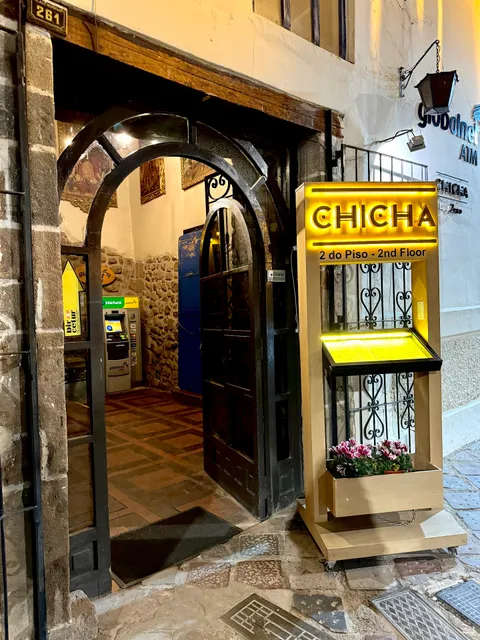
Chicha por Gaston Acurio
4.4
(1.5K)
$$$
Open until 10:30 PM
Click for details
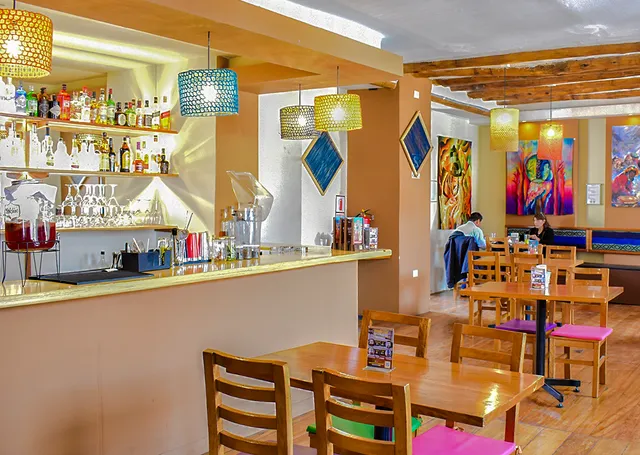
Yaku Restaurant
4.8
(2.4K)
$$
Open until 10:30 PM
Click for details
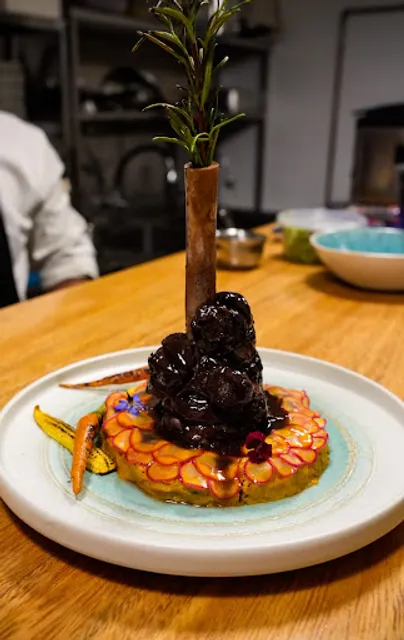
MARE RESTAURANT
4.9
(412)
Open until 10:00 PM
Click for details
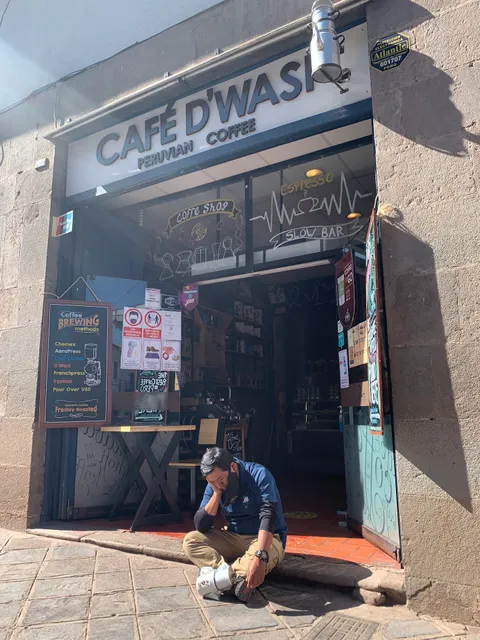
Café Dwasi Peruvian Coffee
4.5
(640)
Open until 10:30 PM
Click for details
Nearby local services of Regional Historical Museum of Cusco
Alpaca Expeditions
Inkan Milky Way Cusco
Machu Picchu Reservations
Plaza de Armas
Ancestral Tattoo Studio
Machu Picchu Cheap | Agencia de Viajes
AB Expeditions Local Inca Trail Operator
Inka Altitude
Jisa Adventure - Agencia de Viajes
Rainbow Mountain Cusco Agency
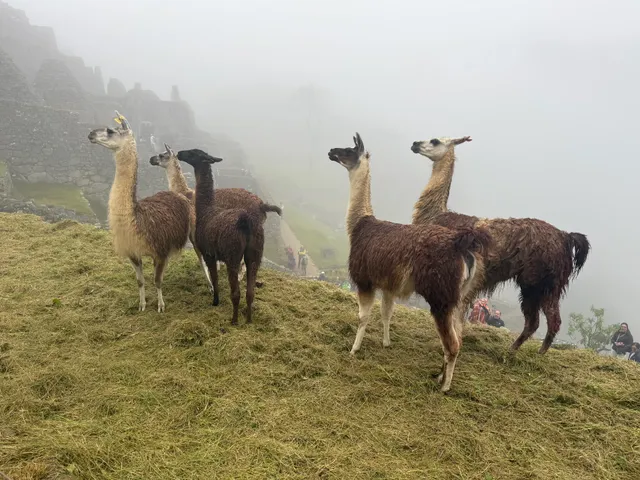
Alpaca Expeditions
5.0
(2.5K)
Click for details
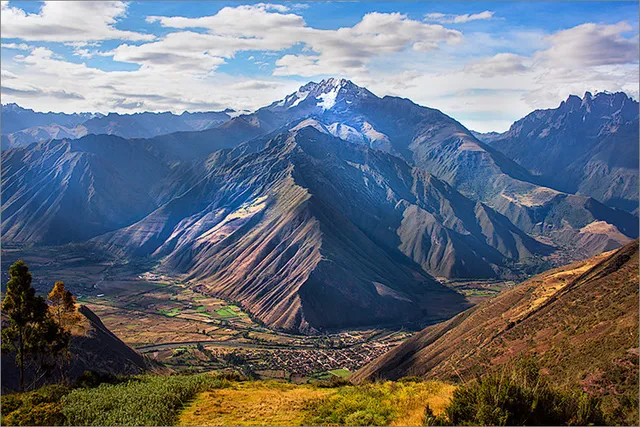
Inkan Milky Way Cusco
4.9
(4.1K)
Click for details
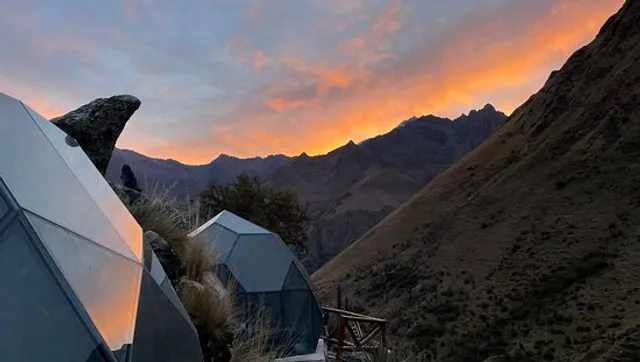
Machu Picchu Reservations
4.8
(3.1K)
Click for details
Plaza de Armas
4.3
(1.1K)
Click for details