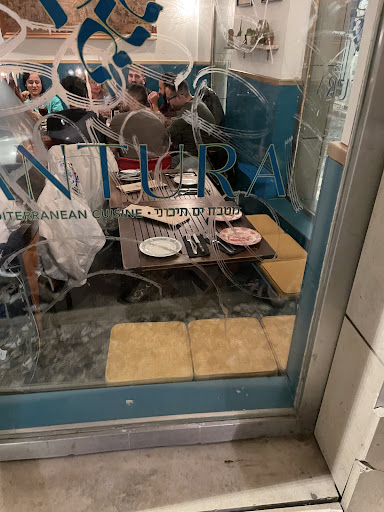
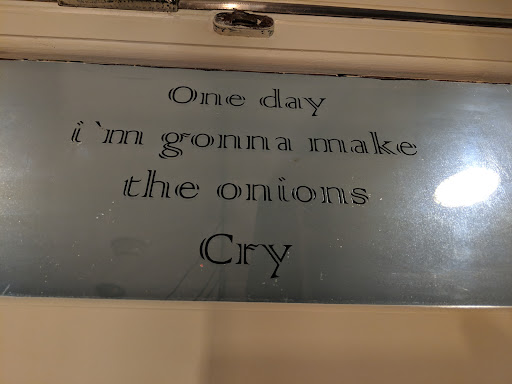
Tantura things to do, attractions, restaurants, events info and trip planning
Basic Info
Tantura
R. do Trombeta 1d, 1200-471 Lisboa, Portugal
4.5(912)$$$$
Closed

delivery
Save
spot
spot
Ratings & Description
Info
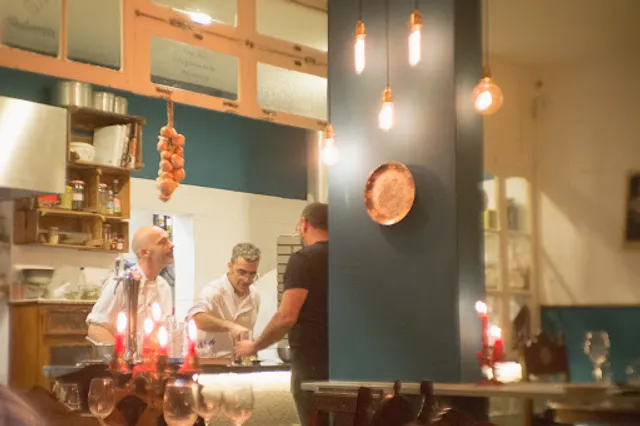
Warm, easygoing outpost serving Middle Eastern & Turkish grub such as falafel, shakshuka & hummus.
attractions: Praça Luís de Camões, Game Over, Zé dos Bois gallery, Church of Saint Roch, Miradouro de São Pedro de Alcântara, Carmo Convent, Bica - Lg. Calhariz, Funicular da Bica, Pharmacy Museum, Santa Justa Lift, Museu Maçónico Português, restaurants: A Nossa Casa, A Cultura do Hambúrguer, A Tasca do Chico, Tanoa Café, Floresta do Calhariz, OITOnove, Acarajé da Carol, Casa da Índia, Breakfast Lovers Misericórdia, Tasca Mastai, local businesses: Trombeta Bath, Elevador da Bica, Páginas Tantas, Brazil House Lisbon, Livraria Bertrand - Chiado, Cusek Bar, Bica Funicular, Bica - Lg. Calhariz, Açaí Natura - Chiado, Baeta do Bairro
 Learn more insights from Wanderboat AI.
Phone
+351 21 809 6035
Website
tantura.pt
Open hoursSee all hours
Sat6 PM - 12 AMClosed
Plan your stay

Pet-friendly Hotels in Lisbon
Find a cozy hotel nearby and make it a full experience.

Affordable Hotels in Lisbon
Find a cozy hotel nearby and make it a full experience.

The Coolest Hotels You Haven't Heard Of (Yet)
Find a cozy hotel nearby and make it a full experience.

Trending Stays Worth the Hype in Lisbon
Find a cozy hotel nearby and make it a full experience.
Featured dishes
View full menu
Hummus
Hummus with chickpeas / hummus com grão de bico / חומוס גרגירים
Hamshuka
Hummus with shakshuka / hummus com shakshuka / חומוס-שקשוקה
Hummus Mushrooms
Hummus with mushrooms / hummus com cogumelos / חומוס פטריות מר
Hummus Meat
Hummus with chopped beef, caramelized onions and mushrooms / hummus com carne picada de vaca, cebola e cogumelos / חומוס בשר
Hummus Meatballs
Hummus with beef meatballs / hummus com almondegas carne de vaca / חומוס קציצות
Reviews
Live events
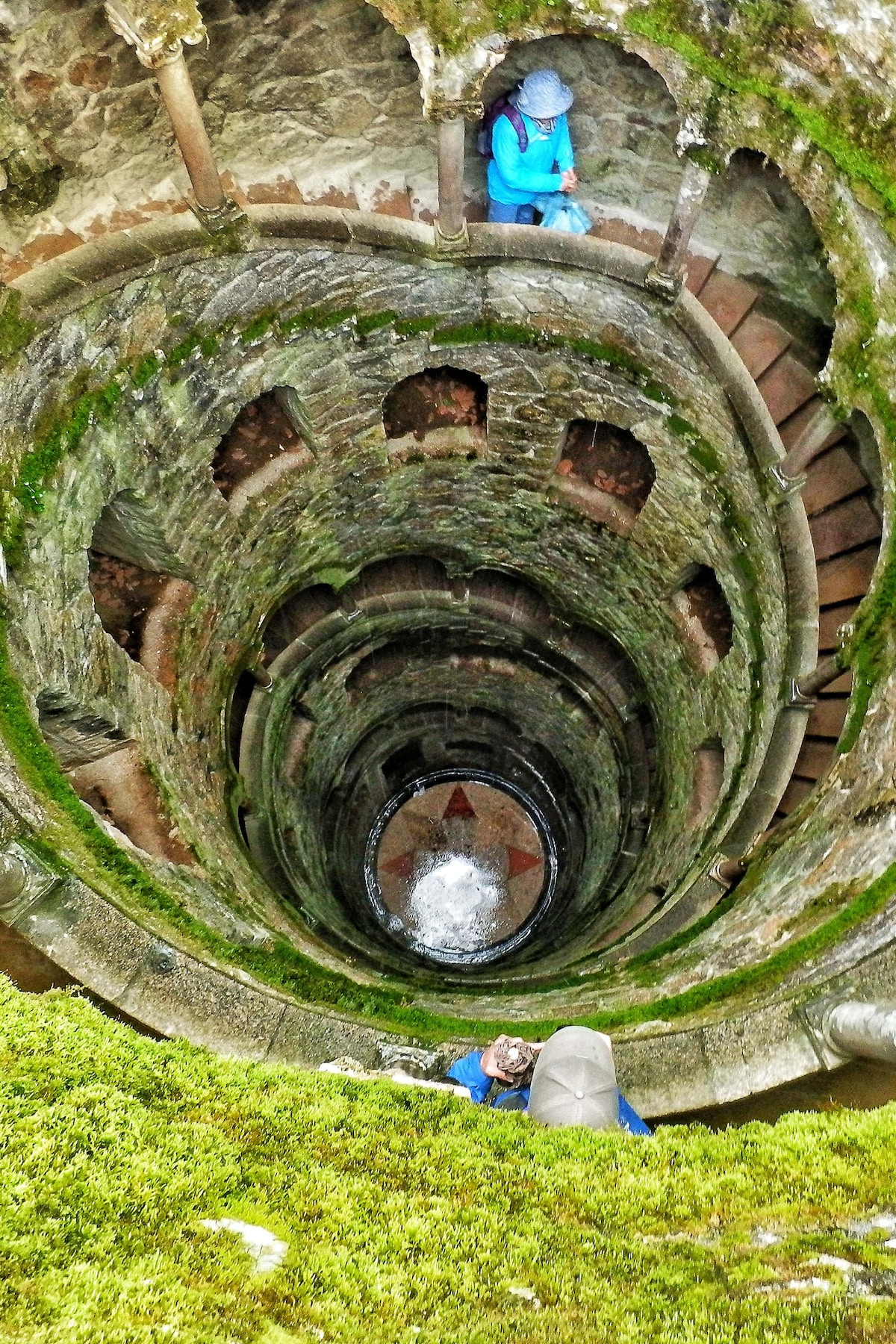
Sintra Tour from Lisbon - The True Experience
Sat, Feb 7 • 8:30 AM
1249-970, Lisbon, Portugal
View details

Bake Pastel de Nata in a real bakery in Lisbon
Sat, Feb 7 • 10:00 AM
1100-581, Lisbon, Portugal
View details
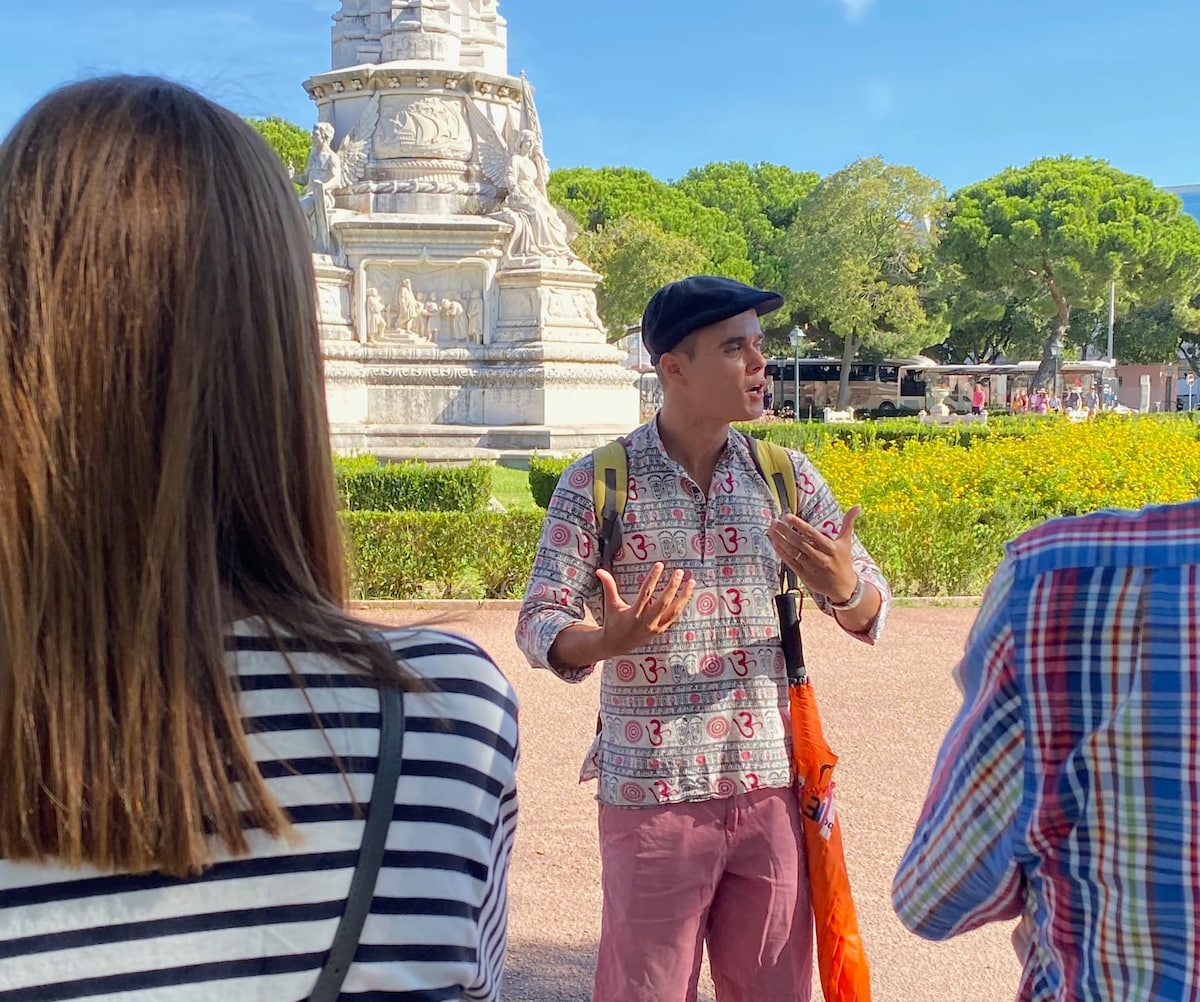
Discover Lisbons heart
Sat, Feb 7 • 10:00 AM
1100-148, Lisbon, Portugal
View details
Nearby attractions of Tantura
Praça Luís de Camões
Game Over
Zé dos Bois gallery
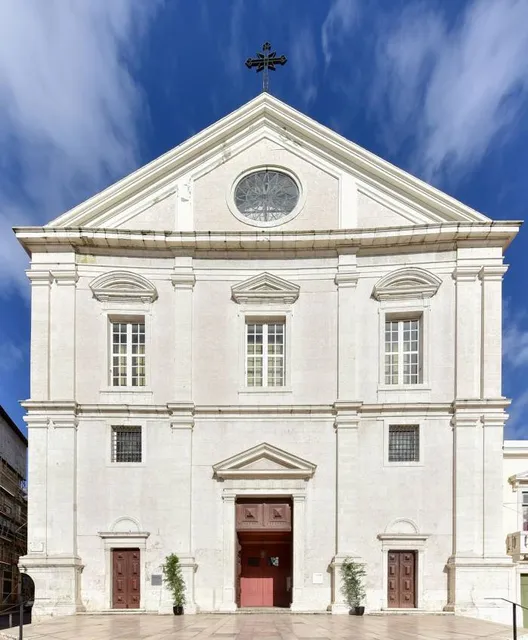
Church of Saint Roch
Miradouro de São Pedro de Alcântara
Carmo Convent
Bica - Lg. Calhariz, Funicular da Bica
Pharmacy Museum
Santa Justa Lift
Museu Maçónico Português
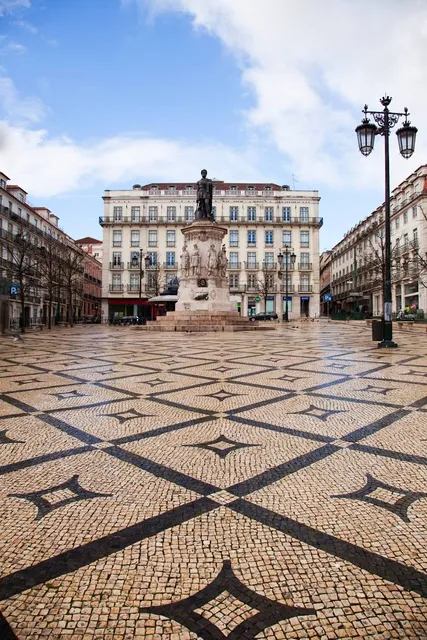
Praça Luís de Camões
4.5
(10.5K)
Open until 12:00 AM
Click for details

Game Over
4.9
(4.1K)
Open until 1:00 PM
Click for details
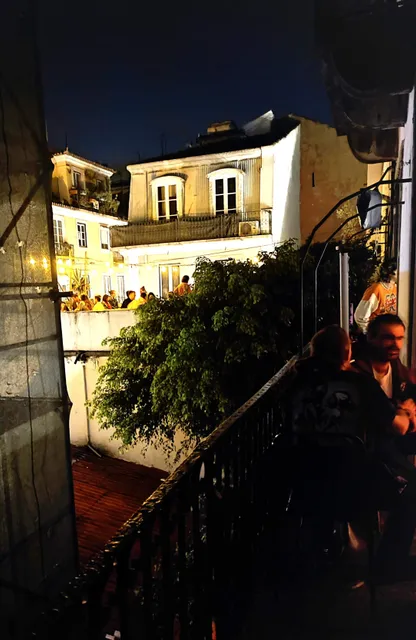
Zé dos Bois gallery
4.5
(519)
Closed
Click for details

Church of Saint Roch
4.6
(2.7K)
Open until 6:00 PM
Click for details
Nearby restaurants of Tantura
A Nossa Casa
A Cultura do Hambúrguer
A Tasca do Chico
Tanoa Café
Floresta do Calhariz
OITOnove
Acarajé da Carol
Casa da Índia
Breakfast Lovers Misericórdia
Tasca Mastai
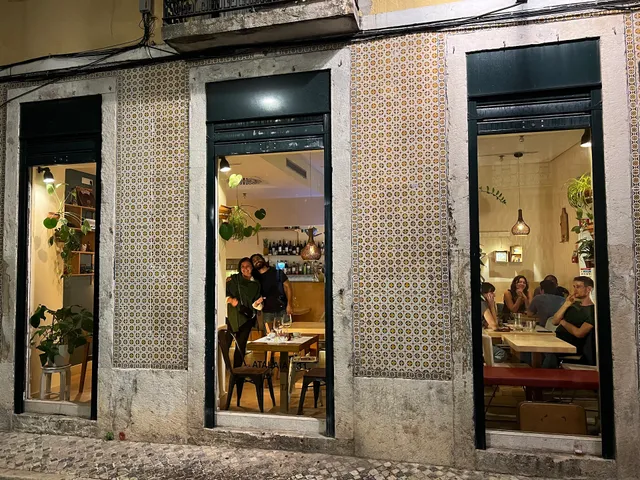
A Nossa Casa
4.8
(1.1K)
$$
Closed
Click for details
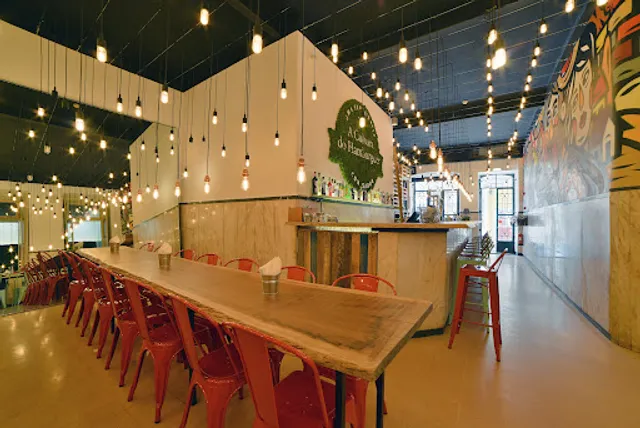
A Cultura do Hambúrguer
4.7
(2.5K)
Open until 12:00 AM
Click for details
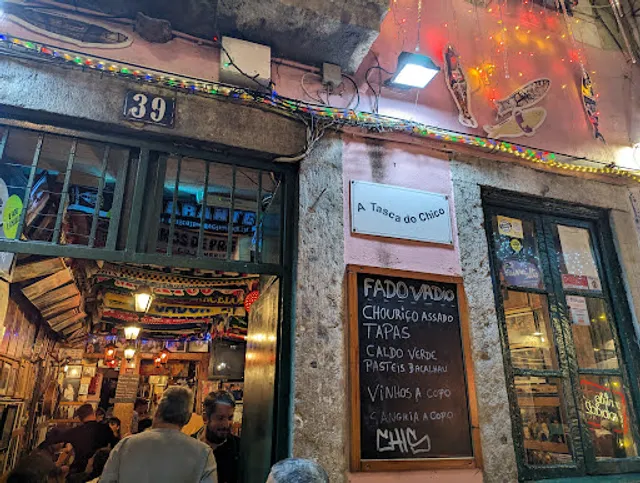
A Tasca do Chico
4.0
(1.7K)
$$
Closed
Click for details
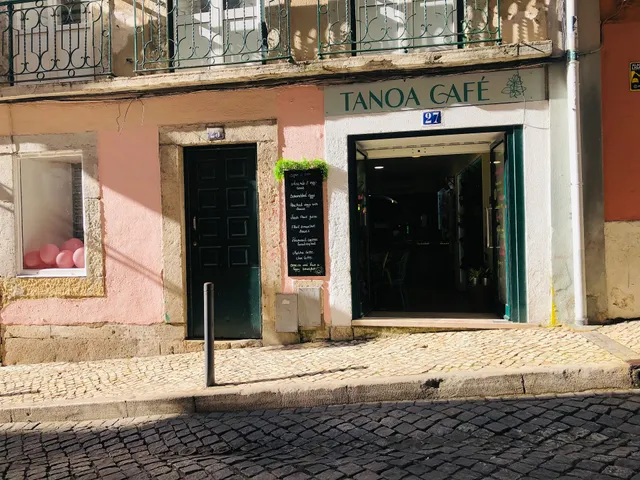
Tanoa Café
4.9
(649)
Open until 4:00 PM
Click for details
Nearby local services of Tantura
Trombeta Bath
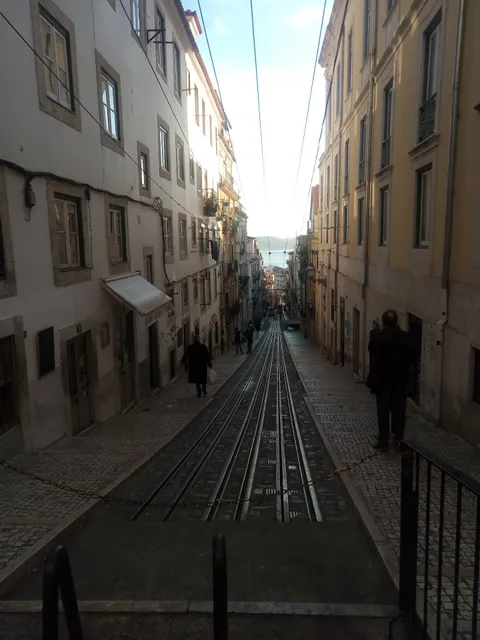
Elevador da Bica
Páginas Tantas
Brazil House Lisbon
Livraria Bertrand - Chiado
Cusek Bar
Bica Funicular
Bica - Lg. Calhariz
Açaí Natura - Chiado
Baeta do Bairro

Trombeta Bath
4.0
(310)
Click for details
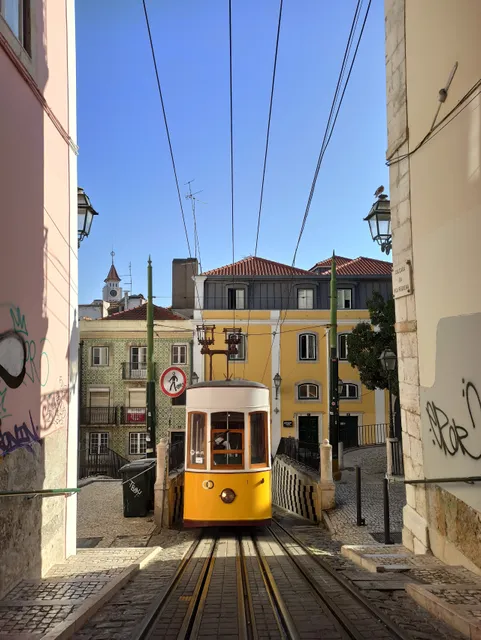
Elevador da Bica
4.3
(2.2K)
Click for details
Páginas Tantas
4.3
(405)
Click for details
Brazil House Lisbon
4.3
(147)
Click for details