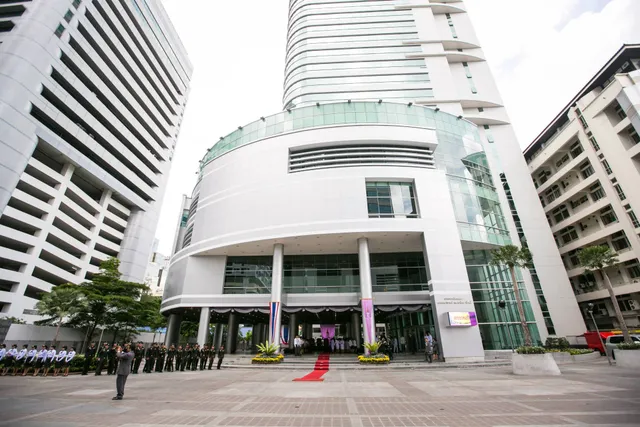
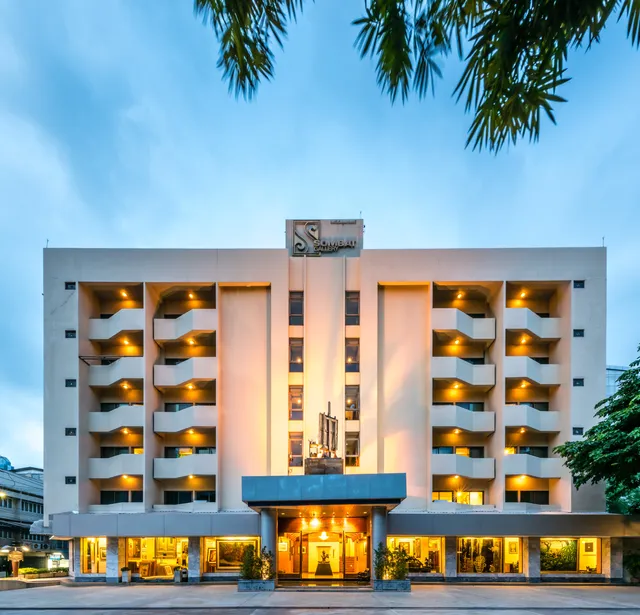
Upon arrival, I found that the restaurant is located inside a hotel. It's situated on the first floor of the newly opened NSYA HOTEL, which debuted in 2024. I later discovered that this Kwann restaurant serves breakfast and operates as a full-fledged restaurant in the evening. The hotel and restaurant entrances are separate, with a small alley in between, so don't be confused.
In all my visits to countless restaurants in Thailand, I've never seen such elaborate descriptions. My expectations are soaring.
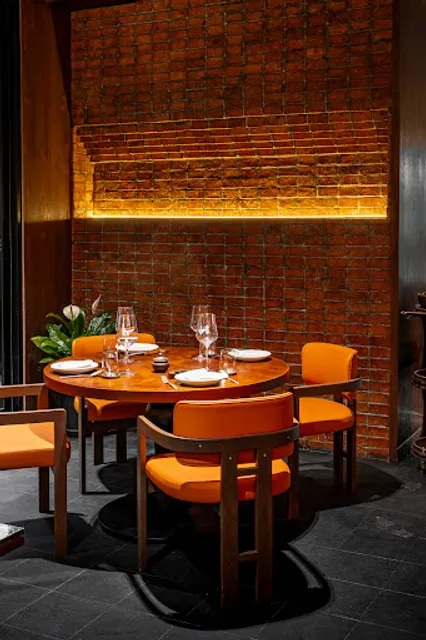
Sat right in front of the kitchen. There don't seem to be any private rooms, but the spacing between tables is adequate.
Checked out the wine list on their website beforehand. At Kwann, the wine list is hit or miss. The cheapest champagne is 7,800 baht, which, including tax, exceeds 400,000 KRW. Considering the daily expenses of golf, late-night drinks, and three meals a day, it's a bit steep for me.
Can't have dinner on an empty stomach, so I ordered the most affordable white wine. I recall it being over 3,000 baht. Wine in Thailand is prohibitively expensive—prices surpass those in Korea.
Made a reservation through HungryHub, not CatchTable. Unlike other restaurants, the discount here is only 20%. Also found dinner packages available on MonkeyTravel, TripAdvisor, and WAUG. I didn't compare the best deals or compositions.
You choose seven dishes, but there's a bit of a catch. Each category has different price points, so it's best to check the menu prices on the app beforehand to select the most expensive options. Of course, you can do this at the restaurant, but hunger makes you rush.
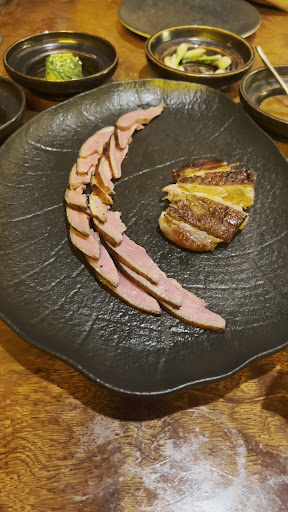
Being the prepared traveler I am, I took screenshots of what to eat while riding Grab. Duck, cuttlefish, hanger steak.
Beef skewers, crab meat, and more.
Ordered from a staff member who spoke excellent English and had great energy. Seeing the kitchen instilled confidence. Honestly, I expected a casual meal, but this was akin to a full-course Korean traditional meal. In Korea, a casual meal might be served all at once for 8,000 KRW, but a traditional course meal, served dish by dish by a lady in a hanbok, would cost around 100,000 KRW.
Upon entering the kitchen, I realized this is fine dining. It's been a while since I've visited a fine dining restaurant in Bangkok, the last being the Michelin-starred NAHM.
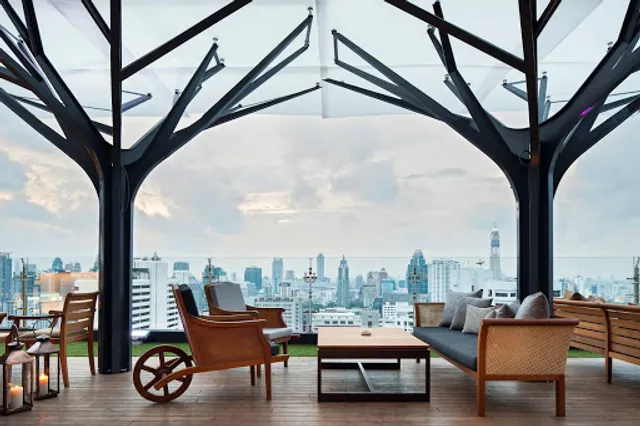
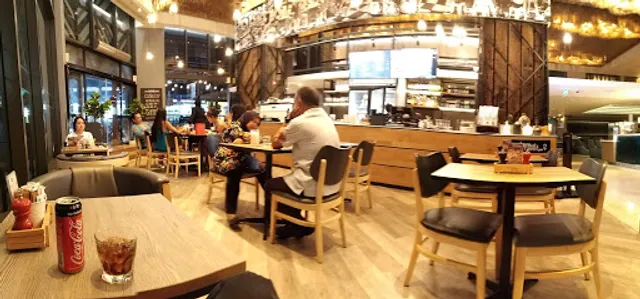
The restaurant ambiance is as shown, and within 30 minutes, it was packed. Perhaps because it was a weekend night, the lively young crowd made it a bit noisy.
In Thailand, establishments of a certain scale often have a separate bar. In such places, you can freely order cocktails. They do a great job here.
They seem to sell a decent amount of wine and hard liquor, but I'll save that for the basement.
They also seem to specialize in pickling, aging, and fermenting. It's been over 30 years since I studied abroad, so I can't fully understand the staff's explanations. Even looking up reviews doesn't provide much insight.
They bring out a cart. Usually, such carts are filled with overpriced specials, but here, they offer a complimentary welcome drink. Great presentation and atmosphere enhancer.
They sprinkle rose powder on a sweet mocktail.
They don't bring new utensils with each course, but they provide plenty of forks and spoons for you to use as needed.
The first dish arrives.
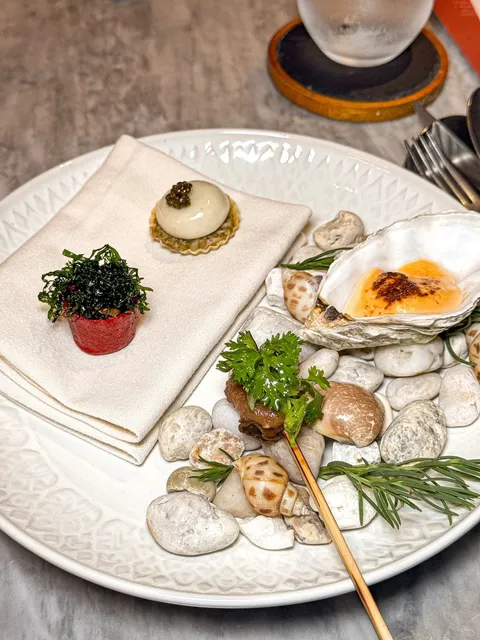
Kanom Bueang Pu Cold Smoked Local Crab Tartare | Charred Cucumber Gel | Smoked Egg Yolk | Seasonal Sour Fruits | Caramelized Coconut Crisps A friend took the photo, but instead of focusing on the dish, they captured my face, resulting in a blurry shot, haha. Crab tartare—beautiful and delicious.
A dish to be enjoyed with sweet coconut chips. Perfect as a white wine appetizer.
Grilled Beef Skewers Thai Wagyu Beef | Spiced Beef Glaze | Fermented Charred Yellow Chili Thai Wagyu beef. The herbal flavor might be challenging for some Koreans, but having grown up eating things like sansho oil, I can handle it all.
Roasted Turmeric Marinated Chicken Thigh Jeaw Tamarind | “Som Tam”
to...
Read moreKwann, meaning "smoke" in Thai, has a menu that revolves around fire, charcoal, and smoking techniques, and they’re blazing a trail in the creative culinary scene of Bangkok. I wanted to try this restaurant for a while now, especially after the recent resurgence in the culinary trend of cooking with open flame. Although Kwann is located in one of Sukhumvit’s busiest streets, the restaurant is an oasis of calm, boasting atmospheric lighting, dark furnishings with natural elements, and striking art, all designed by Leo International Design Group. It’s surprisingly spacious, and also has a private dining room which adds a touch of exclusivity, perfect for celebrations. An open kitchen occupies one side of the restaurant, allowing guests to watch chefs at work, and you can also watch the restaurant’s namesake flames behind a glass partition, where the magic happens.
Our meal began with a tableside welcome drink of kombucha tea with pineapple and ginger foam, and chocolate charcoal powder, an aromatic start. We opted for the Chef's Choice Tasting Menu (THB 3,300 net) and some à la carte dishes. The Crab beignets, each served on a betel leaf and given to you in a mini treasure chest, are packed with flavour from their stuffing of Southern curry sauce, and were a unanimous favourite.
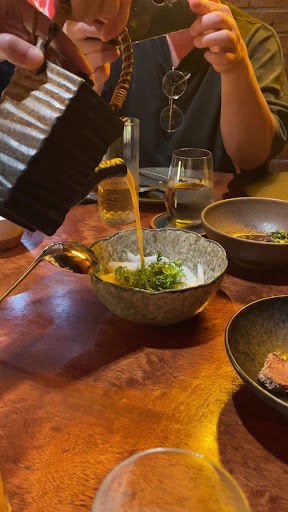
Standouts in the tasting menu were the Thai wagyu beef tartare with chilli paste powder and irresistibly-gooey, smoked egg yolk spheres; and the the lightly charred local fish salad with compressed watermelon and spicy tomato vinaigrette, which was a refreshing and zesty delight. Their "Tom kati" smoked coconut soup was one of the better ones I’ve ever sampled, and this is my favourite Thai soup. When it comes to the mains, the Nam prik ga la goong, a relish of coconut and shrimps, is not for the faint of heart, in the best way.
Don’t leave without sampling the tender Kwann style roasted duck, and its delectable spread of fixings – add the duck with lashings of the condiments and in-house hoisin sauce to the Chinese pancakes, and enjoy every bite. Even if you’re full, make sure you order dessert – the Coconut and corn butter ice-cream will be sure to surprise you with its combination of flavours.
Definitely a place that I’d visit again with its modern take on Thai classics, and extremely knowledgeable and...
Read moreOur final dinner in Bangkok this trip brought us to Kwann located in the boutique NYSA Hotel on Sukhumvit. With its glowing reviews and the celebrated Chefs Napol Jantraget and Jirapat Sept at the helm, we arrived with high expectations, especially as a lover of charcoal-grilled cuisine. Kwann’s concept of a contemporary twist on traditional Thai dishes, emphasizing charcoal cooking, smoking techniques, and aged meats and seafood, sounded very appealing.
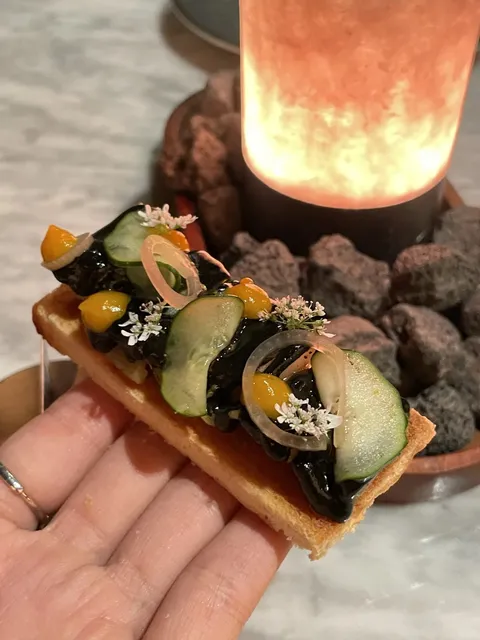
The meal started on a high note with the smoked pineapple palate opener, prepared tableside. It was tangy, aromatic, and a refreshing way to awaken the taste buds. The Crab Beignets followed, delightful little spheres of spicy crab meat infused with Southern curry sauce and served on betel leaf—a creative and flavourful dish. The standout for us was the Grilled Satay Marinated Squid, which was beautifully charred yet tender, paired with Black Ink Peanut Sauce and Chili Vinaigrette. While the homemade brioche served alongside felt like an odd choice, the dish itself was a highlight.
However, the meal took a dip from there. The Local Clams—actually Melo Melo sea snails—were naturally sweet and tender but overshadowed by what we believe was an overly heavy miso sauce. Similarly, the Hanger Beef Slices, though succulent, were overwhelmed by a robust pepper sauce that masked their flavour. We had hoped that the intriguing "Kao Ji" Fire Roasted Garlic Rice with Organic Egg and Fried Garlic might balance the dishes, but it turned out to be more of a pancake. While we enjoyed its crisp edges, its sweetness felt more suited to dessert and clashed with the mains.
Overall, Kwann shows promise, with dishes that are thoughtfully plated and visually impressive. However, it might benefit from a more restrained approach to its use of sauces- some flavours felt unnecessarily bold, possibly catering to a heavier local palate. After all, the principle of open-flame cooking is to let the fire unlock flavours through caramelisation, char, and smoke, adding complexity while preserving the core essence of the ingredient. If the chefs focus on letting the ingredients shine more subtly instead of overwhelming them with excessive seasonings, marinades, or elaborate techniques, it has the potential to be a standout destination for contemporary...
Read more