The Old Observatory things to do, attractions, restaurants, events info and trip planning
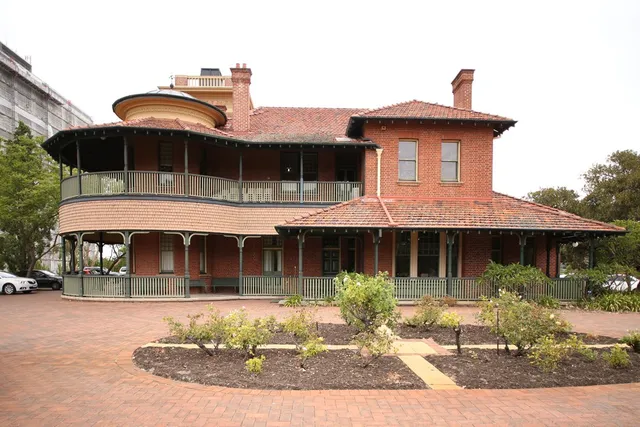
Basic Info
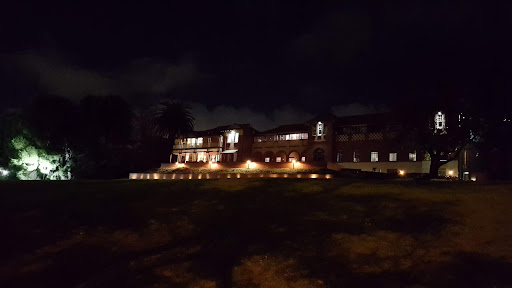
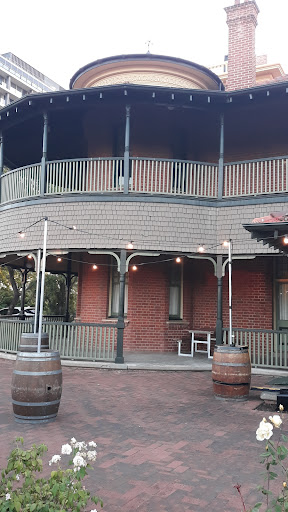
The Old Observatory
4 Havelock St, West Perth WA 6005, Australia
4.6(14)$$$$
Open until 12:00 AM
Save
spot
spot
Ratings & Description
Info
Cultural
Entertainment
Family friendly
Accessibility
attractions: Jacob's Ladder, Ivey Watson Playground, RAC Arena, Botanic Gardens and Parks Authority, Harold Boas Gardens, John Oldham Park, Rio Tinto Naturescape Kings Park, Kaarta Gar-up, Poolgarla Parkland, Perth Convention and Exhibition Centre, restaurants: Mount Street Breakfast Bar, Scotty's Cafe, Cherry and Grapes, Royal India Restaurant, 4 U Cafe, BrewDog Perth, Paddington Jam, Hygge Bar, The Jaffle Shack, Let's Eat Lunch Bar and Cafe, local businesses: Dumas House, Watertown Brand Outlet Centre, Channel 9 Perth, CPP Elder Street, Lamont's Bishops House, Innerspace, Consulate of Italy, Perth is OK!, City West Centre, South African Consulate Perth
 Learn more insights from Wanderboat AI.
Phone
+61 8 9321 6088
Website
ntwa.com.au
Open hoursSee all hours
SunClosedOpen
Plan your stay

Pet-friendly Hotels in West Perth
Find a cozy hotel nearby and make it a full experience.

Affordable Hotels in West Perth
Find a cozy hotel nearby and make it a full experience.

The Coolest Hotels You Haven't Heard Of (Yet)
Find a cozy hotel nearby and make it a full experience.

Trending Stays Worth the Hype in West Perth
Find a cozy hotel nearby and make it a full experience.
Reviews
Live events
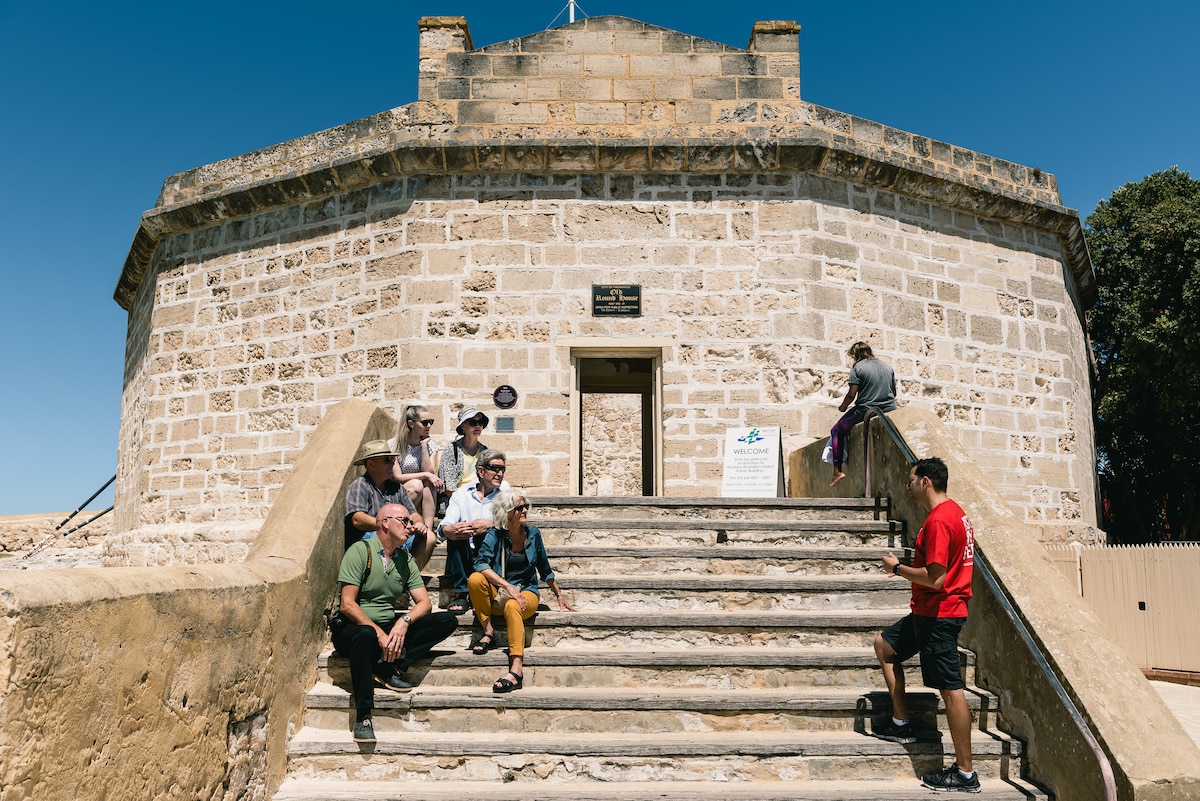
Feel Fremantle:From Prison Walls to Painted Alleys
Sun, Feb 8 • 10:00 AM
Fremantle, Western Australia, 6160, Australia
View details

Surf coaching & guiding
Sun, Feb 8 • 7:30 AM
Scarborough, Western Australia, 6019, Australia
View details
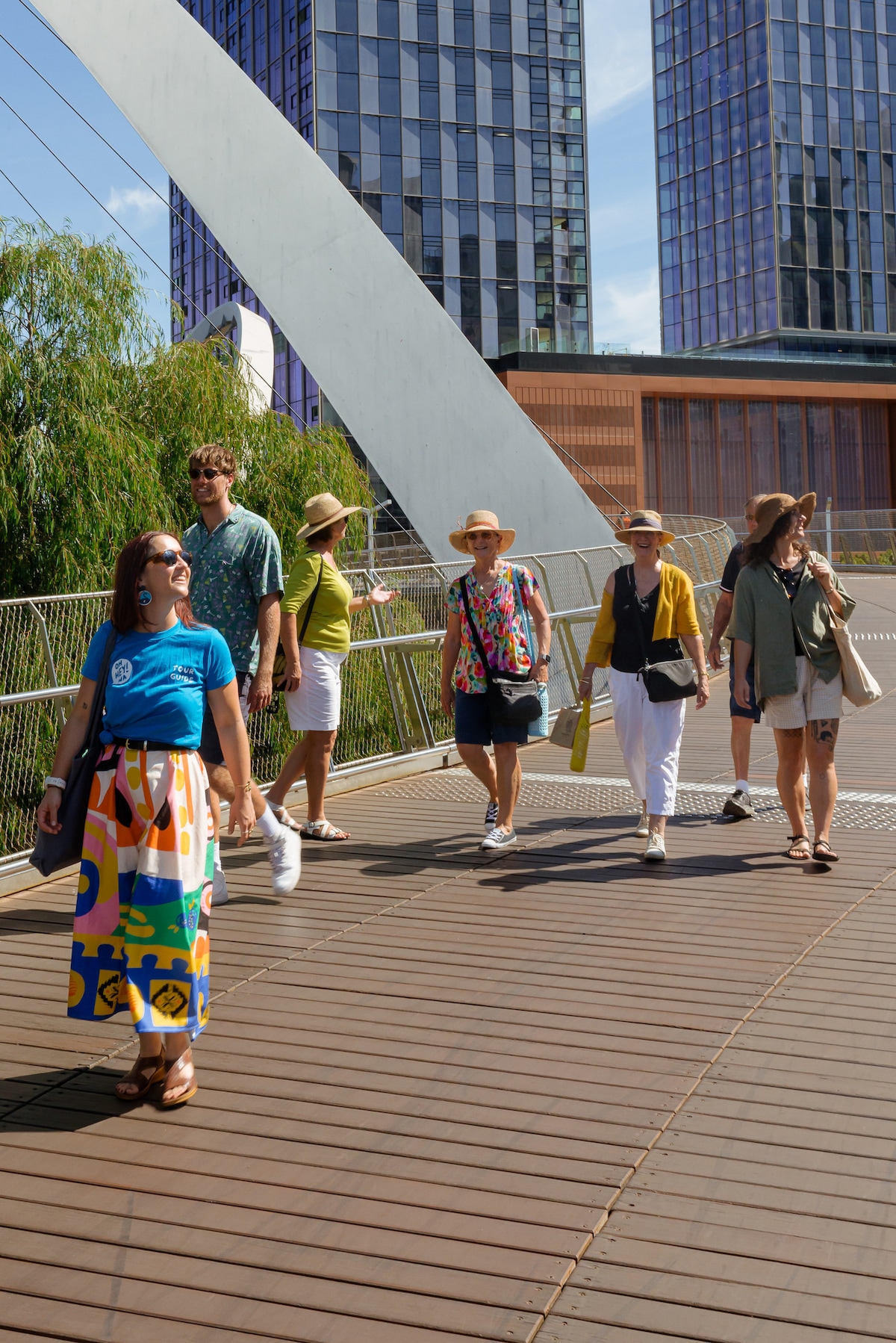
Discover Perth Walking Tour: History, Art & More
Sun, Feb 8 • 9:30 AM
Perth, Western Australia, 6000, Australia
View details
Nearby attractions of The Old Observatory
Jacob's Ladder
Ivey Watson Playground
RAC Arena
Botanic Gardens and Parks Authority
Harold Boas Gardens
John Oldham Park
Rio Tinto Naturescape Kings Park
Kaarta Gar-up
Poolgarla Parkland
Perth Convention and Exhibition Centre
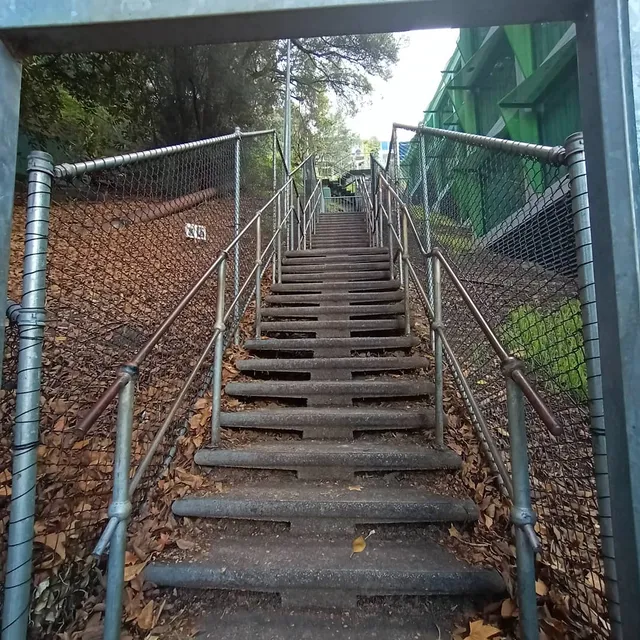
Jacob's Ladder
4.5
(675)
Open until 12:00 AM
Click for details
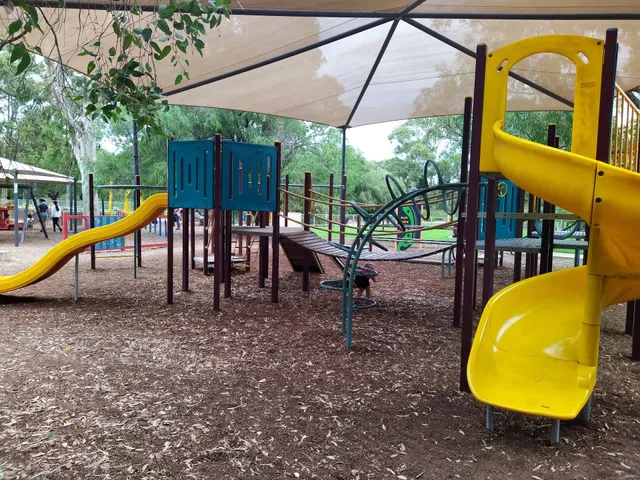
Ivey Watson Playground
4.6
(182)
Open until 12:00 AM
Click for details
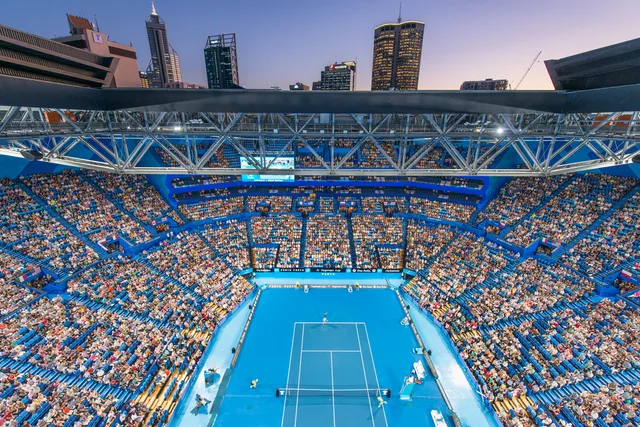
RAC Arena
4.5
(3.2K)
Open 24 hours
Click for details
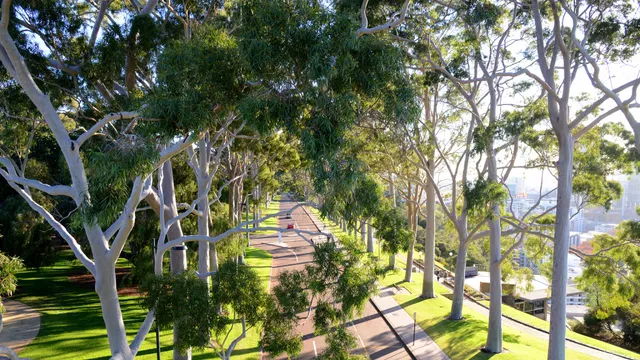
Botanic Gardens and Parks Authority
4.7
(86)
Open until 12:00 AM
Click for details
Nearby restaurants of The Old Observatory
Mount Street Breakfast Bar
Scotty's Cafe
Cherry and Grapes
Royal India Restaurant
4 U Cafe
BrewDog Perth
Paddington Jam
Hygge Bar
The Jaffle Shack
Let's Eat Lunch Bar and Cafe
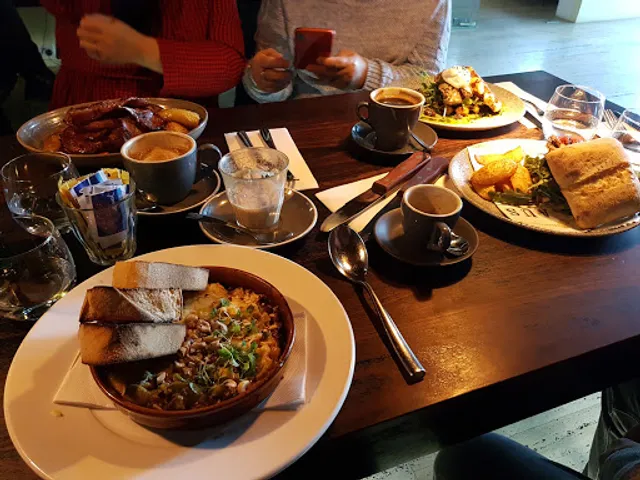
Mount Street Breakfast Bar
4.6
(567)
Closed
Click for details
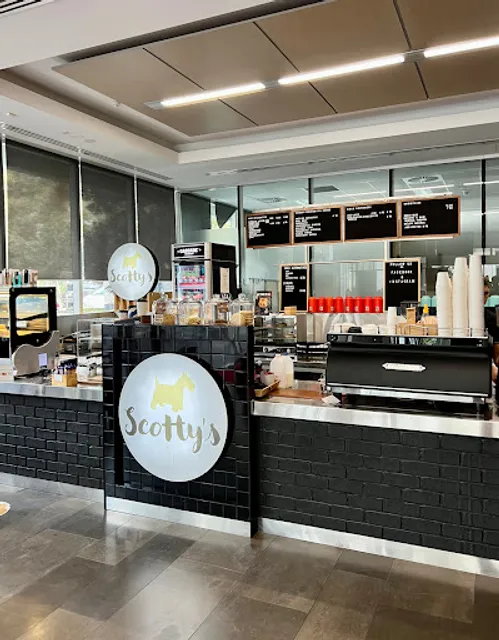
Scotty's Cafe
4.6
(51)
Open until 12:00 AM
Click for details
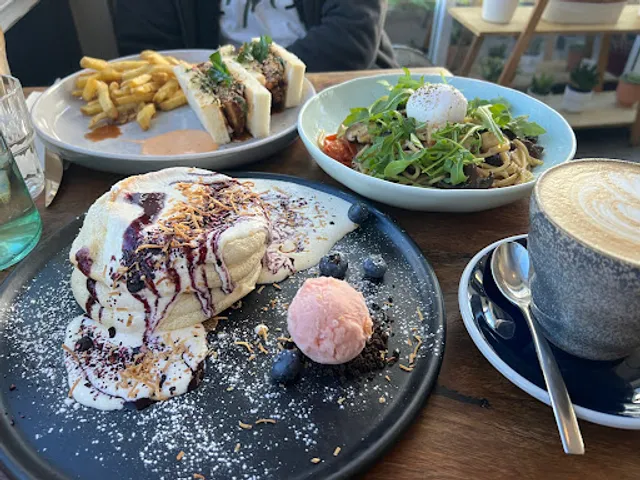
Cherry and Grapes
4.4
(375)
Closed
Click for details
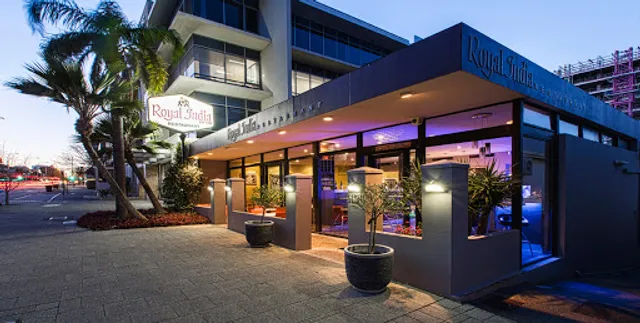
Royal India Restaurant
4.1
(365)
Open until 12:00 AM
Click for details
Nearby local services of The Old Observatory
Dumas House
Watertown Brand Outlet Centre
Channel 9 Perth
CPP Elder Street
Lamont's Bishops House
Innerspace
Consulate of Italy
Perth is OK!
City West Centre
South African Consulate Perth
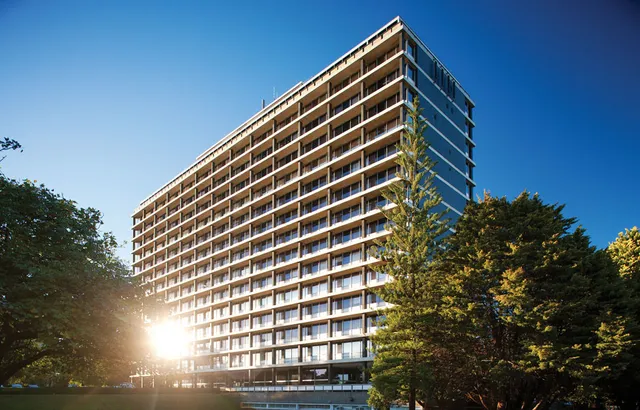
Dumas House
4.1
(12)
Click for details

Watertown Brand Outlet Centre
4.1
(3K)
Click for details
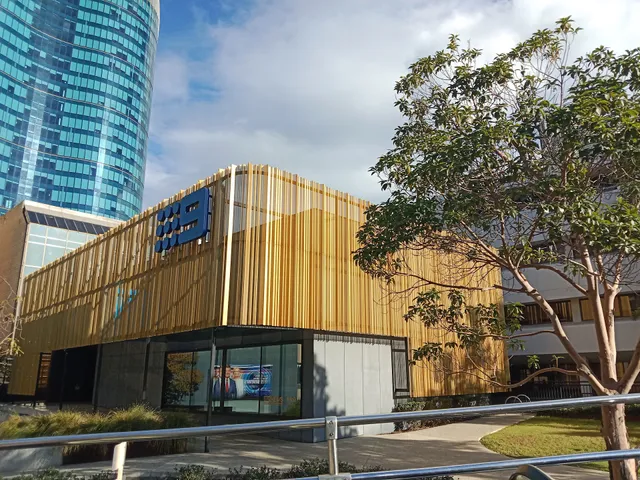
Channel 9 Perth
3.3
(64)
Click for details
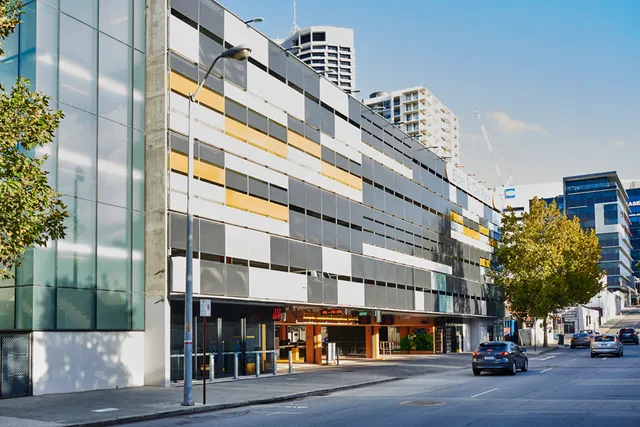
CPP Elder Street
4.1
(102)
Click for details