Tyrolean Folk Art Museum things to do, attractions, restaurants, events info and trip planning
Basic Info
Tyrolean Folk Art Museum
Universitätsstraße 2, 6020 Innsbruck, Austria
4.6(241)
Open until 5:00 PM

tickets
Save
spot
spot
Ratings & Description
Info
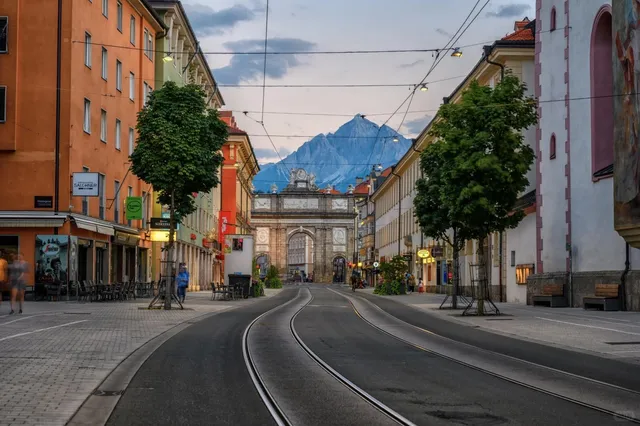
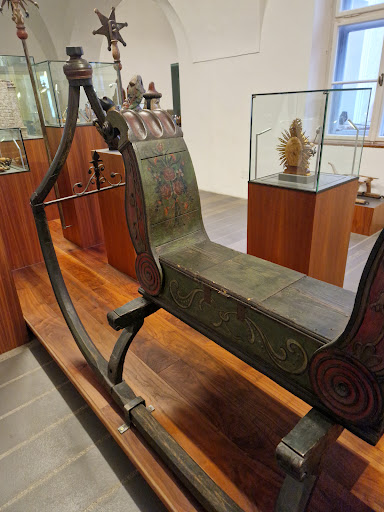
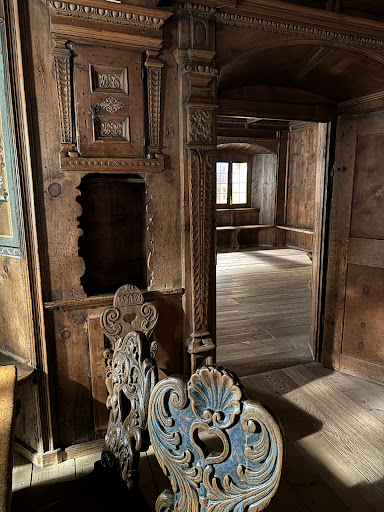
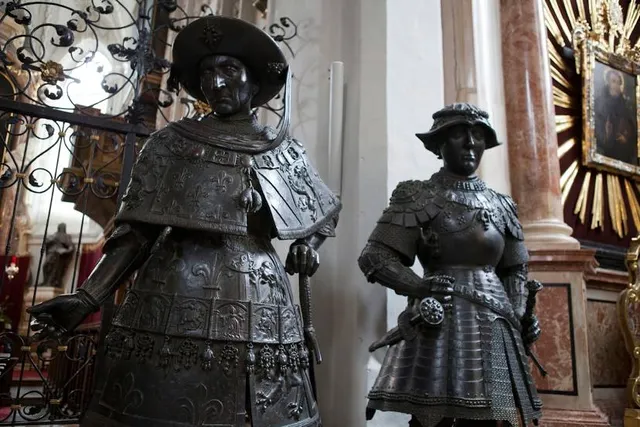
The Tyrolean Folk Art Museum is considered one of the finest regional heritage museums in Europe. Located next to the Hofkirche and across from the Hofburg in the Altstadt section of Innsbruck, Austria, the museum contains the most important collection of cultural artifacts from the Tyrol region.
Cultural
Family friendly
Accessibility
attractions: Golden Roof, Hofburg Innsbruck, Innsbrucker Nordkettenbahnen Betriebs GmbH (Nordkette), Dom St. Jakob, Stadtturm, Altstadt Innsbruck, Innsbrucker Hofgarten, Innsbruck Tourismus, Leopold Fountain, Tiroler Landesmuseum Ferdinandeum, restaurants: Stiftskeller, Ludwig, Strudel Cafe Kroll, Das Brahms, Una Pizza, Il Convento, Gasthaus Goldenes Dachl, Chili Kebab, Fischerhausl, Tribaun, local businesses: Court Church Innsbruck, Swarovski Crystal Worlds Innsbruck Store, Centro storico Innsbruck, Herzog-Friedrich-Straße 6, Speckeria, Kaufhaus Tyrol, Museo Estatal del Tirol, Carolines SPIEL-ART, Handl Tyrol Speck Stube Innsbruck Altstadt, Innbrücke
 Learn more insights from Wanderboat AI.
Phone
+43 512 59489510
Website
tiroler-landesmuseen.at
Open hoursSee all hours
Sun9 a.m. - 5 p.m.Open
Plan your stay

Pet-friendly Hotels in Innsbruck
Find a cozy hotel nearby and make it a full experience.

Affordable Hotels in Innsbruck
Find a cozy hotel nearby and make it a full experience.

The Coolest Hotels You Haven't Heard Of (Yet)
Find a cozy hotel nearby and make it a full experience.

Trending Stays Worth the Hype in Innsbruck
Find a cozy hotel nearby and make it a full experience.
Reviews
Live events
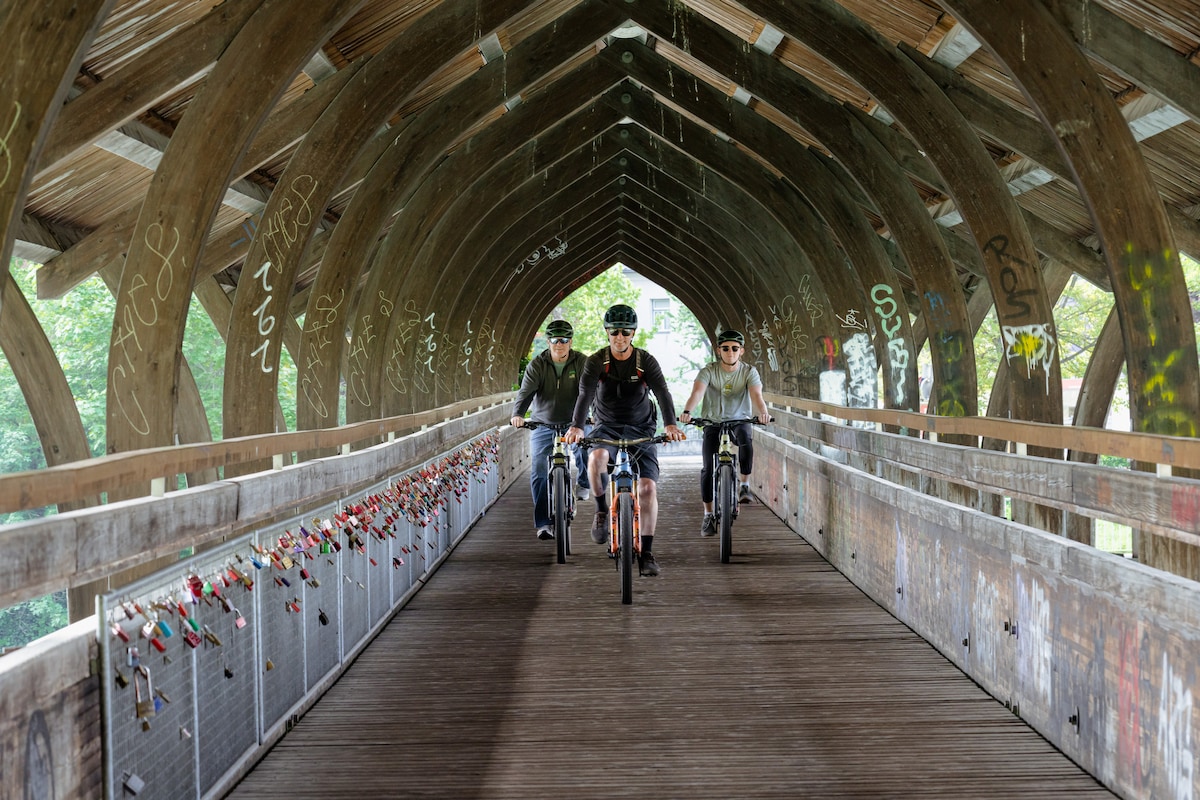
Ride through the majestic mountains of Innsbruck
Sun, Mar 1 • 10:00 AM
Innsbruck, Tyrol 6020, Austria
View details
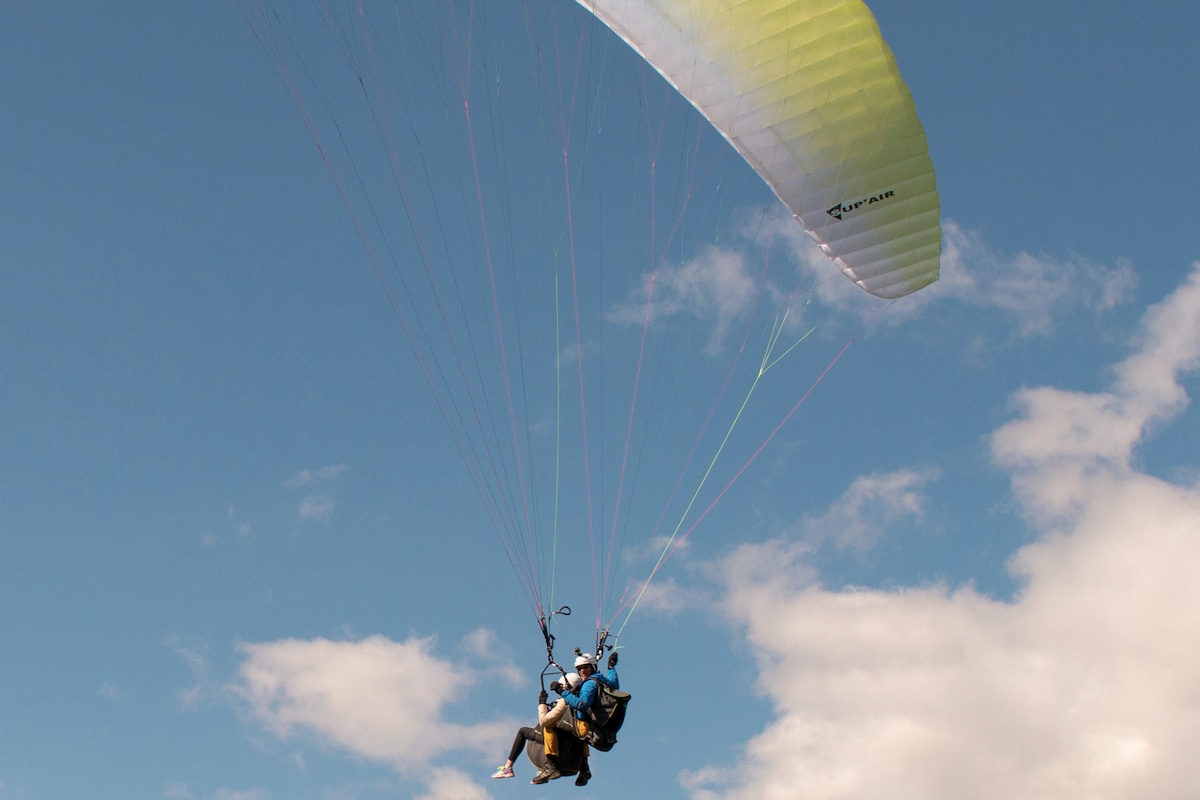
Tandem paragliding with a view of the glacier
Sun, Feb 22 • 11:00 AM
Neustift im Stubaital, Tyrol 6167, Austria
View details

Denis Kozhukhin – Klavierrezital
Sun, Feb 22 • 8:30 PM
In Elmau 2 KONZERTSAAL 82493 Klais
View details
Nearby attractions of Tyrolean Folk Art Museum
Golden Roof
Hofburg Innsbruck
Innsbrucker Nordkettenbahnen Betriebs GmbH (Nordkette)
Dom St. Jakob
Stadtturm
Altstadt Innsbruck
Innsbrucker Hofgarten
Innsbruck Tourismus
Leopold Fountain
Tiroler Landesmuseum Ferdinandeum
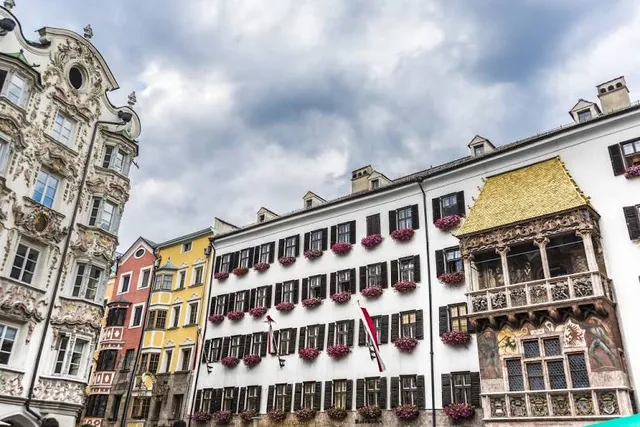
Golden Roof
4.4
(8.9K)
Open until 5:00 PM
Click for details
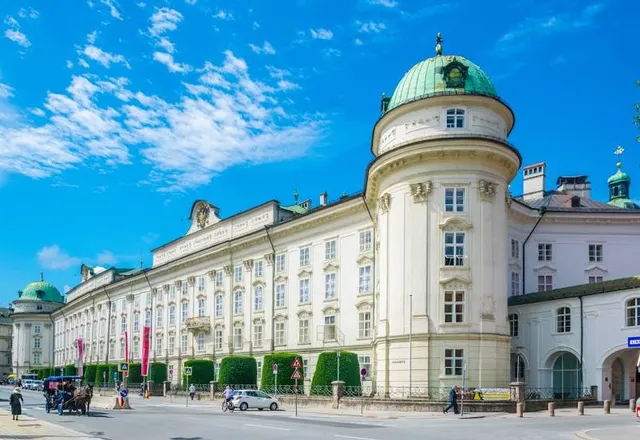
Hofburg Innsbruck
4.4
(1.3K)
Open until 5:00 PM
Click for details
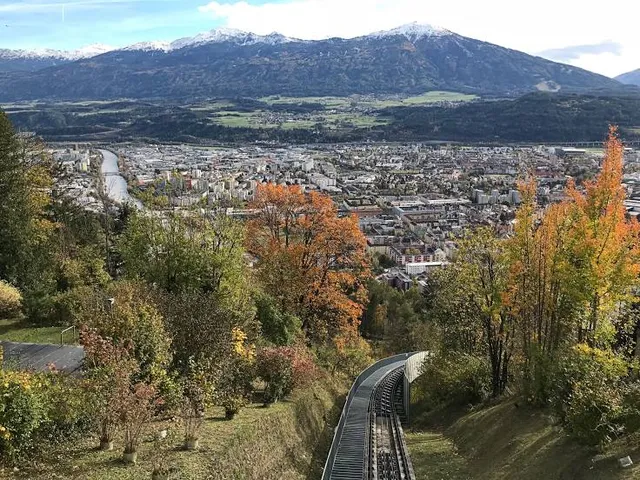
Innsbrucker Nordkettenbahnen Betriebs GmbH (Nordkette)
4.6
(2.3K)
Open until 7:15 PM
Click for details

Dom St. Jakob
4.6
(848)
Open until 6:30 PM
Click for details
Nearby restaurants of Tyrolean Folk Art Museum
Stiftskeller
Ludwig
Strudel Cafe Kroll
Das Brahms
Una Pizza
Il Convento
Gasthaus Goldenes Dachl
Chili Kebab
Fischerhausl
Tribaun
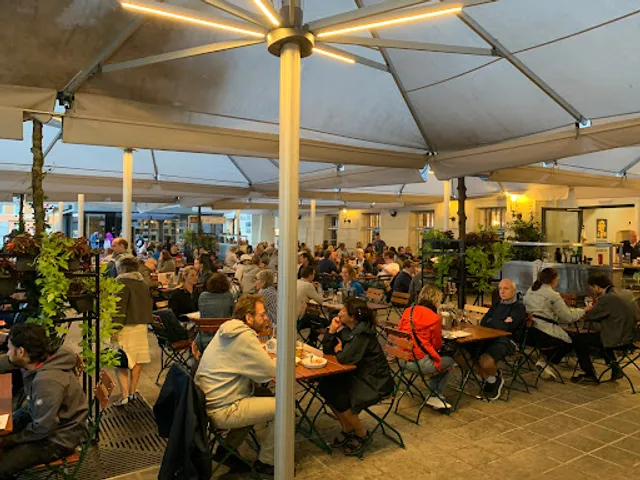
Stiftskeller
4.2
(3.8K)
Open until 11:00 PM
Click for details
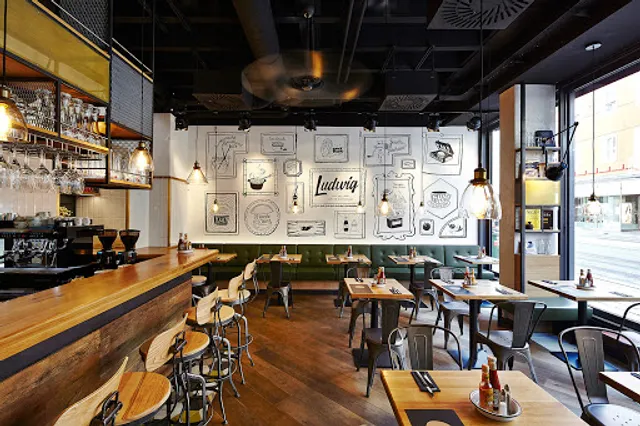
Ludwig
4.3
(1.6K)
Closed
Click for details
Strudel Cafe Kroll
4.0
(1.0K)
Open until 6:30 PM
Click for details
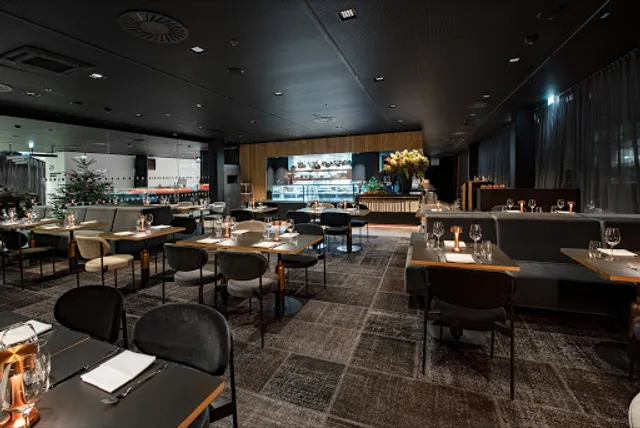
Das Brahms
4.3
(362)
$$
Open until 12:00 AM
Click for details
Nearby local services of Tyrolean Folk Art Museum
Court Church Innsbruck
Swarovski Crystal Worlds Innsbruck Store
Centro storico Innsbruck
Herzog-Friedrich-Straße 6
Speckeria
Kaufhaus Tyrol
Museo Estatal del Tirol
Carolines SPIEL-ART
Handl Tyrol Speck Stube Innsbruck Altstadt
Innbrücke
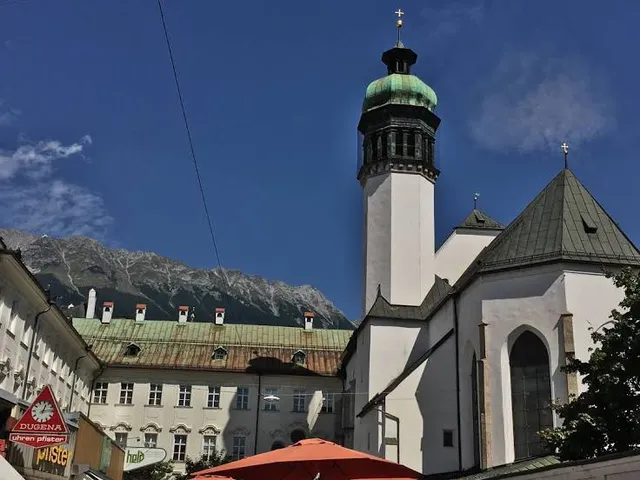
Court Church Innsbruck
4.6
(655)
Click for details
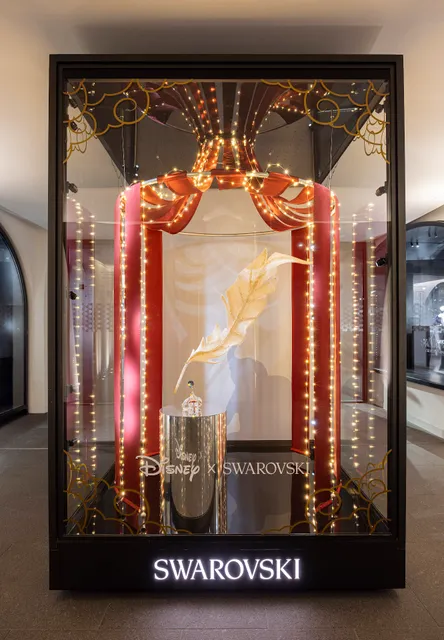
Swarovski Crystal Worlds Innsbruck Store
4.3
(2.4K)
Click for details
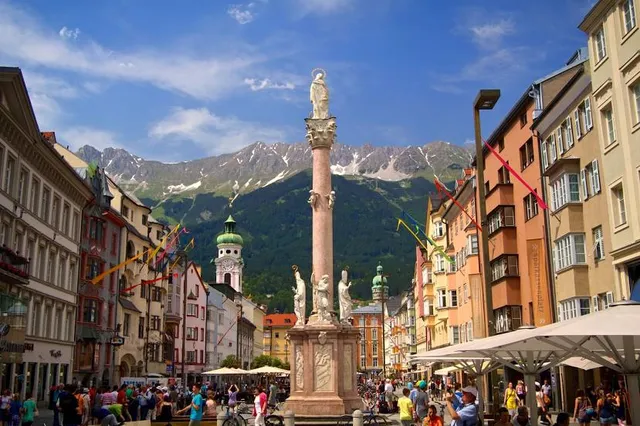
Centro storico Innsbruck
4.7
(544)
Click for details
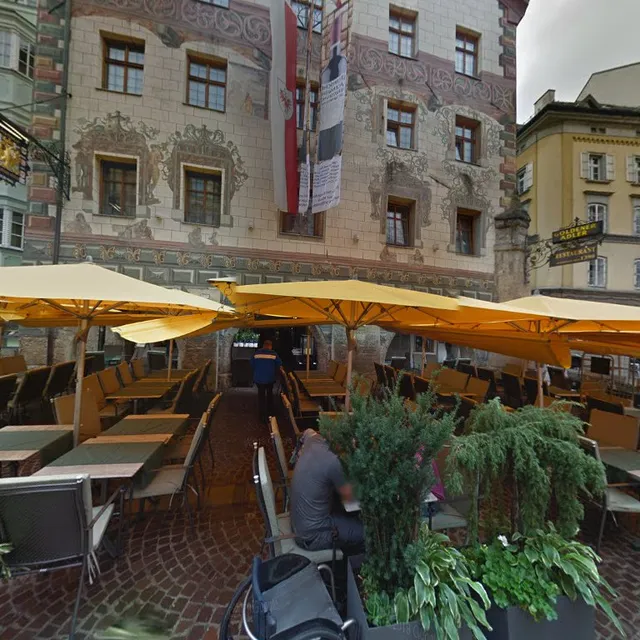
Herzog-Friedrich-Straße 6
4.4
(1.1K)
Click for details