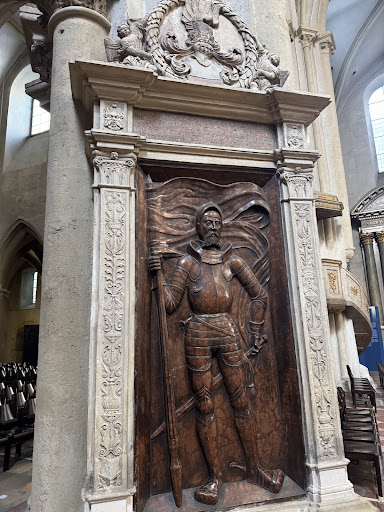
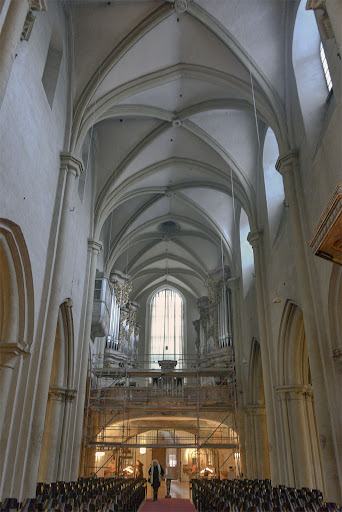
St. Michael's Church things to do, attractions, restaurants, events info and trip planning
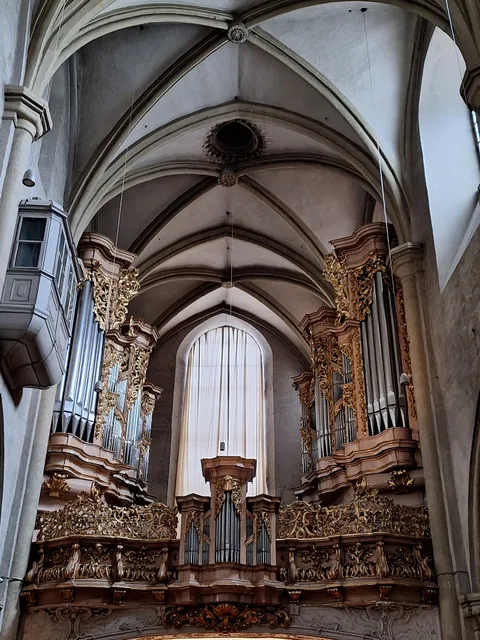
Basic Info
St. Michael's Church
Michaelerplatz 5, 1010 Wien, Austria
4.7(556)
Open until 10:00 PM


tickets
Save
spot
spot
Ratings & Description
Info
Cultural
Scenic
Family friendly
Accessibility
attractions: Sisi Museum, Time Travel Vienna, Spanish Riding School, Museum der Illusionen, Imperial Treasury Vienna, Column of Pest, Hofburg, Immersium:Wien, Austrian National Library, Looshaus, restaurants: Demel Vienna cafe, Illy Caffè, L'Osteria Wien Bräunerstraße, Café Hawelka, Reinthaler's Beisl, Zum Schwarzen Kameel, Vapiano, Regina Margherita, Laolao - grandma's homemade dumplings, Café Restaurant Bräunerhof, local businesses: Michaelerplatz, St. Peter's Catholic Church (Peterskirche), Austrian National Library, Kohlmarkt, BILLA, Graben, Palais Pálffy Kultur & Events GmbH, Dorotheum, Immersium:Wien, The Old Pharmacy
 Learn more insights from Wanderboat AI.
Phone
+43 1 5338000
Website
michaelerkirche.at
Open hoursSee all hours
Mon7 a.m. - 10 p.m.Open
Plan your stay

Pet-friendly Hotels in Vienna
Find a cozy hotel nearby and make it a full experience.

Affordable Hotels in Vienna
Find a cozy hotel nearby and make it a full experience.

The Coolest Hotels You Haven't Heard Of (Yet)
Find a cozy hotel nearby and make it a full experience.

Trending Stays Worth the Hype in Vienna
Find a cozy hotel nearby and make it a full experience.
Reviews
Live events

Die Legende der Titanic - Die immersive Ausstellung
Mon, Feb 9 • 10:00 AM
Karl-Farkas-Gasse 19, Wien, 1030
View details

Machu Picchu - die immersive Experience!
Mon, Feb 9 • 10:00 AM
Donauturmplatz 1, Wien, 1220
View details
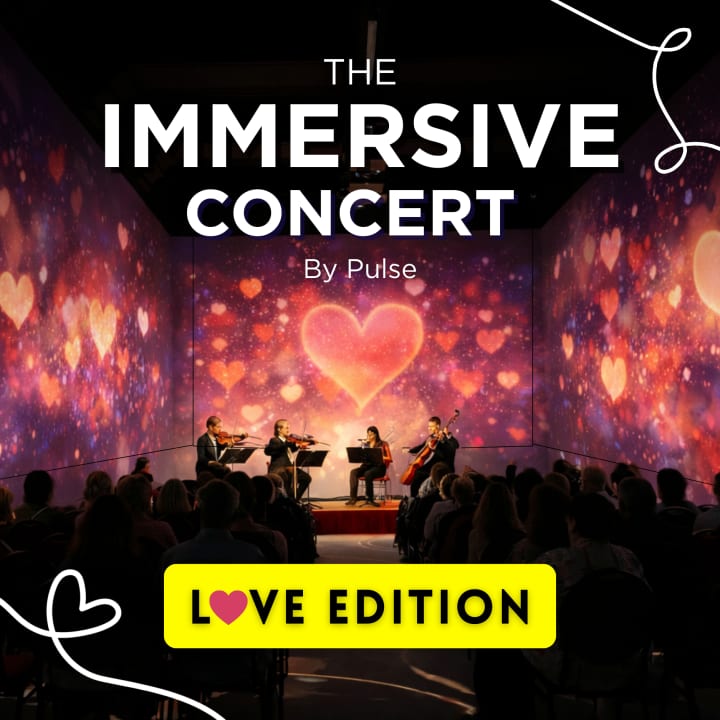
The Immersive Concert – Love Edition
Fri, Feb 13 • 6:00 PM
Friedrichstraße 7, Wien, 1010
View details
Nearby attractions of St. Michael's Church
Sisi Museum
Time Travel Vienna
Spanish Riding School
Museum der Illusionen
Imperial Treasury Vienna
Column of Pest
Hofburg
Immersium:Wien
Austrian National Library
Looshaus
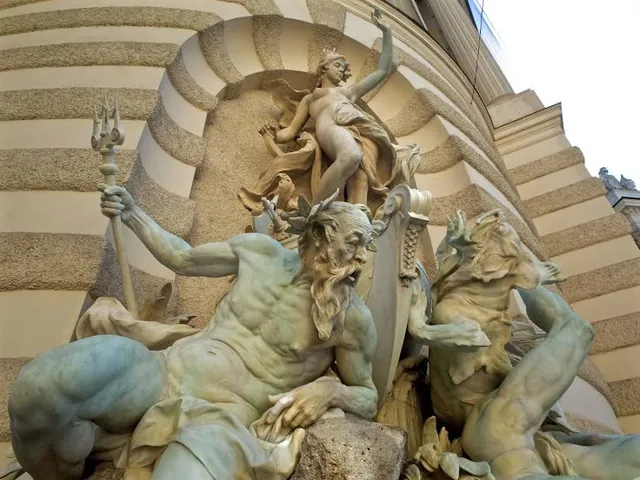
Sisi Museum
4.4
(7K)
Open until 5:30 PM
Click for details
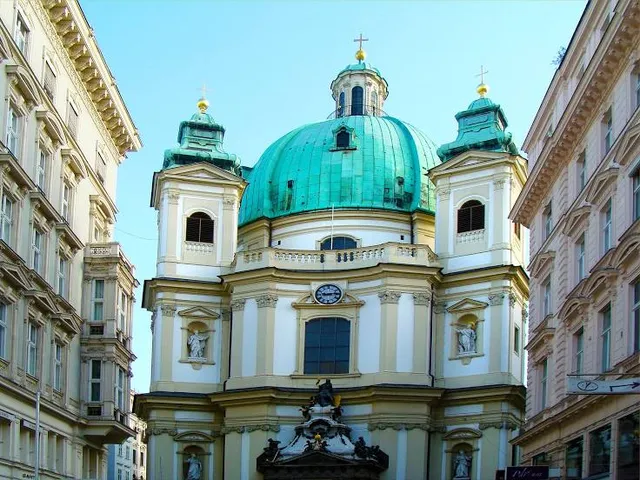
Time Travel Vienna
4.6
(4.8K)
Closed
Click for details
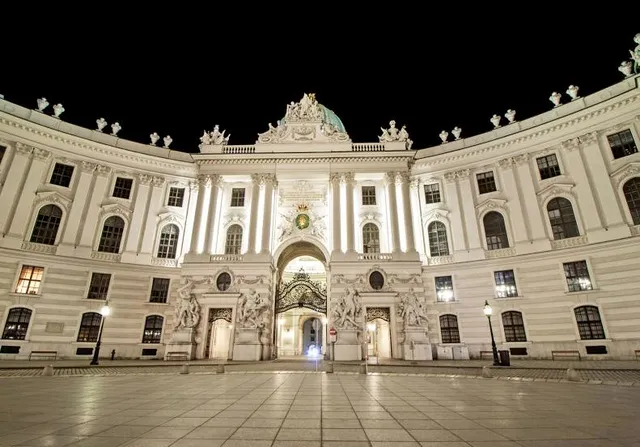
Spanish Riding School
3.5
(1.6K)
Open until 4:00 PM
Click for details
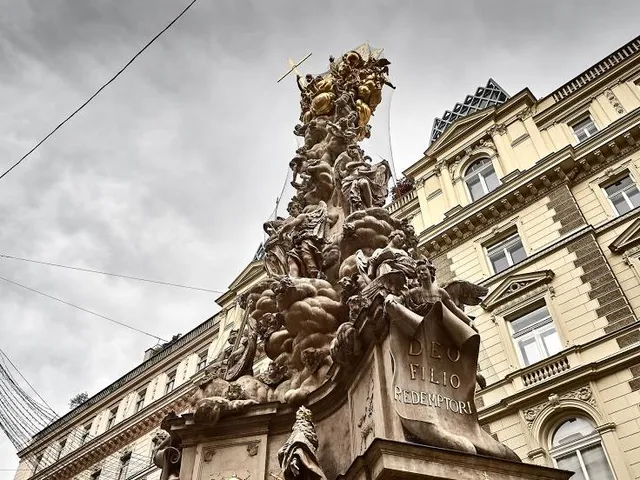
Museum der Illusionen
4.1
(4K)
Closed
Click for details
Nearby restaurants of St. Michael's Church
Demel Vienna cafe
Illy Caffè
L'Osteria Wien Bräunerstraße
Café Hawelka
Reinthaler's Beisl
Zum Schwarzen Kameel
Vapiano
Regina Margherita
Laolao - grandma's homemade dumplings
Café Restaurant Bräunerhof
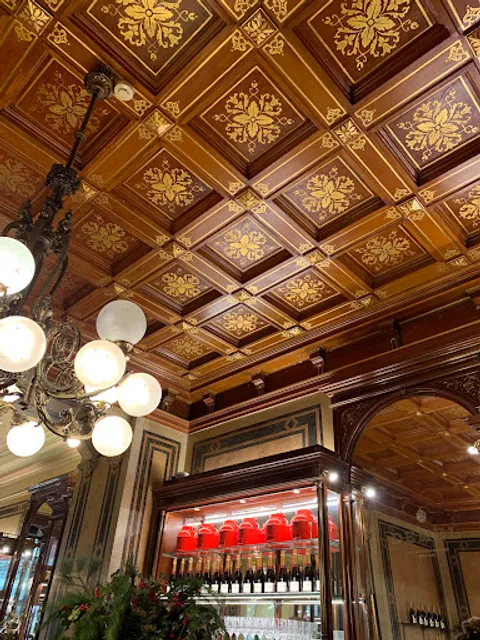
Demel Vienna cafe
4.2
(7.9K)
$$$
Closed
Click for details
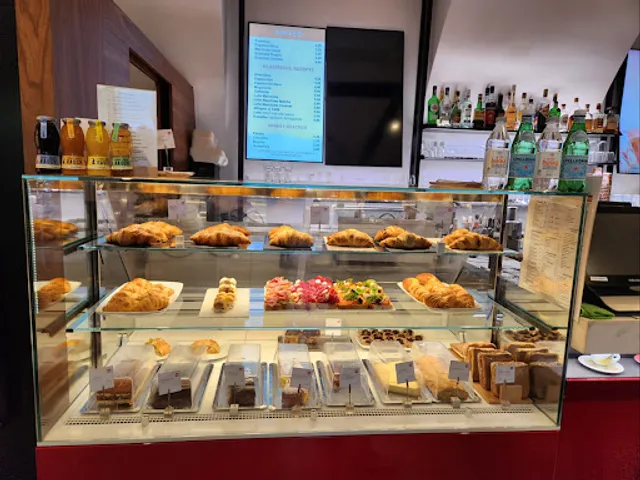
Illy Caffè
3.6
(938)
Open until 11:00 PM
Click for details
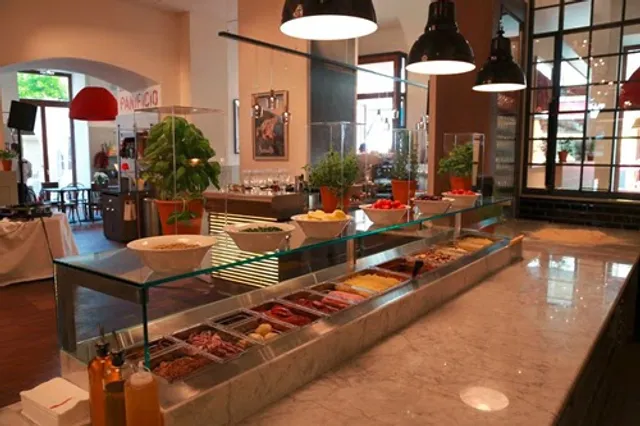
L'Osteria Wien Bräunerstraße
4.1
(3.1K)
$$
Closed
Click for details
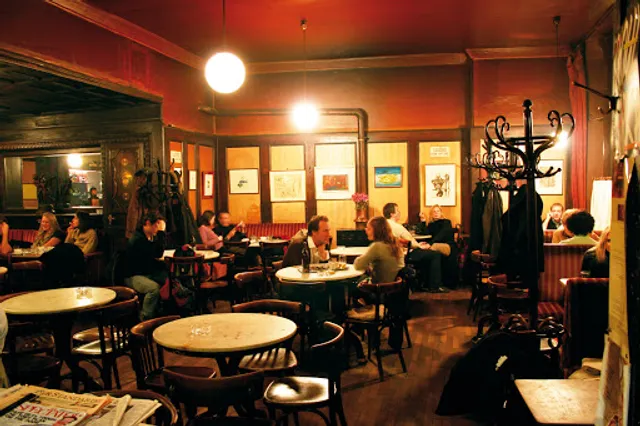
Café Hawelka
4.0
(3.5K)
Open until 12:00 AM
Click for details
Nearby local services of St. Michael's Church
Michaelerplatz
St. Peter's Catholic Church (Peterskirche)
Austrian National Library
Kohlmarkt
BILLA
Graben
Palais Pálffy Kultur & Events GmbH
Dorotheum
Immersium:Wien
The Old Pharmacy
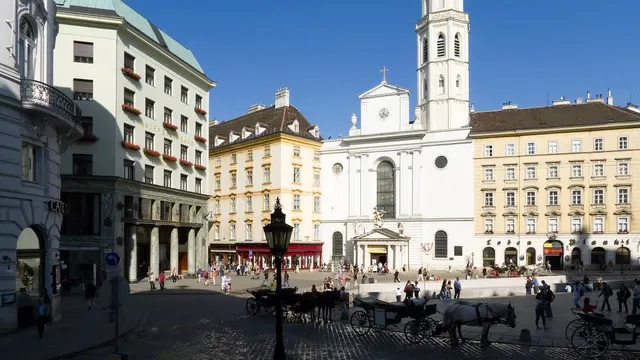
Michaelerplatz
4.8
(305)
Click for details
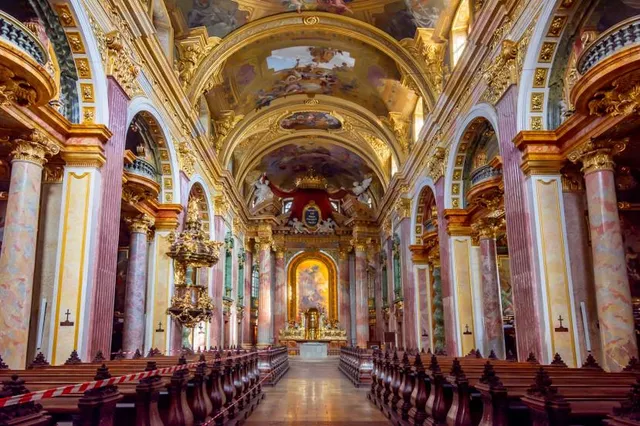
St. Peter's Catholic Church (Peterskirche)
4.7
(3.6K)
Click for details
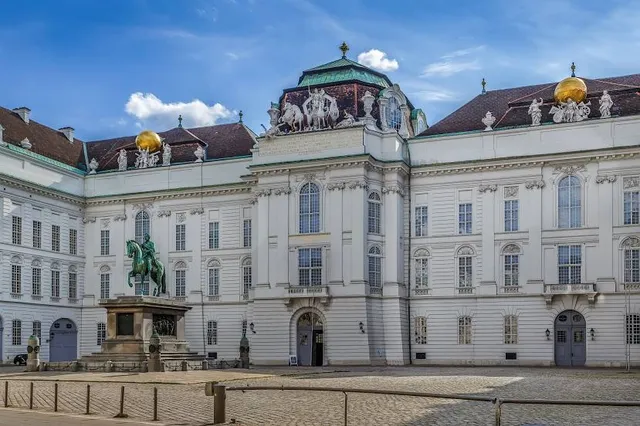
Austrian National Library
4.6
(1.4K)
Click for details
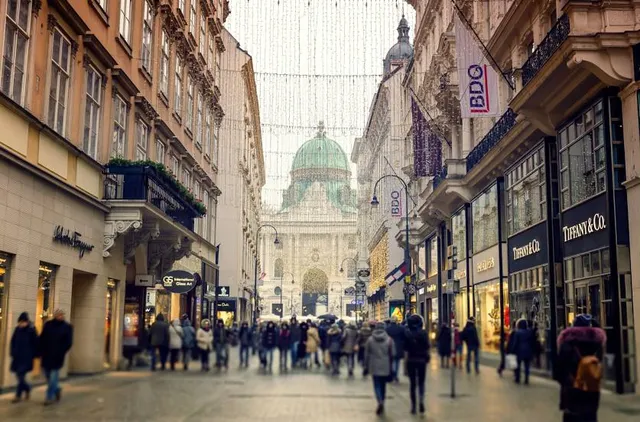
Kohlmarkt
4.7
(163)
Click for details