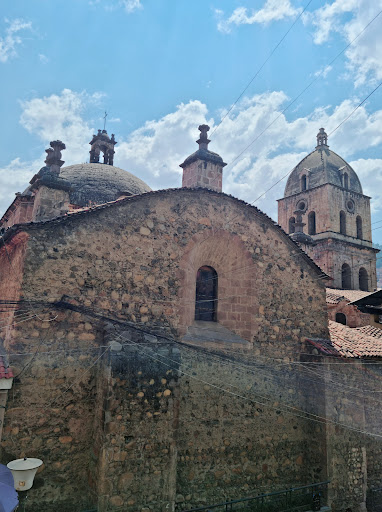
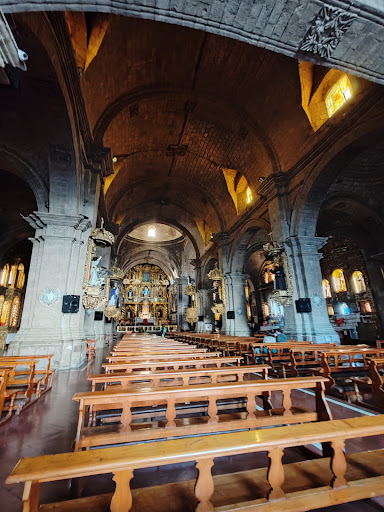
Basilica of Saint Francis things to do, attractions, restaurants, events info and trip planning
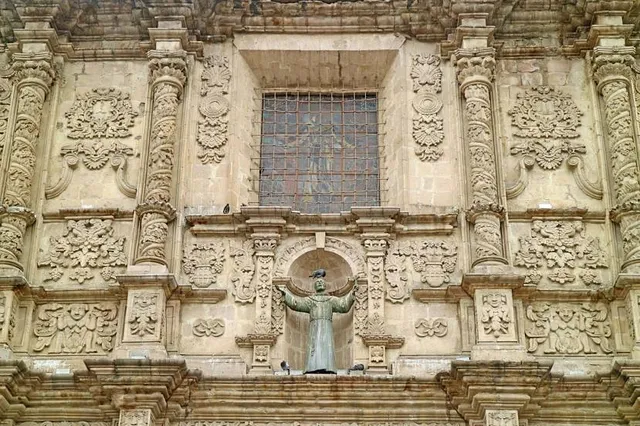
Basic Info
Basilica of Saint Francis
Sagarnaga 173, La Paz, Bolivia
4.4(1.5K)
Open until 6:00 PM
Save
spot
spot
Ratings & Description
Info
The Basilica of Saint Francis of Assisi is the mother church of the Roman Catholic Order of Friars Minor Conventual in Assisi, a town in the Umbria region in central Italy, where Saint Francis was born and died. It is a papal minor basilica and one of the most important places of Christian pilgrimage in Italy.
Cultural
Accessibility
attractions: Plaza Mayor de San Francisco, The Witches' Market, Museo San Francisco, Coca Museum, Plaza Murillo, National Museum of Ethnography and Folklore, National Art Museum, Metropolitan Cathedral Basilica of Our Lady of La Paz, Museo Tambo Quirquincho, Museum of Musical Instruments, restaurants: Café Restaurante Banais, Bolivian Popular Food, Oliva Restaurant - Cocina Abierta, LAMURILLO RESTAURANTE, La Boliviana, Pizzería Bella Ciao, YATI Restaurant café bar, Restaurant Chifa "Jackie Chan", Mega Burguer, Calle Sagarnaga 213, local businesses: Gravity Bolivia, Mi Teleférico Línea Morada - Estación Obelisco, Sagarnaga, Plaza Alonso De Mendoza, Teleférico Línea Celeste - Estación Prado, Jaén, Mi Teleférico Línea Naranja - Estación Armentia, Iglesia de San Pedro, Teleférico Armentia, Teleférico Línea Naranja - Estación Central
 Learn more insights from Wanderboat AI.
Phone
+591 62358118
Open hoursSee all hours
Sat10 AM - 6 PMOpen
Plan your stay

Pet-friendly Hotels in La Paz
Find a cozy hotel nearby and make it a full experience.

Affordable Hotels in La Paz
Find a cozy hotel nearby and make it a full experience.

The Coolest Hotels You Haven't Heard Of (Yet)
Find a cozy hotel nearby and make it a full experience.

Trending Stays Worth the Hype in La Paz
Find a cozy hotel nearby and make it a full experience.
Reviews
Live events
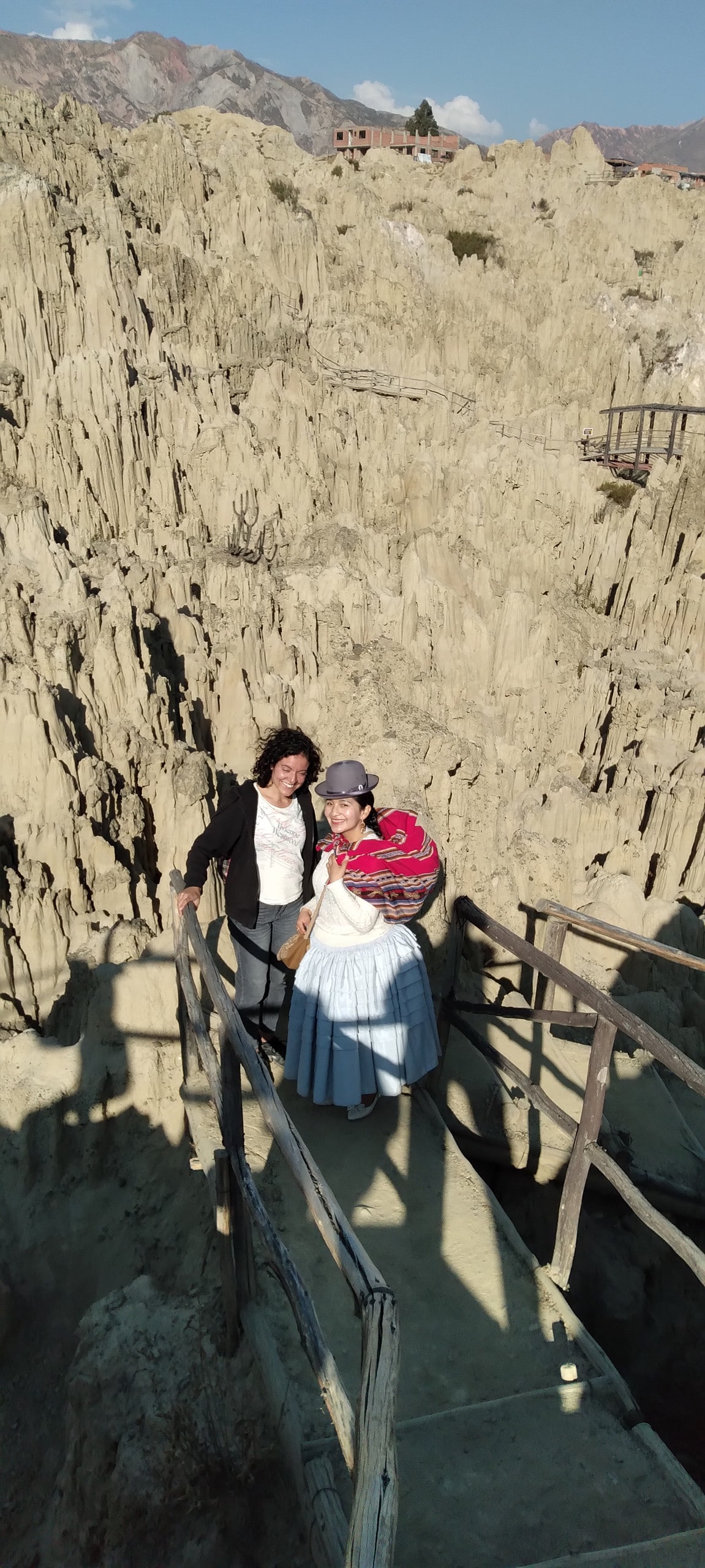
Discovering La Paz-Moon Valley-Cable Cars, Private
Sat, Feb 21 • 12:30 PM
La Paz, La Paz Department 0, Bolivia
View details
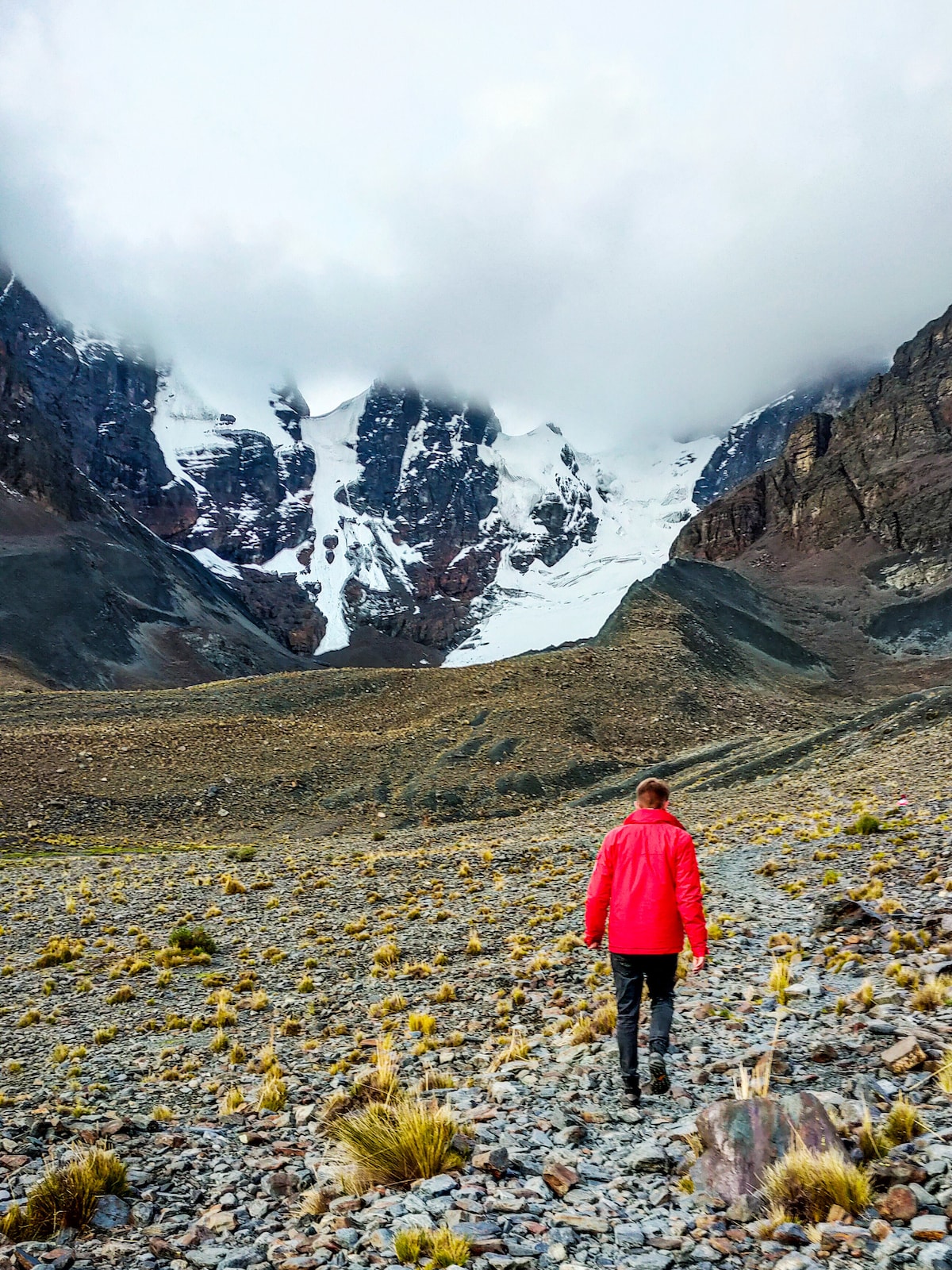
Hike to Tuni Condoriri, Cordillera Real La Paz
Sat, Feb 21 • 5:00 AM
La Paz, La Paz Department 0000, Bolivia
View details
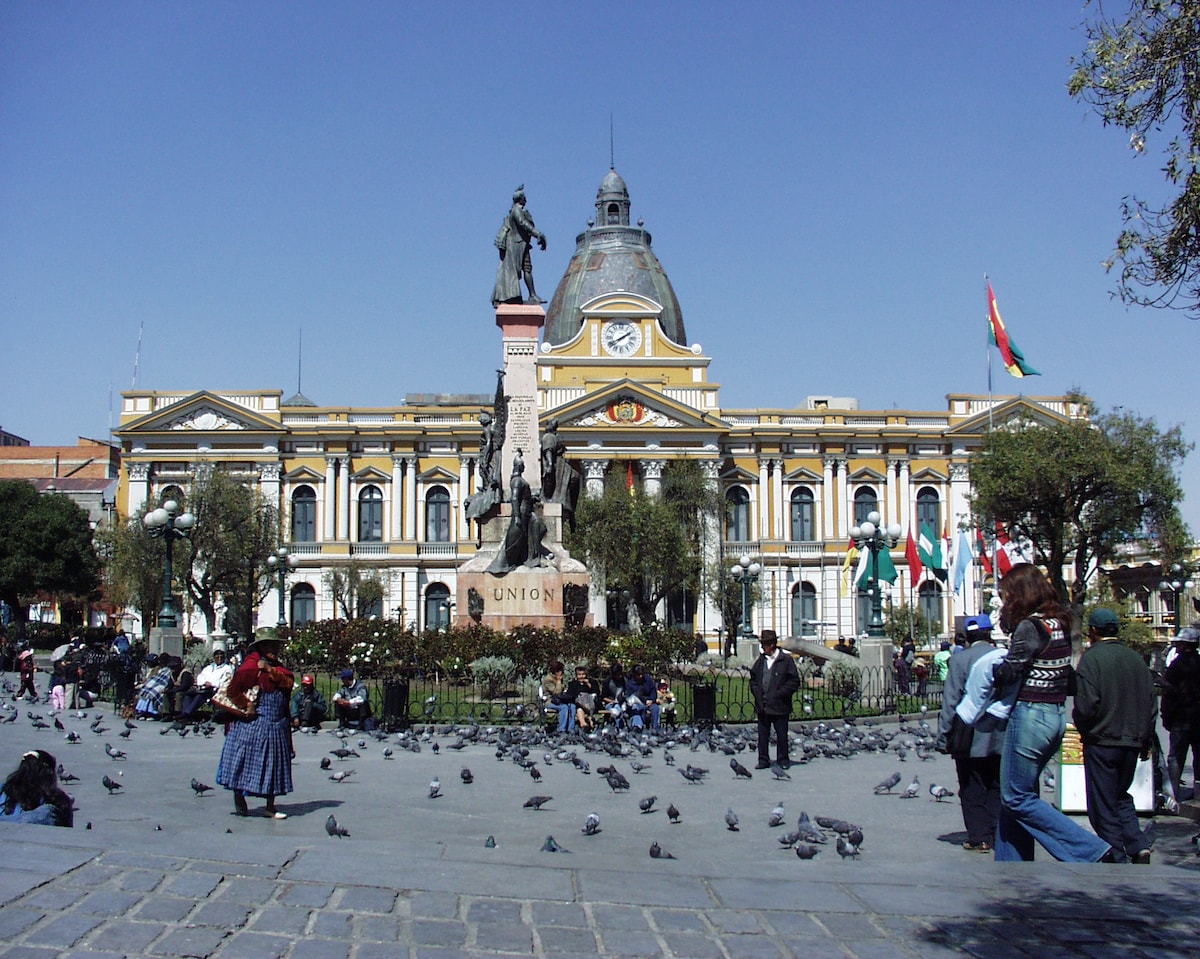
La Paz Social and Political Walk
Sun, Feb 22 • 6:30 AM
La Paz, La Paz Department GV57+4P, Bolivia
View details
Nearby attractions of Basilica of Saint Francis
Plaza Mayor de San Francisco
The Witches' Market
Museo San Francisco
Coca Museum
Plaza Murillo
National Museum of Ethnography and Folklore
National Art Museum
Metropolitan Cathedral Basilica of Our Lady of La Paz
Museo Tambo Quirquincho
Museum of Musical Instruments
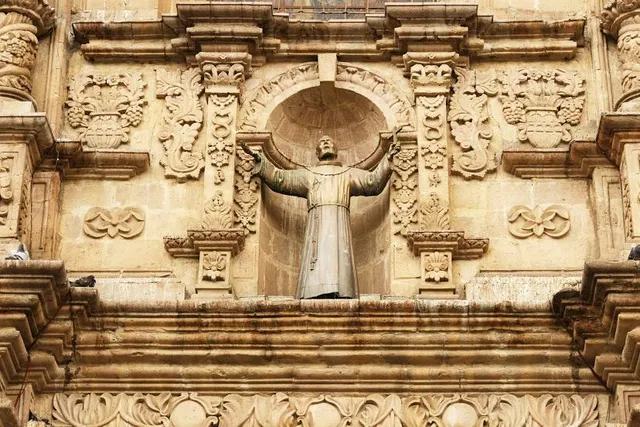
Plaza Mayor de San Francisco
4.2
(5.3K)
Open until 12:00 AM
Click for details
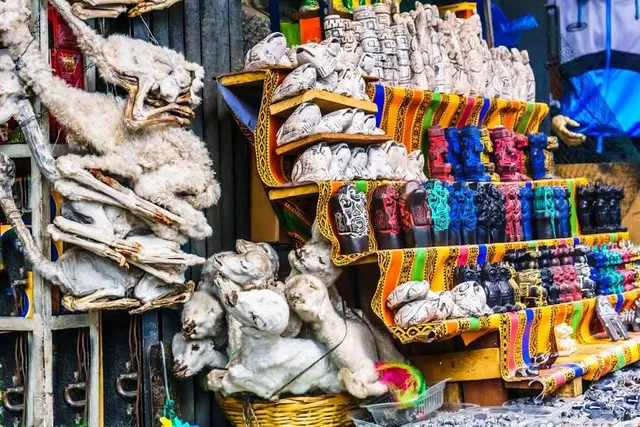
The Witches' Market
4.1
(4.2K)
Open until 10:00 PM
Click for details
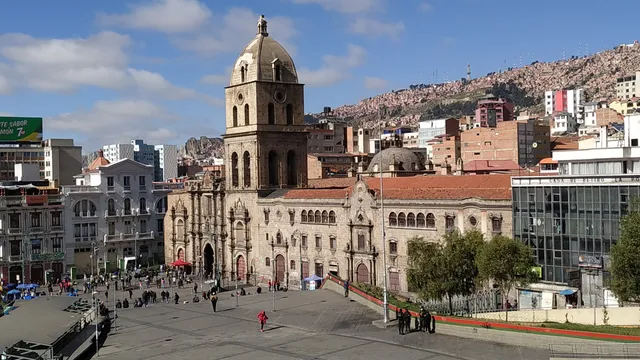
Museo San Francisco
4.3
(150)
Open 24 hours
Click for details
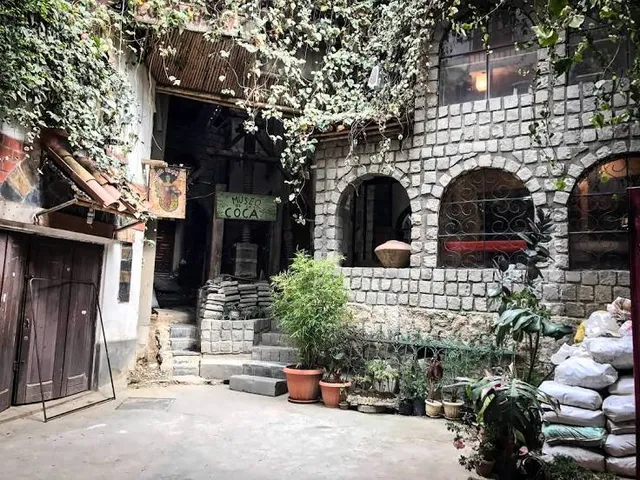
Coca Museum
4.3
(334)
Open until 7:00 PM
Click for details
Nearby restaurants of Basilica of Saint Francis
Café Restaurante Banais
Bolivian Popular Food
Oliva Restaurant - Cocina Abierta
LAMURILLO RESTAURANTE
La Boliviana
Pizzería Bella Ciao
YATI Restaurant café bar
Restaurant Chifa "Jackie Chan"
Mega Burguer
Calle Sagarnaga 213
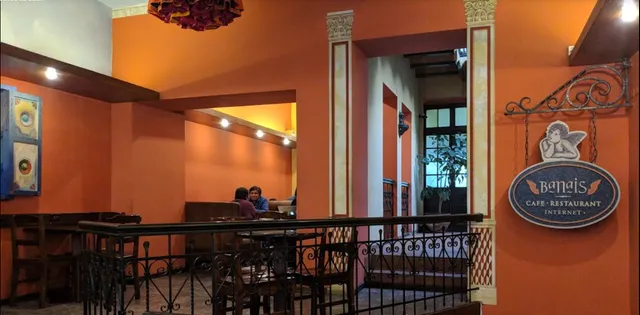
Café Restaurante Banais
4.4
(407)
$$
Open until 9:00 PM
Click for details
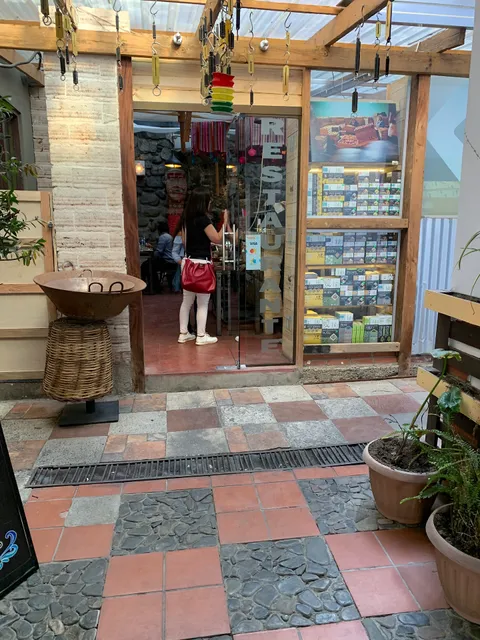
Bolivian Popular Food
4.6
(708)
Click for details
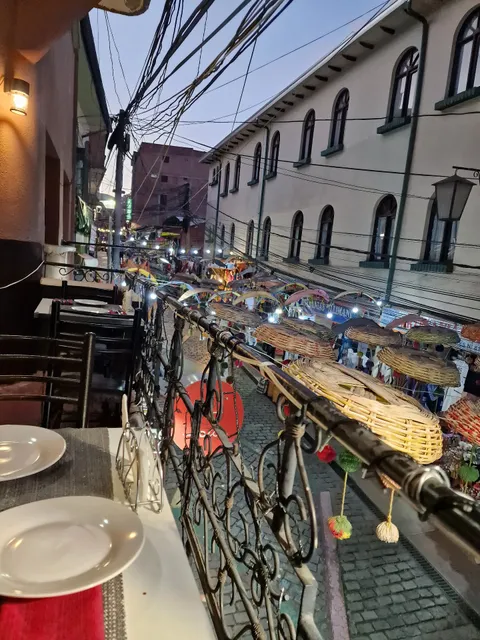
Oliva Restaurant - Cocina Abierta
4.6
(371)
Open until 10:00 PM
Click for details
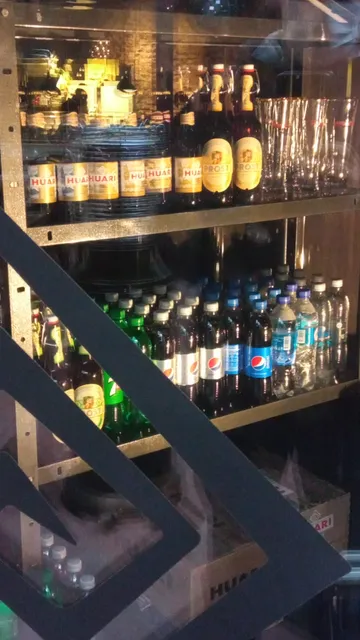
LAMURILLO RESTAURANTE
4.6
(150)
Open until 10:00 PM
Click for details
Nearby local services of Basilica of Saint Francis
Gravity Bolivia
Mi Teleférico Línea Morada - Estación Obelisco
Sagarnaga
Plaza Alonso De Mendoza
Teleférico Línea Celeste - Estación Prado
Jaén
Mi Teleférico Línea Naranja - Estación Armentia
Iglesia de San Pedro
Teleférico Armentia
Teleférico Línea Naranja - Estación Central
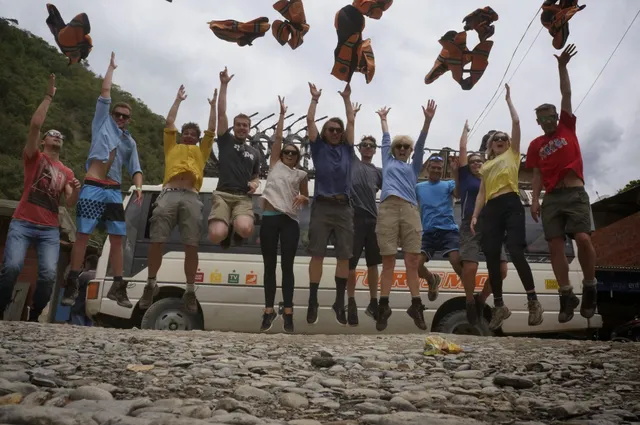
Gravity Bolivia
4.6
(117)
Click for details
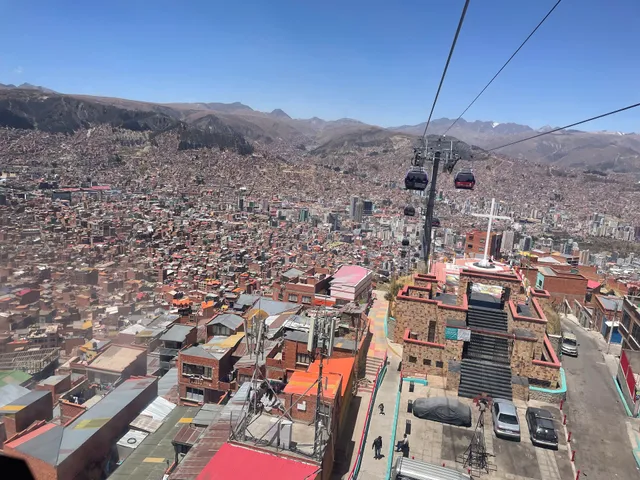
Mi Teleférico Línea Morada - Estación Obelisco
4.4
(2K)
Click for details
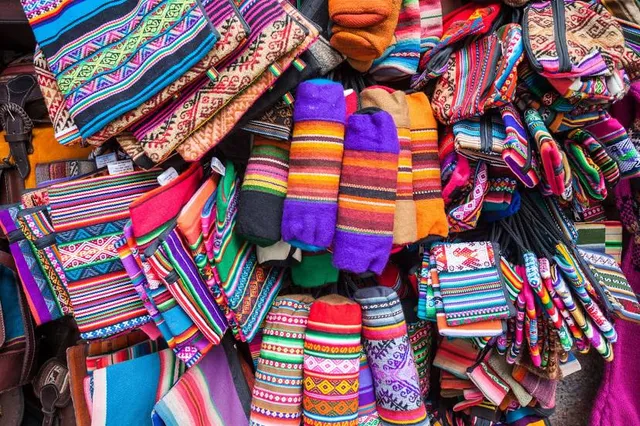
Sagarnaga
4.5
(17)
Click for details
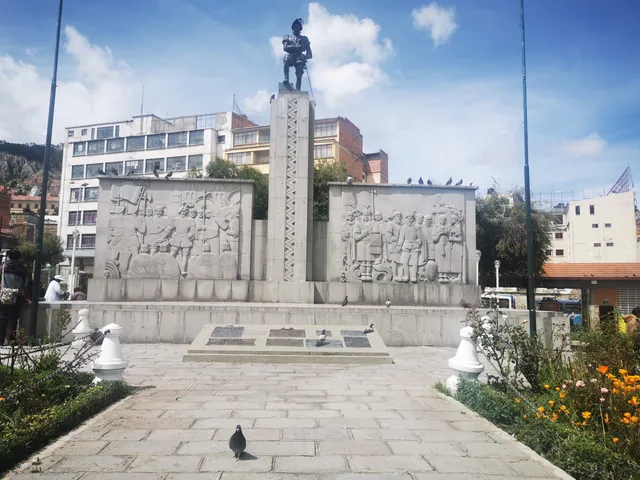
Plaza Alonso De Mendoza
3.6
(267)
Click for details