Flagstaff House Museum of Tea Ware things to do, attractions, restaurants, events info and trip planning
Basic Info
Flagstaff House Museum of Tea Ware
10號 Cotton Tree Dr, Central, Hong Kong
4.3(384)
Open until 12:00 AM
Save
spot
spot
Ratings & Description
Info
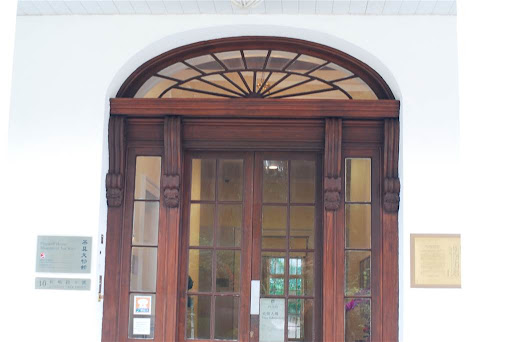
Flagstaff House, built in 1846, is the oldest example of Western-style architecture remaining in Hong Kong. It is located at 10 Cotton Tree Drive, Central – within the Hong Kong Park. It has been a longtime residence of the Commander of the British forces in Hong Kong during colonial times.
Cultural
Family friendly
Accessibility
attractions: Bank of China Tower, The Peak Tram, Forsgate Conservatory, Hong Kong Park, Chater Garden, Admiralty Garden, Fountain Plaza, Edward Youde Aviary, Statue Square, Hong Kong City Hall, restaurants: LockCha (Admiralty), Lippo Chiuchow Restaurant, Ippudo (Admiralty), Emmer Pizzeria & Café, Popinjays, Shiki Etsu Japanese Restaurant, cafe TOO, La Taste Vietnamese Cuisine, Restaurant Petrus, Nadaman at Island Shangri-La, Hong Kong, local businesses: Pacific Place, EP&T Global Limited, St. John's Cathedral, The K.S.Lo Gallery, The Henderson, Two Pacific Place, One Pacific Place, Christie's Hong Kong, Bank of China (Hong Kong), AIA Central
 Learn more insights from Wanderboat AI.
Phone
+852 2869 0690
Website
hk.art.museum
Open hoursSee all hours
TueClosedOpen
Plan your stay

Pet-friendly Hotels in Hong Kong
Find a cozy hotel nearby and make it a full experience.

Affordable Hotels in Hong Kong
Find a cozy hotel nearby and make it a full experience.

The Coolest Hotels You Haven't Heard Of (Yet)
Find a cozy hotel nearby and make it a full experience.

Trending Stays Worth the Hype in Hong Kong
Find a cozy hotel nearby and make it a full experience.
Reviews
Live events
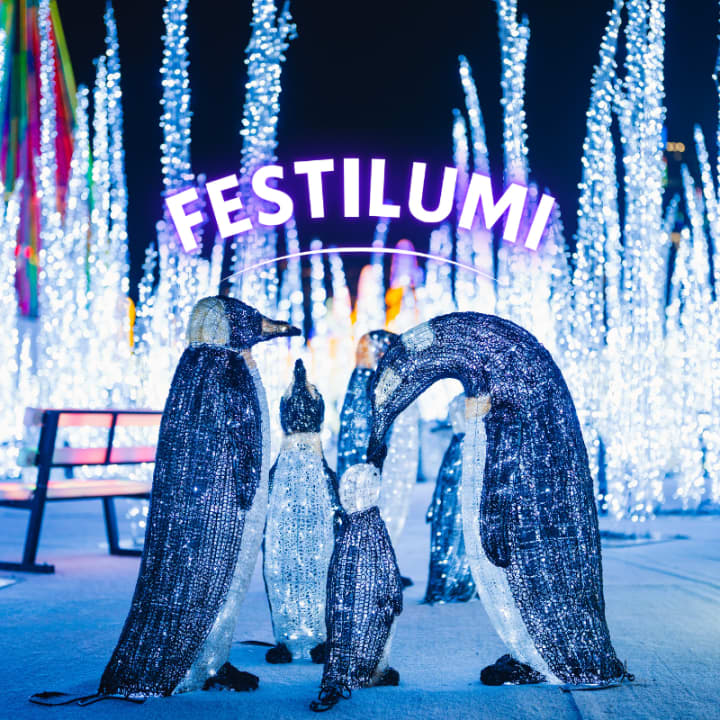
Festilumi - 香港
Tue, Feb 10 • 6:30 PM
3 Hung Hing Rd, Wan Chai, 00000
View details
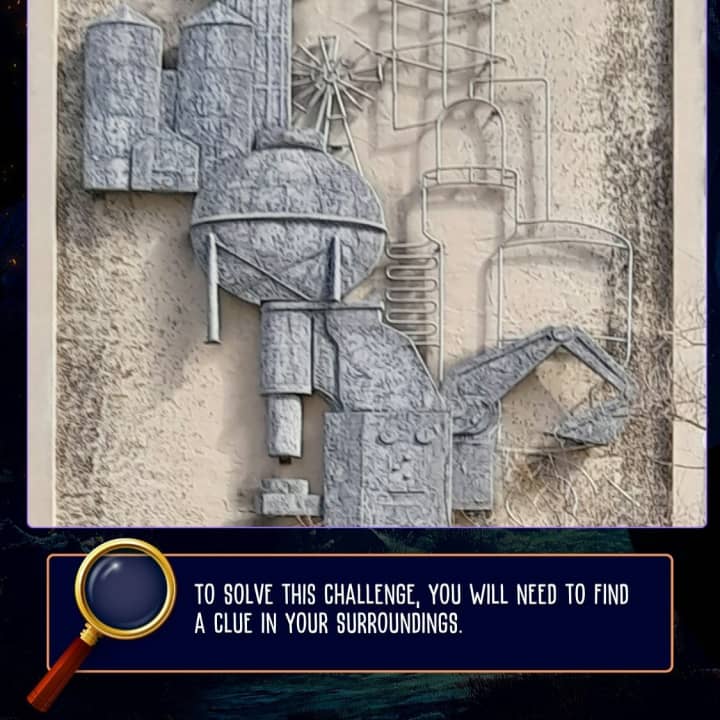
Hong Kong Detective Game: Join the Secret Society!
Sun, Feb 1 • 12:00 AM
Statue Square, Des Voeux Rd Central, Central, Hong Kong, 75J5+CW
View details
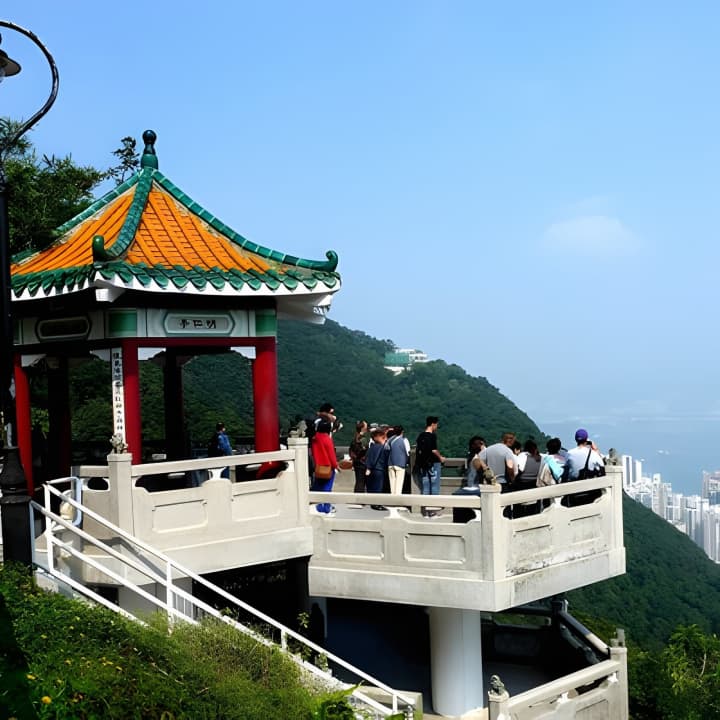
维多利亚山顶参加语音导览,经半山扶手电梯登上山顶
Tue, Feb 10 • 12:00 AM
中環租庇利街
View details
Nearby attractions of Flagstaff House Museum of Tea Ware
Bank of China Tower
The Peak Tram
Forsgate Conservatory
Hong Kong Park
Chater Garden
Admiralty Garden
Fountain Plaza
Edward Youde Aviary
Statue Square
Hong Kong City Hall
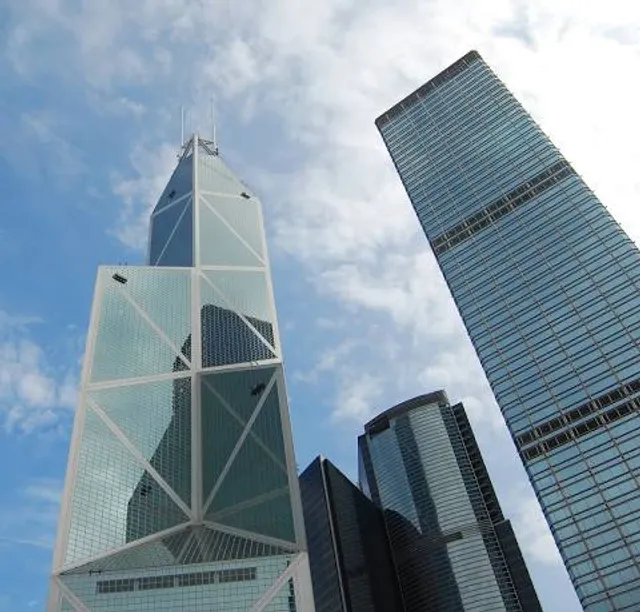
Bank of China Tower
4.1
(990)
Open 24 hours
Click for details
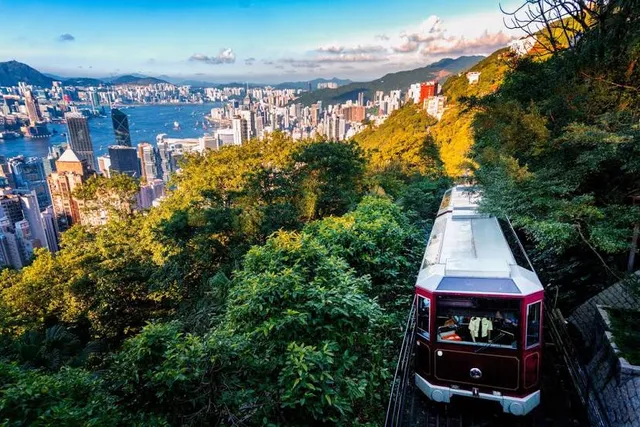
The Peak Tram
4.3
(9.5K)
Open until 11:00 PM
Click for details
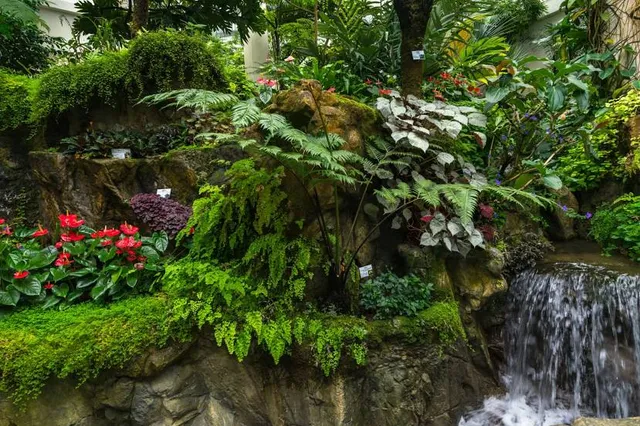
Forsgate Conservatory
4.3
(197)
Open until 5:00 PM
Click for details
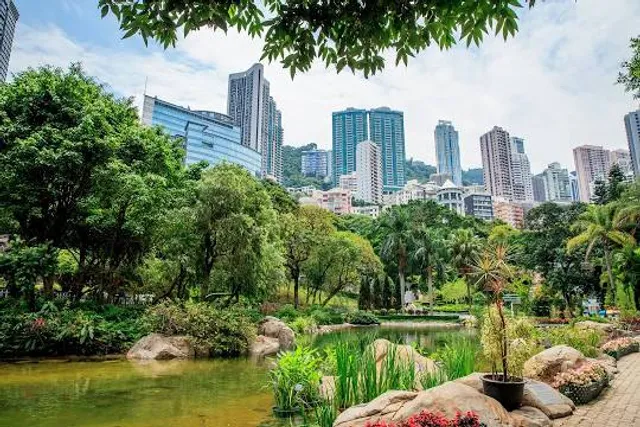
Hong Kong Park
4.5
(383)
Closed
Click for details
Nearby restaurants of Flagstaff House Museum of Tea Ware
LockCha (Admiralty)
Lippo Chiuchow Restaurant
Ippudo (Admiralty)
Emmer Pizzeria & Café
Popinjays
Shiki Etsu Japanese Restaurant
cafe TOO
La Taste Vietnamese Cuisine
Restaurant Petrus
Nadaman at Island Shangri-La, Hong Kong
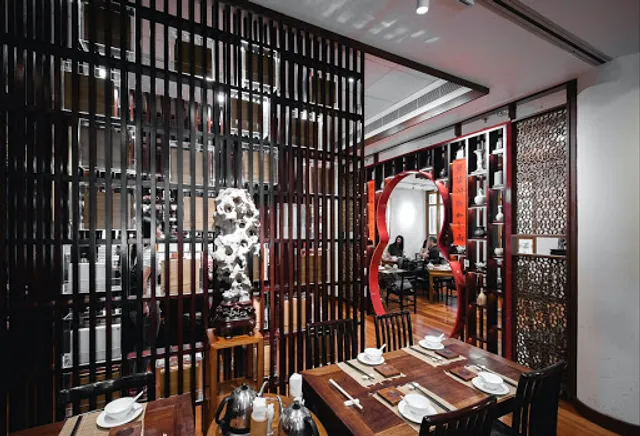
LockCha (Admiralty)
4.3
(266)
$$
Open until 8:00 PM
Click for details
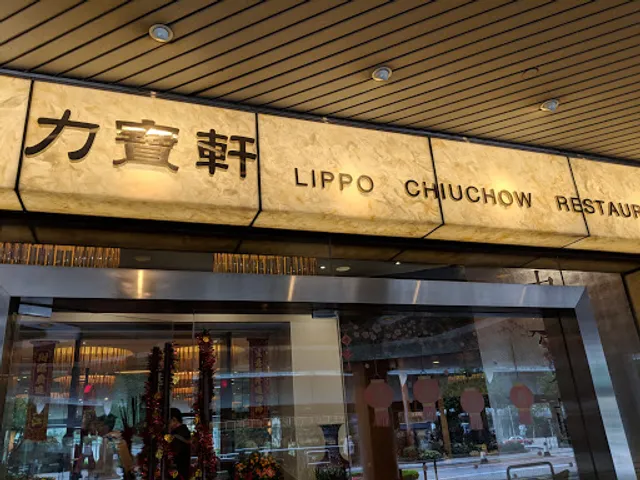
Lippo Chiuchow Restaurant
3.9
(326)
$$
Open until 3:00 PM
Click for details
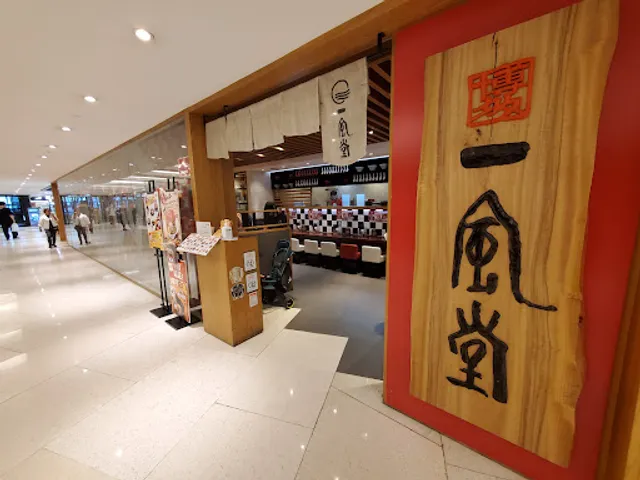
Ippudo (Admiralty)
3.7
(434)
Open until 9:30 PM
Click for details
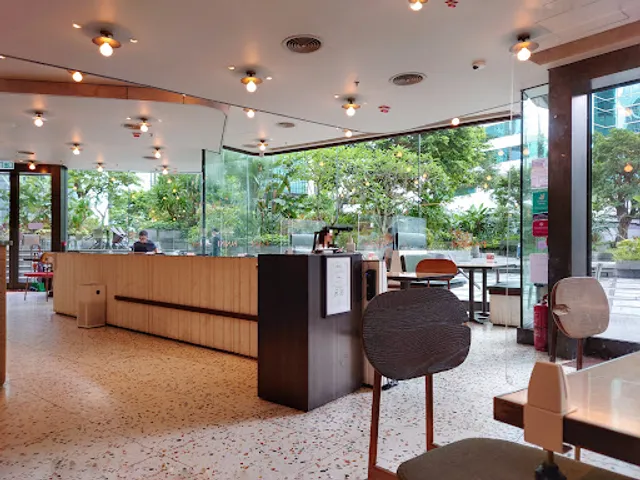
Emmer Pizzeria & Café
4.4
(422)
$$
Open until 10:00 PM
Click for details
Nearby local services of Flagstaff House Museum of Tea Ware
Pacific Place
EP&T Global Limited
St. John's Cathedral
The K.S.Lo Gallery
The Henderson
Two Pacific Place
One Pacific Place
Christie's Hong Kong
Bank of China (Hong Kong)
AIA Central
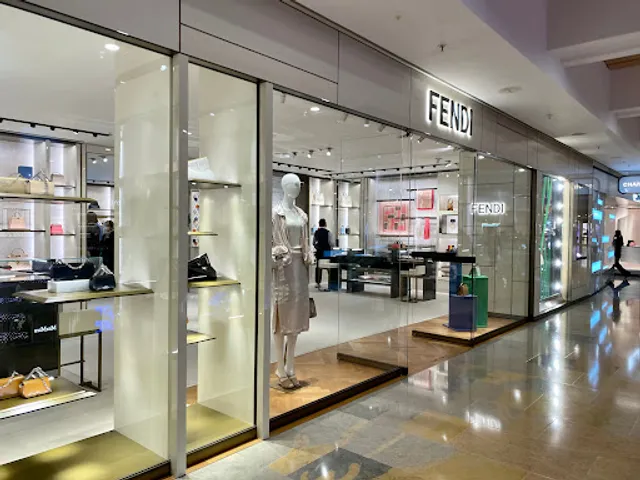
Pacific Place
4.2
(4K)
Click for details
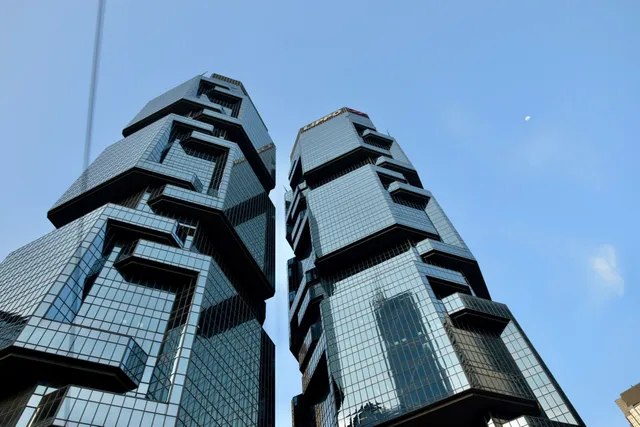
EP&T Global Limited
3.8
(130)
Click for details
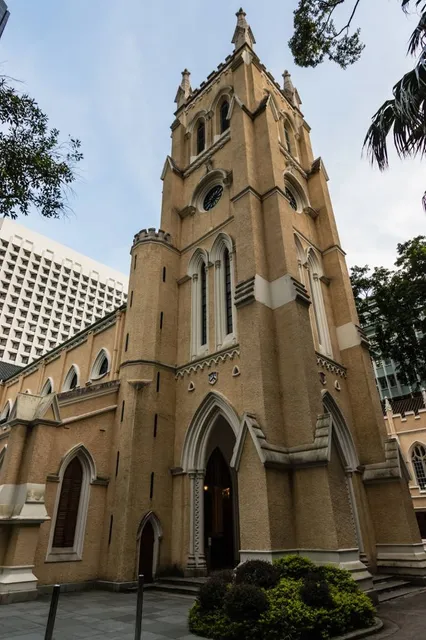
St. John's Cathedral
4.5
(686)
Click for details
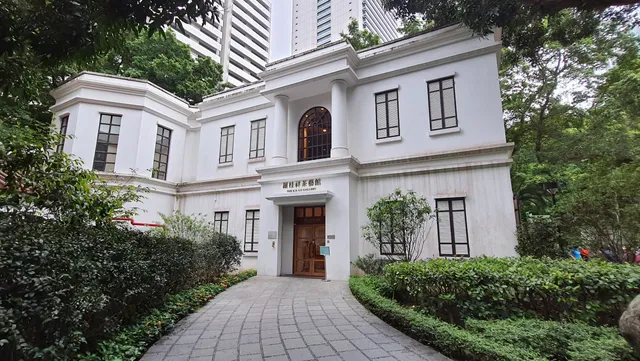
The K.S.Lo Gallery
4.3
(20)
Click for details