Vestibul things to do, attractions, restaurants, events info and trip planning
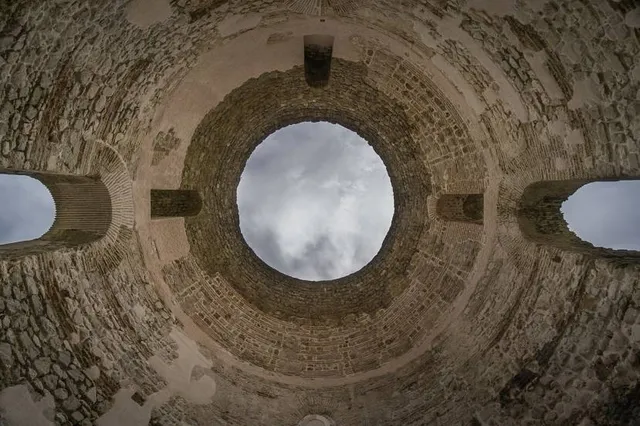
Basic Info
Vestibul
Ul. Iza Vestibula 1, 21000, Split, Croatia
4.8(219)
Open until 12:00 AM
Save
spot
spot
Ratings & Description
Info
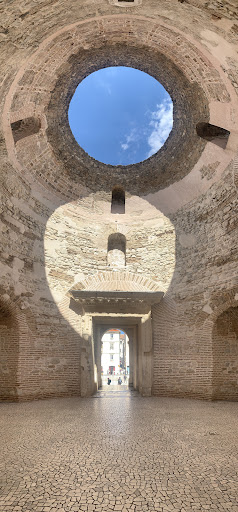
A vestibule is a small room leading into a larger space such as a lobby, entrance hall or passage, for the purpose of waiting, withholding the larger space view, reducing heat loss, providing storage space for outdoor clothing, etc.
Cultural
Scenic
attractions: Diocletian's Palace, Saint Domnius Cathedral, Diocletian's Cellars, Ancient Split, Jupiter's Temple, Saint Domnius Bell Tower, Golden Gate, Split Ethnographic Museum, Split Rafting Adventure, Sphinx, restaurants: LAGANINI seafood • pasta • steak, Fig Split, Café & Restaurant Lvxor Split, Temple Kitchen seafood & steak, Picasso Pizza&Bar, Konoba Korta, Zinfandel Food & Wine Bistro, Terminal F, ZOI, Mazzgoon, local businesses: Split Riva, Marvlvs Library Jazz Bar, SeaYou Croatia Boat Tours Split Meeting Point, Trg braće Radić (Voćni trg), Ilirio's Hvar Tours, Gregory of Nin, Hello Blue Cave - Boat Tours, Split walking tour, Strossmayer park, Blue Shark
 Learn more insights from Wanderboat AI.
Website
visitsplit.com
Open hoursSee all hours
SatOpen 24 hoursOpen
Plan your stay

Pet-friendly Hotels in Grad Split
Find a cozy hotel nearby and make it a full experience.

Affordable Hotels in Grad Split
Find a cozy hotel nearby and make it a full experience.

The Coolest Hotels You Haven't Heard Of (Yet)
Find a cozy hotel nearby and make it a full experience.

Trending Stays Worth the Hype in Grad Split
Find a cozy hotel nearby and make it a full experience.
Reviews
Live events
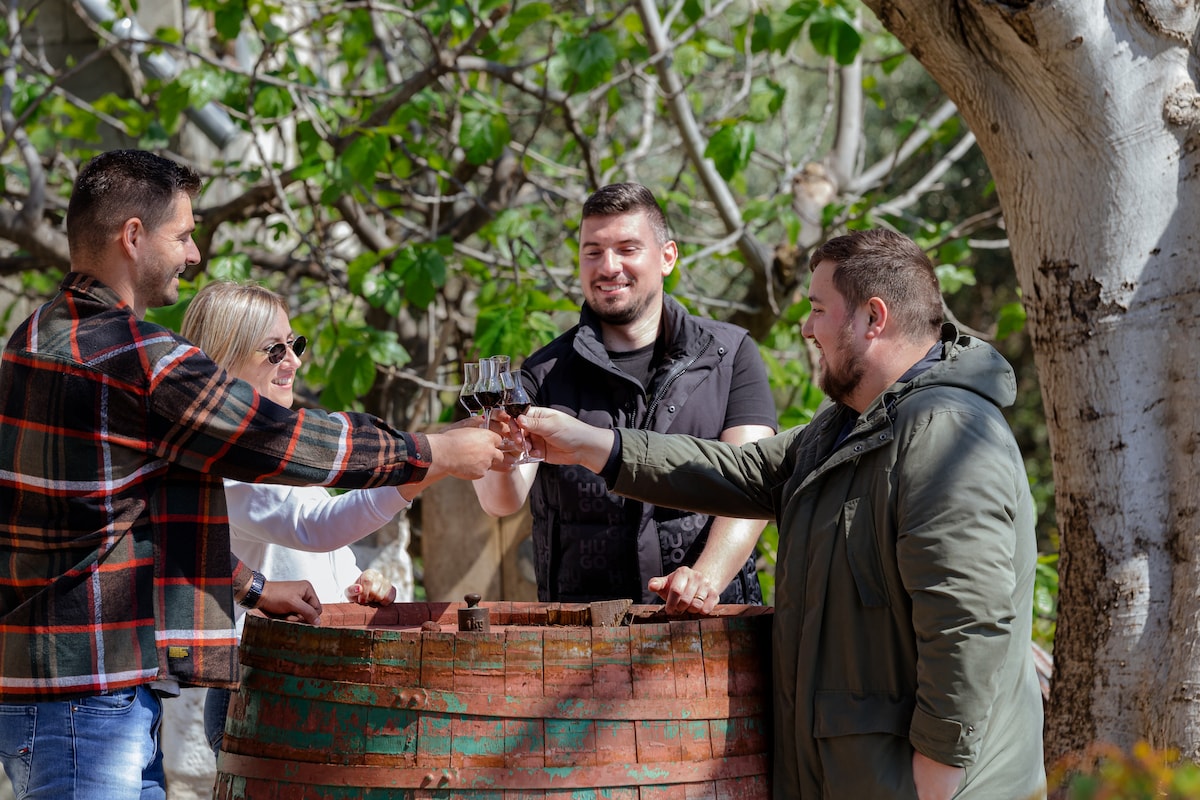
All about olive oil and wine
Sat, Feb 21 • 12:00 PM
21000, Split, Croatia
View details
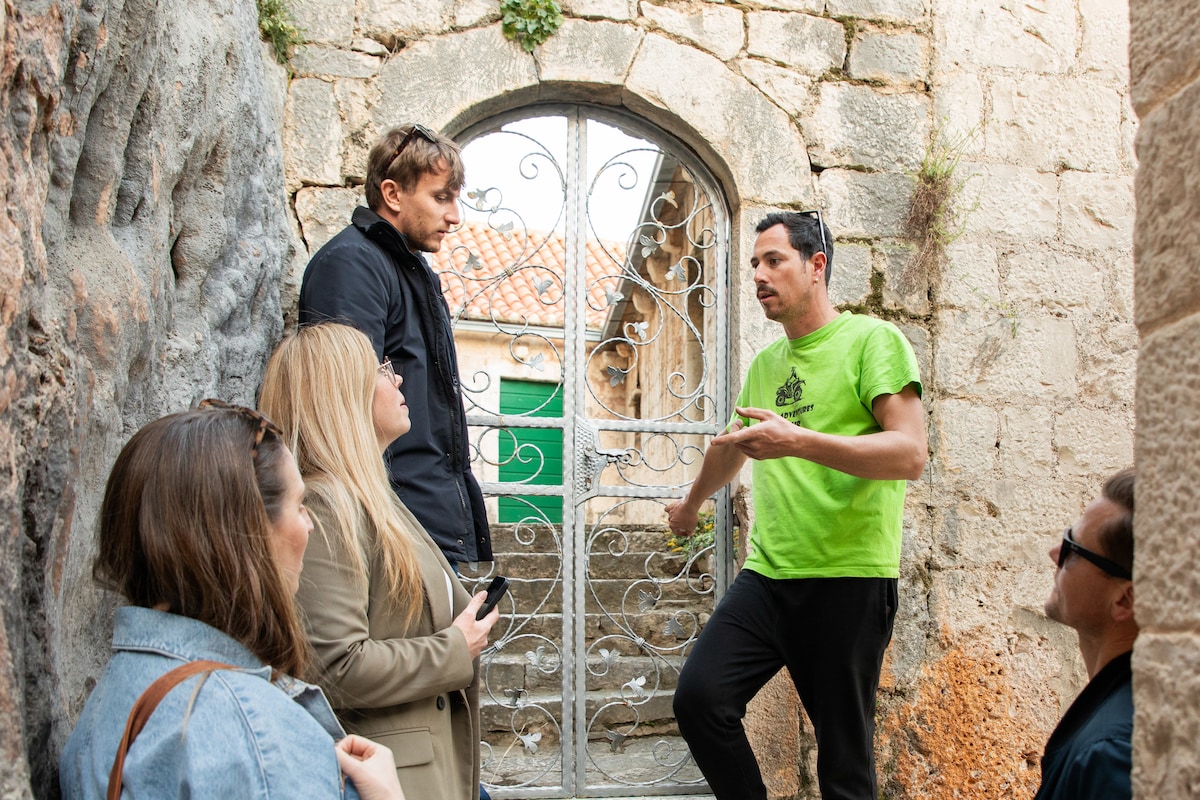
Ride quads on Island Čiovo
Sat, Feb 21 • 9:30 AM
21220, Žedno, Croatia
View details
Nearby attractions of Vestibul
Diocletian's Palace
Saint Domnius Cathedral
Diocletian's Cellars
Ancient Split
Jupiter's Temple
Saint Domnius Bell Tower
Golden Gate
Split Ethnographic Museum
Split Rafting Adventure
Sphinx
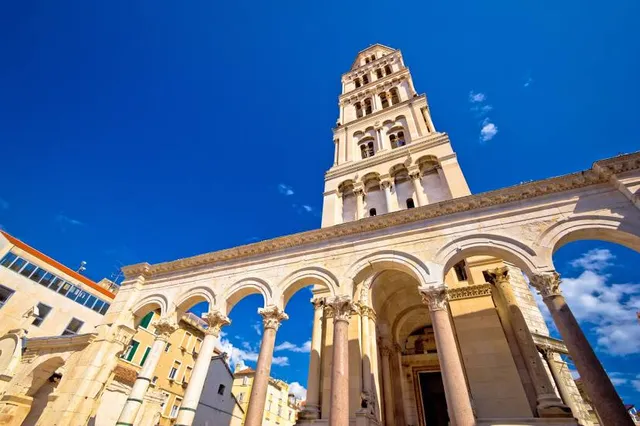
Diocletian's Palace
4.7
(29.7K)
Open until 12:00 AM
Click for details
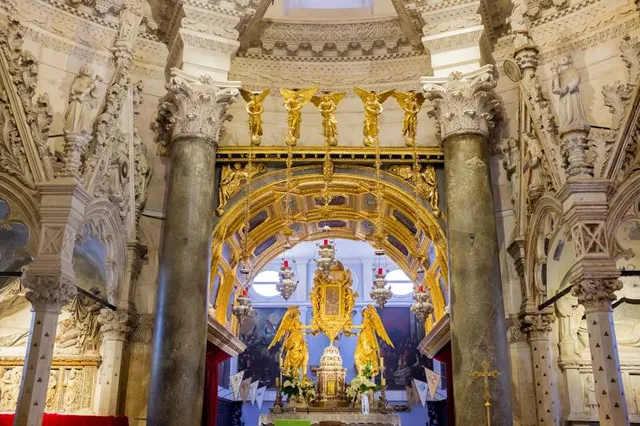
Saint Domnius Cathedral
4.6
(3.1K)
Closed
Click for details
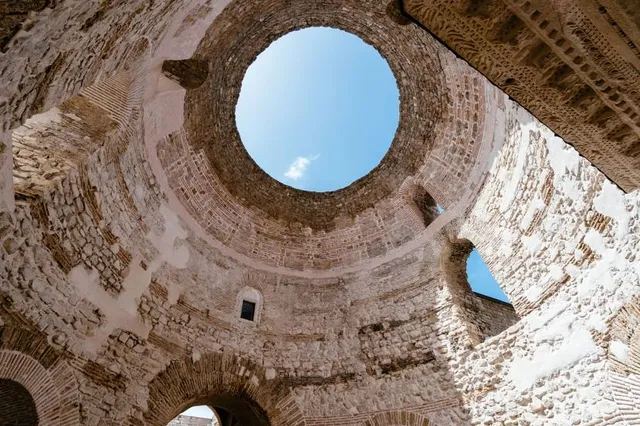
Diocletian's Cellars
4.5
(750)
Closed
Click for details
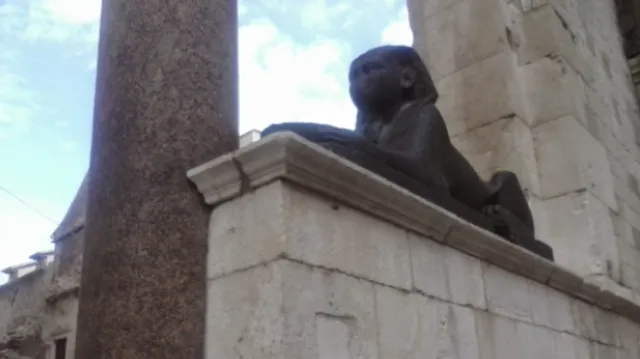
Ancient Split
4.8
(374)
Open until 12:00 AM
Click for details
Nearby restaurants of Vestibul
LAGANINI seafood • pasta • steak
Fig Split
Café & Restaurant Lvxor Split
Temple Kitchen seafood & steak
Picasso Pizza&Bar
Konoba Korta
Zinfandel Food & Wine Bistro
Terminal F
ZOI
Mazzgoon
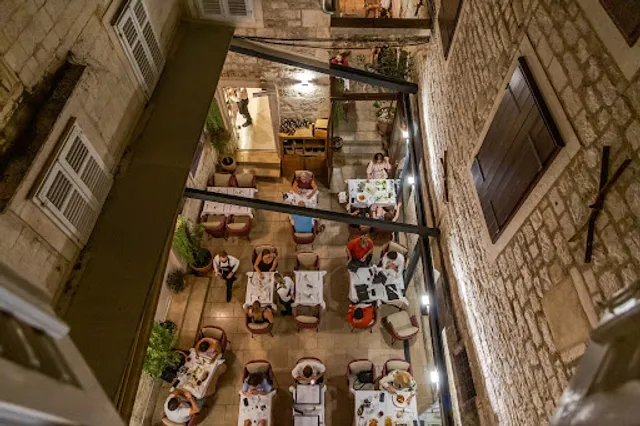
LAGANINI seafood • pasta • steak
4.8
(1.3K)
Closed
Click for details
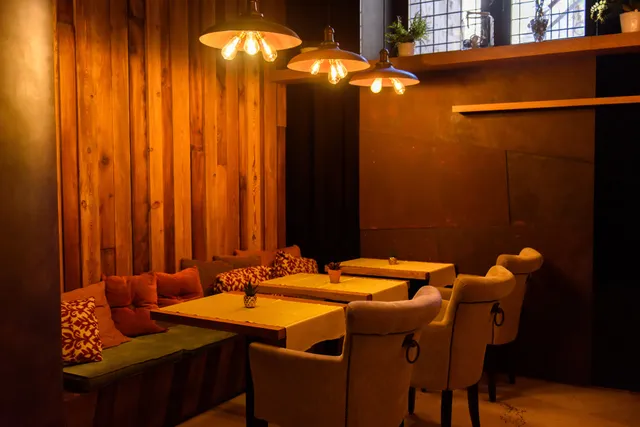
Fig Split
4.7
(1.5K)
Click for details
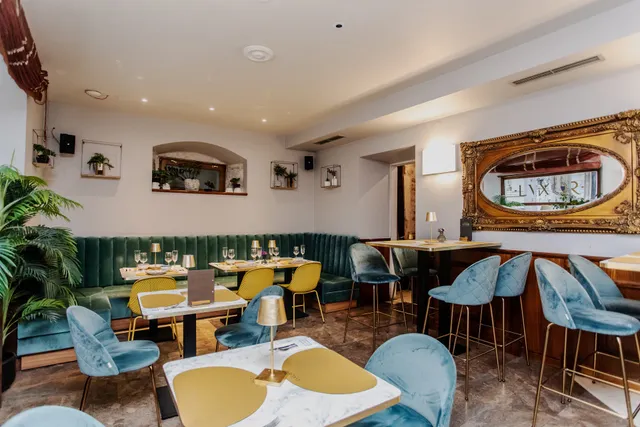
Café & Restaurant Lvxor Split
4.2
(879)
$$
Closed
Click for details
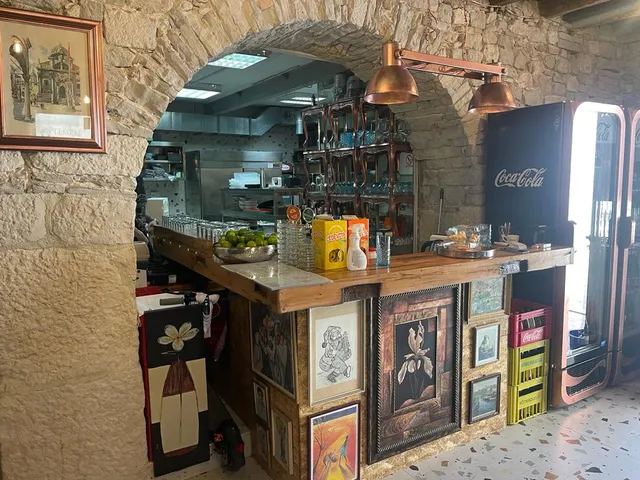
Temple Kitchen seafood & steak
4.6
(935)
$$
Click for details
Nearby local services of Vestibul
Split Riva
Marvlvs Library Jazz Bar
SeaYou Croatia Boat Tours Split Meeting Point
Trg braće Radić (Voćni trg)
Ilirio's Hvar Tours
Gregory of Nin
Hello Blue Cave - Boat Tours
Split walking tour
Strossmayer park
Blue Shark
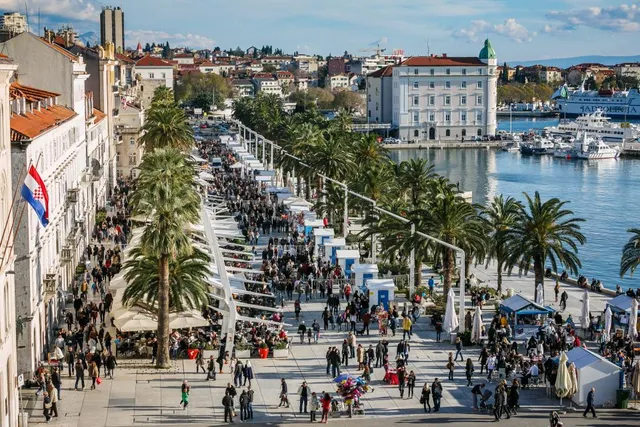
Split Riva
4.7
(9K)
Click for details
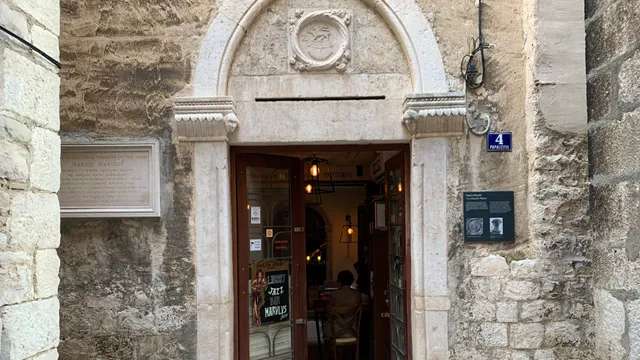
Marvlvs Library Jazz Bar
4.7
(609)
Click for details
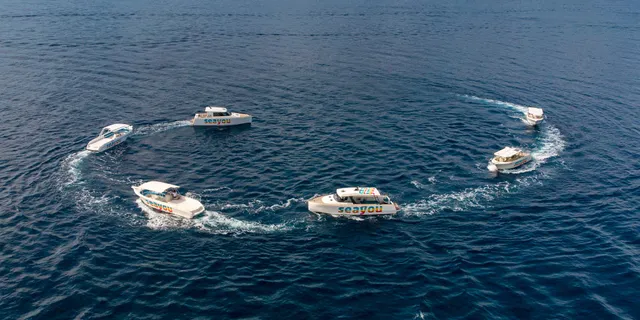
SeaYou Croatia Boat Tours Split Meeting Point
4.9
(446)
Click for details
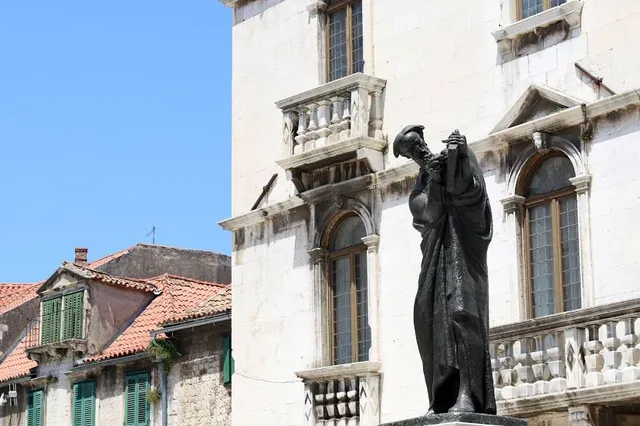
Trg braće Radić (Voćni trg)
4.7
(251)
Click for details