Vyšehrad Cemetery things to do, attractions, restaurants, events info and trip planning
Basic Info
Vyšehrad Cemetery
K Rotundě, Vyšehrad, 128 00 Praha 2, Czechia
4.8(383)
Closed
Save
spot
spot
Ratings & Description
Info
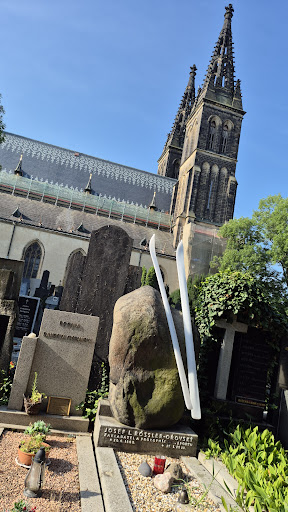
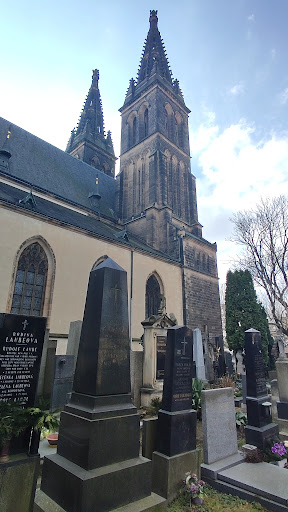
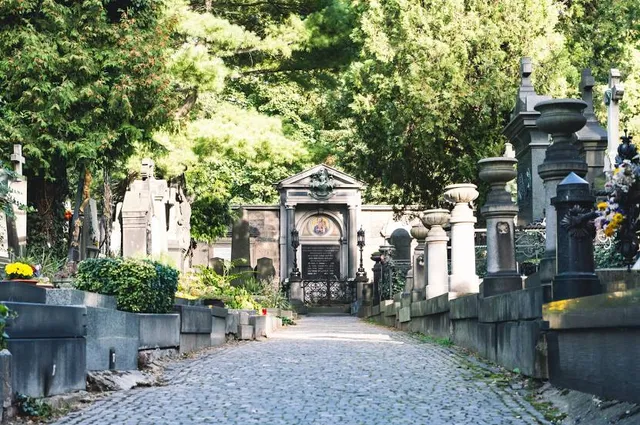
Established in 1869 on the grounds of Vyšehrad Castle in Prague, Czech Republic, the Vyšehrad Cemetery is the final resting place of many composers, artists, sculptors, writers, and those from the world of science and politics.
Cultural
Scenic
Accessibility
attractions: Vyšehrad, Saints Peter & Paul Basilica, Brick Gate, Vyšehradské casemates, Staré Purkrabství, Vyšehradské hradby, Vysehrad Gallery, Gothic Cellar - Permanent Exhibition, The Casemates and the Gorlice Hall, Leopold Gate, restaurants: U Kroka, Rio's Vyšehrad, Pod Vyšehradem, Bistro Habibi, Bystro Cafe, Café~bistro Citadela, Namastaey India Restaurant Praha 2, Cat Café, Hostinec na Výtoni, Rest, local businesses: Saints Peter and Paul Basilica, Lázně na lodi, Náplavka, Unie botanických zahrad České republiky, Azad Kebab, Císařská louka, ANGEL BEER SPA - Andělská Pivní Lázeň, Vltava Cruise Boat
 Learn more insights from Wanderboat AI.
Phone
+420 274 774 835
Website
hrbitovy.cz
Open hoursSee all hours
Thu8 AM - 5 PMClosed
Plan your stay

Pet-friendly Hotels in Prague
Find a cozy hotel nearby and make it a full experience.

Affordable Hotels in Prague
Find a cozy hotel nearby and make it a full experience.

The Coolest Hotels You Haven't Heard Of (Yet)
Find a cozy hotel nearby and make it a full experience.

Trending Stays Worth the Hype in Prague
Find a cozy hotel nearby and make it a full experience.
Reviews
Live events
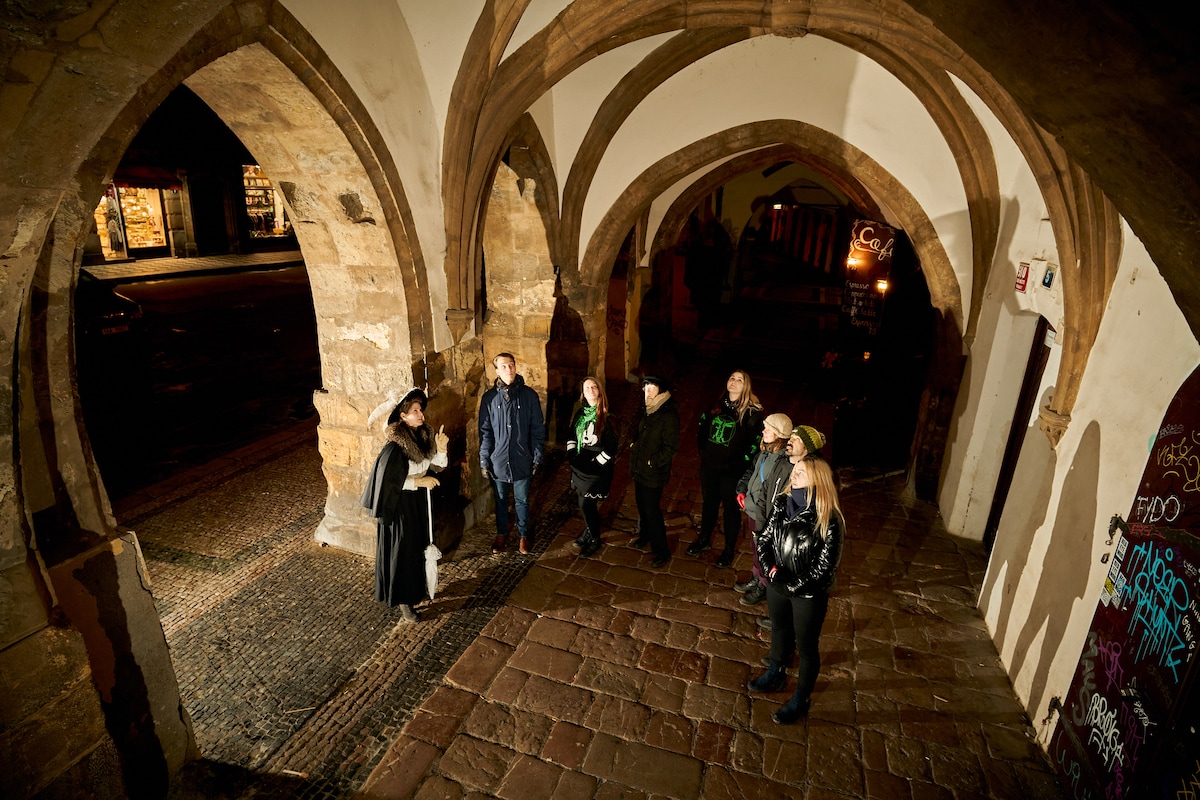
Telltale Ghost Tour
Thu, Feb 12 • 7:00 PM
110 00, Prague 1, Czechia
View details

Paint Your Own Enamel Mug in Prague
Thu, Feb 12 • 3:30 PM
118 00, Prague 1, Czechia
View details
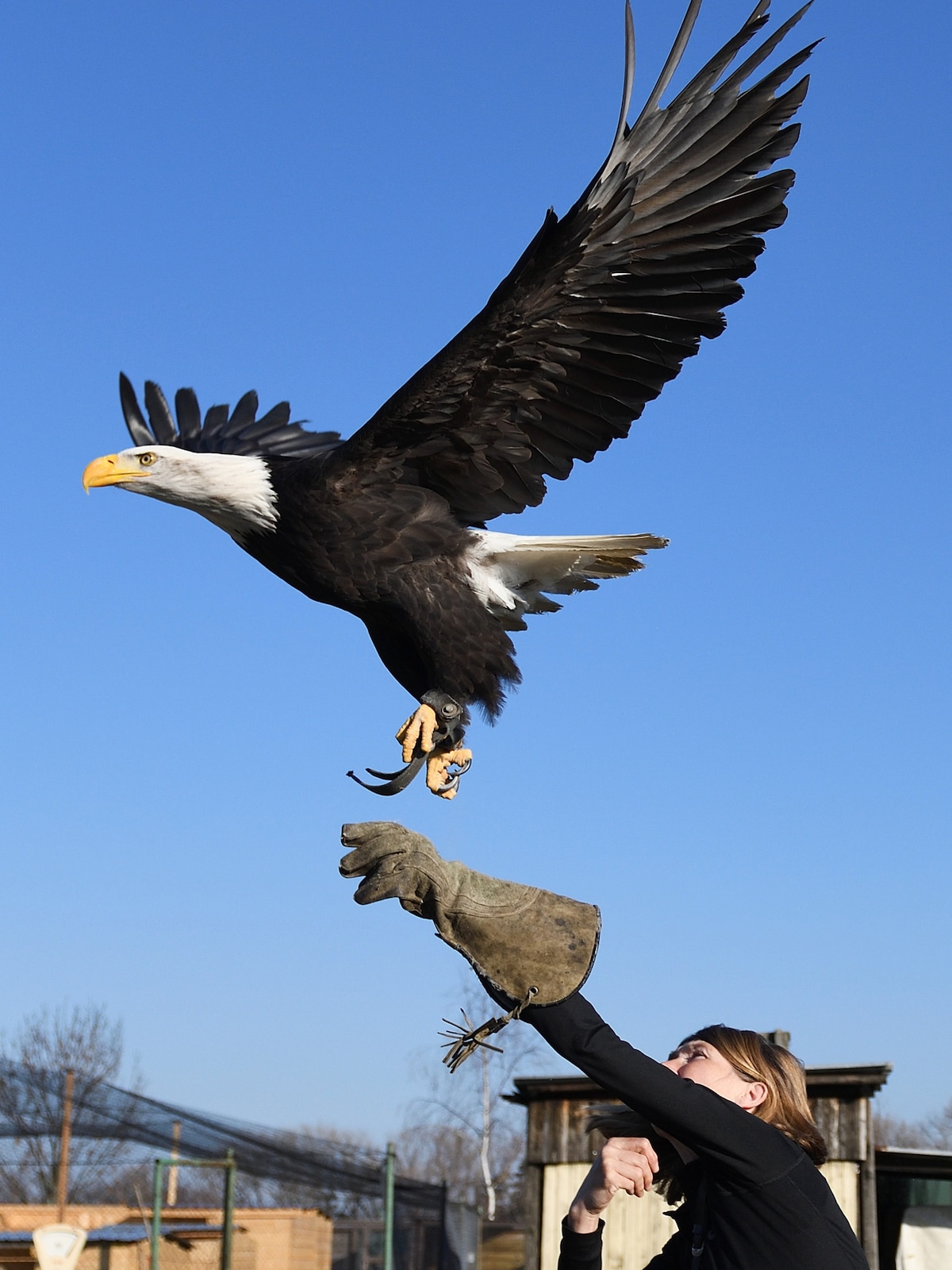
Learn All About Falconry and Birds of Prey
Fri, Feb 13 • 2:00 PM
150 00, Prague 5, Czechia
View details
Nearby attractions of Vyšehrad Cemetery
Vyšehrad
Saints Peter & Paul Basilica
Brick Gate
Vyšehradské casemates
Staré Purkrabství
Vyšehradské hradby
Vysehrad Gallery
Gothic Cellar - Permanent Exhibition
The Casemates and the Gorlice Hall
Leopold Gate
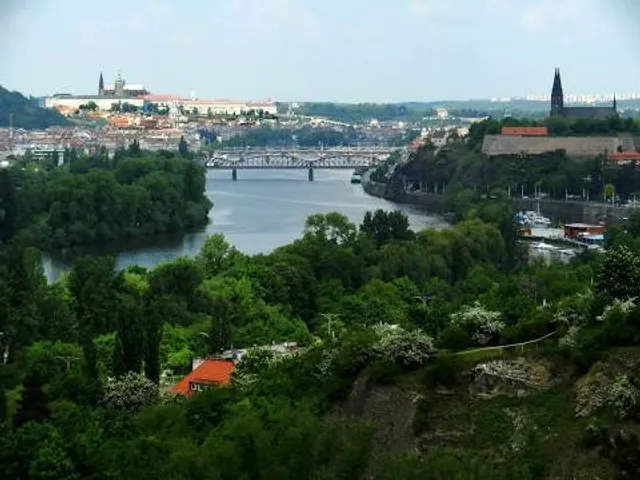
Vyšehrad
4.8
(17.8K)
Open until 12:00 AM
Click for details
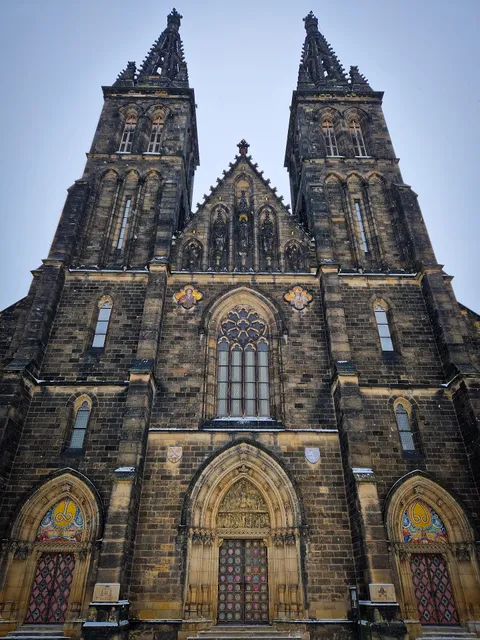
Saints Peter & Paul Basilica
4.8
(1.9K)
Open until 6:00 PM
Click for details
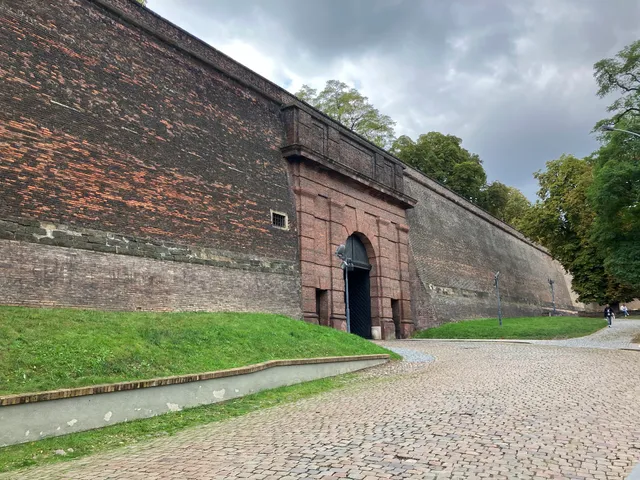
Brick Gate
4.7
(525)
Open until 6:00 PM
Click for details
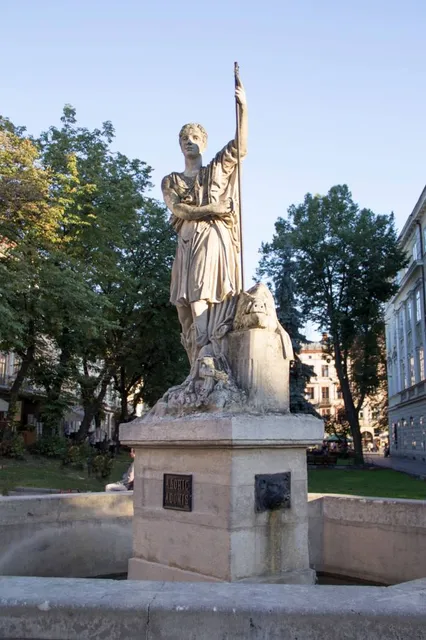
Vyšehradské casemates
4.7
(293)
Closed
Click for details
Nearby restaurants of Vyšehrad Cemetery
U Kroka
Rio's Vyšehrad
Pod Vyšehradem
Bistro Habibi
Bystro Cafe
Café~bistro Citadela
Namastaey India Restaurant Praha 2
Cat Café
Hostinec na Výtoni
Rest
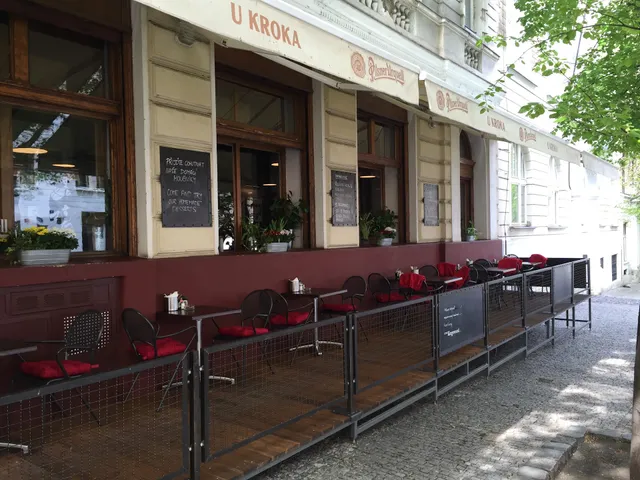
U Kroka
4.7
(3.4K)
$$
Open until 11:00 PM
Click for details
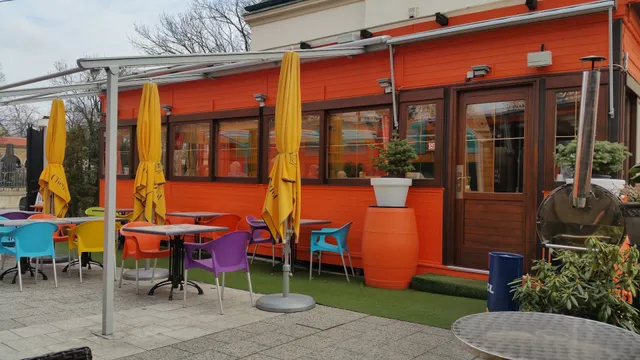
Rio's Vyšehrad
2.8
(466)
$$
Open until 10:00 PM
Click for details
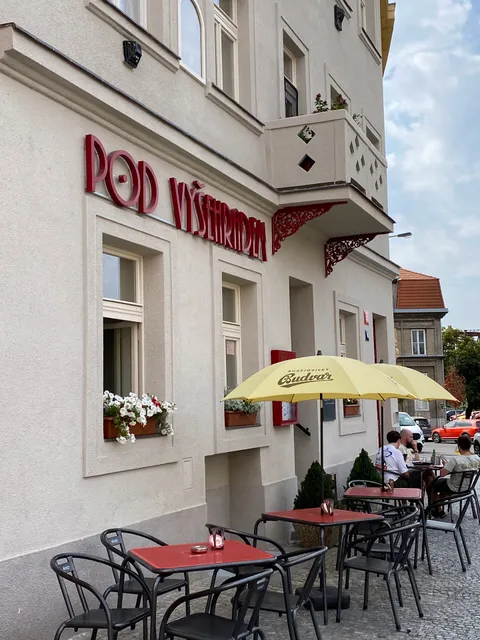
Pod Vyšehradem
4.6
(1.3K)
Open until 10:00 PM
Click for details
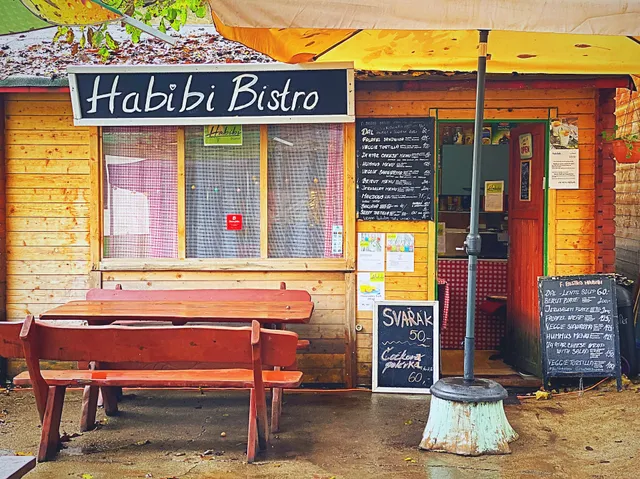
Bistro Habibi
4.9
(328)
Open until 10:00 PM
Click for details
Nearby local services of Vyšehrad Cemetery
Saints Peter and Paul Basilica
Lázně na lodi
Náplavka
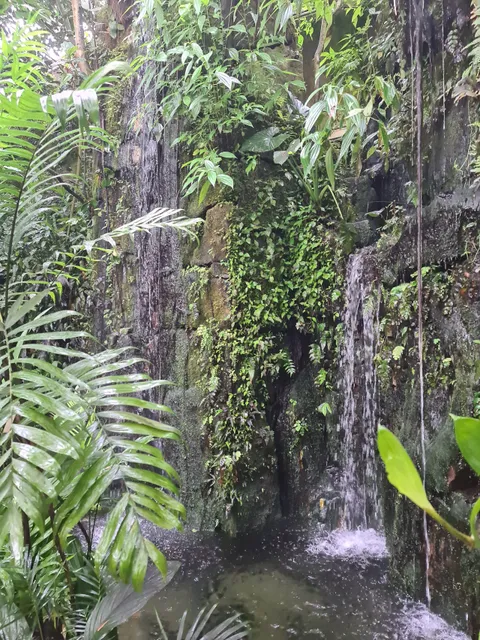
Unie botanických zahrad České republiky
Azad Kebab
Císařská louka
ANGEL BEER SPA - Andělská Pivní Lázeň
Vltava Cruise Boat
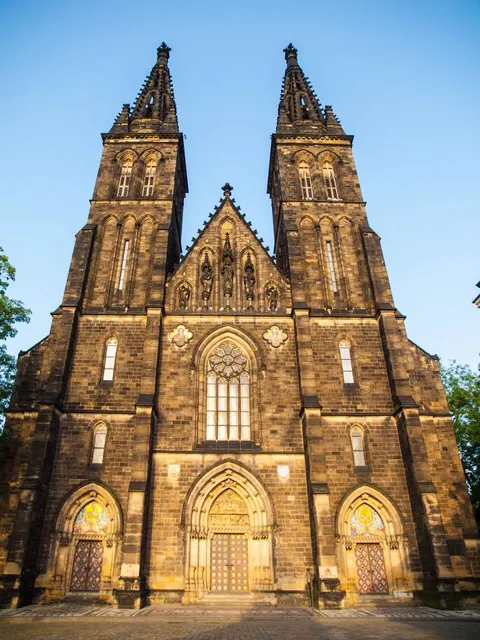
Saints Peter and Paul Basilica
4.8
(1.2K)
Click for details
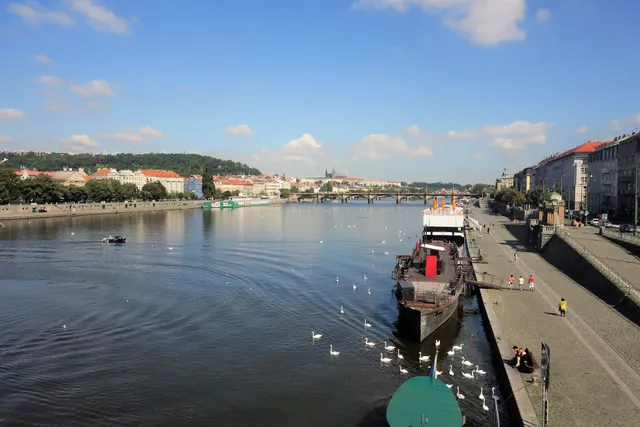
Lázně na lodi
4.4
(156)
Click for details
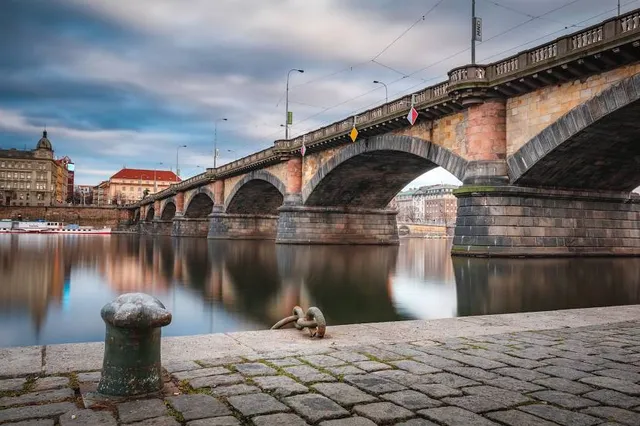
Náplavka
4.7
(250)
Click for details
Unie botanických zahrad České republiky
4.7
(50)
Click for details