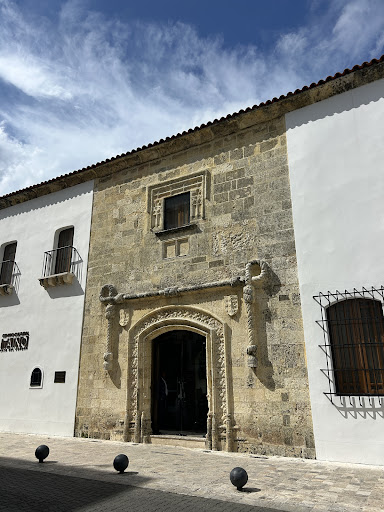
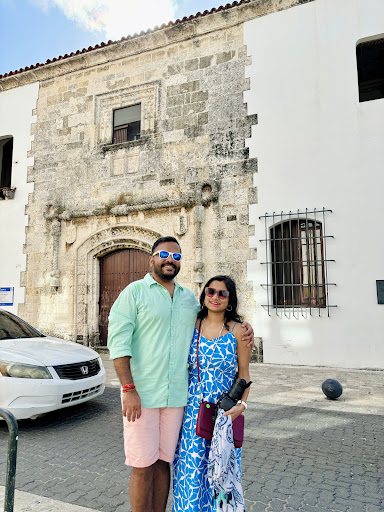
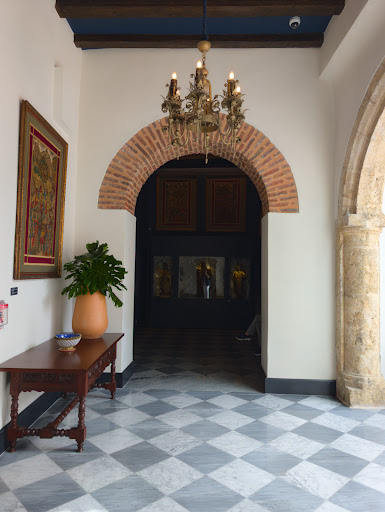
Centro Cultural Taíno Casa del Cordón things to do, attractions, restaurants, events info and trip planning
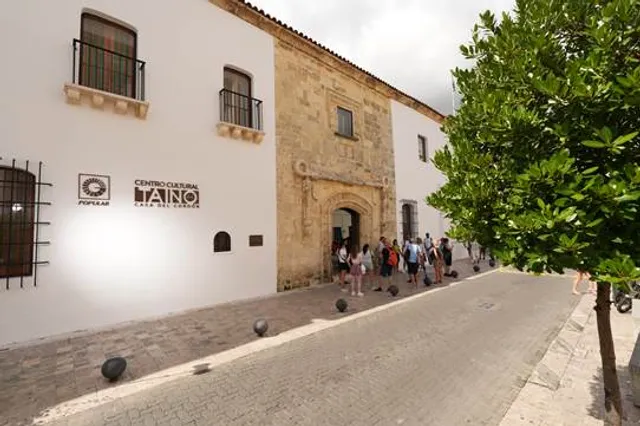
Basic Info
Centro Cultural Taíno Casa del Cordón
F4G8+HCQ Casa del Cordon, C. Isabel La Católica 214, Santo Domingo 10212, Dominican Republic
4.8(90)
Open until 12:00 AM

tickets
Save
spot
spot
Ratings & Description
Info
Cultural
Family friendly
Accessibility
attractions: Plaza de la Hispanidad or Spain, Bar & Museo del Ron Dominicano, Museum of the Royal Houses, Alcázar de Colón, Plaza María de Toledo, Wax Museum Juan Pablo Duarte, Pantheon of the Fatherland, Amber World Museum, Casa de La Moneda de Santo Domingo - Sede de la Sociedad Numismática Dominicana, Inc., Chapel of Our Lady of Remedies, restaurants: Sabina Bar Zona Colonial, MORROFINO BAR DE TAPAS, Quantico Restaurant, Ristorante Angelo, La Fama Restaurante Zona Colonial, Don Nestor Parrillada Zona Colonial, Paletas Bajo Cero, Quintana Bar, Atarazana, CURCIO PIZZA AL TAGLIO, local businesses: La Alpargatería, Wax Museum Juan Pablo Duarte, Museo del Ámbar Dominicano, Amber World Museum, Sirena, Grupo Bonyé, Hasta La Tambora Cafe Lounge, Heladería Valentino Zona, Supermercados Nacional, Colonial Zone Dominican Republic
 Learn more insights from Wanderboat AI.
Phone
+1 809-960-2906
Website
casadelcordon.com
Open hoursSee all hours
MonClosedOpen
Plan your stay

Pet-friendly Hotels in Santo Domingo
Find a cozy hotel nearby and make it a full experience.

Affordable Hotels in Santo Domingo
Find a cozy hotel nearby and make it a full experience.

The Coolest Hotels You Haven't Heard Of (Yet)
Find a cozy hotel nearby and make it a full experience.

Trending Stays Worth the Hype in Santo Domingo
Find a cozy hotel nearby and make it a full experience.
Reviews
Live events
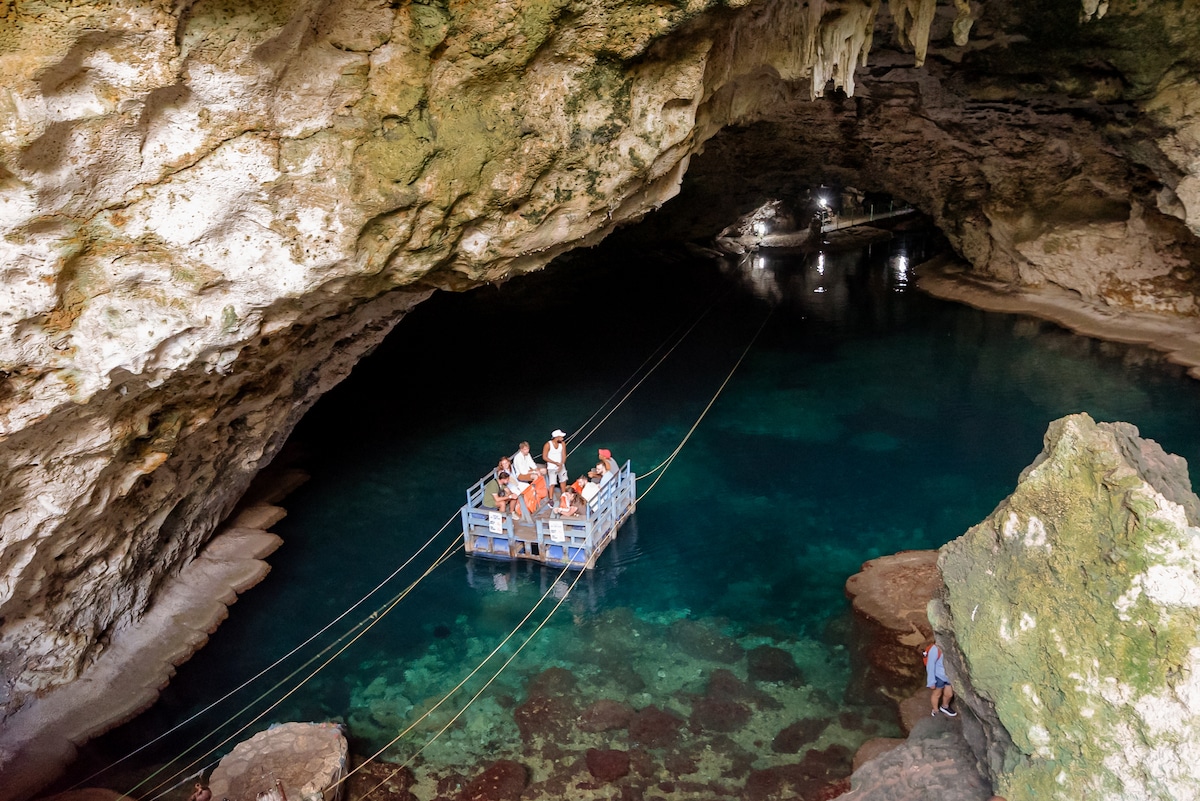
The 3 Eyes, Boca Chica & more
Tue, Feb 17 • 7:00 AM
Santo Domingo, 10210, Dominican Republic
View details

Learn Bachata, Salsa, and Merengue
Mon, Feb 16 • 1:00 PM
Santo Domingo, 10106, Dominican Republic
View details

Taste, ride & explore Santo Domingo with a local
Mon, Feb 16 • 1:00 PM
Santo Domingo, 10403, Dominican Republic
View details
Nearby attractions of Centro Cultural Taíno Casa del Cordón
Plaza de la Hispanidad or Spain
Bar & Museo del Ron Dominicano
Museum of the Royal Houses
Alcázar de Colón
Plaza María de Toledo
Wax Museum Juan Pablo Duarte
Pantheon of the Fatherland
Amber World Museum
Casa de La Moneda de Santo Domingo - Sede de la Sociedad Numismática Dominicana, Inc.
Chapel of Our Lady of Remedies
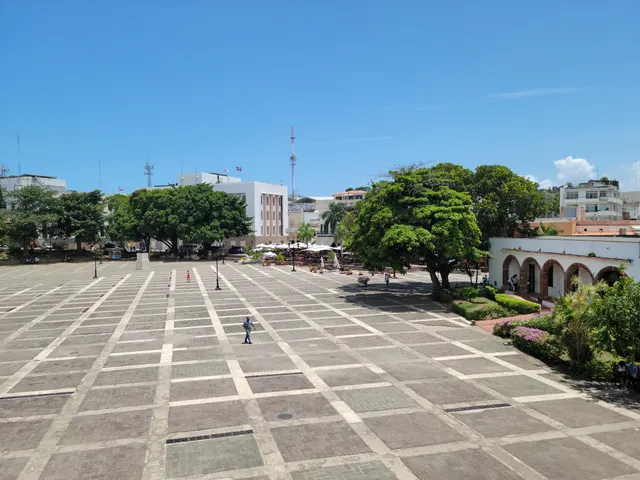
Plaza de la Hispanidad or Spain
4.7
(5.3K)
Open until 6:00 PM
Click for details
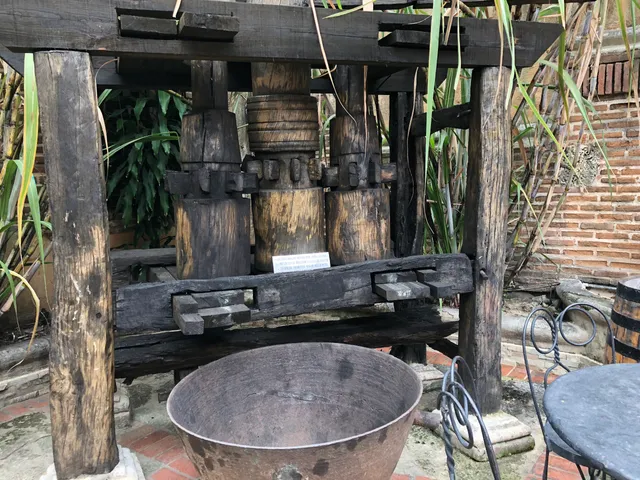
Bar & Museo del Ron Dominicano
4.5
(722)
Open until 12:00 AM
Click for details
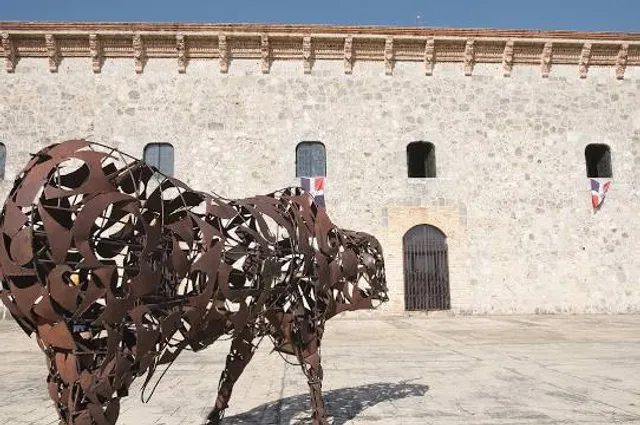
Museum of the Royal Houses
4.6
(889)
Open until 12:00 AM
Click for details
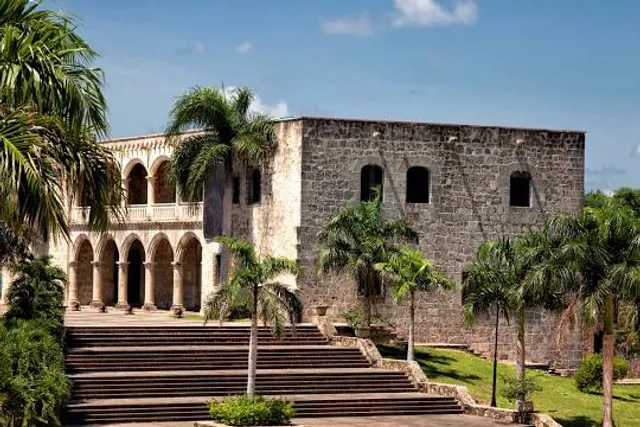
Alcázar de Colón
4.6
(1.1K)
Open 24 hours
Click for details
Nearby restaurants of Centro Cultural Taíno Casa del Cordón
Sabina Bar Zona Colonial
MORROFINO BAR DE TAPAS
Quantico Restaurant
Ristorante Angelo
La Fama Restaurante Zona Colonial
Don Nestor Parrillada Zona Colonial
Paletas Bajo Cero
Quintana Bar
Atarazana
CURCIO PIZZA AL TAGLIO
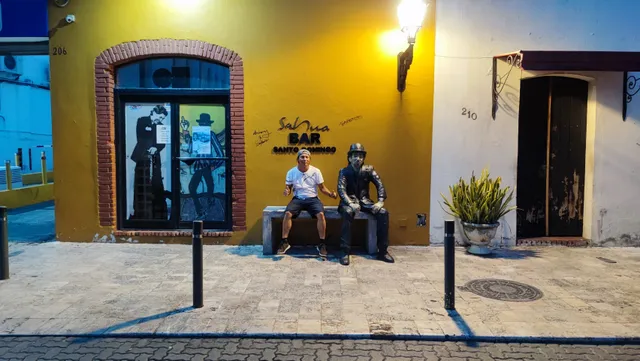
Sabina Bar Zona Colonial
4.5
(573)
$$
Closed
Click for details
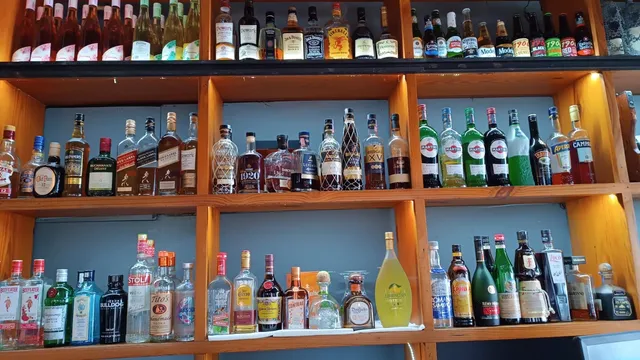
MORROFINO BAR DE TAPAS
4.2
(377)
$$
Open until 12:00 AM
Click for details
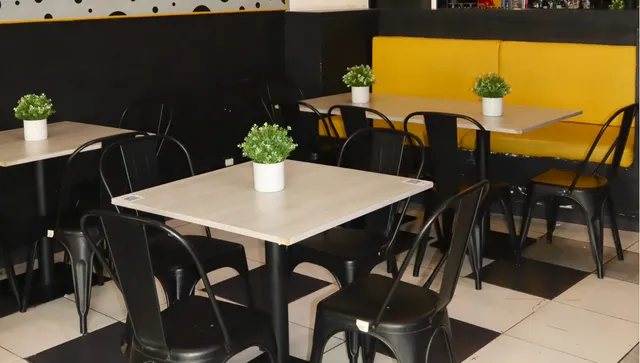
Quantico Restaurant
4.5
(352)
Open until 12:00 AM
Click for details
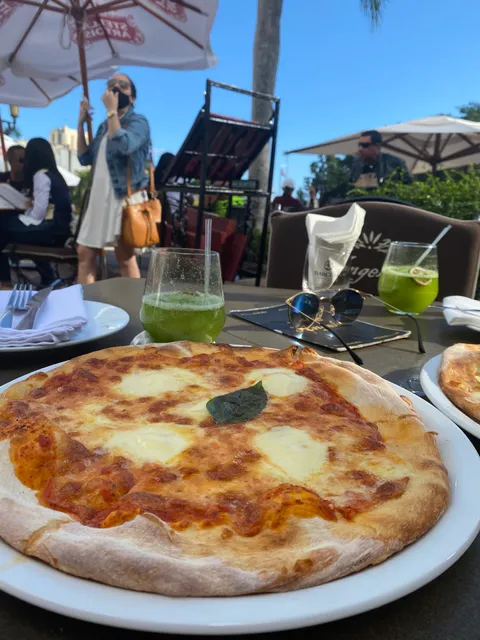
Ristorante Angelo
4.4
(473)
Open until 12:00 AM
Click for details
Nearby local services of Centro Cultural Taíno Casa del Cordón
La Alpargatería
Wax Museum Juan Pablo Duarte
Museo del Ámbar Dominicano
Amber World Museum
Sirena
Grupo Bonyé
Hasta La Tambora Cafe Lounge
Heladería Valentino Zona
Supermercados Nacional
Colonial Zone Dominican Republic
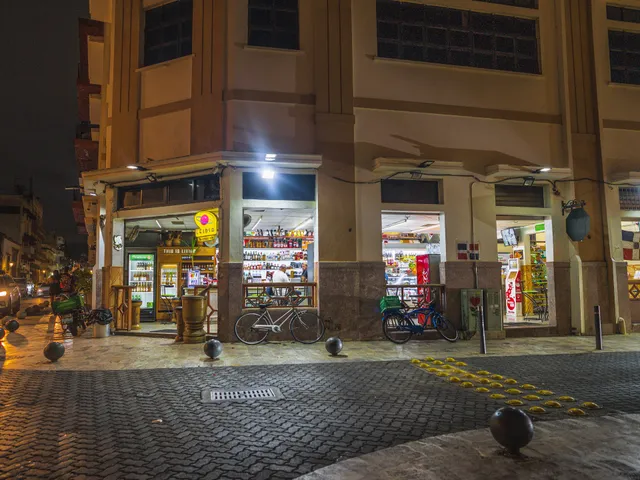
La Alpargatería
4.5
(507)
Click for details
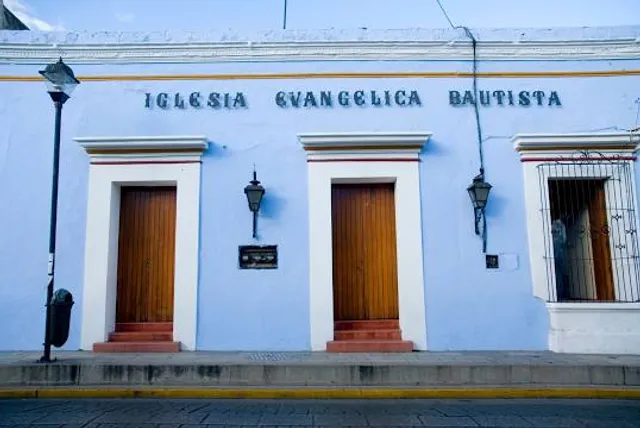
Wax Museum Juan Pablo Duarte
4.6
(258)
Click for details
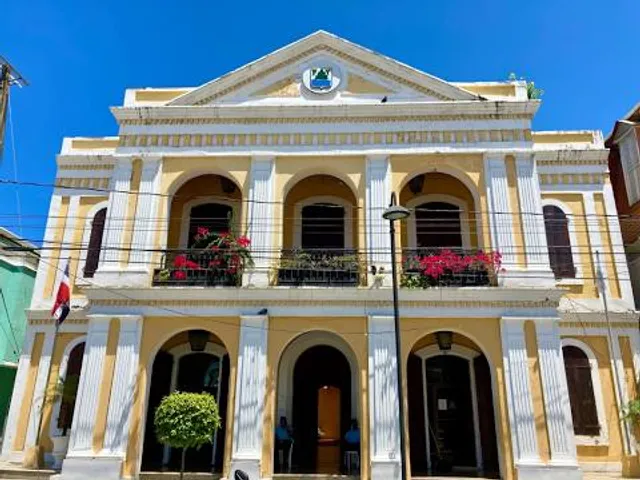
Museo del Ámbar Dominicano
4.4
(323)
Click for details
Amber World Museum
4.6
(254)
Click for details