Equestrian Statue of Henri IV things to do, attractions, restaurants, events info and trip planning

Basic Info
Equestrian Statue of Henri IV
15 Pl. du Pont Neuf, 75001 Paris, France
4.5(174)
Open until 12:00 AM
Save
spot
spot
Ratings & Description
Info
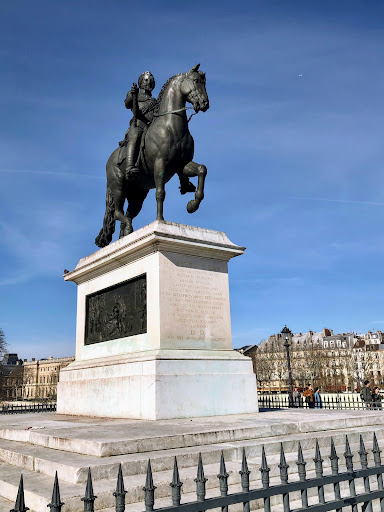
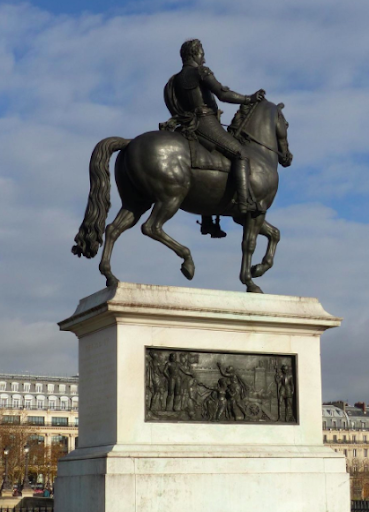
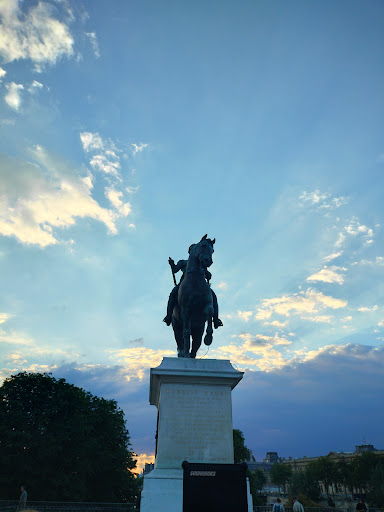
The equestrian statue of Henry IV is a bronze equestrian statue completed by Pietro Tacca. The statue, which now stands on the bridge Pont Neuf, was indirectly commissioned by Marie de Médicis for her husband, King Henry IV of France.
Cultural
Scenic
Family friendly
Accessibility
attractions: Pont Neuf, Square du Vert-Galant, Monnaie de Paris, Louvre Museum, Louvre Museum, Louvre Museum, Pont des Arts, Sainte-Chapelle, Conciergerie, Saint-Germain-l'Auxerrois, restaurants: Ha Noi 1988, Creperie Parisienne Paris, Maslow 1er, Restaurant Guy Savoy, La Rose de France, The Highlander, GuLi-La Seine湖南米粉, Le Caveau du Palais, Le Tout-Paris, Kong, local businesses: Vedettes du Pont Neuf, Place Dauphine, Samaritaine, Pair & Fils, Paris Perfect, La Petite Manis, JEANNE DANJOU et ROUSSELET, Monnaie de Paris Boutique, Bounce Luggage Storage - Louvre, Saule Pleureur de la Pointe
 Learn more insights from Wanderboat AI.
Website
paris.fr
Open hoursSee all hours
FriOpen 24 hoursOpen
Plan your stay

Pet-friendly Hotels in Paris
Find a cozy hotel nearby and make it a full experience.

Affordable Hotels in Paris
Find a cozy hotel nearby and make it a full experience.

The Coolest Hotels You Haven't Heard Of (Yet)
Find a cozy hotel nearby and make it a full experience.

Trending Stays Worth the Hype in Paris
Find a cozy hotel nearby and make it a full experience.
Reviews
Live events

Learn to bake classic French croissants
Fri, Feb 27 • 9:00 AM
75007, Paris, France
View details

Planète Préhistorique : Dinosaures, L’expérience immersive à l’Atelier des Lumières
Fri, Feb 27 • 10:00 AM
38 Rue Saint-Maur, 75011
View details
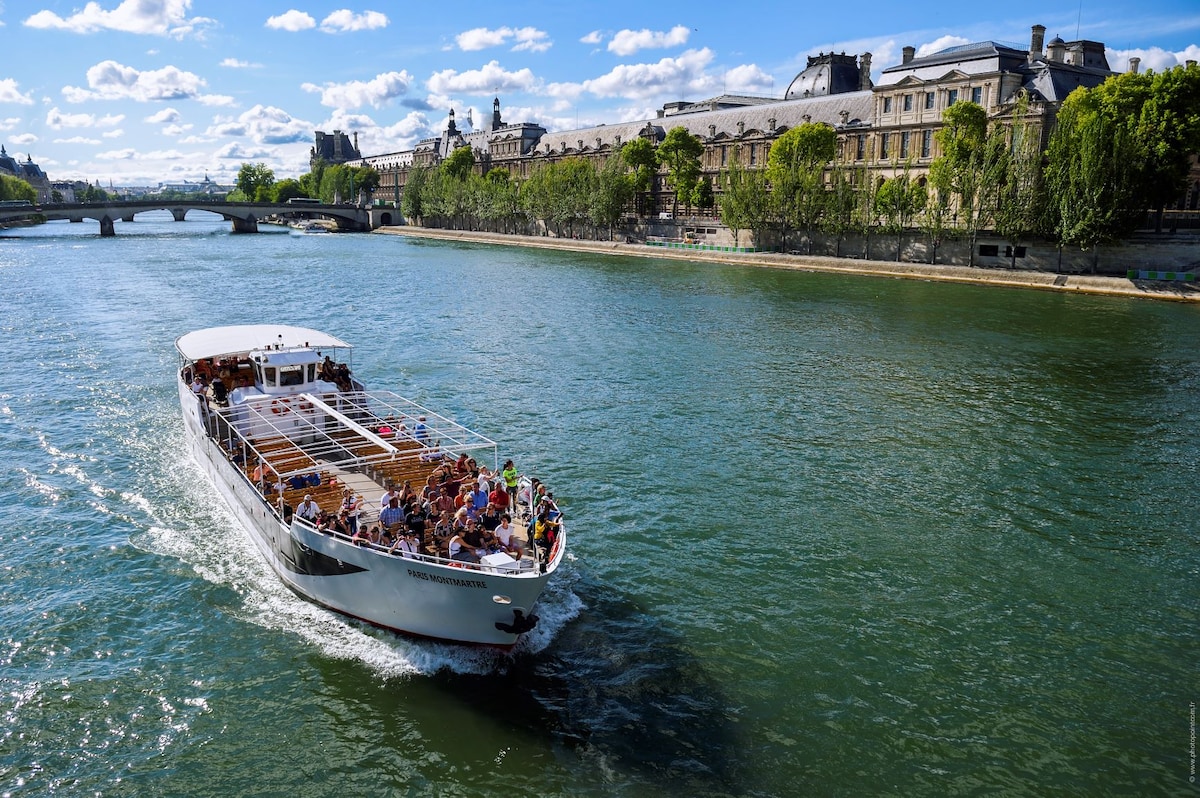
Fast-Access Seine River Cruise from Eiffel Tower
Tue, Mar 3 • 10:45 AM
75015, Paris, France
View details
Nearby attractions of Equestrian Statue of Henri IV
Pont Neuf
Square du Vert-Galant
Monnaie de Paris
Louvre Museum
Louvre Museum
Louvre Museum
Pont des Arts
Sainte-Chapelle
Conciergerie
Saint-Germain-l'Auxerrois
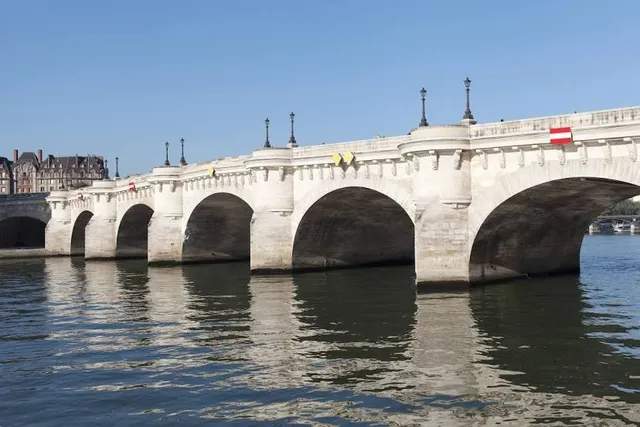
Pont Neuf
4.6
(8.3K)
Open 24 hours
Click for details
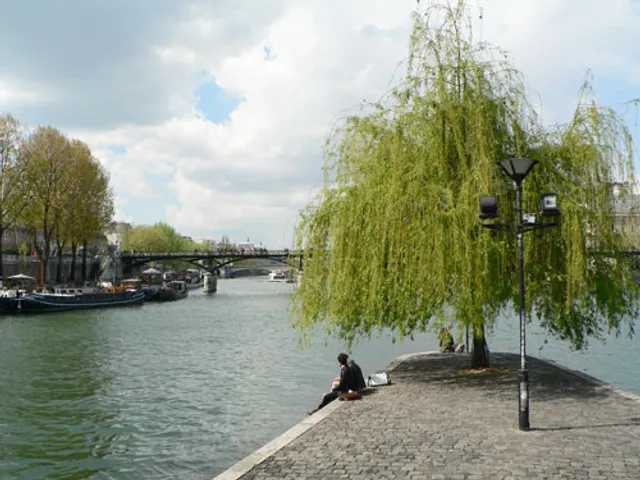
Square du Vert-Galant
4.5
(760)
Open until 12:00 AM
Click for details
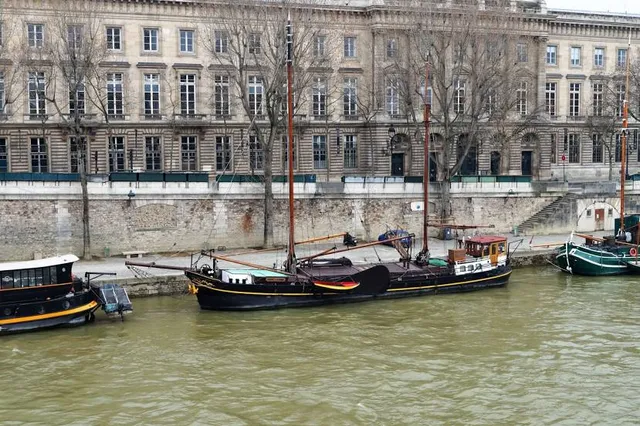
Monnaie de Paris
4.4
(1.8K)
Closed
Click for details
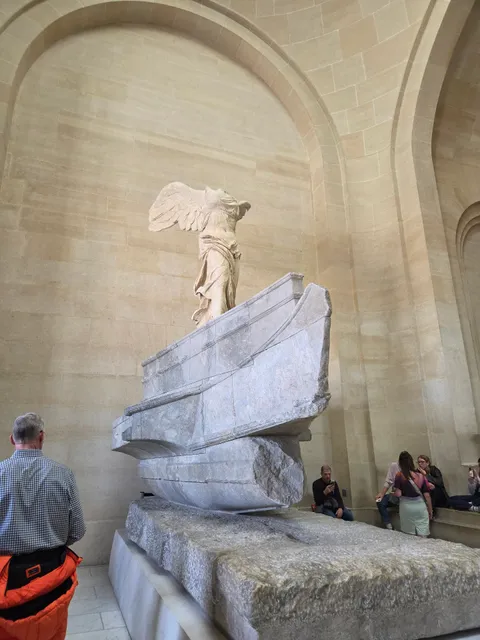
Louvre Museum
4.7
(102K)
Closed
Click for details
Nearby restaurants of Equestrian Statue of Henri IV
Ha Noi 1988
Creperie Parisienne Paris
Maslow 1er
Restaurant Guy Savoy
La Rose de France
The Highlander
GuLi-La Seine湖南米粉
Le Caveau du Palais
Le Tout-Paris
Kong
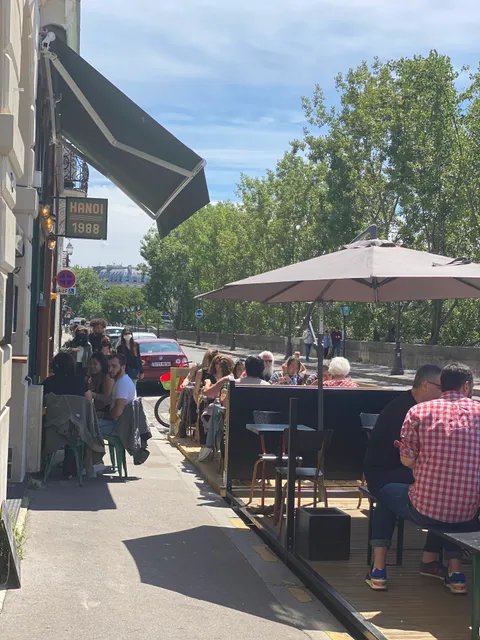
Ha Noi 1988
4.3
(914)
Closed
Click for details

Creperie Parisienne Paris
4.6
(3.1K)
Closed
Click for details
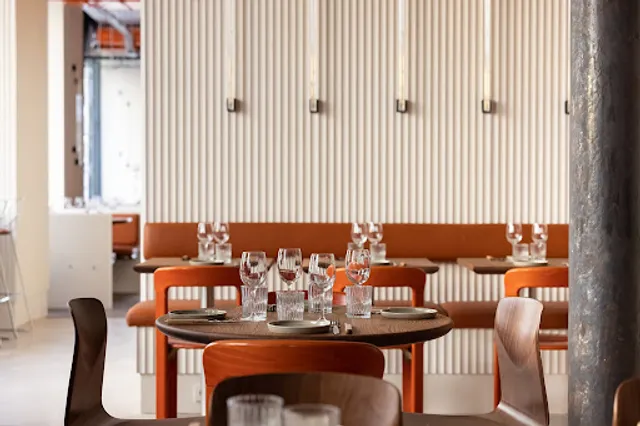
Maslow 1er
4.9
(6.7K)
Closed
Click for details
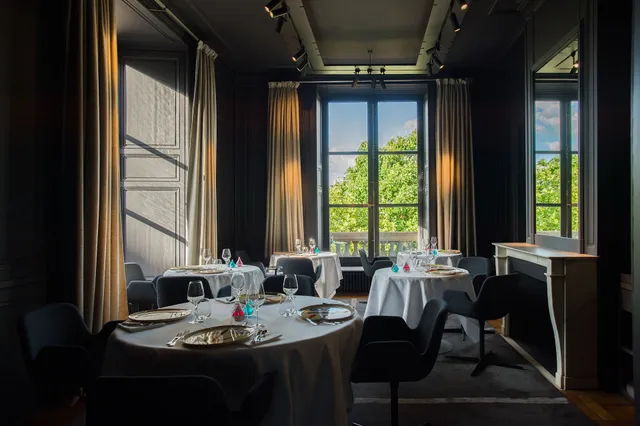
Restaurant Guy Savoy
4.7
(862)
Closed
Click for details
Nearby local services of Equestrian Statue of Henri IV
Vedettes du Pont Neuf
Place Dauphine
Samaritaine
Pair & Fils
Paris Perfect
La Petite Manis
JEANNE DANJOU et ROUSSELET
Monnaie de Paris Boutique
Bounce Luggage Storage - Louvre
Saule Pleureur de la Pointe
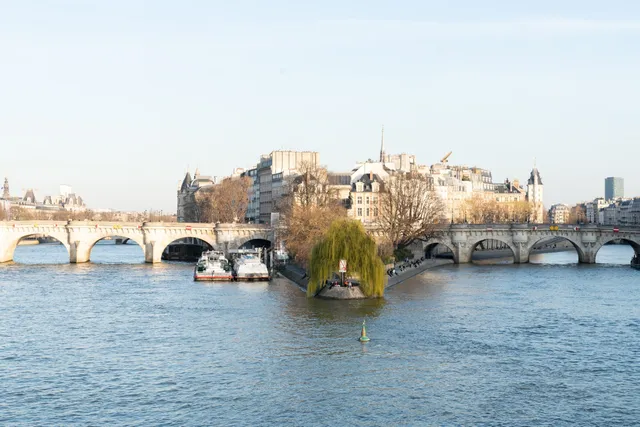
Vedettes du Pont Neuf
4.4
(2.8K)
Click for details
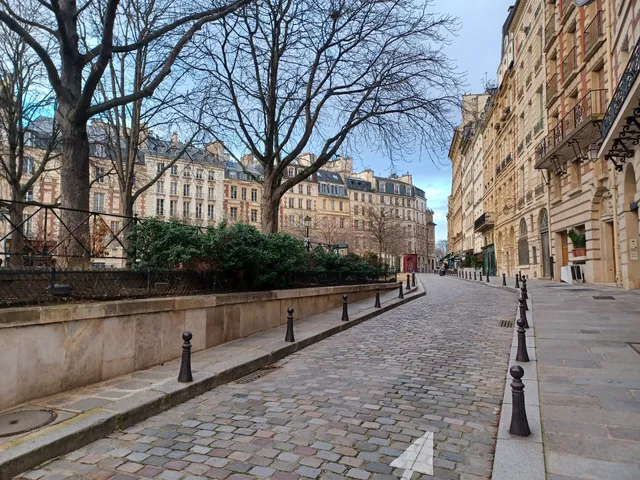
Place Dauphine
4.6
(1.5K)
Click for details
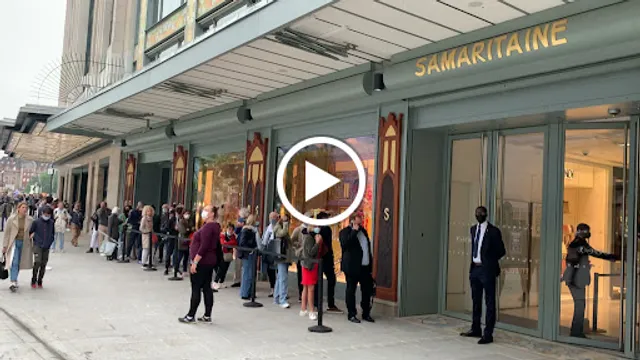
Samaritaine
4.4
(5.2K)
Click for details
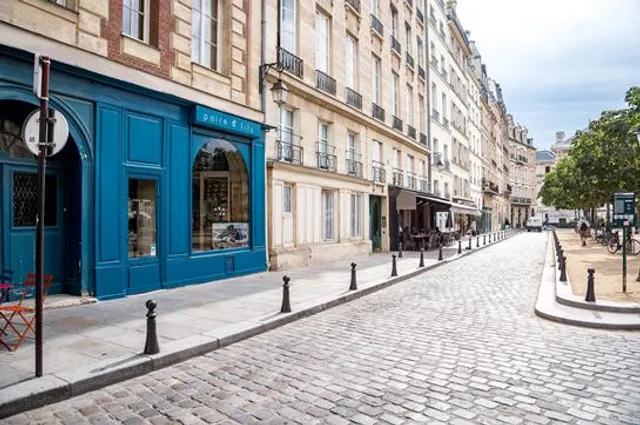
Pair & Fils
4.3
(185)
Click for details