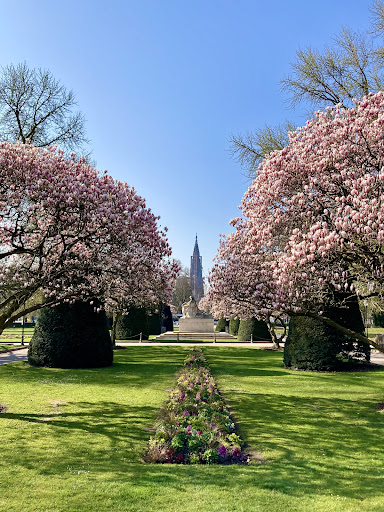
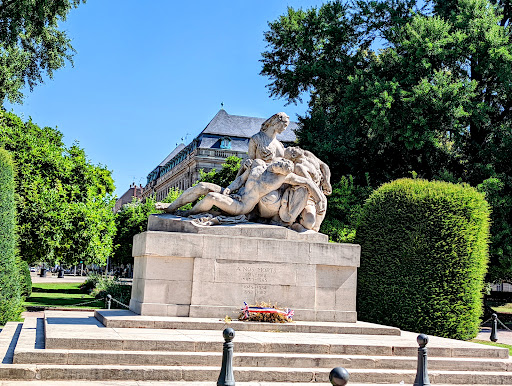
Jardin de la Place de la République things to do, attractions, restaurants, events info and trip planning

Basic Info
Jardin de la Place de la République
Pl. de la République, 67000 Strasbourg, France
4.5(599)
Open until 12:00 AM
Save
spot
spot
Ratings & Description
Info
Outdoor
Relaxation
Scenic
Family friendly
Accessibility
attractions: Palais du Rhin, Opéra national du Rhin, TNS - Théâtre national de Strasbourg, Tomi Ungerer Museum-International Illustration Centre, National University Library of Strasbourg, Fontaine de Janus, Théâtre Alsacien de Strasbourg, Église catholique Saint-Pierre-le-Jeune, Marché de Noël Strasbourg (Alsace), Église réformée Saint-Paul, restaurants: Café de l'Opéra, La Nouvelle Poste, Chère Amie, Académie de la Bière - Cathédrale, L'Atelier, Restaurant Francesca Strasbourg Marseillaise, Le Michel - Café - Brasserie, La Petite Mairie - Restaurant traditionnel, Les Innocents, Binchstub Broglie, local businesses: Pâtisserie Kubler, RÉTINA Concept - Réparation Télephone, Smartphone & iPhone / PC & Macbook / Tablette & iPad, Bike Avenue Ollier, Monceau Fleurs, Natural Concept, Cathédrale Notre-Dame-de-Strasbourg, CDV Artisan Coiffeur, iRepare Strasbourg réparation mobile, smartphone, tablettes, macbook & PC toutes marques, KADOR, Les Fleurs du Bien
 Learn more insights from Wanderboat AI.
Phone
+33 3 88 52 28 28
Open hoursSee all hours
MonOpen 24 hoursOpen
Plan your stay

Pet-friendly Hotels in Strasbourg
Find a cozy hotel nearby and make it a full experience.

Affordable Hotels in Strasbourg
Find a cozy hotel nearby and make it a full experience.

The Coolest Hotels You Haven't Heard Of (Yet)
Find a cozy hotel nearby and make it a full experience.

Trending Stays Worth the Hype in Strasbourg
Find a cozy hotel nearby and make it a full experience.
Reviews
Live events
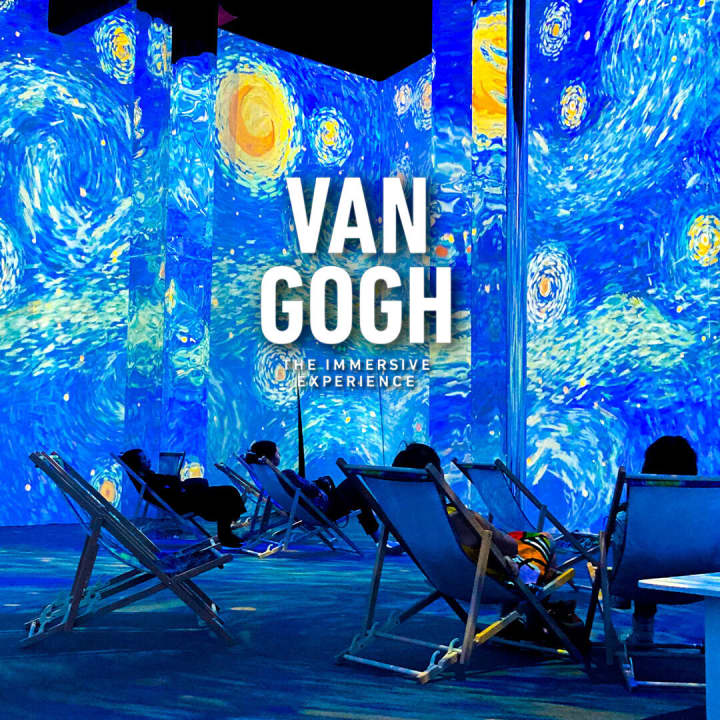
Van Gogh: The Immersive Experience
Tue, Feb 10 • 10:00 AM
Avenue Herrenschmidt, Strasbourg, 67000
View details

English Comedy Night in Strasbourg
Wed, Feb 11 • 8:00 PM
1 Place Dauphine 67100 Strasbourg
View details

Journée Portes Ouvertes - EM Strasbourg
Sat, Feb 14 • 9:30 AM
61 Avenue de la Forêt Noire 67000 Strasbourg
View details
Nearby attractions of Jardin de la Place de la République
Palais du Rhin
Opéra national du Rhin
TNS - Théâtre national de Strasbourg
Tomi Ungerer Museum-International Illustration Centre
National University Library of Strasbourg
Fontaine de Janus
Théâtre Alsacien de Strasbourg
Église catholique Saint-Pierre-le-Jeune
Marché de Noël Strasbourg (Alsace)
Église réformée Saint-Paul

Palais du Rhin
4.6
(675)
Open until 12:00 AM
Click for details
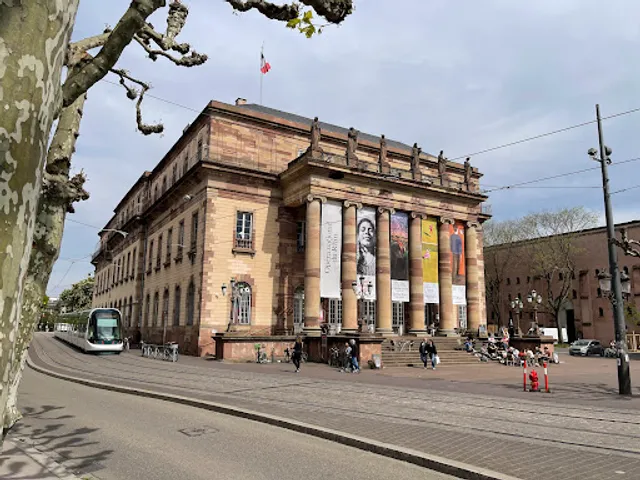
Opéra national du Rhin
4.5
(1.0K)
Open 24 hours
Click for details
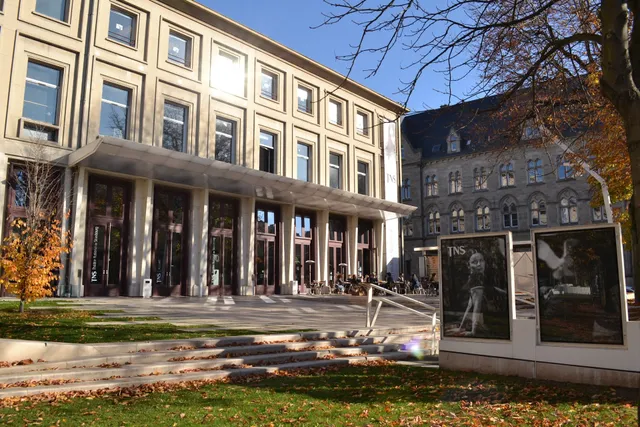
TNS - Théâtre national de Strasbourg
4.4
(376)
Open 24 hours
Click for details

Tomi Ungerer Museum-International Illustration Centre
4.3
(658)
Open until 12:00 AM
Click for details
Nearby restaurants of Jardin de la Place de la République
Café de l'Opéra
La Nouvelle Poste
Chère Amie
Académie de la Bière - Cathédrale
L'Atelier
Restaurant Francesca Strasbourg Marseillaise
Le Michel - Café - Brasserie
La Petite Mairie - Restaurant traditionnel
Les Innocents
Binchstub Broglie
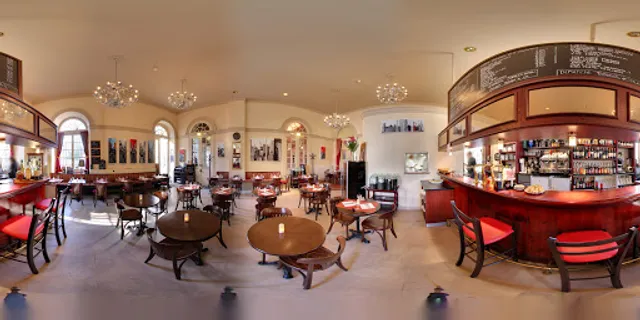
Café de l'Opéra
4.2
(493)
Open until 12:00 AM
Click for details

La Nouvelle Poste
4.3
(1.4K)
Closed
Click for details
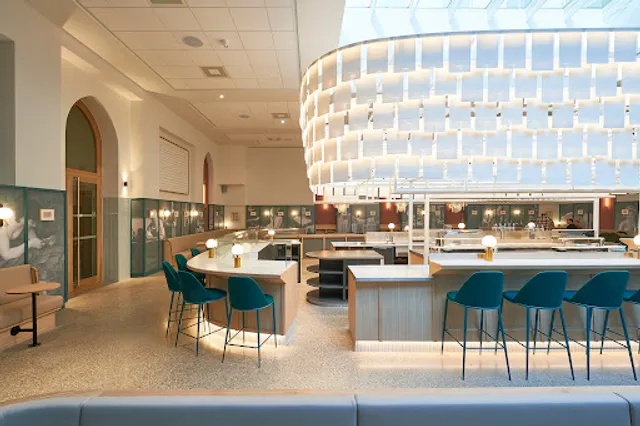
Chère Amie
4.5
(1.4K)
$$
Closed
Click for details

Académie de la Bière - Cathédrale
4.3
(1.6K)
Closed
Click for details
Nearby local services of Jardin de la Place de la République
Pâtisserie Kubler
RÉTINA Concept - Réparation Télephone, Smartphone & iPhone / PC & Macbook / Tablette & iPad
Bike Avenue Ollier
Monceau Fleurs
Natural Concept
Cathédrale Notre-Dame-de-Strasbourg
CDV Artisan Coiffeur
iRepare Strasbourg réparation mobile, smartphone, tablettes, macbook & PC toutes marques
KADOR
Les Fleurs du Bien

Pâtisserie Kubler
4.3
(287)
Click for details

RÉTINA Concept - Réparation Télephone, Smartphone & iPhone / PC & Macbook / Tablette & iPad
5.0
(538)
Click for details

Bike Avenue Ollier
4.4
(76)
Click for details

Monceau Fleurs
4.3
(145)
Click for details