German Spy Museum things to do, attractions, restaurants, events info and trip planning
Basic Info
German Spy Museum
Leipziger Pl. 9, 10117 Berlin, Germany
4.3(7.6K)
Closed


tickets
Save
spot
spot
Ratings & Description
Info
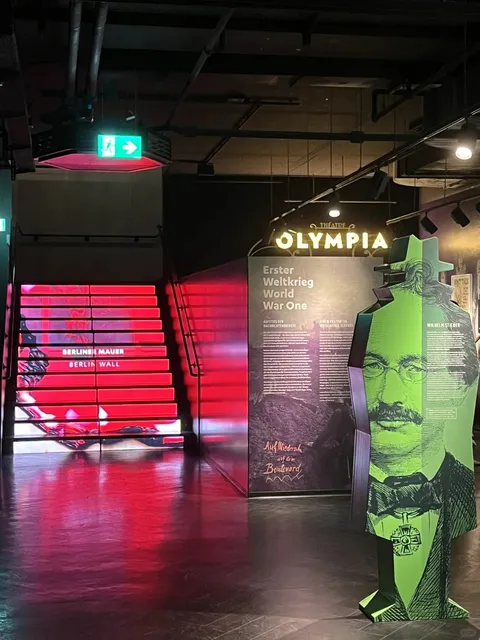
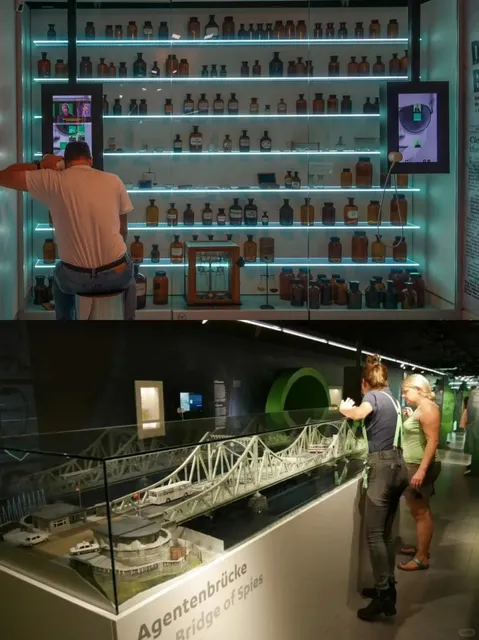
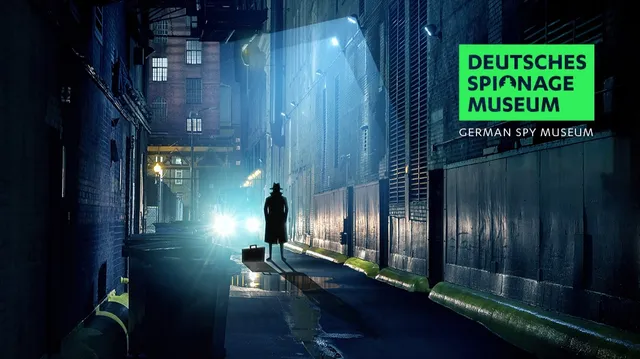
The Berlin Spy Museum is a private museum in Berlin which was created by former journalist Franz-Michael Günther. The museum opened to the public on the 19th of September 2015. Günther's aspirations were to create a museum devoted to the history of spies and espionage in the former spy capital of Germany.
Cultural
Family friendly
Accessibility
attractions: Deutschlandmuseum, Topography of Terror, DIE MAUER | THE WALL - Das Museum am Leipziger Platz, Potsdamer Platz, Martin-Gropius-Bau, Teil der Berliner Mauer, Teil der Berliner Mauer, Panoramapunkt Berlin, University of Europe for Applied Sciences (Campus Berlin), Memorial to the Murdered Jews of Europe, restaurants: Ristorante Marea, Eleven Café Bar Lounge, AMRIT, Beef Grill Club by Hasir, dean&david | Bowls, Salate, Curries & Snacks in Berlin, Potsdamer Platz, Que Pasa Mexican restaurant, WonderWaffel, Vapiano Restaurant, Caras Gourmet, Frittenwerk Mall of Berlin, local businesses: Mall of Berlin, MediaMarkt, Deutschlandmuseum, go asia Supermarkt - Potsdamer Platz, Douglas Berlin Mall of Berlin, The Playce, Lindt, Potsdamer Platz, Spielbank Berlin, Öni Cheers and Drinks
 Learn more insights from Wanderboat AI.
Phone
+49 30 398200450
Website
deutsches-spionagemuseum.de
Open hoursSee all hours
Fri10 AM - 8 PMClosed
Plan your stay

Pet-friendly Hotels in Berlin
Find a cozy hotel nearby and make it a full experience.

Affordable Hotels in Berlin
Find a cozy hotel nearby and make it a full experience.

The Coolest Hotels You Haven't Heard Of (Yet)
Find a cozy hotel nearby and make it a full experience.

Trending Stays Worth the Hype in Berlin
Find a cozy hotel nearby and make it a full experience.
Reviews
Live events
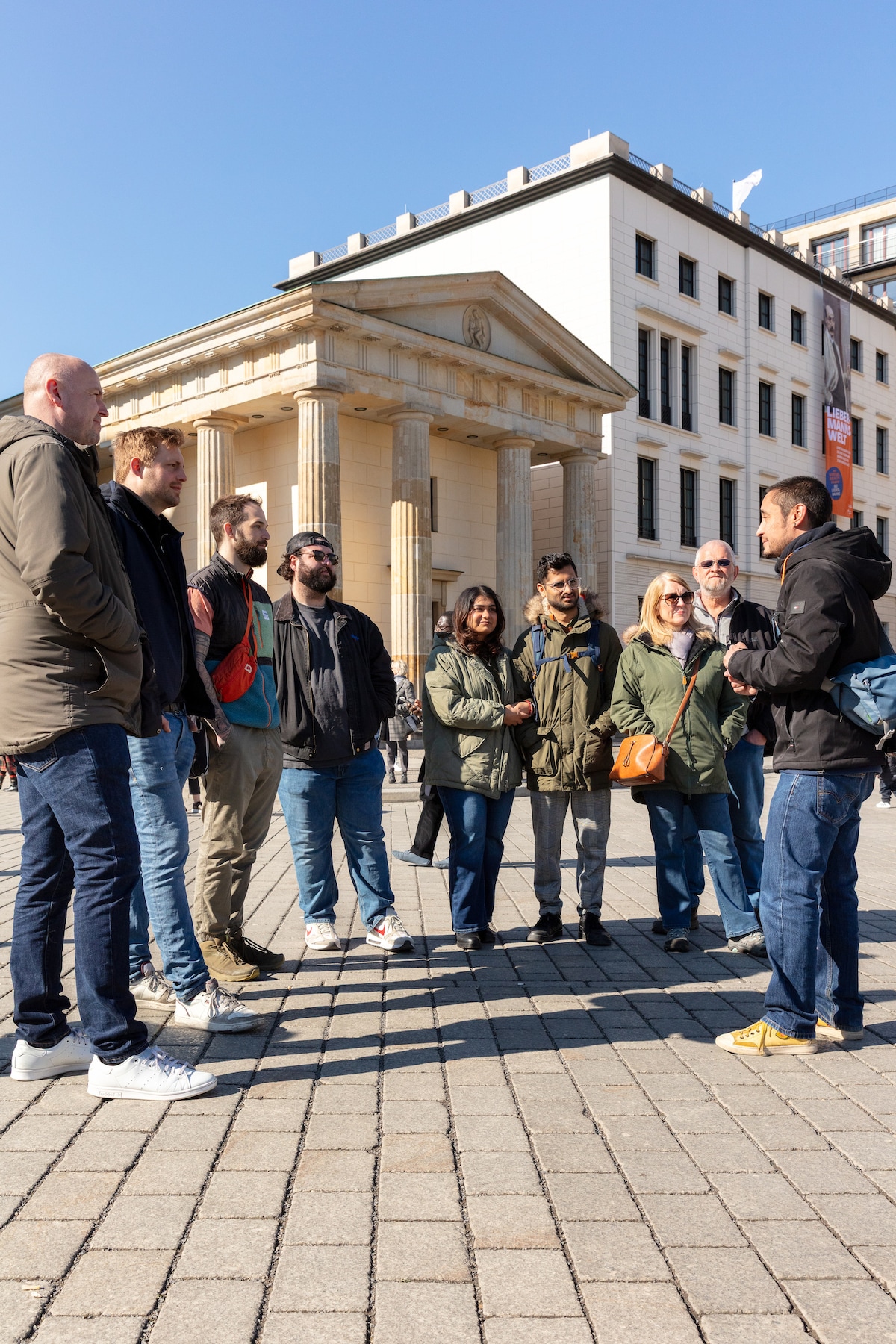
Rude Bastards Tour of® Berlin
Fri, Feb 27 • 10:00 AM
10785, Berlin, Germany
View details
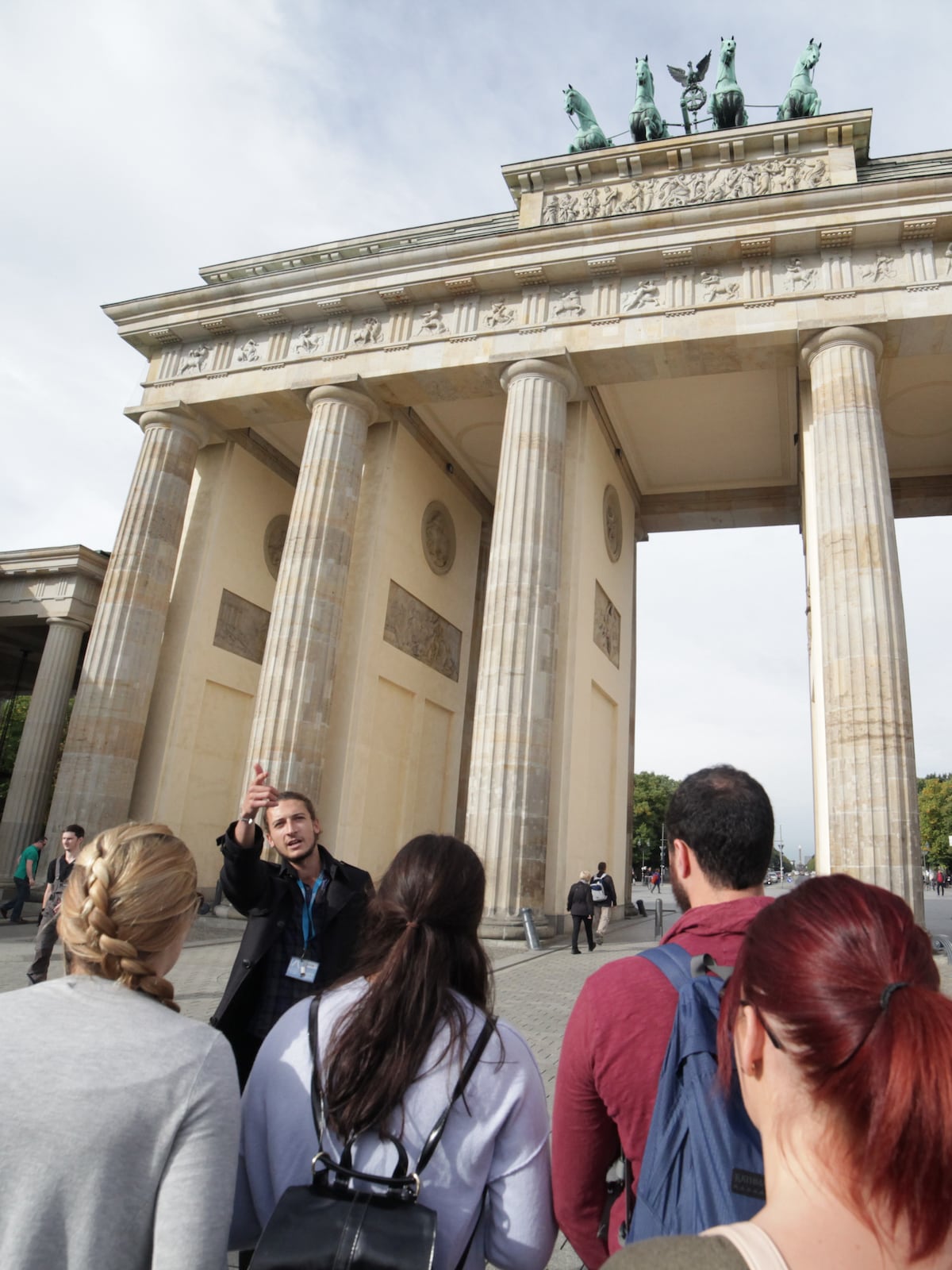
Discover Berlin - Main Sights Tour in English
Fri, Feb 27 • 10:30 AM
10178, Berlin, Germany
View details
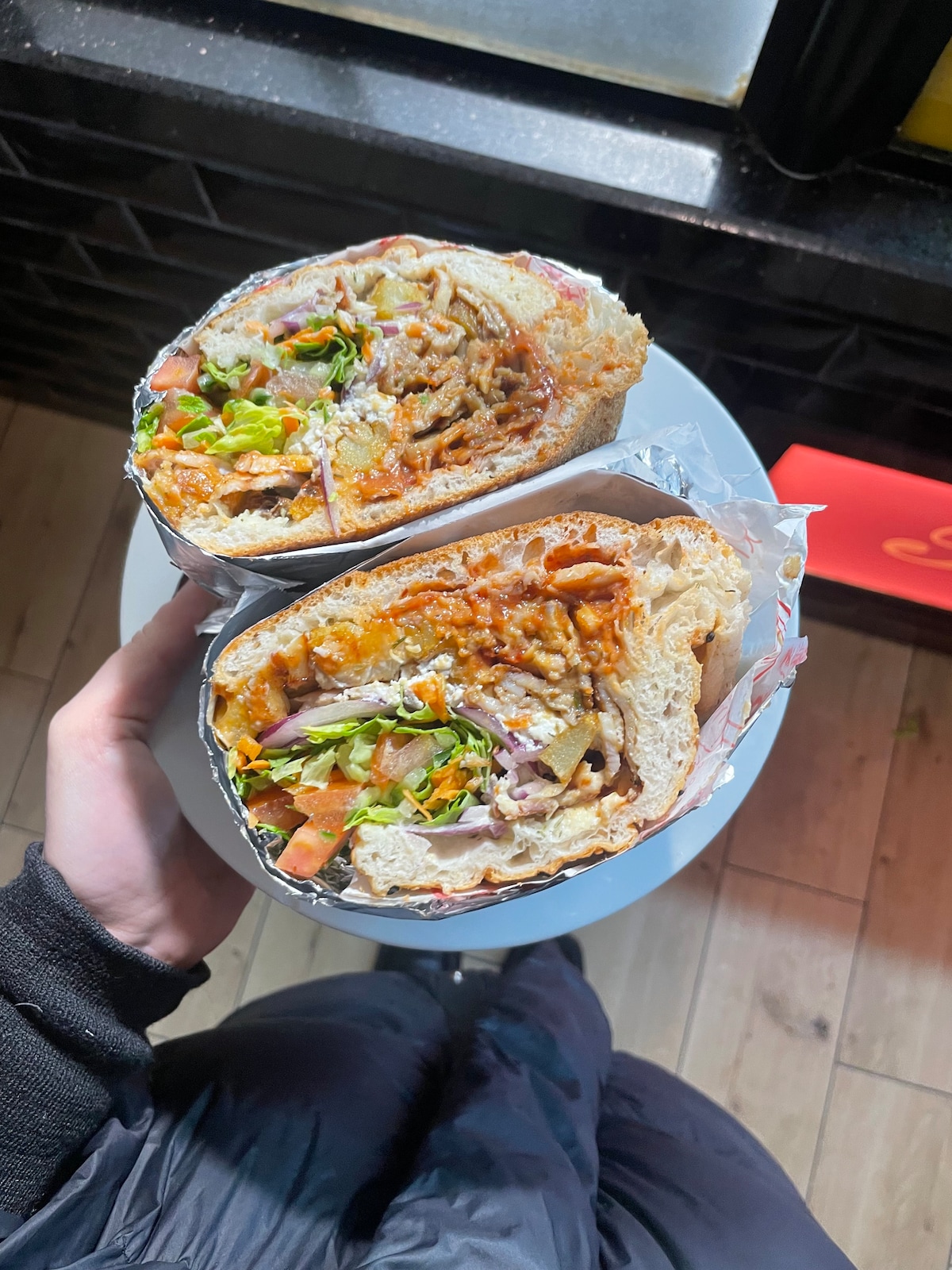
No Diet Club - The street food paradise in Berlin
Fri, Feb 27 • 12:00 PM
10115, Berlin, Germany
View details
Nearby attractions of German Spy Museum
Deutschlandmuseum
Topography of Terror
DIE MAUER | THE WALL - Das Museum am Leipziger Platz
Potsdamer Platz
Martin-Gropius-Bau
Teil der Berliner Mauer
Teil der Berliner Mauer
Panoramapunkt Berlin
University of Europe for Applied Sciences (Campus Berlin)
Memorial to the Murdered Jews of Europe

Deutschlandmuseum
4.6
(1.8K)
Closed
Click for details
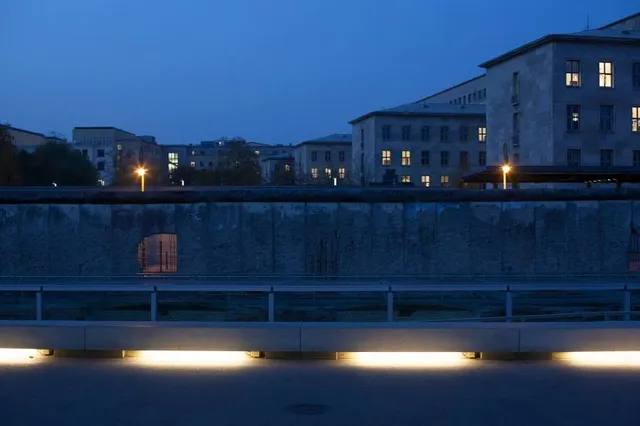
Topography of Terror
4.6
(14.1K)
Closed
Click for details
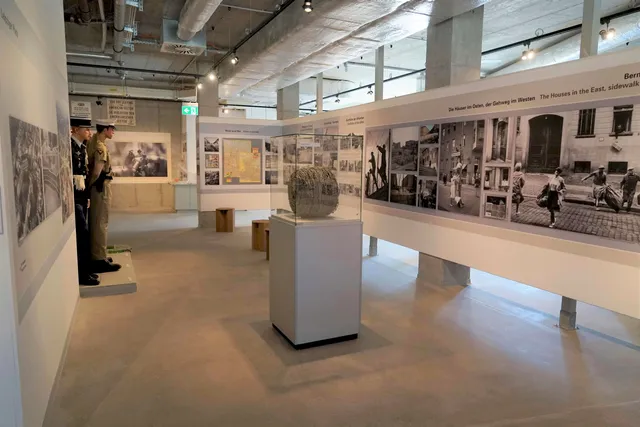
DIE MAUER | THE WALL - Das Museum am Leipziger Platz
4.3
(150)
Closed
Click for details
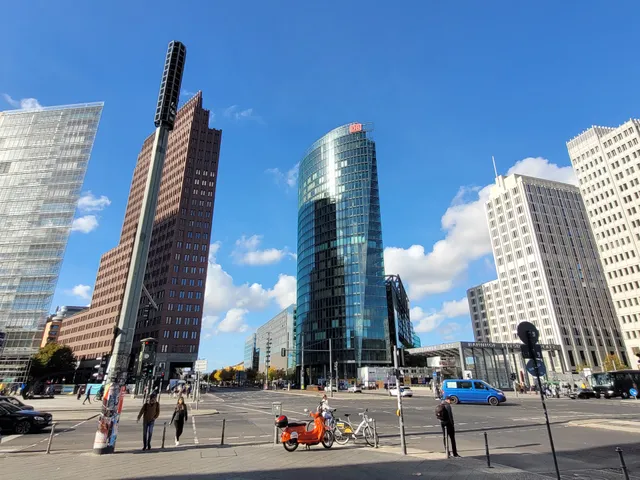
Potsdamer Platz
4.4
(934)
Open 24 hours
Click for details
Nearby restaurants of German Spy Museum
Ristorante Marea
Eleven Café Bar Lounge
AMRIT
Beef Grill Club by Hasir
dean&david | Bowls, Salate, Curries & Snacks in Berlin, Potsdamer Platz
Que Pasa Mexican restaurant
WonderWaffel
Vapiano Restaurant
Caras Gourmet
Frittenwerk Mall of Berlin
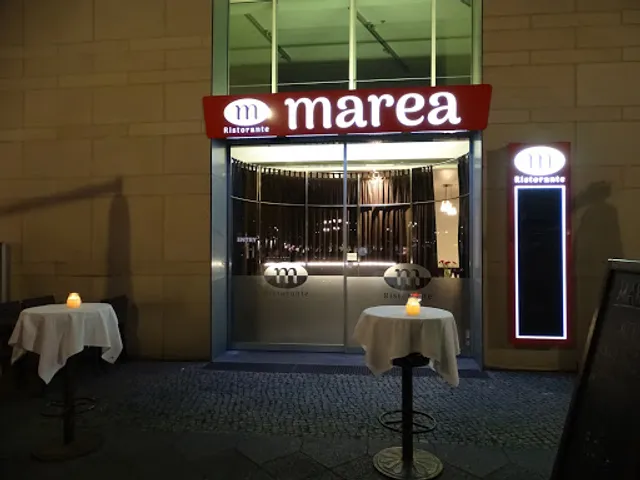
Ristorante Marea
4.7
(883)
Closed
Click for details
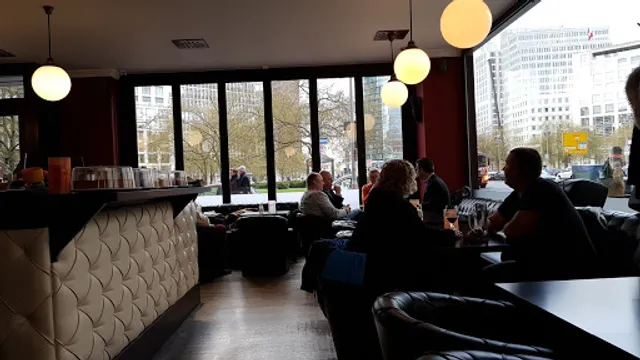
Eleven Café Bar Lounge
3.8
(459)
Closed
Click for details
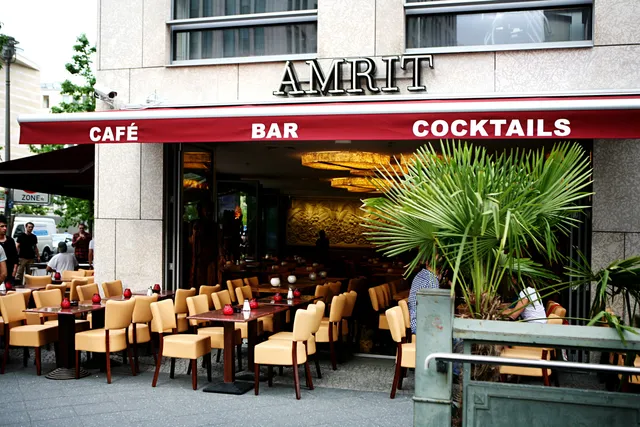
AMRIT
4.7
(3.3K)
Closed
Click for details
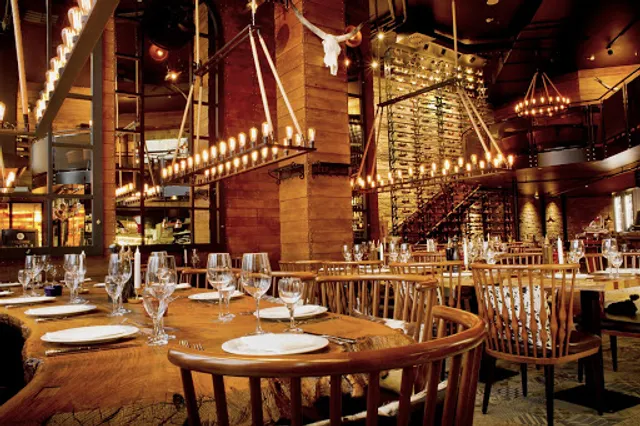
Beef Grill Club by Hasir
4.0
(876)
$$$
Closed
Click for details
Nearby local services of German Spy Museum
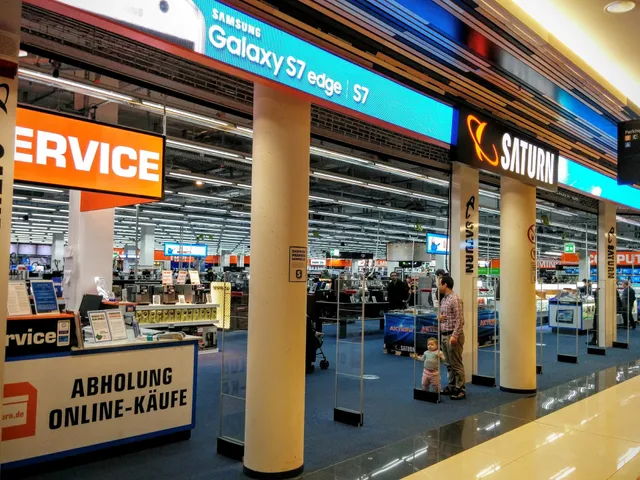
Mall of Berlin
MediaMarkt
Deutschlandmuseum
go asia Supermarkt - Potsdamer Platz
Douglas Berlin Mall of Berlin
The Playce
Lindt
Potsdamer Platz
Spielbank Berlin
Öni Cheers and Drinks
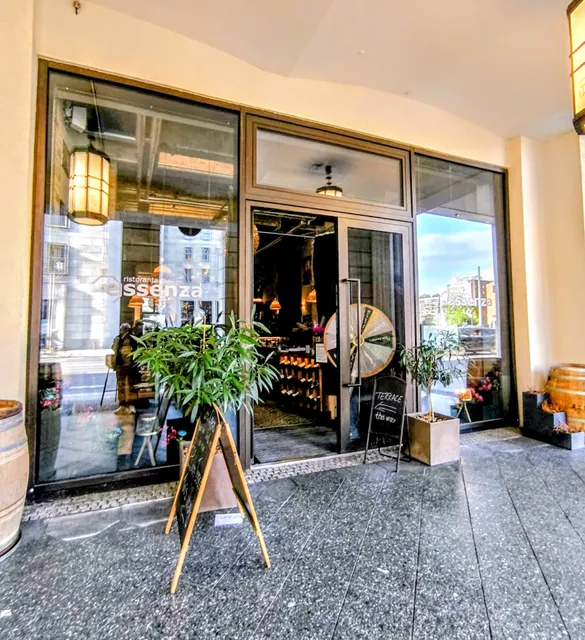
Mall of Berlin
4.4
(20.4K)
Click for details
MediaMarkt
4.1
(1.8K)
Click for details
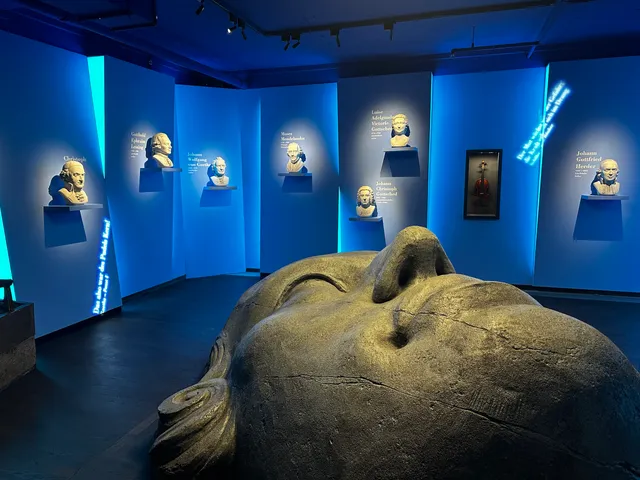
Deutschlandmuseum
4.7
(249)
Click for details
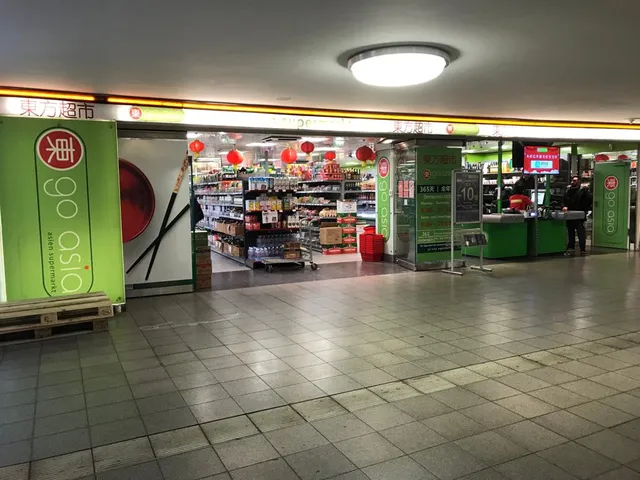
go asia Supermarkt - Potsdamer Platz
4.2
(503)
Click for details