Topography of Terror things to do, attractions, restaurants, events info and trip planning
Basic Info
Topography of Terror
Niederkirchnerstraße 8, 10963 Berlin, Germany
4.6(15K)
Closed
Save
spot
spot
Ratings & Description
Info
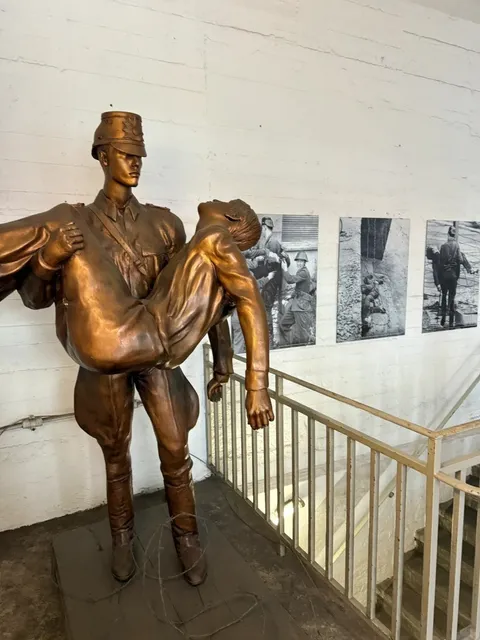
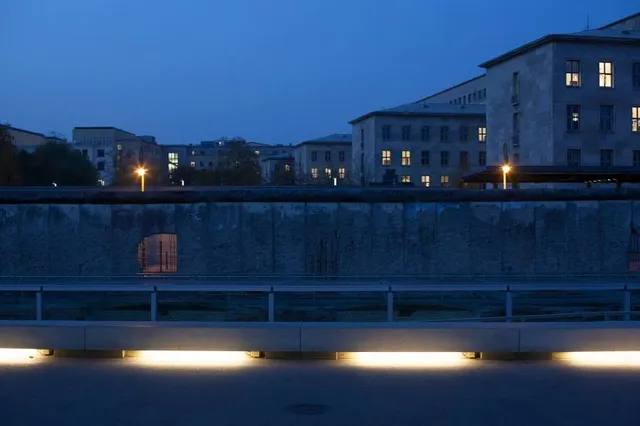
The Topography of Terror is an outdoor and indoor history museum in Berlin, Germany. It is located on Niederkirchnerstrasse, formerly Prinz-Albrecht-Strasse, on the site of buildings, which during the ...
Cultural
Accessibility
attractions: Martin-Gropius-Bau, Checkpoint Charlie, German Spy Museum, University of Europe for Applied Sciences (Campus Berlin), Deutsche Kinemathek, TimeRide Berlin, Prinz Albrecht Palais, Deutschlandmuseum, THE WALL - asisi Panorama, Berlin Story Bunker, restaurants: Ranush Orient Restaurant, Beba, Curry at the Wall Berlin Mitte, SOLAR Sky-Bar Restaurant Lounge, Typisch Berlin, Berta restaurant, Coffee and Cookies - Berlin, die espressonisten | Store, Craft Coffeeshop & La Marzocco Showroom, Naina Restaurant Berlin, Cancún Potsdamer Platz, local businesses: Mall of Berlin, urban apes Basement Berlin, MediaMarkt, Öni Cheers and Drinks, The Playce, Deutschlandmuseum, Checkpoint Kebab, Lindt, Örs Market, Liquidrom
 Learn more insights from Wanderboat AI.
Phone
+49 30 25450950
Website
topographie.de
Open hoursSee all hours
Tue10 AM - 8 PMClosed
Plan your stay

Pet-friendly Hotels in Berlin
Find a cozy hotel nearby and make it a full experience.

Affordable Hotels in Berlin
Find a cozy hotel nearby and make it a full experience.

The Coolest Hotels You Haven't Heard Of (Yet)
Find a cozy hotel nearby and make it a full experience.

Trending Stays Worth the Hype in Berlin
Find a cozy hotel nearby and make it a full experience.
Reviews
Live events

Bubble Planet: Das Erlebnismuseum für alle Sinne
Wed, Feb 25 • 10:00 AM
Eichenstraße 4, Berlin, 12435
View details
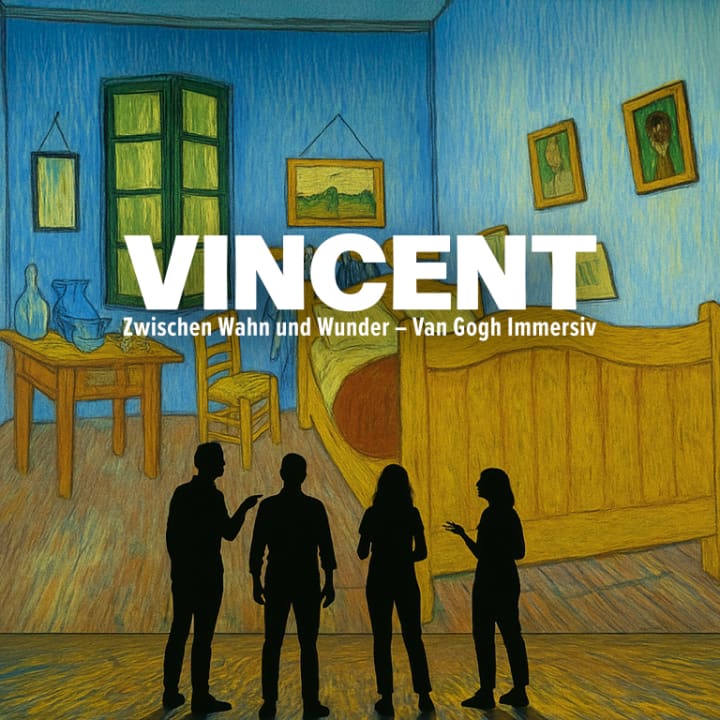
VINCENT - Zwischen Wahn und Wunder
Wed, Feb 25 • 10:00 AM
Revaler Str. 99, Berlin, 10245
View details
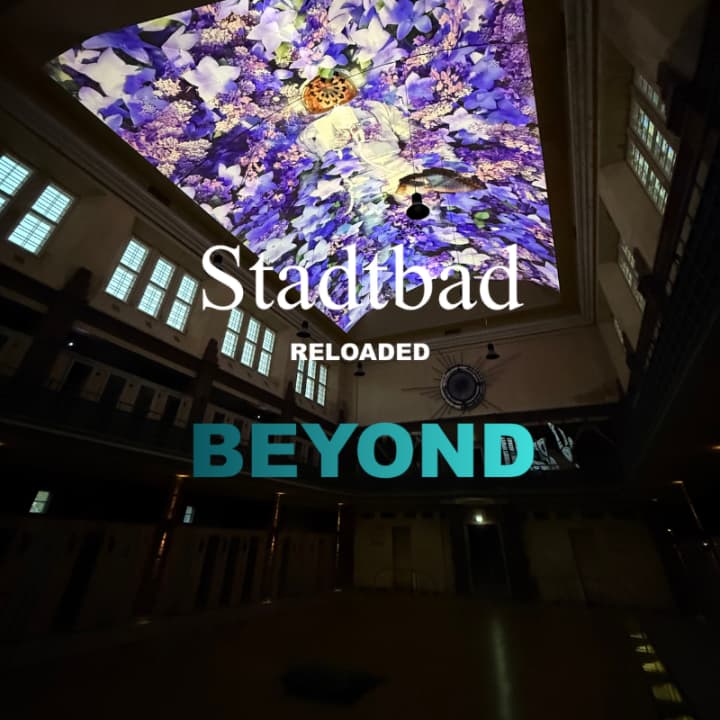
Stadtbad RELOADED: BEYOND
Fri, Feb 27 • 3:00 PM
Hubertusstraße 47, Berlin, 10365
View details
Nearby attractions of Topography of Terror
Martin-Gropius-Bau
Checkpoint Charlie
German Spy Museum
University of Europe for Applied Sciences (Campus Berlin)
Deutsche Kinemathek
TimeRide Berlin
Prinz Albrecht Palais
Deutschlandmuseum
THE WALL - asisi Panorama
Berlin Story Bunker
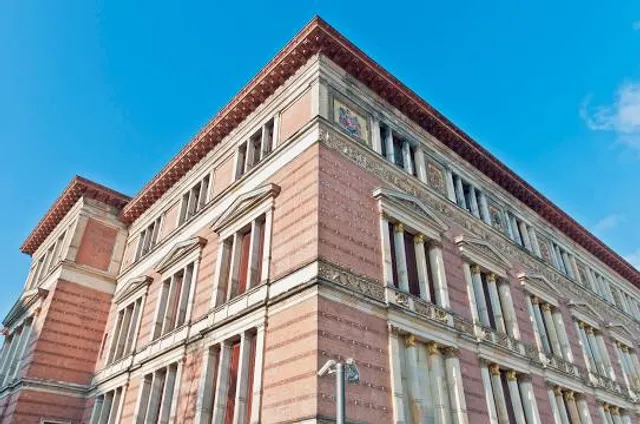
Martin-Gropius-Bau
4.5
(2K)
Open 24 hours
Click for details
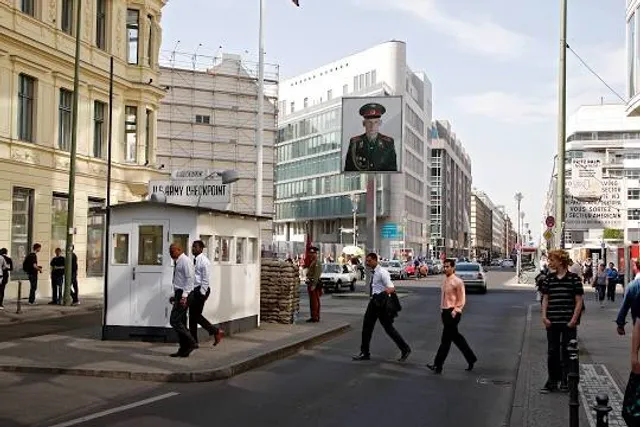
Checkpoint Charlie
4.1
(32.5K)
Open until 12:00 AM
Click for details
German Spy Museum
4.3
(7K)
Closed
Click for details

University of Europe for Applied Sciences (Campus Berlin)
4.7
(1.1K)
Closed
Click for details
Nearby restaurants of Topography of Terror
Ranush Orient Restaurant
Beba
Curry at the Wall Berlin Mitte
SOLAR Sky-Bar Restaurant Lounge
Typisch Berlin
Berta restaurant
Coffee and Cookies - Berlin
die espressonisten | Store, Craft Coffeeshop & La Marzocco Showroom
Naina Restaurant Berlin
Cancún Potsdamer Platz
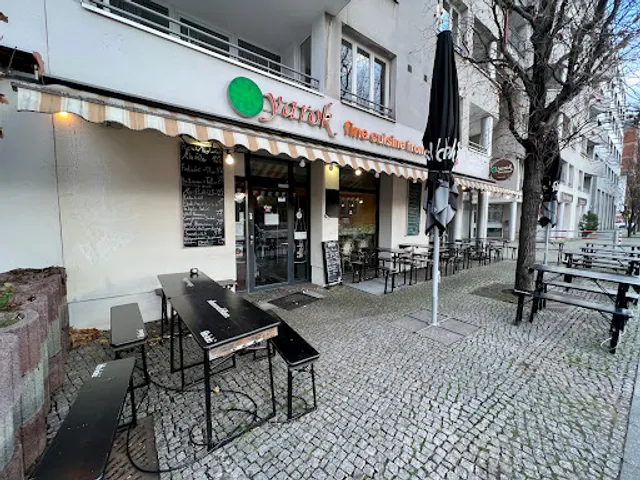
Ranush Orient Restaurant
4.4
(495)
Click for details
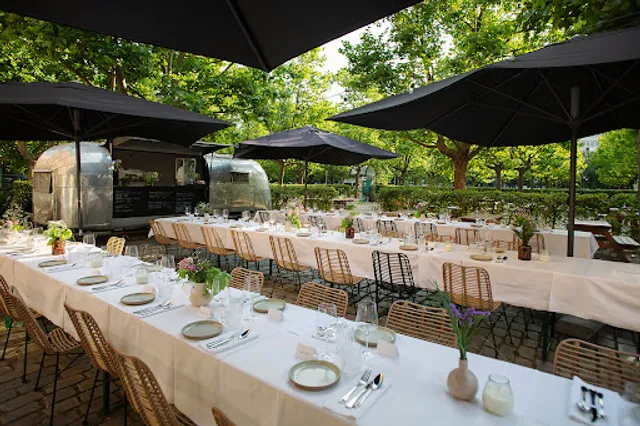
Beba
4.7
(210)
Click for details
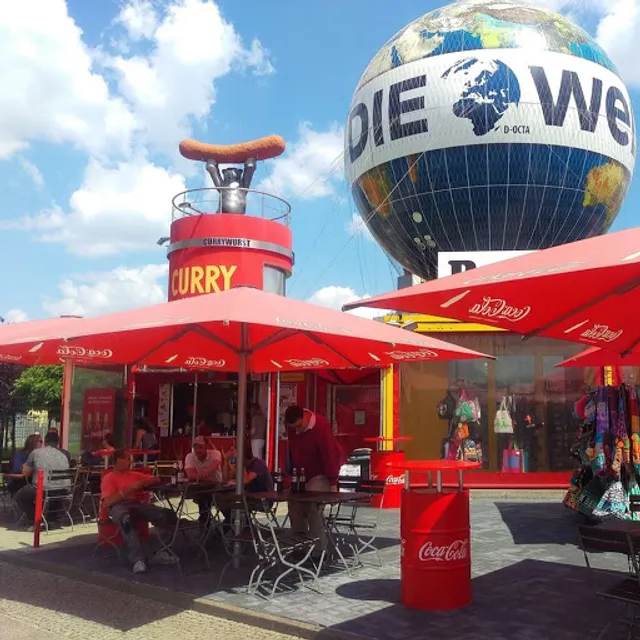
Curry at the Wall Berlin Mitte
4.1
(750)
Open until 12:00 AM
Click for details
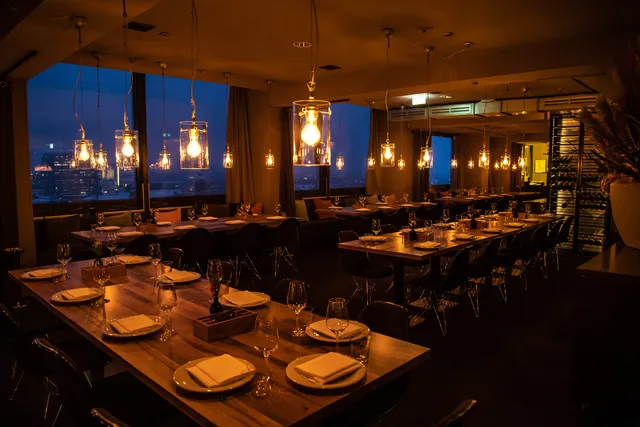
SOLAR Sky-Bar Restaurant Lounge
4.3
(1.4K)
$$$
Open until 1:00 AM
Click for details
Nearby local services of Topography of Terror
Mall of Berlin
urban apes Basement Berlin
MediaMarkt
Öni Cheers and Drinks
The Playce
Deutschlandmuseum
Checkpoint Kebab
Lindt
Örs Market
Liquidrom
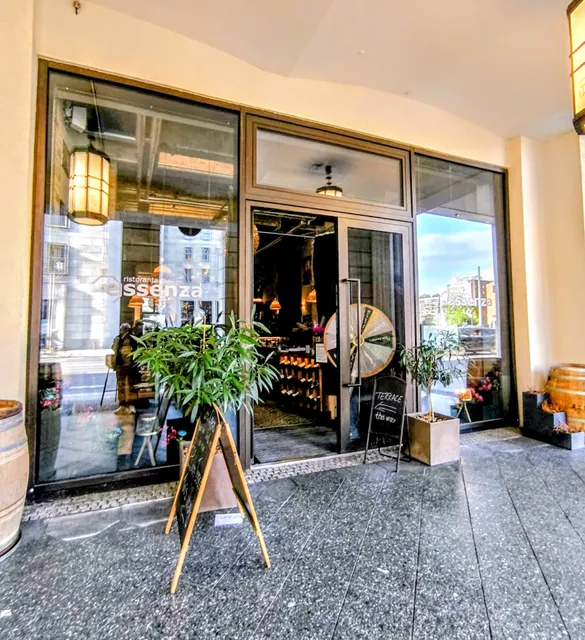
Mall of Berlin
4.4
(19.9K)
Click for details
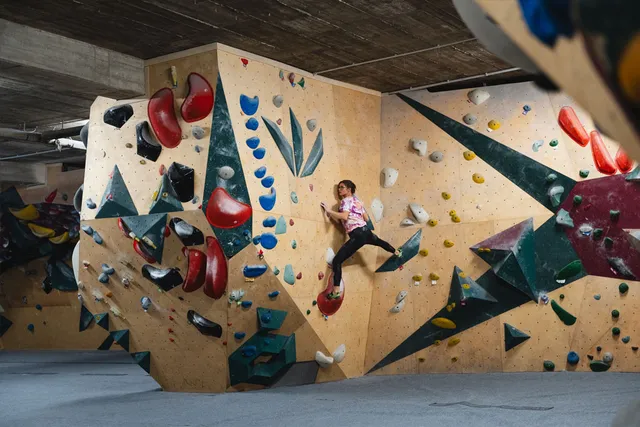
urban apes Basement Berlin
4.4
(479)
Click for details
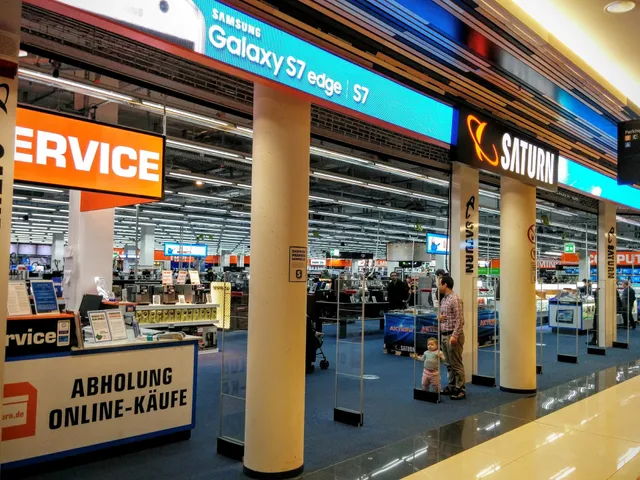
MediaMarkt
4.1
(1.8K)
Click for details

Öni Cheers and Drinks
4.9
(108)
Click for details