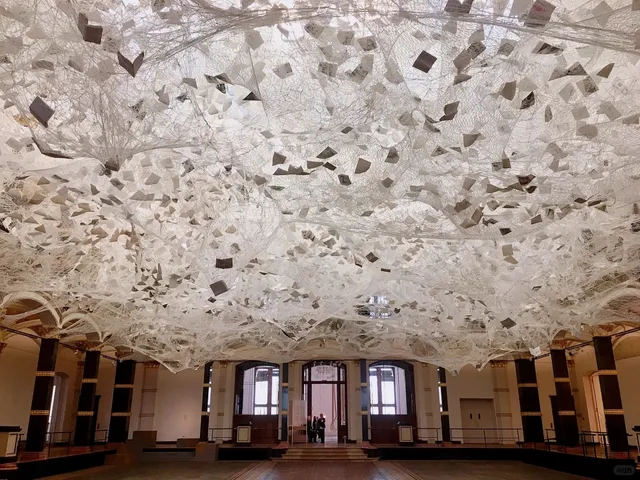
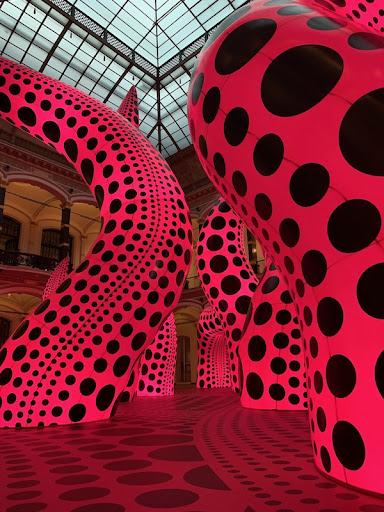
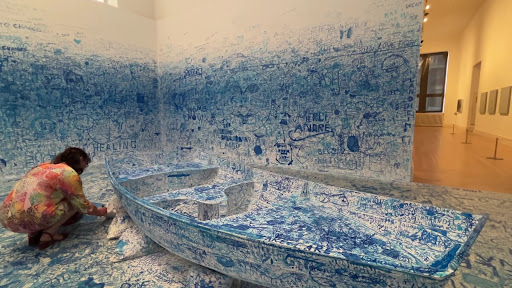
Martin-Gropius-Bau in Berlin is a hidden gem that never fails to enchant its visitors. As a dedicated art lover, I recently had the pleasure of exploring their current exhibition featuring the extraordinary works of Daniel Boyd. I must say, it was an experience beyond compare.
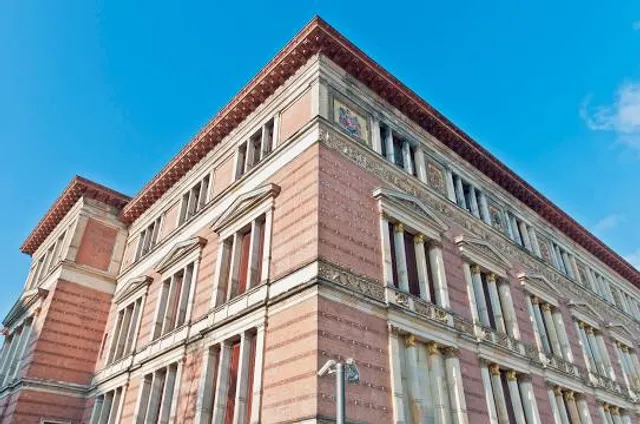
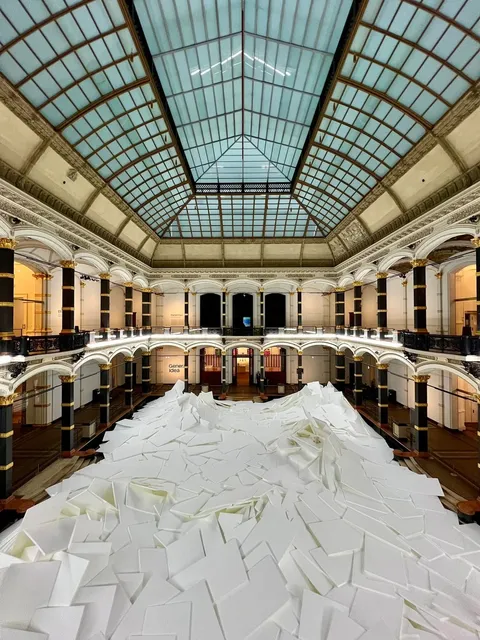
First and foremost, the historical significance of Martin-Gropius-Bau itself adds a layer of grandeur to the overall visit. The stunning architecture, reminiscent of the Renaissance period, effortlessly blends with the modern artworks, creating a unique and captivating atmosphere. The moment you step inside, you're transported into a world where past and present coexist harmoniously.
Daniel Boyd's exhibition, curated with utmost care and precision, is a testament to his artistic genius. His masterful ability to weave together themes of identity, history, and cultural heritage is truly commendable. Each artwork is a mesmerizing fusion of abstraction and storytelling, inviting viewers to delve into a deeper understanding of the complexities of our world.
The arrangement of the exhibition is impeccable, guiding visitors through Boyd's artistic journey in a thoughtful and coherent manner. From his earlier works, showcasing his exploration of his indigenous Australian roots, to the more recent pieces that tackle global narratives and colonialism, every step offers a new revelation and a fresh perspective.
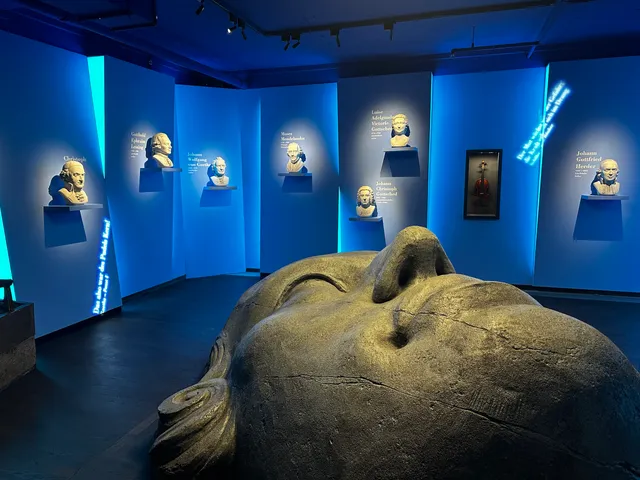
The use of different mediums and techniques by Boyd further enhances the visual impact of the exhibition. From large-scale paintings that envelop you in their vibrant colors and textured layers, to intricate installations that invite contemplation and reflection, each piece is a testament to the artist's versatility and skill.
The accompanying information and audio guides are comprehensive and provide valuable insights into the artist's inspirations and creative process. The curators have gone above and beyond to ensure that visitors can fully immerse themselves in the art, making the exhibition accessible and engaging for art enthusiasts of all backgrounds.
Additionally, the staff at Martin-Gropius-Bau are knowledgeable, friendly, and eager to share their passion for the arts. Their enthusiasm adds an extra layer of enjoyment to the overall experience, making every interaction a delight.
Overall, Martin-Gropius-Bau and its current exhibition of Daniel Boyd's works have left an indelible mark on me. It is a cultural oasis where art aficionados can indulge in a rich tapestry of history, creativity, and thought-provoking concepts. If you find yourself in Berlin, do not miss the opportunity to visit this extraordinary venue and immerse yourself in the magic of Daniel...
Read moreThe Martin-Gropius-Bau is an iconic building located in Berlin, Germany, known for its rich history and its role as a center for art, culture, and history exhibitions. Here's a brief overview of the history of the Martin-Gropius-Bau:
The building was originally constructed in the late 19th century as a museum of applied arts and industrial design. It was named after its architect, Martin Gropius, who was a great-uncle of the renowned architect Walter Gropius.
The Martin-Gropius-Bau was completed in 1881 and was designed in a Renaissance Revival architectural style, characterized by its grand facade, ornate detailing, and spacious interior. The building's design was influenced by Italian palaces and became a prominent architectural landmark in Berlin.
Over the years, the Martin-Gropius-Bau underwent various transformations and served different purposes. During World War II, the building suffered severe damage due to bombing raids and was left in ruins. It remained in a state of disrepair for several decades.
In the 1970s, efforts were made to restore and renovate the Martin-Gropius-Bau. The building underwent extensive reconstruction, preserving its historical features while incorporating modern elements. The renovation was completed in 1981, marking the centennial anniversary of its original construction.
Since its reopening, the Martin-Gropius-Bau has become one of Berlin's premier exhibition spaces, hosting a wide range of temporary exhibitions on art, history, culture, and science. It has gained international recognition for its diverse and thought-provoking exhibitions, attracting visitors from around the world.
The Martin-Gropius-Bau has showcased exhibitions on various topics, including contemporary art, photography, architecture, archaeology, and historical retrospectives. It has also been a venue for major international art events and collaborations.
The building's spacious halls and flexible exhibition spaces make it an ideal venue for large-scale exhibitions and installations. It provides a platform for both established and emerging artists, as well as cultural institutions, to showcase their works and engage with audiences.
Today, the Martin-Gropius-Bau continues to play a vital role in Berlin's cultural landscape, fostering dialogue and understanding through its diverse program of exhibitions and events. It stands as a testament to the city's commitment to preserving its architectural heritage while embracing contemporary artistic expression.
Visiting the Martin-Gropius-Bau offers a unique opportunity to experience the intersection of history, art, and culture within the walls of this architectural gem in the...
Read moreThe Gropius Bau in Berlin is one of Germany's most renowned cultural institutions, hosting a wide array of exhibitions ranging from contemporary art to history and archaeology. Named after its architect, Martin Gropius, the building was originally constructed between 1877 and 1881 as the Kunstgewerbemuseum Berlin (Museum of Decorative Arts).
Martin Gropius, a cousin of the famed Bauhaus founder Walter Gropius, designed the building in collaboration with Heino Schmieden. The structure is a beautiful example of Renaissance Revival architecture, featuring an ornate facade decorated with friezes that depict various epochs of art history, contributing to its grand and educational character.
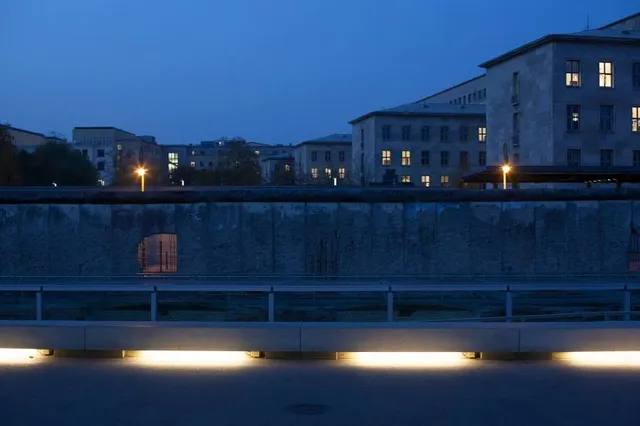
Throughout its history, the Gropius Bau has endured significant events, including severe damage during World War II. It was located near the Berlin Wall during the division of Berlin, which added to its symbolic importance as a site of cultural reunion and exchange after the Wall's fall in 1989. Extensively renovated and restored, it reopened in the 1980s and has since re-established itself as a major cultural hub.
Today, the Gropius Bau is known for its ambitious and eclectic exhibition programming. It does not maintain a permanent collection, which allows for a dynamic schedule of exhibitions that often explore thematic and interdisciplinary issues, attracting international artists and collaborations. The institution is celebrated for its thoughtful curation and the ability to secure high-profile, groundbreaking exhibitions.
The Gropius Bau also serves as a gathering place for the cultural discourse, hosting lectures, film screenings, and artist talks that complement its exhibitions. This has cemented its reputation not just as an exhibition space but as a vibrant cultural center where art, history, and current events intersect, drawing visitors and locals alike to engage with the pressing issues of our times through the...
Read more