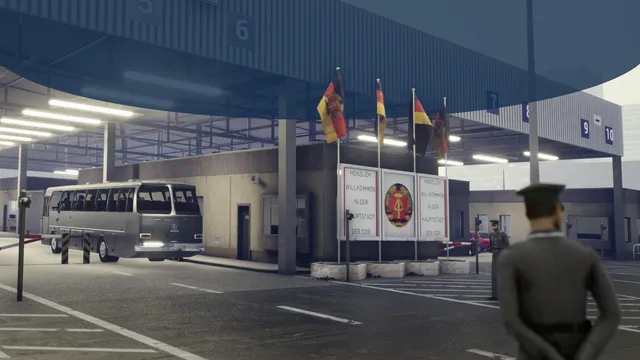
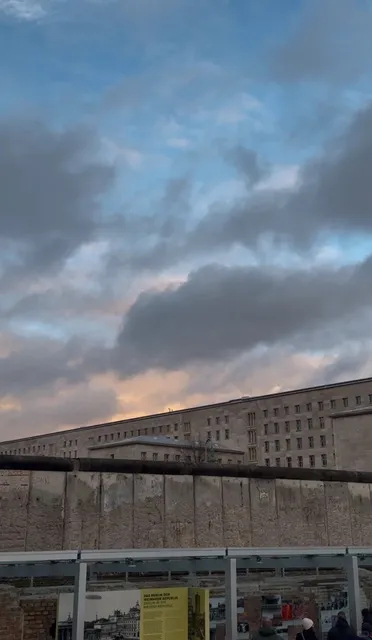
Words from the other side… West to East. Spring of 1987… Having photographed the 4th Battalion at 502nd Brigade on McNair Barracks with a scary but short 20 minutes drive from Hotel Ambassador to meet Captain Plunket at the main gate, then the afternoon off. The only thing left on the list was to cross Checkpoint Charlie, quite a daunting prospect of being stranded with more photos to do in the West the next day, especially as photographic equipment was top of the list for the DDR to confiscate. This area of the city was Steglitz and although all of West Berlin was going through a slow transition out of the Cold War, this part of town was very eerie and menacing with a strong feeling of wrong doing all around you. From my point of view, having stepped over from the prosperous free speaking democratic exciting and comfortable West, the brief venture into the dark gloomy East was amazing and conjured up many thoughts of all the Cold War spy films I’d ever seen. Fear and excitement side by side, suddenly after your passport was removed with a scowl, you got a very cold reception whilst ushered into a very different world. Nothing much in the shops, people looked grey with grey clothes wondered around quietly and quickly with a look of distrust and concern about them. An air of fear perhaps, it felt like holding your breath under cold dark water to see how long, but wanting to surface as soon as possible. Then the long return journey back to Rhine-Main through the DDR’s Autobahn transit corridor to the West with dodgy Polizia dressed in long white plastic coats like lollipop ladies jumping out from the side barrier waving bright orange batons at you, so you don’t stop, never, whatever! truly scary seeing their fists in the air in your rear view mirror. Next stop, The Velvet Revolution… Bratislava from Vienna, would be amazing, wouldn’t it?….
The East West traveling synergy…
Words from a fellow traveller… East to West. During the Cold War, I sometimes joined the throng of hitchhikers waiting at the Dreilinden frontier post – the main exit point from West Berlin, better known as Checkpoint Bravo. Most of us carried small signs bearing a single letter: H or M, signalling the need for a lift to Hanover or Munich respectively. It was the ultimate five-star hitching location: such was the camaraderie of isolation in the West’s fragment of democracy within the Eastern Bloc that you never waited more than a few minutes. Bravo.
Safely belted into a West German car, you immediately encountered East German border guards who were keen to uncover any black market currency you might be carrying. That ordeal over, you were guaranteed a long ride along the transit autobahn through the DDR. However obnoxious the hitchhiker turned out to be, the driver could not drop them off for fear of intervention from the dreaded Stasi. The exit point for Hanover was at Checkpoint Alpha. Crossing the border took ages as the alpha-male frontier police verified your identity and checked the vehicle for stowaways. Beyond the barrier lay freedom, and a happy ending to another Cold War thriller.
By the early 21st century, the Iron Curtain was a distant memory. Many frontier posts within the EU became mere relics as the Schengen agreement for Europe without frontiers took hold. As I revealed this week, though, dormant borders across the supposedly unified Schengen area are coming back to life. EU member states are alarmed by everything from “irregular migration flows towards the Franco-British border that risk infiltration by radicalised individuals” to “threats of sabotage posed by the Russian intelligence service”. Checks at road, rail and even river crossings are multiplying. Staying in the pretty German city of Zittau and plan an evening stroll to the Czech Republic or Poland? In Bratislava with a yearning for a day-trip to nearby Vienna? Don’t forget your passport, or you’ll look a proper...
Read moreReview: Checkpoint Charlie, Berlin – A Powerful Glimpse into a Divided Past (300 words)
Checkpoint Charlie is one of Berlin’s most iconic—and emotionally stirring—historical landmarks. Standing at the former border crossing between East and West Berlin, this site holds deep symbolic weight as a reminder of the Cold War tensions that once divided a city, a country, and the world.
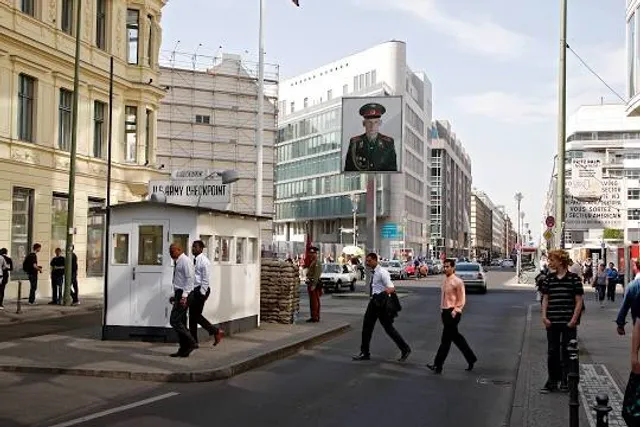
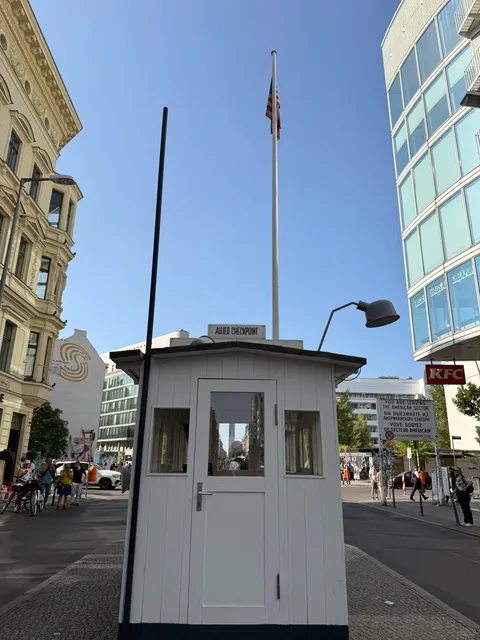
Walking up to Checkpoint Charlie, you’re first greeted by the replica guardhouse and sandbags, flanked by the famous sign: “You are leaving the American sector.” While clearly reconstructed for modern tourists, it nonetheless evokes a powerful sense of place. It’s not difficult to imagine the anxiety, desperation, and tension that once filled this very street.
What truly adds depth to the visit is the atmosphere around the site. Street plaques and nearby displays share personal stories of daring escapes and tragic failures. It’s not a silent place—there’s traffic, tourists snapping photos, and souvenir shops—but somehow that noise doesn’t diminish the gravity. In fact, the contrast makes the historical reality more poignant.
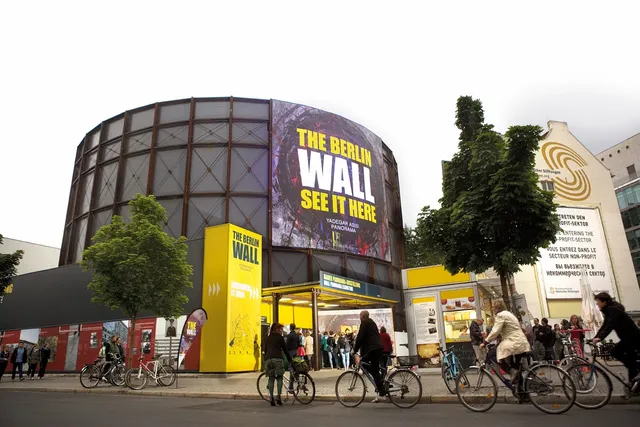
There’s a small museum across the road that offers more context, and while it may feel modest in size, its content—photos, documents, and escape artifacts—brings the human side of the Berlin Wall to life. You can spend a couple of hours absorbing these stories and still feel like you’ve only scratched the surface.
Despite the commercial elements (souvenirs, food stalls, and somewhat theatrical actors in uniform), Checkpoint Charlie remains a must-visit. It’s not just about the photo opportunity—it’s about confronting a chapter of recent history that still echoes in Berlin’s cultural identity.
In short, Checkpoint Charlie is where history feels close enough to touch. A place of division that now stands for unity and remembrance. Go for the history, stay for...
Read moreDepressed area of the city. If it truly is the last Soviet-era flag that is hanging on that building, why is it not in a museum? The tourist line you see is for people seeking the viewpoint of a detained DDR citizen or soldier looking at Berlin from the Cold War era DDR side...from there, you see the E-5 male looking back at you. The entire checkpoint structure should be protected from the weather, even if it is a replica. People waiting in line to get their picture taken with the large US Army E-5 looking into then East Germany get mad when a hop-on hop-off tourism bus stops at the checkpoint to pick up new passengers or let off 2-hour bus ride tourists at the checkpoint....the road network is so constricted that the tourist bus is in the picture when it is parked there. In my humble opinion, there is not really much to physically see here regarding actual authentic checkpoint memorabilia....it is a living history spot though and certainly worth riding by or walking to for a gander.....kinda like never seeing the real Mona Lisa painting and then when you get there you have to wade around tourists just to get close to see the little painting..but here the replica checkpoint guard house/ sentry position is life-size. Quirky local tourist attractions add to the uniqueness of this legacy military police border crossing/wall access point on a current day traffic loaded asphalt city...
Read more