HTML SitemapExplore
logo
Find Things to DoFind The Best Restaurants

Propylaea — Attraction in Athens

Name
Propylaea
Description
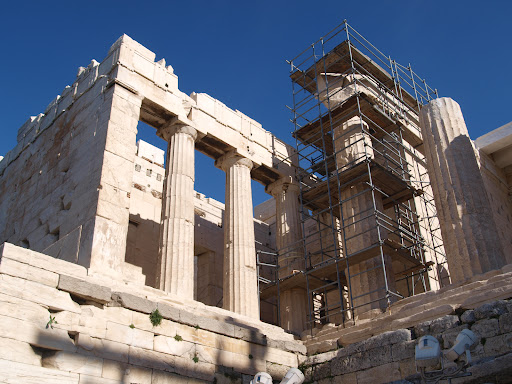
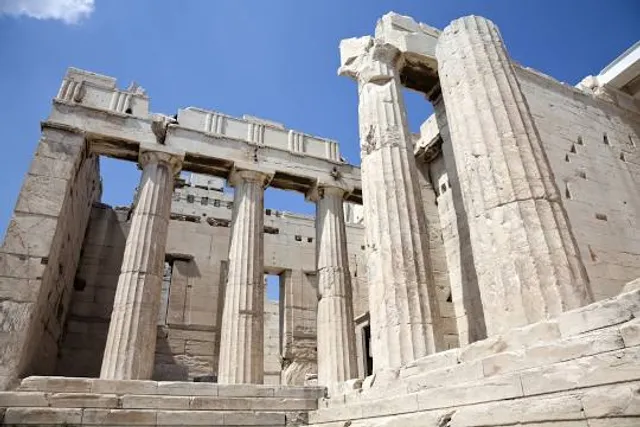
In ancient Greek architecture, a propylaion, propylaeon or, in its Latinized form, propylaeum — often used in the plural, propylaia or propylaea — is a monumental gateway. It serves as a partition, separating the secular and religious parts of a city.
Nearby attractions
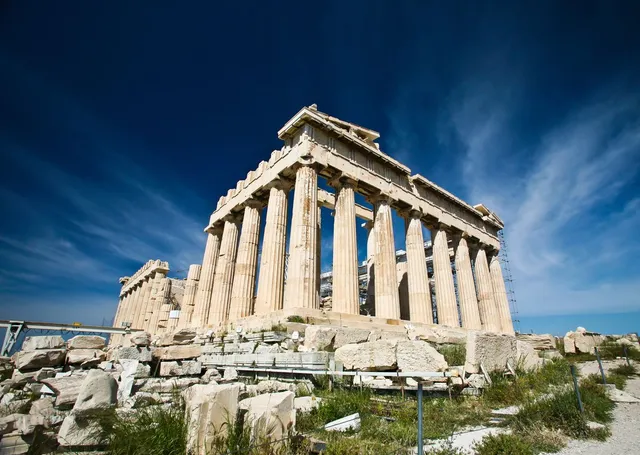
Acropolis of Athens
Athens 105 58, Greece
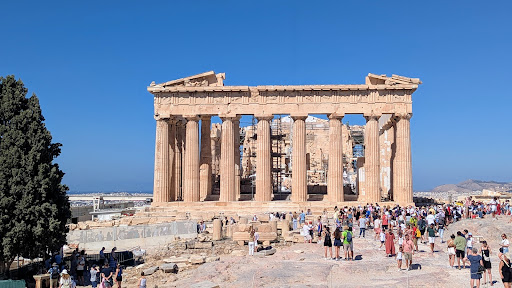
Parthenon
Athens 105 58, Greece
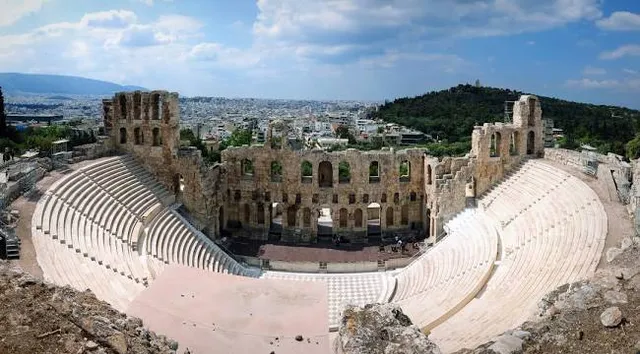
Odeon of Herodes Atticus
Dionysiou Areopagitou, Athina 105 55, Greece
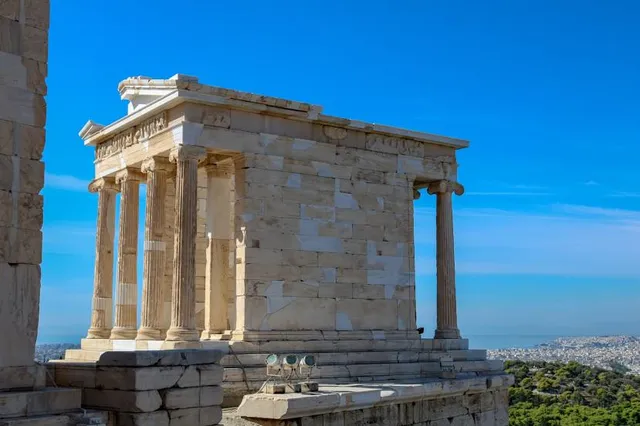
Temple of Athena Nike
Acropolis, Dionysiou Areopagitou, Athina 105 58, Greece
Erechtheion
Athens 105 58, Greece
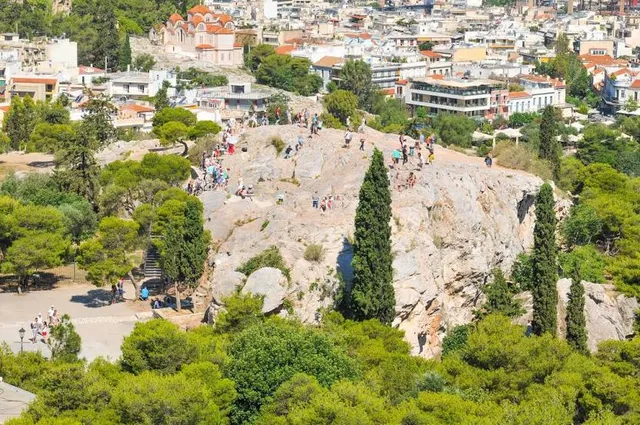
Areopagus Hill
Theorias 21, Athina 105 55, Greece
Roman Forum of Athens (Roman Agora)
Polignotou 3, Athina 105 55, Greece
Theatre of Dionysus
Mitseon 25, Athina 117 42, Greece
Beulé Gate
Acropolis, Dionysiou Areopagitou, Athina 105 58, Greece
Monument of Agrippa
Theorias 21, Athina 105 58, Greece
Nearby restaurants
Dioskouroi
Dioskouron 13, Athina 105 55, Greece
Klepsydra
Klepsidras, Athina 105 56, Greece
Xenious Zeus
Mnisikleous 37, Athina 105 56, Greece
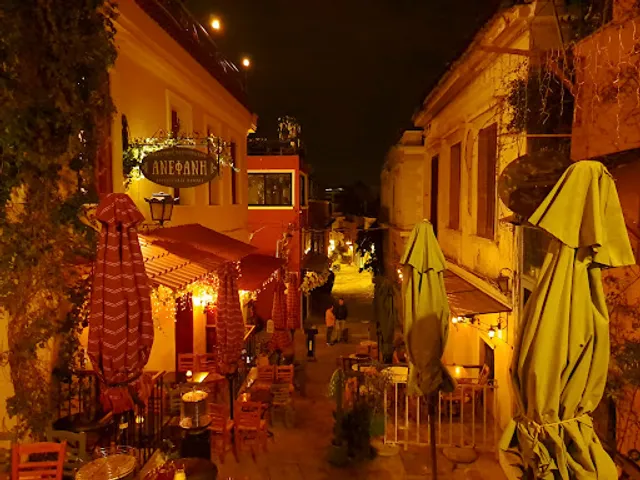
Anafiotika Cafe - Restaurant
Mnisikleous 24β, Athina 105 56, Greece
Geros Tou Moria Restaurant
Mnisikleous 27, Athina 105 56, Greece
Dionysos Zonar's
Rovertou Galli 43, Athina 117 42, Greece
Strofi
Rovertou Galli 25, Athina 117 42, Greece
Lyra Restaurant Athens
Lisiou 12, Athina 105 56, Greece
Anefani
Mnisikleous 24, Athina 105 56, Greece
GH Attikos Restaurant
Garivaldi 7, Athina 117 42, Greece
Related posts
Keywords
Propylaea tourism.Propylaea hotels.Propylaea bed and breakfast. flights to Propylaea.Propylaea attractions.Propylaea restaurants.Propylaea travel.Propylaea travel guide.Propylaea travel blog.Propylaea pictures.Propylaea photos.Propylaea travel tips.Propylaea maps.Propylaea things to do.
Propylaea things to do, attractions, restaurants, events info and trip planning
Propylaea
GreeceAtticaAthensPropylaea

Basic Info

Propylaea

Acropolis, Dionysiou Areopagitou, Athina 105 58, Greece
4.8(528)
Open until 7:00 PM
Save
spot

Ratings & Description

Info

In ancient Greek architecture, a propylaion, propylaeon or, in its Latinized form, propylaeum — often used in the plural, propylaia or propylaea — is a monumental gateway. It serves as a partition, separating the secular and religious parts of a city.

Cultural
Scenic
Family friendly
attractions: Acropolis of Athens, Parthenon, Odeon of Herodes Atticus, Temple of Athena Nike, Erechtheion, Areopagus Hill, Roman Forum of Athens (Roman Agora), Theatre of Dionysus, Beulé Gate, Monument of Agrippa, restaurants: Dioskouroi, Klepsydra, Xenious Zeus, Anafiotika Cafe - Restaurant, Geros Tou Moria Restaurant, Dionysos Zonar's, Strofi, Lyra Restaurant Athens, Anefani, GH Attikos Restaurant
logoLearn more insights from Wanderboat AI.
Phone
+30 21 0321 4172
Open hoursSee all hours
Fri8 AM - 7 PMOpen

Plan your stay

hotel
Pet-friendly Hotels in Athens
Find a cozy hotel nearby and make it a full experience.

hotel
Affordable Hotels in Athens
Find a cozy hotel nearby and make it a full experience.

hotel
The Coolest Hotels You Haven't Heard Of (Yet)
Find a cozy hotel nearby and make it a full experience.

hotel
Trending Stays Worth the Hype in Athens
Find a cozy hotel nearby and make it a full experience.

Reviews

Nearby attractions of Propylaea

Acropolis of Athens

Parthenon

Odeon of Herodes Atticus

Temple of Athena Nike

Erechtheion

Areopagus Hill

Roman Forum of Athens (Roman Agora)

Theatre of Dionysus

Beulé Gate

Monument of Agrippa

Acropolis of Athens

Acropolis of Athens

4.8

(44.2K)

Open 24 hours
Click for details
Parthenon

Parthenon

4.8

(27.3K)

Open 24 hours
Click for details
Odeon of Herodes Atticus

Odeon of Herodes Atticus

4.9

(6.8K)

Open 24 hours
Click for details
Temple of Athena Nike

Temple of Athena Nike

4.8

(575)

Open 24 hours
Click for details

Things to do nearby

See the Acropolis with a licensed guide
Fri, Dec 5 • 10:30 AM
117 42, Athens, Greece
View details

Explore Sounio Temple of Poseidon &Athens Riviera
Fri, Dec 5 • 8:00 AM
105 58, Athens, Greece
View details
Philosophy and Democracy Tour of Athens
Fri, Dec 5 • 8:30 AM
105 55, Athens, Greece
View details

Nearby restaurants of Propylaea

Dioskouroi

Klepsydra

Xenious Zeus

Anafiotika Cafe - Restaurant

Geros Tou Moria Restaurant

Dionysos Zonar's

Strofi

Lyra Restaurant Athens

Anefani

GH Attikos Restaurant

Dioskouroi

Dioskouroi

4.2

(1.6K)

$$

Click for details
Klepsydra

Klepsydra

4.4

(2K)

Click for details
Xenious Zeus

Xenious Zeus

4.5

(1.1K)

Click for details
Anafiotika Cafe - Restaurant

Anafiotika Cafe - Restaurant

4.2

(1.3K)

$$

Click for details
Get the Appoverlay
Get the AppOne tap to find yournext favorite spots!
Wanderboat LogoWanderboat

Your everyday Al companion for getaway ideas

CompanyAbout Us
InformationAI Trip PlannerSitemap
SocialXInstagramTiktokLinkedin
LegalTerms of ServicePrivacy Policy

Get the app

© 2025 Wanderboat. All rights reserved.
logo

Posts

Diego CerpelloniDiego Cerpelloni
The Propylaia, the monumental entrance of the sanctuary of the Acropolis, was built at the west edge of the hill in the frame of the building programme of Perikles. The building’s architect was Mnesikles, who merged ingenious and innovative architectural solutions with the restrictions of the site’s natural environment. The construction of the Propylaia (437–432 B.C.) was interrupted by the outbreak of the Peloponnesian War, and as a result the original plan remained incomplete. The Propylaia comprises a central building with E-W direction and similar hexastyle (6 columns) Doric pedimental façades. A cross-wall with five doorways divides the central building into two parts. The longer, eastern part includes a central aisle with Ionic columns, corresponding to the central passageway, and two side wings with stone ceilings, supported on marble beams with rich painted decoration. The central building of the Propylaia was flanked on the south side, which had no rich painted decoration, by the square building of the south wing (Pinakotheke). This building opened towards the Acropolis via a colonnaded portico in antis of three Doric columns. Its interior was decorated with panel paintings of heroic and historical themes by famous painters and from this room is conventionally known as the “Pinakotheke” (picture gallery). In the mid-Byzantine period (11th c. A.D.), the Propylaia was transformed into a single-aisle Christian basilica, which became, under Frankish and Ottoman domination, the residence of the governor of the Acropolis. In 1645, the gunpowder stored in the building exploded, causing extensive damage. The medieval and later remains were removed during the excavations carried out in the 19th century, while anastylosis has been performed since then and continues today.
Lefteris StamatelatosLefteris Stamatelatos
The Propylaia, standing at the western entrance of the Acropolis of Athens, is one of the most remarkable architectural achievements of classical antiquity. Constructed in the 5th century BC under the leadership of Pericles, it served as the monumental gateway to the sacred plateau. Designed by the architect Mnesikles, the Propylaia combined functionality with grandeur, creating a ceremonial passage that prepared visitors for the sanctity of the Acropolis. Beyond its role as an entrance, the Propylaia symbolized the prestige and power of Athens at the height of its Golden Age. Its innovative design, with a central hall flanked by wings, showcased the mastery of classical architecture. Despite remaining unfinished due to the outbreak of war, the structure’s imposing marble columns and carefully balanced proportions established a powerful impression of authority and harmony. The cultural significance of the Propylaia lies not only in its architectural brilliance but also in its role as a threshold between the secular and the sacred. Passing through it marked a transition into the spiritual heart of the city, where the Parthenon and other sanctuaries stood. This dual function made the monument a powerful symbol of civic identity and religious devotion. Today, the Propylaia remains an integral part of the Acropolis UNESCO World Heritage site, admired for its historical and artistic importance. As a gateway, it continues to embody the values of openness, grandeur, and cultural pride, reminding us of the enduring legacy of Athens as a center of democracy and civilization.
Heather RaposaHeather Raposa
What can I say... speechless! To be so close to the sacred olive tree (not original people so don't ask if still same tree planted centuries ago, its not!!) that is in the very middle of the mythical battlefield between Posiden and Athena, historian fantasy come true. Epic site to see. The "sisters" are replicas on the temple, for the originals 5 out of 6 are in the Acropolis Museum just across the pedestrian walkway follow the signs. The 6th can be found in the British Museum, originally chipped away and stolen from the temple by Thomas Bruce, Lord Elgin along with some of the frieze along the top of the Parthenon. Free entry Nov 1 to March 31st on Sundays only!! Get there very early before the ticket office opens line forms quick on those days.. by 9am on free Sundays plan on waiting up to 20 mins at the back entrance longer at the main
See more posts
See more posts
hotel
Find your stay

Pet-friendly Hotels in Athens

Find a cozy hotel nearby and make it a full experience.

The Propylaia, the monumental entrance of the sanctuary of the Acropolis, was built at the west edge of the hill in the frame of the building programme of Perikles. The building’s architect was Mnesikles, who merged ingenious and innovative architectural solutions with the restrictions of the site’s natural environment. The construction of the Propylaia (437–432 B.C.) was interrupted by the outbreak of the Peloponnesian War, and as a result the original plan remained incomplete. The Propylaia comprises a central building with E-W direction and similar hexastyle (6 columns) Doric pedimental façades. A cross-wall with five doorways divides the central building into two parts. The longer, eastern part includes a central aisle with Ionic columns, corresponding to the central passageway, and two side wings with stone ceilings, supported on marble beams with rich painted decoration. The central building of the Propylaia was flanked on the south side, which had no rich painted decoration, by the square building of the south wing (Pinakotheke). This building opened towards the Acropolis via a colonnaded portico in antis of three Doric columns. Its interior was decorated with panel paintings of heroic and historical themes by famous painters and from this room is conventionally known as the “Pinakotheke” (picture gallery). In the mid-Byzantine period (11th c. A.D.), the Propylaia was transformed into a single-aisle Christian basilica, which became, under Frankish and Ottoman domination, the residence of the governor of the Acropolis. In 1645, the gunpowder stored in the building exploded, causing extensive damage. The medieval and later remains were removed during the excavations carried out in the 19th century, while anastylosis has been performed since then and continues today.
Diego Cerpelloni

Diego Cerpelloni

hotel
Find your stay

Affordable Hotels in Athens

Find a cozy hotel nearby and make it a full experience.

Get the Appoverlay
Get the AppOne tap to find yournext favorite spots!
The Propylaia, standing at the western entrance of the Acropolis of Athens, is one of the most remarkable architectural achievements of classical antiquity. Constructed in the 5th century BC under the leadership of Pericles, it served as the monumental gateway to the sacred plateau. Designed by the architect Mnesikles, the Propylaia combined functionality with grandeur, creating a ceremonial passage that prepared visitors for the sanctity of the Acropolis. Beyond its role as an entrance, the Propylaia symbolized the prestige and power of Athens at the height of its Golden Age. Its innovative design, with a central hall flanked by wings, showcased the mastery of classical architecture. Despite remaining unfinished due to the outbreak of war, the structure’s imposing marble columns and carefully balanced proportions established a powerful impression of authority and harmony. The cultural significance of the Propylaia lies not only in its architectural brilliance but also in its role as a threshold between the secular and the sacred. Passing through it marked a transition into the spiritual heart of the city, where the Parthenon and other sanctuaries stood. This dual function made the monument a powerful symbol of civic identity and religious devotion. Today, the Propylaia remains an integral part of the Acropolis UNESCO World Heritage site, admired for its historical and artistic importance. As a gateway, it continues to embody the values of openness, grandeur, and cultural pride, reminding us of the enduring legacy of Athens as a center of democracy and civilization.
Lefteris Stamatelatos

Lefteris Stamatelatos

hotel
Find your stay

The Coolest Hotels You Haven't Heard Of (Yet)

Find a cozy hotel nearby and make it a full experience.

hotel
Find your stay

Trending Stays Worth the Hype in Athens

Find a cozy hotel nearby and make it a full experience.

What can I say... speechless! To be so close to the sacred olive tree (not original people so don't ask if still same tree planted centuries ago, its not!!) that is in the very middle of the mythical battlefield between Posiden and Athena, historian fantasy come true. Epic site to see. The "sisters" are replicas on the temple, for the originals 5 out of 6 are in the Acropolis Museum just across the pedestrian walkway follow the signs. The 6th can be found in the British Museum, originally chipped away and stolen from the temple by Thomas Bruce, Lord Elgin along with some of the frieze along the top of the Parthenon. Free entry Nov 1 to March 31st on Sundays only!! Get there very early before the ticket office opens line forms quick on those days.. by 9am on free Sundays plan on waiting up to 20 mins at the back entrance longer at the main
Heather Raposa

Heather Raposa

See more posts
See more posts

Reviews of Propylaea

4.8
(528)
avatar
5.0
3y

Propylaea is the name given to monumental gates or entranceways to a specific space, usually to a temple or religious complex and as such they acted as a symbolic partition between the secular and religious parts of a city. Less complex examples with a single entrance are known as a propylon. Propylaea were a feature of Minoan architecture in 17th century BCE Crete (e.g. at Ayia Triada) and Mycenaean architecture in the 14th century BCE (e.g. at Tiryns). In Classical Greece a monumental Propylon provided the entrance to the sanctuary at Olympia but the most famous and best preserved example of this type of structure is the magnificent Propylaea of the acropolis of Athens.

The Propylaea of Athens was built as part of Pericles great rebuilding programme for Athens in c. 437 BCE and was designed as a monumental entrance to the plateau of the acropolis and the great temple to Athena, the Parthenon. The project was begun as the Parthenon neared completion and was supervised by the architect Mnesicles (or Mnesikles) who managed to overcome the difficulties of incorporating the structure into the existing architecture of the Athena Nike bastion and the precinct of Artemis Brauronia and the differences in elevation of the chosen site. Work was suspended in 431 BCE following the opening stages of the Peloponnesian War but in fact was never resumed. However, the major parts of Mnesicles vision had fortunately been realised.

Plans for eastern and western side: There were two wings planned for the eastern side of the Propylaea, facing in toward the Acropolis. Preparations for both wings are apparent at the eastern end of the central building and along the side walls, but it seems that the plan for a southern wing was abandoned early in the construction process since the old fortification wall was not demolished, as required for that wing.

The north wing was not built either. Had it been constructed, it seems that the level of the floor would have been problematic. To the extent that preparations had been made, they were for a floor at the level of the western portion of the building, considerably below the level required on the east.

As a result of the outbreak of the Peloponnesian War between Athens and Sparta in 431 BC, the Propylaea was never completed. Not only are the eastern wings missing, the wall surfaces were not trimmed to their finished shapes, and so-called "lifting bosses" remain on many blocks. (Lifting bosses have long been called such but are now recognized to have been for another purpose, though that other purpose is not agreed. See A. Trevor Hodge, "Bosses Reappraised," Omni Pede Stare: Saggi Architettonici e circumvesuviani in memoriam Jos de Waele, 2005, Mols &...

   Read more
avatar
5.0
16w

The Propylaia, the monumental entrance of the sanctuary of the Acropolis, was built at the west edge of the hill in the frame of the building programme of Perikles. The building’s architect was Mnesikles, who merged ingenious and innovative architectural solutions with the restrictions of the site’s natural environment. The construction of the Propylaia (437–432 B.C.) was interrupted by the outbreak of the Peloponnesian War, and as a result the original plan remained incomplete.

The Propylaia comprises a central building with E-W direction and similar hexastyle (6 columns) Doric pedimental façades. A cross-wall with five doorways divides the central building into two parts. The longer, eastern part includes a central aisle with Ionic columns, corresponding to the central passageway, and two side wings with stone ceilings, supported on marble beams with rich painted decoration. The central building of the Propylaia was flanked on the south side, which had no rich painted decoration, by the square building of the south wing (Pinakotheke). This building opened towards the Acropolis via a colonnaded portico in antis of three Doric columns. Its interior was decorated with panel paintings of heroic and historical themes by famous painters and from this room is conventionally known as the “Pinakotheke” (picture gallery).

In the mid-Byzantine period (11th c. A.D.), the Propylaia was transformed into a single-aisle Christian basilica, which became, under Frankish and Ottoman domination, the residence of the governor of the Acropolis. In 1645, the gunpowder stored in the building exploded, causing extensive damage. The medieval and later remains were removed during the excavations carried out in the 19th century, while anastylosis has been performed since then and...

   Read more
avatar
5.0
13w

The Propylaia, standing at the western entrance of the Acropolis of Athens, is one of the most remarkable architectural achievements of classical antiquity. Constructed in the 5th century BC under the leadership of Pericles, it served as the monumental gateway to the sacred plateau. Designed by the architect Mnesikles, the Propylaia combined functionality with grandeur, creating a ceremonial passage that prepared visitors for the sanctity of the Acropolis.

Beyond its role as an entrance, the Propylaia symbolized the prestige and power of Athens at the height of its Golden Age. Its innovative design, with a central hall flanked by wings, showcased the mastery of classical architecture. Despite remaining unfinished due to the outbreak of war, the structure’s imposing marble columns and carefully balanced proportions established a powerful impression of authority and harmony.

The cultural significance of the Propylaia lies not only in its architectural brilliance but also in its role as a threshold between the secular and the sacred. Passing through it marked a transition into the spiritual heart of the city, where the Parthenon and other sanctuaries stood. This dual function made the monument a powerful symbol of civic identity and religious devotion.

Today, the Propylaia remains an integral part of the Acropolis UNESCO World Heritage site, admired for its historical and artistic importance. As a gateway, it continues to embody the values of openness, grandeur, and cultural pride, reminding us of the enduring legacy of Athens as a center of democracy and...

   Read more
Page 1 of 7
Previous
Next