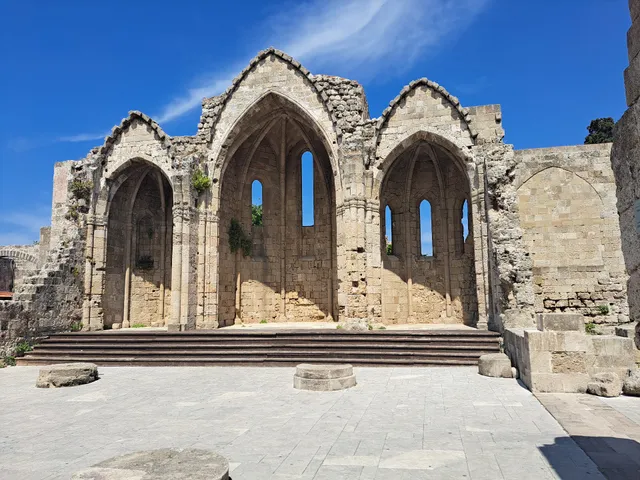
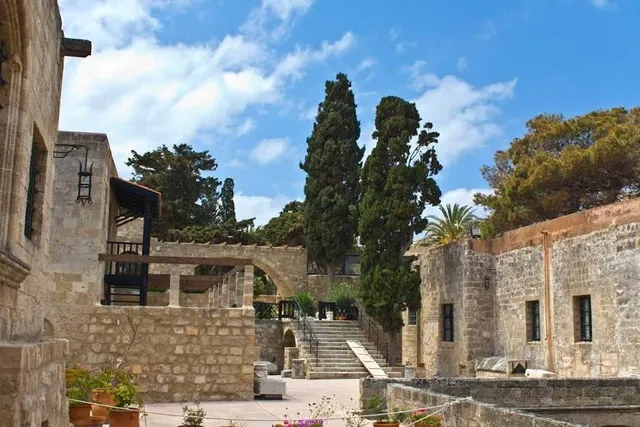
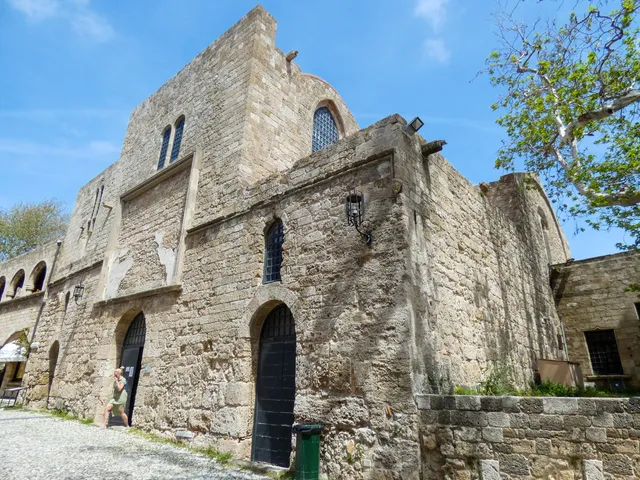
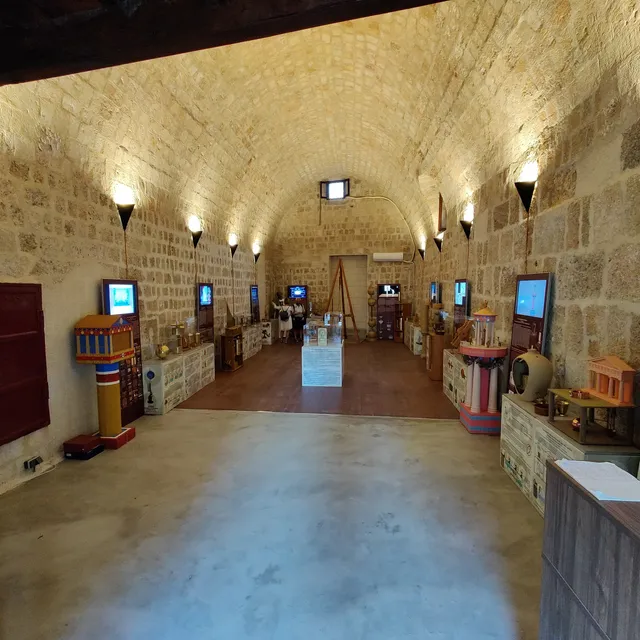
The Medieval City of Rhodes, a UNESCO World Heritage Site, is one of the best-preserved and most extensive medieval towns in Europe. Located on the island of Rhodes in Greece, it boasts a rich history and a unique blend of architectural styles, reflecting the various cultures that have influenced the island over the centuries. History and Features Timeline, The medieval city was built by the Knights of St. John (also known as the Knights Hospitaller) who ruled Rhodes from 1309 to 1522. Architectural Styles,The city features a blend of Gothic, Byzantine, and Ottoman architecture, reflecting the different periods of its history. Layout,The city is divided into two parts: Collachium (Knight’s Quarter),The northern part of the city, where the knights lived and conducted their affairs. Borough (Hora),The southern part, which was home to the local population and included markets, homes, and public buildings. Significant Monuments Palace of the Grand Master,Originally a Byzantine fortress, it was converted into the palace for the Grand Master of the Knights. It is one of the most iconic structures in the city and now functions as a museum. Street of the Knights, A well-preserved medieval street lined with inns that housed knights from different regions of Europe. Archaeological Museum of Rhodes, Located in the Hospital of the Knights, it houses artifacts from the island's history, including ancient Greek, Roman, and medieval periods. Süleyman Mosque, Built by the Ottomans in the 16th century, it highlights the Ottoman influence on the city. Roloi Clock Tower,Offering panoramic views of the old town and beyond, it’s a great spot for visitors to get a sense of the city’s layout. Cultural Significance UNESCO World Heritage Site,The medieval city was designated as a UNESCO World Heritage Site in 1988, recognizing its historical and architectural importance. Cultural Blend, Rhodes’ strategic location in the Mediterranean has made it a crossroads of cultures, which is evident in its architecture, cuisine, and local traditions. Visiting Information Best Time to Visit, The city is best visited in spring or autumn to avoid the intense summer heat and large tourist crowds. Touring the City, Walking is the best way to explore the medieval city, as its narrow, cobbled streets are not suitable for cars. Museums and Sites, The Palace of the Grand Master, the Archaeological Museum, and other historic sites are open to visitors, typically from early morning to late afternoon. It is advisable to check specific opening hours in advance. Tips for Visitors Guided Tours,Consider joining a guided tour to fully appreciate the historical context and significance of the various sites. Local Cuisine, Don’t miss trying local dishes in one of the many traditional tavernas within the medieval walls. Shopping: The old town offers a variety of shops selling souvenirs, traditional crafts, and local products. Επίσκεψη στις Καθημερινή Χρόνος...
Read moreThe Medieval City of Rhodes, located on the island of Rhodes in Greece, is one of the best-preserved medieval towns in Europe and a UNESCO World Heritage Site. Built during the rule of the Knights of St. John (Knights Hospitaller) between 1309 and 1522, the Old Town is a living testament to the island’s long and diverse history, combining Byzantine, Gothic, and Ottoman influences.
Key Features of the Medieval City
The Palace of the Grand Master: • This iconic fortress was the administrative center of the Knights of St. John. • Features grand halls, mosaics, and medieval artifacts. • It was reconstructed during Italian rule after being damaged in an explosion in 1856.
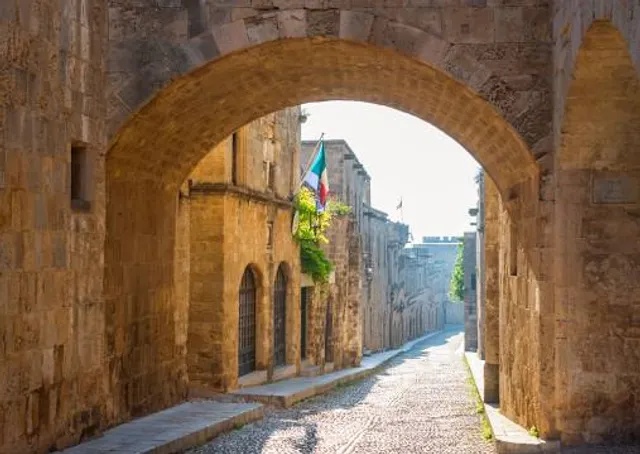
Street of the Knights (Οδός Ιπποτών): • A well-preserved cobblestone street where the Knights’ Inns (lodges for knights from different regions) are located. • Each inn represents one of the “Tongues” (geographical divisions) of the Knights.
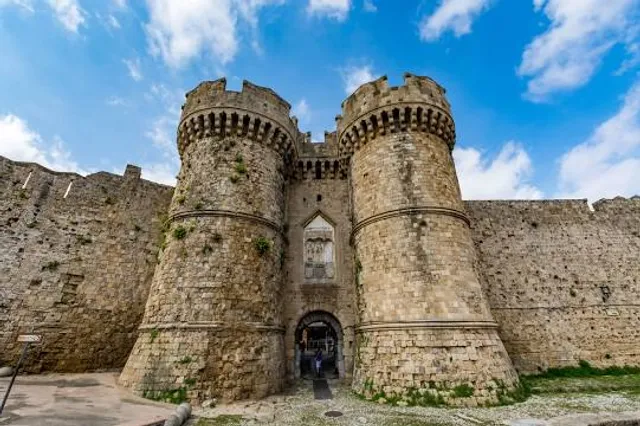
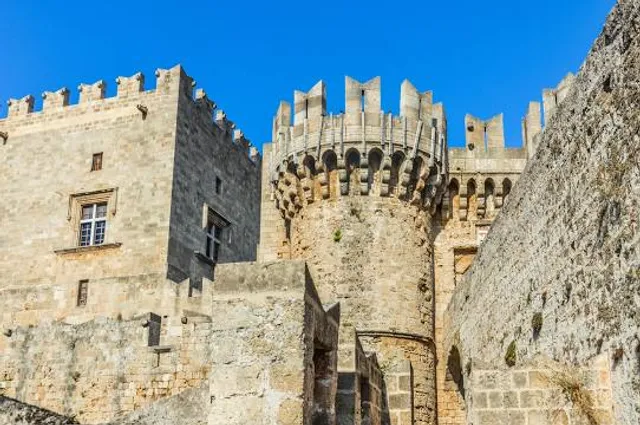
Fortification Walls: • Encompassing the Old Town, the massive walls and gates were designed to protect against sieges. • Notable gates include Amboise Gate, Marine Gate, and d’Amboise Gate.
Clock Tower (Roloi): • Offers panoramic views of the Medieval City and surrounding areas. • Features a small museum and café for visitors.
Süleymaniye Mosque: • Built during the Ottoman period after the conquest of Rhodes in 1522. • A reminder of Rhodes’ time under Ottoman rule.
Archaeological Museum of Rhodes: • Located in the former Hospital of the Knights. • Exhibits artifacts from ancient to medieval times, including the famous Aphrodite of Rhodes statue.
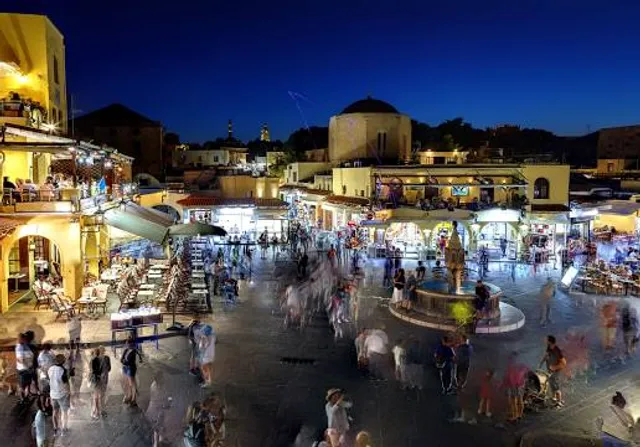
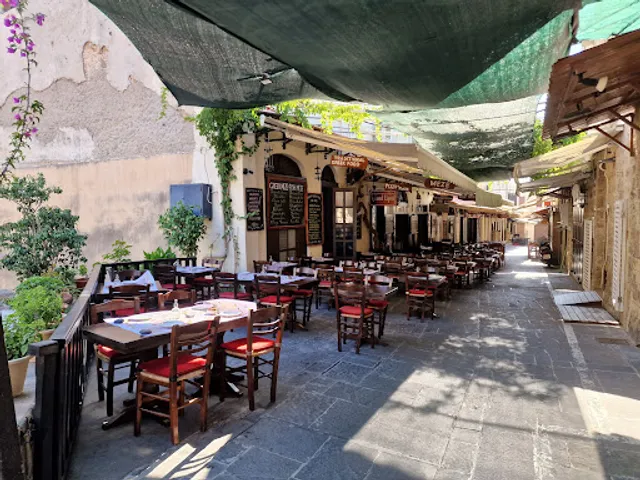
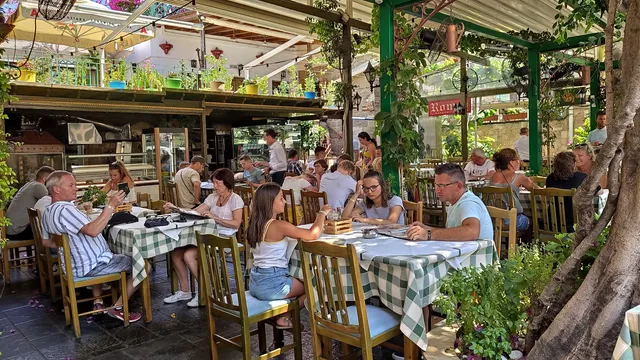
Things to Do in the Medieval City • Walk the cobblestone streets: Discover the maze-like alleys, historic squares, and charming courtyards. • Explore the shops and tavernas: Find local crafts, jewelry, and traditional Greek cuisine. • Visit museums: Learn about Rhodes’ layered history through its archaeological and historical exhibits. • Night strolls: The city is beautifully lit at night, creating a magical atmosphere.
Interesting Historical Tidbits • The city was strategically built with a mix of military and residential architecture to serve both the Knights’ needs and the local population. • The fortifications withstood several sieges, most famously the Ottoman siege of 1522, which eventually led to the Knights’ retreat to Malta. • The Old Town has been continuously inhabited for centuries, blending medieval charm with...
Read moreThe medieval City of Rhodes, is unique and a must visit place amongst the Greek islands. It offers all you could want to see about how the Greeks lived in this period, and although within the center what would have been many small houses is now endless shops, with a little exploration you can get a true feel of its splendour. A few pointers to get the best out of it all. It is not build for cars, even the road leading up to the outer walls seem impossibly right for 2 way traffic, you need to be brave. Suggest you park outside the City and get one of the hopper buses for the last couple of Kilometres. The best time to visit is after 4pm when the guided tours are finished, there's a lot of them! Unless of course your on one, but I think, do your own thing. Start on the outside and work in, see the castle and harbour first. Get a map, and combine it with Google maps when walking around, it's a maze !! Prices are high, about 30% higher than even the tourist shops elsewhere on the island. Shops will barter, BUT only if you have cash, use a card and you have to pay full price. You get a bit of hassle from restaurants, you can get a deal with them, particularly if there's a few of you, if you like the look of a place, say ok to being beckoned in, but get some free drinks or best tables fron the deal. Food is mostly very good, but prices can be high, Suggest you go away from the centre, to less commercial ones. Its hot, and unlike the rest of the island, has little breeze, make sure you have water, lots of it, 4-6 degrees hotter than outside City walls. Few public toilets, but no e free, it's 50 cent coin operated to get in, it's meant to be that per person, and some have attendance to monitor, so have plenty of change. Warning, there not the worst ever places, but best to breath through your mouth, and one or two can almost make your eyes water. Great place to go, if you go to Rhodes you...
Read more