Statue of Imre Nagy things to do, attractions, restaurants, events info and trip planning
Basic Info
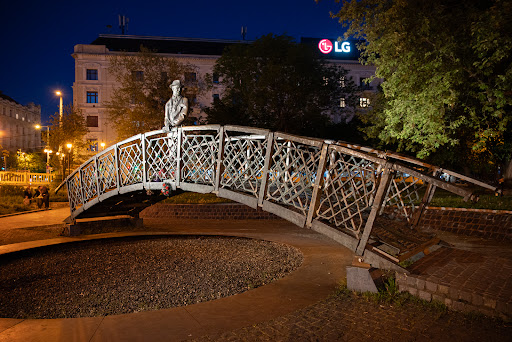
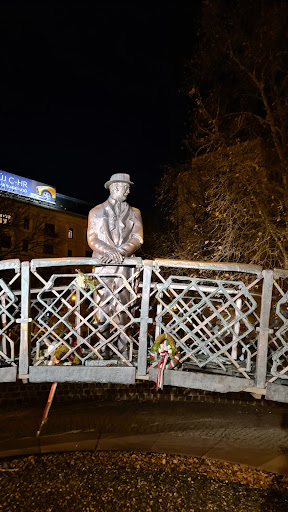
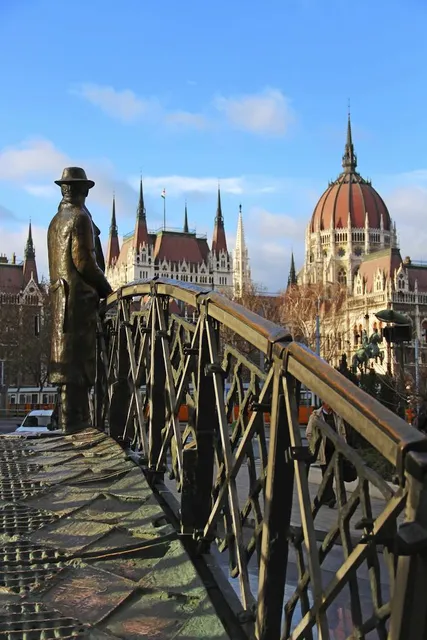
Statue of Imre Nagy
Budapest, Jászai Mari tér, 1055 Hungary
4.5(293)
Open until 12:00 AM
Save
spot
spot
Ratings & Description
Info
Cultural
Scenic
attractions: Columbo Statue, Vígszínház, Kieselbach Gallery, shop and auction house, Sailor Water Passenger and Catering Kft., Flippermúzeum, Hungarian Parliament Building, Kossuth Lajos Square, Kalman Maklary Fine Arts, Margit híd Szigeti pillér alagút, 24FitClub Budapest, restaurants: Forni di Napoli, Babka Budapest, Gyűrű Pub & Pódium, Budapest Jazz Club, gangsikdang, Ötker Snooker Club & Pub, Bontxo Tapas Bar & Restaurant, Lecso Hungarian Restaurant, Tóth kocsma, Madal Cafe, local businesses: Cioccolatte, Sovány vigasz, Jászai Mari tér (Margit híd), Antalya Kebab, Mezzoforte Hangszeráruház, Margitsziget / Margit híd, Gelateria Vittorio, Margitsziget / Margit híd, 5 Elements SPA, Margaret Bridge
 Learn more insights from Wanderboat AI.
Open hoursSee all hours
SunOpen 24 hoursOpen
Plan your stay

Pet-friendly Hotels in Budapest
Find a cozy hotel nearby and make it a full experience.

Affordable Hotels in Budapest
Find a cozy hotel nearby and make it a full experience.

The Coolest Hotels You Haven't Heard Of (Yet)
Find a cozy hotel nearby and make it a full experience.

Trending Stays Worth the Hype in Budapest
Find a cozy hotel nearby and make it a full experience.
Reviews
Live events

Explore Budapests history and culture
Thu, Feb 12 • 10:00 AM
Budapest, 1051, Hungary
View details
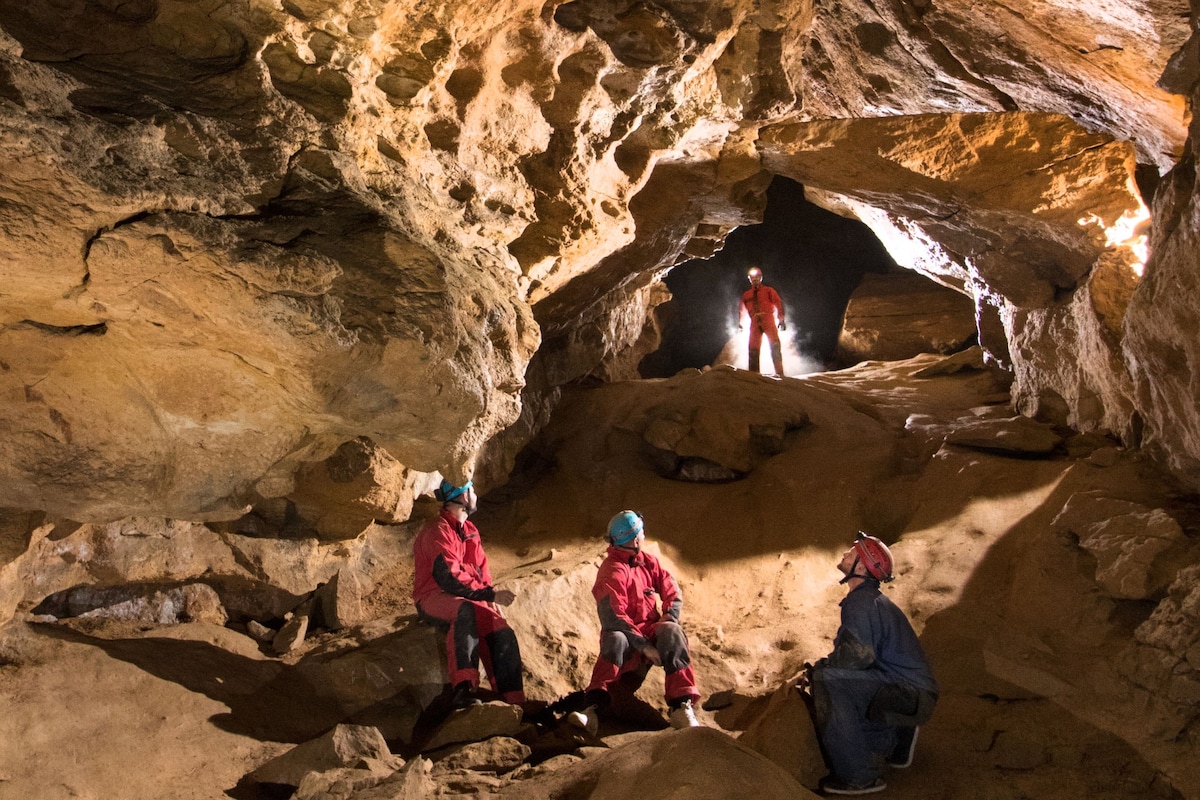
Tours in the longest cave of Budapest
Sun, Feb 8 • 2:00 PM
Budapest, 1025, Hungary
View details
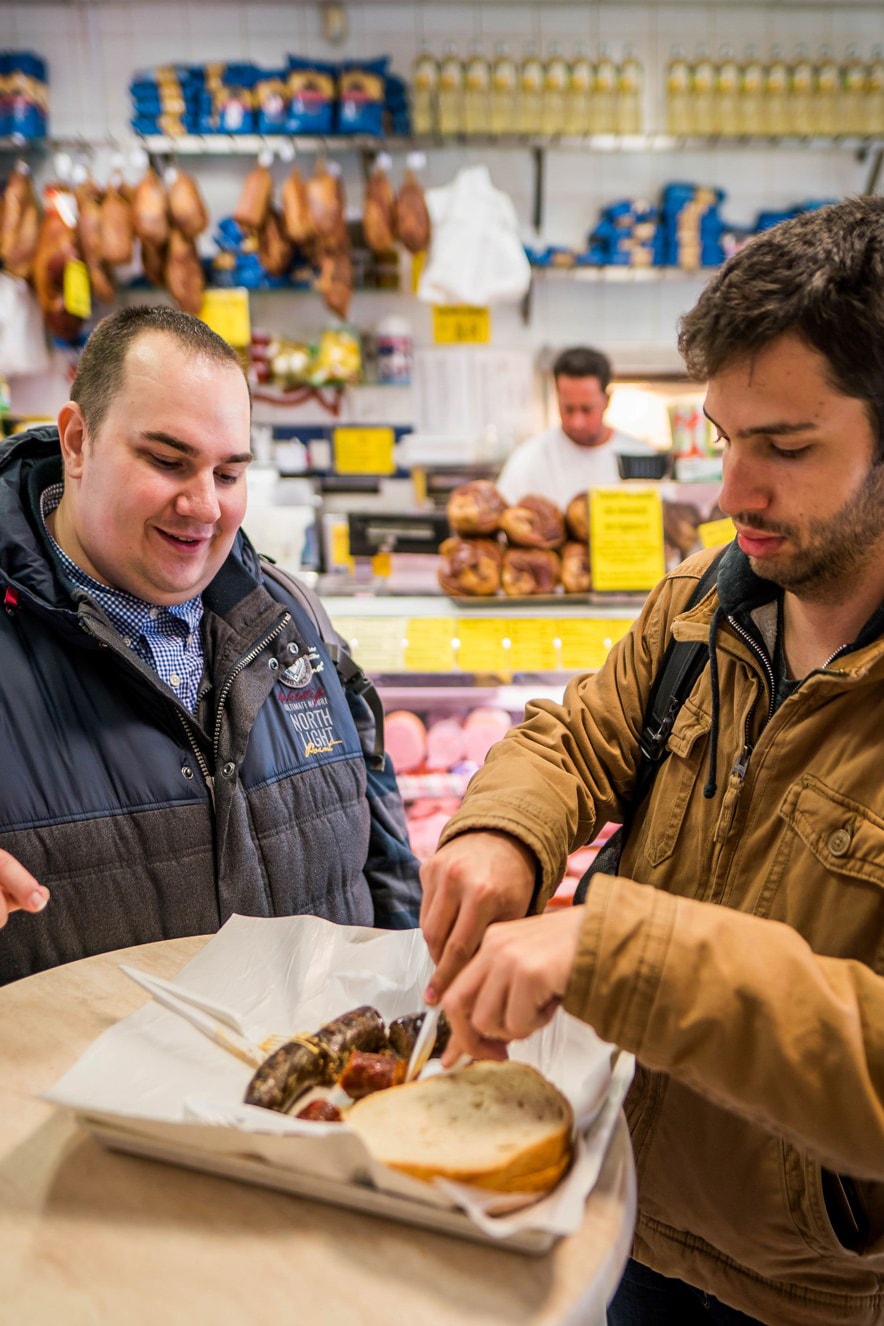
Taste Budapest - Fat Boy Foodies Walk
Tue, Feb 10 • 9:00 AM
Budapest, 1067, Hungary
View details
Nearby attractions of Statue of Imre Nagy
Columbo Statue
Vígszínház
Kieselbach Gallery, shop and auction house
Sailor Water Passenger and Catering Kft.
Flippermúzeum
Hungarian Parliament Building
Kossuth Lajos Square
Kalman Maklary Fine Arts
Margit híd Szigeti pillér alagút
24FitClub Budapest
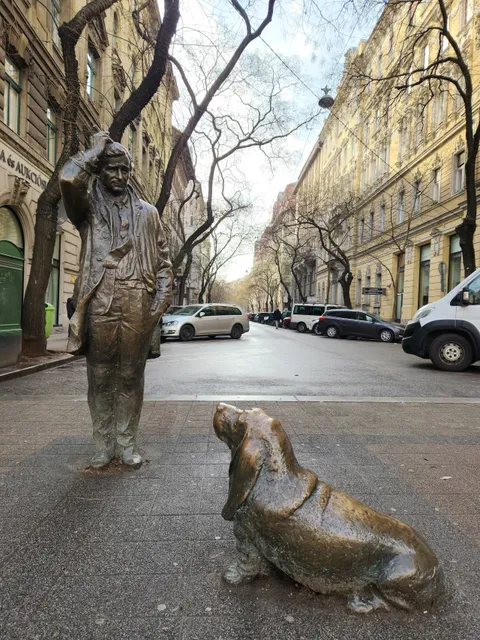
Columbo Statue
4.7
(869)
Open until 12:00 AM
Click for details
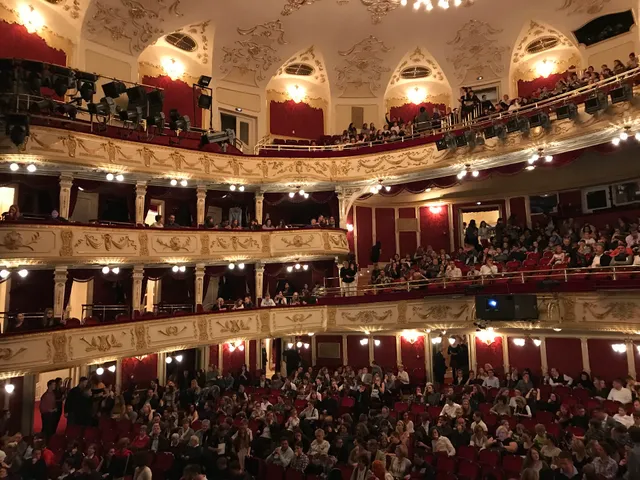
Vígszínház
4.7
(4.9K)
Open 24 hours
Click for details
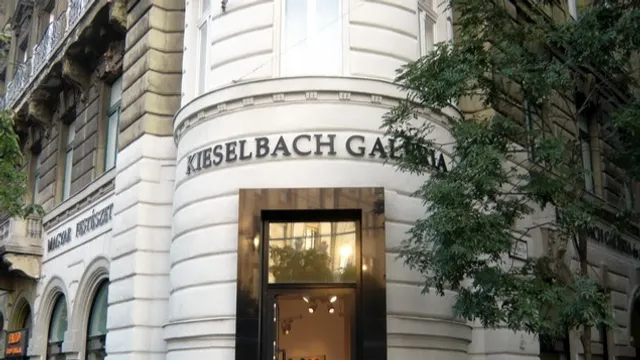
Kieselbach Gallery, shop and auction house
4.5
(168)
Open until 12:00 AM
Click for details
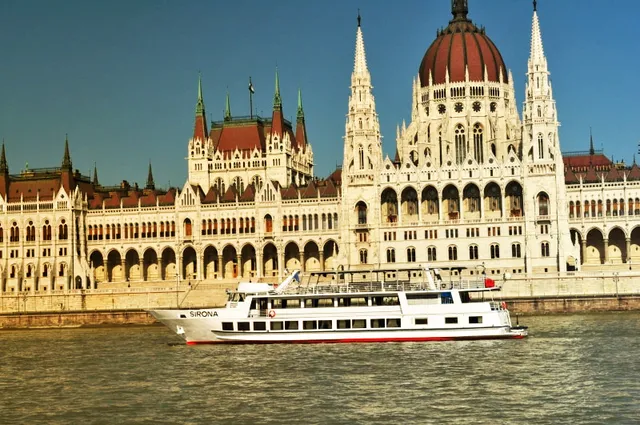
Sailor Water Passenger and Catering Kft.
4.8
(60)
Open until 12:00 AM
Click for details
Nearby restaurants of Statue of Imre Nagy
Forni di Napoli
Babka Budapest
Gyűrű Pub & Pódium
Budapest Jazz Club
gangsikdang
Ötker Snooker Club & Pub
Bontxo Tapas Bar & Restaurant
Lecso Hungarian Restaurant
Tóth kocsma
Madal Cafe
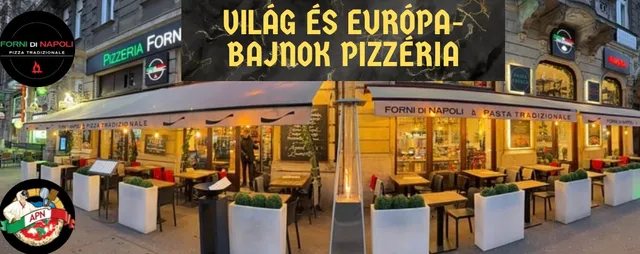
Forni di Napoli
4.9
(6.2K)
Open until 12:00 AM
Click for details
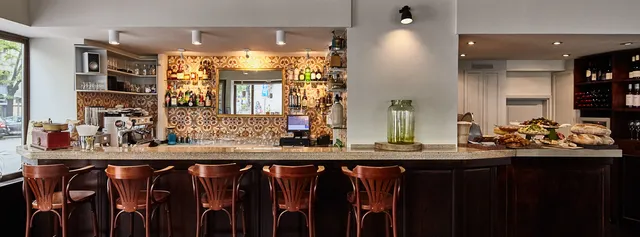
Babka Budapest
4.6
(1.8K)
$$
Open until 11:00 PM
Click for details
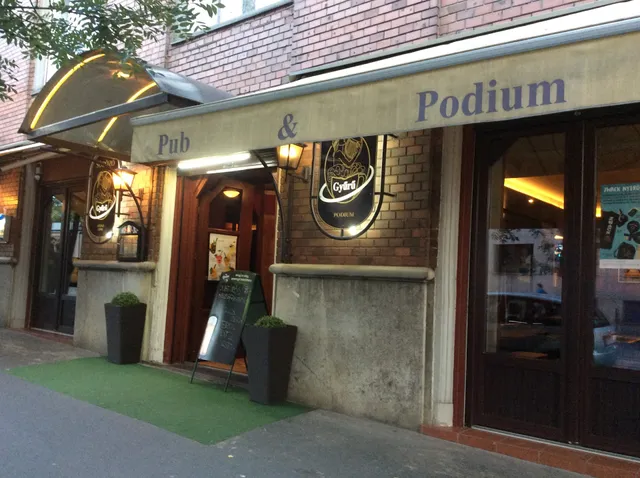
Gyűrű Pub & Pódium
4.4
(546)
Open until 12:00 AM
Click for details

Budapest Jazz Club
4.7
(1.7K)
Closed
Click for details
Nearby local services of Statue of Imre Nagy
Cioccolatte
Sovány vigasz
Jászai Mari tér (Margit híd)
Antalya Kebab
Mezzoforte Hangszeráruház
Margitsziget / Margit híd
Gelateria Vittorio
Margitsziget / Margit híd
5 Elements SPA
Margaret Bridge
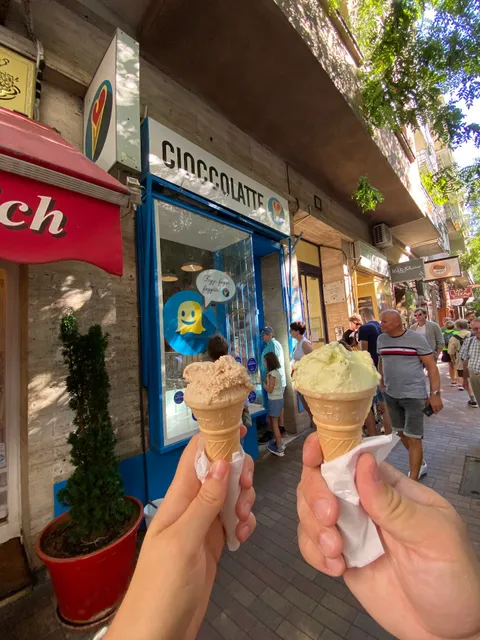
Cioccolatte
4.5
(211)
Click for details
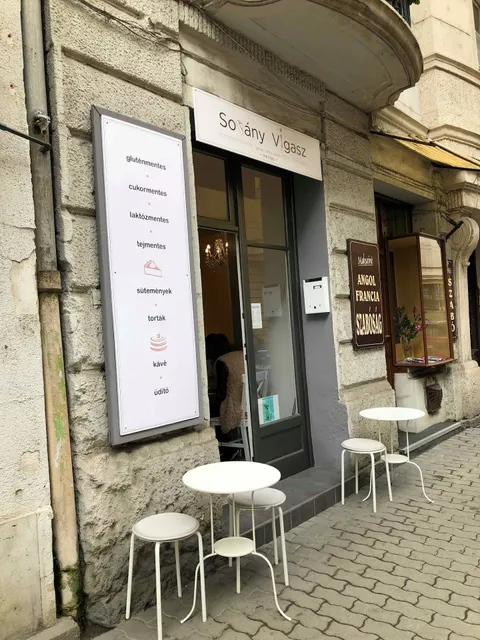
Sovány vigasz
4.7
(337)
Click for details
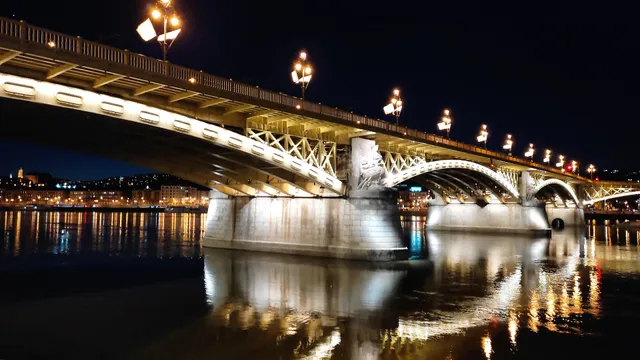
Jászai Mari tér (Margit híd)
4.6
(54)
Click for details
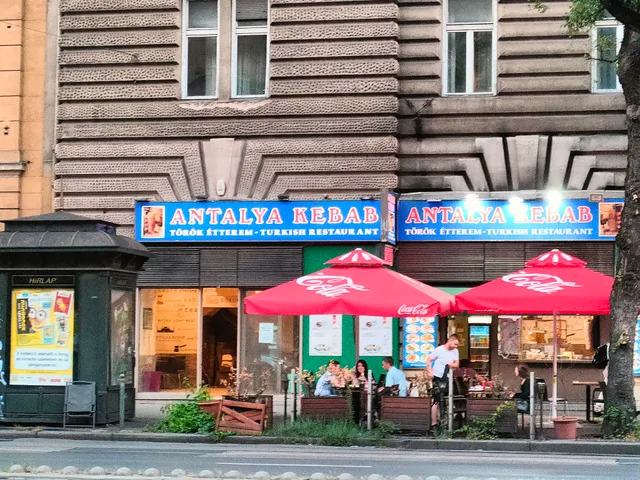
Antalya Kebab
4.2
(1.0K)
Click for details