Visit to Rani Rashmoni Bhawan- A Photo Story, Kolkata India West Bengal The City of Joy, Kolkata has a unique identity. The city seems to bears a different colour, a different character at every turn of the season. Each so unique and picturesque that you will feel to preserve it only to embrace all the time. Calcutta, until 2001 when the city got the name Kolkata has its deep roots in history thatThe history of Kolkata still remains alive through its streets, the tram, the government offices some of which are renovated some demolished, the centuries old buildings which now bears the signboard outside “Bipodjonok Bari” (A house which is in critical condition). If you see closely you can see some of the houses were hundreds of years old, which has seen through ages how the city grew from a hotbed of nationalism to one of India’s most Global and cosmopolitan cities. I have these strange interest to peek into these century-old houses and this curiosity led my way to reach Rani Rashmani’s Bhawan at janbazar Kolkata. That’s the second mansion we visited on the same locality Visit to Rani Rashmoni Bhawan, Janbazar, Kolkata
Over my many visits in the city of joy Kolkata, I am trying to know more about this city. The more I knew the more my curiosity rose. As I said the city has a unique identity of its own one not-so-fine day I moved out with my friend to visit one of the most popular neighborhoods of Kolkata, Janbazar. It was the day just after Dashami (tenth day of Durga Pujo). I and my friend had plans to visit the Rajbari of Rani Rashmoni which was located in Janbazar area. It was quite cloudy at the time I started from my house and by the time we reached Esplanade via Metro it was raining cats and dogs. We took refuge inside a shop but it seemed the rain won’t stop that day. It was flooded all over, the pavement was full of water but somehow we managed to reach the location of the house. It was just by the side of the road, we used GPS to locate the exact street. Rani Rashmoni’s statue Inside the mansion Why is this house that belonged to Rani Rashmoni of so much importance?
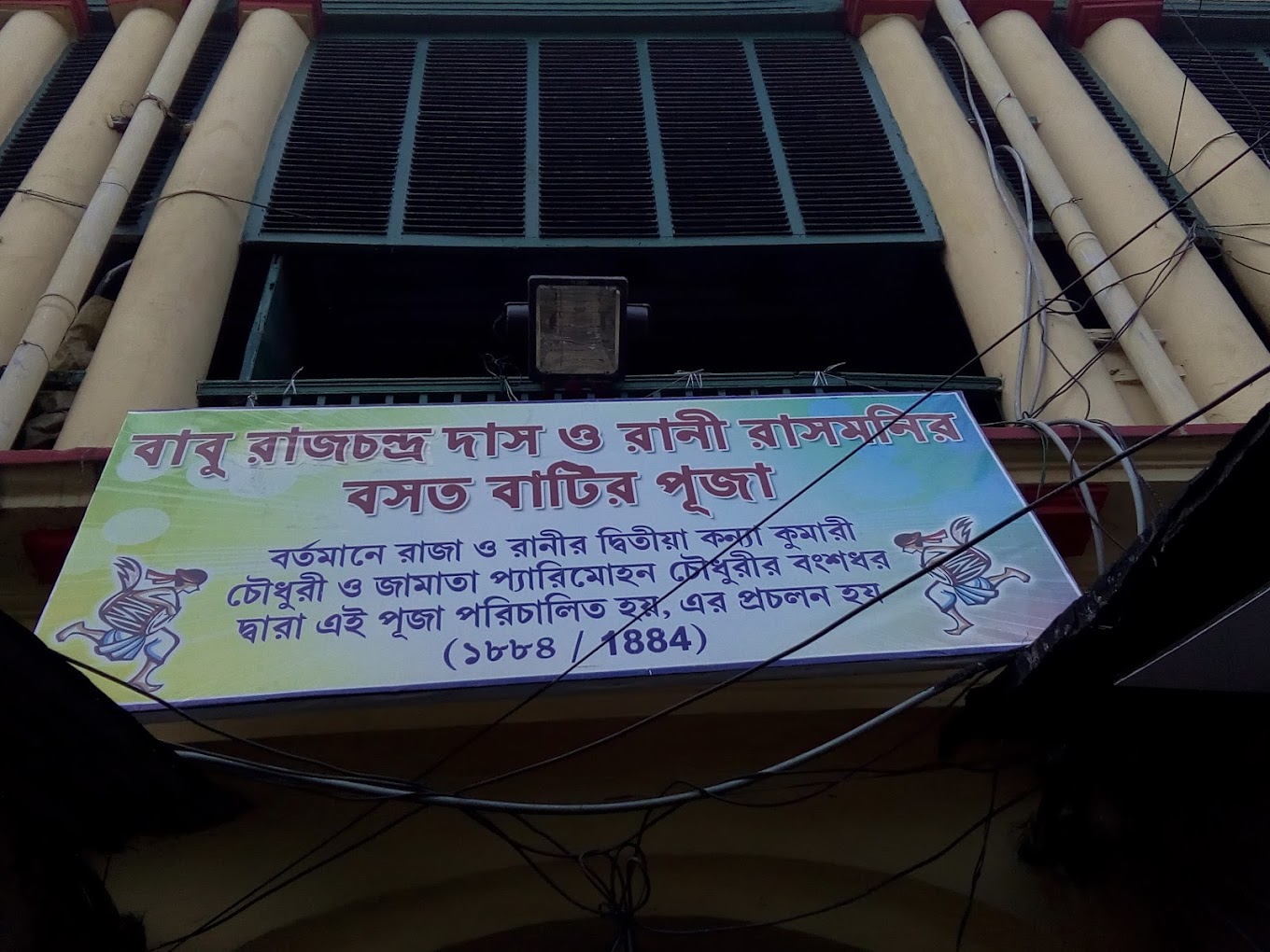
Well, if you have visited the Dakshineswar Kali Mandir you already know who Rani Rashmoni was. Extremely beautiful she was born in a Shudra family in Halisahar, 24 Paraganas. She got married to a rich Zamindar Babu much older in age Rajachandra Das of Janbazar. At a very young age, she lost her husband and took over the charges of Zamindari and all finances, at a time when women were not given equal status in the society like men.
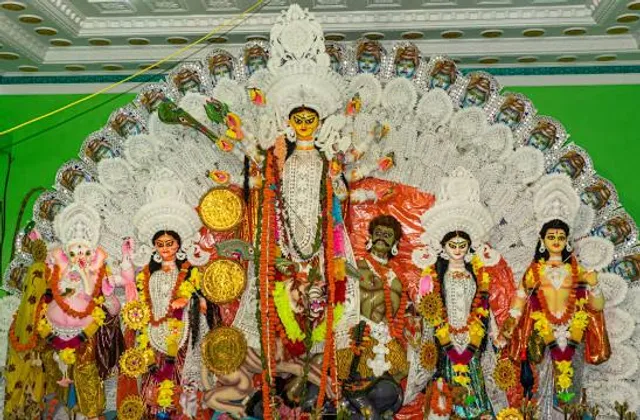
Not only that she was brave enough to stand against the British and abolished tax imposed on fishing in the river Hoogly. She also raised her voice against child marriage and Sati along with Raja Ram Mohan Roy who was one of her husband’s associates. Her various charity work for the poor and donations made to some of the popular libraries like the Imperial Library and Hindu College in Kolkata are really worth mentioning. The beautifully constructed Thakur Dalan But her name spread far and wide when she undertook the task of constructing the Dakshineswar Kali Mandir after a divine revelation. Even after purchasing a land of 20 acres she was prohibited from constructing the temple as she was a no Brahmin. But eventually, she bequeathed the temple to Ramkumar Chattopadhyay who was a Brahmin with a huge sum for its annual maintenance. After Ram Kumar’s death, the temple came under the priesthood of Ramakrishna Paramhansa.
A house where once one of the most radical woman of Bengal lived is now in pitiable condition
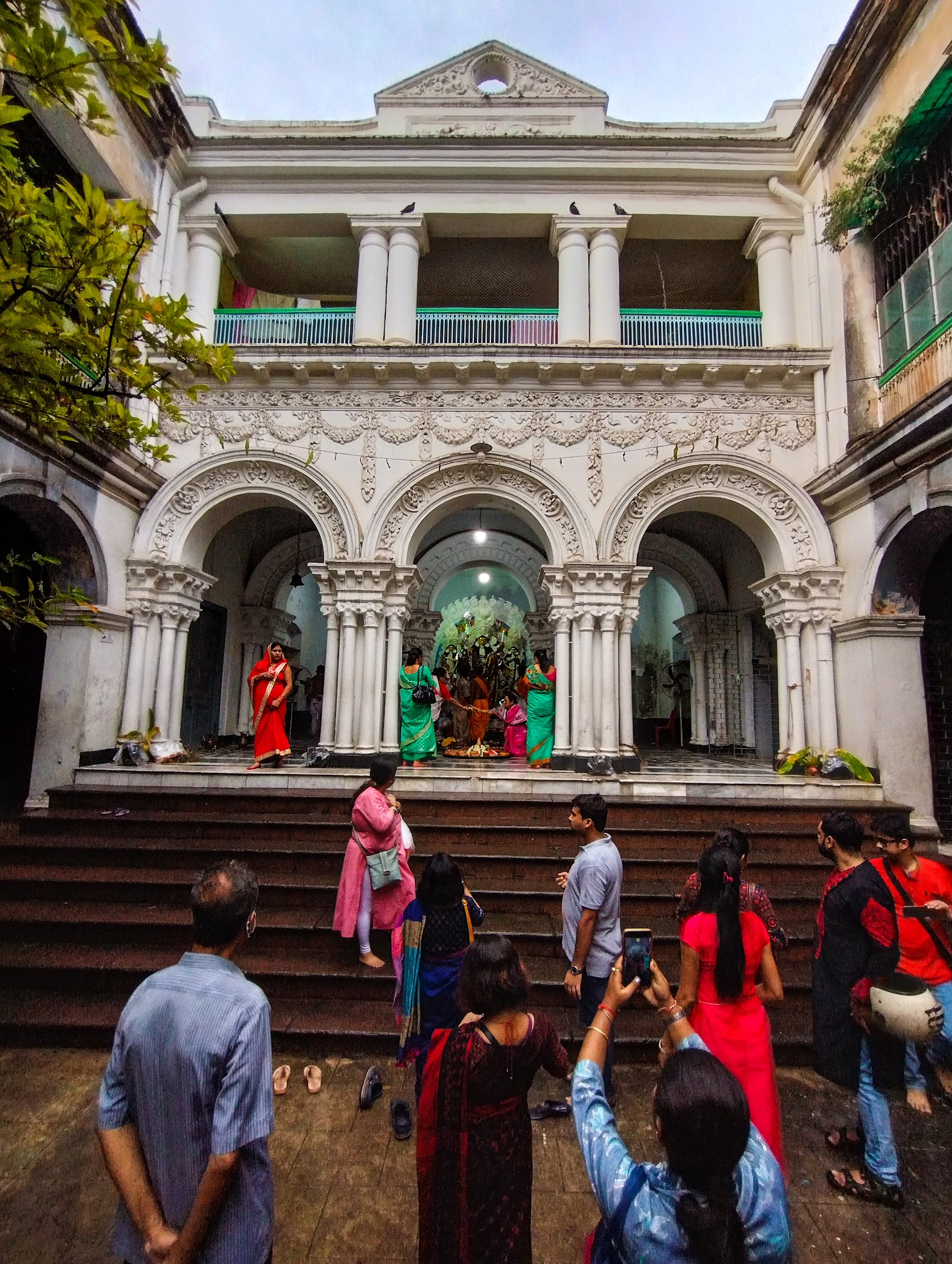
She was one powerful woman who has been a great example until today. She took a lead and came forward in a male donimated society and established herself as a distinguished lady of her time. Her social work, philanthropic nature and her great soul led people calling her Rani Rashmoni which means Queen. The Janbazar area in Kolkata where her house is located is named after her and is called Rani Rashmoni Avenue. Even today descendants of her family conduct Durga Pujo in the centuries-old houses of...
Read moreRani Rashmoni Bhawan Kolkata: A Legacy of Philanthropy and Social Reform
Rani Rashmoni Bhawan, a historic mansion in Kolkata, stands as a testament to the life and legacy of one of Bengal's most revered figures, Rani Rashmoni. Known for her immense contributions to social reform, philanthropy, and cultural patronage, Rani Rashmoni's residence offers a window into the rich heritage of 19th-century Bengal. This article explores the historical significance, architectural grandeur, and enduring legacy of Rani Rashmoni Bhawan.
Historical Background
Rani Rashmoni (1793-1861) was an influential philanthropist and social reformer whose contributions have left an indelible mark on Kolkata and beyond. Born into a humble family, she married Rajchandra Das, a wealthy zamindar (landlord), and used her influence and resources to champion numerous social causes. Her most notable achievements include the construction of the iconic Dakshineswar Kali Temple and significant donations to educational institutions and infrastructure projects.
Architectural Significance
Rani Rashmoni Bhawan, located in Janbazar, Kolkata, is an architectural marvel that reflects the grandeur and elegance of traditional Bengali zamindar mansions. The house features a mix of European and indigenous architectural styles, characterized by:
Spacious Courtyards: Central courtyards surrounded by ornate pillars and arches, creating a sense of openness and grandeur. Intricate Woodwork: Exquisite wooden carvings and decorative motifs that adorn doors, windows, and ceilings. Expansive Verandas: Large verandas that provide ample space for gatherings and offer a glimpse into the social life of the era. Elegant Façade: A striking façade with classical elements such as columns and pediments, showcasing a blend of colonial and native influences.
Cultural and Social Hub
During Rani Rashmoni's time, her residence was more than just a home; it was a cultural and social hub. The mansion hosted numerous dignitaries, artists, and intellectuals, becoming a center for discussions on art, literature, and social reform. Rani Rashmoni's patronage extended to various cultural activities, including music and dance performances, fostering a vibrant cultural scene.
Philanthropic Contributions
Rani Rashmoni's philanthropic endeavors were vast and varied. Her most famous contribution is the Dakshineswar Kali Temple, a major pilgrimage site and architectural gem on the banks of the Hooghly River. Beyond this, she funded the construction of roads, ghats (riverfront steps), and public buildings. Her donations to educational institutions and her support for widow remarriage and women's education were pioneering efforts in social reform.
Legacy and Preservation
The legacy of Rani Rashmoni Bhawan endures through ongoing efforts to preserve and restore the mansion. The house is now a protected heritage site, attracting visitors who wish to learn about the life and contributions of Rani Rashmoni. Various rooms within the mansion have been converted into exhibits that display artifacts, photographs, and documents related to her life and times.
Educational and Cultural Impact
Rani Rashmoni Bhawan serves as an educational resource, offering insights into the history and culture of 19th-century Bengal. The site hosts educational tours, cultural events, and seminars that promote awareness of Rani Rashmoni's contributions and the historical context of her era. It continues to inspire social consciousness and philanthropic efforts among visitors.
Conclusion
Rani Rashmoni Bhawan in Kolkata is not just a historical mansion; it is a symbol of philanthropy, social reform, and cultural patronage. The legacy of Rani Rashmoni, embodied in this magnificent residence, continues to inspire and educate future generations. As a beacon of her enduring contributions, the Bhawan stands as a tribute to a remarkable woman whose vision and compassion have left an everlasting...
Read moreIf walls could talk, the Rani Rashmoni Bhawan would drop truth bombs, historical hot takes, and a few Bengali expletives — all delivered with matriarchal sass. Tucked away near Esplanade in central Kolkata, this not-so-humble abode of the legendary Rani Rashmoni is a curious cocktail of power, piety, and proper old-school grandeur.
Who Was the Lady of the House? Let’s rewind. Rani Rashmoni wasn’t your typical 19th-century zamindarni knitting by the verandah. She was a formidable philanthropist, businesswoman, and spiritual patron who once told the British to back off, built the iconic Dakshineswar Kali Temple, and supported Sri Ramakrishna Paramhansa way before he became a hashtag-worthy saint.
This was her residence, her command centre, her Netflix-binge zone (if binging included theological discourses and land reforms).
The Bhawan Vibe From the outside, it looks deceptively mellow. But step in, and you’re in a world of courtyards, antique furniture, ancestral echoes, and the faint scent of sandalwood and secrets. The sprawling "naach ghar" (dance hall), the family "thakur dalan" (temple courtyard), and age-old portraits exude a kind of vintage Bengali royalty that's half Tagore poem, half Game of Thrones (minus the dragons, sadly).
Did You Know? The Bhawan still houses descendants of the Rani, and parts of it are not open to public viewing. It’s living heritage — literally! Rani Rashmoni’s will was the stuff of legal legend, with vast charitable trusts and land donations, including for roads and ghats. It’s said that Sri Ramakrishna often visited here, casually dropping divine wisdom between bites of prasad.
The Verdict? If Dakshineswar was her temple of faith, Rani Rashmoni Bhawan was her palace of fire. Visiting it is like stepping into the quieter chapters of Bengal’s revolutionary history — one penned not by sword-wielding men, but by a sari-clad powerhouse with nerves of steel and a...
Read more