RBI Monetary Museum things to do, attractions, restaurants, events info and trip planning
Basic Info
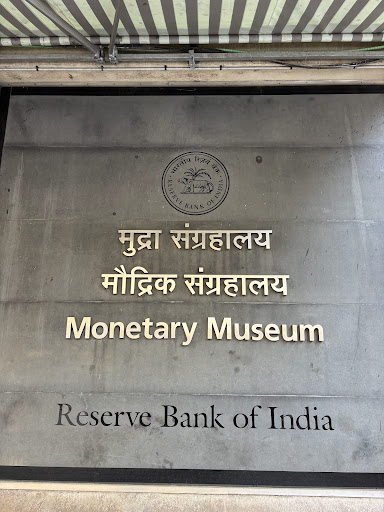
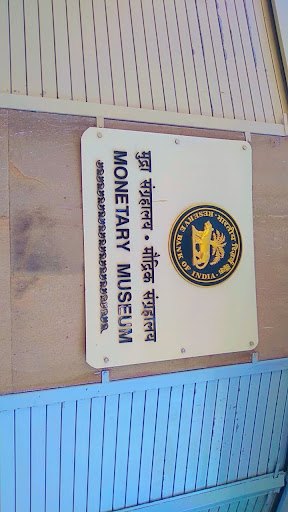
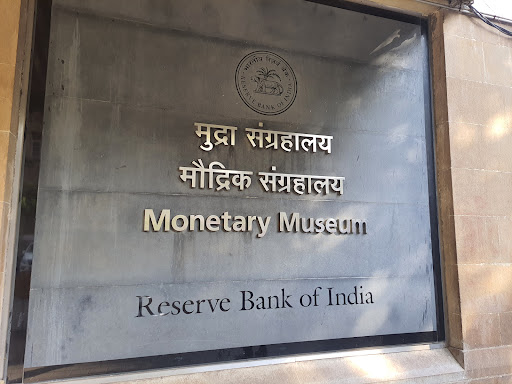
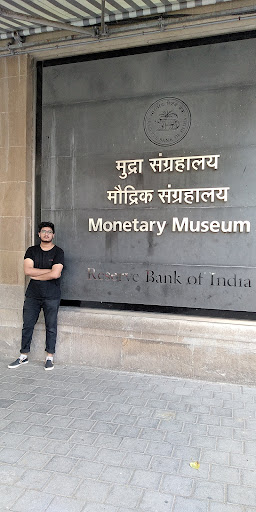
RBI Monetary Museum
WRMP+GCP, Ground Floor, Sir Phirozshah Mehta Rd, Fort, Mumbai, Maharashtra 400001, India
4.6(1.3K)
Open until 5:15 PM
Save
spot
spot
Ratings & Description
Info
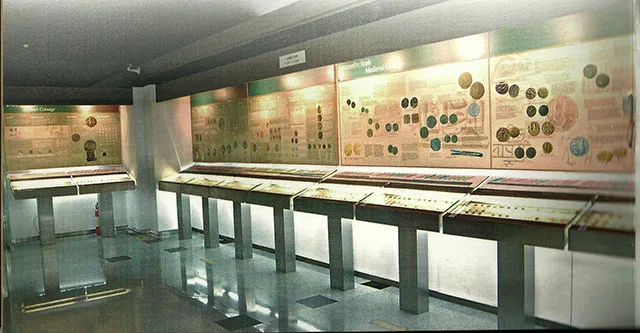
RBI Monetary Museum or Reserve Bank of India Monetary Museum is a museum in Fort, Mumbai that covers the evolution of money in India, from the earliest barter system and the use of cowries to paper money, coins, stock markets and modern-day electronic transactions.
Cultural
Educational
attractions: Horniman Circle Garden, Chatterjee & Lal, St. Thomas’ Cathedral, Mumbai, Flora Fountain, Fortcha Raja, J. N. Petit Library, Chemould Prescott Road, Bhatia Baug, Chhatrapati Shivaji Maharaj Vastu Sangrahalaya, Jehangir Art Gallery, restaurants: Harish Lunch Home, Jyothi Lunch Home & Restaurant, MOCAMBO CAFE, Mahesh Lunch Home, New Kayani Restaurant & Stores, Nanumal Bhojraj Fort, National Restaurant, Oye Kake, Khau galli Street Food, Hari Om Bhelpuri Center, local businesses: Pawan Fruits Merchants, Mahimtura Consultants Pvt. Ltd., The Lucky General Store, Kitab Khana, Chhatrapati Shivaji Maharaj Terminus, New Excelsior Mukta A2 Cinemas, Fort, Hurrem's Baklava & Confectionery, Wakefield House, Sterling Cineplex, Standard Chartered Mumbai 23-25 M G Road, Mumbai Branch
 Learn more insights from Wanderboat AI.
Phone
+91 22 2261 4043
Website
rbi.org.in
Open hoursSee all hours
Sun10:45 AM - 5:15 PMOpen
Plan your stay

Pet-friendly Hotels in Mumbai
Find a cozy hotel nearby and make it a full experience.

Affordable Hotels in Mumbai
Find a cozy hotel nearby and make it a full experience.

The Coolest Hotels You Haven't Heard Of (Yet)
Find a cozy hotel nearby and make it a full experience.

Trending Stays Worth the Hype in Mumbai
Find a cozy hotel nearby and make it a full experience.
Reviews
Live events
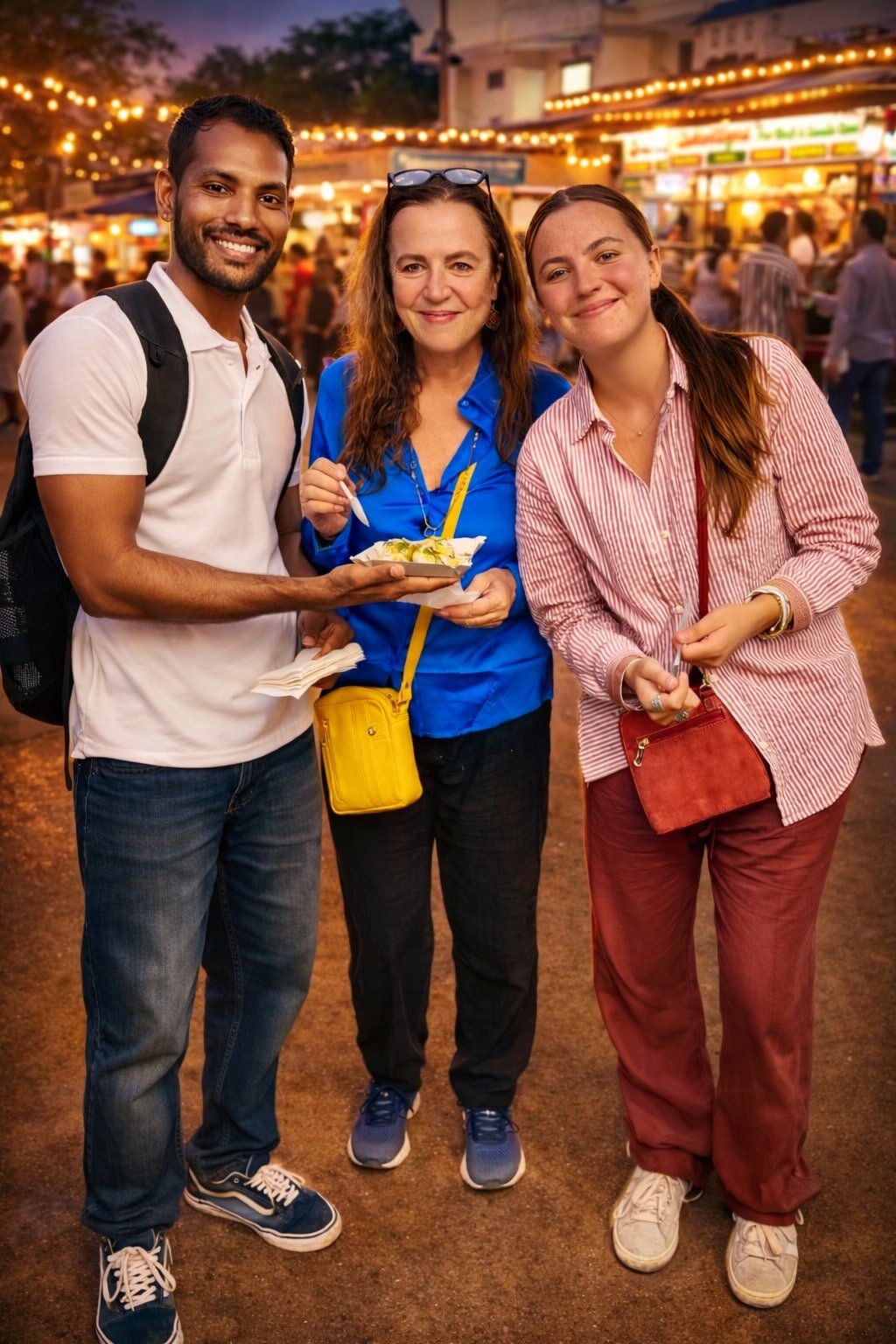
Mumbai Streetfood tour with Markets and temples
Sun, Feb 22 • 5:30 PM
near cafe bharath Mumbai, Maharashtra, 400020, India
View details
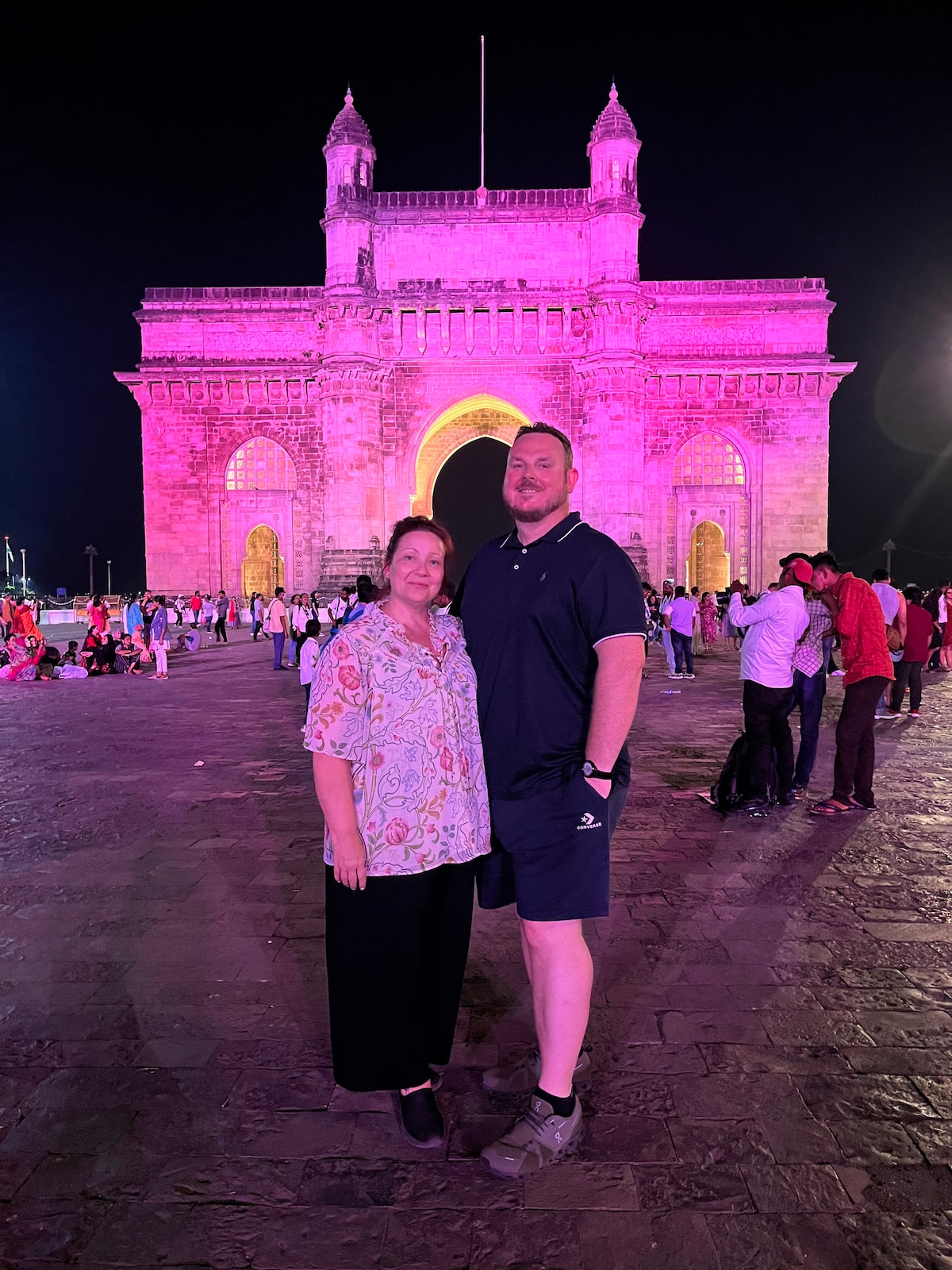
Explore iconic sights Of Mumbai in Four Hours
Sun, Feb 22 • 12:00 PM
Mumbai, Maharashtra, 400001, India
View details
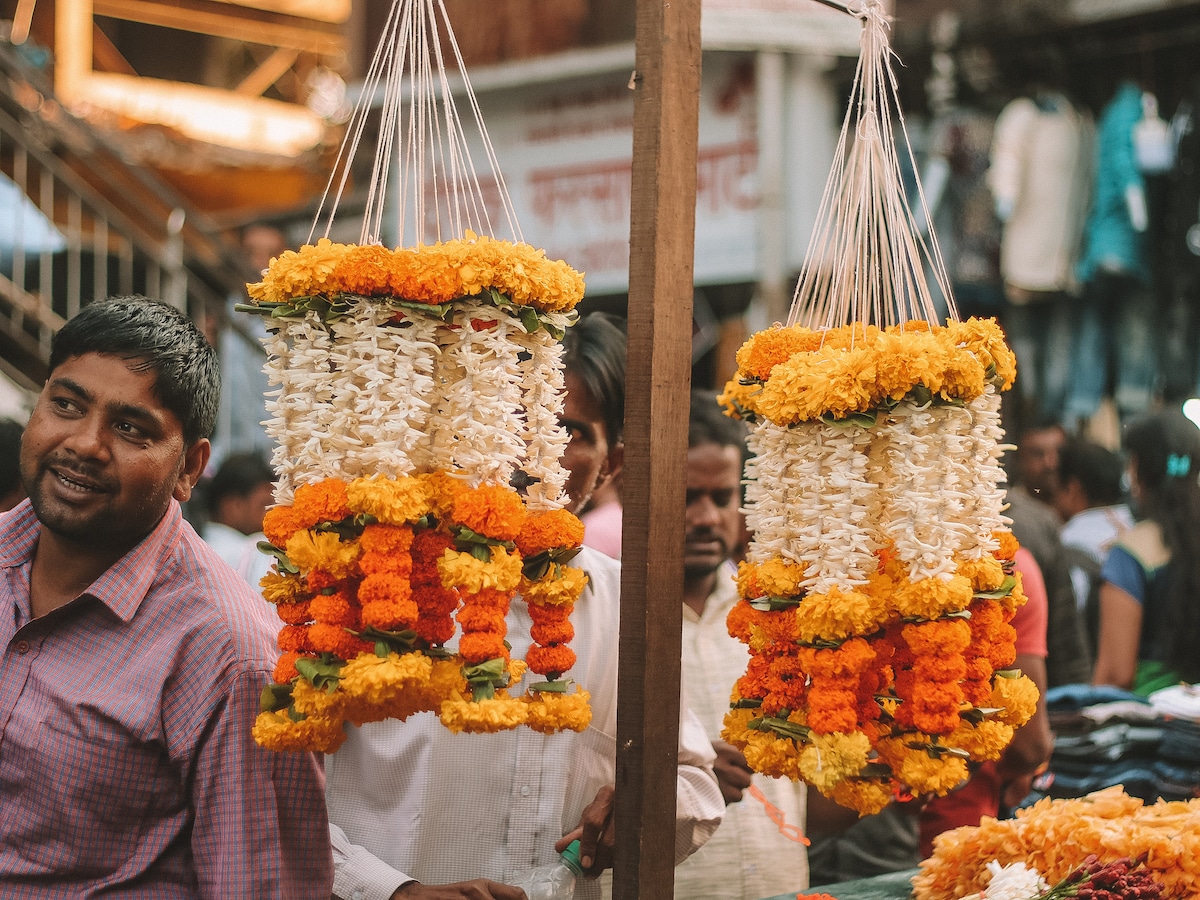
Experience the offbeat Mumbai
Sun, Feb 22 • 3:00 PM
Mumbai, Maharashtra, 400020, India
View details
Nearby attractions of RBI Monetary Museum
Horniman Circle Garden
Chatterjee & Lal
St. Thomas’ Cathedral, Mumbai
Flora Fountain
Fortcha Raja
J. N. Petit Library
Chemould Prescott Road
Bhatia Baug
Chhatrapati Shivaji Maharaj Vastu Sangrahalaya
Jehangir Art Gallery
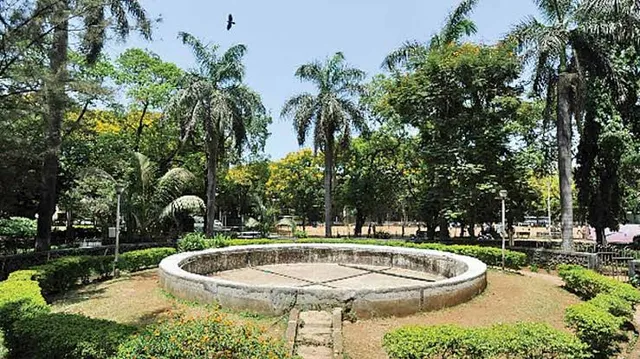
Horniman Circle Garden
4.4
(5.3K)
Open until 8:00 PM
Click for details
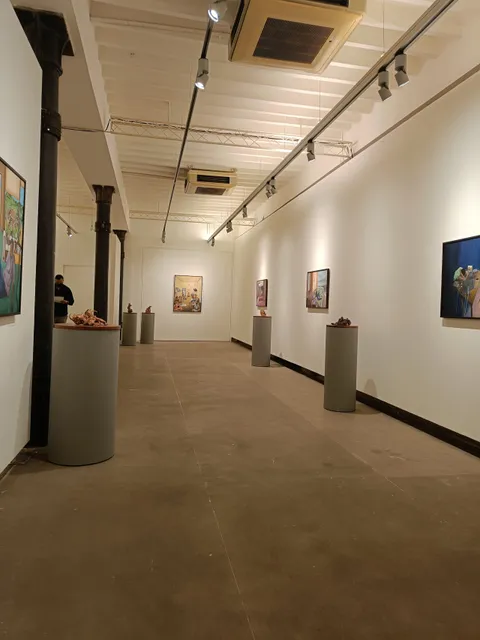
Chatterjee & Lal
4.6
(71)
Open until 12:00 AM
Click for details
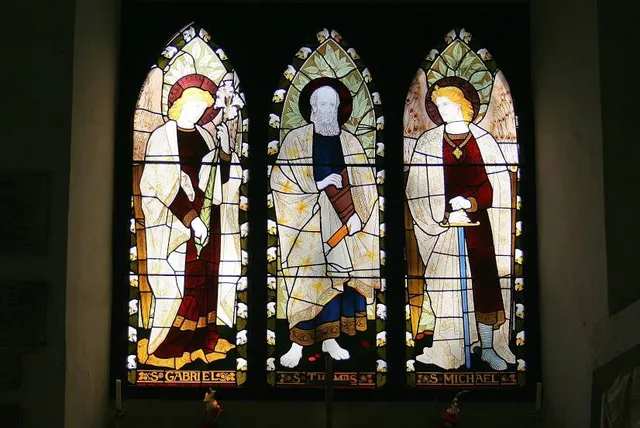
St. Thomas’ Cathedral, Mumbai
4.6
(979)
Open until 6:00 PM
Click for details
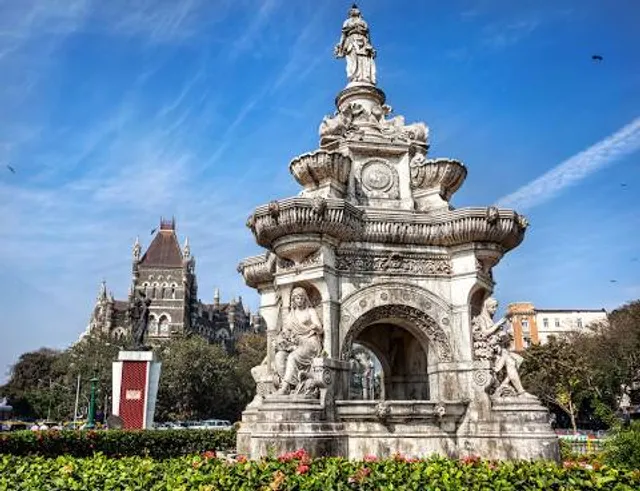
Flora Fountain
4.5
(9.3K)
Open until 12:00 AM
Click for details
Nearby restaurants of RBI Monetary Museum
Harish Lunch Home
Jyothi Lunch Home & Restaurant
MOCAMBO CAFE
Mahesh Lunch Home
New Kayani Restaurant & Stores
Nanumal Bhojraj Fort
National Restaurant
Oye Kake
Khau galli Street Food
Hari Om Bhelpuri Center
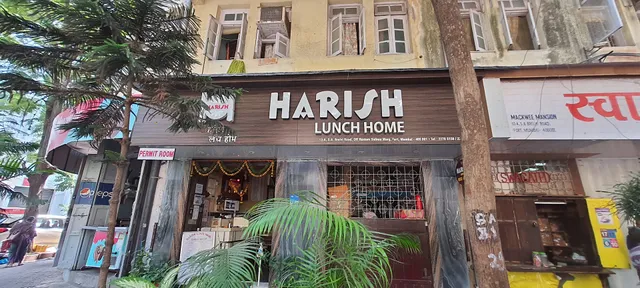
Harish Lunch Home
4.5
(684)
$$
Open until 11:30 PM
Click for details
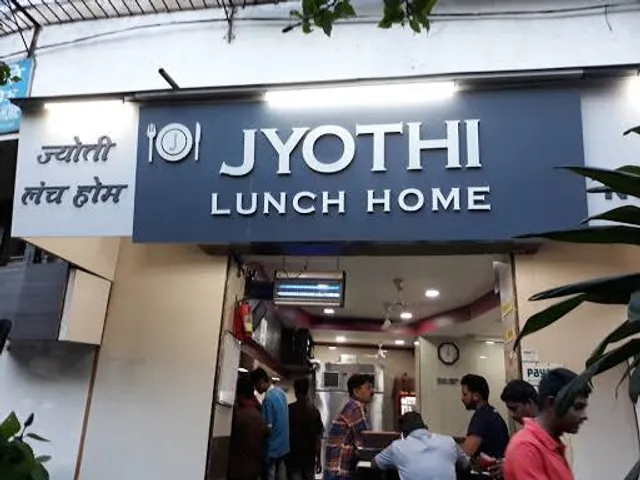
Jyothi Lunch Home & Restaurant
4.1
(1.0K)
Open until 11:00 PM
Click for details
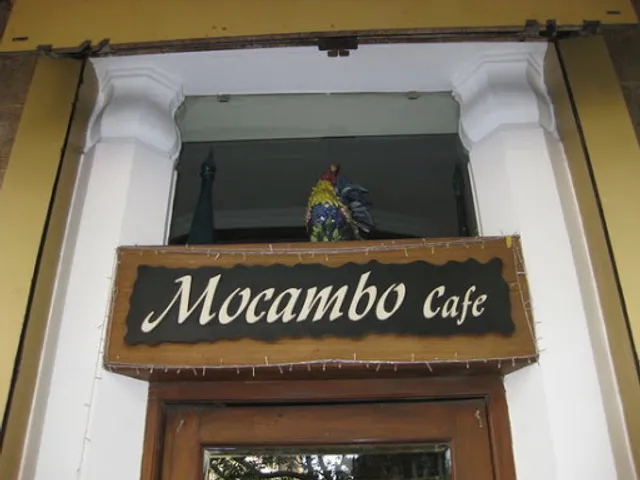
MOCAMBO CAFE
4.7
(1.5K)
Open until 11:45 PM
Click for details
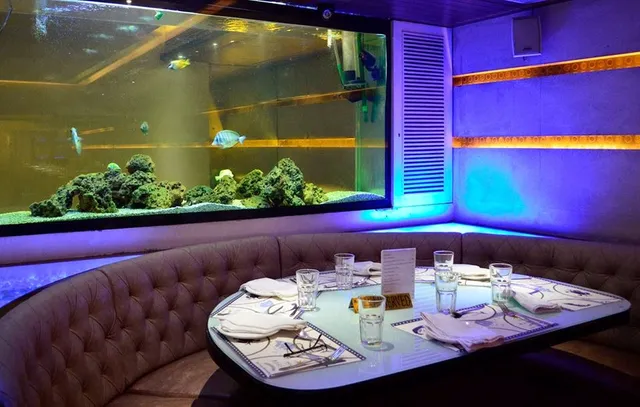
Mahesh Lunch Home
4.3
(2.4K)
$$$
Open until 3:45 PM
Click for details
Nearby local services of RBI Monetary Museum
Pawan Fruits Merchants
Mahimtura Consultants Pvt. Ltd.
The Lucky General Store
Kitab Khana
Chhatrapati Shivaji Maharaj Terminus
New Excelsior Mukta A2 Cinemas, Fort
Hurrem's Baklava & Confectionery
Wakefield House
Sterling Cineplex
Standard Chartered Mumbai 23-25 M G Road, Mumbai Branch
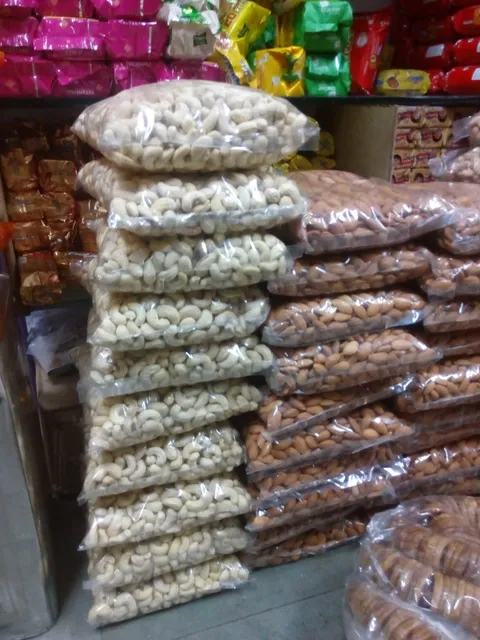
Pawan Fruits Merchants
4.0
(116)
Click for details

Mahimtura Consultants Pvt. Ltd.
4.3
(89)
Click for details
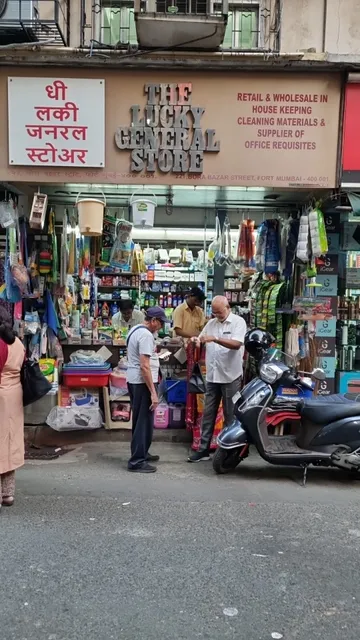
The Lucky General Store
4.5
(15)
Click for details
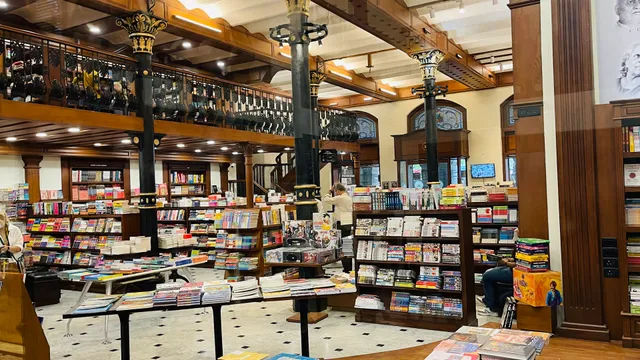
Kitab Khana
4.6
(2.4K)
Click for details