St. Thomas’ Cathedral, Mumbai things to do, attractions, restaurants, events info and trip planning
Basic Info
St. Thomas’ Cathedral, Mumbai
3, Veer Nariman Rd, near Bombay House, Kala Ghoda, Fort, Mumbai, Maharashtra 400001, India
4.6(979)
Open until 6:00 PM
Save
spot
spot
Ratings & Description
Info
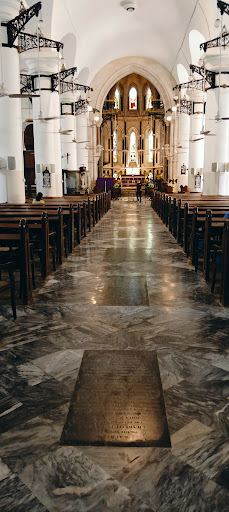
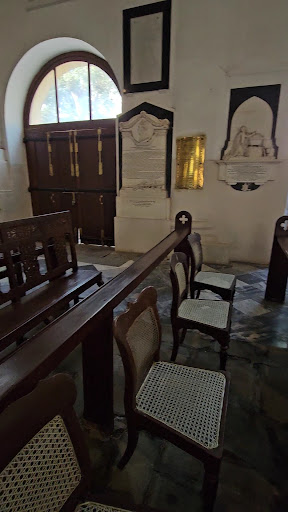
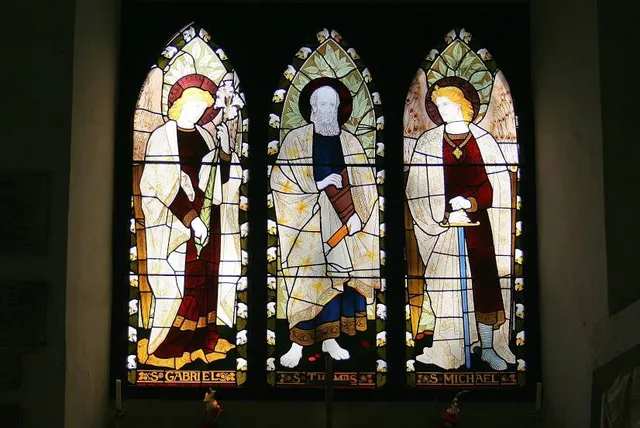
St. Thomas Cathedral, Mumbai, is the 300-year old cathedral church of the Diocese of Mumbai of the Church of North India. It is named in honour of Saint Thomas the Apostle, who is believed to have first brought Christianity to India. The cathedral is located in Horniman Circle, the historic centre of Mumbai.
Cultural
Accessibility
attractions: Horniman Circle Garden, Flora Fountain, RBI Monetary Museum, Chatterjee & Lal, Chhatrapati Shivaji Maharaj Vastu Sangrahalaya, Jehangir Art Gallery, Kala Ghoda Statue, Oval Maidan, J. N. Petit Library, Rajabai Clock Tower, restaurants: Oye Kake, Raju Ki Chai, Poornima Restaurant, Jimmy Boy Restaurant & Cake Shop Fort, Yazdani Restaurant & Bakery, Pratap Lunch Home, Pass the Salt, Mahesh Lunch Home, Dwarka Veg Restaurant, Cafe Military, local businesses: Kitab Khana, HIGH COURT OF BOMBAY, Mahimtura Consultants Pvt. Ltd., Standard Chartered Mumbai 23-25 M G Road, Mumbai Branch, Nippon Gallery, Oriental Building, CENTRAL BANK OF INDIA - MUMBAI MAIN OFFICE Branch, Pawan Fruits Merchants, New Excelsior Mukta A2 Cinemas, Fort, Pure Sin - The Chocolate Bar
 Learn more insights from Wanderboat AI.
Phone
+91 98207 50090
Website
stthomascathedralmumbai.com
Open hoursSee all hours
Sun7 AM - 6 PMOpen
Plan your stay

Pet-friendly Hotels in Mumbai
Find a cozy hotel nearby and make it a full experience.

Affordable Hotels in Mumbai
Find a cozy hotel nearby and make it a full experience.

The Coolest Hotels You Haven't Heard Of (Yet)
Find a cozy hotel nearby and make it a full experience.

Trending Stays Worth the Hype in Mumbai
Find a cozy hotel nearby and make it a full experience.
Reviews
Live events
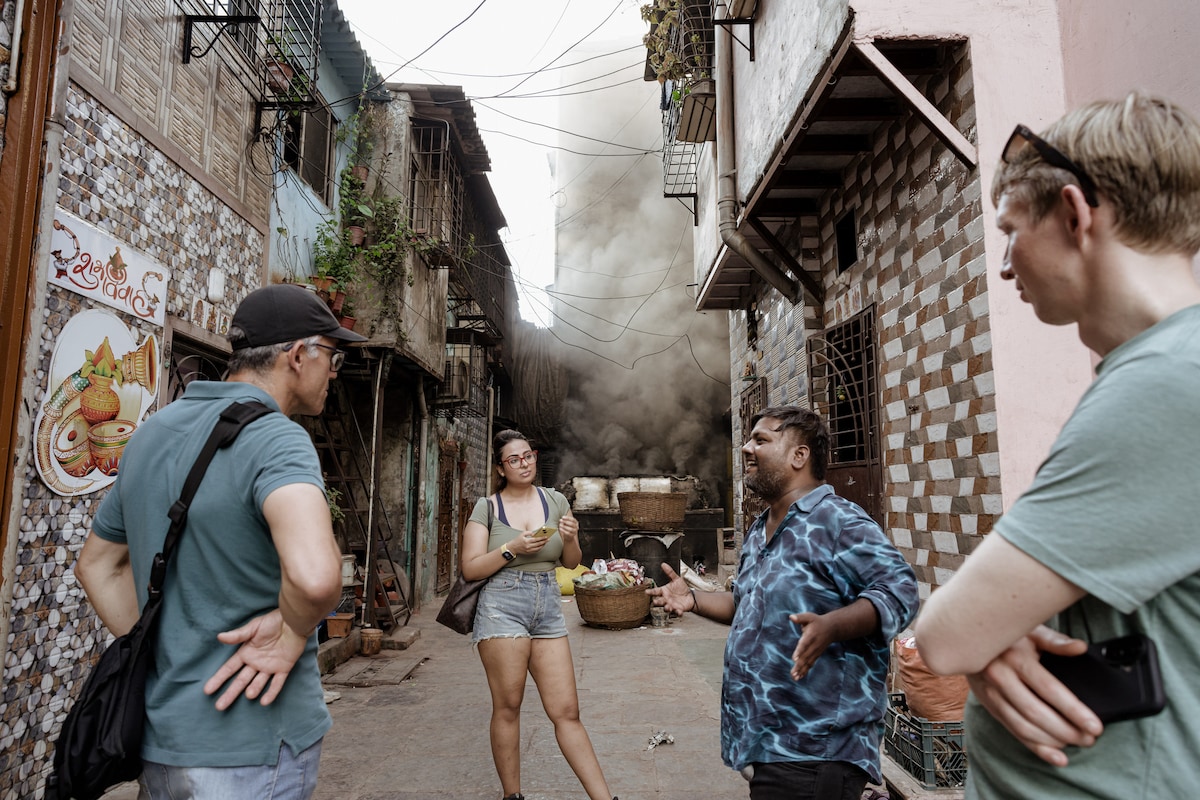
Dharavi Slum Tour with Optional Dhobi ghat Laundry
Sun, Feb 22 • 9:30 AM
Mumbai, Maharashtra, 400016, India
View details
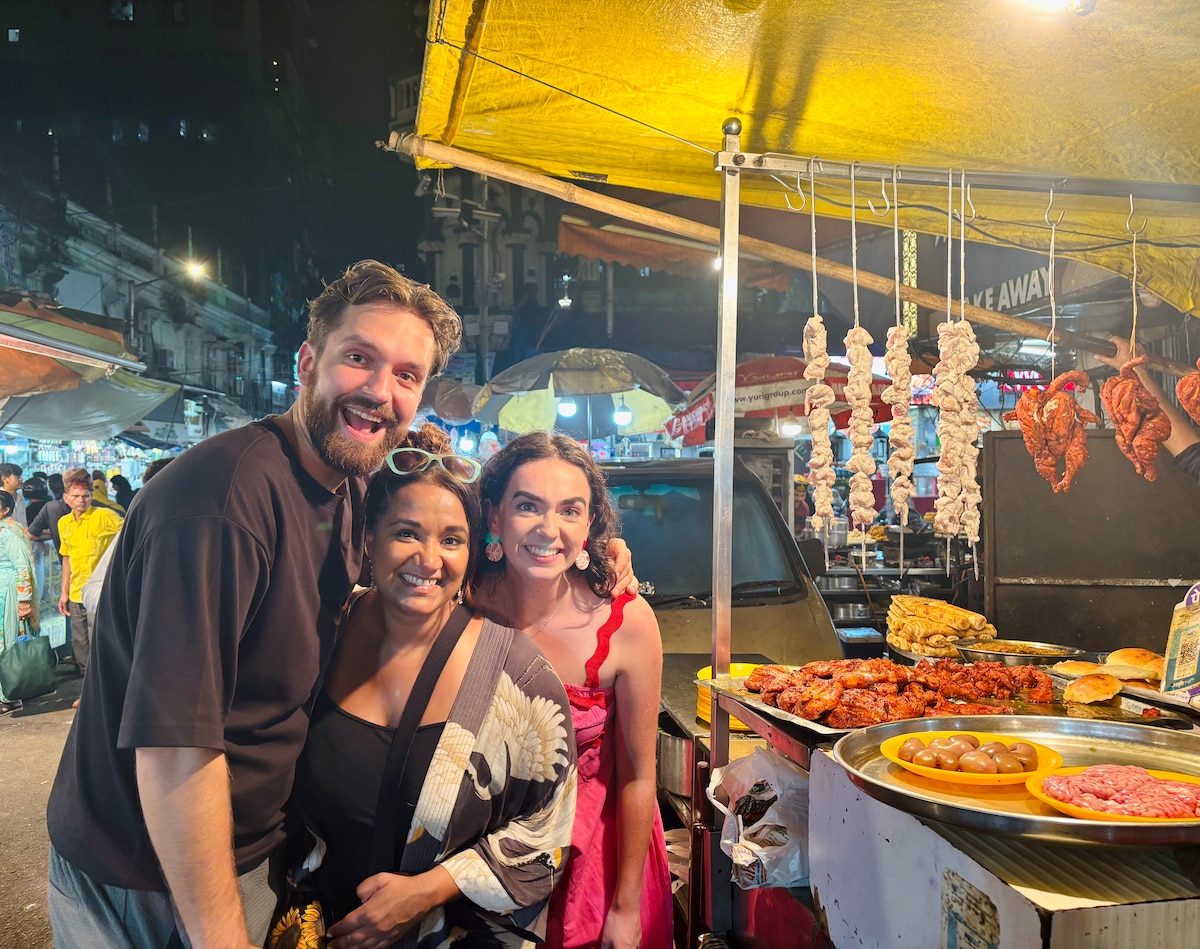
Mumbai Street Food and Local Market Tour
Sun, Feb 22 • 3:00 PM
Opposite to Churchgate Railway Station Mumbai, Maharashtra, 400020, India
View details
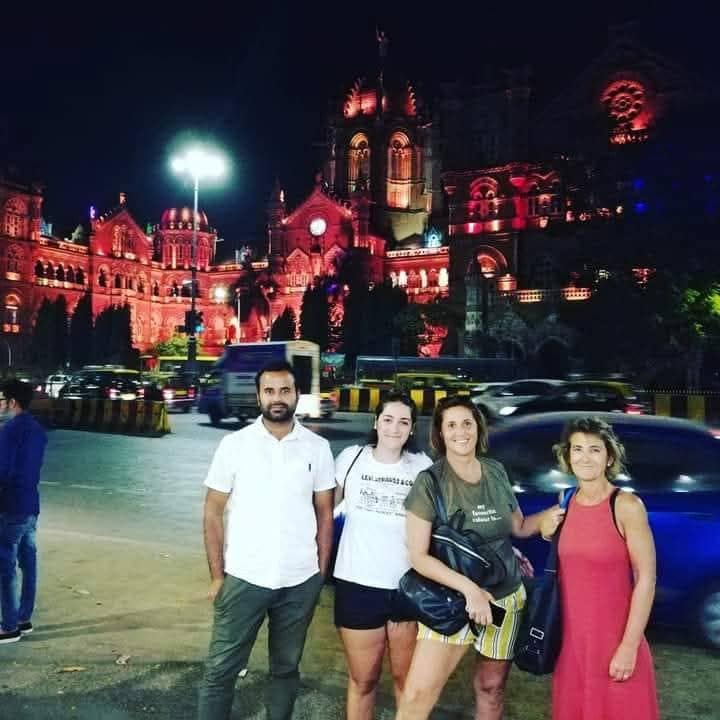
Visit hidden gems with a Mumbai local
Mon, Feb 23 • 10:00 AM
Mumbai, Maharashtra, 400001, India
View details
Nearby attractions of St. Thomas’ Cathedral, Mumbai
Horniman Circle Garden
Flora Fountain
RBI Monetary Museum
Chatterjee & Lal
Chhatrapati Shivaji Maharaj Vastu Sangrahalaya
Jehangir Art Gallery
Kala Ghoda Statue
Oval Maidan
J. N. Petit Library
Rajabai Clock Tower
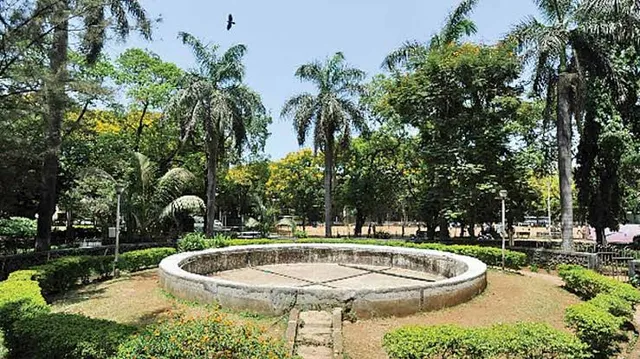
Horniman Circle Garden
4.4
(5.3K)
Open until 8:00 PM
Click for details
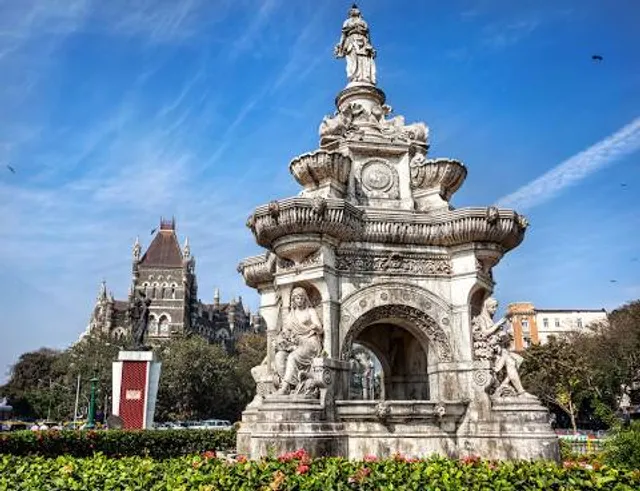
Flora Fountain
4.5
(9.3K)
Open until 12:00 AM
Click for details
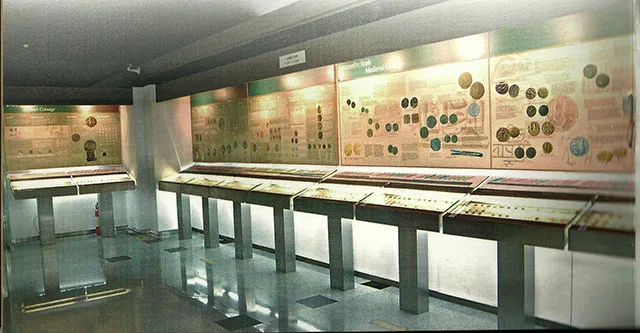
RBI Monetary Museum
4.6
(1.3K)
Closed
Click for details
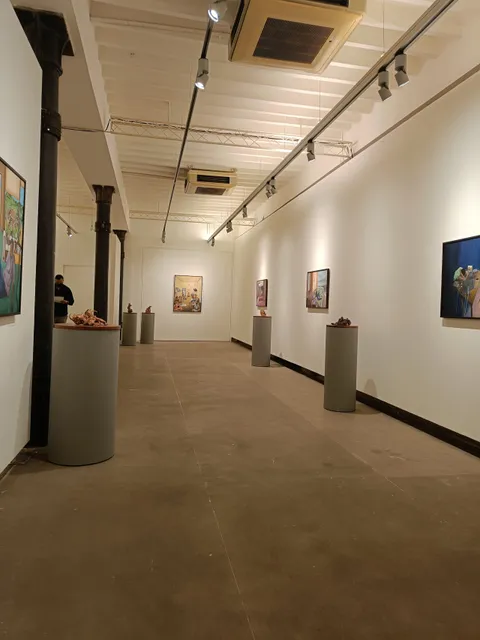
Chatterjee & Lal
4.6
(71)
Open until 12:00 AM
Click for details
Nearby restaurants of St. Thomas’ Cathedral, Mumbai
Oye Kake
Raju Ki Chai
Poornima Restaurant
Jimmy Boy Restaurant & Cake Shop Fort
Yazdani Restaurant & Bakery
Pratap Lunch Home
Pass the Salt
Mahesh Lunch Home
Dwarka Veg Restaurant
Cafe Military
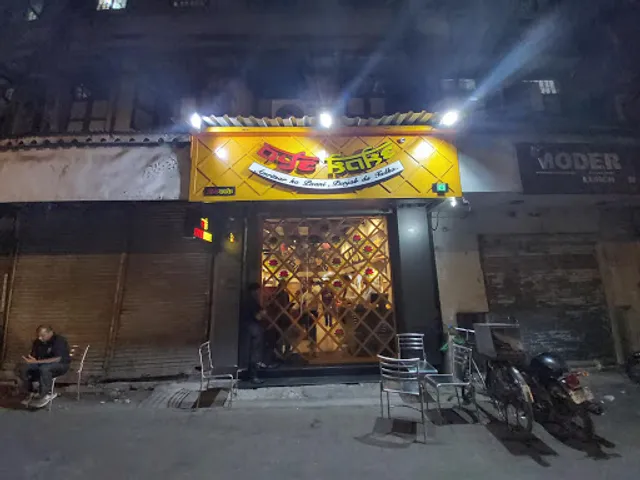
Oye Kake
4.2
(1.8K)
$$
Closed
Click for details
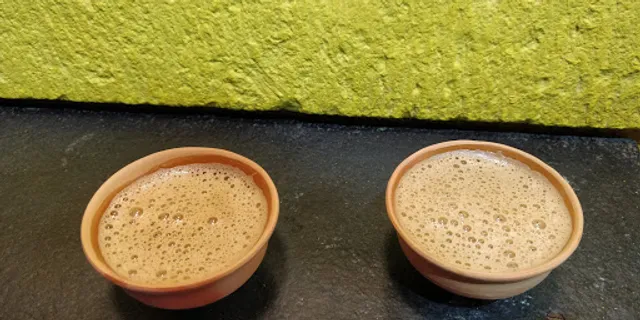
Raju Ki Chai
4.3
(1.6K)
Open until 1:10 AM
Click for details
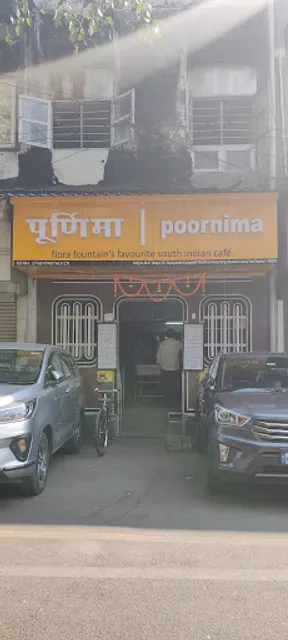
Poornima Restaurant
4.4
(766)
Open until 8:00 PM
Click for details
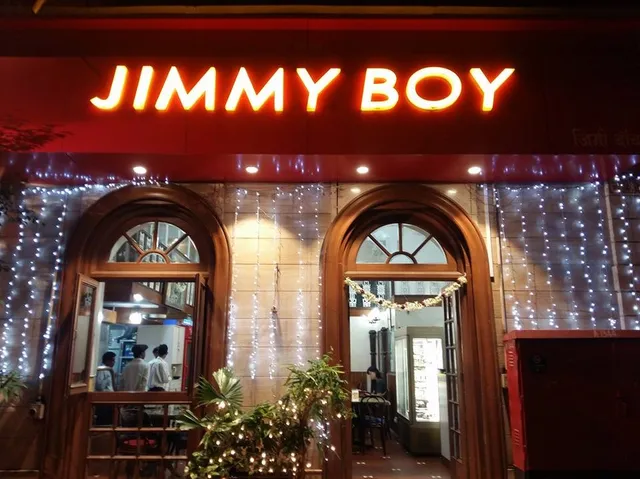
Jimmy Boy Restaurant & Cake Shop Fort
4.3
(2K)
$$
Click for details
Nearby local services of St. Thomas’ Cathedral, Mumbai
Kitab Khana
HIGH COURT OF BOMBAY
Mahimtura Consultants Pvt. Ltd.
Standard Chartered Mumbai 23-25 M G Road, Mumbai Branch
Nippon Gallery
Oriental Building
CENTRAL BANK OF INDIA - MUMBAI MAIN OFFICE Branch
Pawan Fruits Merchants
New Excelsior Mukta A2 Cinemas, Fort
Pure Sin - The Chocolate Bar
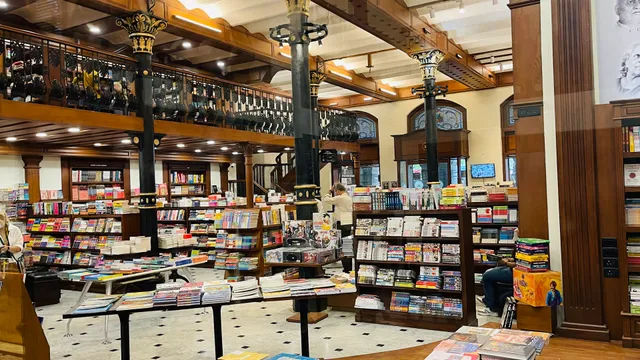
Kitab Khana
4.6
(2.4K)
Click for details
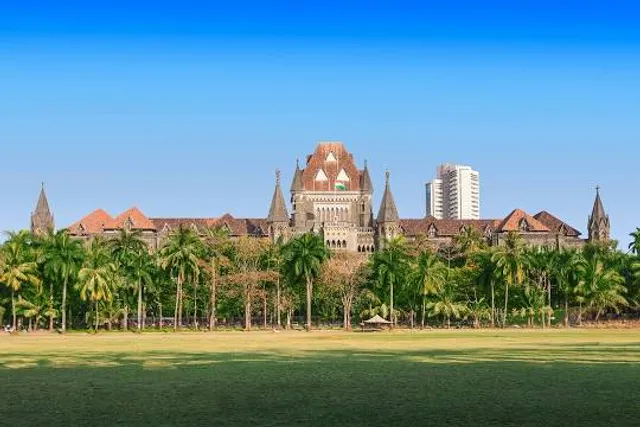
HIGH COURT OF BOMBAY
4.5
(2.2K)
Click for details

Mahimtura Consultants Pvt. Ltd.
4.3
(89)
Click for details
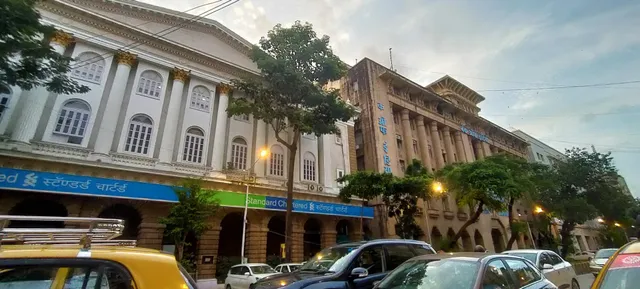
Standard Chartered Mumbai 23-25 M G Road, Mumbai Branch
4.8
(555)
Click for details