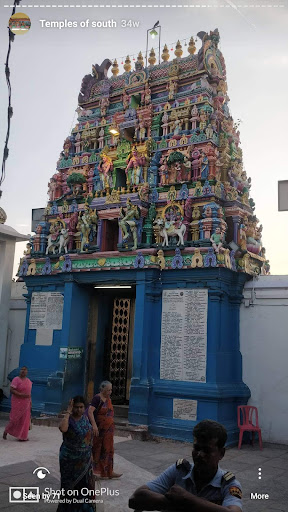
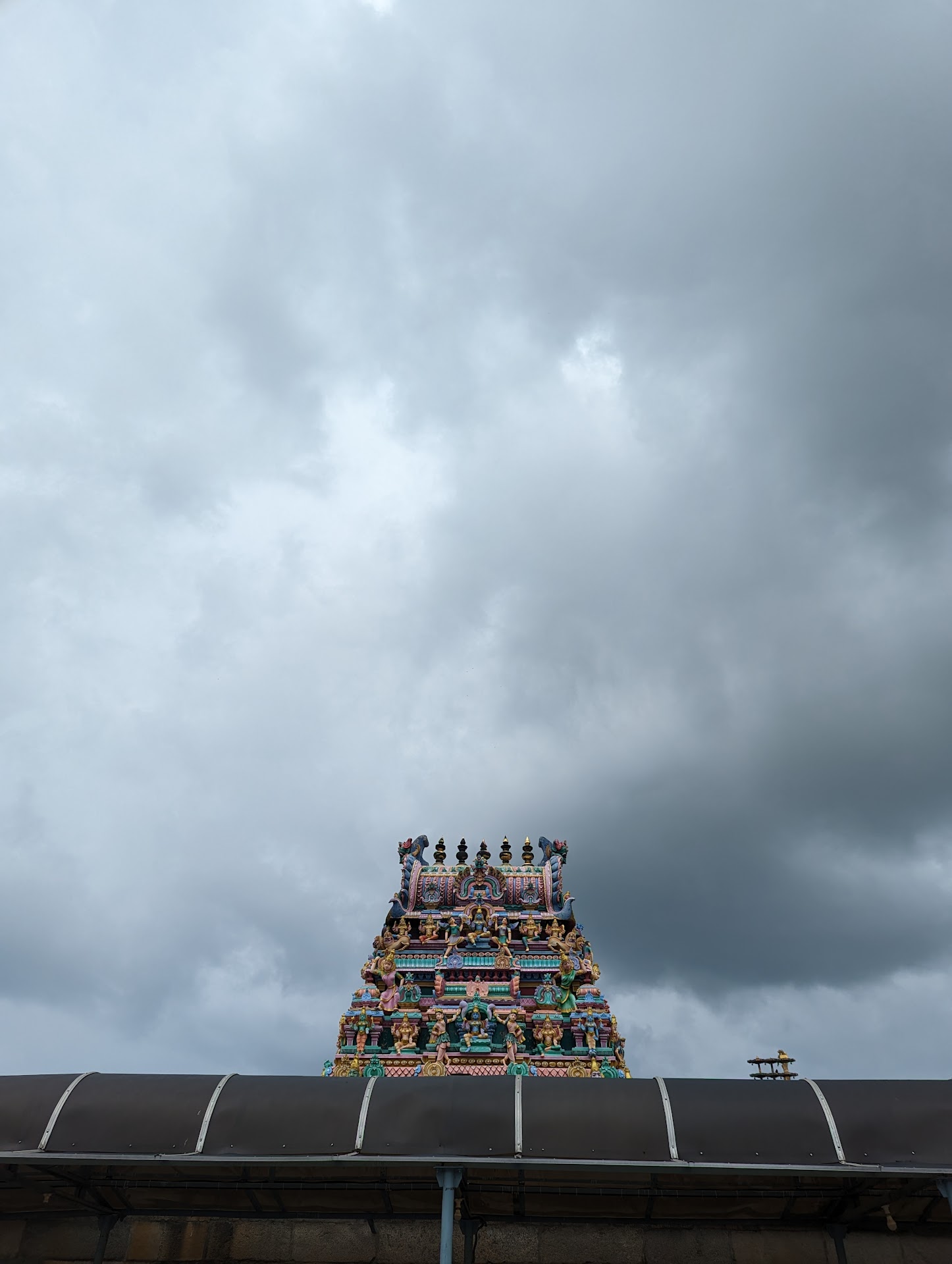
The Kapaleeshwar Temple stands as a revered symbol of devotion, spirituality, and architectural brilliance. Dedicated to Lord Shiva in his form as Kapaleeshwar, this ancient temple holds a cherished place in the hearts of devotees and visitors alike. With its towering gopurams, intricate sculptures, and vibrant rituals, the Kapaleeshwar Temple offers a captivating journey into the rich cultural heritage and religious fervor of South India.
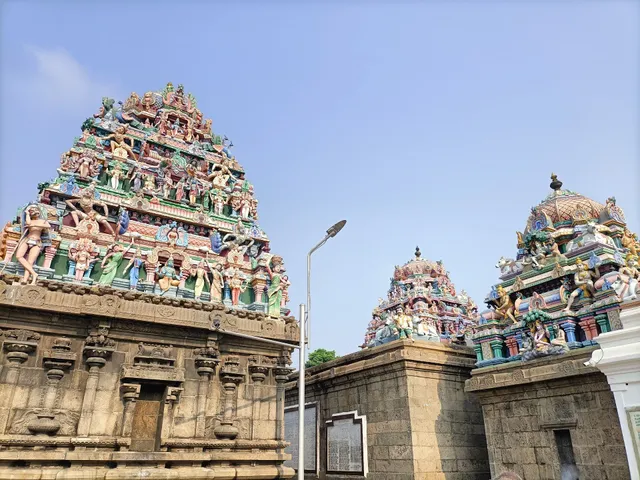
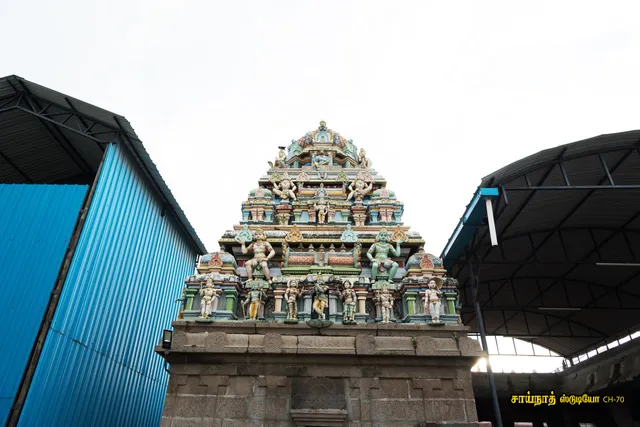
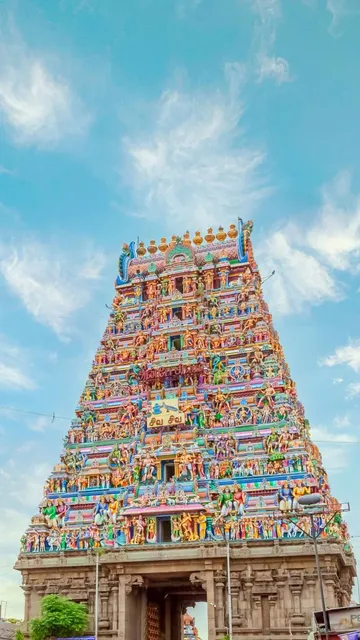
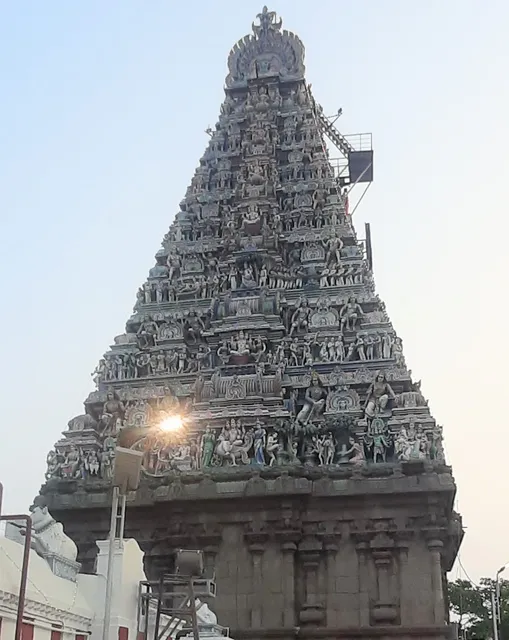
Architectural Marvel: The Kapaleeshwar Temple is renowned for its exquisite Dravidian architecture, characterized by towering gopurams adorned with intricate sculptures and colorful frescoes. The main sanctum, dedicated to Lord Kapaleeshwar, features a majestic vimana (tower) adorned with ornate carvings and sculptural motifs depicting scenes from Hindu mythology. Surrounding the main shrine are smaller shrines dedicated to various deities, each showcasing unique architectural elements and artistic embellishments that highlight the temple's rich craftsmanship and attention to detail.
Spiritual Significance: The Kapaleeshwar Temple holds immense spiritual significance for devotees of Lord Shiva, who flock to the temple to seek blessings, offer prayers, and partake in religious rituals and ceremonies. The temple's sanctum sanctorum houses the sacred lingam (symbol of Lord Shiva), believed to embody the divine presence of the deity. Devotees engage in traditional rituals such as abhishekam (ritual bathing), archana (offering of prayers), and circumambulation of the sanctum, seeking divine blessings for health, prosperity, and spiritual fulfillment.
Cultural Heritage: Beyond its religious significance, the Kapaleeshwar Temple is a living testament to the rich cultural heritage and artistic legacy of South India. The temple's architecture, sculptures, and rituals reflect a fusion of Dravidian, Chola, Pallava, and Vijayanagara influences, showcasing the region's diverse cultural tapestry and artistic prowess. Throughout the year, the temple hosts vibrant festivals and celebrations, including the annual Arupathimoovar Festival and Panguni Peruvizha, which attract devotees and tourists from far and wide to witness the grandeur and splendor of South Indian culture and tradition.
Community Engagement: The Kapaleeshwar Temple serves as a focal point for community engagement, fostering a sense of unity, harmony, and social responsibility among its devotees and residents. The temple actively participates in charitable initiatives, educational programs, and cultural events that promote social welfare, religious tolerance, and environmental conservation. Whether organizing free meals for the needy, supporting local artisans and craftsmen, or advocating for cultural preservation, the temple plays a vital role in enriching the lives of its devotees and contributing to the welfare of society at large.
Conclusion: In conclusion, the Kapaleeshwar Temple in Chennai is not just a place of worship; it is a sanctuary of divine grace, cultural heritage, and community spirit. With its magnificent architecture, spiritual significance, and vibrant rituals, the temple offers a transformative experience for devotees and visitors seeking solace, enlightenment, and connection with the divine. As one steps into the hallowed precincts of the Kapaleeshwar Temple, they are transported into a realm of timeless devotion, where the echoes of ancient prayers and the blessings of the divine resonate in every corner, leaving an indelible imprint...
Read moreIf you come to Mylapore, it is a good temple to see.
Now let's talk about a little history
Kapaleeswarar temple is one of the prominent Shiva temples in India situated in Mylapore, Chennai. Here Lord Shiva is worshipped as Kapaleeswar [self-manifested] and Goddess Shakthi [Uma] as Karpagambal. There is a story behind how the place got the name Mylapore and the same story is the root of this magnificent pilgrim center. According to the legend, Goddess Karpagambal [Uma] wished to know the meaning of the five lettered divine mantra “Na Ma Shi Va Ya”. She pleaded to Lord Shiva to teach her the true meaning of the mantra along with the significance of sacred ash. He agreed and once while he was teaching the same to Uma Devi, her eyes fall upon a beautiful peahen dancing and lost her concentration. Lord Shiva displeased by her, cursed her to become a peahen. In order to free herself from the curse she was asked to go to Earth and do penance on him. Therefore Goddess Karpagambal worshipped the Shivalinga under the Punnai tree here where the temple stands. Pleased by her devotion, Lord Shiva freed the Goddess from the curse and she regained her original form. This is how the place came to be known as Mylapore [Mail - Peahen] where Goddess Karpagambal in her peahen form worshipped the Shivalinga and freed herself from the curse.
There are many tales that proves the significance of this Kapaleeswarar Temple. Lord Muruga, son of Lord Shiva visited this temple and worshipped him and his mother Goddess Uma [Karpagambal] before heading to a war with an Asura [demon] named Surapadman. He received the Shaktivel here at this temple, a divine powerful weapon his mother gave to fight the Asura.
Now there is another fascinating legend of why Lord Shiva is known as Kapaleeshwarar. Once Lord Brahma, the creator as per Hindu mythology, considered him greater than Lord Shiva as he too had five heads and then Lord Shiva inorder to teach Brahmma a lesson of humility, nipped one of the five heads of Brahma and held his skull in his hand, earning himself the name Kapaleeswarar for Kapalam in Sanskrit means Skull.
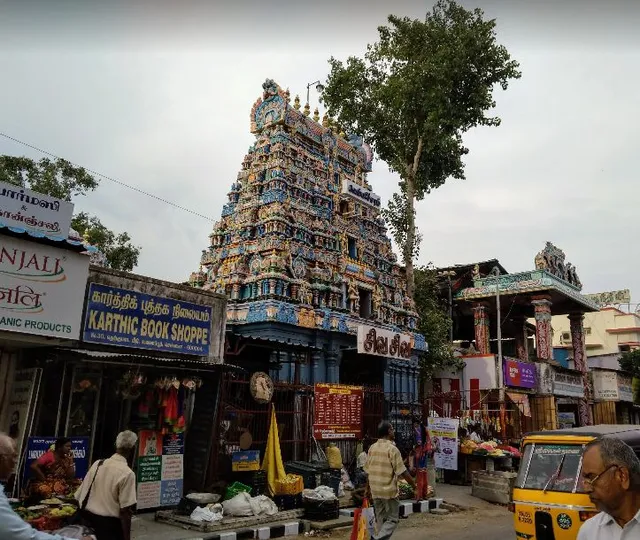
Now moving on the architecture of the temple, it is another great piece of Dravidian art, but it is not the original structure of the temple which is long gone or washed ashore. Even the great historians are not able to date the construction of the original temple building. The temple authorities claim that the original temple was destroyed by the Portuguese. The current structure is more than 300 years old. There are two entrances to the temple, one on the east and other on the west side of the temple with colourful Gopurams [temple tower] which enhance the beauty of the whole temple. The east Gopuram is 40m in height and is higher than the western Gopuram. There is a huge water tank in front of the western entrance which is another major landmark of the temple.
The Shiva Lingam worshipped here is a Swayambhu Lingam, which means it is a self-manifested lingam. It is one among the 64 Swayambhu Lingams in the world. Other than the main deities Kapaleeswarar and Karpagambal, there are various other shrines of Natana Vinayakar, Palani Andavar, Vaayilar Nayanar, Singara Velar, Dakshinamurthy, Somaskandar and Durgai. There is another small shrine outside, at the courtyard of the temple and under the old Punnai tree depicting Goddess Uma in the form of a peahen worshipping Lord Shiva, which remind us the legend of how this place got its...
Read moreMylapore – A Divine Weekend Retreat Famously known by the line “Mylaporeyil Karuvarayil Karpagambal Udan Arulil” (which means “In Mylapore, within the sacred sanctum, with the grace of Karpagambal”), Mylapore stands as one of Chennai’s most sacred and historically rich spiritual centers. At its heart lies the majestic Kapaleeswarar Temple, dedicated to Lord Shiva (Kapaleeswarar) and Goddess Parvati (Karpagambal).
A unique and deeply symbolic feature of this temple is that Karpagambal’s sannidhi (shrine) comes before that of Kapaleeswarar. Devotees first have darshan of the Mother, and only then of Lord Shiva — signifying that the Mother is the creator, the origin, and the first refuge. It’s a gentle spiritual reminder that “Amma irukkaa” — “The Mother is here”, offering her protection, care, and blessings before anything else. Adorned in a traditional madisar (nine-yard saree), Karpagambal appears both majestic and comforting. Lord Shiva, in his Raja Alankaram (royal attire), radiates divine royalty with calm simplicity — like a Raja Hamsam (royal swan), powerful yet serene.
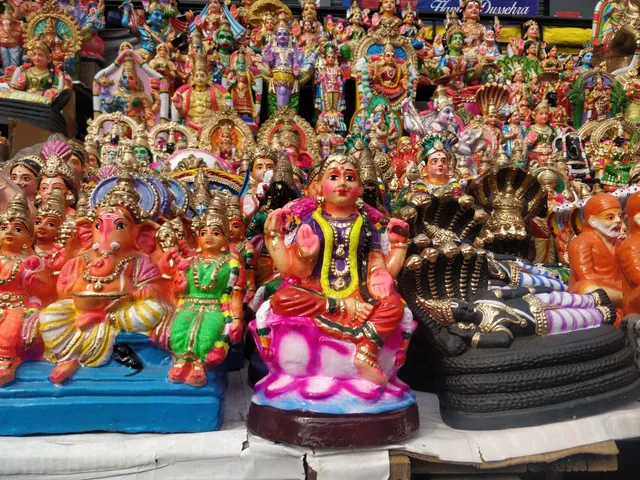
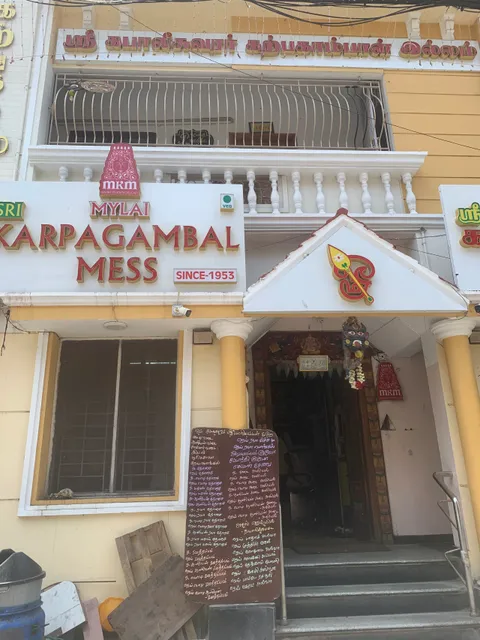
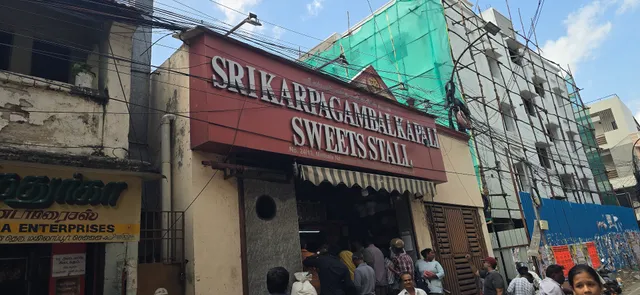
Outside the temple, the streets are alive with the aroma of traditional South Indian food from age-old hotels, along with pooja shops, prasadam, kumkum, antique stores, and the sacred fragrance of sambrani. It’s a full-sensory spiritual and cultural experience. Before the start of Navratri, the streets of Mylapore are beautifully filled with Golu Bommai (festive dolls). I visited many shops displaying finely crafted and fascinating dolls, completely adorning the streets. It’s truly heartwarming to see — each doll seems to invite you with a silent, “I want to come home with you.” These Golu dolls come from all over India, including Calcutta and other regions, while some are specially made in Tamil villages, blending tradition from across the country.
Legend says that Parvati came here in the form of a peacock (mayil) to perform penance, which gave Mylapore (Mylai) its name. A large peacock idol, shown worshipping the Lord Shiva lingam, is prominently placed at the top of the entry point to the Shiva shrine, symbolizing devotion and grace — a beautiful reflection of the historic story of the temple. The temple’s car festival, grandly celebrated and known as the Kapali Chariot Festival, is one of the most important events here. The Brahmotsavam of Thirumailai brings people from all age groups across Chennai together to participate with devotion and a strong sense of responsibility, sharing in the joy and sacredness of worship.
Even amidst busy Chennai life, this temple is a peaceful escape. With its gosala (cow shed), vibrant mandapams (pillared halls) that become especially busy during auspicious days, and heartfelt devotion, Mylapore is more than a place — it’s a blessing. A must-visit spot where tradition, taste, and divinity...
Read more