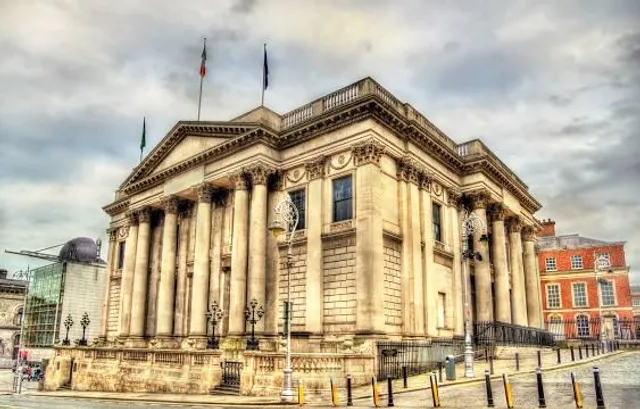
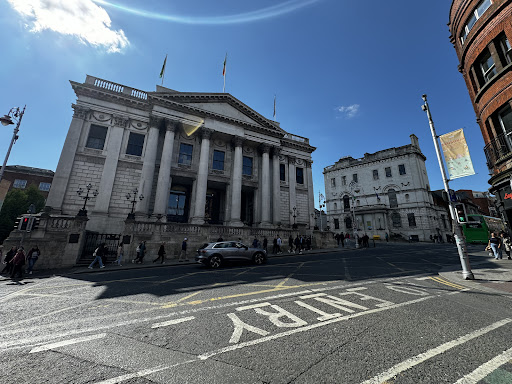
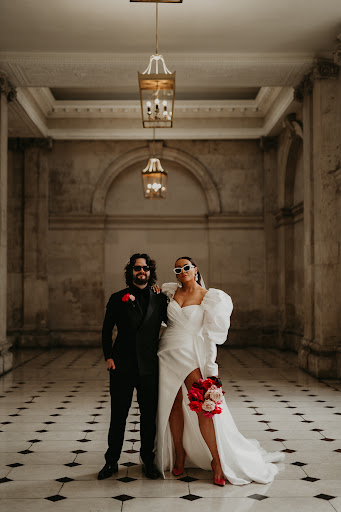
The City Hall, Dublin (Irish: Halla na Cathrach, Baile Átha Cliath), originally the Royal Exchange, is a civic building in Dublin, Ireland. It was built between 1769 and 1779 to the designs of architect Thomas Cooley and is a notable example of 18th-century architecture in the city.
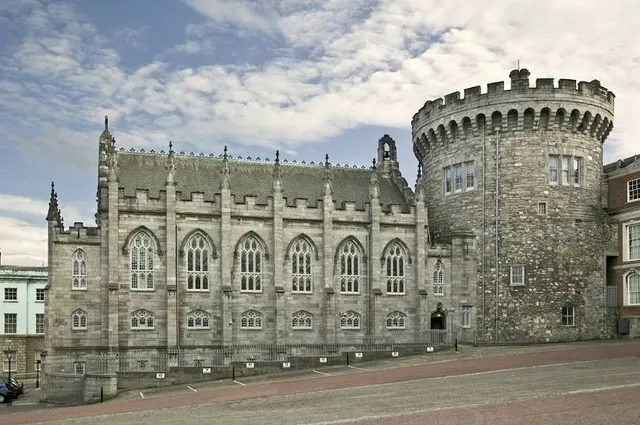
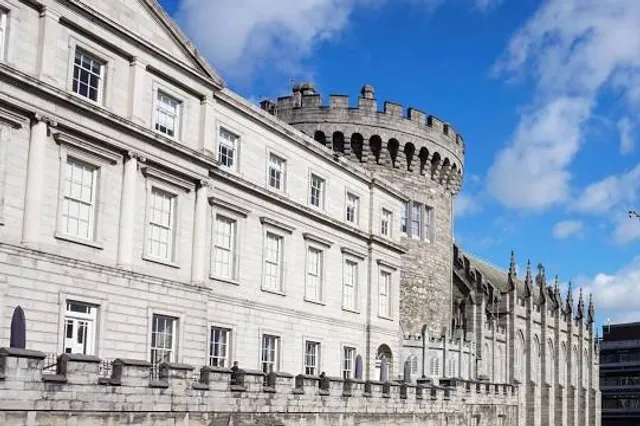
Located at the top of Parliament Street on the city's southern side, the City Hall building stands next to Dublin Castle, the centre of the British government in Ireland until 1922. Parliament Street had been laid-out in 1753, providing a continuation of Capel Street on the north bank of the Liffey, across the newly widened Essex Bridge.
Originally built as the Royal Exchange, the structure was designed by Thomas Cooley, who had won a design competition run for the project between 1768 and 1769. The exterior of the building is primarily made out of white Portland stone from a quarry in Dorset. The carved capitals were by Simon Vierpyl, and plasterwork by the stuccodore Charles Thorpe. The neo-classical building contains a central entrance hall or Rotunda, with a large dome supported by twelve columns which are surrounded by an ambulatory where the merchants strolled and discussed business meetings.
The function of the building was to act as the Dublin Stock Exchange and to provide a meeting place for Dublin's businessmen. It was also close to the then Customs House that stood on the site of today's Clarence Hotel, making it convenient for overseas merchants. The cost of building the exchange was met by the Parliament of Ireland, and this is reflected by the initials "SPQH", standing for "Senatus PopulusQue Hibernicus", meaning "The senate and people of Ireland" (an Irish version of SPQR).
The city government had originally been located in the mediæval Tholsel at the corner of Nicholas Street and Christchurch Place, approximately 300 metres to the west (where the 'Peace Park' is today), and before that on the Thingmount, where Suffolk Street now runs. In the 18th century, meetings were held in South William Street (formerly the Civic Museum).
In 1815 the metal balustrade of the exchange fell, owing to the pressure against it by a crowd, which led to the death of nine people, with much more injured. This led to crowd restrictions in the building.
In the 1850s, the City Corporation bought the Royal Exchange and converted it for use by the city government. The changes included partitions around the ambulatory, the construction of a new staircase from the Rotunda to the upper floors and the sub-division of the vaults for storage. On 30 September 1852, the Royal Exchange was renamed City Hall at the first meeting of Dublin City Council held there. (The ward name "Royal Exchange" was retained, corresponding to the current electoral divisions of Royal Exchange A and B.) A series of frescos were later added, representing the regions of Ireland.
During the 1916 Easter Rising, the City Hall was used as a garrison for the Irish Citizen Army. Sean Connolly seized the building using a key which he obtained as he worked in the motor department and had access to the building. There were 35 people based here, mostly women. It was in this area where the first casualty of the rising, a guard named James O’Brien, occurred at Dublin Castle and he was shot by Sean Connolly while on duty. In total, the entire siege lasted about 12 hours.
Most Dublin City Council staff are located in the newer and brutalist design Civic Offices, controversially built from 1979 on the site of a national monument, the Viking city foundations on Wood Quay.
Dublin Corporation itself was renamed in the early 21st century as Dublin City Council, previously the name of the assembly of councillors only. Some council meetings take place in City Hall.
There is an exhibition on the history of Dublin City, called "Dublin City Hall, The Story of the Capital", located...
Read moreDublin City Hall is an absolute delight that transports visitors to a bygone era while showcasing the rich history and grandeur of the city. Nestled in the heart of Dublin, this architectural gem stands as a testament to the city's past and invites you to immerse yourself in its storied heritage.
The moment you step inside Dublin City Hall, you're greeted by an atmosphere of elegance and charm. The stunning neoclassical architecture, with its grand columns and intricate detailing, creates a sense of awe and wonder. Every corner of this magnificent building exudes a timeless beauty that captivates visitors from the very beginning.
The interior of Dublin City Hall is equally impressive. The spacious halls and corridors are adorned with historical artifacts, captivating exhibits, and informative displays that bring the city's history to life. From the intricate stained glass windows to the ornate plasterwork, every architectural detail tells a story, making it a haven for history enthusiasts and culture seekers.
One of the highlights of Dublin City Hall is the Council Chamber, a meticulously restored room that showcases the grandeur of the past. The impressive chamber is adorned with stunning artwork and offers a glimpse into the city's governance and decision-making throughout the centuries. Standing in this space, you can't help but feel a sense of reverence for the city's past and the important events that have unfolded within these walls.
The knowledgeable and friendly staff at Dublin City Hall further enhance the experience. They are passionate about sharing the history and significance of the building, providing fascinating insights and answering any questions visitors may have. Their enthusiasm and dedication contribute to creating a warm and welcoming atmosphere that adds to the overall enjoyment of the visit.
Dublin City Hall also hosts various events, exhibitions, and cultural activities throughout the year, making it a vibrant hub of community engagement. From art exhibitions to historical talks and concerts, there is always something happening within these historic walls, ensuring that each visit is a unique and enriching experience.
Whether you're a history buff, an architecture enthusiast, or simply seeking a glimpse into Dublin's past, a visit to Dublin City Hall is a must. It's a place where the beauty of the past meets the vibrancy of the present, creating a harmonious blend that captures the essence of this remarkable city. Prepare to be enchanted and inspired by the grandeur and rich heritage that Dublin City Hall...
Read moreDublin City Hall is a gem nestled in the heart of Ireland's vibrant capital, offering visitors a glimpse into the city's rich history and architectural splendor. Stepping into this grand building, I was immediately struck by its elegant Georgian-style facade and impressive interiors.
The intricate details of the neoclassical design, with its grand columns, ornate ceilings, and majestic staircases, create a sense of grandeur and sophistication. The historic chambers and exhibition spaces within City Hall are filled with fascinating artifacts, documents, and exhibits that showcase Dublin's past and present, providing a captivating insight into the city's evolution over the centuries.
One of the highlights of my visit was exploring the beautiful rotunda, adorned with stunning frescoes and sculptures that pay tribute to Dublin's cultural heritage. The interactive displays and informative guides offered a deeper understanding of the city's governance, architecture, and civic life, making the experience both educational and engaging.
The panoramic views of Dublin from the observation deck of City Hall are simply breathtaking, offering a unique perspective of the city's skyline and landmarks. The serene River Liffey flowing nearby adds to the picturesque setting, creating a peaceful oasis in the midst of the bustling city.
Whether you're a history enthusiast, an architecture aficionado, or simply a curious traveler, a visit to Dublin City Hall is a rewarding experience that combines beauty, history, and culture in a harmonious blend. I highly recommend exploring this architectural masterpiece and immersing yourself in the rich tapestry of Dublin's past and present—it's a journey you won't...
Read more