Dublin Castle things to do, attractions, restaurants, events info and trip planning
Basic Info
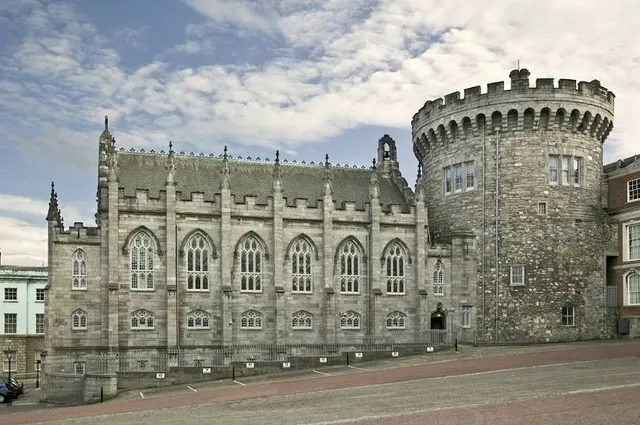
Dublin Castle
Dame St, Dublin 2, Ireland
4.3(1.9K)
Closed


tickets
Save
spot
spot
Ratings & Description
Info
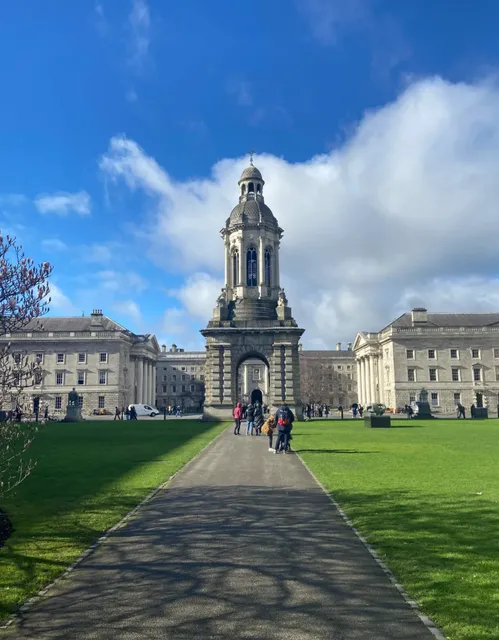
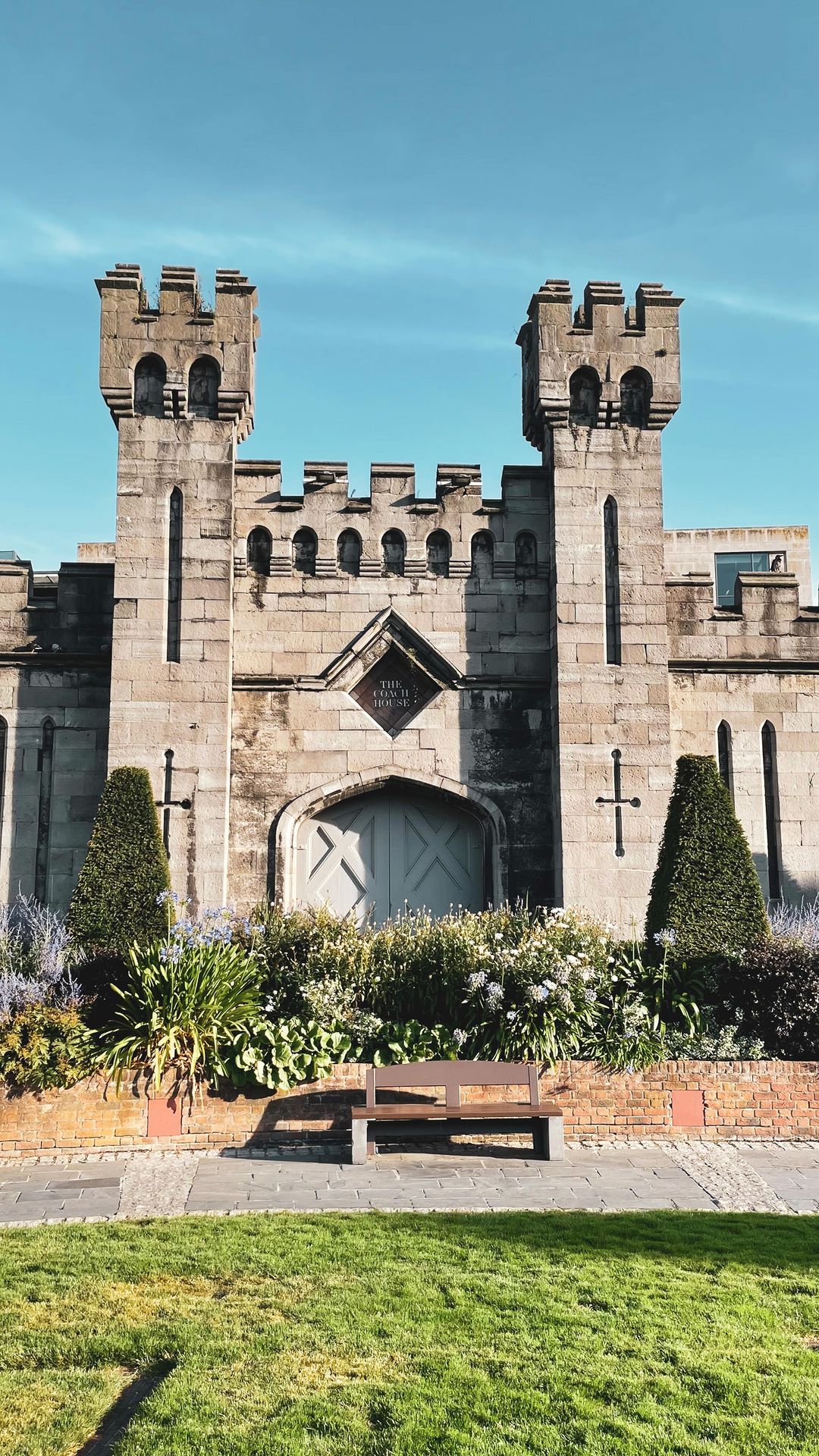
Dublin Castle is a former Motte-and-bailey castle and current Irish government complex and conference centre. It was chosen for its position at the highest point of central Dublin. Until 1922 it was the seat of the British government's administration in Ireland.
Cultural
Accessibility
attractions: Chester Beatty, Dubh Linn Garden, 3Olympia Theatre, Christ Church Cathedral, Dublinia, City Hall, The Chapel Royal, Dublin Tourist Information Centre Barnardo Square, Smock Alley Theatre, 1662, St Patrick's Cathedral, restaurants: Sano Pizza, The Bull & Castle, Toscana City Centre Italian Restaurant, Darkey Kelly's, Porterhouse Temple Bar, Beef & Lobster, Cantina Valentina Dublin, Yamamori South City, Forno 500, NoLIta, local businesses: George's Street Arcade, The Long Hall, Asia Market, The Workman's Club, Mario's Takeaway, Down to Earth, Stephen's Green Shopping Centre, The Boilerhouse, The RAGE - Record, Art and Game Emporium, The Temple Bar Trading Company
 Learn more insights from Wanderboat AI.
Phone
+353 46 942 2213
Website
dublincastle.ie
Open hoursSee all hours
TueClosed
Plan your stay

Pet-friendly Hotels in Dublin
Find a cozy hotel nearby and make it a full experience.

Affordable Hotels in Dublin
Find a cozy hotel nearby and make it a full experience.

The Coolest Hotels You Haven't Heard Of (Yet)
Find a cozy hotel nearby and make it a full experience.

Trending Stays Worth the Hype in Dublin
Find a cozy hotel nearby and make it a full experience.
Reviews
Live events
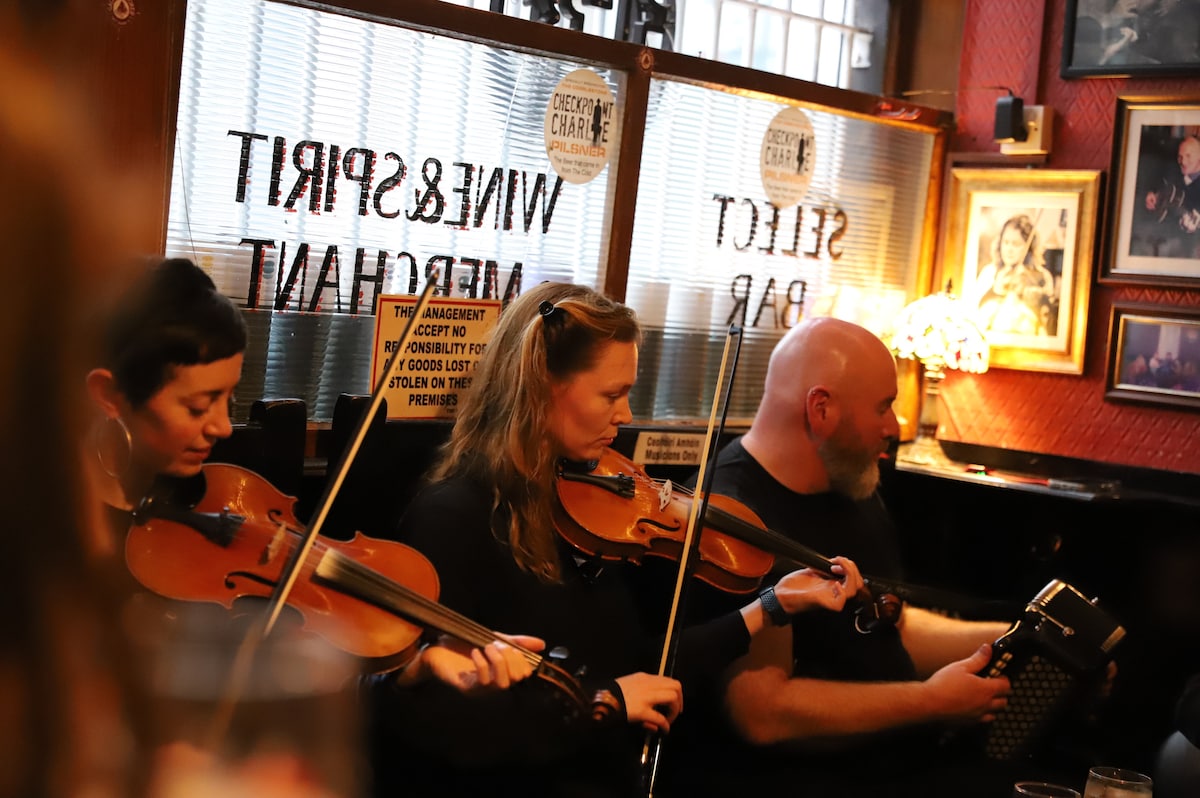
Real Dublin Traditional Music Pub Tour
Tue, Feb 24 • 7:30 PM
Dublin, County Dublin, d7, Ireland
View details

Forge a silver ring workshop
Tue, Feb 24 • 12:00 PM
Dublin, County Dublin, D02 V658, Ireland
View details
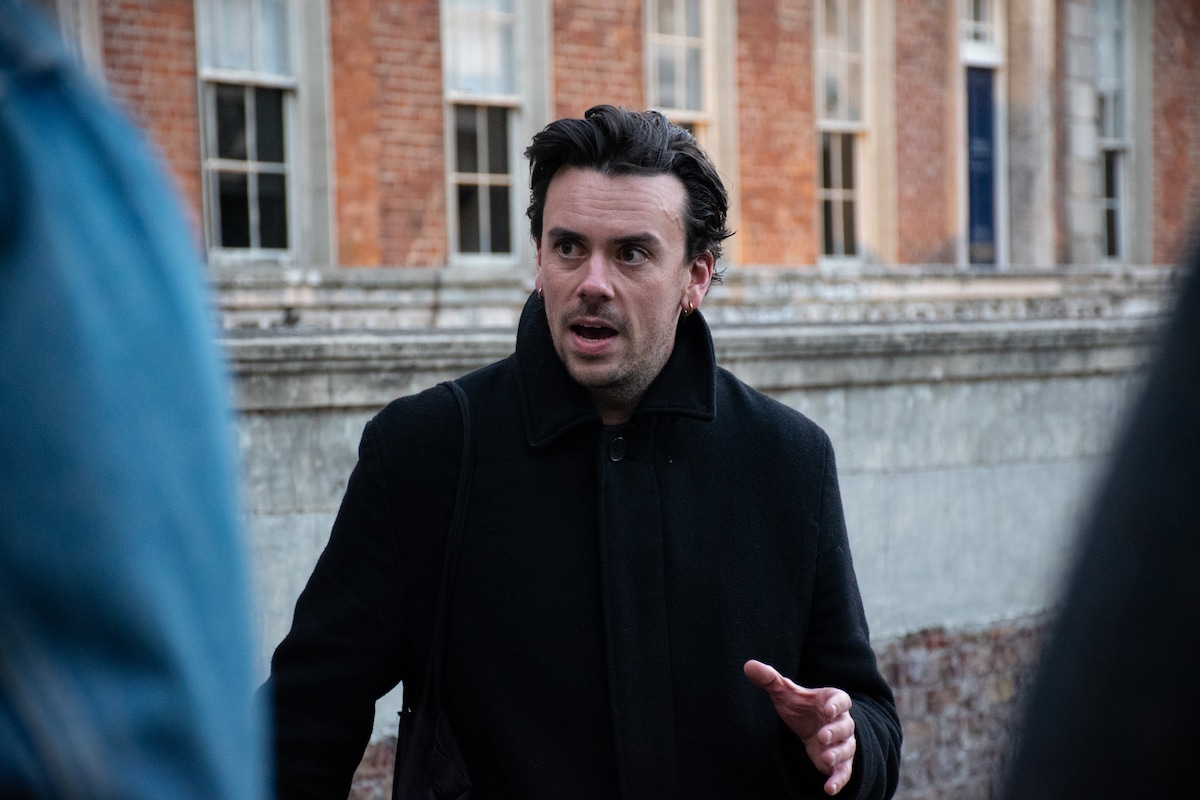
Dark Dublin Walking Tour w/ Ghosts, Ghouls, & Gore
Tue, Feb 24 • 6:00 PM
Dublin, County Dublin, D02 CX67, Ireland
View details
Nearby attractions of Dublin Castle
Chester Beatty
Dubh Linn Garden
3Olympia Theatre
Christ Church Cathedral
Dublinia
City Hall
The Chapel Royal
Dublin Tourist Information Centre Barnardo Square
Smock Alley Theatre, 1662
St Patrick's Cathedral
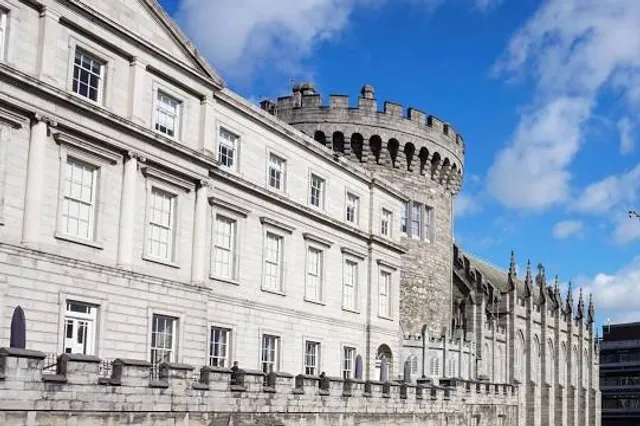
Chester Beatty
4.7
(1.8K)
Open until 12:00 AM
Click for details
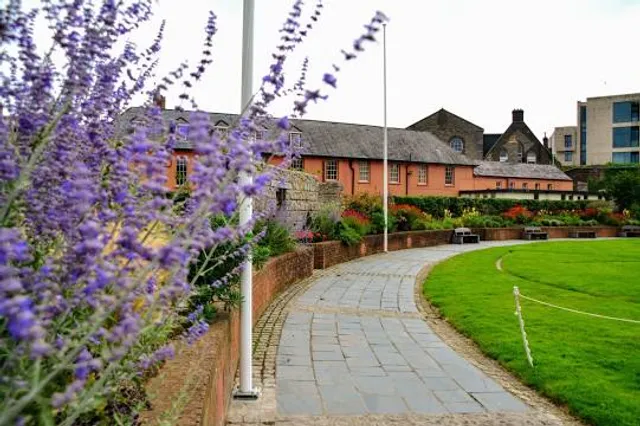
Dubh Linn Garden
4.6
(720)
Open until 7:00 PM
Click for details
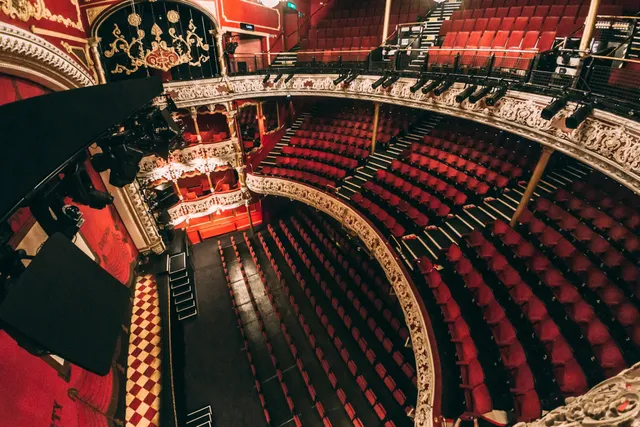
3Olympia Theatre
4.5
(2.8K)
Open 24 hours
Click for details
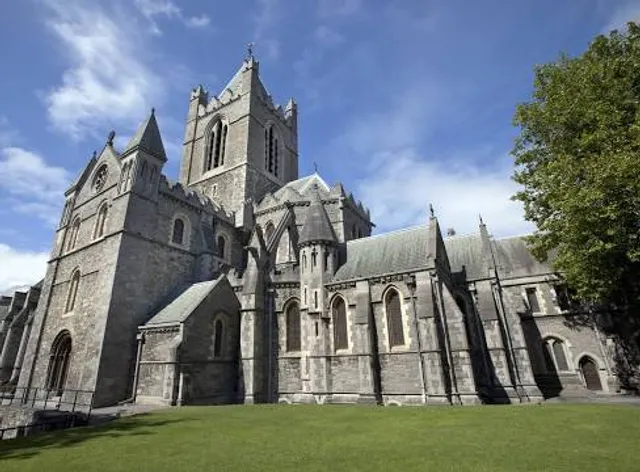
Christ Church Cathedral
4.5
(4.6K)
Open until 5:00 PM
Click for details
Nearby restaurants of Dublin Castle
Sano Pizza
The Bull & Castle
Toscana City Centre Italian Restaurant
Darkey Kelly's
Porterhouse Temple Bar
Beef & Lobster
Cantina Valentina Dublin
Yamamori South City
Forno 500
NoLIta
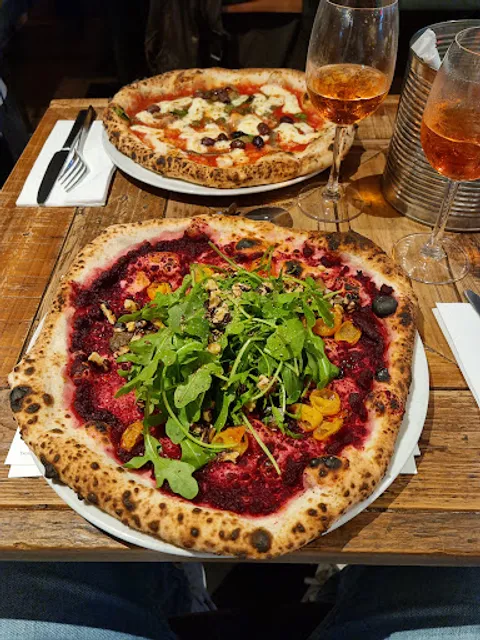
Sano Pizza
4.4
(2.2K)
Closed
Click for details
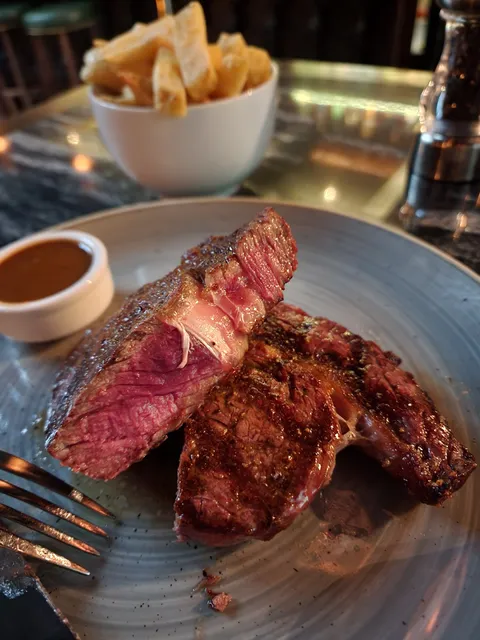
The Bull & Castle
4.5
(2.3K)
$$
Closed
Click for details
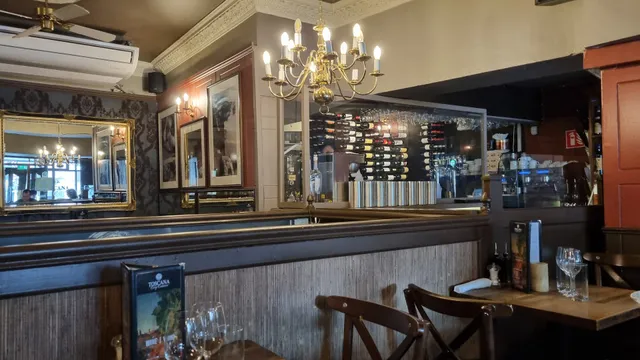
Toscana City Centre Italian Restaurant
4.4
(1.2K)
Closed
Click for details

Darkey Kelly's
4.7
(2.4K)
Closed
Click for details
Nearby local services of Dublin Castle
George's Street Arcade
The Long Hall
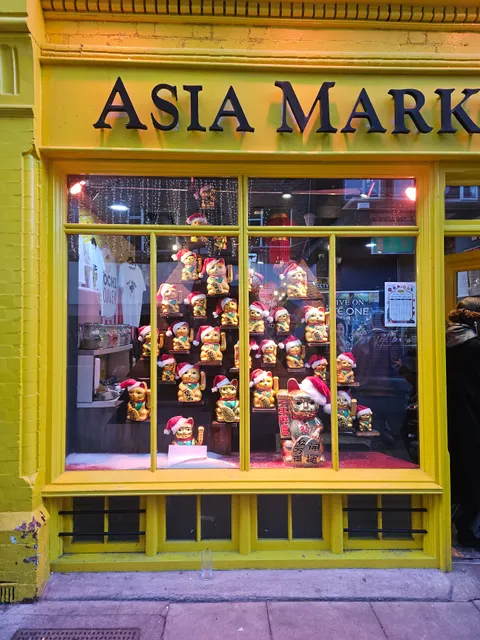
Asia Market
The Workman's Club
Mario's Takeaway
Down to Earth
Stephen's Green Shopping Centre
The Boilerhouse
The RAGE - Record, Art and Game Emporium
The Temple Bar Trading Company
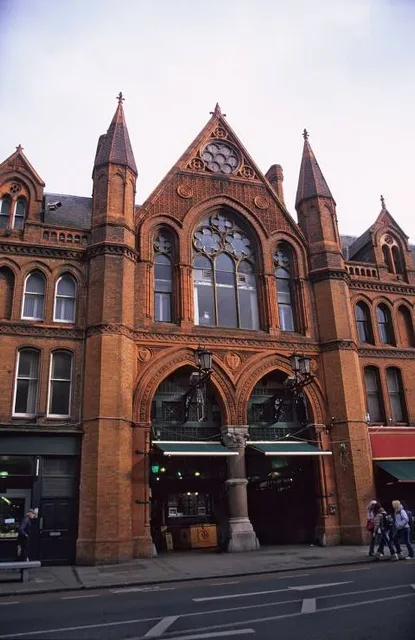
George's Street Arcade
4.3
(3.3K)
Click for details
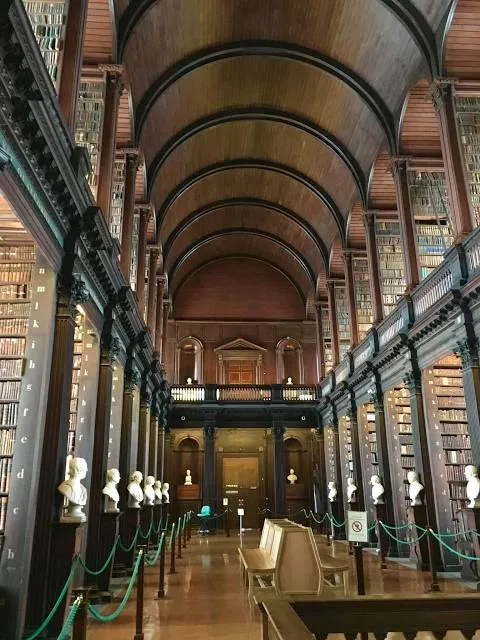
The Long Hall
4.6
(1.8K)
Click for details
Asia Market
4.5
(1.3K)
Click for details
The Workman's Club
4.1
(1.6K)
Click for details